
Photography In Spain - My Experience
In this blog, I’ll share my experience of photographing Spain. At the time of writing, I’ve visited 15 different towns and cities over four months. While there are still some key locations I have yet to visit, I feel that I have a good overall understanding of what it’s like to travel and take photographs in this amazing country.
Blog Scope
I’m a photographer who travels to take photos and document the journey. This is my hobby; it isn’t part of some grand project or narrative. This blog is therefore aimed at people who travel for fun and enjoy photographing their trips. When I travel, my priorities are to see as much as possible and take photos. I’m not a foodie, history enthusiast, or art connoisseur, so don’t expect much of that to appear in this blog.
When to Visit
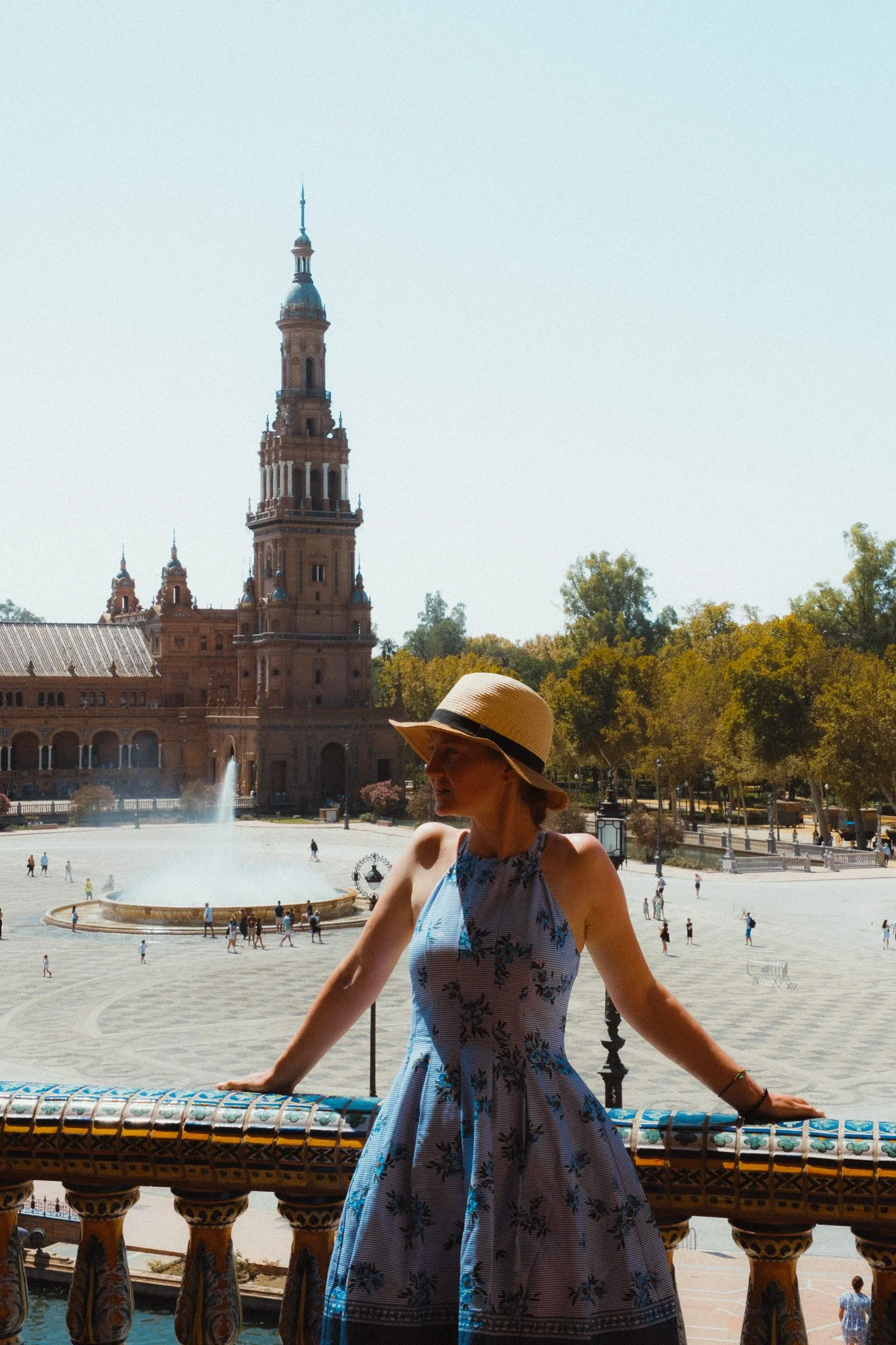
The climate in Spain varies drastically. I remember freezing my arse off in Bilbao in December and overheating in Seville in August. Generally speaking, unless you love hot weather, I would avoid southern Spain during the summer. The heat can be intense, and unless you’re accustomed to it, you can write off the middle of the day.
We spent a month in Málaga during the summer a few years ago. While the mornings and evenings were pleasant, the period between 12:00 and 16:00 was unbearable for us. Of course, we come from a cold climate, so that wasn’t much of a surprise. Places such as Valencia are a dream during the winter and even better in April. I remember spending February in Valencia and wearing shorts and a jumper most days. It was perfect.
In contrast, we stayed in Madrid during October, and by the end of the month, we needed thick winter jackets because it was freezing. Regardless of where you go, I would try to avoid the peak summer months because of the heat and overtourism.
Duration
The great thing about Spain is that you can make a trip work for almost any number of days. Its cities are ideal for three-day breaks, while those staying longer have countless small towns and villages to explore. That’s before we even mention the countryside, mountains, and deserts.
I would say that two weeks will give you ample time to experience a broad selection of locations across the country. One week is enough to sample a particular region, while a long weekend is ideal for exploring a single city.
Getting Around
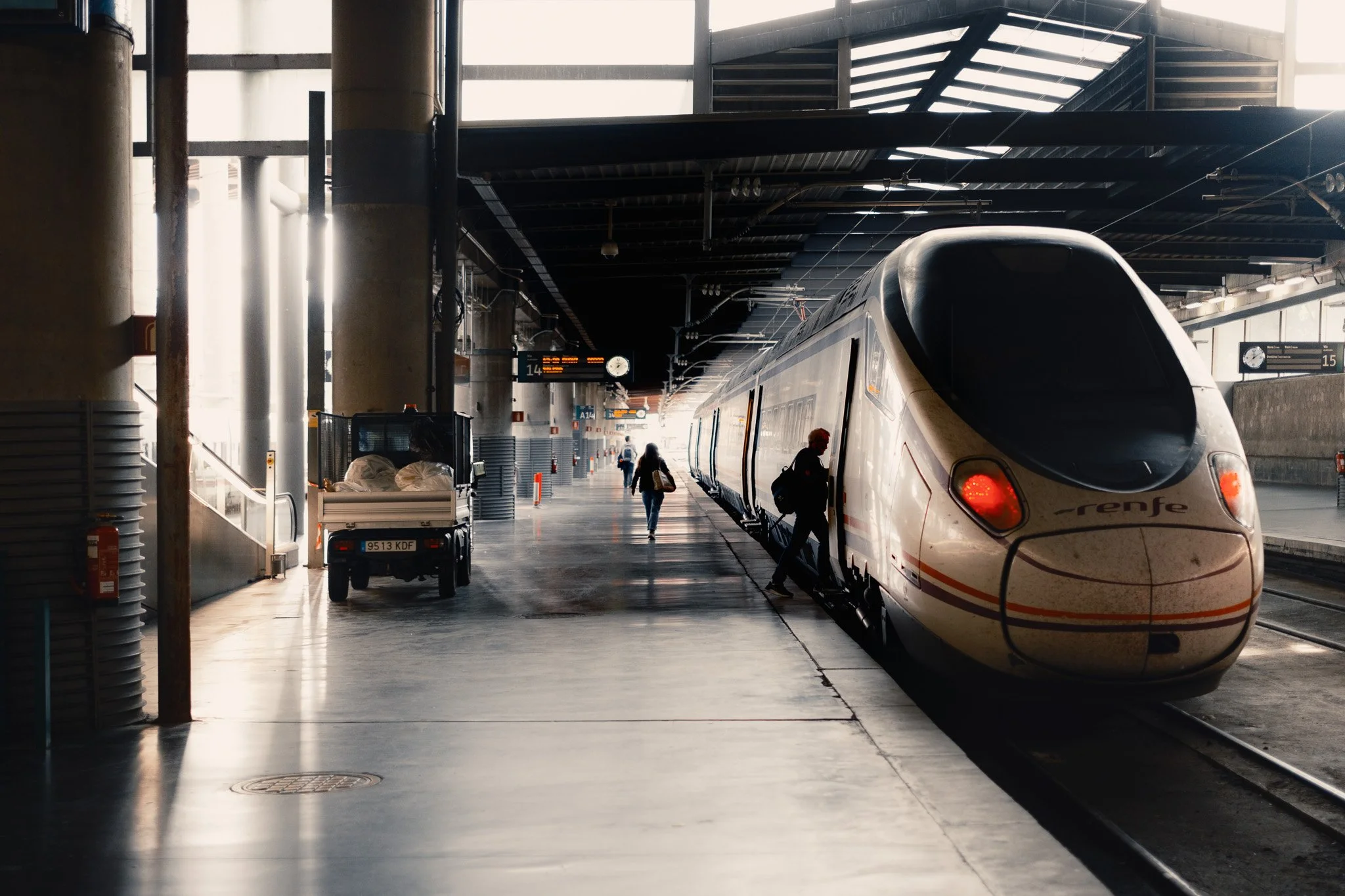
During our visits, we travelled exclusively by train, bus, and coach. The high-speed trains are incredible, allowing you to cross the country in very little time. Local buses and long-distance coaches are also generally good. Public transport is all you need in the larger cities. For more rural areas, however, I would recommend hiring a car.
Other Travel Essentials
While you’ll find more English speakers in the larger cities, the reality is that you’ll need to learn some basic Spanish words and phrases, or at least use a translation app. Unlike in some other European countries, English isn’t as widely spoken. I would also recommend carrying cash. Keep at least €50–€100 with you, including some coins, just in case. In larger cities and tourist hotspots, remain aware of pickpockets, opportunistic thieves, and common scams.
Camera Gear
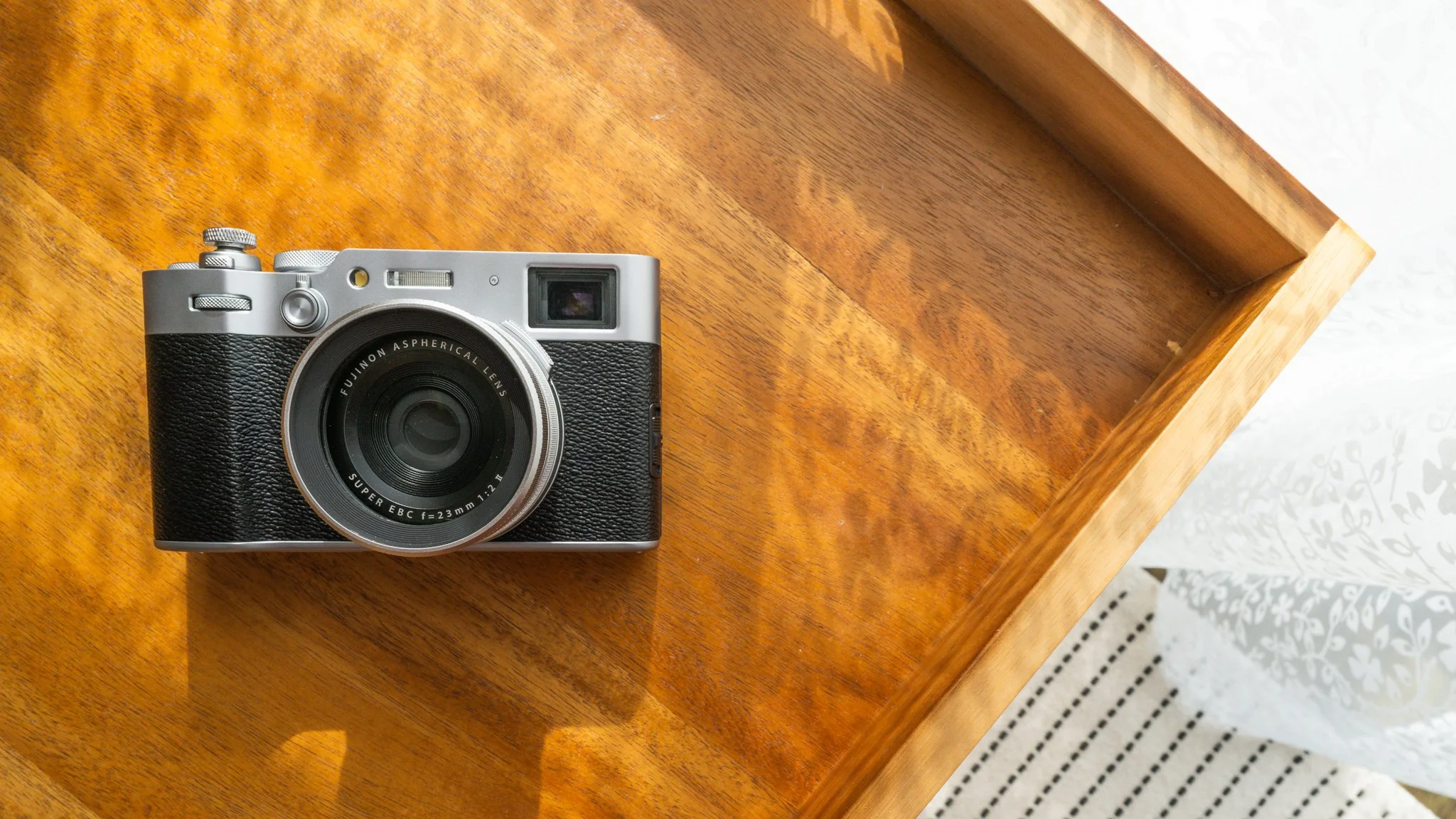
If I had to choose the ideal camera for Spain, it would be the Fujifilm X100VI. To be honest, any compact camera with a focal length of around 35mm in full-frame terms would be ideal. On my Sony, I used a 24–50mm zoom, which was perfect for this environment. I would avoid large, bulky equipment whenever possible.
Attitudes Towards Photography
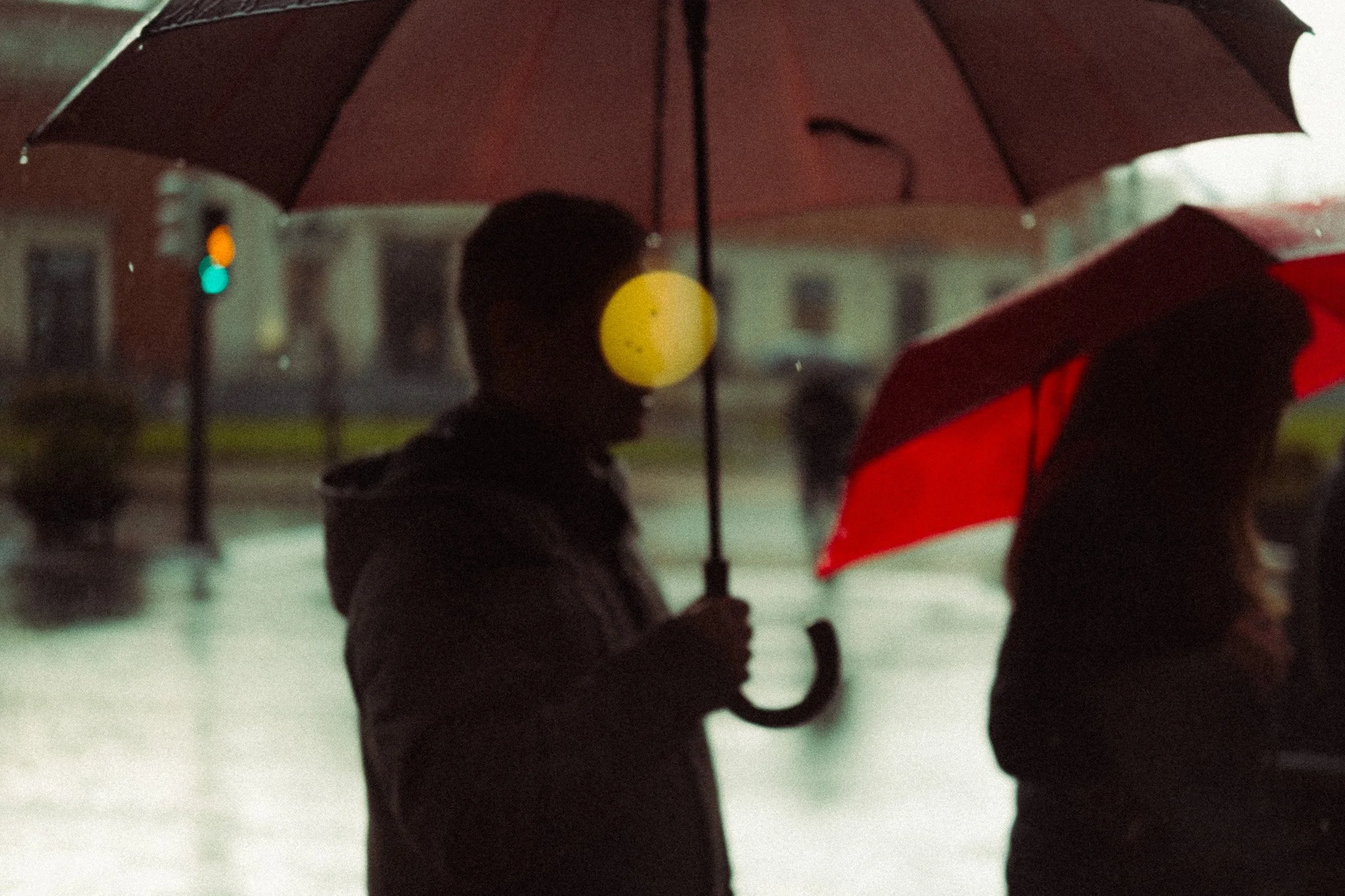
My experience has been positive, and I generally found Spanish people to be unbothered by photography. This isn’t Asia, where people often welcome having their photo taken, but it also isn’t Morocco, where photographers can occasionally receive a hostile response. I found people in Spain to be respectful and kind, provided that their boundaries were also respected. If you plan to shove your camera into people’s faces, pretend to be Bruce Gilden, or generally behave like a creep, you might face some confrontation. If you’re polite, respectful, and able to read the room, you’ll have a great time and come away with some excellent photos.
Madrid
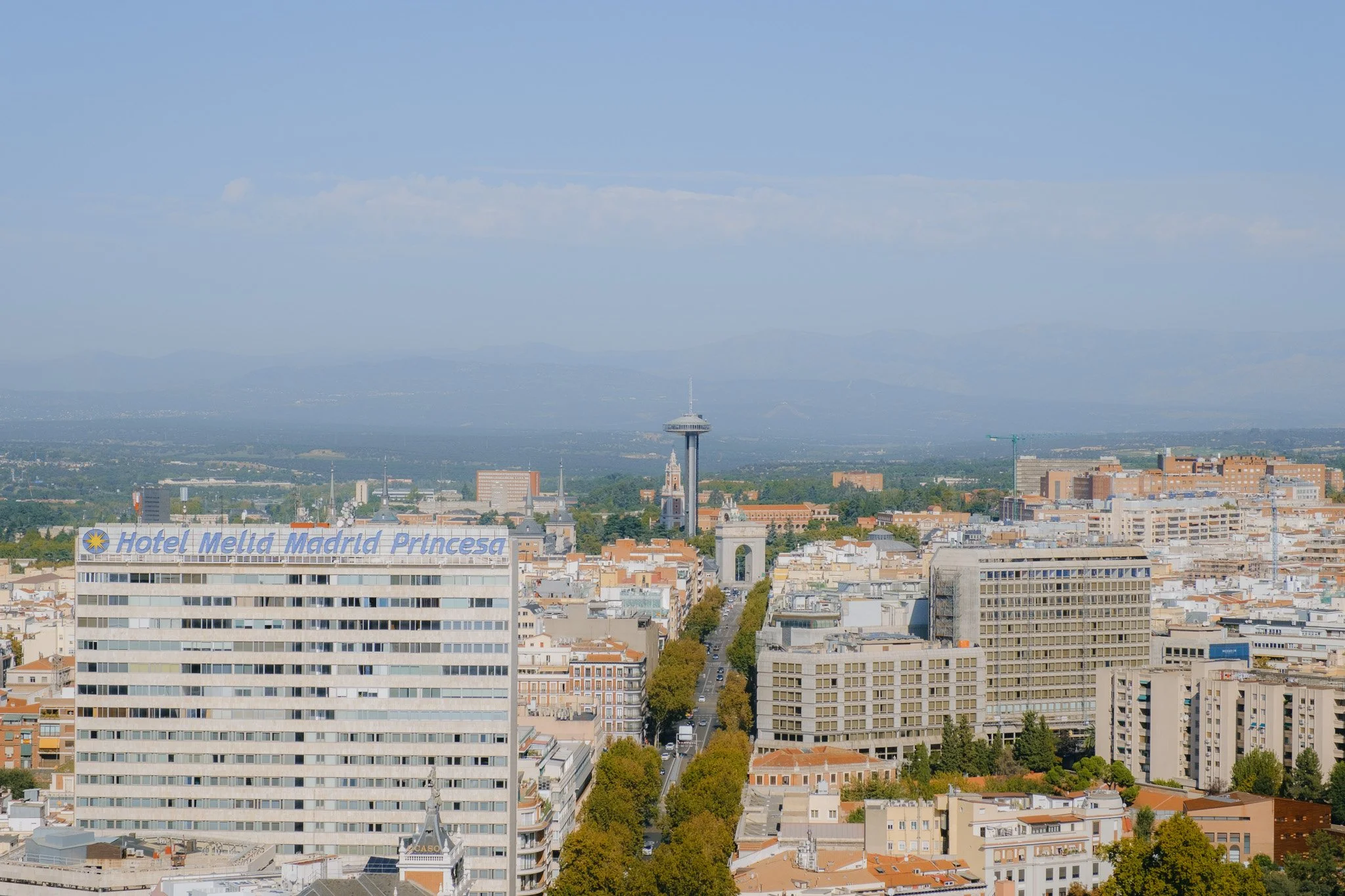
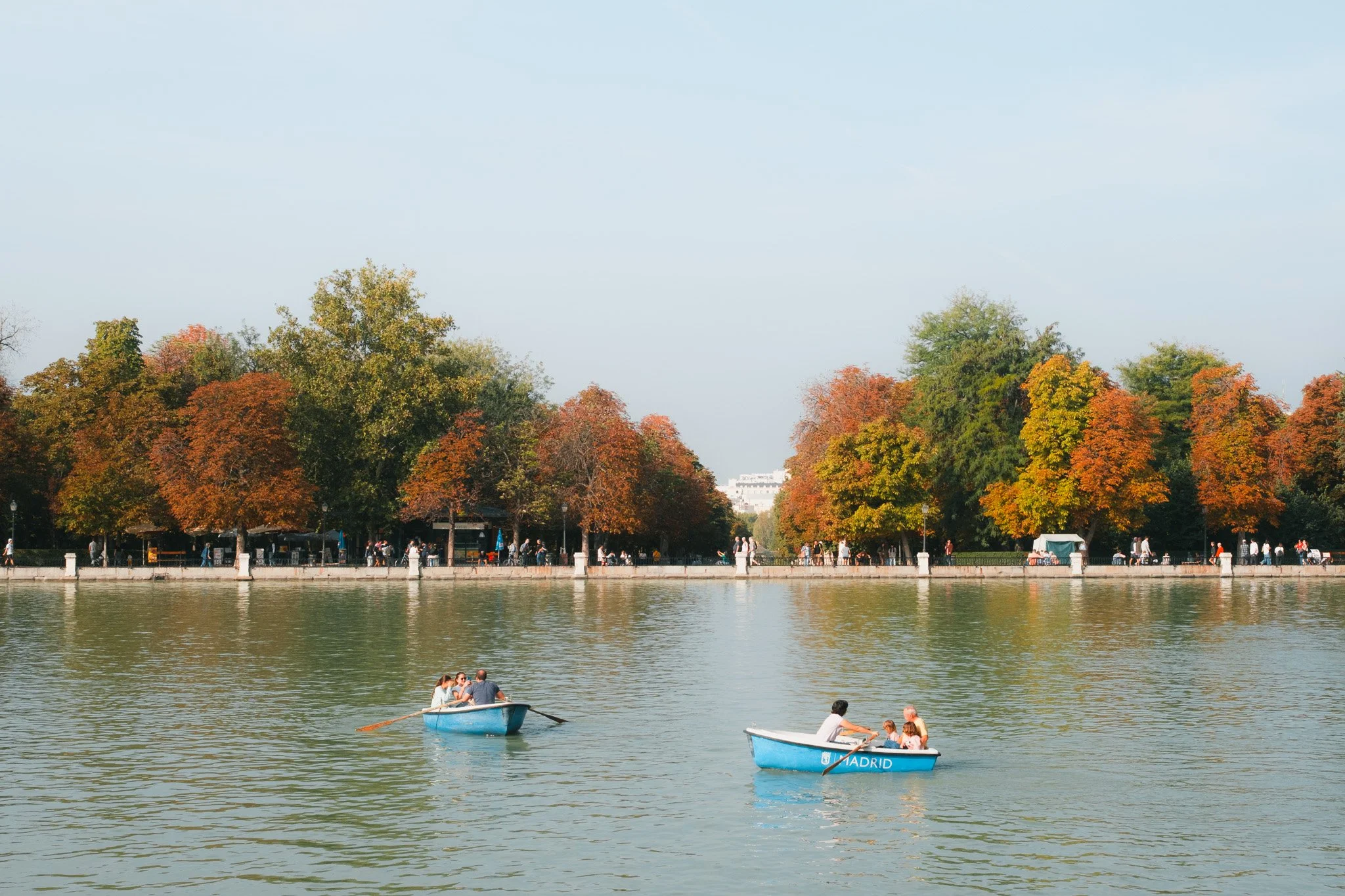
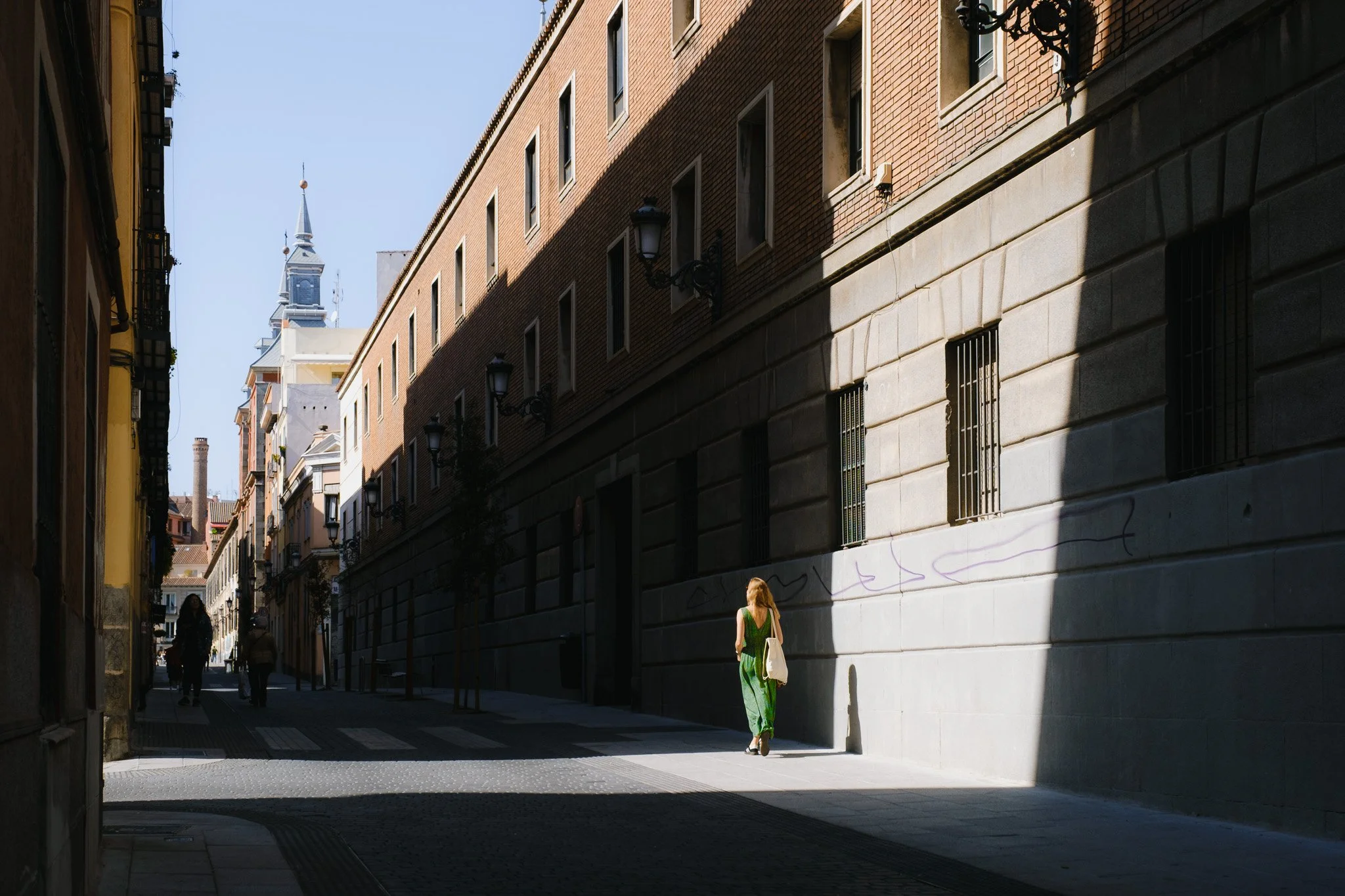
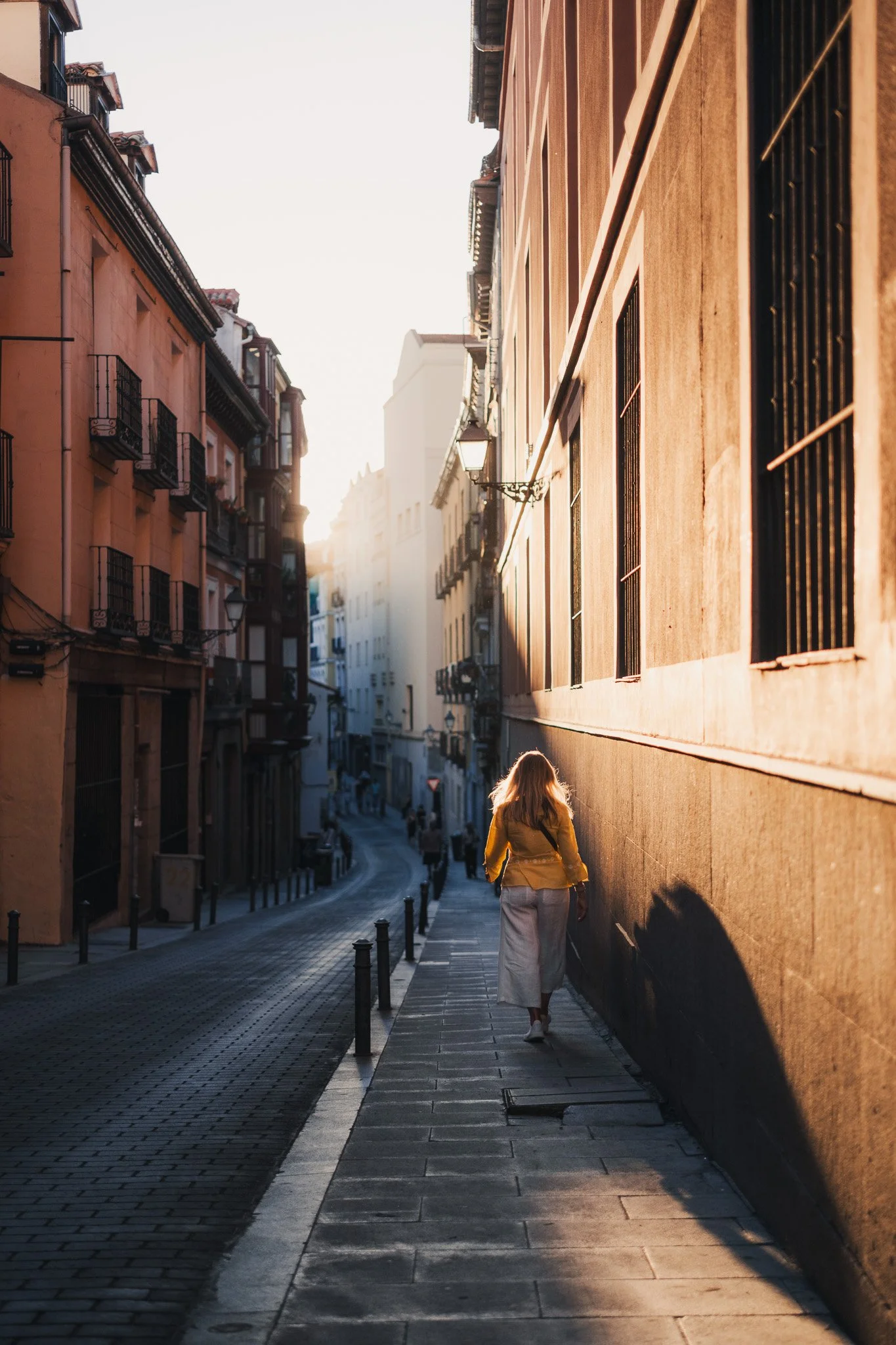
Let’s start with the capital, Madrid. We spent a month here in October 2023, and it was our first proper Spanish experience. It’s a fascinating city with an enormous amount to see and do. I also love that nearby towns such as Toledo and Chinchón are easy to explore.
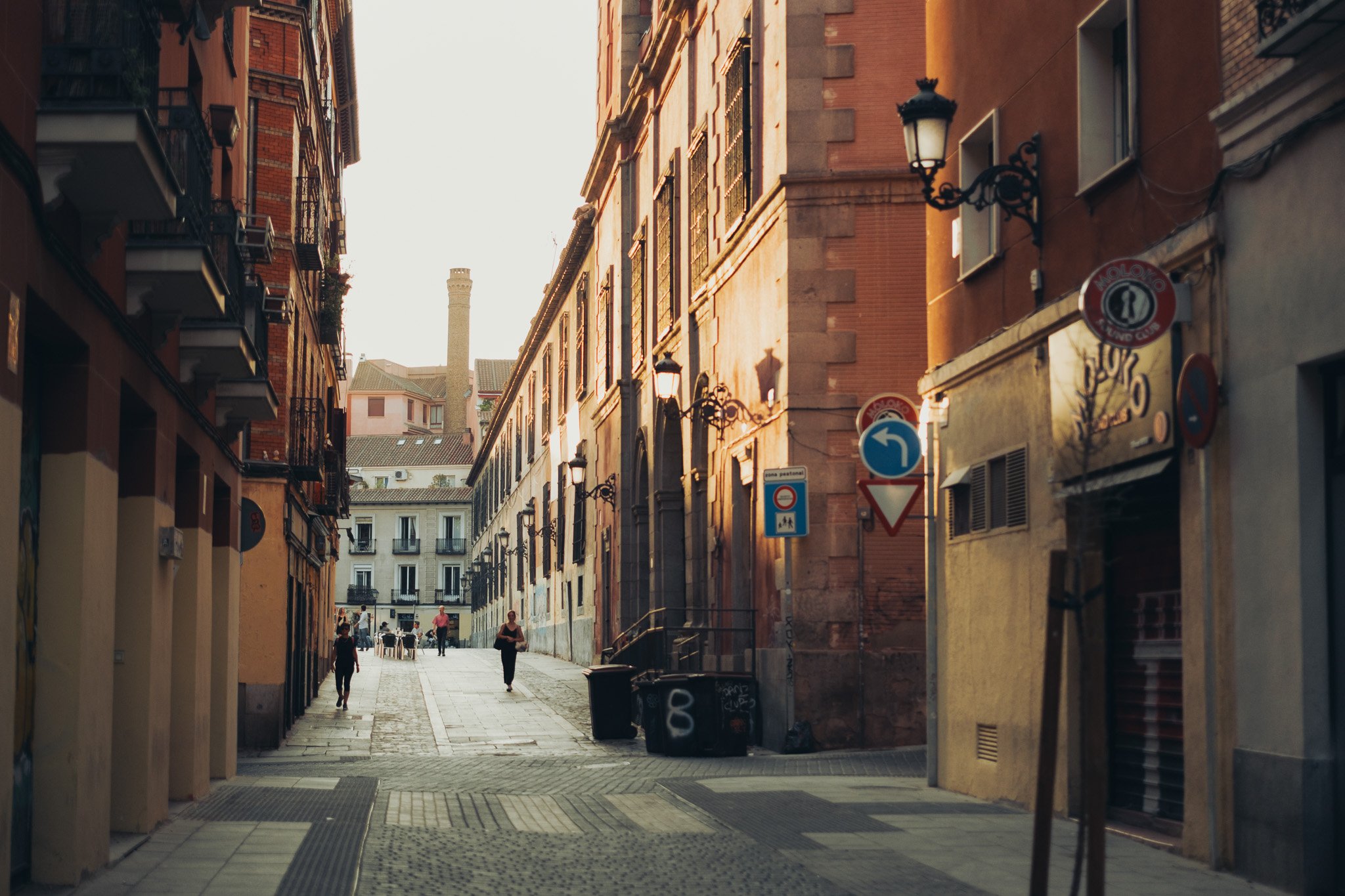
The one thing I didn’t do, and wish I had in hindsight, was head into the mountains, which you can see from the city itself. Overall, Madrid lends itself very well to street photography, with plenty of interesting visual elements to look out for.
The locals were friendly, too. I distinctly remember photographing a bridge when an older man approached and began speaking passionately to me in Spanish. After some back and forth, I established that he was actually the architect who had designed it.
I think three full days in Madrid is enough to get a feel for the city. I would then dedicate more time to exploring the surrounding towns and countryside.
Valencia
Valencia has something special about it, although I can’t quite put that feeling into words. Perhaps I need one more trip to work it out.
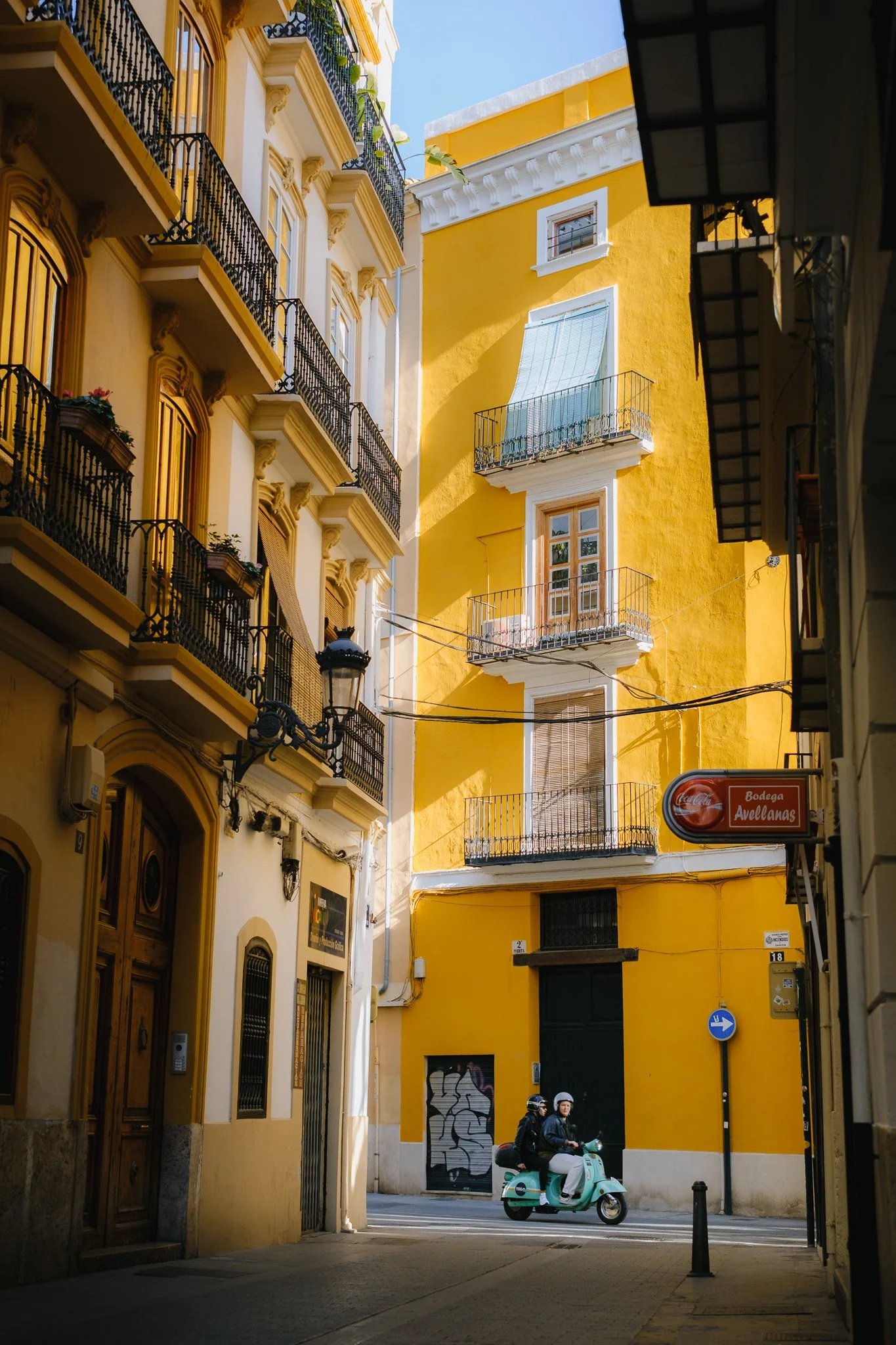
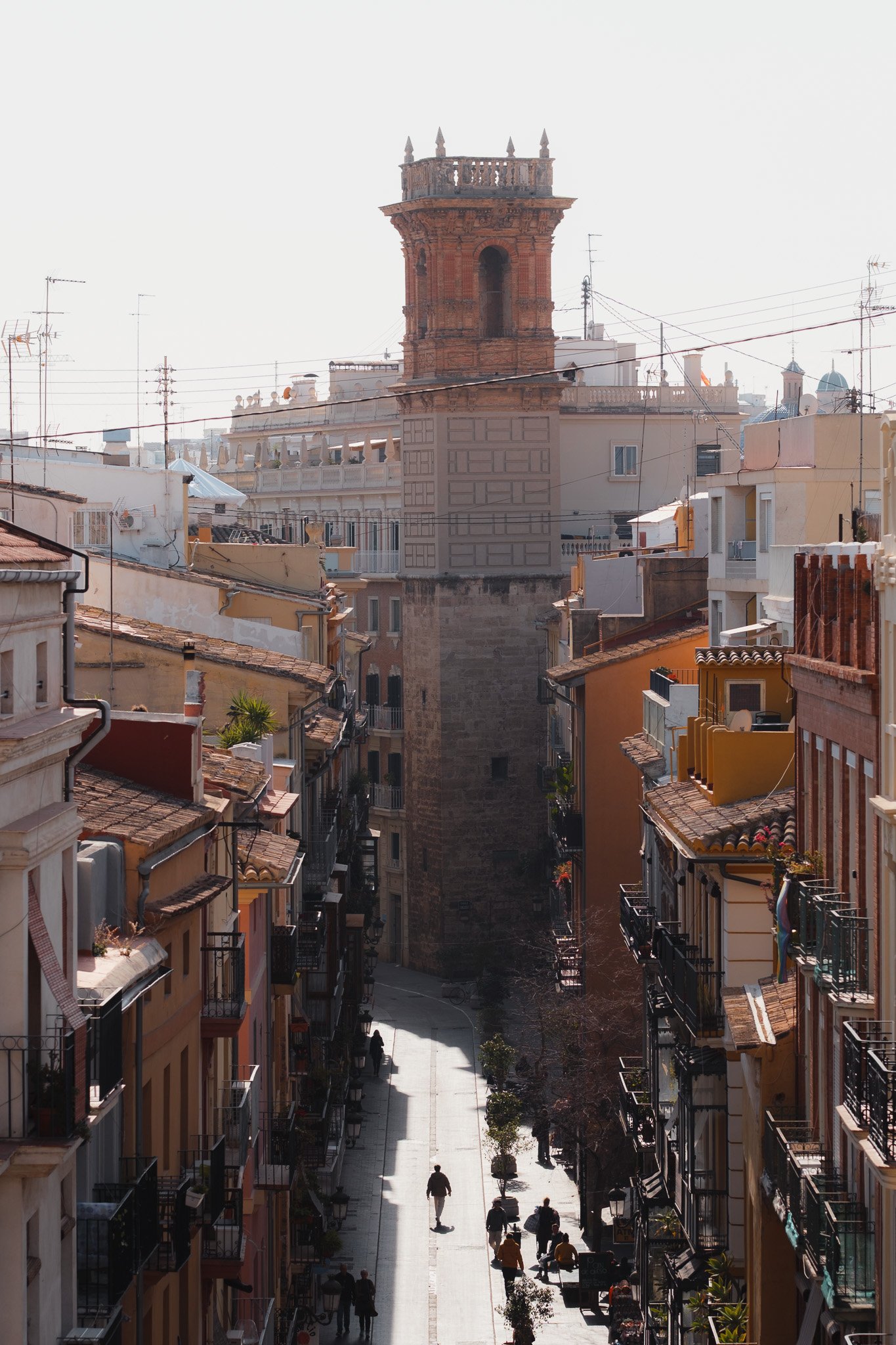
I spent around six weeks in this wonderful place, and it really does have everything. Its large, beautiful old town glows with timeless shades of yellow and orange. I remember spending entire days circling the narrow streets while the winter light bathed the buildings. It was bliss.
You also have a modern district filled with glass, steel, and reflections. There is a beautiful park running through the city and, of course, an enormous stretch of coastline beside some wonderfully photogenic neighbourhoods.
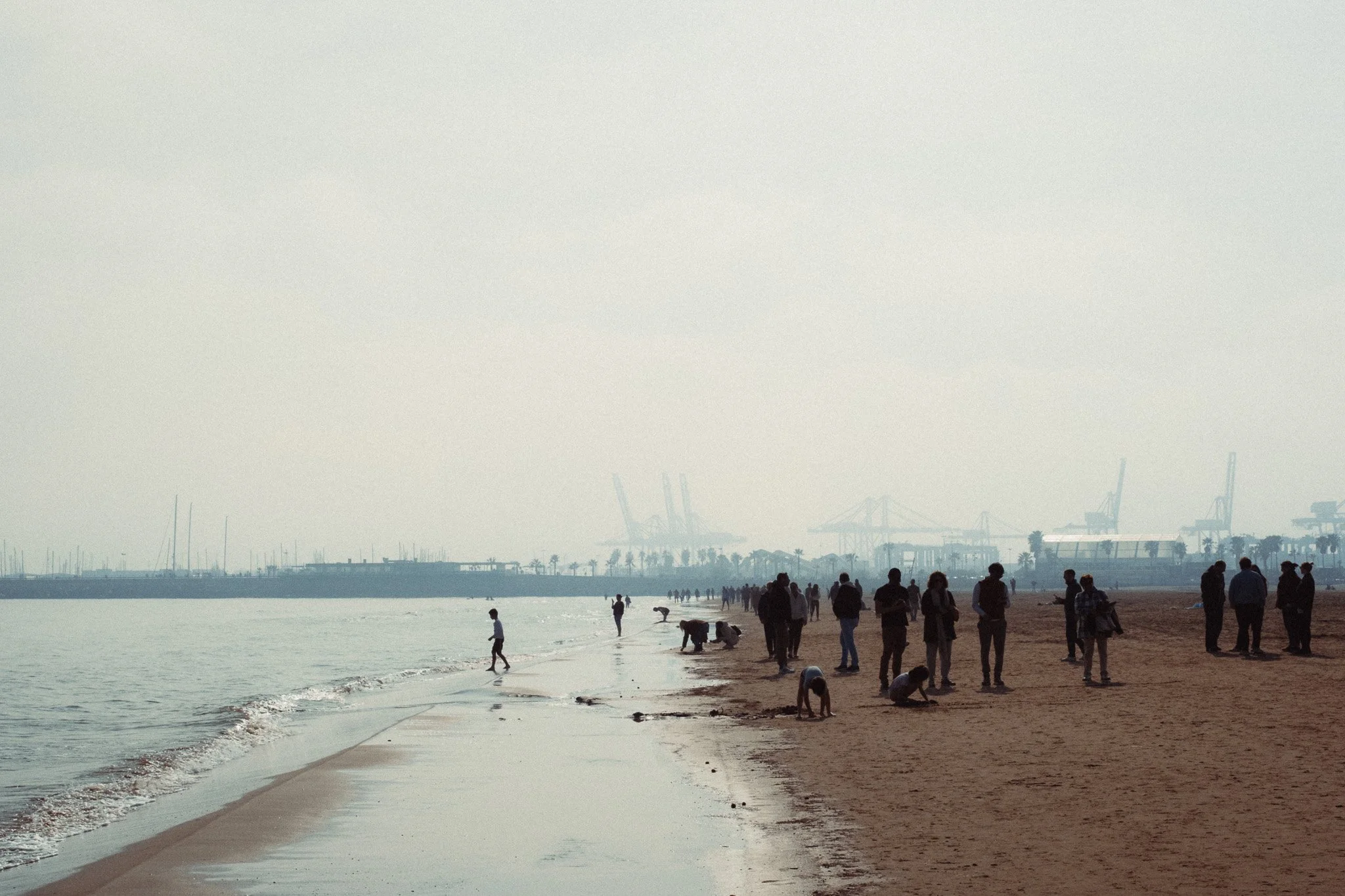
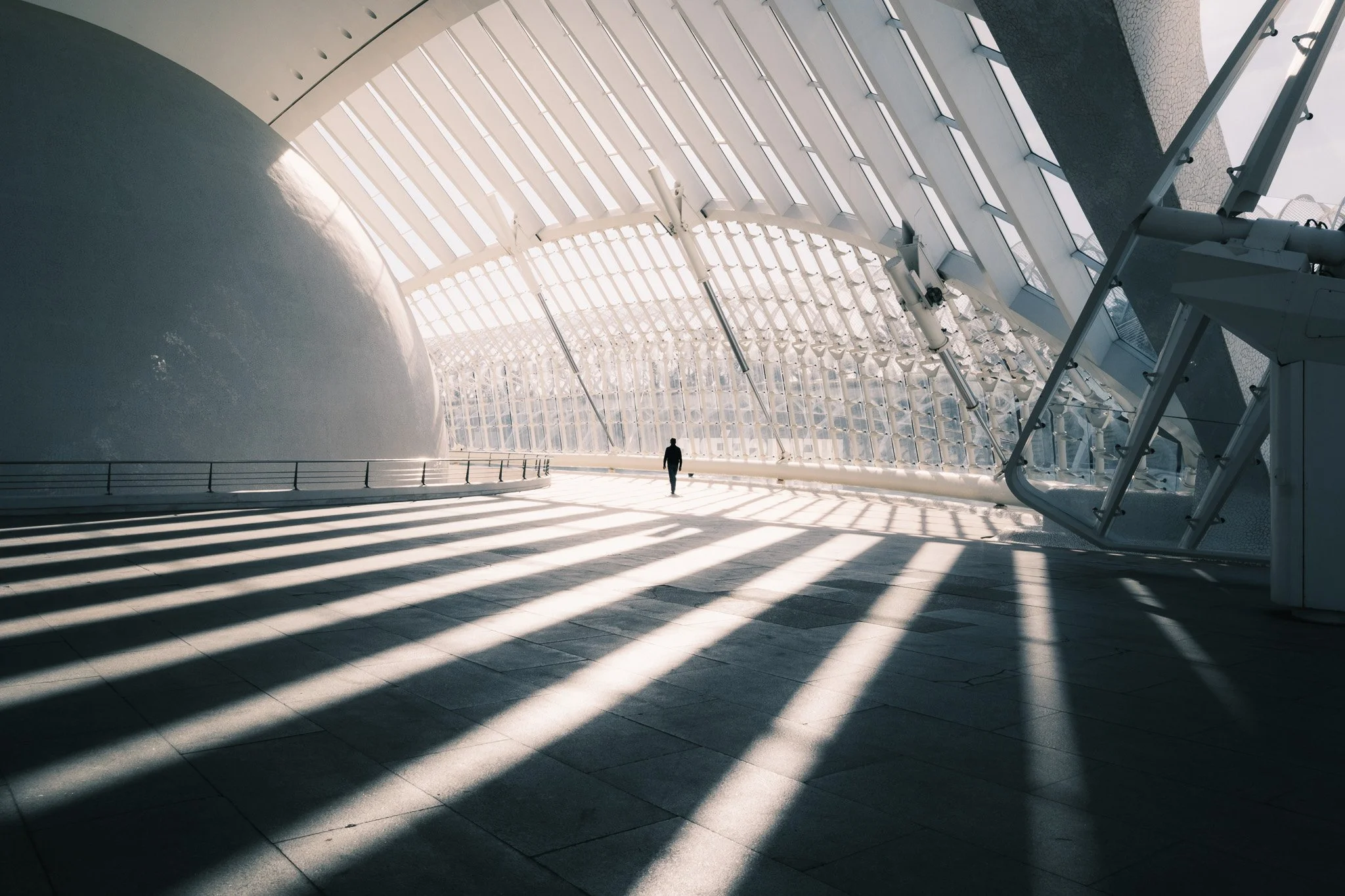
Last but certainly not least, there is the incredible Museu de les Ciències Príncipe Felipe. Of all the places I’ve visited in Spain, I feel that Valencia offers the greatest variety within a very manageable city. If I had to choose only one Spanish city to visit, I genuinely feel that Valencia has it all. I’ve already written a detailed blog about Valencia, which you can read here.
Andalusia
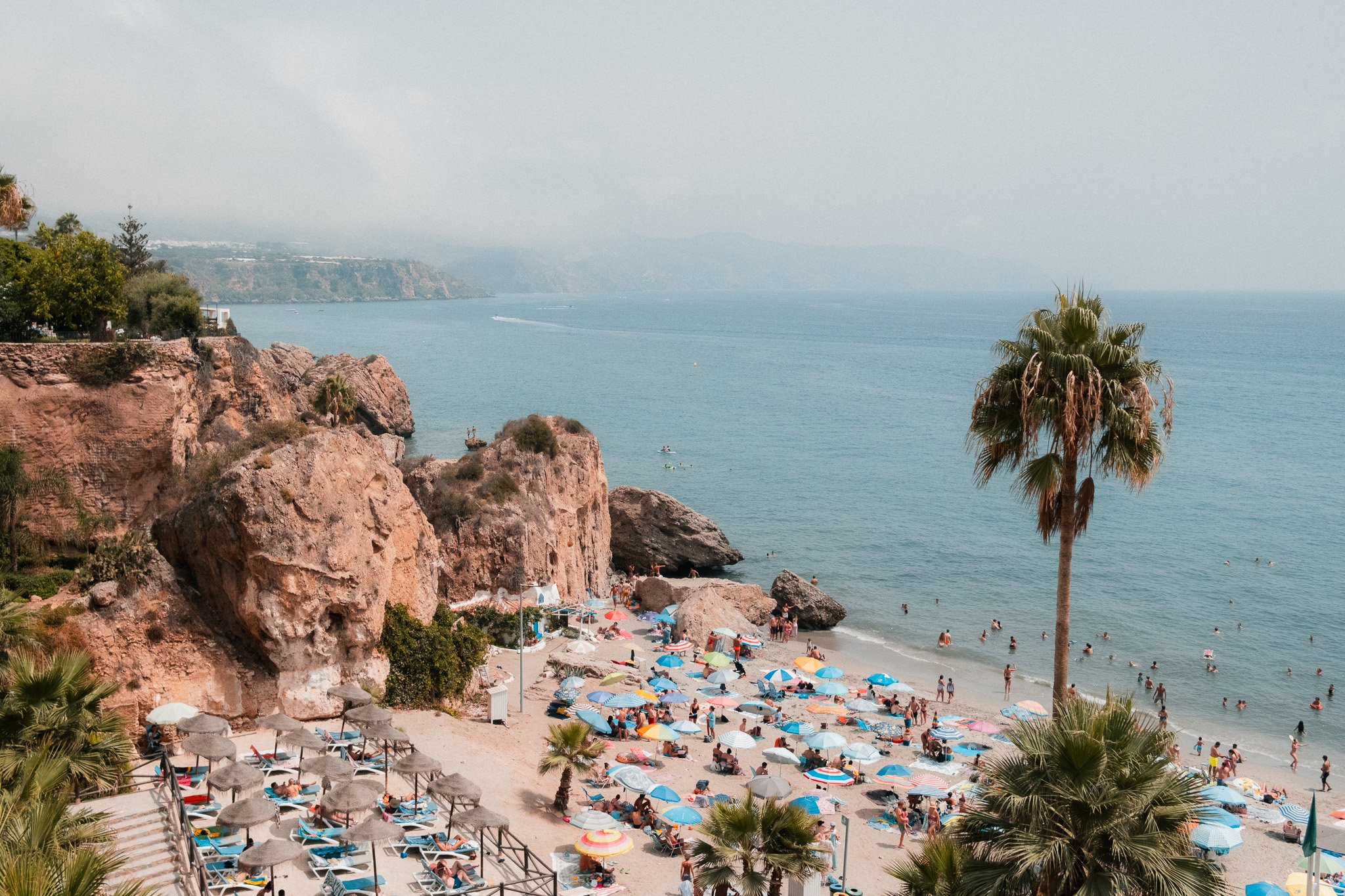
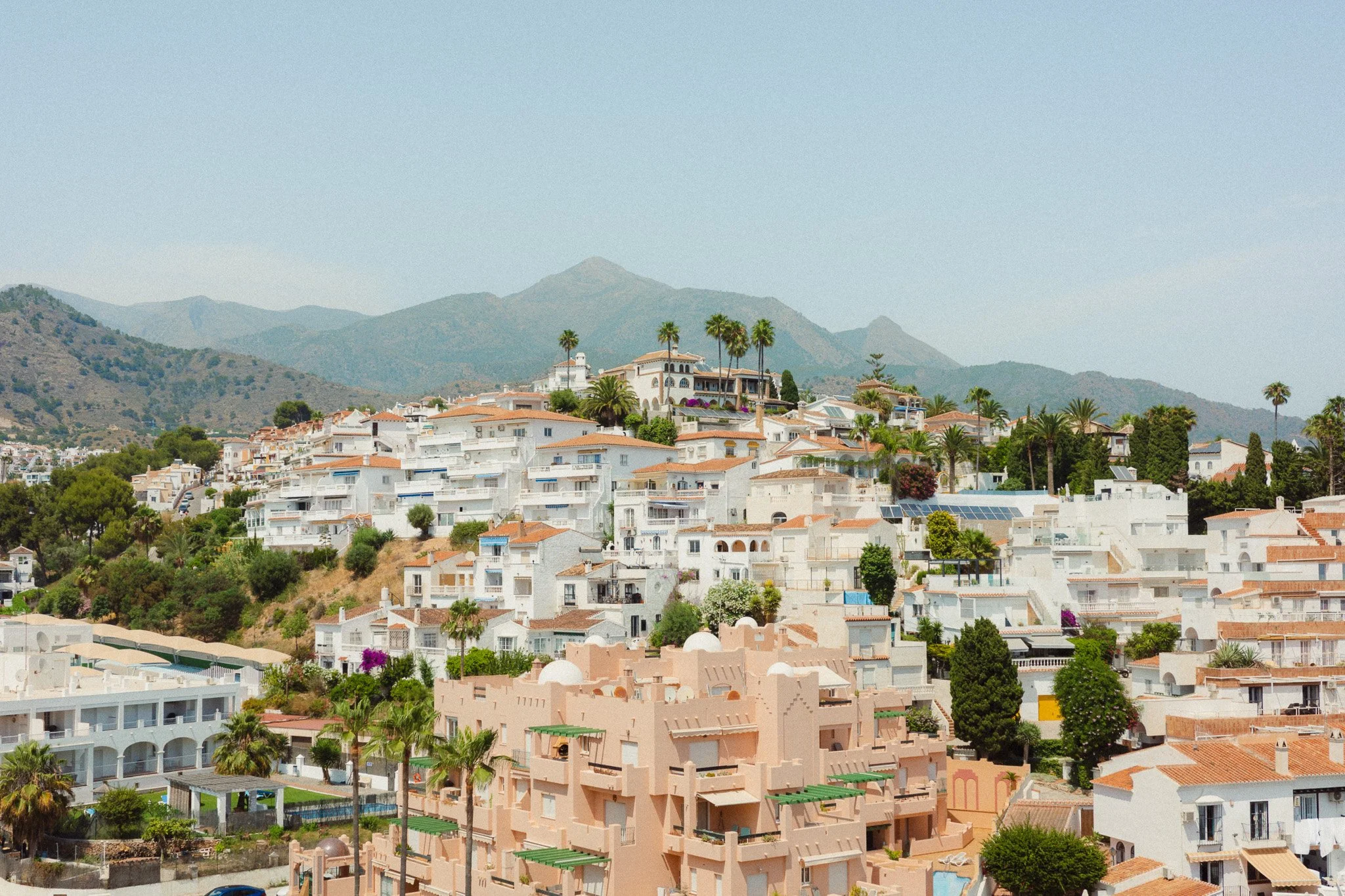
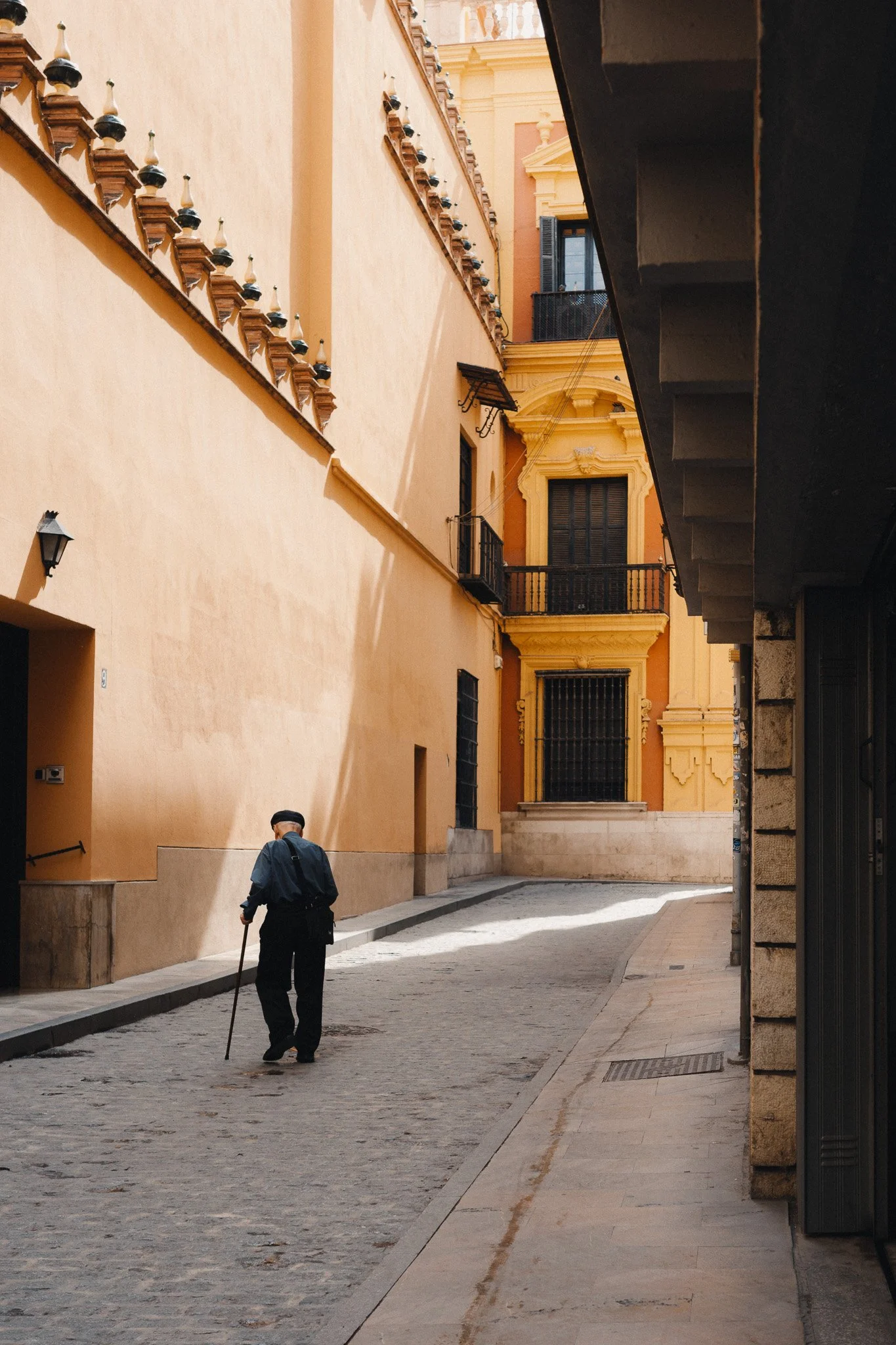
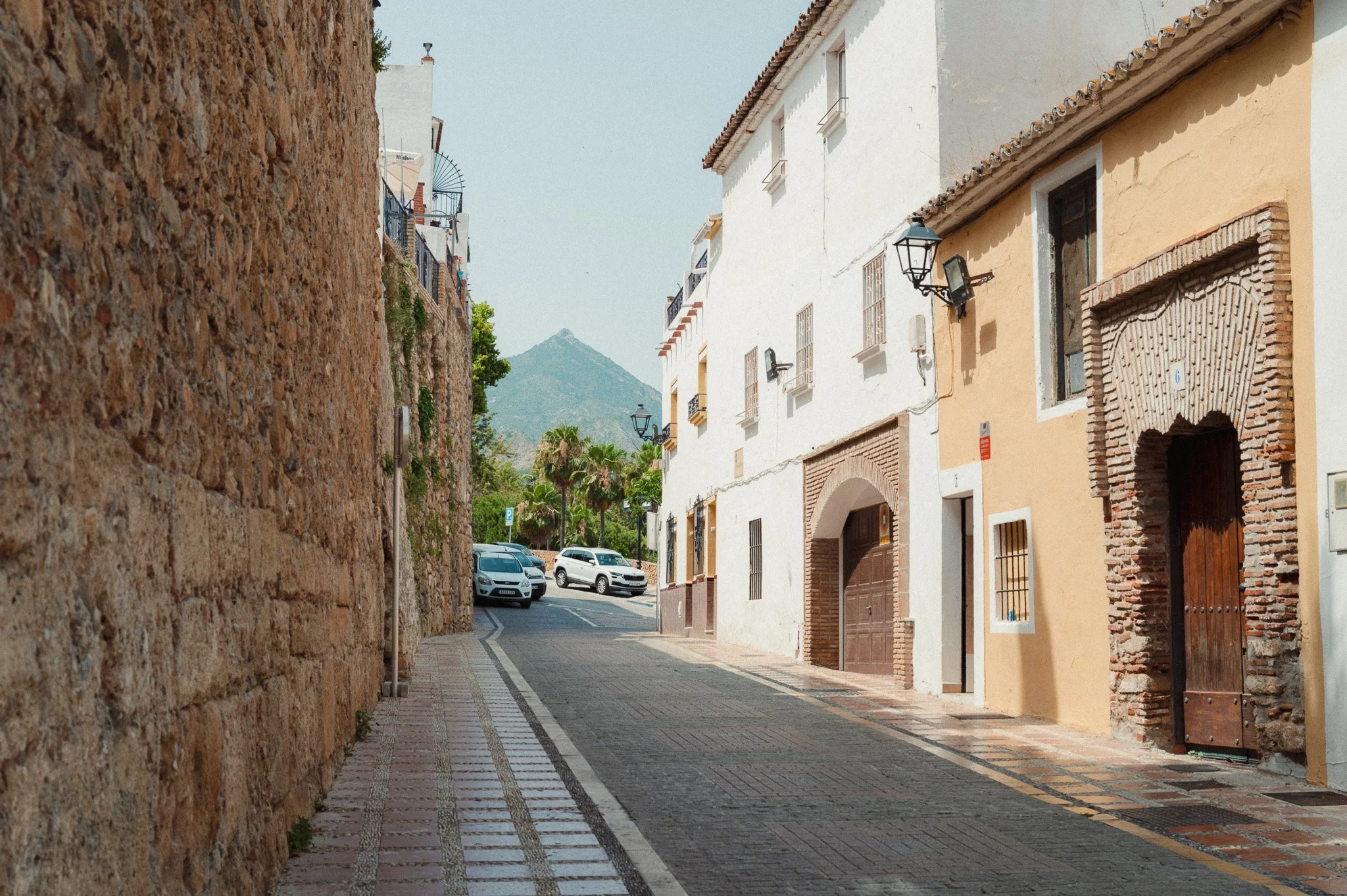
Andalusia isn’t a city but an entire region, and one I have yet to explore fully, despite spending seven weeks there. It includes some of Spain’s most historic destinations, including Seville, Granada, and Córdoba. You’ll also find some of the country’s best beaches and coastal towns, with Nerja being my favourite.
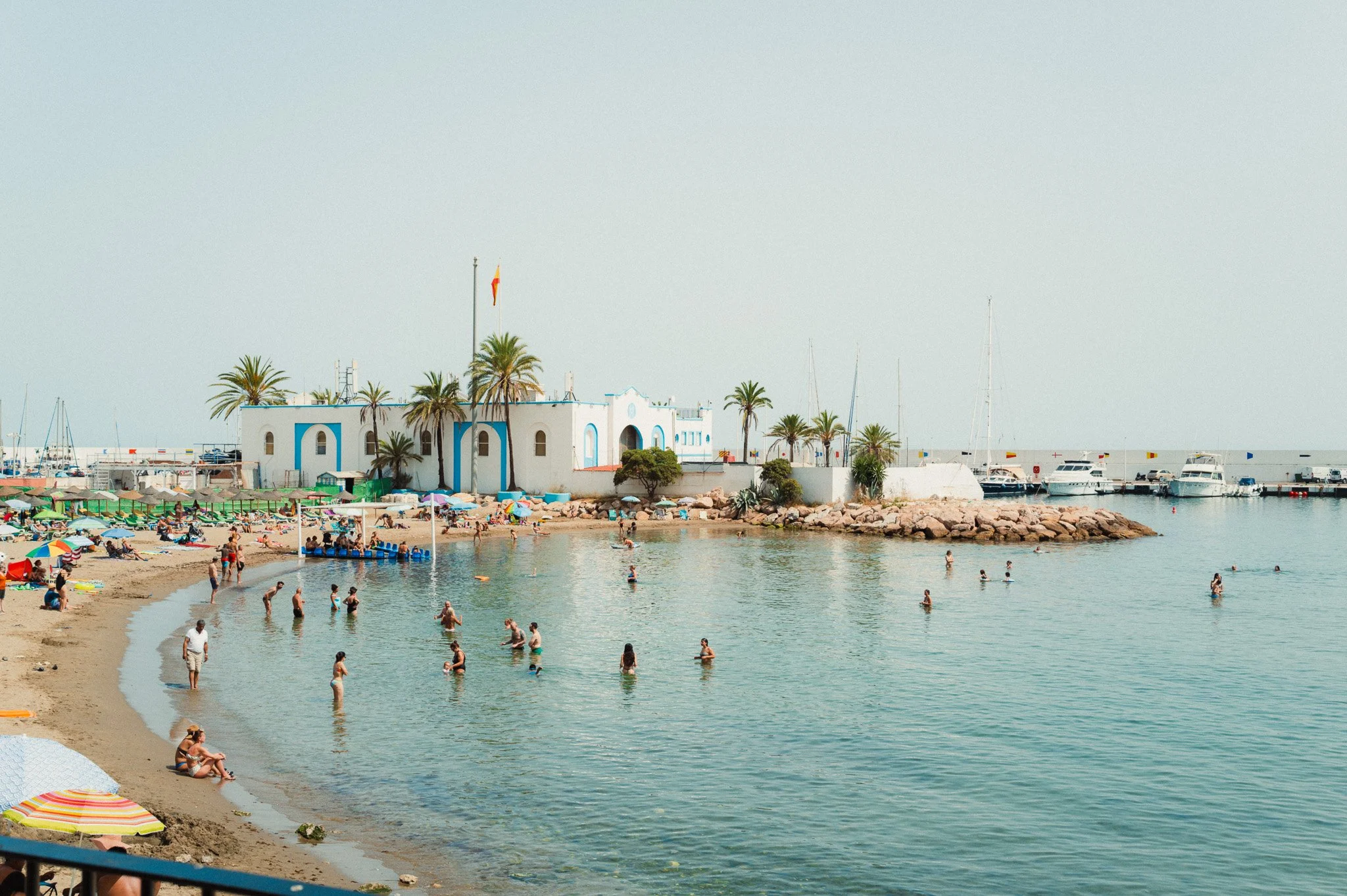
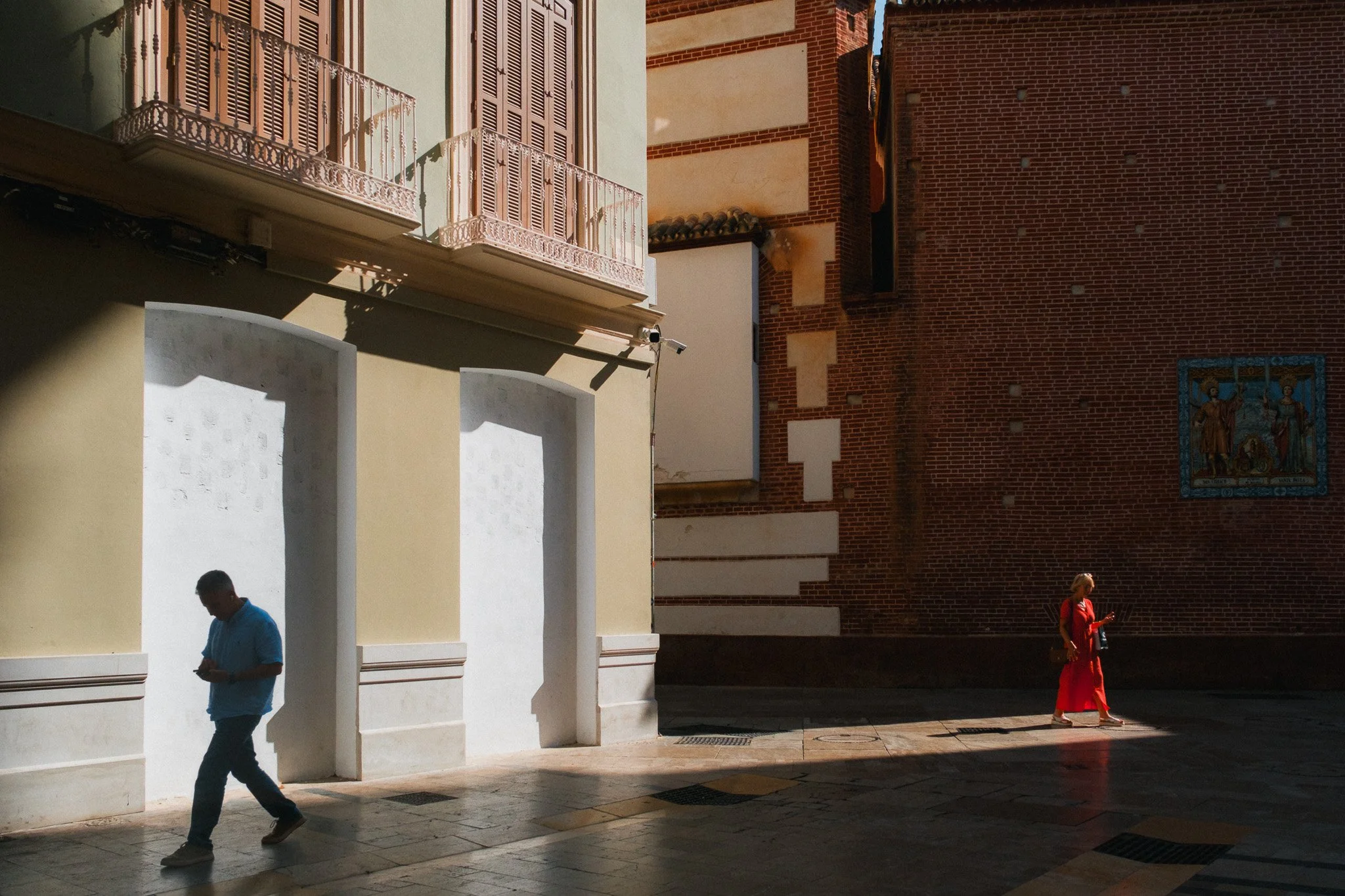
This is a vast area densely packed with places to see, so I still have plenty of work to do. I wrote a brief blog about it, which you can read here.
Barcelona
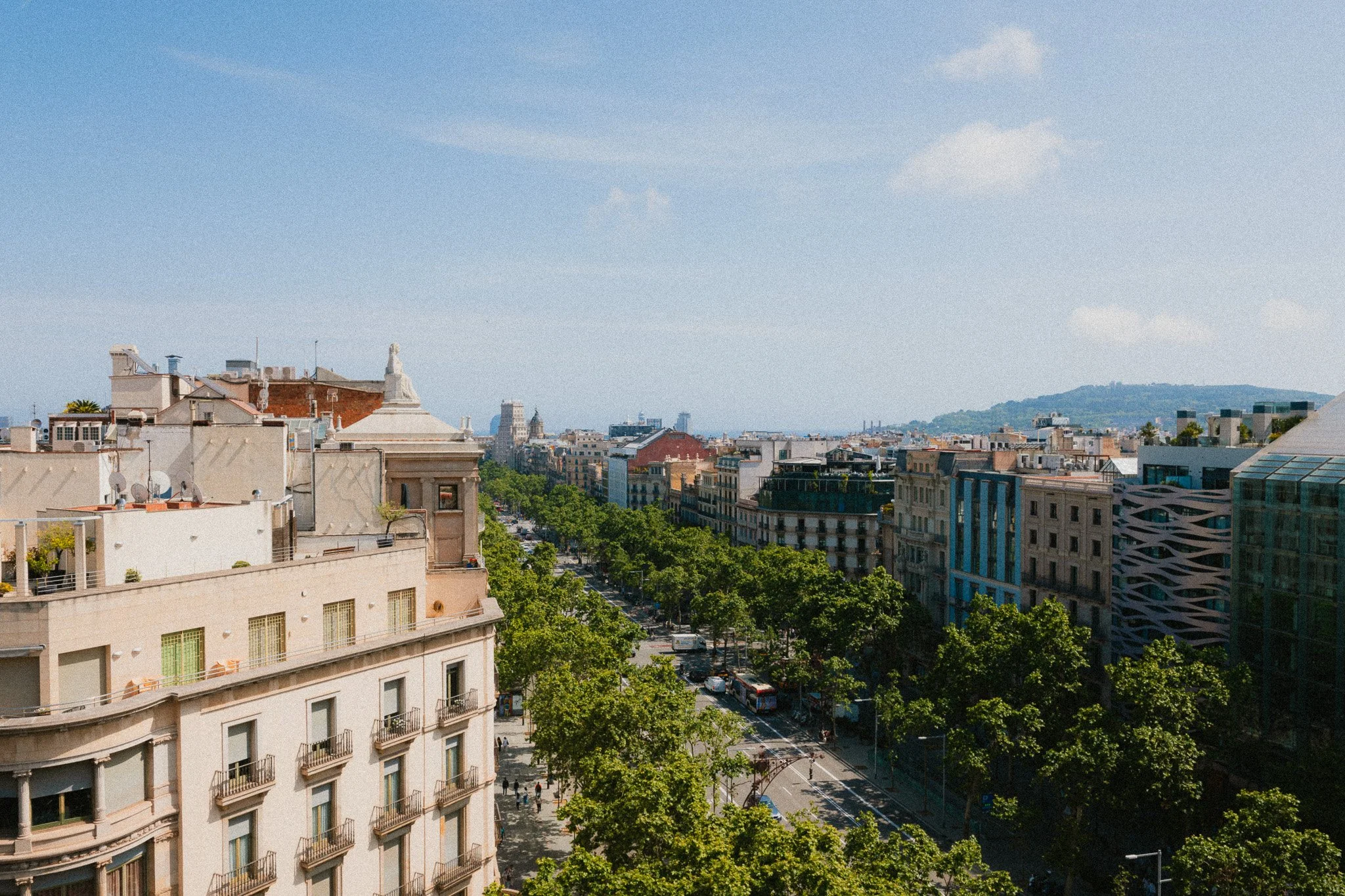
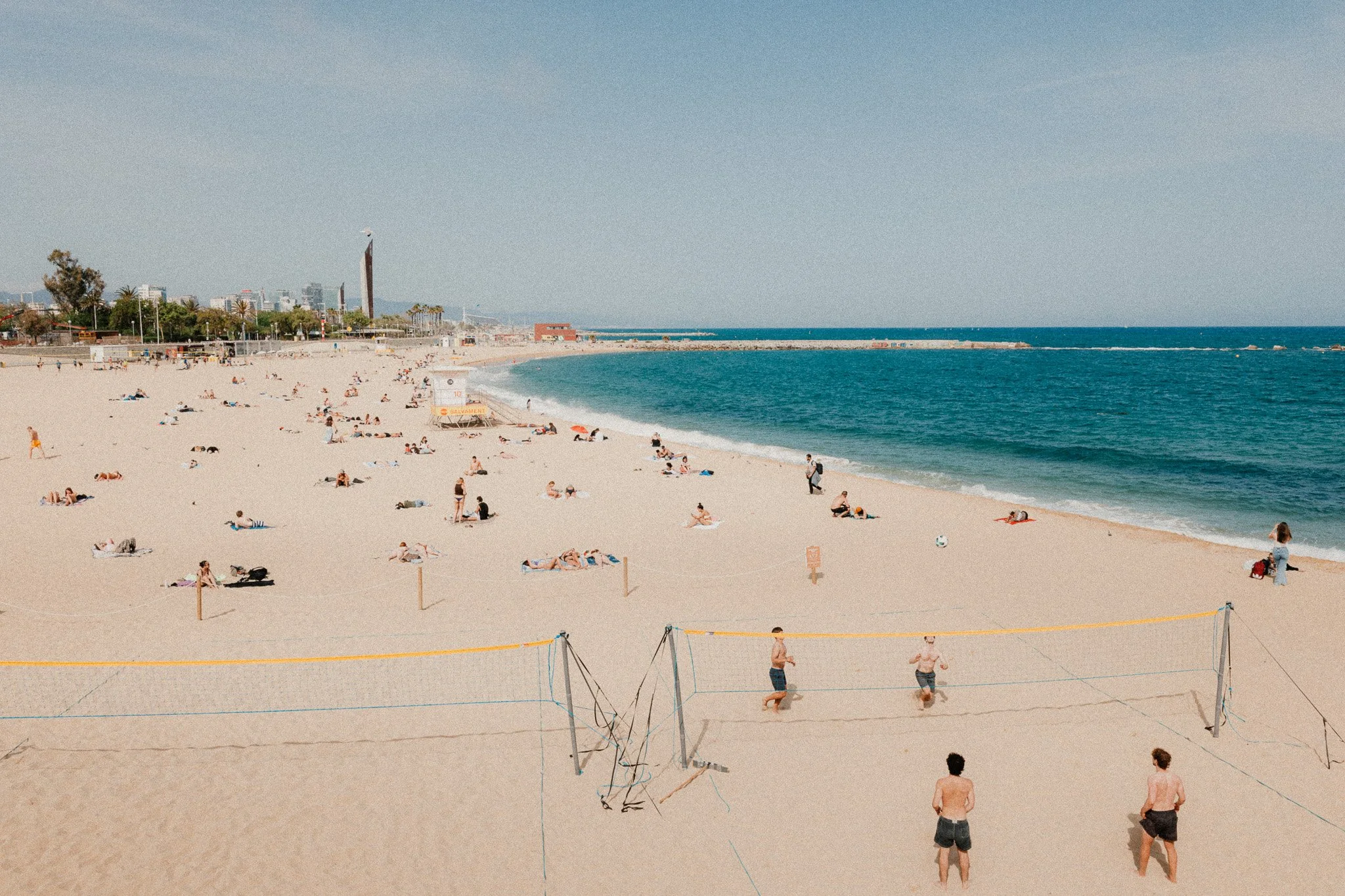
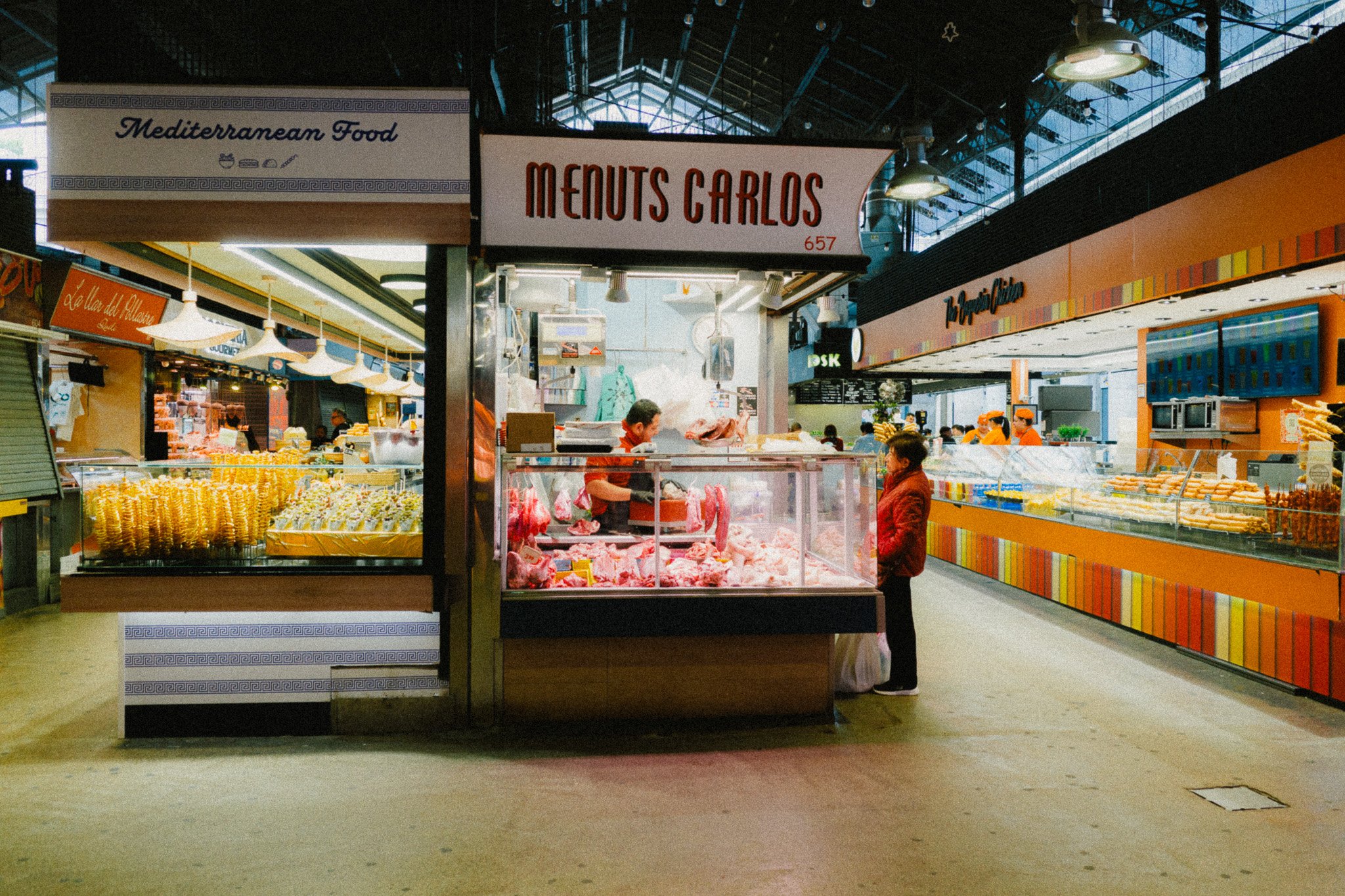
Barcelona, is arguably one of the most recognisable cities in the world. It’s big, busy, and energetic. I only spent a few days there, so my knowledge is very limited. However, my first impression was that it felt like a larger and more chaotic Valencia. While I loved my time there, I don’t think a few days was enough to form a proper overview. Barcelona is therefore back on my “visit properly” list.
Bilbao
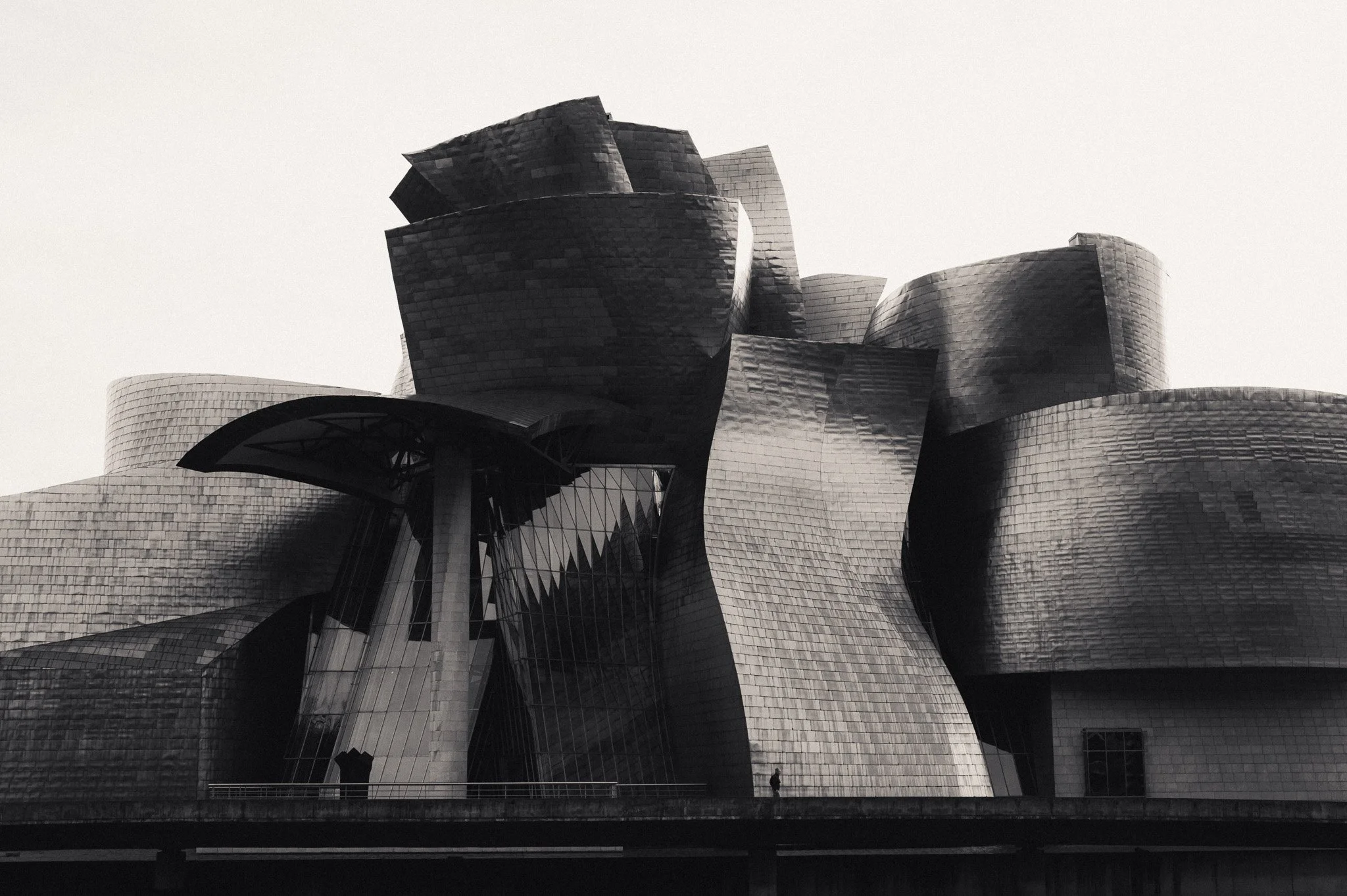
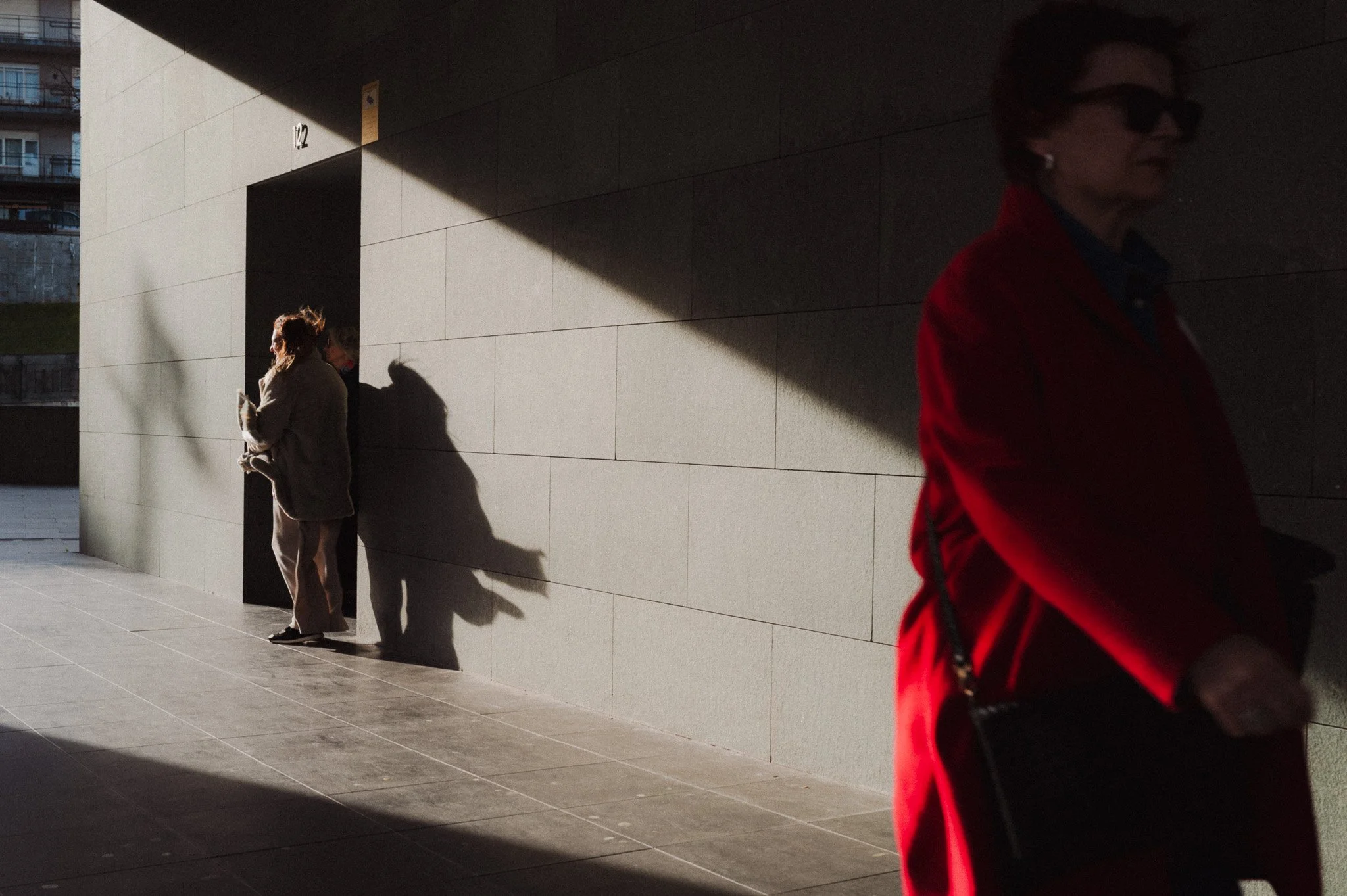
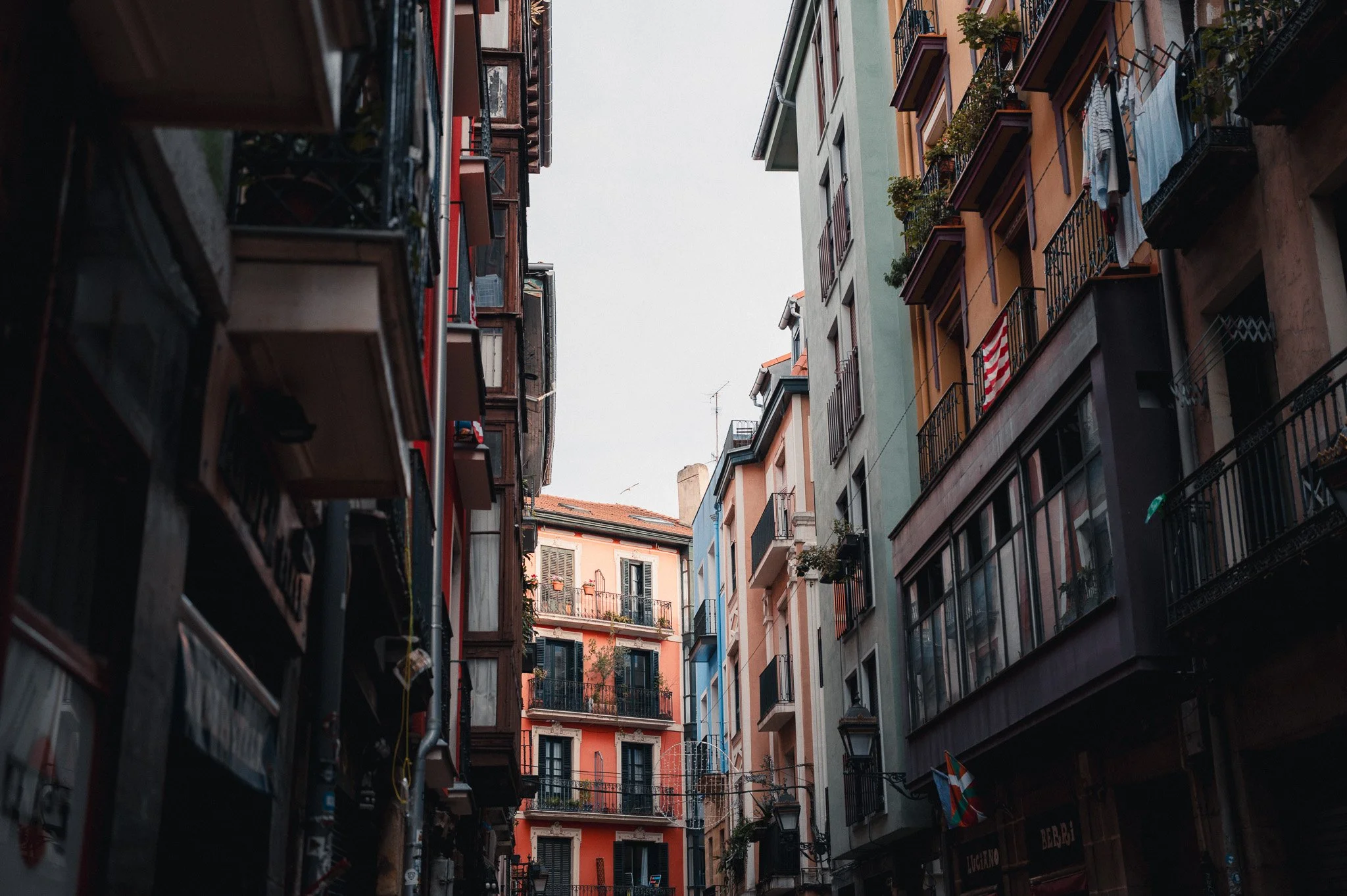
Bilbao is the only part of northern Spain I’ve visited, and, as with Barcelona, my stay was brief. I spent a long weekend there visiting a friend in December, so I didn’t get to experience the city fully. Of course, I visited the famous Guggenheim Museum and walked around the old town, but that was about it. I plan to take a dedicated trip around northern Spain in the coming years.
Menorca
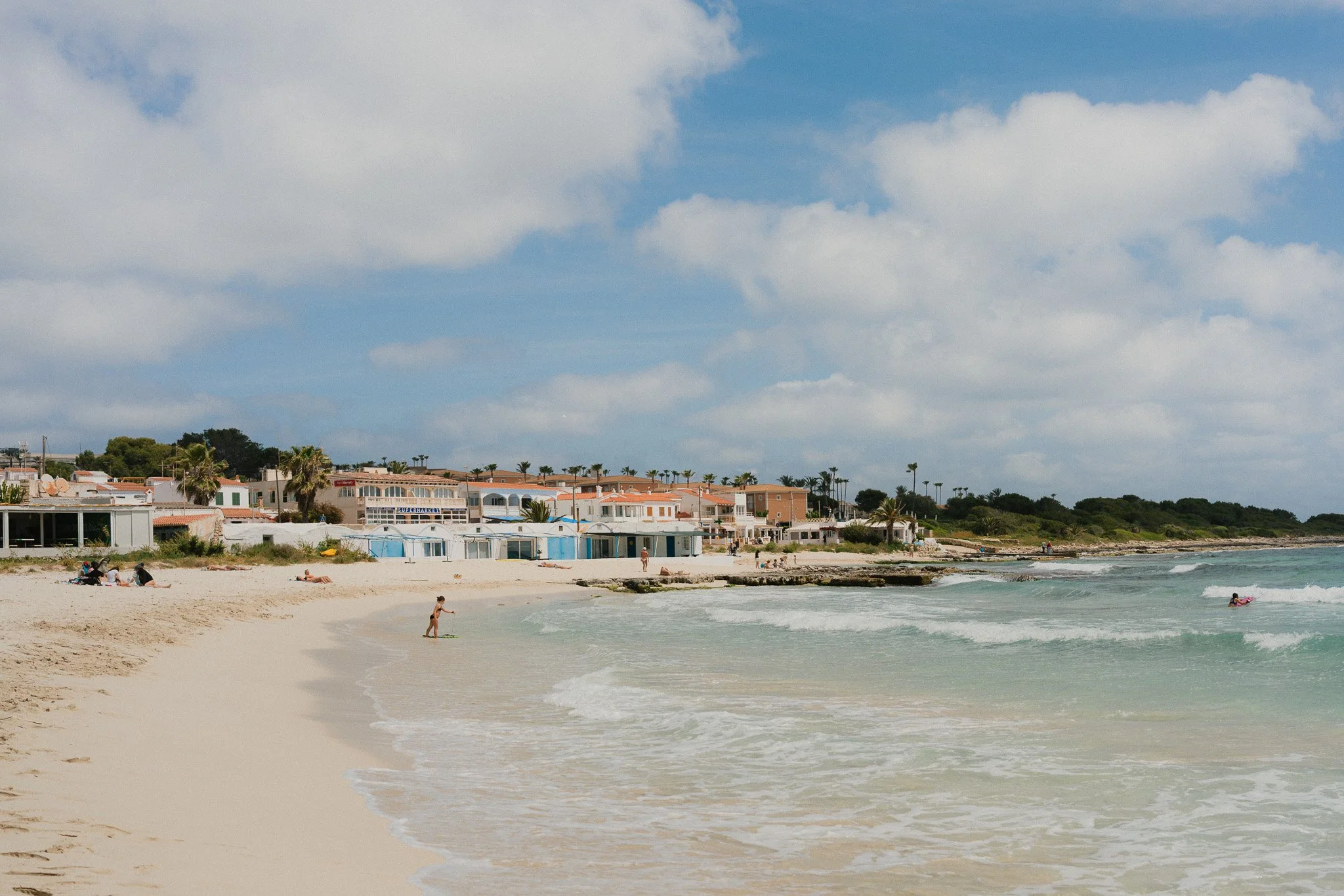
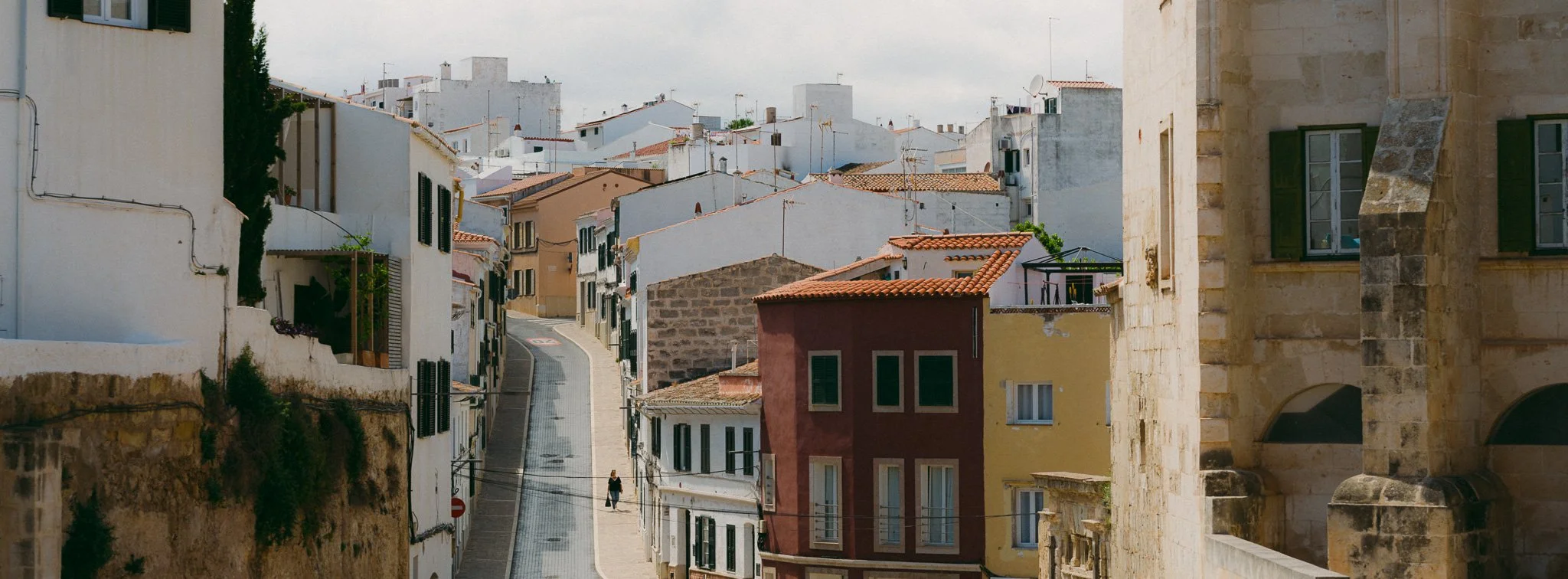
If your dream is to see as much of Spain as possible, you better get started. Saying that there is a lot to see would be an understatement. Mainland Spain is enormous, so you can imagine how much more time you’ll need when you factor in all the Spanish islands dotted around. While I’ve spent the occasional day in the Canary Islands, I can only speak properly about Menorca, one of the Balearic Islands in the Mediterranean.
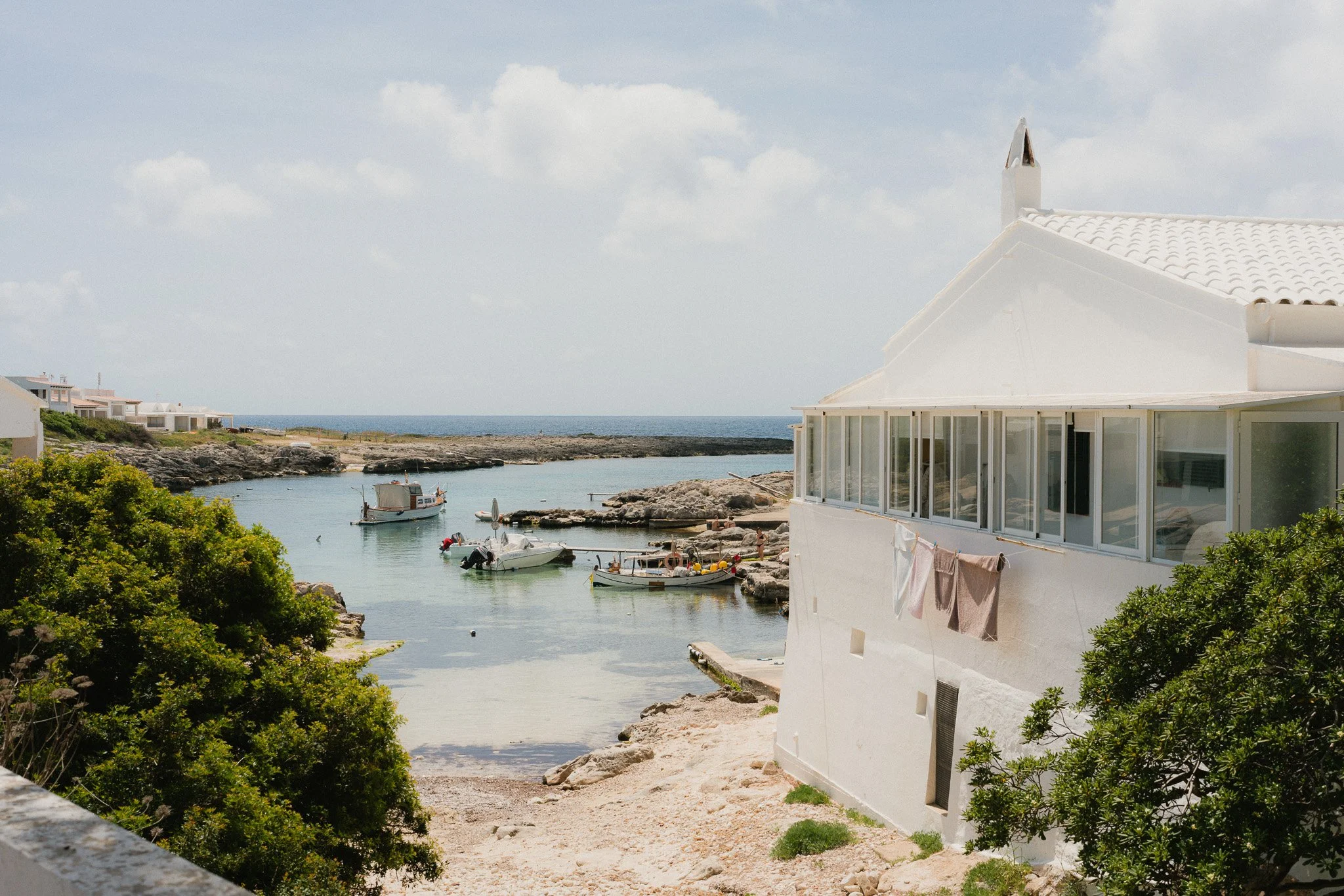
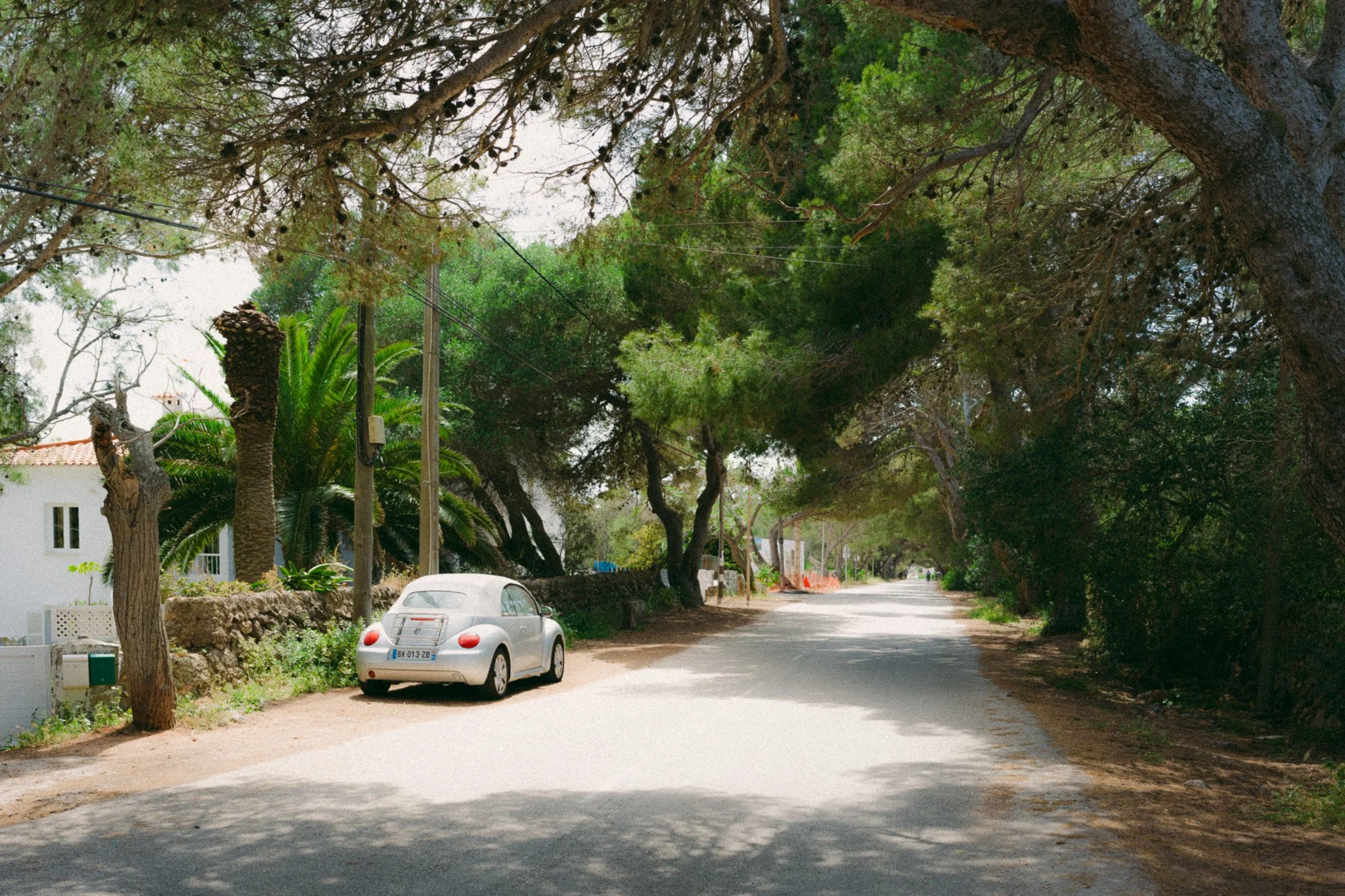
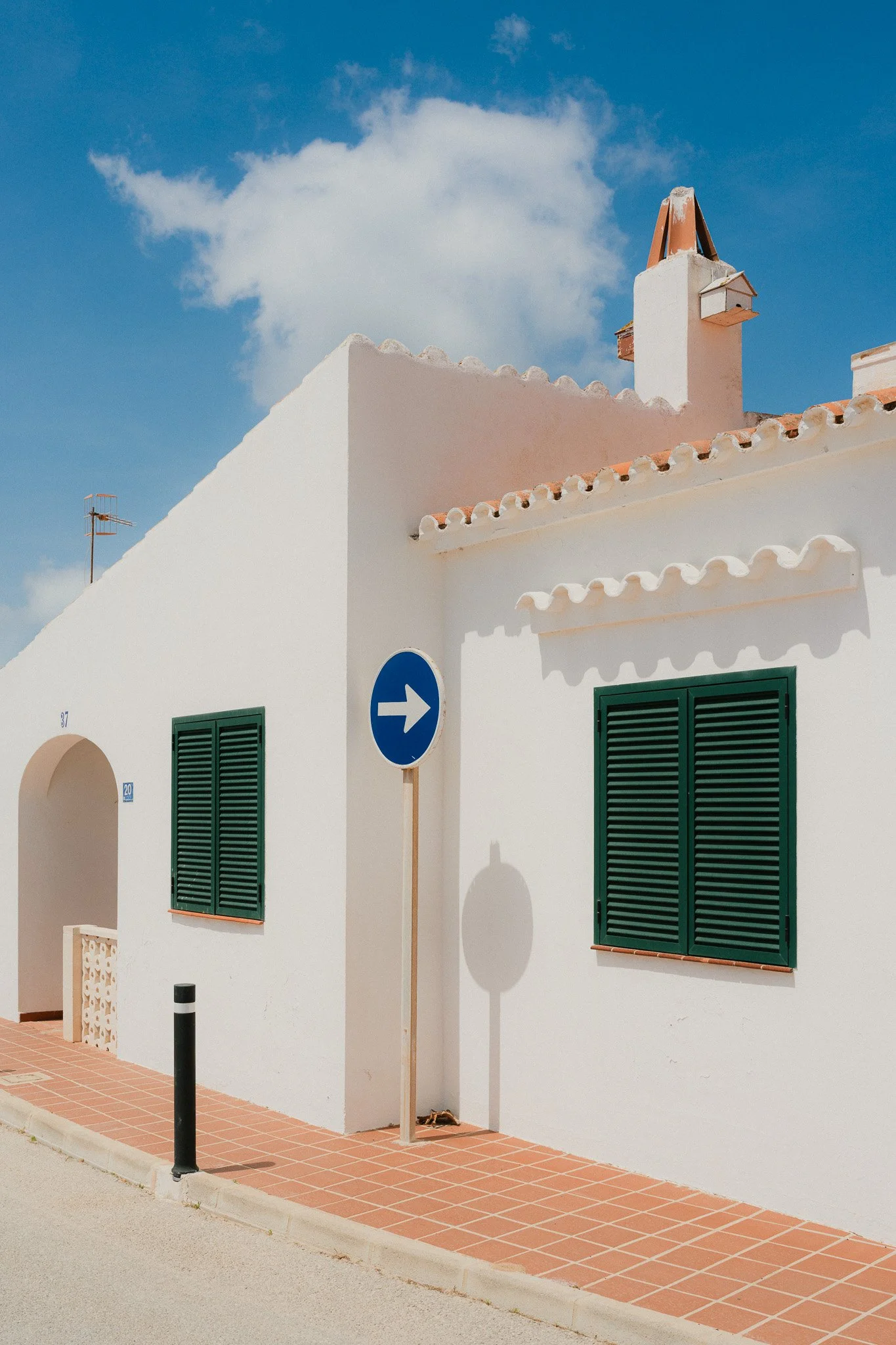
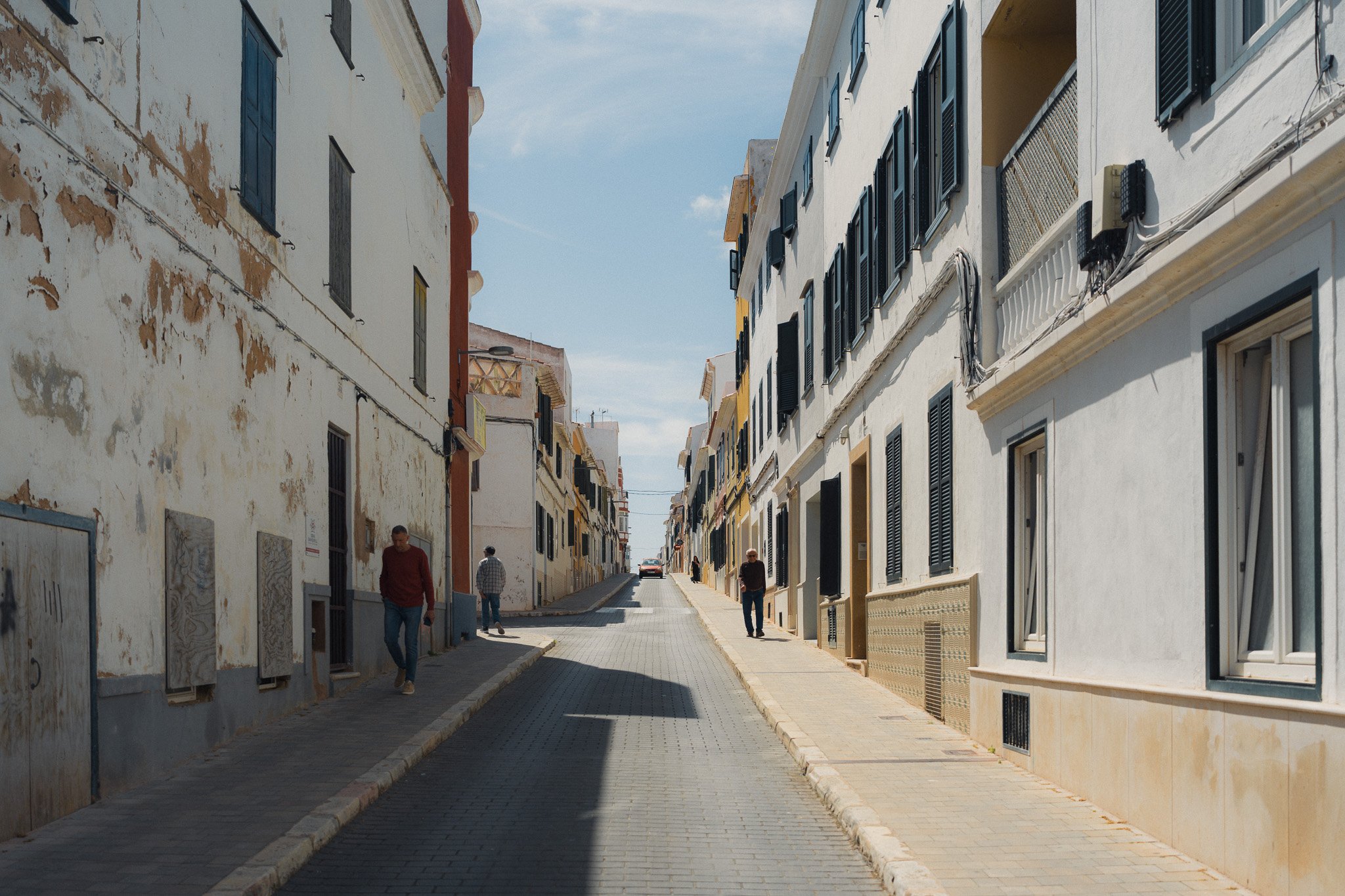
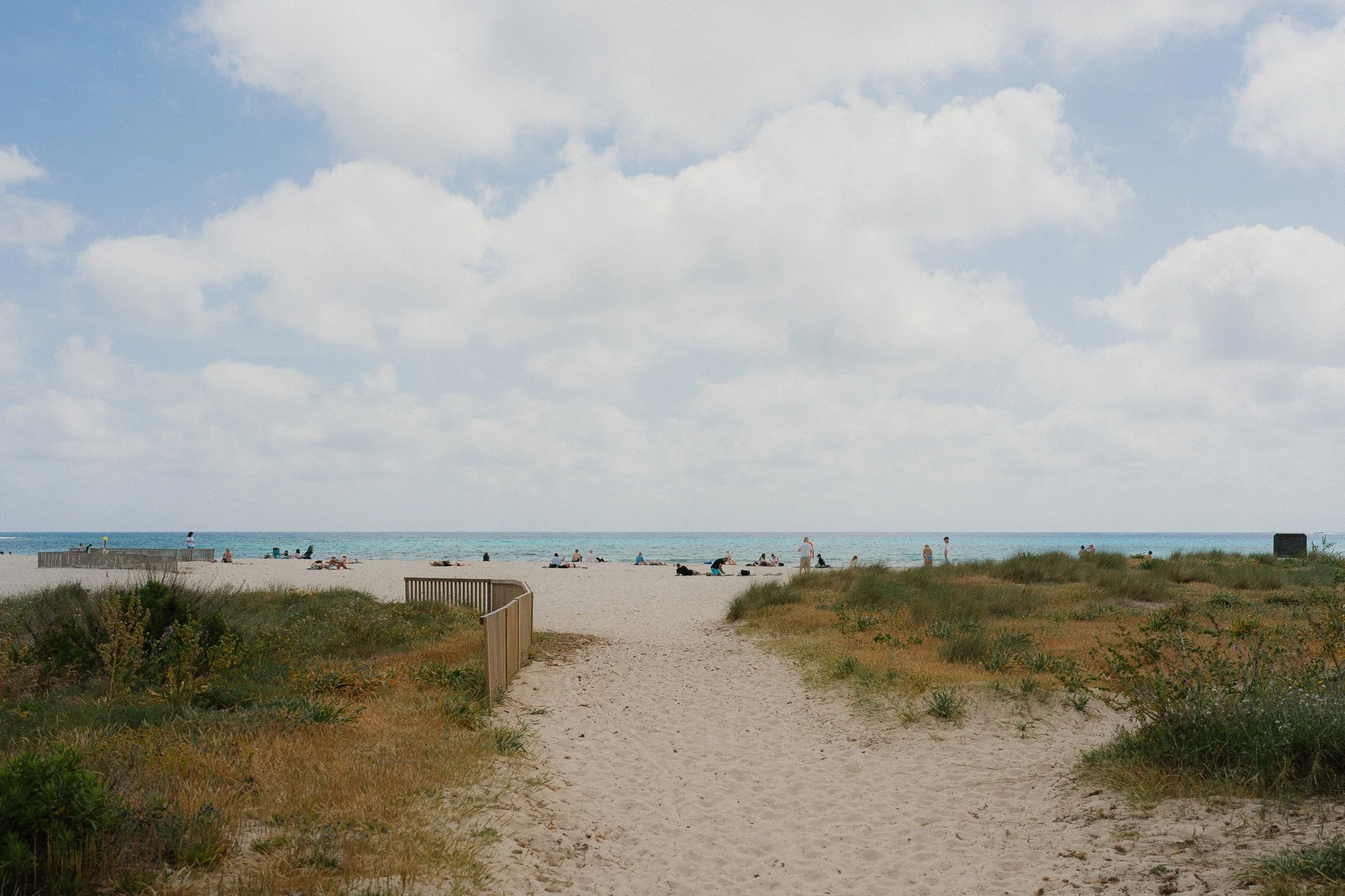
Menorca is small, quiet, reserved, and secluded. You’ll find pristine waters, beautiful hiking trails, and quaint seaside towns. Even Mahón, the island’s capital, has a laid-back atmosphere that’s difficult to match. I can see this being the sort of place you visit to escape the craziness of the world.
We spent around ten days on the island, completed several coastal hikes, and explored numerous towns by bus. All in all, it’s a wonderful place that we’ll return to, although next time, we’ll hire a car and bring some bikes.
Instead of telling you how these will change your life, I would rather be practical and answer the most common questions that people tend to have when buying presets.
What are presets?
They are editing settings that are saved in a file and can be applied to any image.
Why do people buy presets?
Sometimes because they like the work of the photographer and want that style for their own photos. Mostly because they would like to see how other people edit and learn by reverse engineering the presets. Other times it’s just to support their favourite photographers, thank you!
What’s the overall style of these presets?
- Filmic
- Warm
- Soft
- Bright
What are these presets suitable for?
Street & Travel Photography
Some Nature (with further editing)
Some Portraits (with extensive editing)
Do I actually use these?
Yes. This is the same pack I use right now for all my editing. This isn’t a pack made just to sell.
Do these presets get updated?
Yes, as my style changes, these presets will also be updated. Any time a new update is available, you will get a free update via email. Of course you also keep all the old presets in case you prefer the older looks. Only presets purchased from 2025 onwards will receive the updates.
What file types are these presets for?
- All RAW files
- JPEGs & TIFFs (not recommended)
What camera brands are these presets for?
These were designed around Fujifilm, Sony, and Leica sensors. With that said, they will work with all camera brands. While there might be differences due to individual camera colour science, the overall feel of the preset will carry over.
Will these work with JPEG files?
Yes, but you will need to reduce the intensity and make further edits. I strongly recommend editing RAW files.
Are these one click edits?
95% No. You would need to do some basic adjustments as each image is different. These adjustments can include exposure, colour balance etc. In 5% of cases you can just apply and leave it alone.
Do I need to know how to edit?
You need to have a basic understanding of adjusting exposure, highlights, shadows, etc. A more comprehensive editing skillset will let you get the most out of them.
How many presets are included?
10 in the main pack and 24 in the extras pack
Why two packs?
The main pack is what I use for 99% of my edits and is kept small to reduce wasted time scrolling through presets. The extras pack is everything I don’t use often.
What software do I need?
These presets will work with any of the following:
- Photoshop (adobe camera raw)
- Lightroom Classic
- Lightroom Desktop
- Lightroom Mobile
Will these presets work with free versions of the above software?
You need to research and double check before buying. These presets were designed for the full paid versions.
Will these presets work with very old versions of the above software?
You need to research and double check before buying. These presets were designed on and for the latest software.
What file type do I get?
XMP
What else do I get?
- Comprehensive PDF guide
Can I modify these and turn them into my own?
Yes! In fact I encourage you to modify them and play around. Use these to help you get your own style.
I have more questions…. What do I do?
Make a cup of tea and drop me an email on hello@snapsbyfox.com
Please note that due to the nature of digital products, refunds are generally not accepted. However, if you experience any issues, feel free to contact me and I’ll review your situation individually. You are welcome to use this product for personal or commercial projects, but you may not copy, distribute, or resell the files in their original or modified form.
Finally I want to say a massive thank you for supporting me. Buying these presets is the most direct way you can support my work.
Thank you!