
Viltrox 26mm f2.8 EVO vs Sony 24mm f2.8 G
In this blog, I’ll be comparing two compact wide-angle lenses for Sony’s full-frame system: the Viltrox 26mm f/2.8 EVO and the Sony 24mm f/2.8 G. Both lenses share the same philosophy, but there are several key differences you should know about. If you’re in the market for a compact wide-angle pancake lens, this comparison should help you decide which one is right for you.
Brand
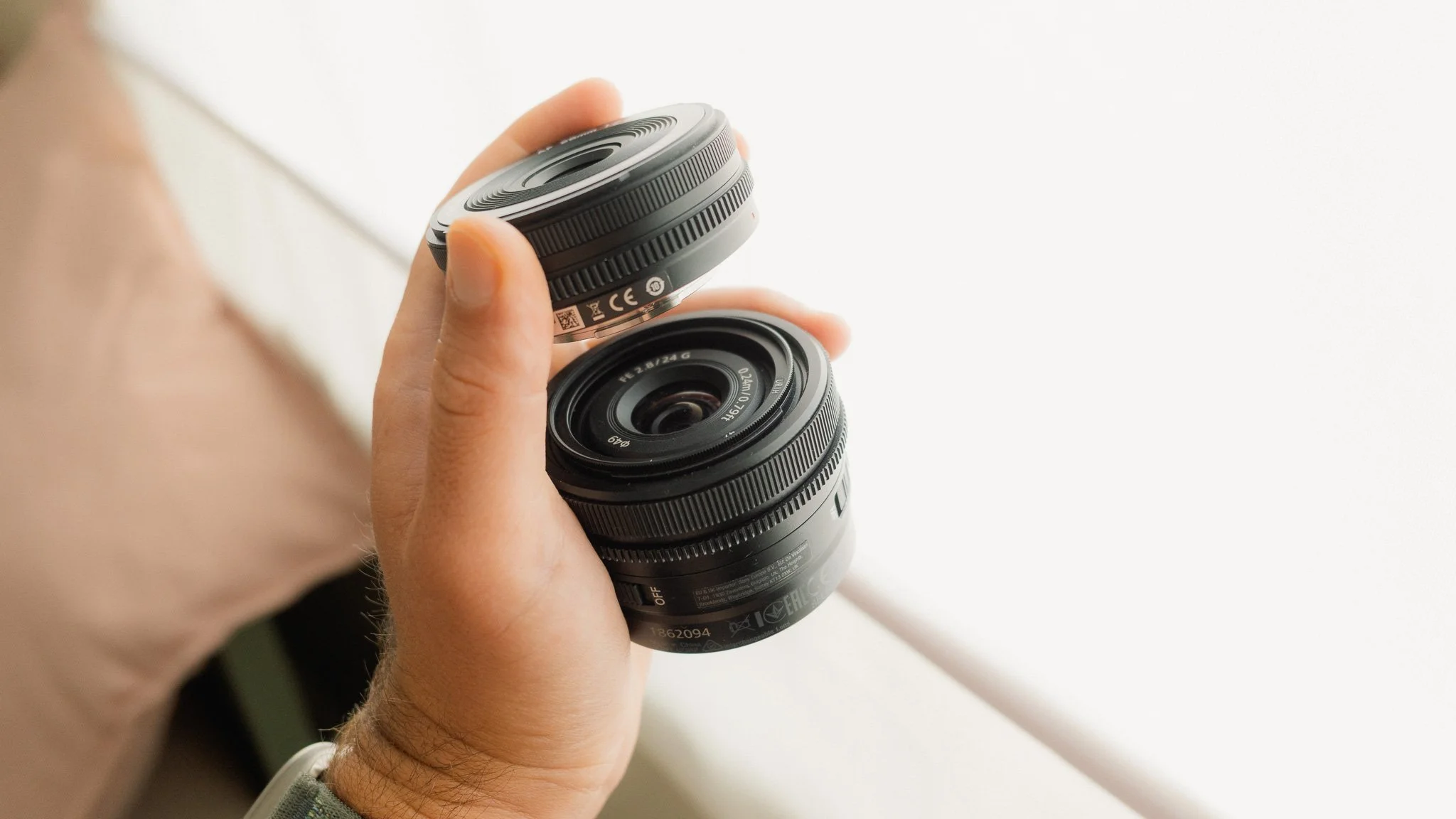
The Sony is a native lens, made by the same company that makes the camera. Regardless of brand, native lenses tend to offer better integration with the camera system. Viltrox is doing a great job of keeping up, but certain aspects, such as autofocus speed, can still fall behind Sony’s own lenses.
Focal Length
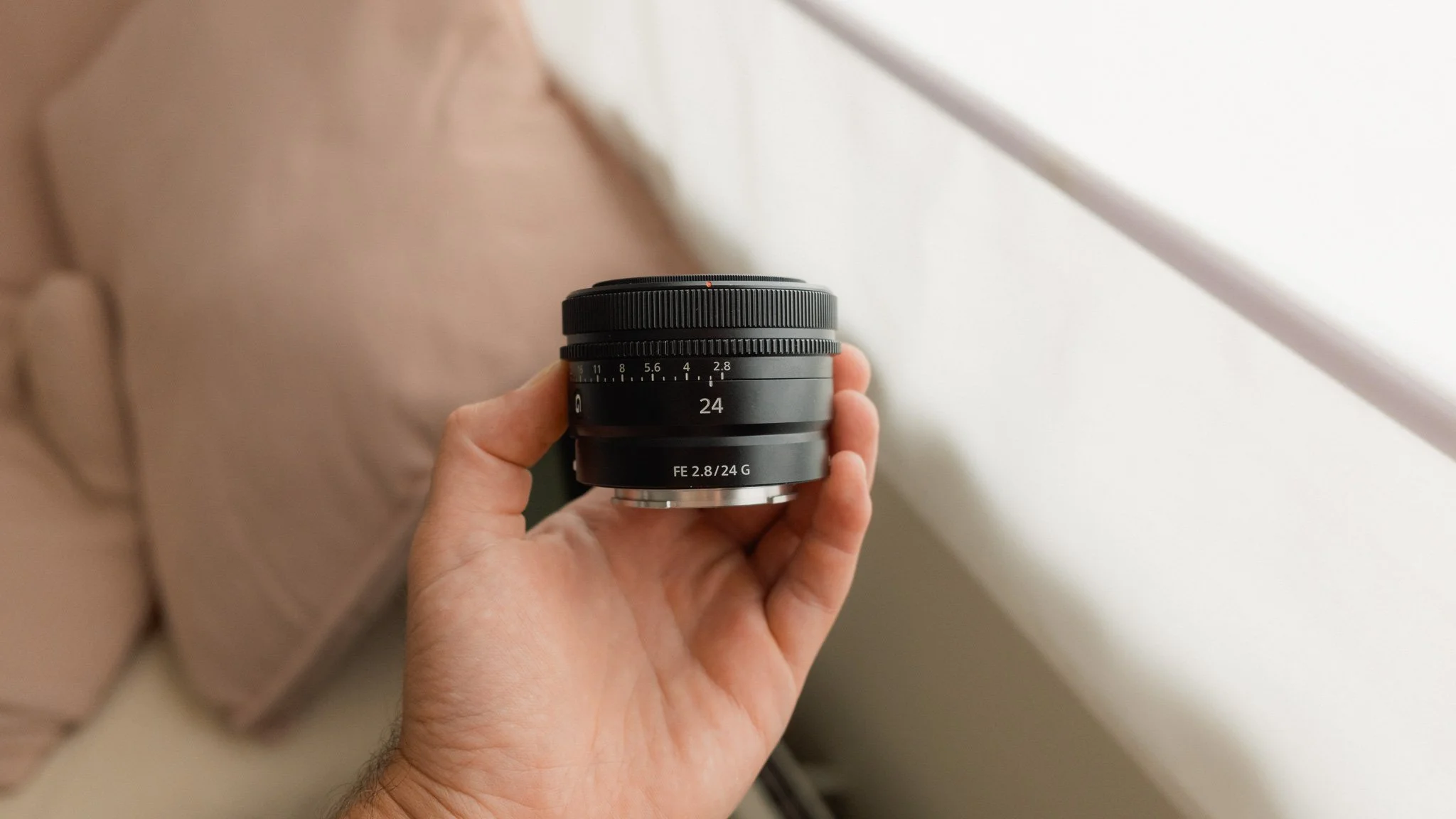
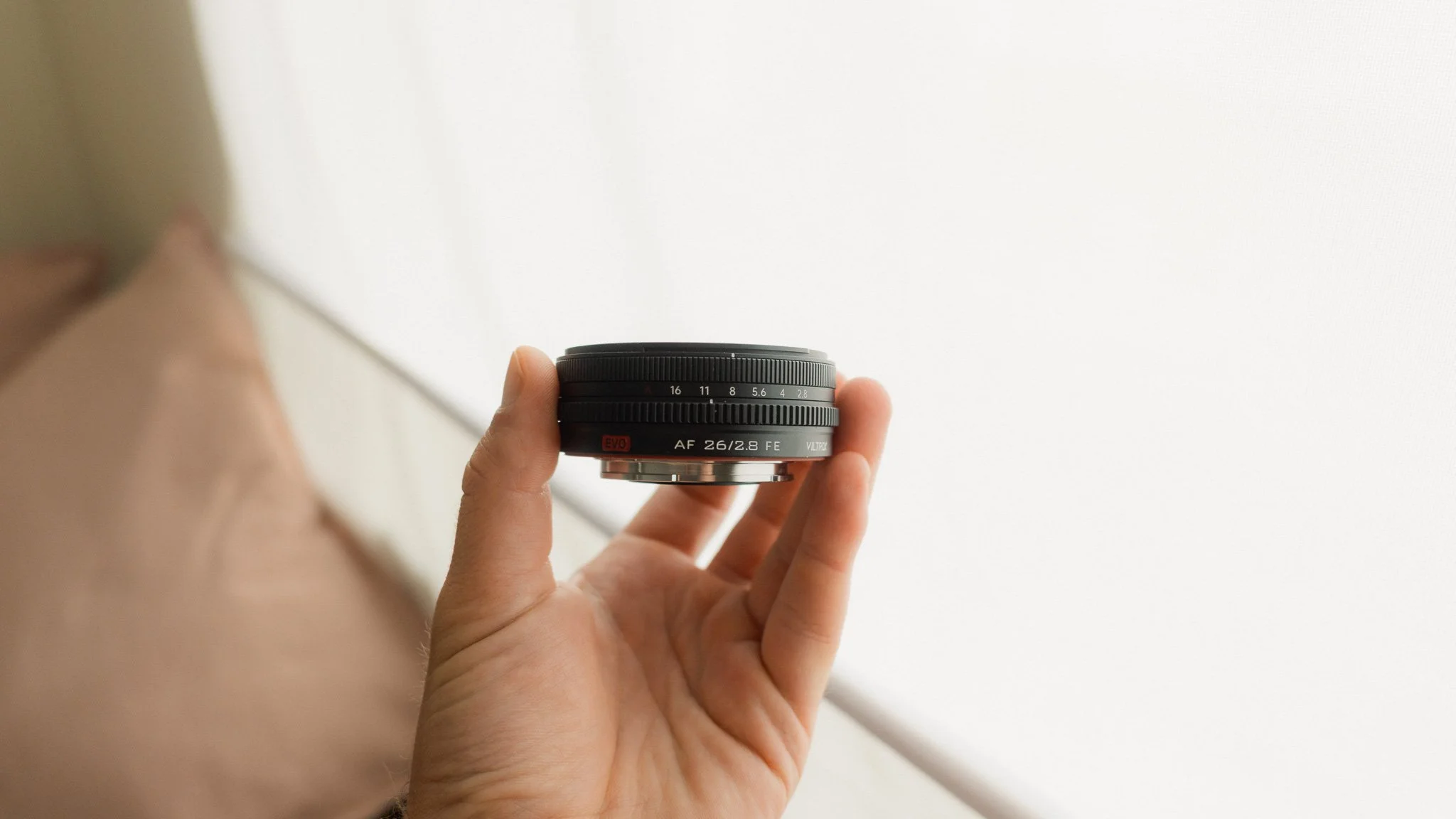
The Sony is 24mm, while the Viltrox is 26mm. In real-world use, you’re unlikely to notice much difference between them. Of course, the 26mm will give you a slightly tighter field of view, but it isn’t something I would factor heavily into the decision-making process.
Price
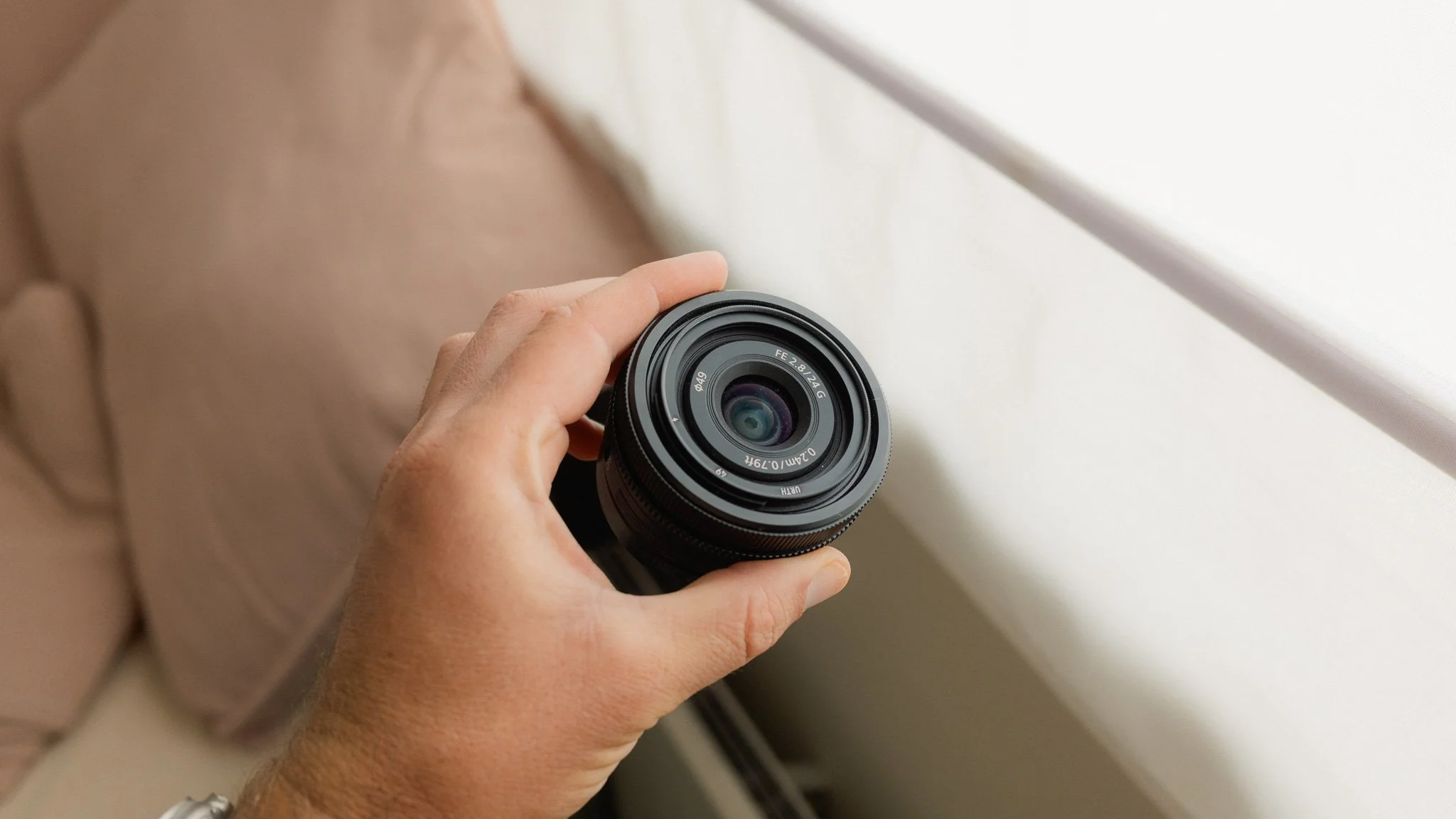
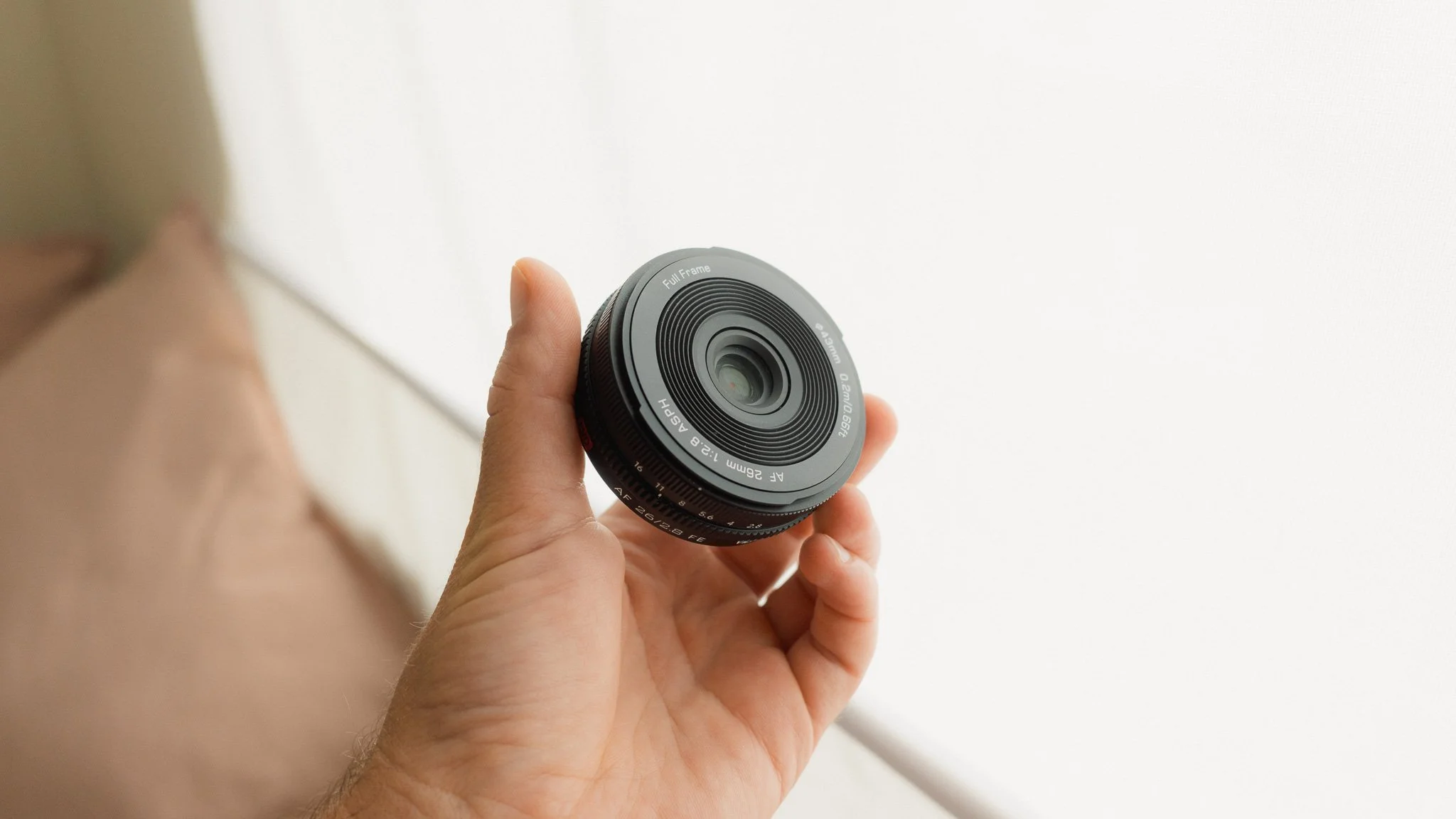
There is a huge price difference between these two lenses. At the time of writing, the Viltrox costs $300, while the Sony is nearly $800. For most people, this alone will be the main deciding factor.
Build
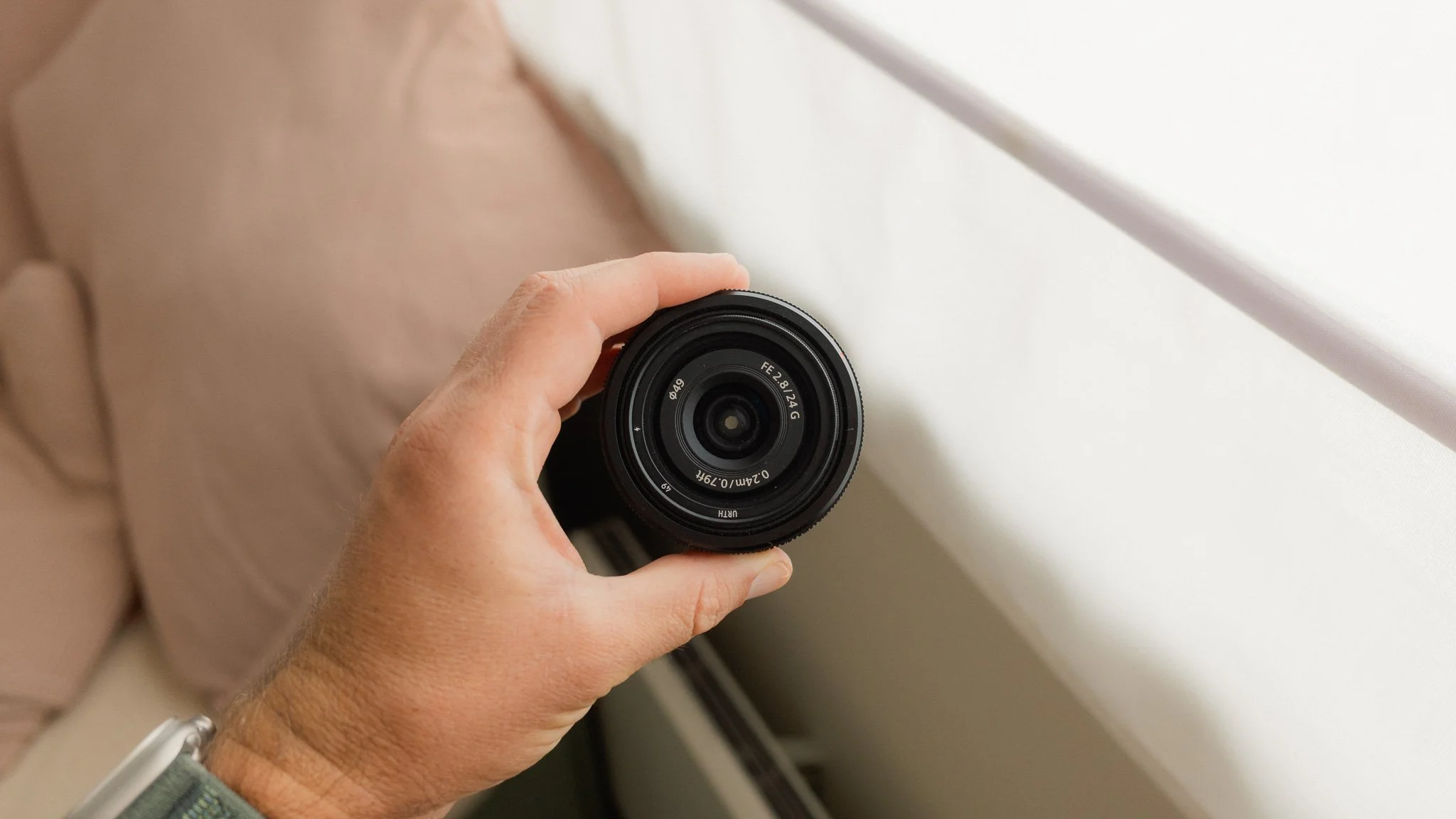
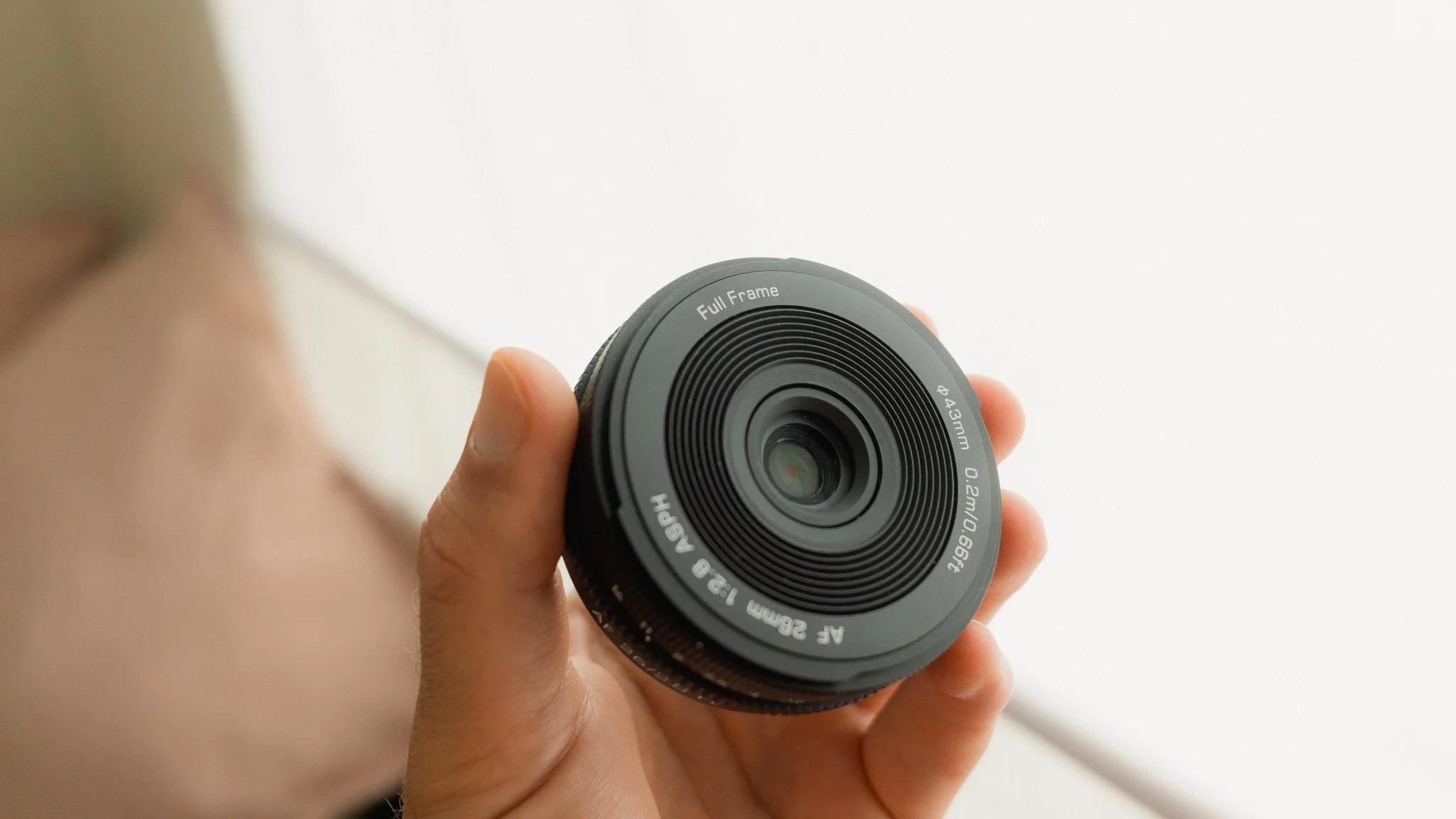
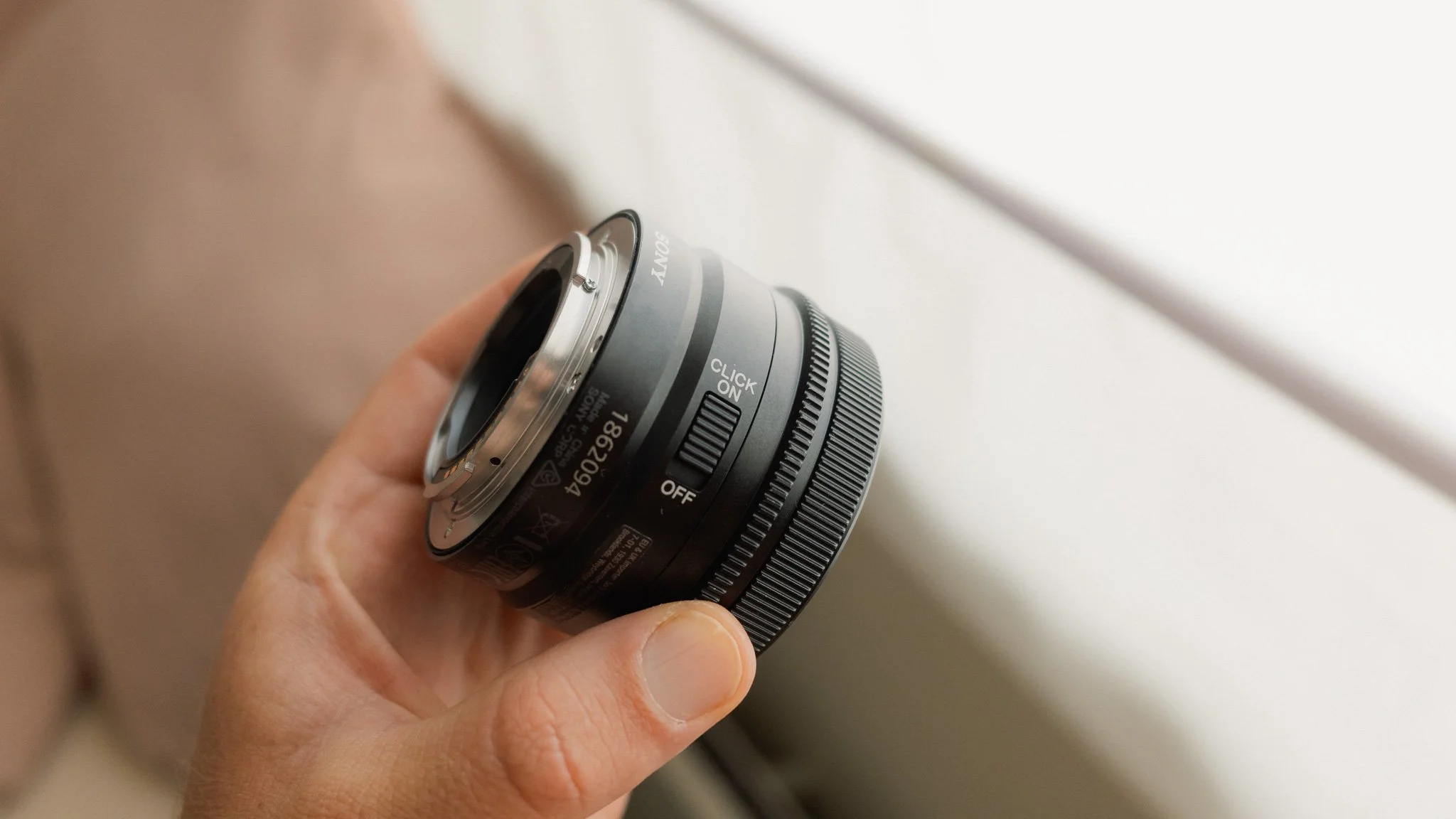
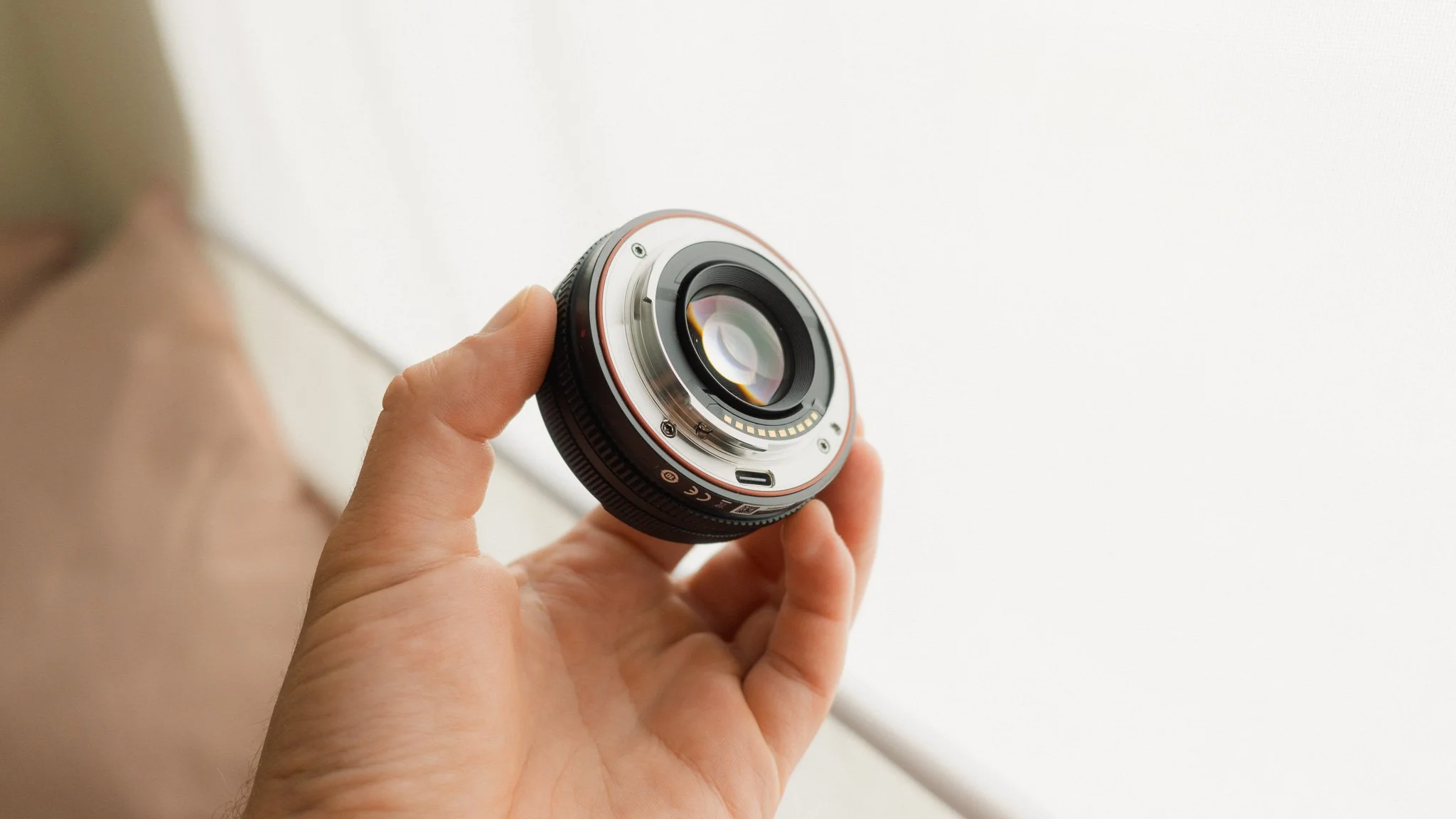
Both lenses have solid metal construction and feel premium. However, the Sony feels more refined, with a nicer-sounding aperture ring and a much better-damped focus ring. The Sony also has full weather sealing, while the Viltrox only has a rubber gasket around the mount.
Handling
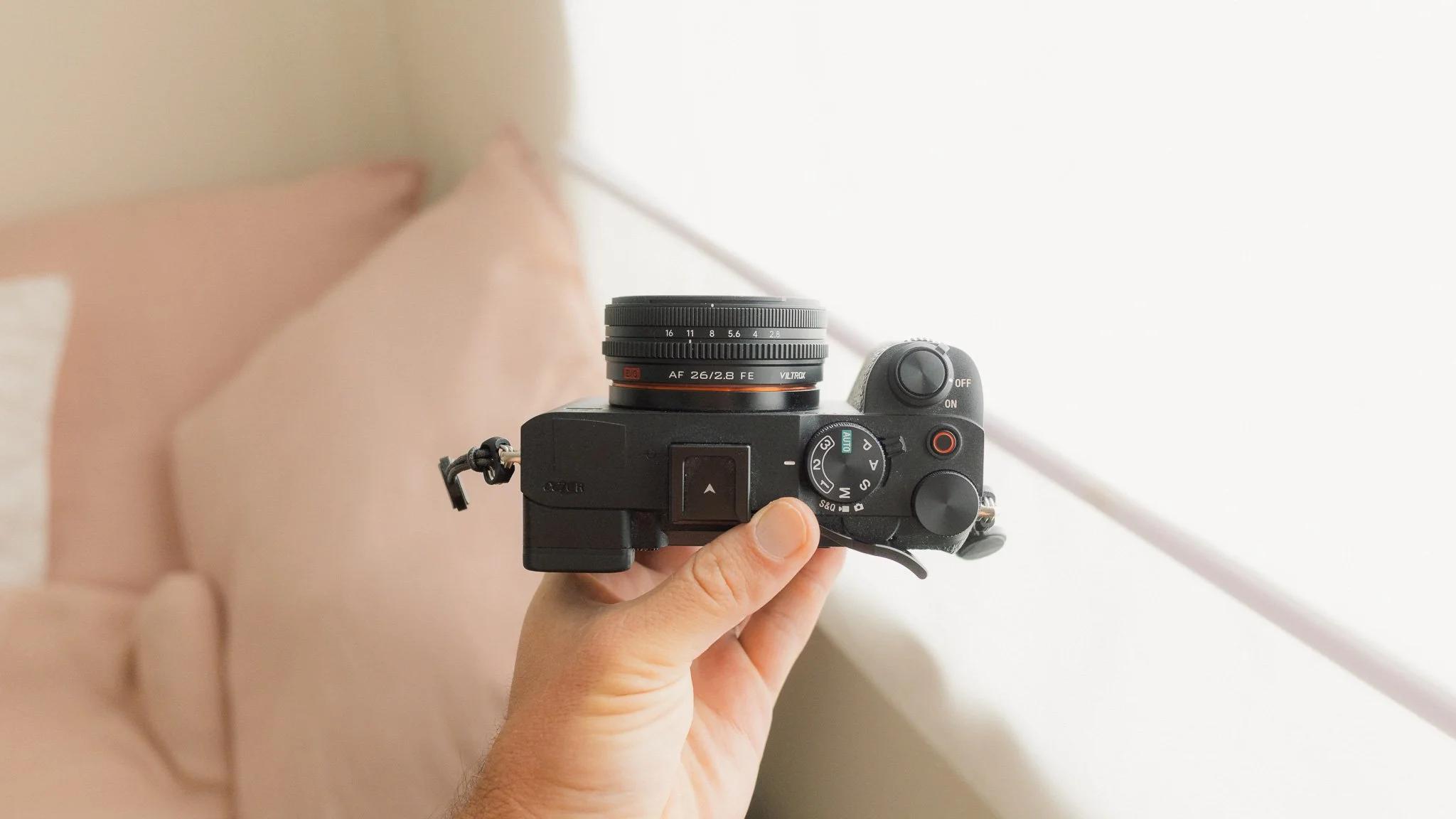
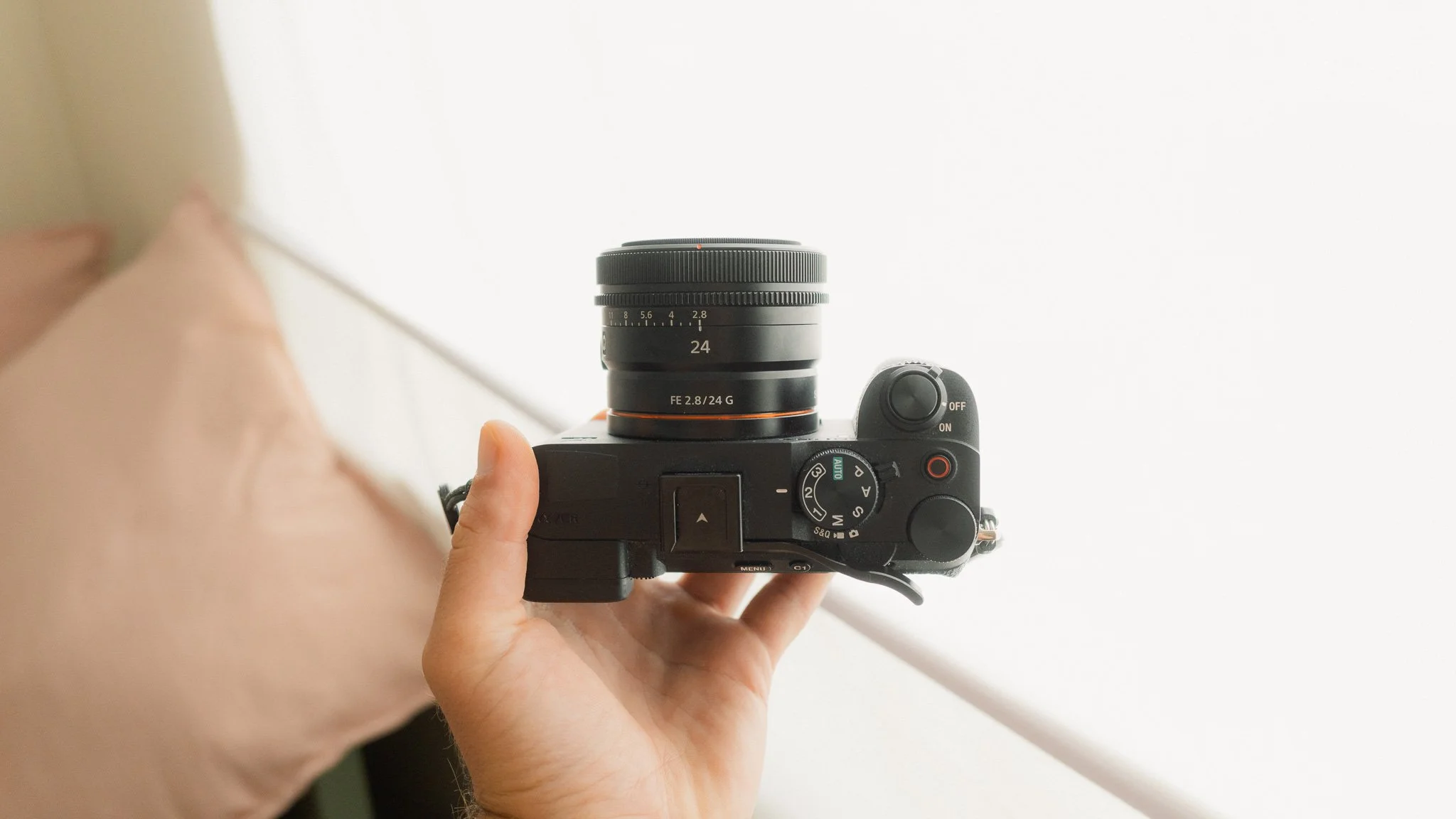
While both lenses are incredibly small and light, the Sony is around twice the size of the Viltrox. This difference is most noticeable on smaller camera bodies such as the A7CR. Honestly, it doesn’t make much difference to how the camera feels in the hand, but it has a significant impact when packing the camera away. With the Viltrox fitted, the camera takes up less space. For people who are travelling light, that could be a major deciding factor. However, I find the aperture and focus rings on the Sony much easier and more intuitive to use.
Features
This is where the Sony completely pulls away from the Viltrox. While both lenses have aperture and focus rings, that’s where the similarities end. The Sony includes several features that the Viltrox doesn’t:
Custom function button
AF/MF switch
Aperture de-click switch
Full weather sealing
Direct firmware updates through the camera
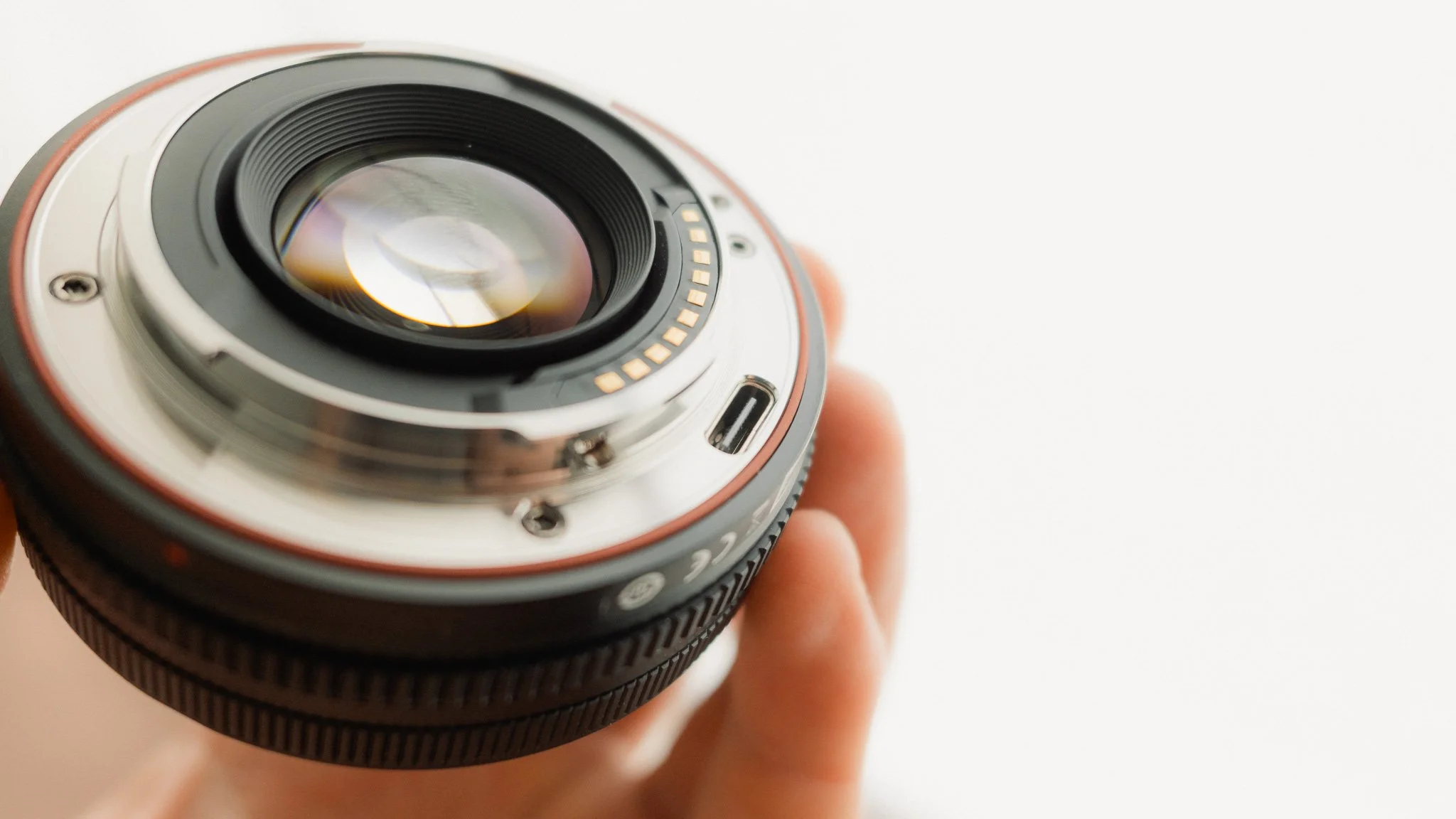
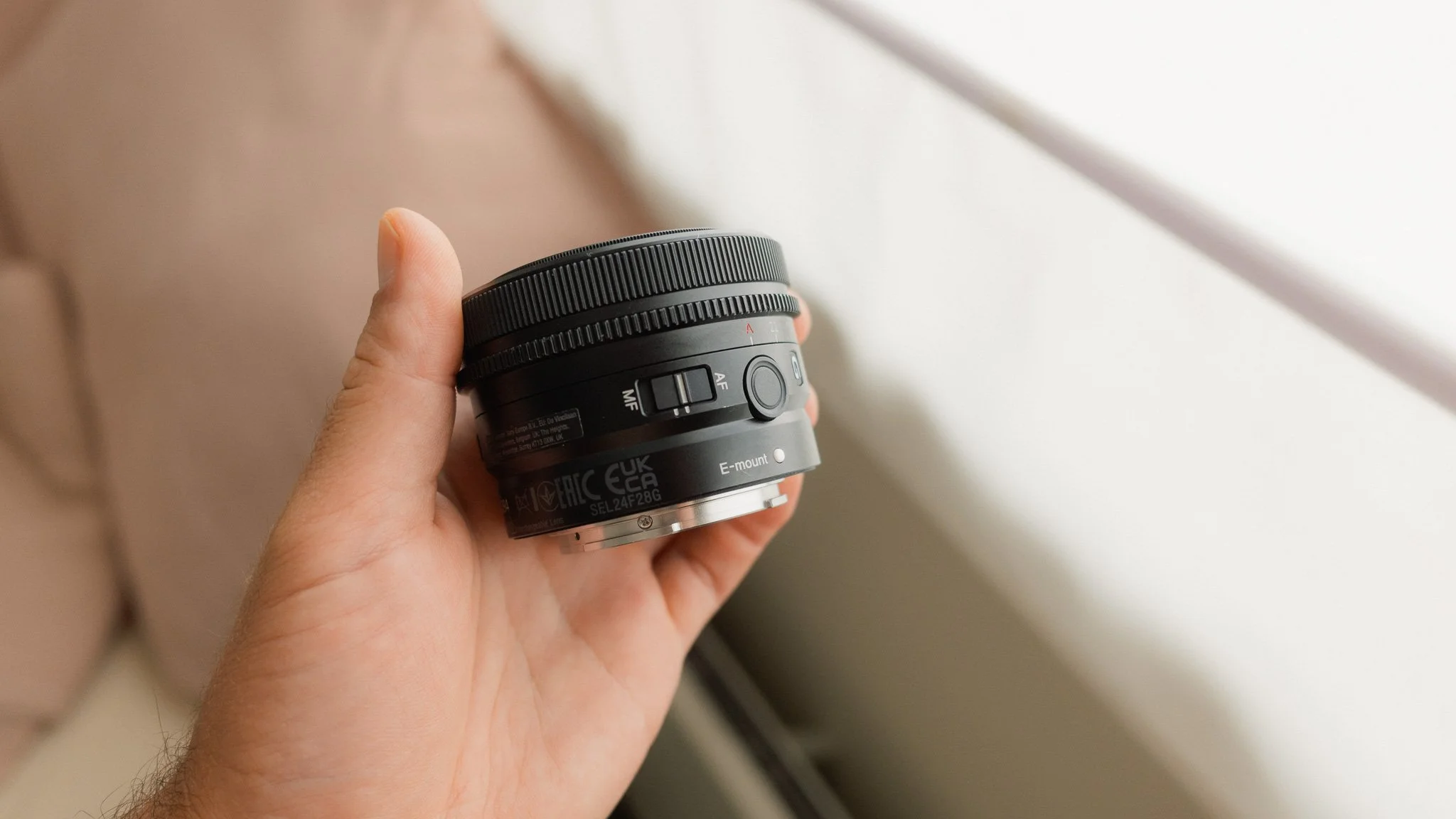
Image Quality
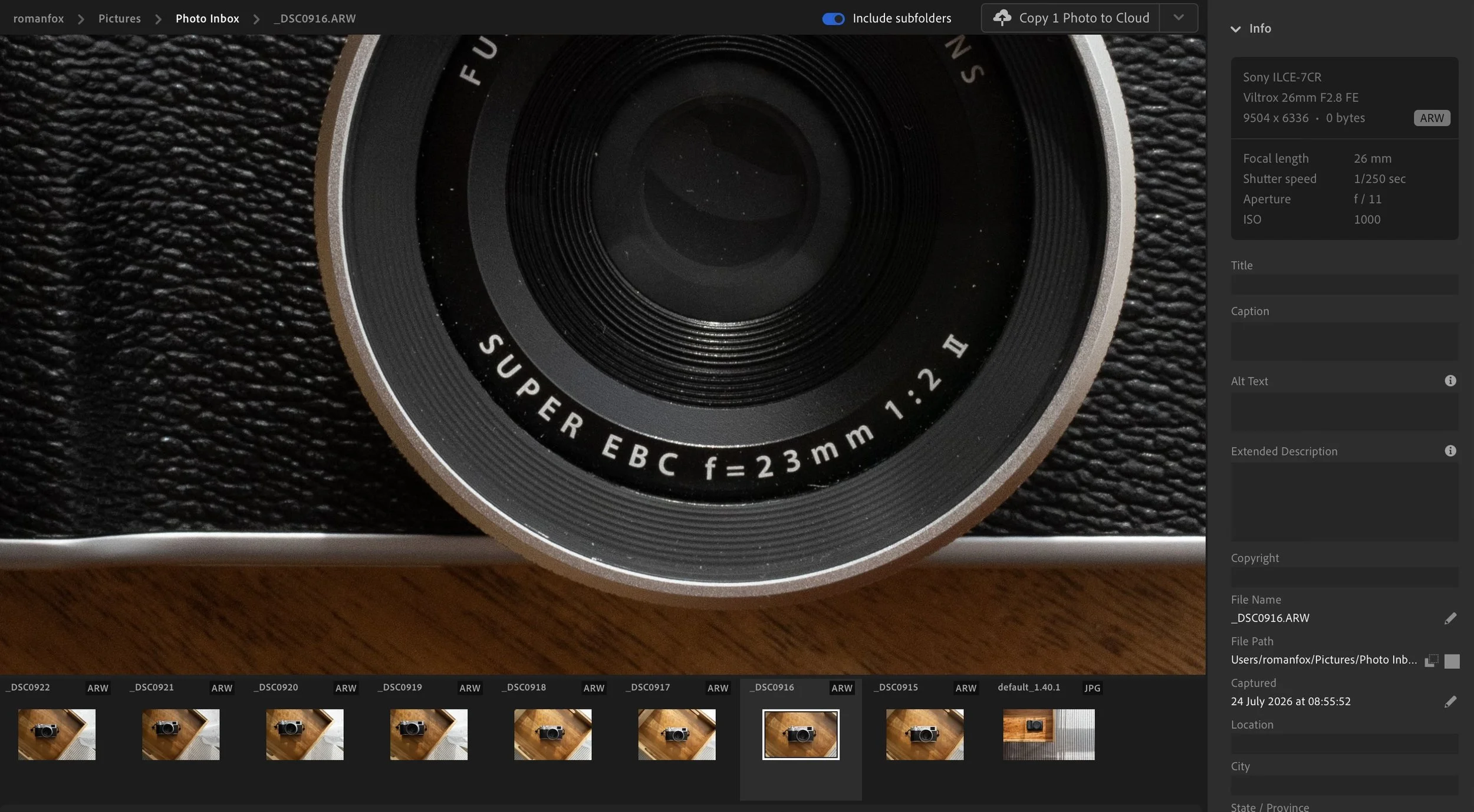
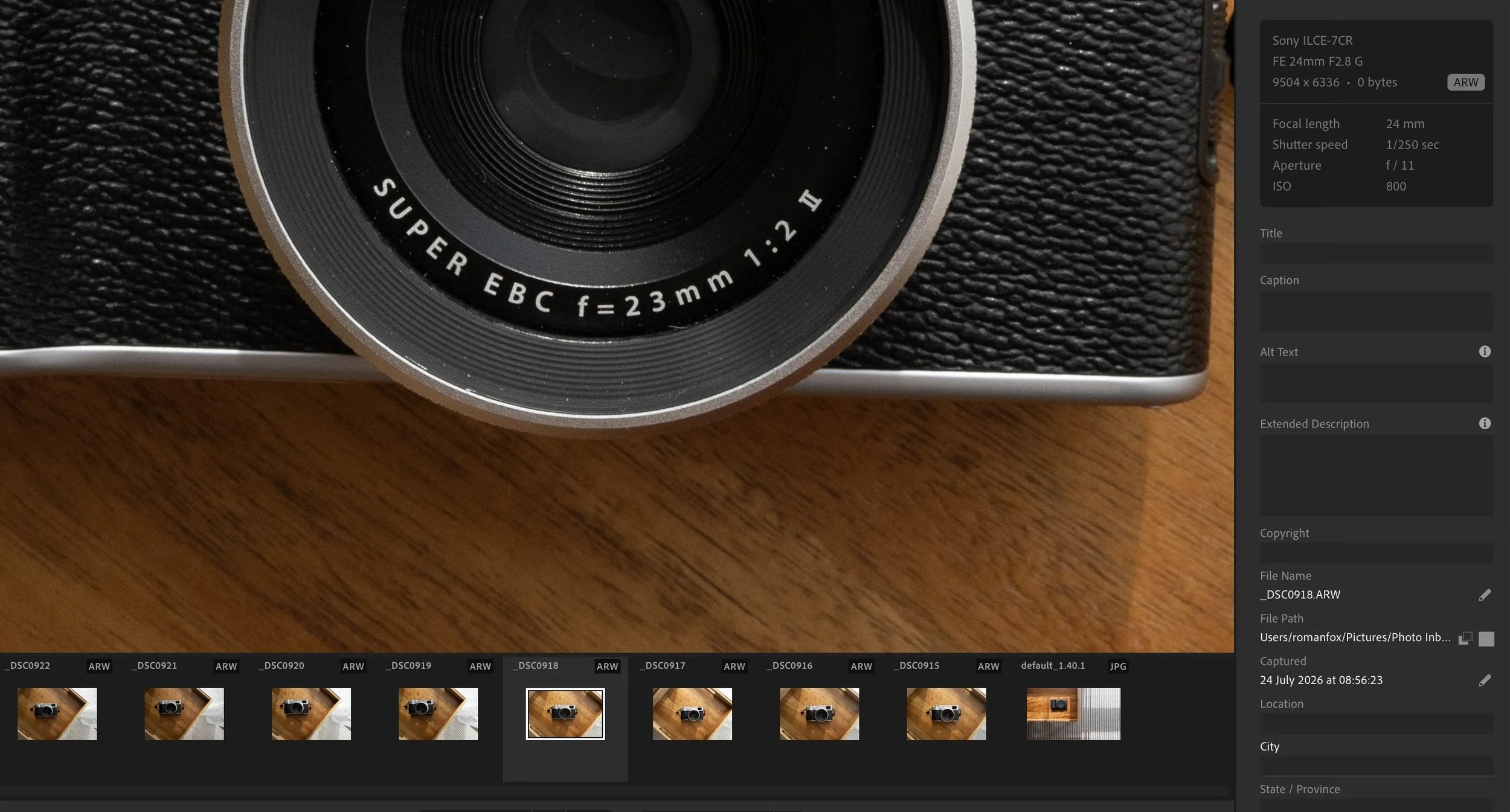
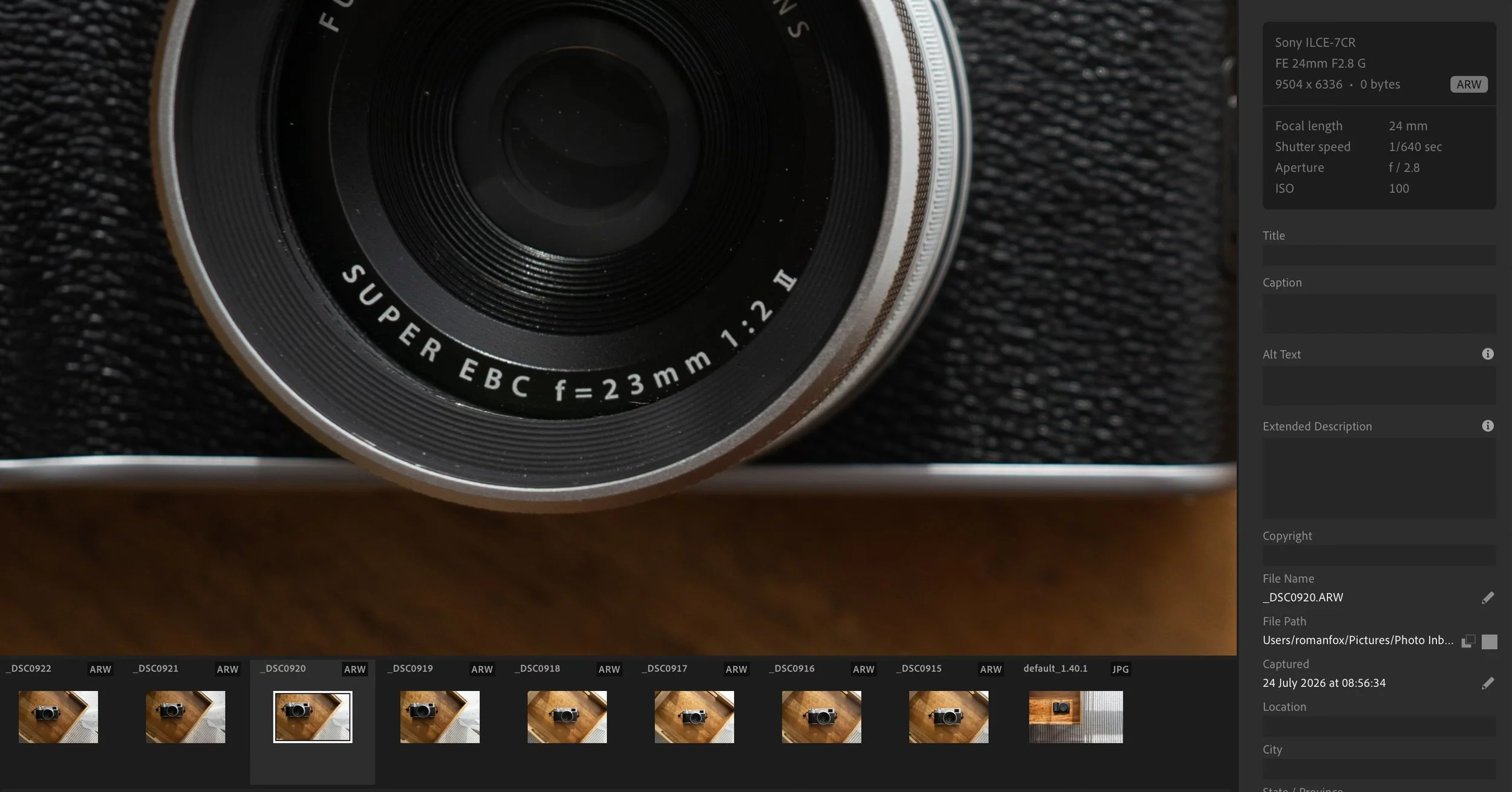
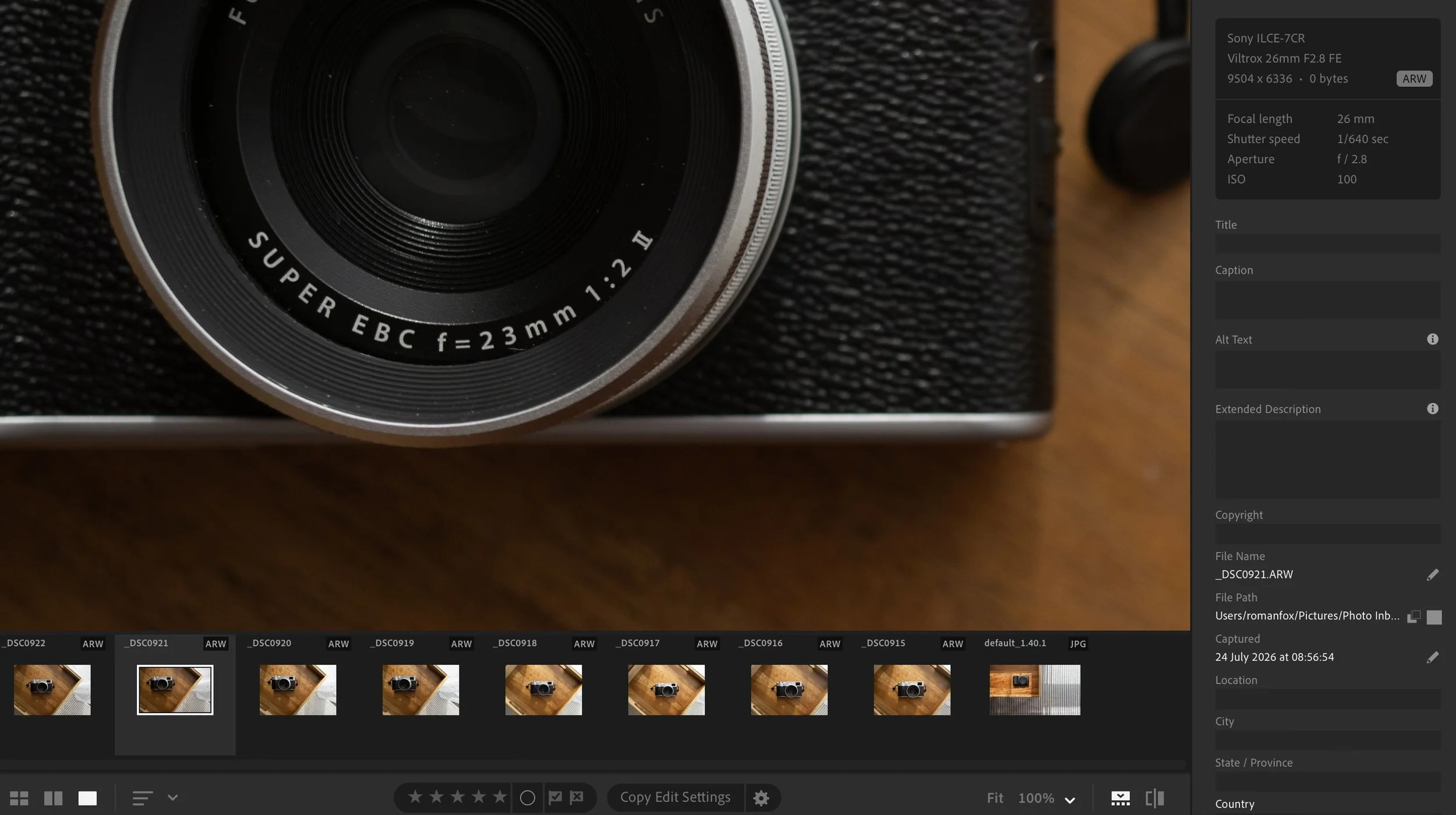
Initially, I thought the Sony would be miles ahead in terms of image quality. After further testing, however, I can say that the differences are much smaller than I expected. In the centre of the frame, both lenses look about the same to me. This applies at both f/2.8 and f/11. In the corners, the Viltrox softens more, but you need to look at the very extremes of the frame to notice a substantial difference. This can also be mitigated by stopping down to between f/8 and f/11. Both lenses produce great photos with pleasing colour and natural contrast. While the Sony has a slight edge here, I can’t say that the difference in image quality alone is worth the extra $500.
Autofocus
Honestly, this is the biggest difference between the two lenses for me. The Viltrox is considerably slower to focus than the Sony. The Sony snaps onto the subject almost instantly, while the Viltrox feels more like a fast focus pull. That isn’t to say the Viltrox is bad, far from it, but when you compare them side by side, the difference is night and day. This makes the decision relatively simple. If you frequently rely on autofocus and shoot sports or other fast-moving subjects, the Sony is the better option. If you mostly photograph still life, travel, nature, cityscapes, or family life, the Viltrox’s autofocus is more than good enough.
Summary
While these lenses might appear quite similar, in some respects they are worlds apart. If image quality is your main priority, the Viltrox may be the smarter financial decision, given that the Sony costs nearly three times as much. While the Sony might be a little sharper in the corners, I don’t think it’s nearly three-times-the-price sharper. If you don’t care about faster autofocus, full weather sealing, or extra features such as the custom function button, go for the Viltrox. If those things matter to you and are worth an additional $500 or so, the Sony is the clear winner. If money is tight, the Viltrox is the obvious choice.




Instead of telling you how these will change your life, I would rather be practical and answer the most common questions that people tend to have when buying presets.
What are presets?
They are editing settings that are saved in a file and can be applied to any image.
Why do people buy presets?
Sometimes because they like the work of the photographer and want that style for their own photos. Mostly because they would like to see how other people edit and learn by reverse engineering the presets. Other times it’s just to support their favourite photographers, thank you!
What’s the overall style of these presets?
- Filmic
- Warm
- Soft
- Bright
What are these presets suitable for?
Street & Travel Photography
Some Nature (with further editing)
Some Portraits (with extensive editing)
Do I actually use these?
Yes. This is the same pack I use right now for all my editing. This isn’t a pack made just to sell.
Do these presets get updated?
Yes, as my style changes, these presets will also be updated. Any time a new update is available, you will get a free update via email. Of course you also keep all the old presets in case you prefer the older looks. Only presets purchased from 2025 onwards will receive the updates.
What file types are these presets for?
- All RAW files
- JPEGs & TIFFs (not recommended)
What camera brands are these presets for?
These were designed around Fujifilm, Sony, and Leica sensors. With that said, they will work with all camera brands. While there might be differences due to individual camera colour science, the overall feel of the preset will carry over.
Will these work with JPEG files?
Yes, but you will need to reduce the intensity and make further edits. I strongly recommend editing RAW files.
Are these one click edits?
95% No. You would need to do some basic adjustments as each image is different. These adjustments can include exposure, colour balance etc. In 5% of cases you can just apply and leave it alone.
Do I need to know how to edit?
You need to have a basic understanding of adjusting exposure, highlights, shadows, etc. A more comprehensive editing skillset will let you get the most out of them.
How many presets are included?
10 in the main pack and 24 in the extras pack
Why two packs?
The main pack is what I use for 99% of my edits and is kept small to reduce wasted time scrolling through presets. The extras pack is everything I don’t use often.
What software do I need?
These presets will work with any of the following:
- Photoshop (adobe camera raw)
- Lightroom Classic
- Lightroom Desktop
- Lightroom Mobile
Will these presets work with free versions of the above software?
You need to research and double check before buying. These presets were designed for the full paid versions.
Will these presets work with very old versions of the above software?
You need to research and double check before buying. These presets were designed on and for the latest software.
What file type do I get?
XMP
What else do I get?
- Comprehensive PDF guide
Can I modify these and turn them into my own?
Yes! In fact I encourage you to modify them and play around. Use these to help you get your own style.
I have more questions…. What do I do?
Make a cup of tea and drop me an email on hello@snapsbyfox.com
Please note that due to the nature of digital products, refunds are generally not accepted. However, if you experience any issues, feel free to contact me and I’ll review your situation individually. You are welcome to use this product for personal or commercial projects, but you may not copy, distribute, or resell the files in their original or modified form.
Finally I want to say a massive thank you for supporting me. Buying these presets is the most direct way you can support my work.
Thank you!