
The reality of working with brands
It’s now coming up to 5 years of being a full time internet making person. Over these years I’ve made many mistakes, but also learned a lot in the process. I will be publishing a series of blogs where I share these lessons with you, with the aim of saving you a lot of time, headaches, and money. So if you’re thinking about this career path, or you are simply curious, then read on.
In this blog I will be talking about working with brands. The good, the bad, and the ugly. I want to preface this by saying that I’ve never had a truly bad experience with a brand, I’ve always been paid in the end, and I’ve never burnt a bridge. With that said, there are definitely some pitfalls to watch out for.
Why work with brands in the first place?
I guess this is the million dollar question, and there are three primary reasons why creators work with brands. By far the biggest one is financial. For small creators, brand deals can be a lifeline and the difference between carrying on or quitting. For bigger creators, brand deals can often run into 5 figures, resulting in eye watering incomes by the end of the year.
For me, brand deals have always been financially motivated. I can only think of one instance, when I promoted The RAW Society in exchange for a trip, that was done out of genuine respect for who they are and what they stood for. As for all the other brands, if it wasn’t for the financial element, I would have never promoted them. This doesn’t mean I don’t like them, as I still use and pay for their products. I just wouldn’t turn my YouTube channel into a billboard for the sake of it.
The second reason people do brand deals is for recognition. Many people still place great value on brands recognising their work, especially if they are sought after brands. People will work for free, make “fanboy” style videos, and say nothing but good things about a brand just to catch their attention. I’m not saying there is anything wrong with that, it’s merely an observation. This has never been me, and perhaps this is my ego talking, but being recognised by others, no matter their stature, isn’t something I desire or care for.
The third reason is to have unique opportunities or experiences that might otherwise be out of reach. This is my favourite way of working with brands because, while having money is nice, the only brand deals I actually remember are those that were based around experiences.
Do brands reach out?
I’ve personally never reached out to brands, and this is perhaps why I haven’t worked with as many compared to some of my peers. If you are proactive, you can reach out to brands you actually want to work with, pitch your ideas, and see how it goes. In my opinion, that’s probably a better way of doing it than sitting back and waiting for them to come in.
At this stage, I typically get 1 to 2 brand deals a day in my inbox. Sounds great, right? Well, 99.9% of them are scams, AI slop, or absolute tat that no one wants. In terms of genuine brand deals, I might get a few a year, and for me that’s fine.
What do brand deals look like?
In most cases, brand deals offer a straight exchange of money for content. The content could be Instagram posts, 60 second YouTube ad reads, or dedicated videos. The payment is then made in the form of money, goods, or experiences.
Is the money worth it?
So I’m gonna be very upfront about one harsh truth. In many cases, the brand is getting more out of you than you are out of them. Quite often it’s not even a 50/50 or “win win” situation. If a brand is willing to pay you £2000 for an integration, they are probably getting double that out of you. This is especially true for long term relationships where the compounding effect of you promoting them kicks in.
This is also very dependent on the niche you’re in. Photography is a very low budget niche, and you’d need to be in the top 1% of successful creators to see life changing money. Other niches such as tech or finance have much higher budgets.
I think the money can be worth it, but you have to be very selective and weigh up the financial gain against what you are offering and risking. If you’re promoting a dodgy company, then you might rightfully face backlash should that company come under scrutiny one day. If you are knowingly promoting a cheap product that you would never buy yourself, then you should be fine with sleeping with that at night, knowing that people who trust you will buy that item in good faith, only to be disappointed.
It’s very easy to get ahead of yourself when you can get £2000+ for a 30 second ad read in a video you were gonna make anyway. However, the moment you truly understand that there are 1000s of people behind those screens who trust you, you will scrutinise every sponsorship in great detail. The money can be great, but sometimes the cost is too high.
Brands are not your friends
I’ve lost count of how many brands I’ve worked with that came across as friendly, chatty, and very responsive, only to completely switch up once the project was done, or the moment you didn’t do exactly what they wanted.
I had one brand become very cold, distant, and annoyed the moment I refused to use their caption in my post. A caption which was, at best, extremely optimistic about their product, and at worst, a total lie. Even when I explained that it was misinformation, they didn’t want to acknowledge me and were then late paying me.
Brands will pretend to be your best friend up until the moment they are done with you, or you don’t do as you’re told.
Empty promises
I wish I had £1 for every time a brand told me about all the amazing projects they have lined up for me. I reckon around 10% of brands who promised future work actually delivered. Most of it is hot air to try and get your rate down.
Dodgy contracts
Some brands are better than others, but quite a few brands have sent me contracts with some crazy terms inside. From total rights ownership to other hidden clauses such as needing to pin their links in my bio. As a rule of thumb, I run every contract through ChatGPT with a prompt to look out for these things. I then tell the brand to change anything I’m not happy with, and if they refuse, I walk away.
The best one was a smartphone brand that wanted me to do a night photography video. At the time I was travelling through Morocco, so night photography wasn’t an option. They agreed that daytime was fine, only to stipulate in the contract that all photography must be done at night. When challenged, they laughed and said, “Come on, we’re sure you can find somewhere to shoot at night there.” I never replied to them after that.
Another brand signed a contract for a set number of videos, only to pull out halfway through and break their own contract. Another well known brand snuck in a minimum view count that the sponsored video had to reach before payment would be released. It’s the Wild West out there.
Other things I noticed
Quite often brands tried to tell me what I needed to say, and often it was clearly marketing bullshit written by some graduate or AI. The moment you push back, they become irritated. This is why it’s critical to make sure nothing like this is in your contract.
Many brands act like it’s a privilege for you to be sponsored by them, and act accordingly. They set the terms and the budget. They push for everything to be done yesterday, yet take their sweet time paying you. They ignore your emails and reply in generic corporate jargon.
Some brands always try their luck and ask for more after the contract has been signed.
Loyalty generally means nothing. They don’t actually care about you, your work, or your profile. You’re a number on a spreadsheet with a CPM figure attached.
Don’t even get me started on agencies.
Good brands
So far this blog might sound somewhat negative, but there have been some very good brands I’ve worked with where you felt like you were dealing with genuine people. The reason for the negative tone is because I want to be as real with you as possible, so you know what to look out for.
With all the experience I have now, I can see red flags much sooner, thus avoiding wasting my time. These days I work with way more good brands than bad. However, I had to go through many bad ones to learn and understand what to look out for.
When you get a good brand with the right values, a product that you love, great people, and a genuine respect for each other, then it’s a dream. I value those relationships highly, and go above and beyond for them.
Don’t rely on them
Even the most genuine brands have budgets that come and go. Today they have work for you, tomorrow they don’t. If I could give you one single piece of advice to take away, it would be to treat brand deals as bonuses, not your core income. Your core income needs to come from something more stable, predictable, and within your control.
For me, this comes in the form of my own products, workshops, and other income streams such as licensing my work. The few brand deals I get each year are a nice bonus, but I am not budgeting for them. This allows me to sleep at night knowing I don’t need to accept a deal promoting some random smartphone company just to make rent.
Living well below your means and having a long financial runway is another piece of the puzzle. Many creators get ahead of themselves and start upgrading their lives when those brand deals keep coming in. What happens when they stop?
Finally, if you find yourself at the mercy of brand deals, you will end up accepting everything that comes your way. Not only will you end up burnt out and creatively empty, but your social media page will start looking like one never ending ad.

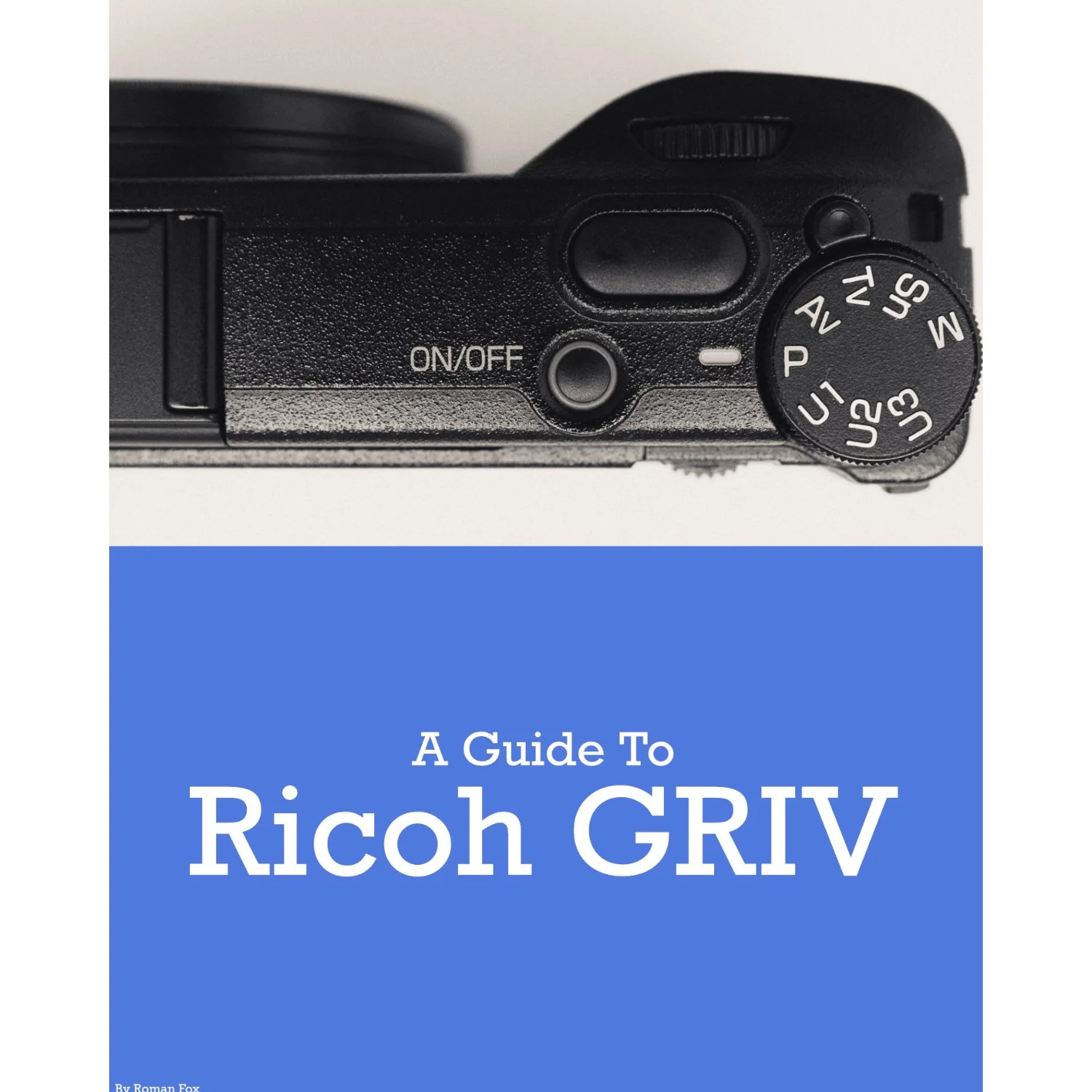
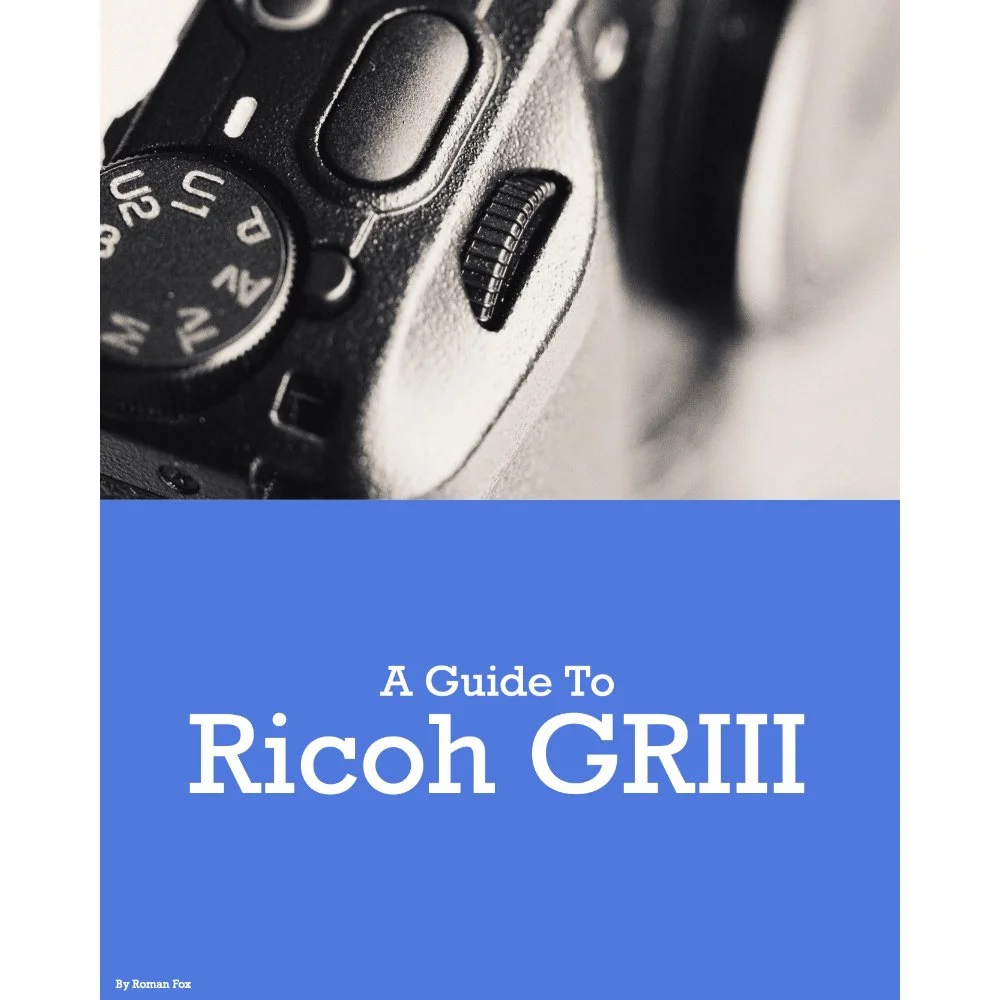
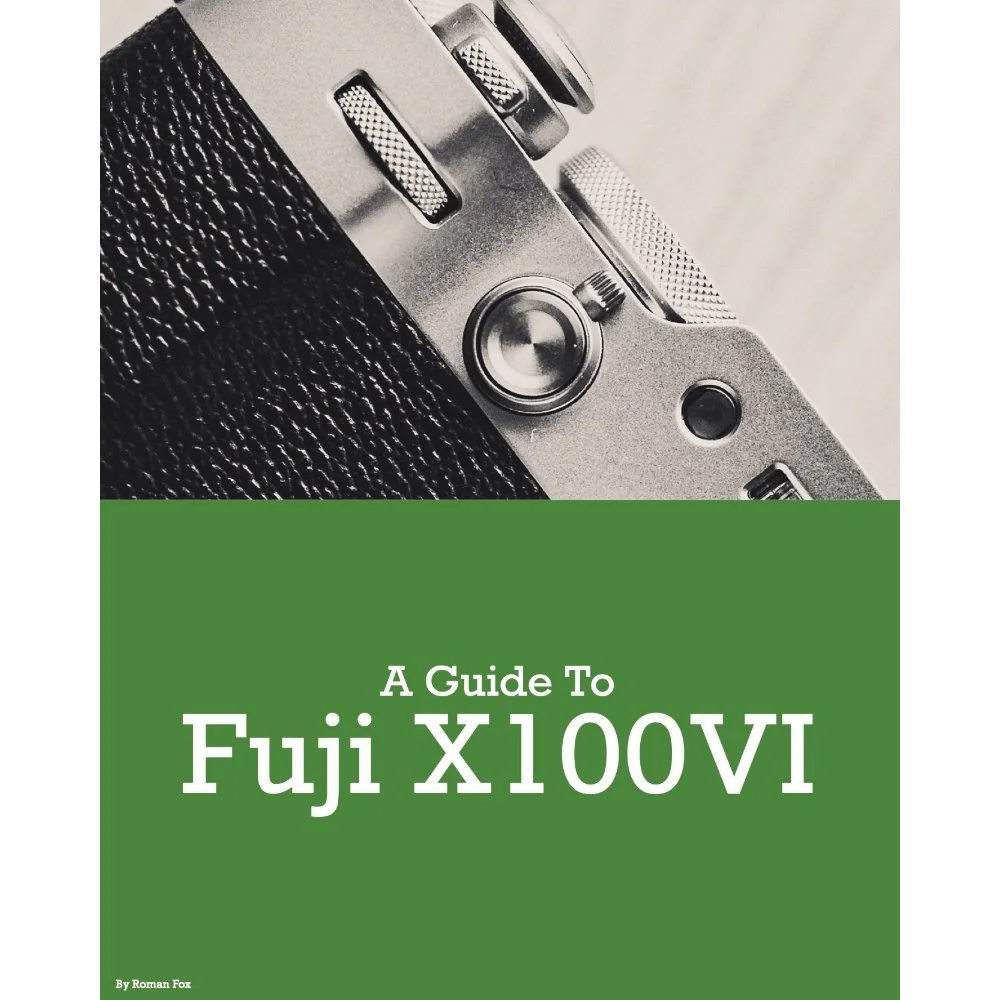
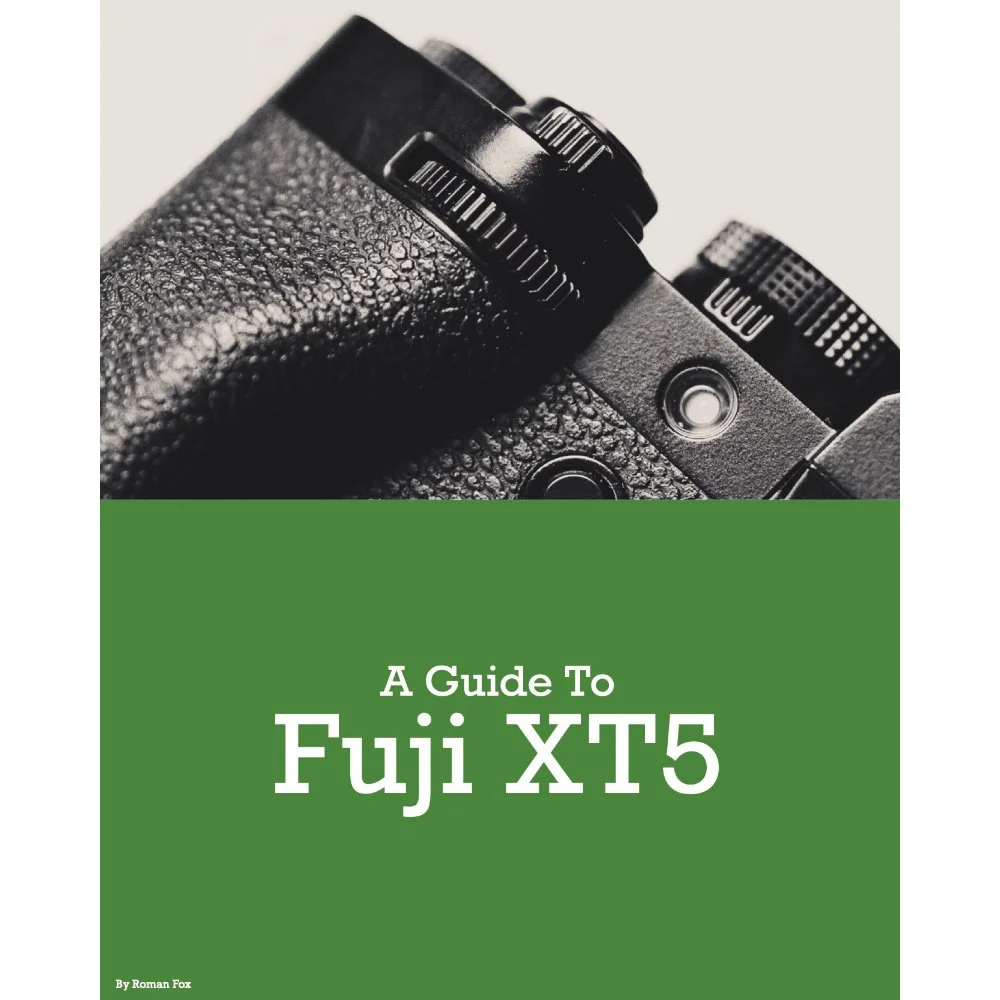
Instead of telling you how these will change your life, I would rather be practical and answer the most common questions that people tend to have when buying presets.
What are presets?
They are editing settings that are saved in a file and can be applied to any image.
Why do people buy presets?
Sometimes because they like the work of the photographer and want that style for their own photos. Mostly because they would like to see how other people edit and learn by reverse engineering the presets. Other times it’s just to support their favourite photographers, thank you!
What’s the overall style of these presets?
- Filmic
- Warm
- Soft
- Bright
What are these presets suitable for?
Street & Travel Photography
Some Nature (with further editing)
Some Portraits (with extensive editing)
Do I actually use these?
Yes. This is the same pack I use right now for all my editing. This isn’t a pack made just to sell.
Do these presets get updated?
Yes, as my style changes, these presets will also be updated. Any time a new update is available, you will get a free update via email. Of course you also keep all the old presets in case you prefer the older looks. Only presets purchased from 2025 onwards will receive the updates.
What file types are these presets for?
- All RAW files
- JPEGs & TIFFs (not recommended)
What camera brands are these presets for?
These were designed around Fujifilm, Sony, and Leica sensors. With that said, they will work with all camera brands. While there might be differences due to individual camera colour science, the overall feel of the preset will carry over.
Will these work with JPEG files?
Yes, but you will need to reduce the intensity and make further edits. I strongly recommend editing RAW files.
Are these one click edits?
95% No. You would need to do some basic adjustments as each image is different. These adjustments can include exposure, colour balance etc. In 5% of cases you can just apply and leave it alone.
Do I need to know how to edit?
You need to have a basic understanding of adjusting exposure, highlights, shadows, etc. A more comprehensive editing skillset will let you get the most out of them.
How many presets are included?
10 in the main pack and 24 in the extras pack
Why two packs?
The main pack is what I use for 99% of my edits and is kept small to reduce wasted time scrolling through presets. The extras pack is everything I don’t use often.
What software do I need?
These presets will work with any of the following:
- Photoshop (adobe camera raw)
- Lightroom Classic
- Lightroom Desktop
- Lightroom Mobile
Will these presets work with free versions of the above software?
You need to research and double check before buying. These presets were designed for the full paid versions.
Will these presets work with very old versions of the above software?
You need to research and double check before buying. These presets were designed on and for the latest software.
What file type do I get?
XMP
What else do I get?
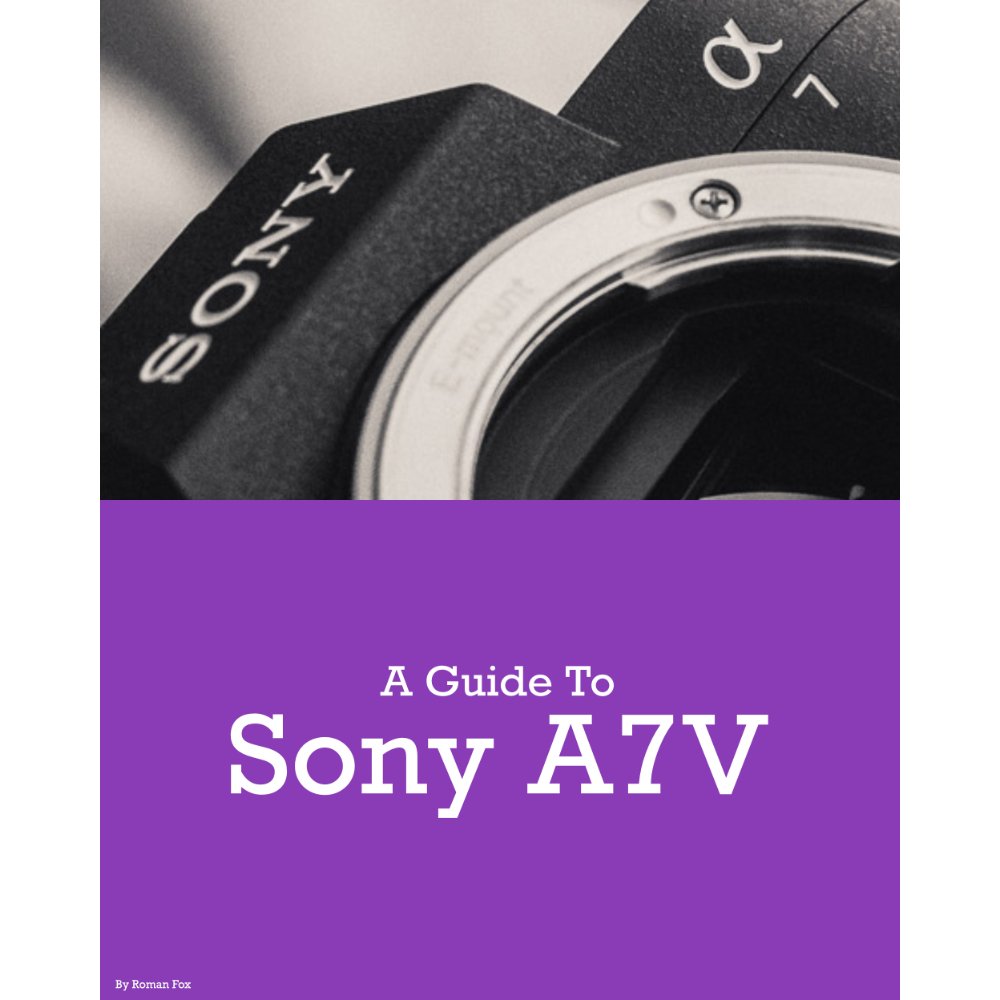
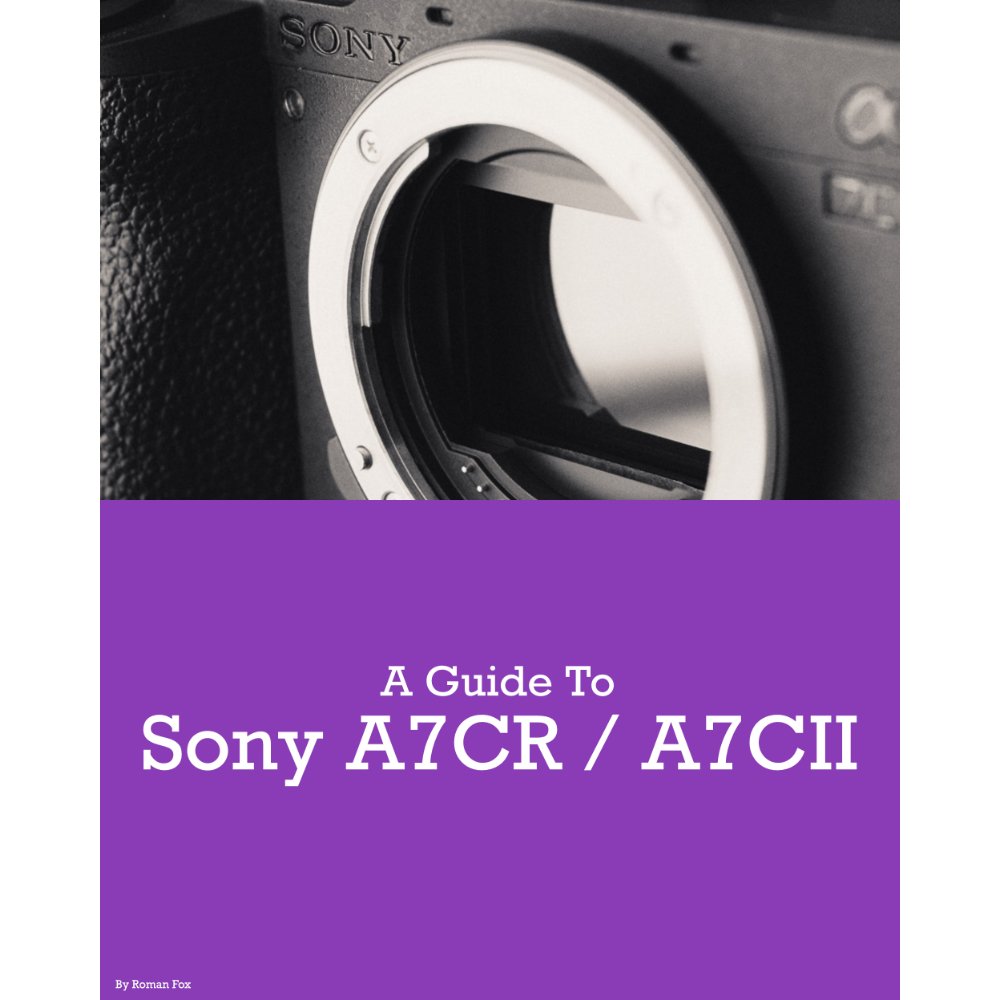
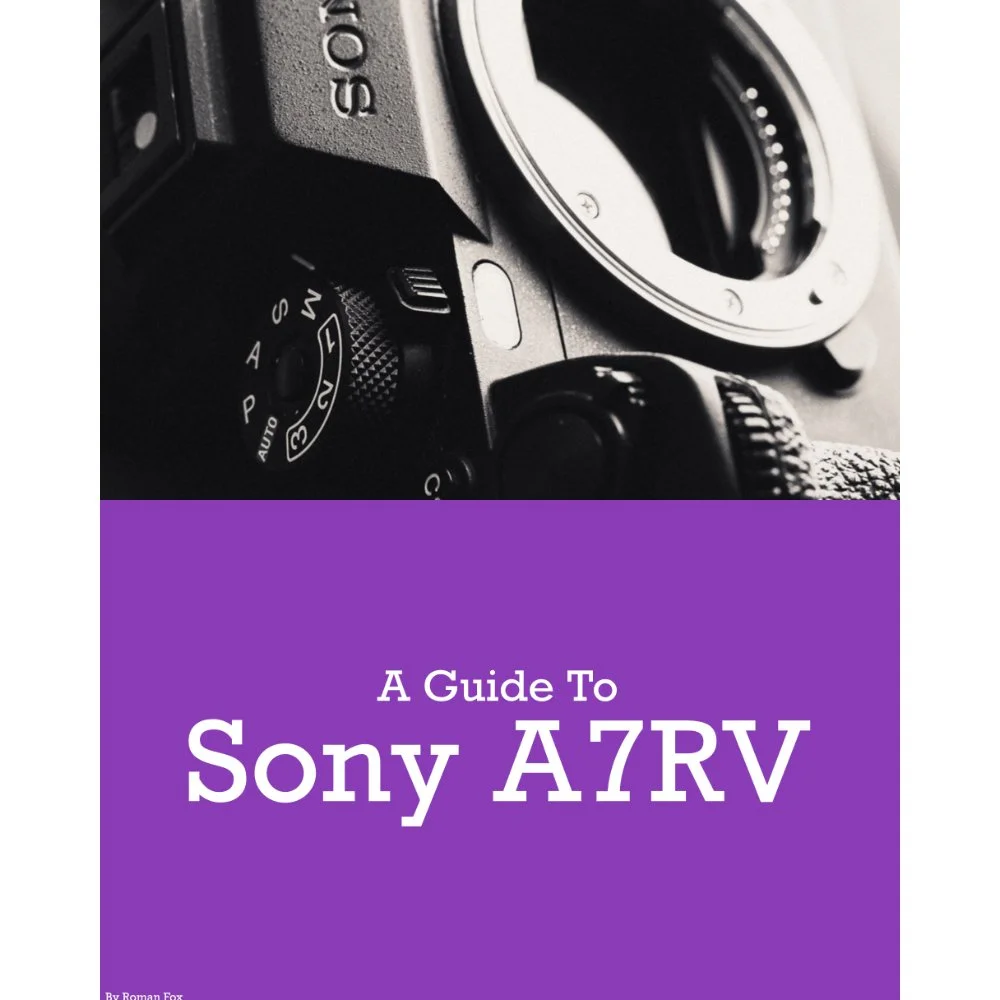
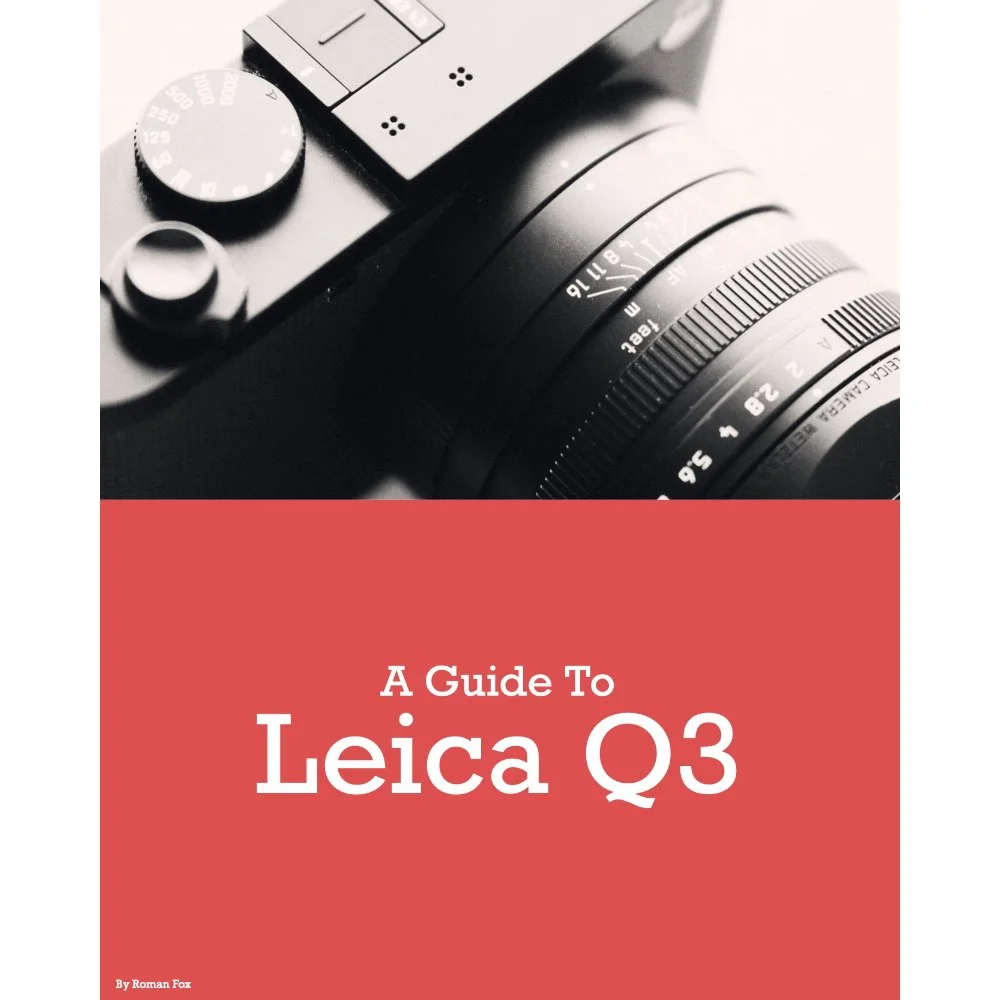
- Comprehensive PDF guide
Can I modify these and turn them into my own?
Yes! In fact I encourage you to modify them and play around. Use these to help you get your own style.
I have more questions…. What do I do?
Make a cup of tea and drop me an email on hello@snapsbyfox.com
Please note that due to the nature of digital products, refunds are generally not accepted. However, if you experience any issues, feel free to contact me and I’ll review your situation individually. You are welcome to use this product for personal or commercial projects, but you may not copy, distribute, or resell the files in their original or modified form.
Finally I want to say a massive thank you for supporting me. Buying these presets is the most direct way you can support my work.
Thank you!