
After 22 cameras… this is what I learned
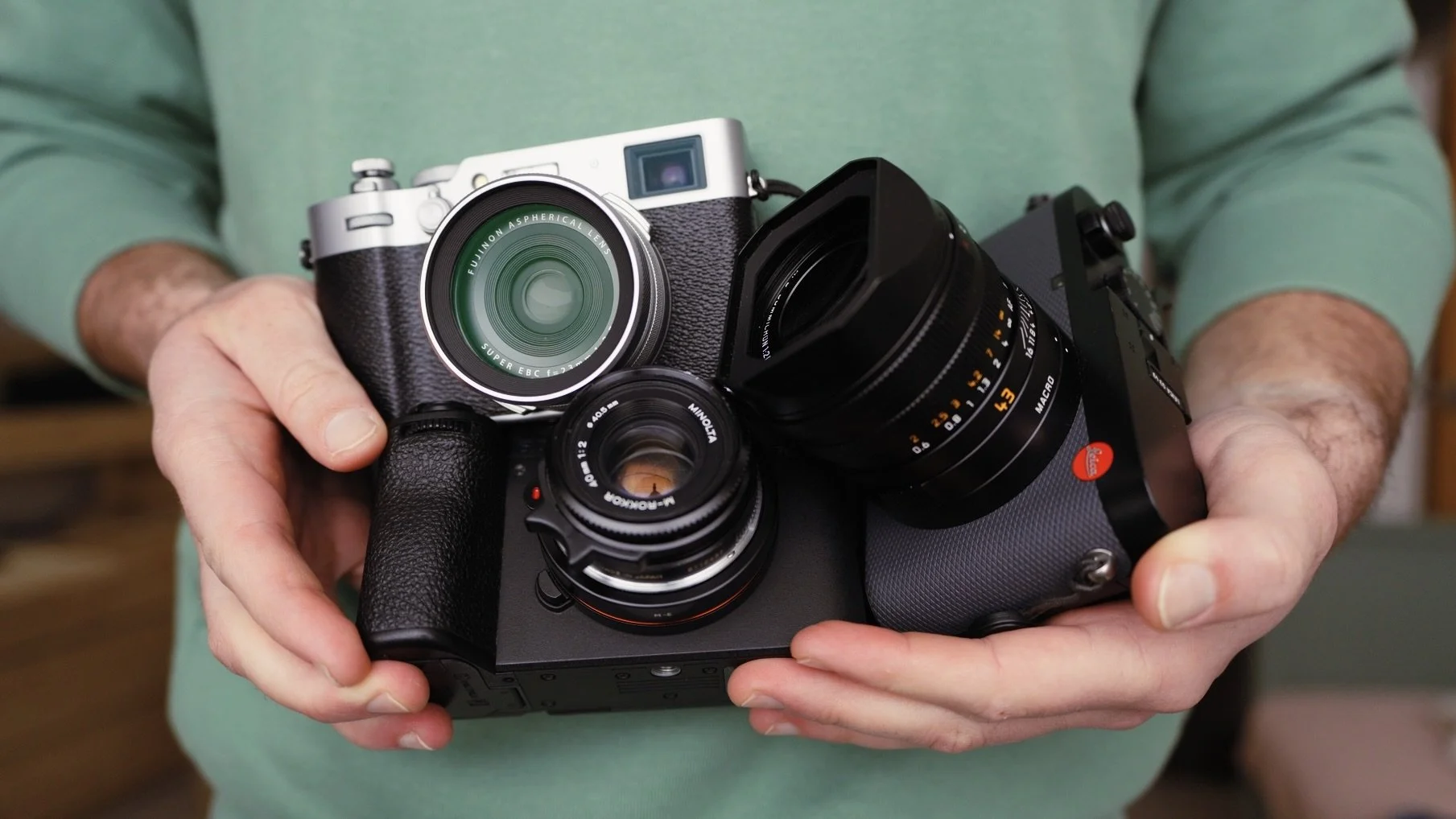
I first got into photography around 10 years ago, and since then I’ve owned around 22 different cameras. From a Sony A6000 to the Sony A1. From a Fuji XT3 to a Leica Q3. From a Ricoh GR to a Hasselblad X2D.
While this seems excessive at best, and dystopian consumerism at worst, it has given me a lot of insight into my relationship with gear. I’ve been through phases of being loyal to one brand, and there were times when I used 4 to 5 different systems at once. I’ve had periods where I was inspired to use a particular model, only to lose interest in it a month later. I’ve sold gear and repurchased it. I’ve purchased gear and sold it the same week. I’ve spent countless hours and an ungodly amount of money trying to learn what works for me, and whether gear really makes a difference.
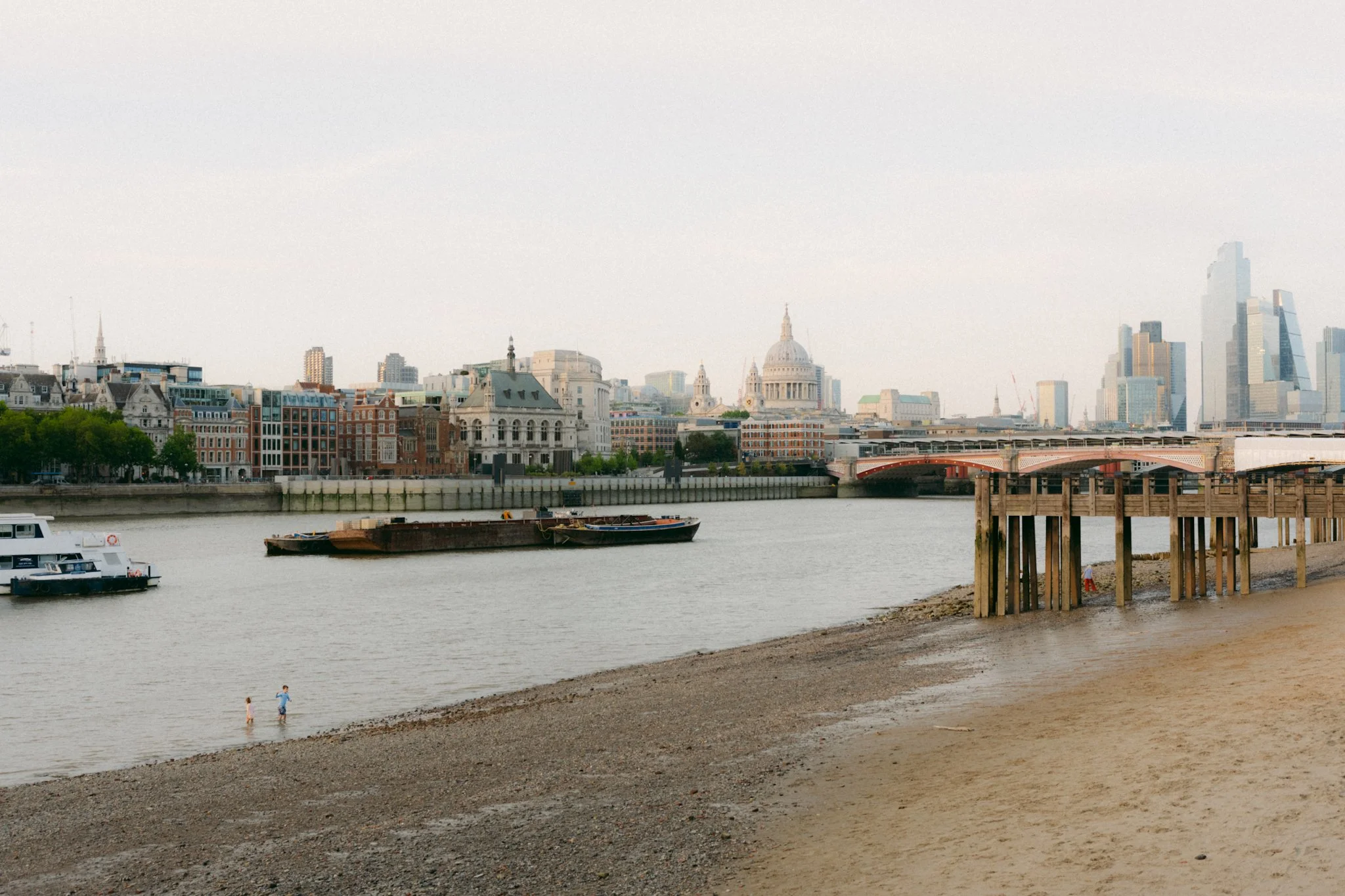
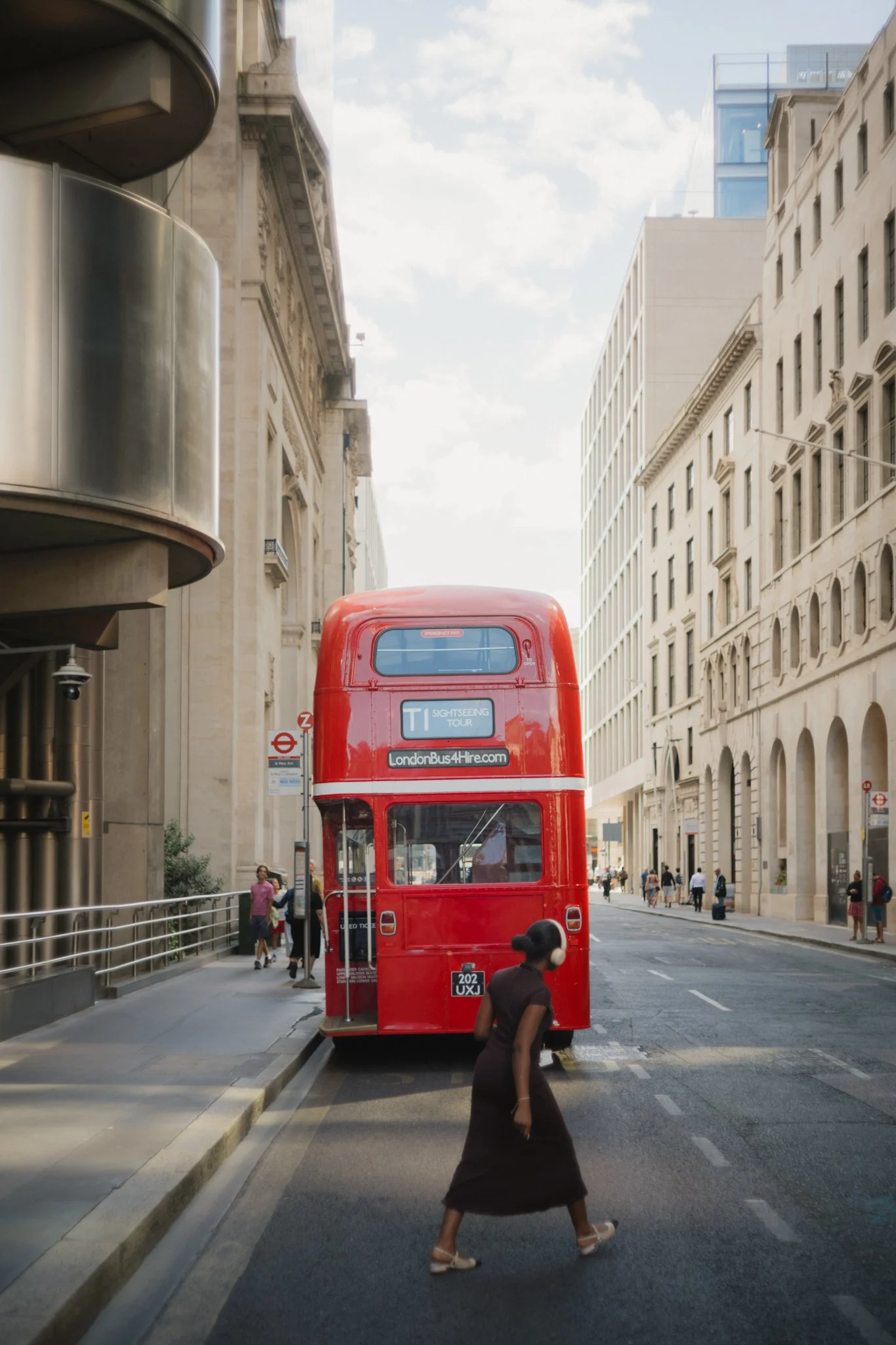
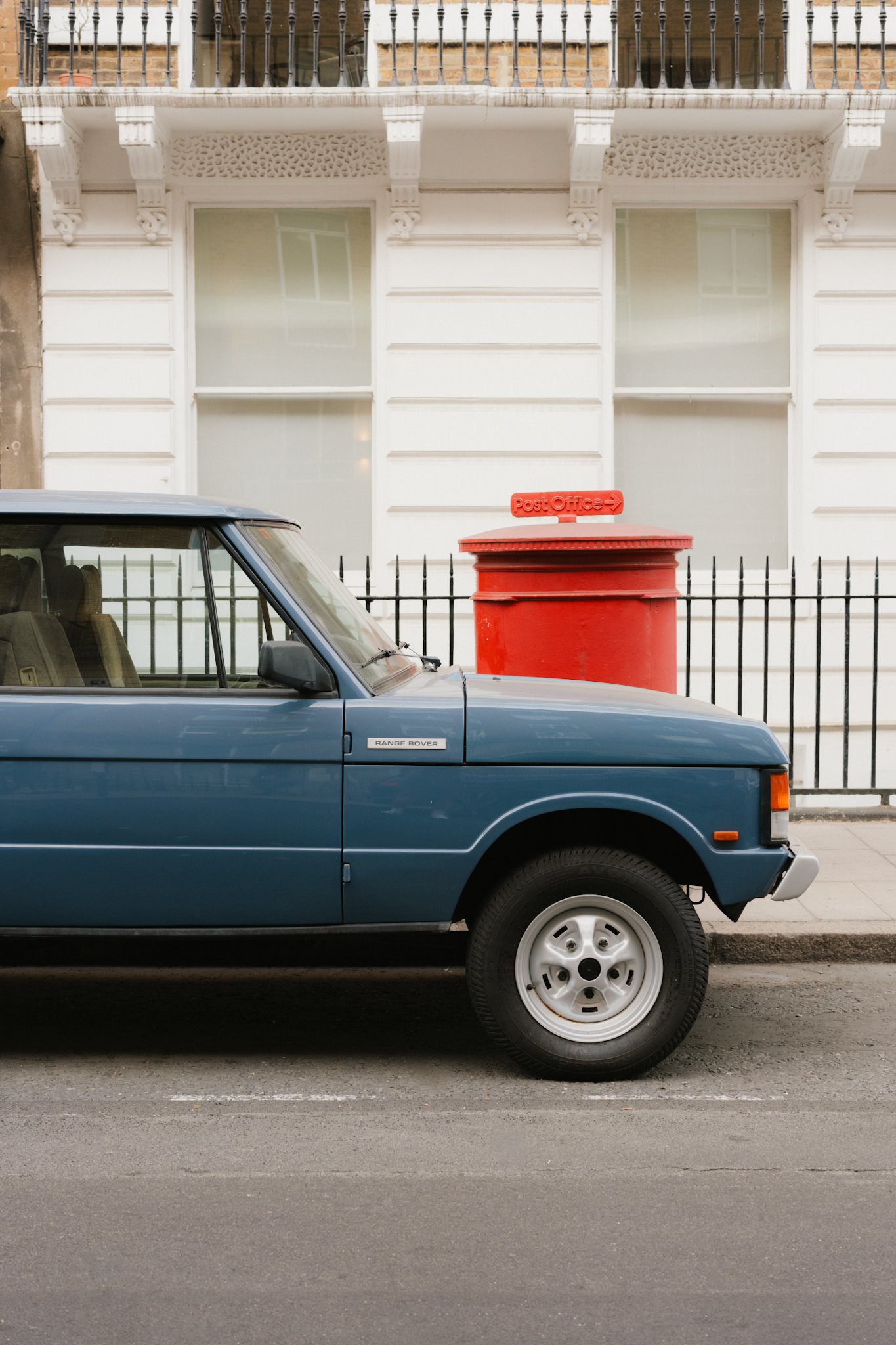
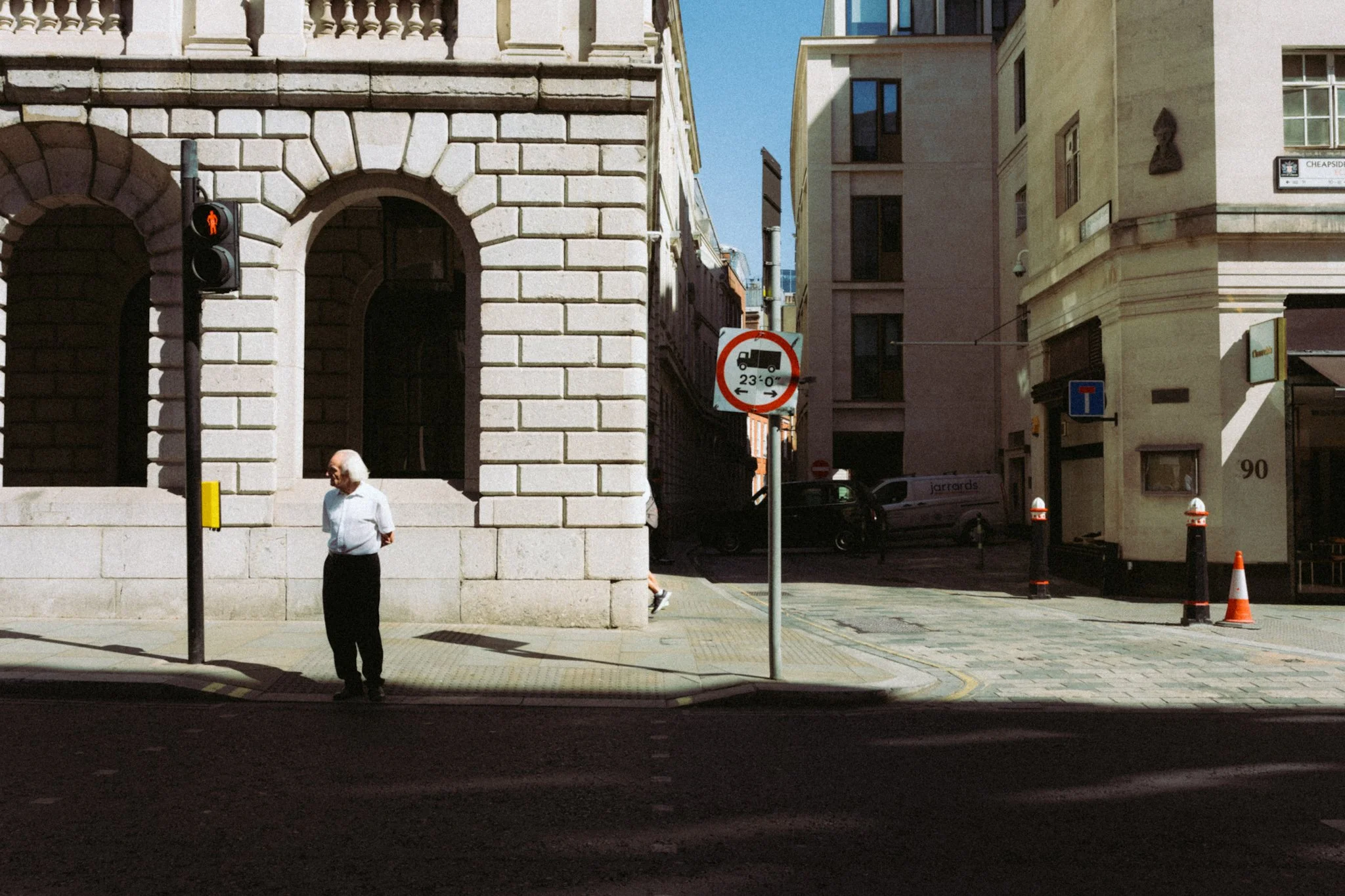
So everything I’m about to cover comes from genuine ownership, experience, and extensive use. The following is a collection of everything I’ve learned over the years, broken up by some of my recent photos from London.
Perfect Cameras
There is no such thing as a perfect camera. There are features in an 8 year old Fujifilm XT3 that I wish I had in a $6000 Sony A1II. Each brand has its quirks, weaknesses, and strengths.
Sony has the best AF system, yet it doesn’t have a basic AEL/AFL lock toggle feature. Leica has the most beautiful build quality, but is let down by technology that feels outdated. Hasselblad has insane image quality, but can be slow and cumbersome. Fujifilm has the best colours, but has had questionable build quality in recent years along with gimmicky features.
There’s no such thing as the perfect camera. It’s simply a case of finding which downsides you can live with the most.
Good Cameras
All cameras from the main brands produced in the last 5 years are exceptional. While newer models can focus a little faster, track an elephant from 10 miles away, or shoot 50 bit RAW video, the reality is that these differences are marginal gains. We are living in a time where the only real metric for buying a camera is whether you like using it or not.
Boring Cameras
There’s a narrative that some cameras are boring to use while others are fun. Having owned a wide selection of gear, I can confirm this to be nonsense.
According to the internet, my Sony A1II should be as fun to use as watching paint dry. Yet it’s easily the most engaging and fun camera I’ve ever used, easily beating anything made by Leica or Fujifilm.
While I agree that some cameras are more fun than others, I also feel this is very subjective and can’t be used as a blanket statement relating to specific brands.
Feeling
Capability isn’t what sells cameras. How a camera makes you feel is what gets you to buy. No one gets a Leica SL3 for its technical capability. They buy it for the experience of shooting a Leica, for being part of that community, and for what it says about them. If you wanted pure technical performance, you’d buy a Sony A7R, which has the same sensor and 5 times the usability at a lower price. But it’s not a Leica.
When I shoot on my Sony A1, I feel like I have more control and a better connection between my mind and the camera. It feels like a part of me. When I shoot on any other brand, I feel a bit disconnected. Is this objective truth? I doubt it, but it’s how I feel, and that drives me to use the Sony 99% of the time.
A Camera Can Make You Better
Yes, I said it, upgrading your camera can make you a better photographer. The catch is that there are only two scenarios where this works.
If you’re shooting on an old DSLR from 2009 that’s slow, clunky, and unreliable, then having a more modern system will remove these pains. If you’re shooting on a camera that you simply don’t enjoy using, then changing it to something that engages you will be the right move.
In both of these scenarios, upgrading will give you a camera that you enjoy using and that delivers from a technical aspect. This will result in more time shooting, which will have a direct impact on your progression as a photographer.
Colour Science Matters
Colour science makes a huge difference. Sure, you can edit every RAW file to look exactly the same, but you still have to navigate the colour science. Some brands like Fuji and Leica are very pleasing, while others such as Sony look pretty bad until edited. If you just want nice looking photos fast, then buying a camera with a look that you like straight out of the box will save you a lot of time and headaches.
Process vs Performance
Some cameras get out of your way, while others pull you into the process. Shooting with a Leica M11 is a vastly different experience compared to the Sony A7V. The Sony doesn’t involve you in the process, it just gets the results. The Leica pulls you right into the heart of the photography process.
One camera is orientated around results, while the other is all about the experience. It’s worth thinking about what’s important to you, as buying into the wrong concept can be expensive.
Technology Is Plateauing Fast
I think this can be said for other tech products such as phones, laptops, and even cars. We are at a stage where we are seeing marginal gains and a steady plateauing when it comes to technology.
I think image quality has, for the most part, been stagnant for the last few years. Even Sony is reusing the same sensor they had in the original A1 back in 2021 in the second version of the camera. AF is improving, but it’s at a point where any gains between releases are minimal. In short, the objective need for constant upgrading is all but gone.
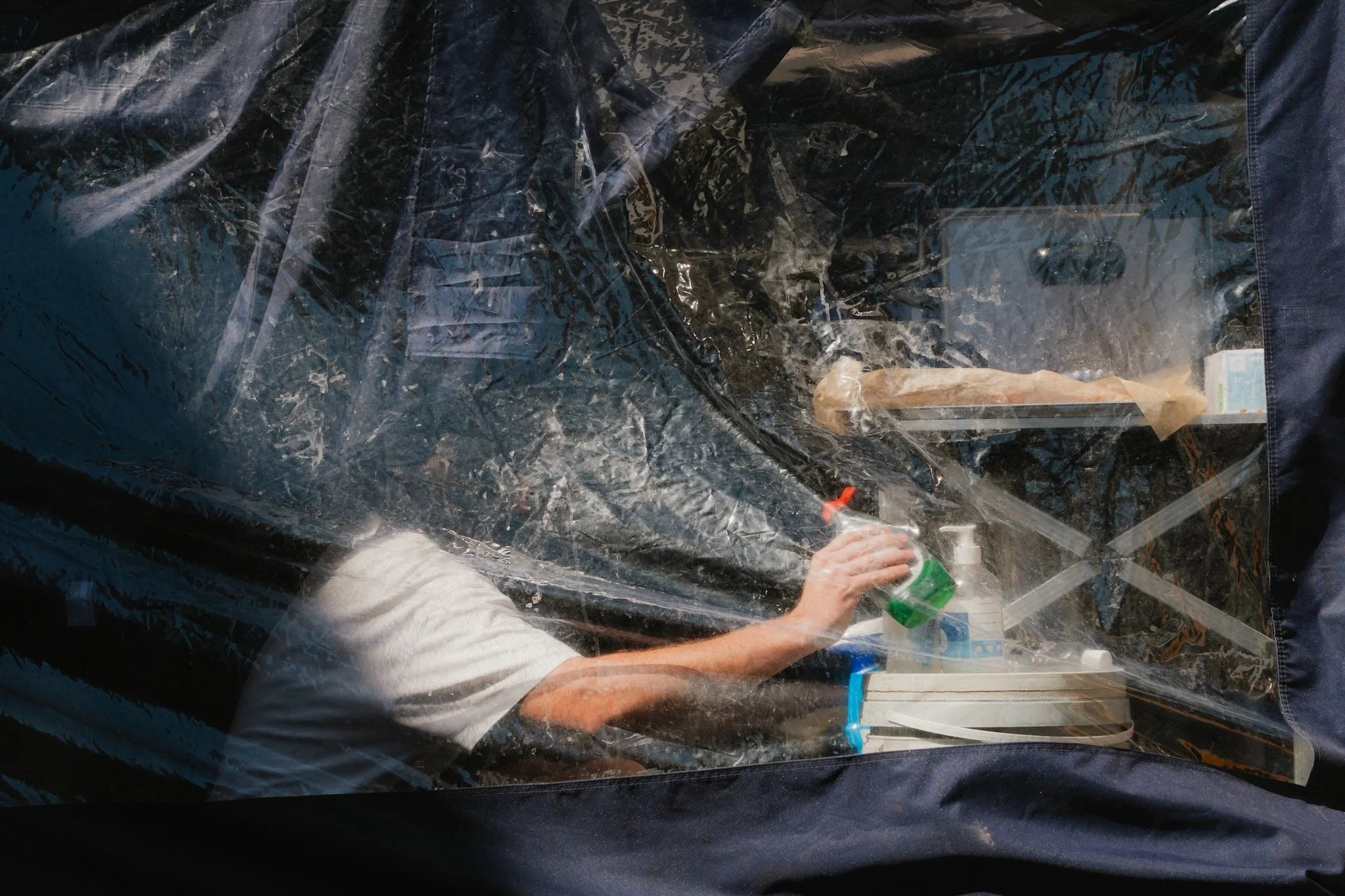
A Camera Changes Over Time
There are three types of people I would never trust. Cheaters, because if you cheat on your spouse, you will definitely betray me. Anyone who approaches me in the street claiming to be fundraising for a “charity”, all while being very pushy and intrusive. Lastly, camera reviewers who can give you their opinion after 2 weeks of use. This isn’t to say their opinion is wrong, but I’ve been doing this long enough to know that many cameras change over time.
The most obvious change is firmware updates that remove issues, improve performance, and add functionality. For example, the Leica Q3 got a huge update last year that completely changed my relationship with the camera for the better.
The second change is your relationship with the camera and how you use it. As you learn all the features, quirks, drawbacks, and use cases, you become much more in tune with the system, thus squeezing the most out of it. It took me nearly 2 years to fully learn the Sony system. At first there was a lot of friction. Now, I can’t see a world without my A1.
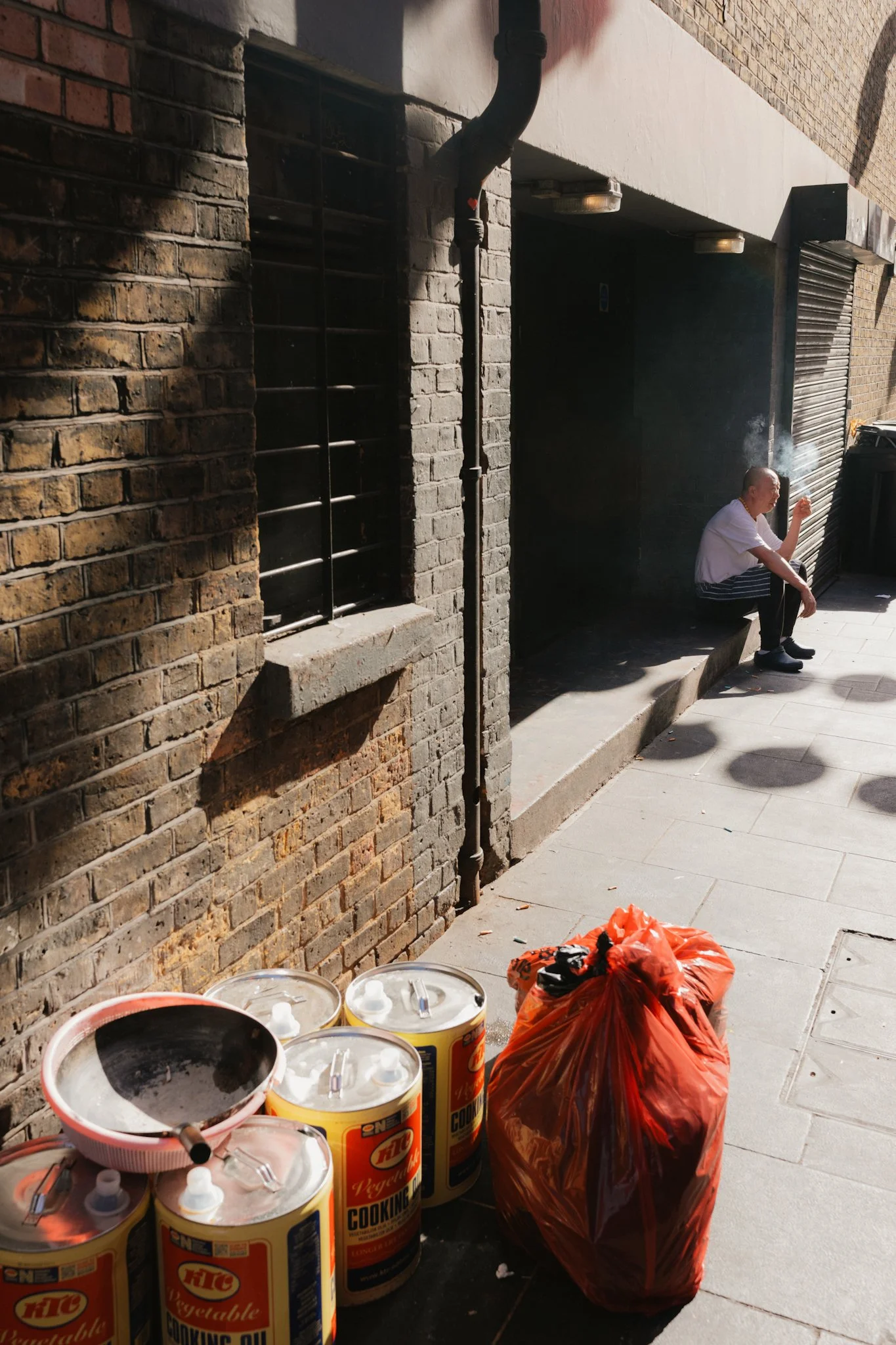
Does Gear Make You Happy?
Someone once told me how happy I must be owning all these different cameras that most people aspire to use. That got me thinking because I don’t feel any happier than when I just had my trusty Fuji XT3. So after some soul searching, I realised that this is similar to the age old question of whether money makes you happy.
When you don’t have a good camera and are using an old beaten up DSLR from 2012, then getting the latest and greatest will objectively make you happier. It will take away all the practical issues that held you back.
This is similar to having more money when you’re poor. Being able to cover rent, pay your bills, afford a gym membership, have a car, eat out a couple of times a week, and never worry about running out of money before your next pay cheque will literally make you happier. I speak from experience here.
However, when you have a camera that satisfies all your practical needs, shopping for more, for better, and for the latest will not move that happiness needle. The new Hasselblad? It will feel special for a couple of hours. The Leica Q3? It will feel mundane after a week.
The same applies to money. Once you have a nice reliable Ford, upgrading it to a BMW will not move your happiness needle. Going from economy to business class is nice, but it won’t make you happier. So does gear make you happy? Yes, it does, but only up to a point.
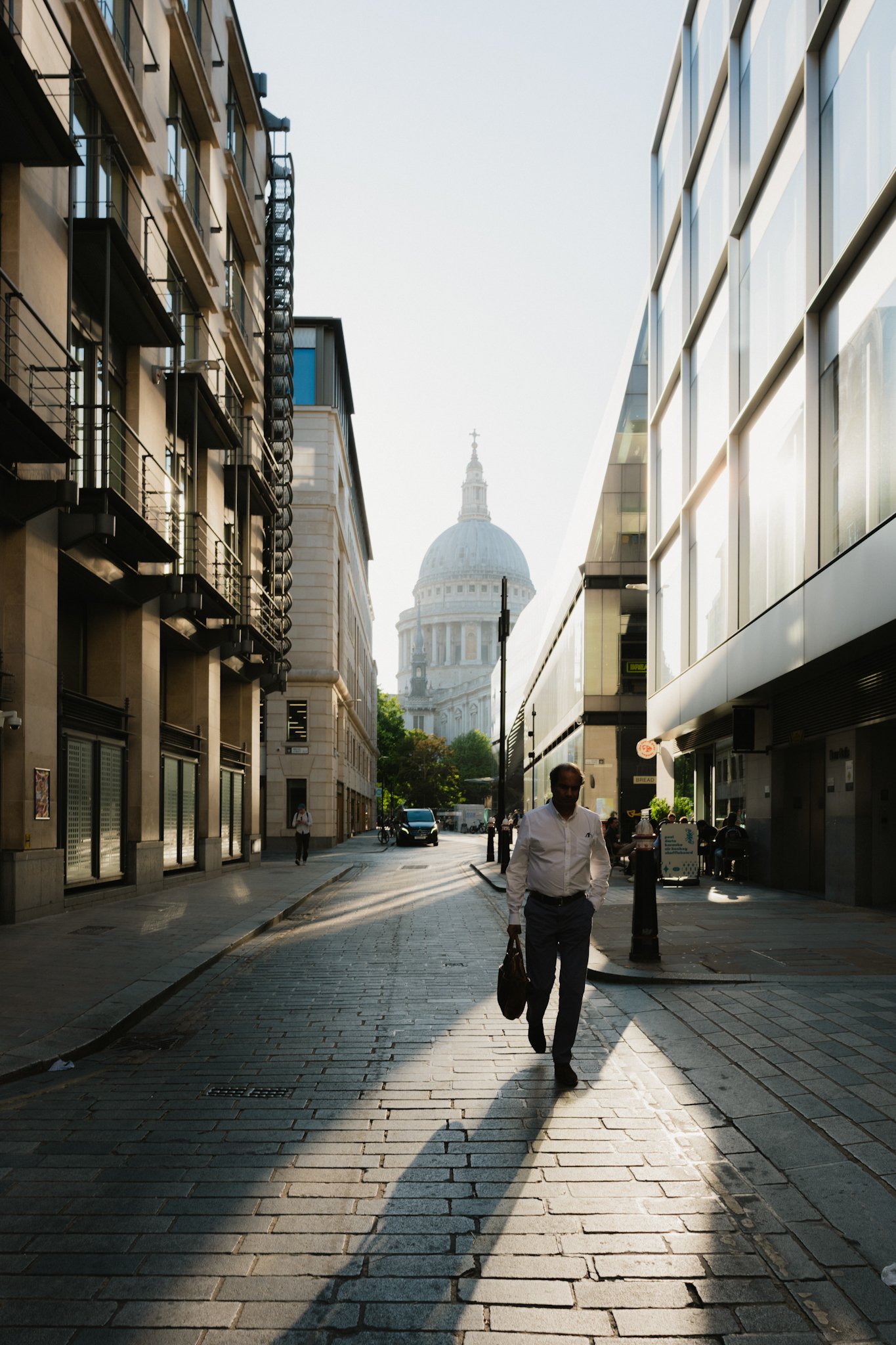
Camera YouTube Is Poison
I’m gonna sound like the world’s biggest hypocrite considering I’ve produced a fair share of gear content on YouTube, but perhaps this makes my opinion even more valuable. Gear YouTube is poison.
From weird dudes sitting around talking about camera rumours, to people trying to justify their purchases. You have people hyping up cameras to drive views and brand ambassadors pushing their affiliate links. You get review channels telling you how good or bad a camera is based on one week’s worth of use, and nerds telling you that 20 stops of dynamic range at 22 bit focal length is not good enough for taking photos of your 12 year old cat.
Camera YouTube is a business that thrives off views, hype, affiliate links, and lip service to brands in the hopes of more “opportunities”. There is genuinely good advice among the noise, but you need to look for it. My advice is to not waste your time on it unless you have something specific you need to find out. Don’t get sucked in.
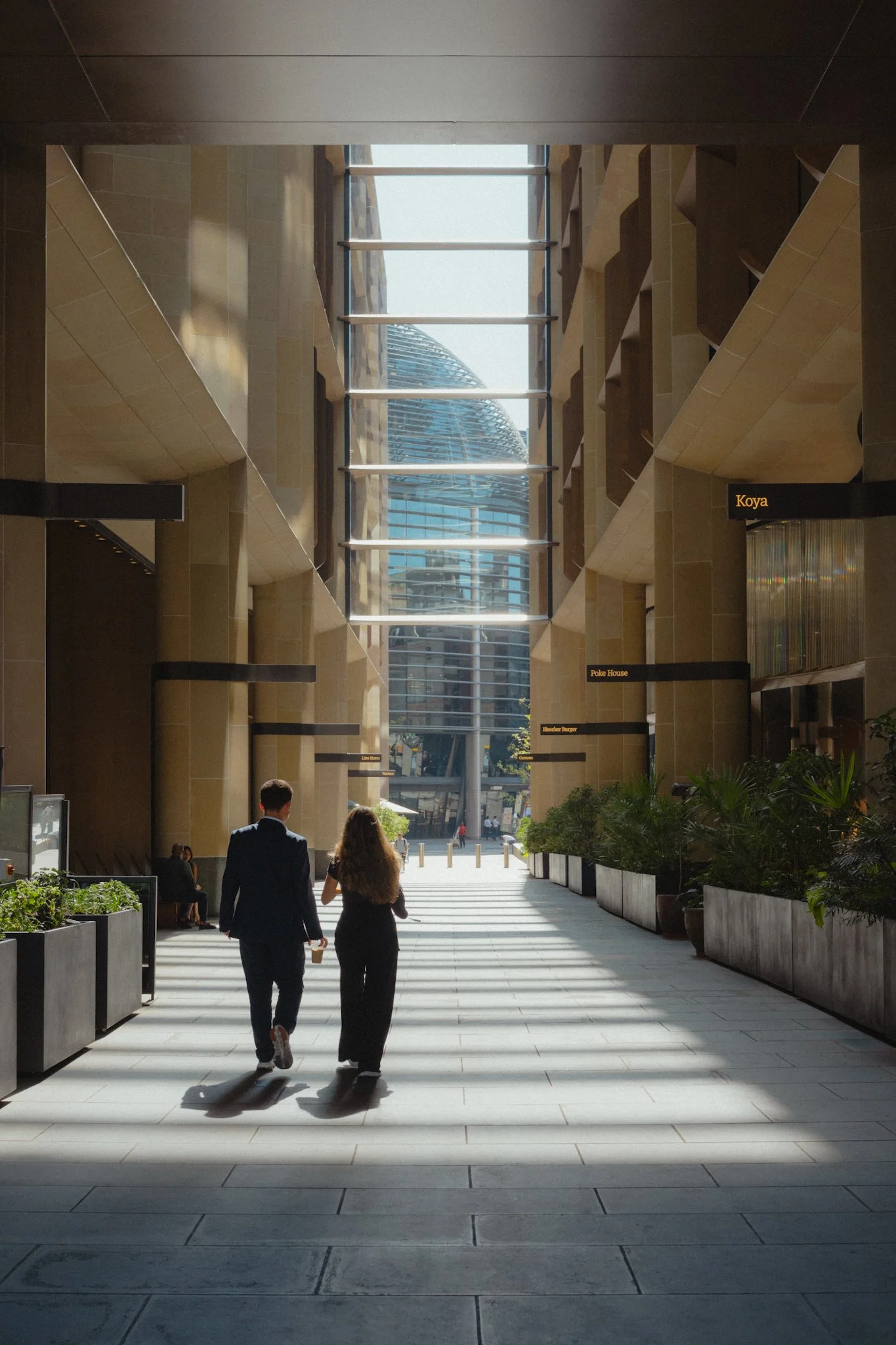
Getting Advice…
Getting advice on cameras is like getting advice on where to travel to, or what type of food to eat. I’ve had people tell me not to visit Paris because it’s “shit”. I spent a month there and enjoyed every minute. The same goes for food and many other things.
I think this applies to cameras too, because while some professional photographers can be objective, most people are very subjective. Brand loyalty, emotions, self image, and a lack of experience can often lead to bad advice. Quite often, the best form of advice is your own experience.
Once You Have Your System, Stop Looking
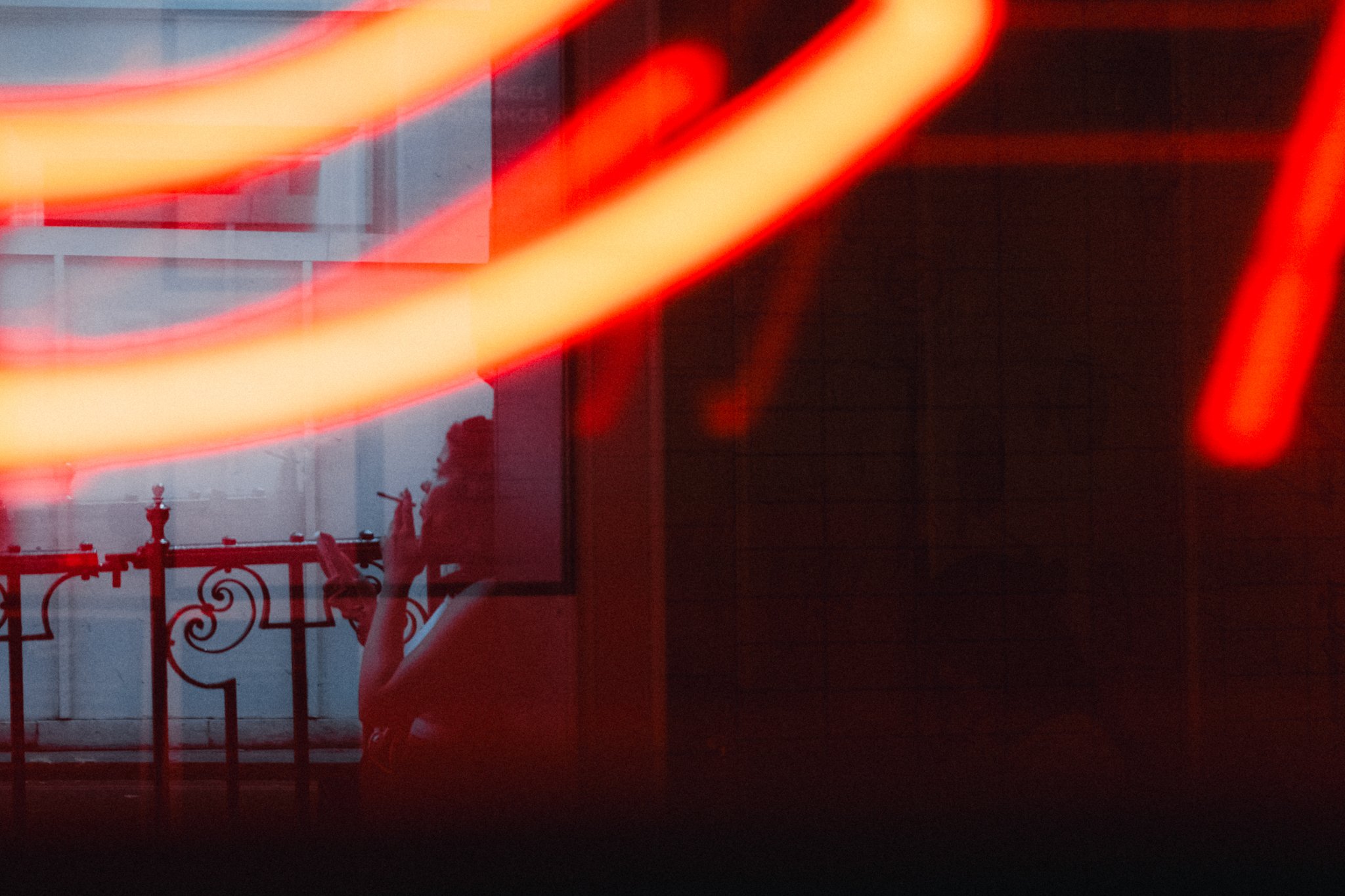
I didn’t think I would ever be comparing camera chat to relationships, but here we are. Once you have a camera you’re happy with, looking at other gear is only going to make you question your choices, or worse still, “cheat” and buy more cameras.
Of course, if your goal is to use all the cameras in the world, then crack on. But if you actually want to build a meaningful photography portfolio and focus on the craft, doing so without the distraction of 20 different cameras will make your life so much easier, and the results so much better.
In short, long term commitment to the right camera is always gonna bring better results than short term affairs with a bunch of different brands.
Was All This Worth It?
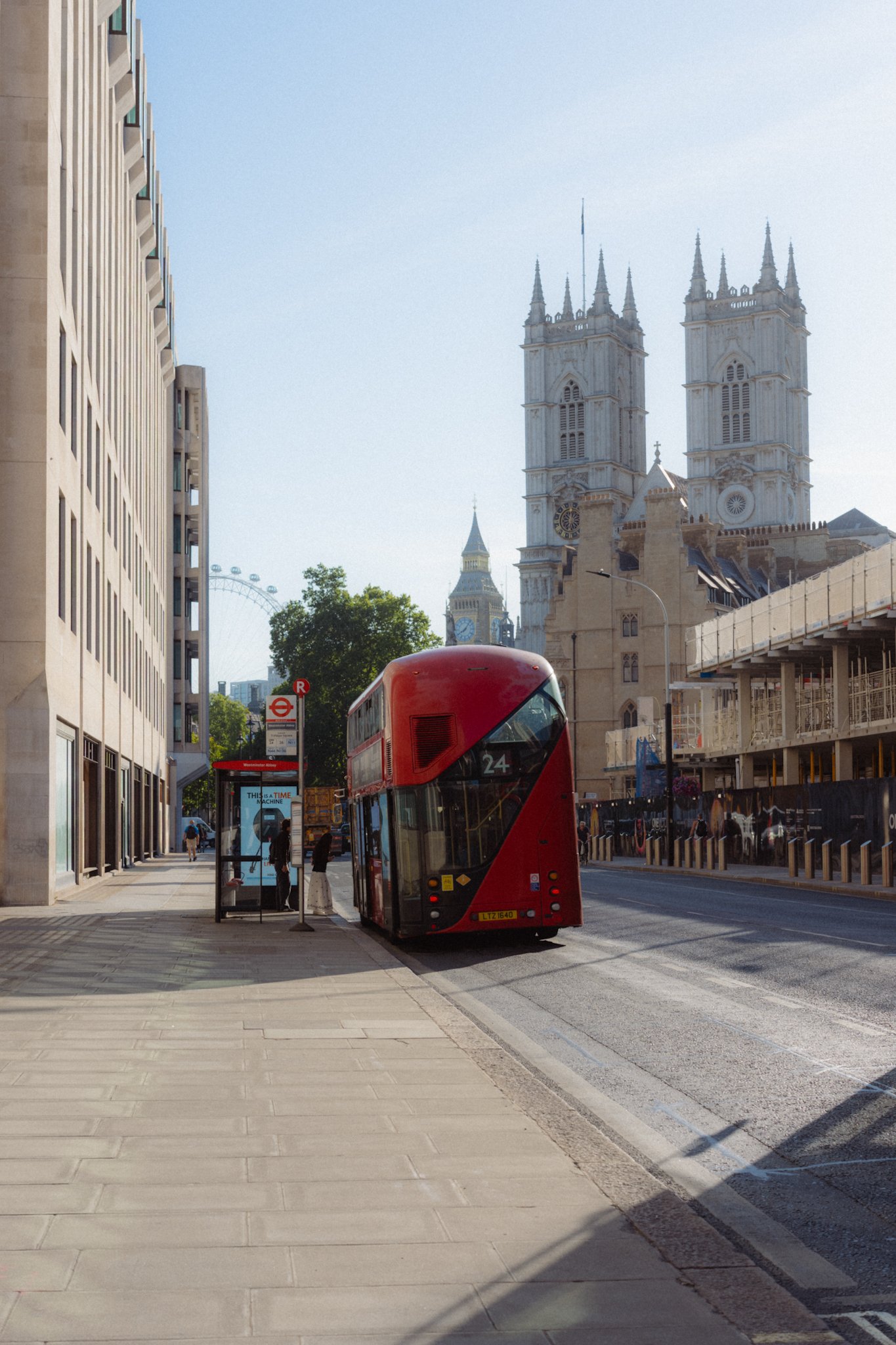
As I write this, the search for my camera is over. The Sony A1II is my main daily driver. This is the camera I feel surgically attached to, and it’s for both work and fun.
I don’t even want to calculate how much money and time was spent on gear, and while I could have progressed further as a photographer by staying with one model for the entirety of the last 8 years, I feel that this experimentation has resulted in me finding the perfect tool for my needs. It has also taught me so much about my relationship with camera gear. So yes, for me it was, but my god am I glad this is over.
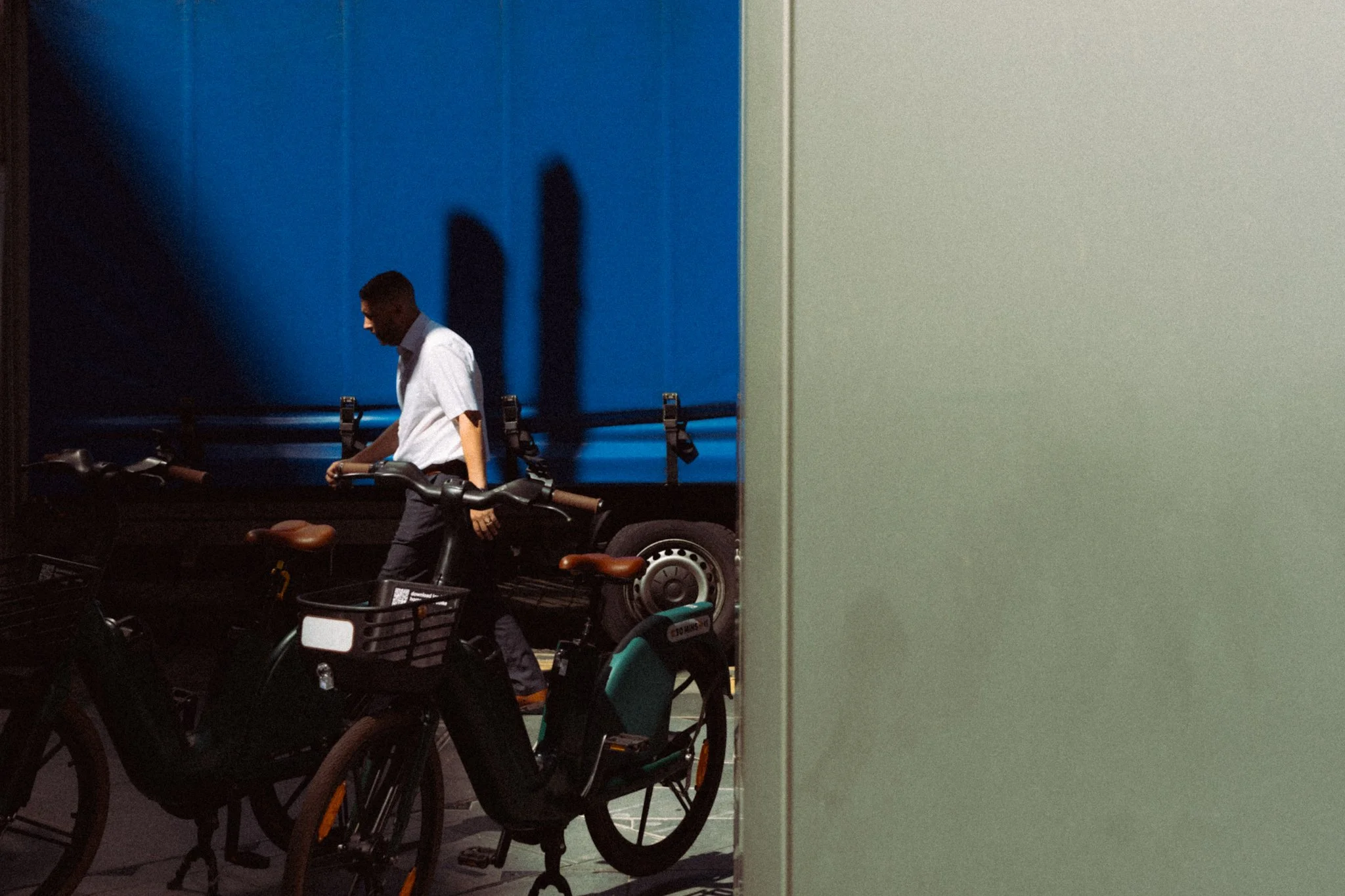

Instead of telling you how these will change your life, I would rather be practical and answer the most common questions that people tend to have when buying presets.
What are presets?
They are editing settings that are saved in a file and can be applied to any image.
Why do people buy presets?
Sometimes because they like the work of the photographer and want that style for their own photos. Mostly because they would like to see how other people edit and learn by reverse engineering the presets. Other times it’s just to support their favourite photographers, thank you!
What’s the overall style of these presets?
- Filmic
- Warm
- Soft
- Bright
What are these presets suitable for?
Street & Travel Photography
Some Nature (with further editing)
Some Portraits (with extensive editing)
Do I actually use these?
Yes. This is the same pack I use right now for all my editing. This isn’t a pack made just to sell.
Do these presets get updated?
Yes, as my style changes, these presets will also be updated. Any time a new update is available, you will get a free update via email. Of course you also keep all the old presets in case you prefer the older looks. Only presets purchased from 2025 onwards will receive the updates.
What file types are these presets for?
- All RAW files
- JPEGs & TIFFs (not recommended)
What camera brands are these presets for?
These were designed around Fujifilm, Sony, and Leica sensors. With that said, they will work with all camera brands. While there might be differences due to individual camera colour science, the overall feel of the preset will carry over.
Will these work with JPEG files?
Yes, but you will need to reduce the intensity and make further edits. I strongly recommend editing RAW files.
Are these one click edits?
95% No. You would need to do some basic adjustments as each image is different. These adjustments can include exposure, colour balance etc. In 5% of cases you can just apply and leave it alone.
Do I need to know how to edit?
You need to have a basic understanding of adjusting exposure, highlights, shadows, etc. A more comprehensive editing skillset will let you get the most out of them.
How many presets are included?
10 in the main pack and 24 in the extras pack
Why two packs?
The main pack is what I use for 99% of my edits and is kept small to reduce wasted time scrolling through presets. The extras pack is everything I don’t use often.
What software do I need?
These presets will work with any of the following:
- Photoshop (adobe camera raw)
- Lightroom Classic
- Lightroom Desktop
- Lightroom Mobile
Will these presets work with free versions of the above software?
You need to research and double check before buying. These presets were designed for the full paid versions.
Will these presets work with very old versions of the above software?
You need to research and double check before buying. These presets were designed on and for the latest software.
What file type do I get?
XMP
What else do I get?
- Comprehensive PDF guide
Can I modify these and turn them into my own?
Yes! In fact I encourage you to modify them and play around. Use these to help you get your own style.
I have more questions…. What do I do?
Make a cup of tea and drop me an email on hello@snapsbyfox.com
Please note that due to the nature of digital products, refunds are generally not accepted. However, if you experience any issues, feel free to contact me and I’ll review your situation individually. You are welcome to use this product for personal or commercial projects, but you may not copy, distribute, or resell the files in their original or modified form.
Finally I want to say a massive thank you for supporting me. Buying these presets is the most direct way you can support my work.
Thank you!