
What street photography taught me about life
Street photography is an observation of life. It’s an art form that teaches us to see, to pay attention, to learn, and most of all, to be present. But it doesn’t end there. As I’m approaching eight years of shooting in the streets, I’ve realised that I’ve learned a lot more than just how to see. In fact, some of my biggest life lessons have come from doing this. Let me share them with you.
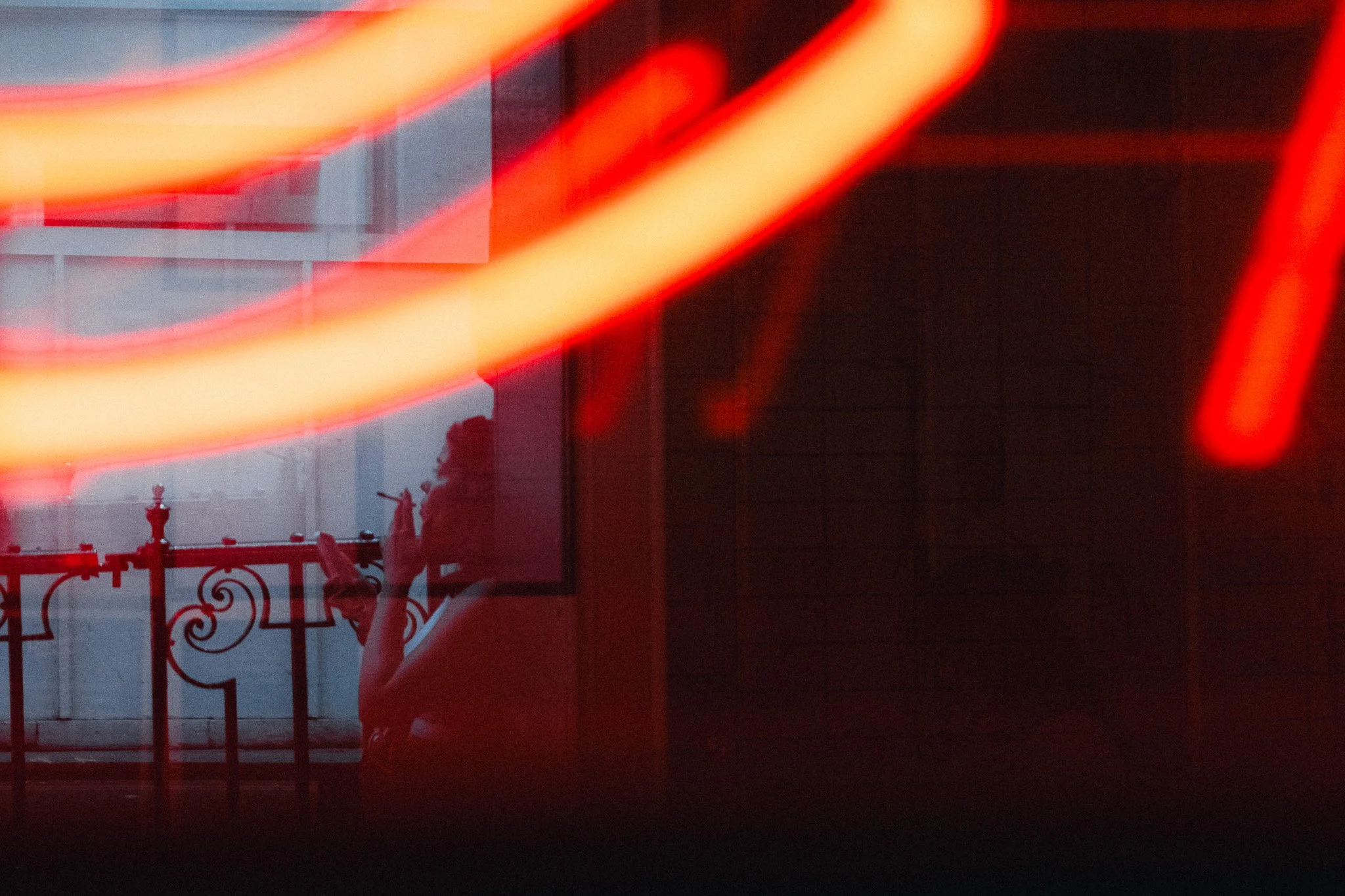
The world is a reflection of you
We all know a person who always has something to complain about or be unhappy with. The bus was two minutes late, the driver didn’t smile, the shop assistant was blunt, the coworker was moody, the restaurant was too noisy, and the list goes on. We also know a person who smiles at everyone, starts conversations with strangers, accepts that sometimes things just happen, understands that people have good and bad days, and generally has a good vibe.
These two people can experience the exact same set of events but walk away with two totally different outcomes. While they can’t change the situation, they can change their attitude, and the world will, more often than not, mirror that back.
Last year my friends and I were in beautiful Porto when we popped in to grab a pastel de nata. It was late in the evening, and the waitress working alone was clearly tired. The guy in front of me seemed grumpy, and she probably came across even worse. Neither smiled at the other. Both seemed annoyed, and the interaction was abrupt, direct, and perhaps even a little standoffish.
When it came to my turn, I opened with a smile and asked her how she was. All I got in return was, “What would you like?” I placed my order, grabbed the food, and sat down. As the evening went on, everyone else in the restaurant finished, left their trays and rubbish on the tables, and walked out. When we finished, we cleared our table, took our trays back, and handed them to her. I smiled and mentioned how tiring the job must be. Her eyes lit up, she smiled, thanked us, and explained how she’d been left alone that day, hadn’t had lunch, and hadn’t even had a chance to sit down for a minute. She thanked us again, smiled, and waved us off.
I’m by no means a saint, and I have my bad days too. But the more time I spend in the street, the more I realise that the world is a reflection of me. If I am happy, polite, patient, and positive, my interactions tend to reflect that. If I am rude, negative, irritated, or grumpy, chances are my experience with the world won’t be too dissimilar.
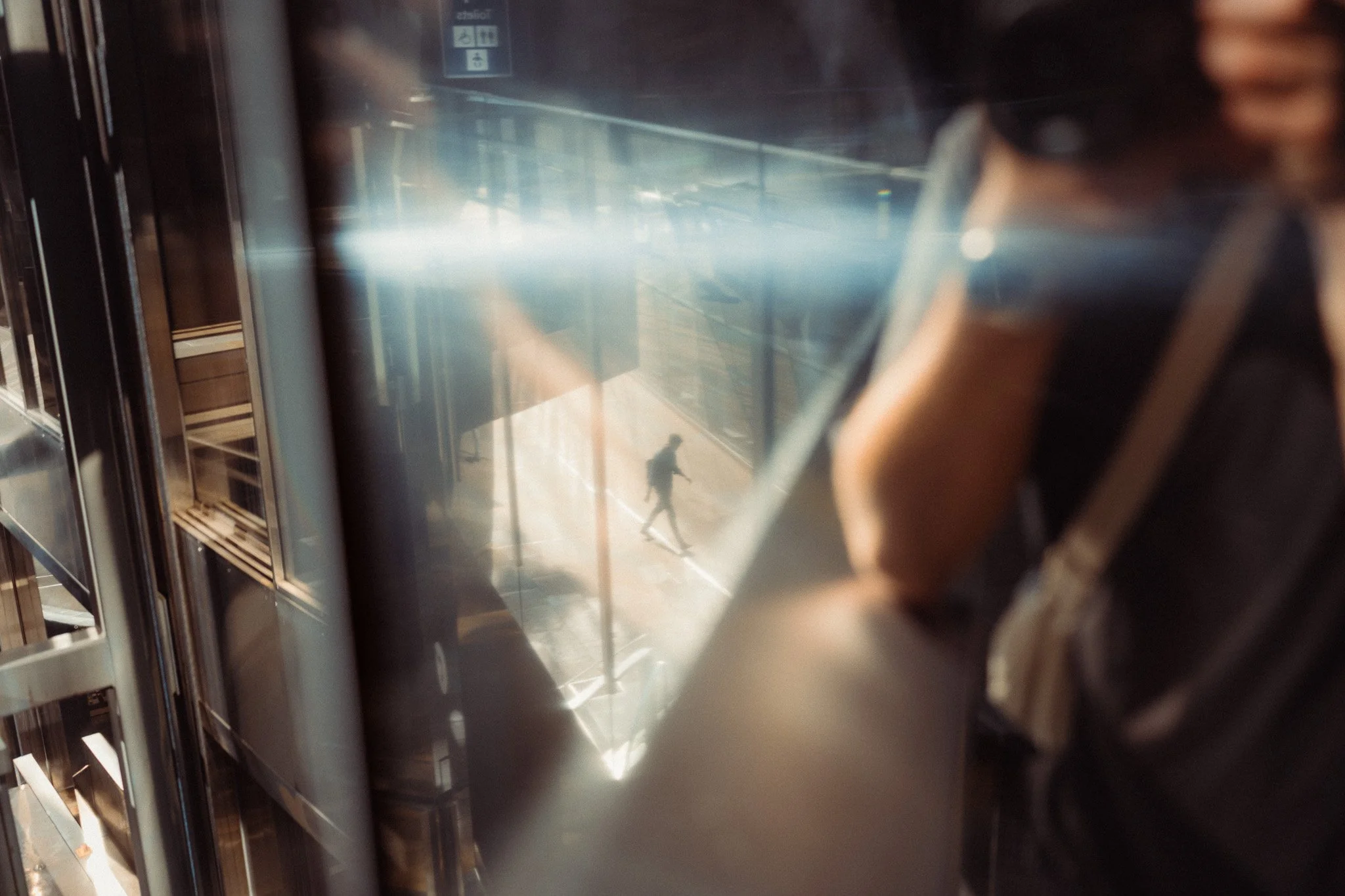
Ignorance, not malice
Don’t attribute malice to what can actually be ignorance. You know that feeling when you’re about to take a photo and someone walks right through the frame without a care in the world? Or you’re walking down the street and someone refuses to move out of your way, brushing past as if you weren’t there?
We’ve all experienced this, and more often than not we attribute this behaviour to malice. That’s understandable because we live in a time where rage bait beats intelligent discussion, social media fame trumps integrity, and individualism is often pushed above community. Naturally, we start assuming the worst intentions.
However, after spending thousands of hours people watching, I’ve realised that in most cases it’s ignorance, not malice. The guy who walked into your frame? He was rushing home and wasn’t paying attention. The lady who wouldn’t give way? She was completely absorbed in a podcast and simply wasn’t present.
If you start seeing what looks like malice as ignorance instead, you’ll have a much easier time dealing with these situations and, more importantly, not letting them affect your mood.
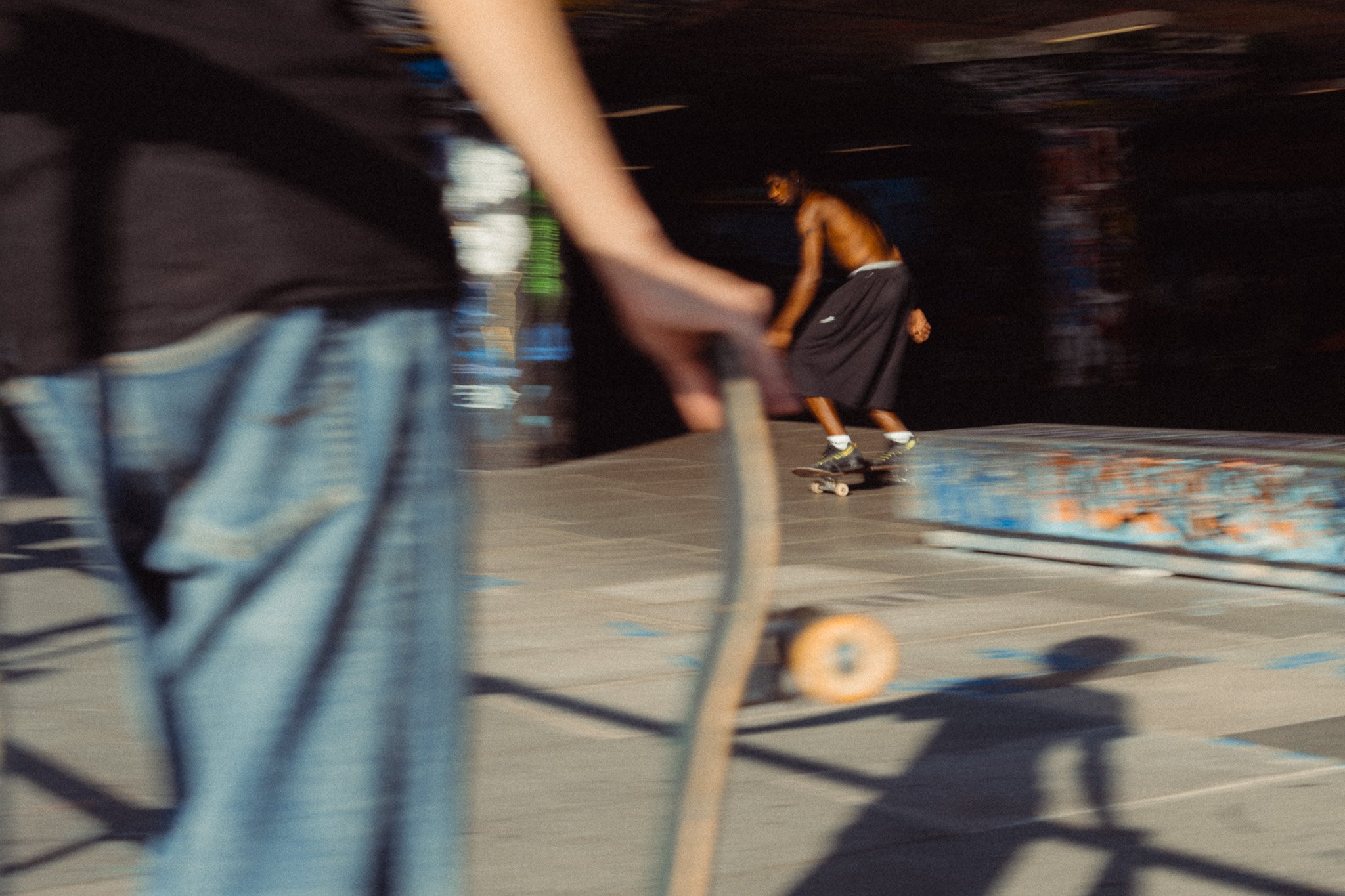
You make your luck
Street photography is mostly luck. It’s one of the few forms of photography where almost everything is out of your control. Yet how is it that some photographers are consistently better than others? We all walk the same streets, use similar gear, and quite often look for the same things. The reality is that those who put in the most effort usually get the biggest rewards.
I know photographers with day jobs who shoot more than people doing it full time. I know photographers averaging 30,000 to 40,000 steps a day, walking the city in search of interesting moments. I know photographers who are so obsessed with their craft that their whole life revolves around it. All of these people are also very lucky.
Not everyone starts from the same place. Not everyone has the same advantages. Not everyone is treated fairly. But everyone can do something to increase their chances of getting lucky.
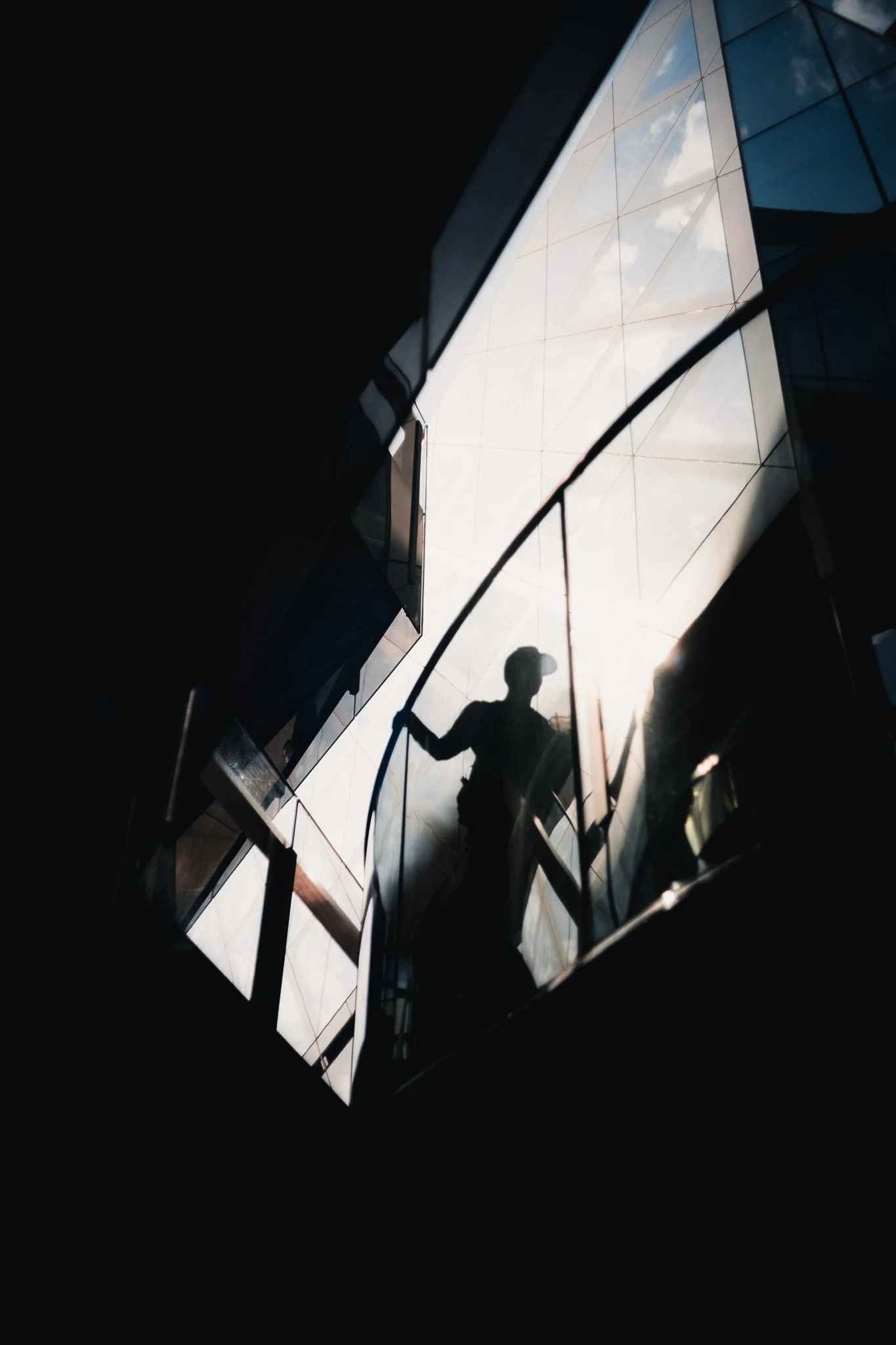
Patience and perseverance
Street photography is a marathon. A marathon with obstacles, roadblocks, and setbacks, where you never know what’s around the next corner. You can spend days out shooting without seeing anything, then walk away with five amazing photos in a single morning. You can have a dry spell that lasts five months, then produce your best work in the sixth. Street photography has taught me many things, but patience and perseverance easily make my top three.
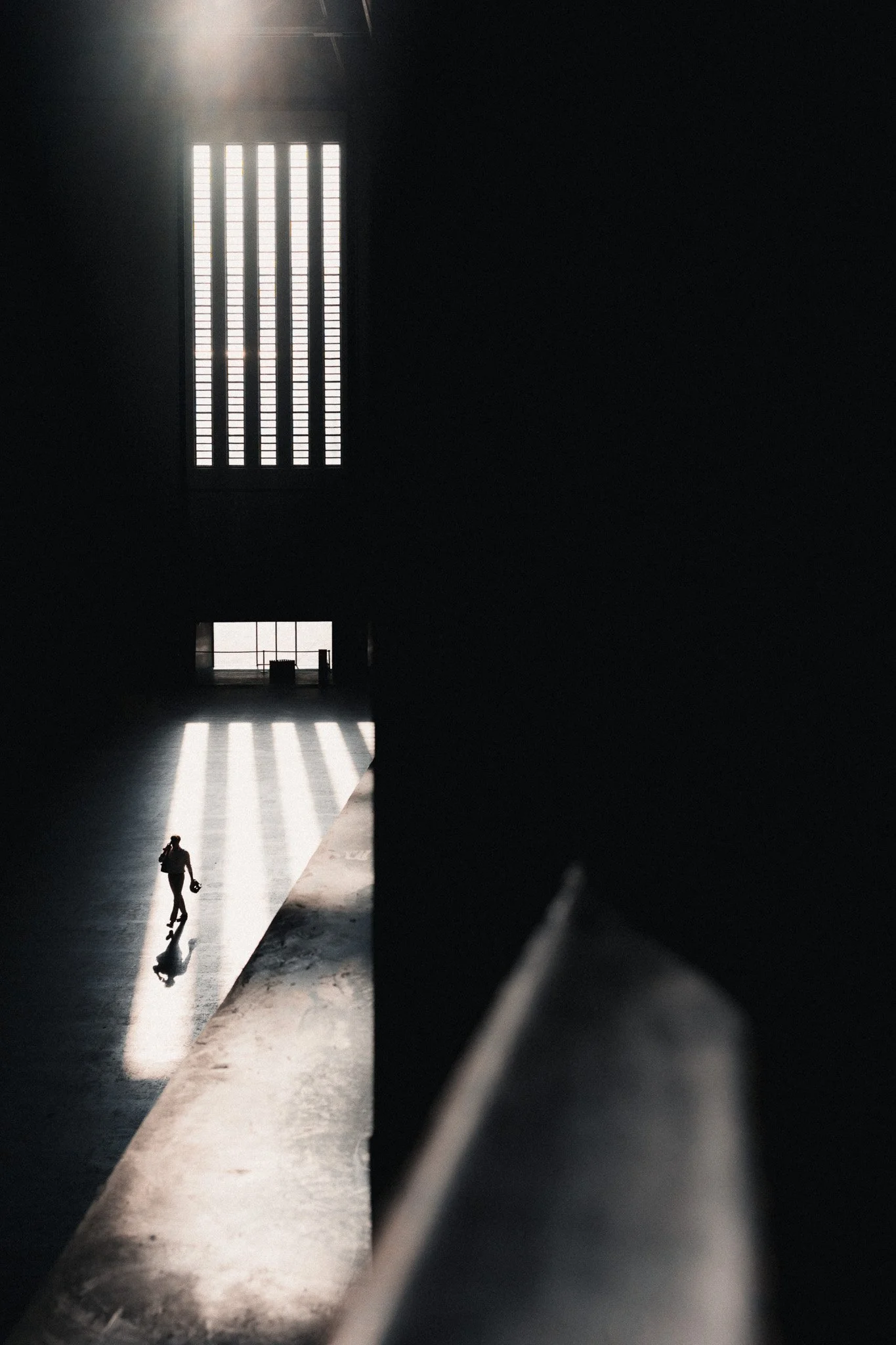
Things going wrong is a feature, not a bug
In street photography, things going wrong and making mistakes come with the territory. I’ve lost count of how many times I’ve missed focus, tried taking a photo with the camera switched off, headed out with an empty battery, or realised I was shooting in the wrong mode.
Those are just the technical mistakes. I’ve also made mistakes with my body language, my approach to situations, and simply misread the room. Then there are the things completely outside your control. I’ve missed sunsets because of delayed trains. I’ve missed shots because a bus pulled in front of me after I’d been standing there for ten minutes with a perfectly clear view.
In short, things going wrong are part of street photography. It’s a feature of the craft, not a bug. Things going wrong go hand in hand with things going right. You can’t have one without the other, and once you accept that, it becomes much easier to deal with.
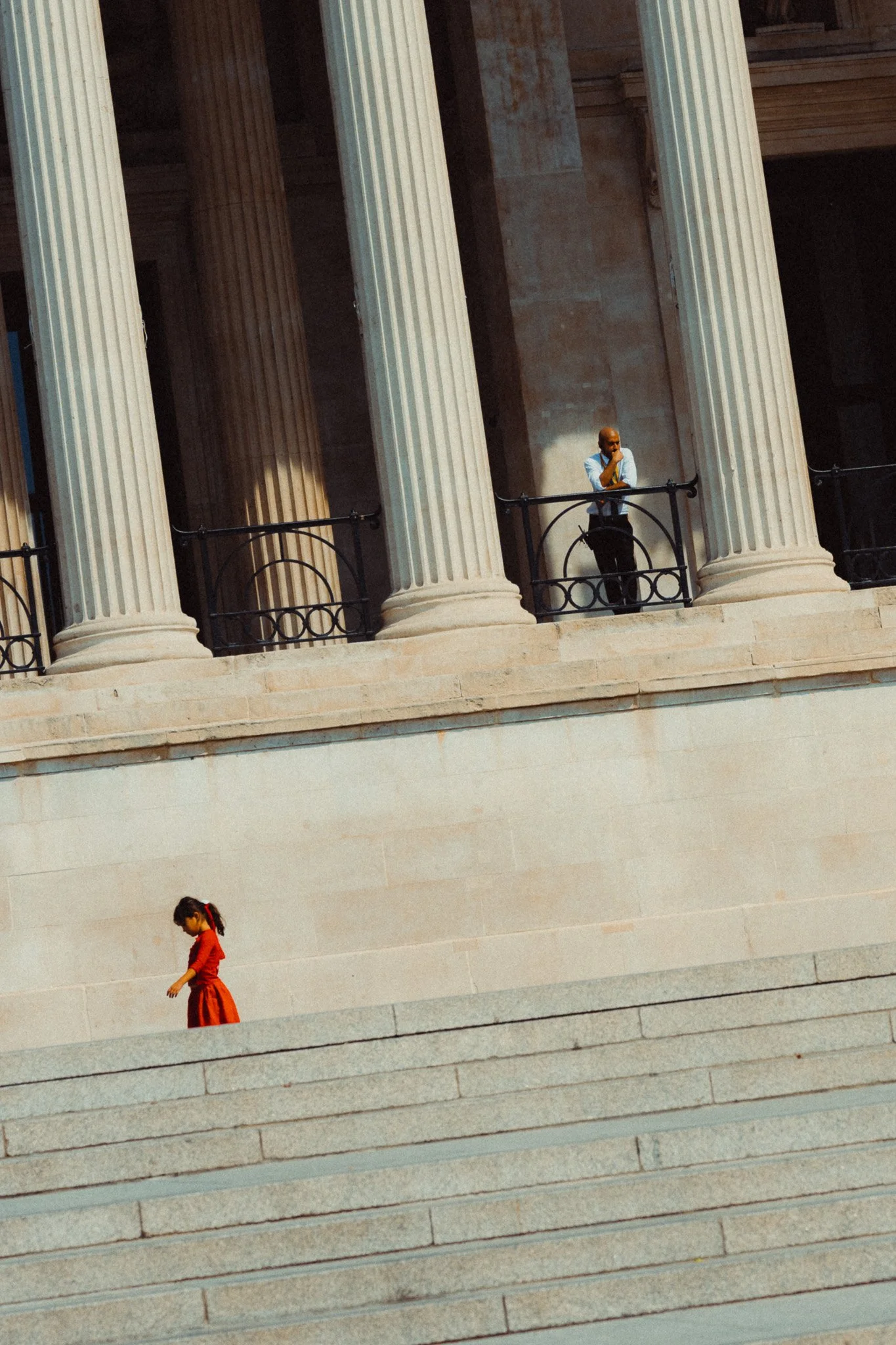
Small steps beat brute force
Eight one-hour photography sessions are better than one exhausting twelve-hour slog. Why? Because it’s much easier to commit to small chunks than dedicate an entire day. After each hour you’ll probably be itching for more. After twelve hours, you’ll most likely be drained and won’t want to touch your camera for a while.
The same applies if you’ve got a backlog of 10,000 photos waiting to be edited. Rather than trying to power through them all, burning yourself out and hating the process, commit to going through 100 photos at a time. Sure, it might take you 100 sessions, but I reckon you’ll enjoy it more, make better decisions, and not hate your life in the process.
Small, consistent steps almost always beat brute force. The more you think about it, the more you realise this philosophy applies to many aspects of life, not just photography.
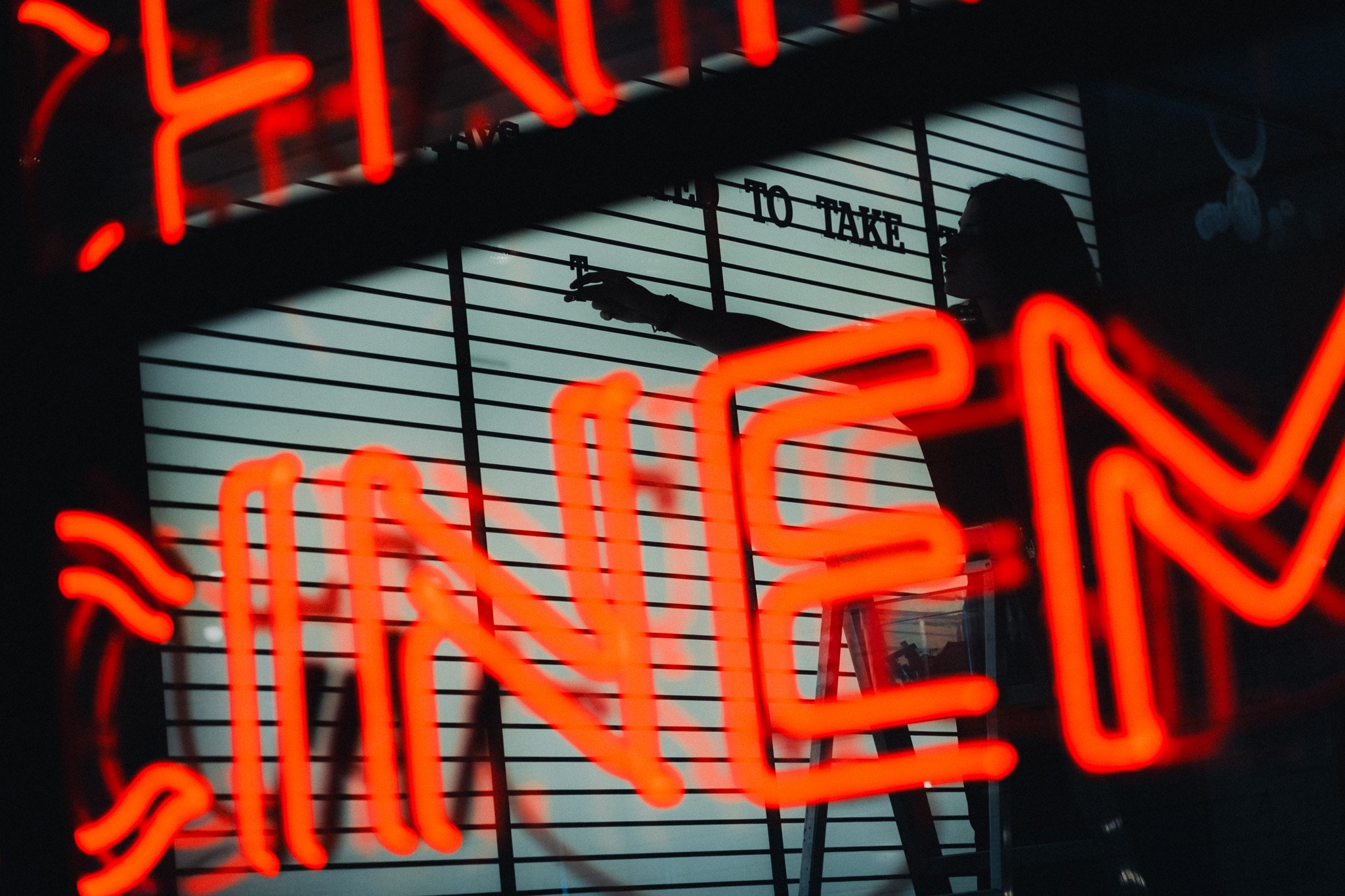
Concentration is a superpower
With each decade, certain skills become more valuable while others slowly fade away. Many years ago, being a carpenter was more in demand than being a coder. Five years ago, it was very much the other way around. These days, knowing how to prompt AI effectively is probably more valuable than knowing how to process film at home.
However, there’s one skill that stands above almost everything else, and that’s the ability to focus. Given that a large chunk of the population struggles to concentrate on one thing for more than a few seconds, being able to focus deeply is a genuine superpower.
Street photography is probably one of the best ways to expose just how much, or how little, you can concentrate. Next time you’re out shooting, leave your headphones at home and see how long you can stay fully immersed, searching for photographs.
The more you do it, the longer your concentration lasts. And, dare I say it, you might find this newfound superpower spilling over into other areas of your life too.
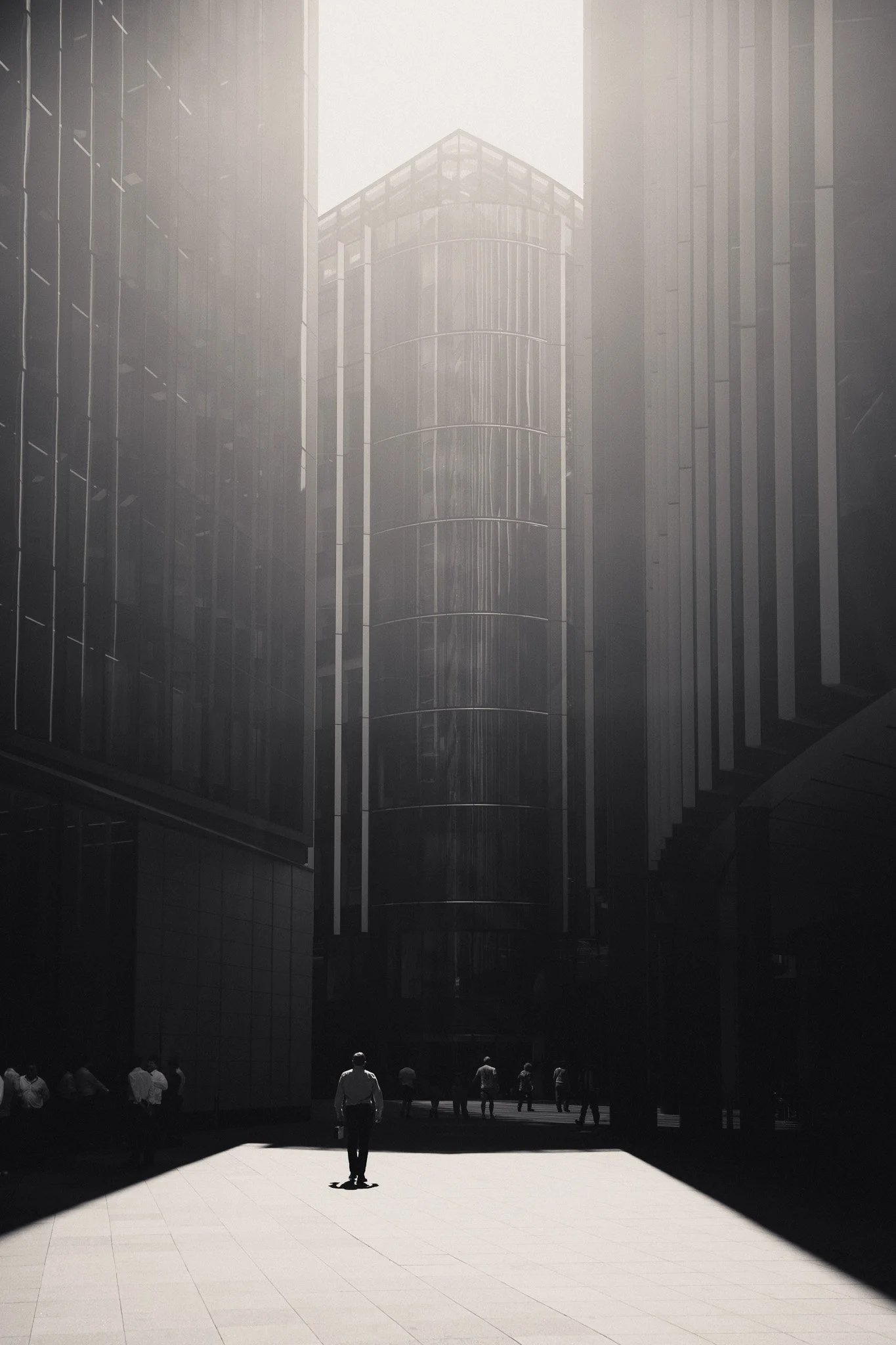
Everything you see will be gone
I’m going to end on a bit of a downer. Everything you see around you will one day be gone. The people, the places, and the things we own. We’re often so wrapped up in everyday life that we forget just how temporary all of it really is.
Street photography is an art of observation, and once you truly understand how fleeting everything is, you begin to appreciate it far more. If it weren’t for street photography, I genuinely think it would have taken me another decade or two to realise this.
Street photography has taught me to notice and appreciate the things around me because they won’t be here forever. While that might sound a little bleak, I actually find it comforting. It’s a reminder to be present, and for me, being present comes naturally whenever there’s a camera in my hand.
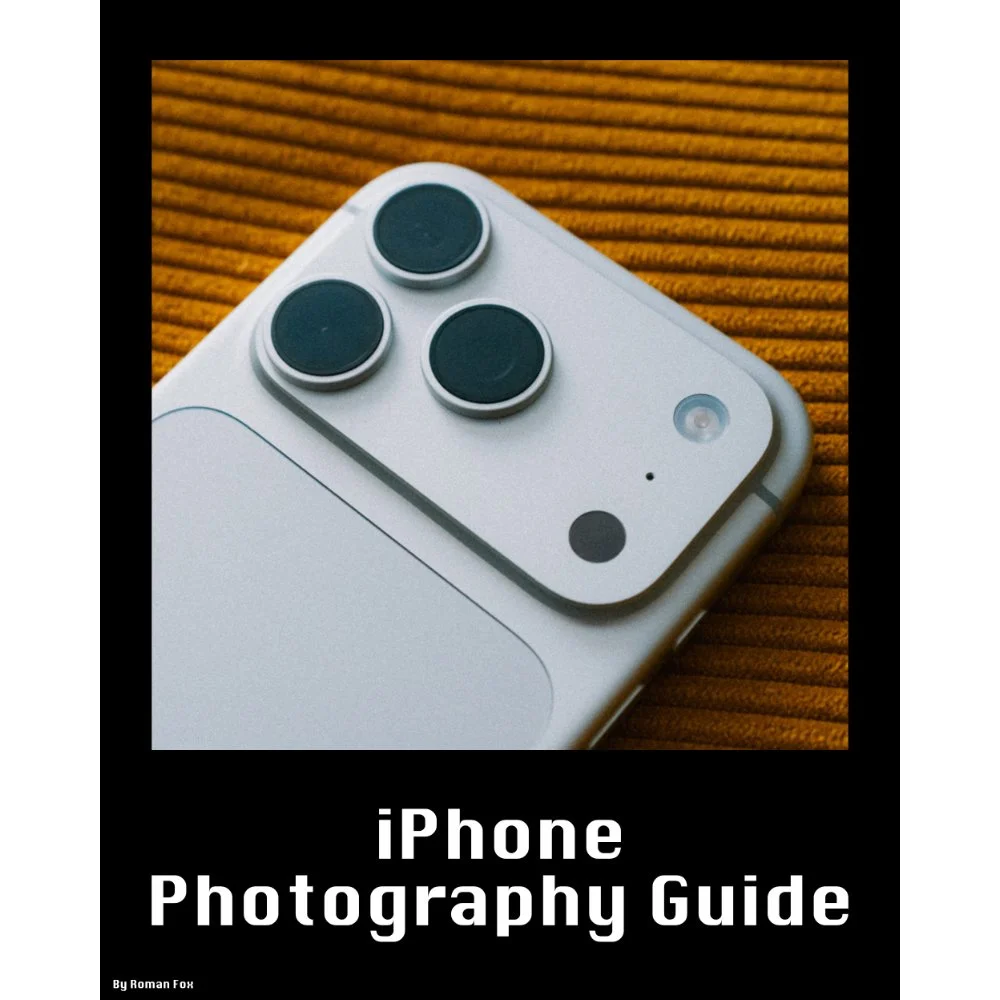
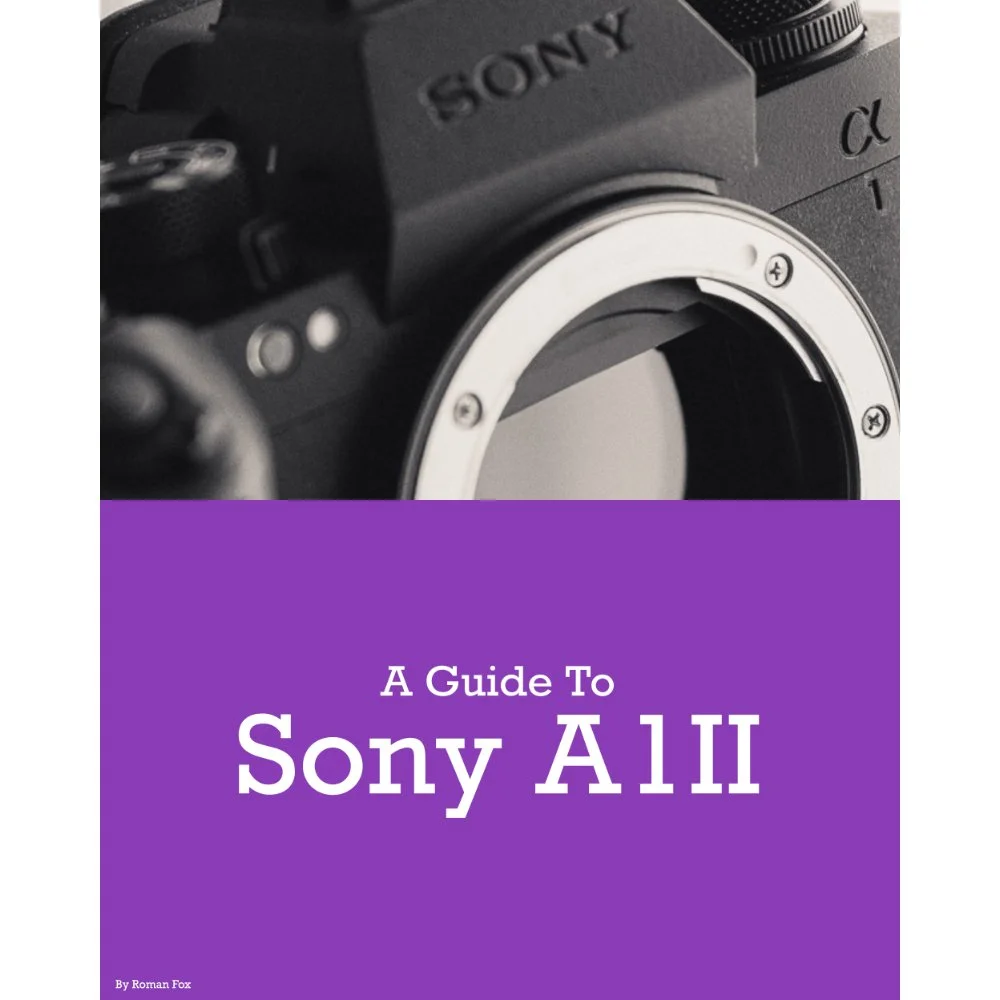
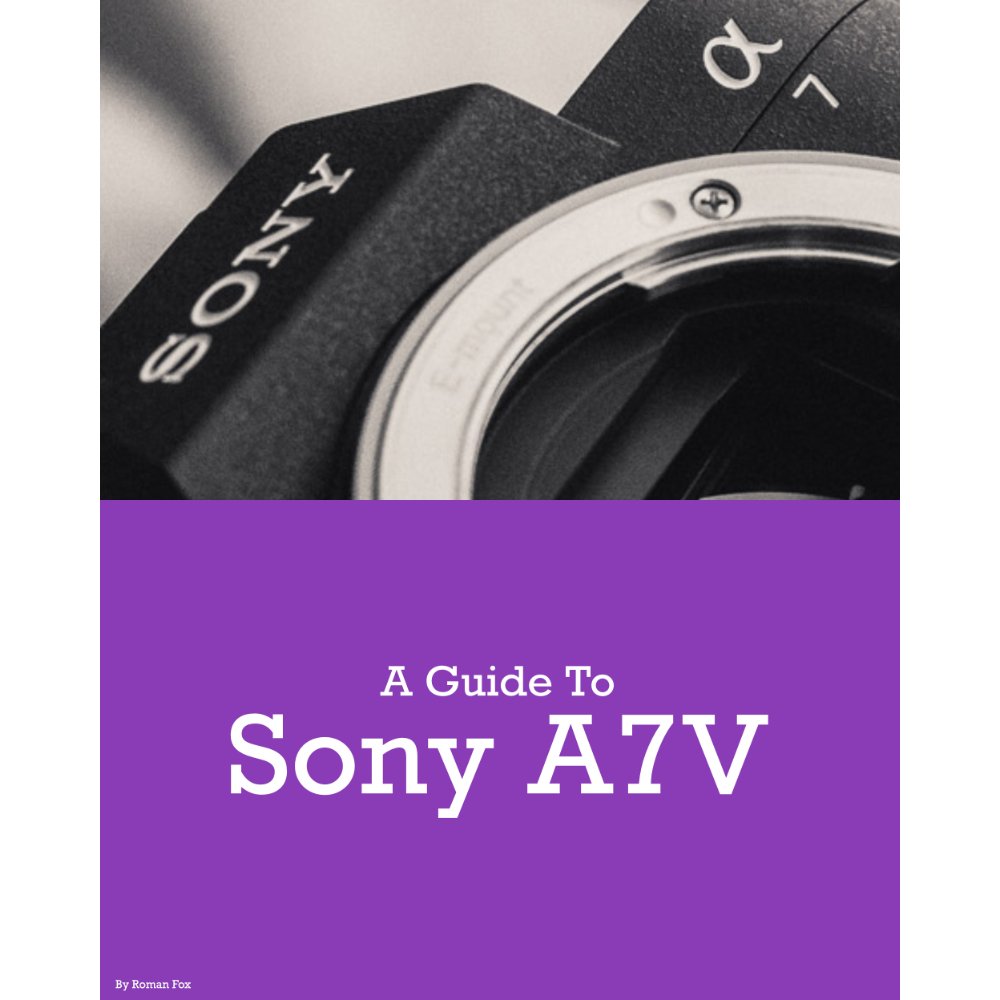
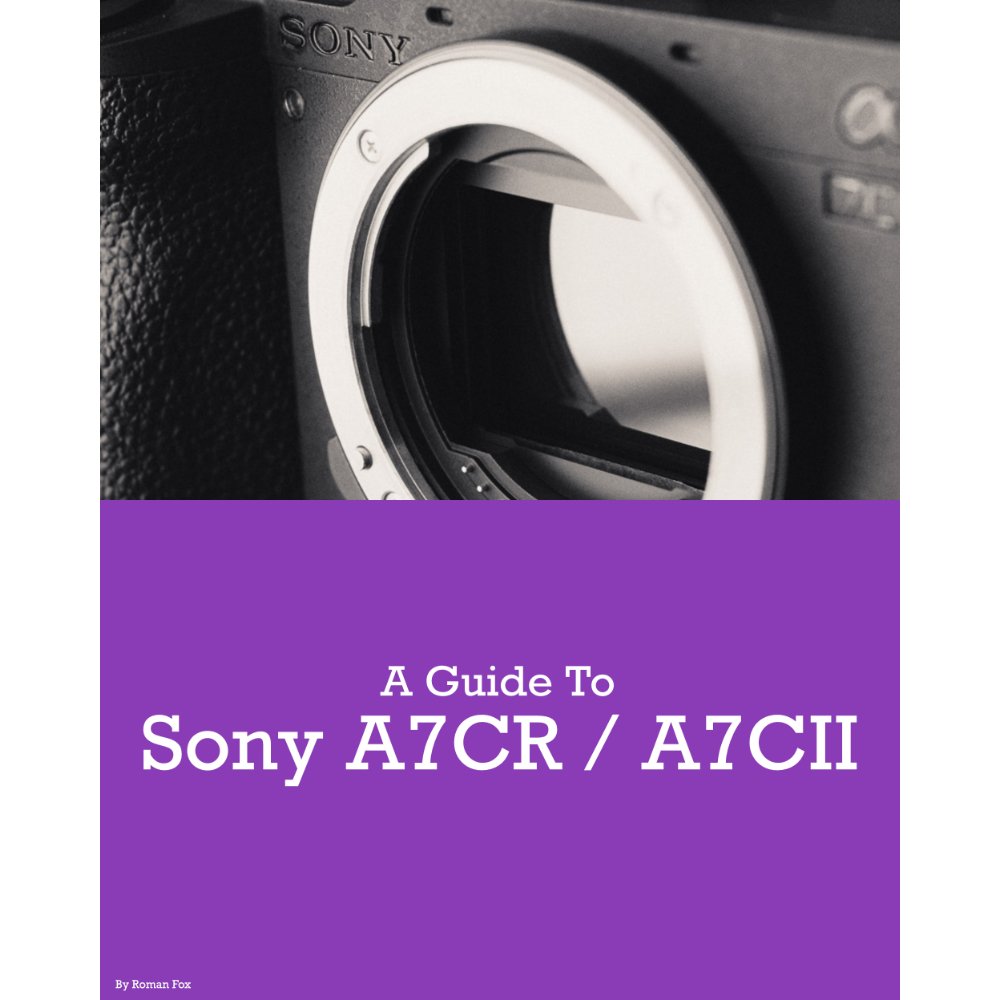

Instead of telling you how these will change your life, I would rather be practical and answer the most common questions that people tend to have when buying presets.
What are presets?
They are editing settings that are saved in a file and can be applied to any image.
Why do people buy presets?
Sometimes because they like the work of the photographer and want that style for their own photos. Mostly because they would like to see how other people edit and learn by reverse engineering the presets. Other times it’s just to support their favourite photographers, thank you!
What’s the overall style of these presets?
- Filmic
- Warm
- Soft
- Bright
What are these presets suitable for?
Street & Travel Photography
Some Nature (with further editing)
Some Portraits (with extensive editing)
Do I actually use these?
Yes. This is the same pack I use right now for all my editing. This isn’t a pack made just to sell.
Do these presets get updated?
Yes, as my style changes, these presets will also be updated. Any time a new update is available, you will get a free update via email. Of course you also keep all the old presets in case you prefer the older looks. Only presets purchased from 2025 onwards will receive the updates.
What file types are these presets for?
- All RAW files
- JPEGs & TIFFs (not recommended)
What camera brands are these presets for?
These were designed around Fujifilm, Sony, and Leica sensors. With that said, they will work with all camera brands. While there might be differences due to individual camera colour science, the overall feel of the preset will carry over.
Will these work with JPEG files?
Yes, but you will need to reduce the intensity and make further edits. I strongly recommend editing RAW files.
Are these one click edits?
95% No. You would need to do some basic adjustments as each image is different. These adjustments can include exposure, colour balance etc. In 5% of cases you can just apply and leave it alone.
Do I need to know how to edit?
You need to have a basic understanding of adjusting exposure, highlights, shadows, etc. A more comprehensive editing skillset will let you get the most out of them.
How many presets are included?
10 in the main pack and 24 in the extras pack
Why two packs?
The main pack is what I use for 99% of my edits and is kept small to reduce wasted time scrolling through presets. The extras pack is everything I don’t use often.
What software do I need?
These presets will work with any of the following:
- Photoshop (adobe camera raw)
- Lightroom Classic
- Lightroom Desktop
- Lightroom Mobile
Will these presets work with free versions of the above software?
You need to research and double check before buying. These presets were designed for the full paid versions.
Will these presets work with very old versions of the above software?
You need to research and double check before buying. These presets were designed on and for the latest software.
What file type do I get?
XMP
What else do I get?
- Comprehensive PDF guide
Can I modify these and turn them into my own?
Yes! In fact I encourage you to modify them and play around. Use these to help you get your own style.
I have more questions…. What do I do?
Make a cup of tea and drop me an email on hello@snapsbyfox.com
Please note that due to the nature of digital products, refunds are generally not accepted. However, if you experience any issues, feel free to contact me and I’ll review your situation individually. You are welcome to use this product for personal or commercial projects, but you may not copy, distribute, or resell the files in their original or modified form.
Finally I want to say a massive thank you for supporting me. Buying these presets is the most direct way you can support my work.
Thank you!