
Photographing Sri Lanka - Travel Guide
In this blog, I’ll share my experience of travelling across Sri Lanka in 2026. While the main purpose is to share my personal account of the trip, you can also use it as a guide if you’re planning your own adventure.
Why Sri Lanka?
Sri Lanka has always been on my list of places to visit, but for one reason or another, the trip was always postponed to another time. However, as we know, every time is another time until there is no time. So, with that philosophical attitude, we booked our flights.
Sri Lanka offers a bit of everything for everyone. You have some of the best nature I’ve come across, amazing food, great people, and a travel experience like no other.
For photographers, Sri Lanka is a paradise. Street photography in Colombo, wildlife photography in one of the many national parks, and landscape photography around every corner.
If you’re like me and enjoy shooting a bit of everything, this place really does have it all. Did I mention the incredible colours?
Best Time to Visit
We visited during the off-season because we wanted to avoid the crowds, and it was also the only gap we had in our schedule this year.
The best time to visit depends on which part of the island you’re exploring, but December to April is generally a popular period, particularly for the south and west. We visited in early October, and while we did experience some rain, it was totally manageable. More on that later.
The biggest upside of visiting during the off-season is not having to deal with as many tourists. This is especially noticeable when visiting popular tourist destinations.
Overall, I would gladly return during the off-season. Not to mention, travelling outside the peak months can also help support local businesses during quieter periods.
How Long to Stay
In total, our trip lasted 13 days, and while we didn’t see all the main attractions, we saw enough to get a good overall impression of the country.
The pace was fast but not hectic, and while we changed locations every one or two days, it never felt particularly rushed.
I think two weeks is a very good amount of time to experience a variety of things. However, if you really want to explore the country in greater depth without rushing, I would recommend four weeks, or two trips.
Weather
One of the risks of visiting during the off-season is heavy rainfall. Flooding and severe storms are also worth considering. While I can share our experience, keep in mind that the weather can be something of a lottery. We got lucky, but you might not.
Generally speaking, we had plenty of sunshine, with heavy rainfall usually arriving in the late afternoon and continuing into the night. If you have any outdoor activities planned, I suggest scheduling them for the morning.
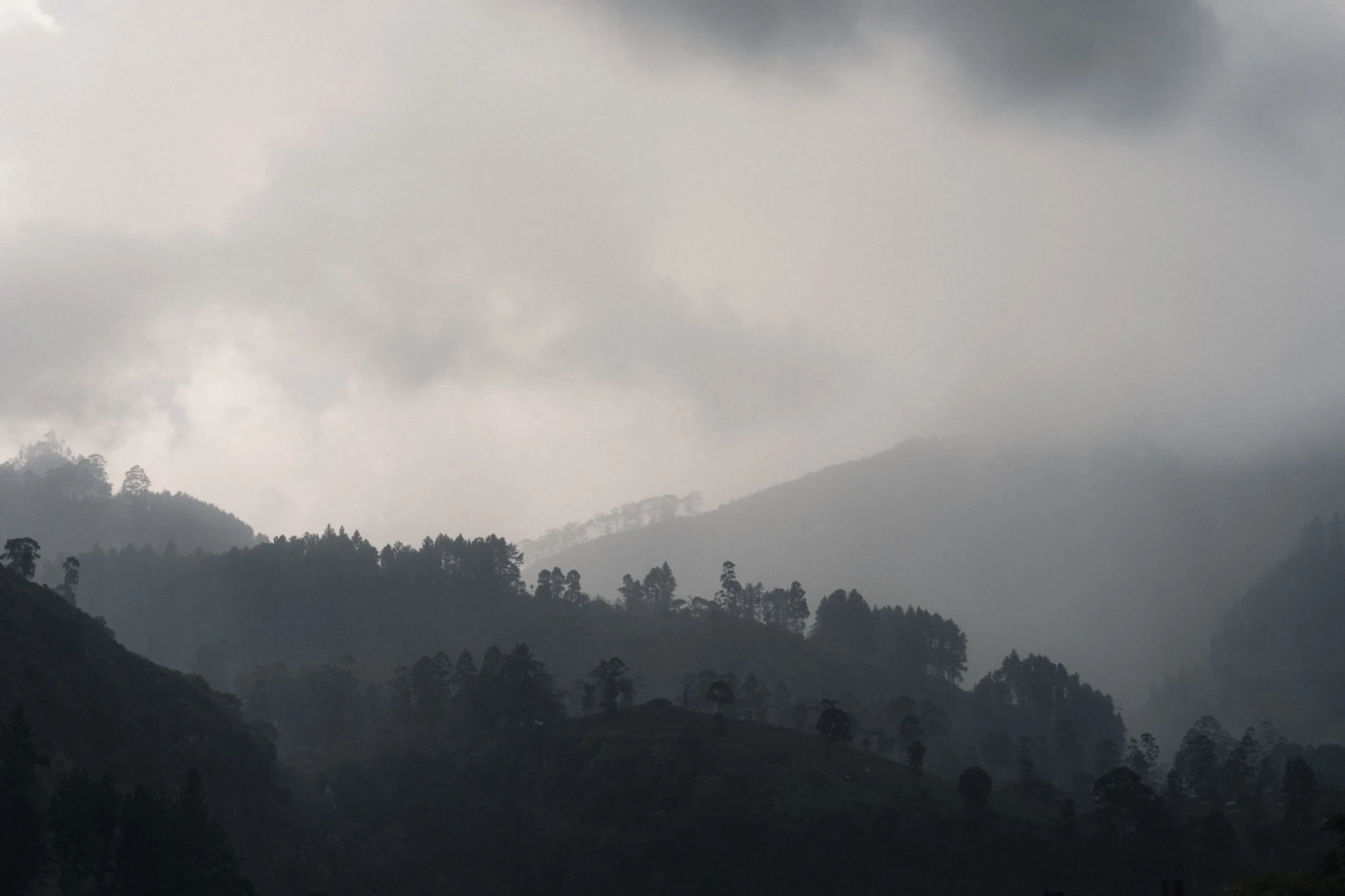
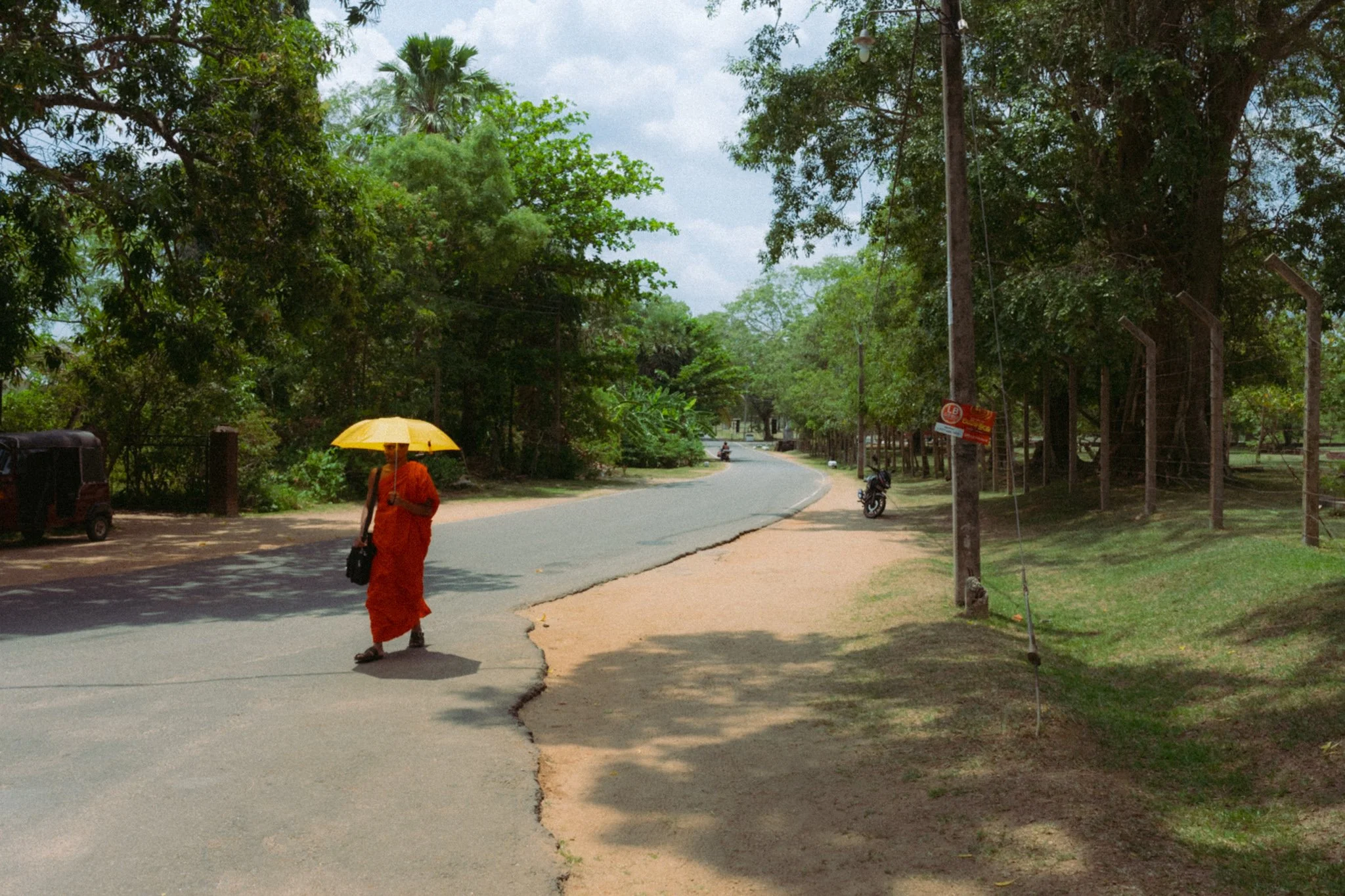
While we experienced a bit of rain here and there, this general pattern was fairly consistent throughout the trip, especially as we moved into the higher elevations.
Temperatures were warm but varied considerably. In Colombo, we experienced temperatures between 25°C and 30°C, while further inland, they reached 34°C. Higher up in the mountains, the temperature dropped a little, but when the sun was out, it was still warm. Sunscreen, a light jacket, and an umbrella are essential.
The overall climate was very humid, so expect to encounter damp smells, even in otherwise clean bedding and towels. Also, if you wash your clothes, be aware that they might take considerably longer to dry than you’re used to. For this reason, I suggest bringing a spare pair of shoes.
Getting Around
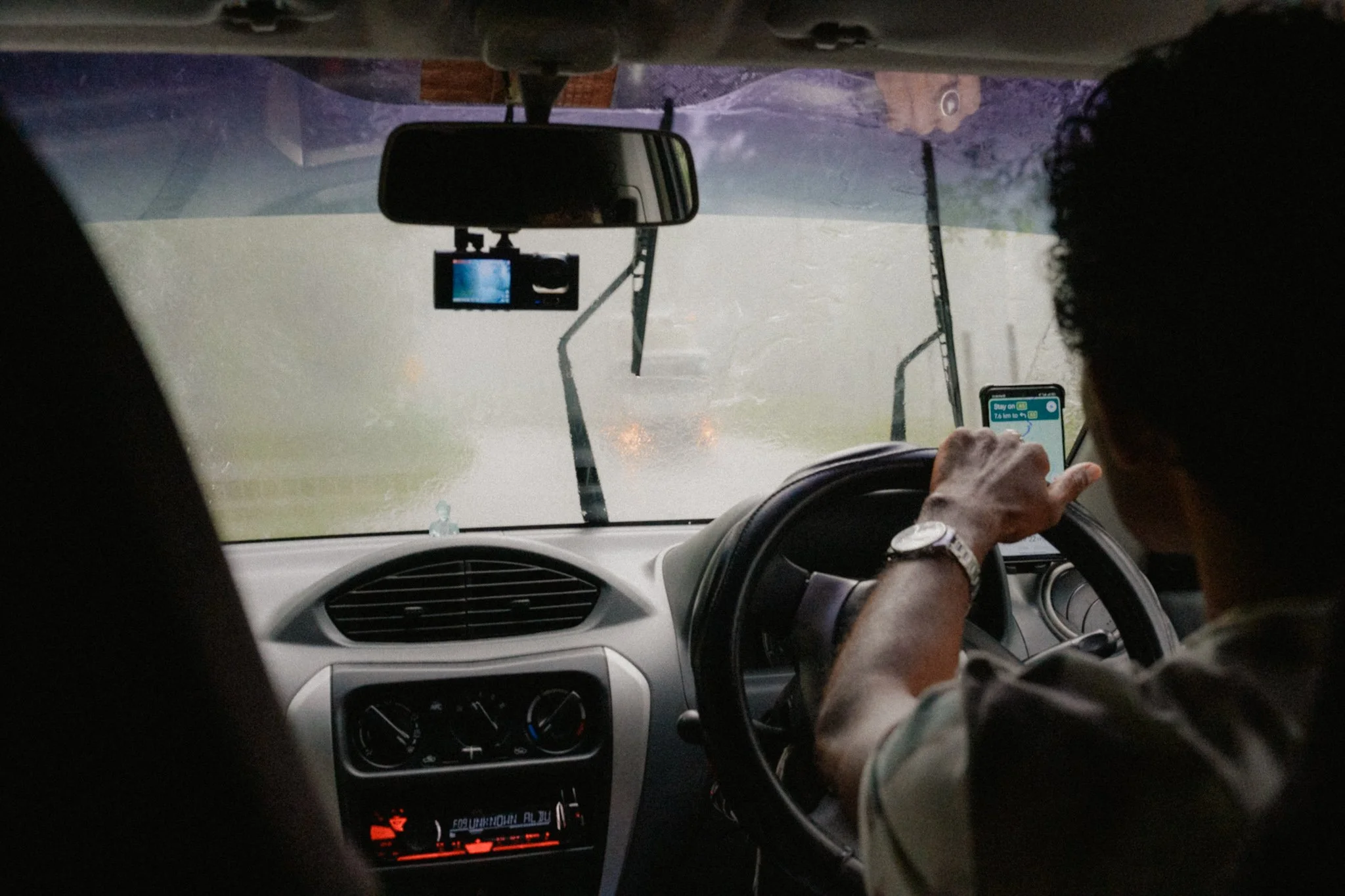
There are three primary ways to get around Sri Lanka: train, bus, and taxi.
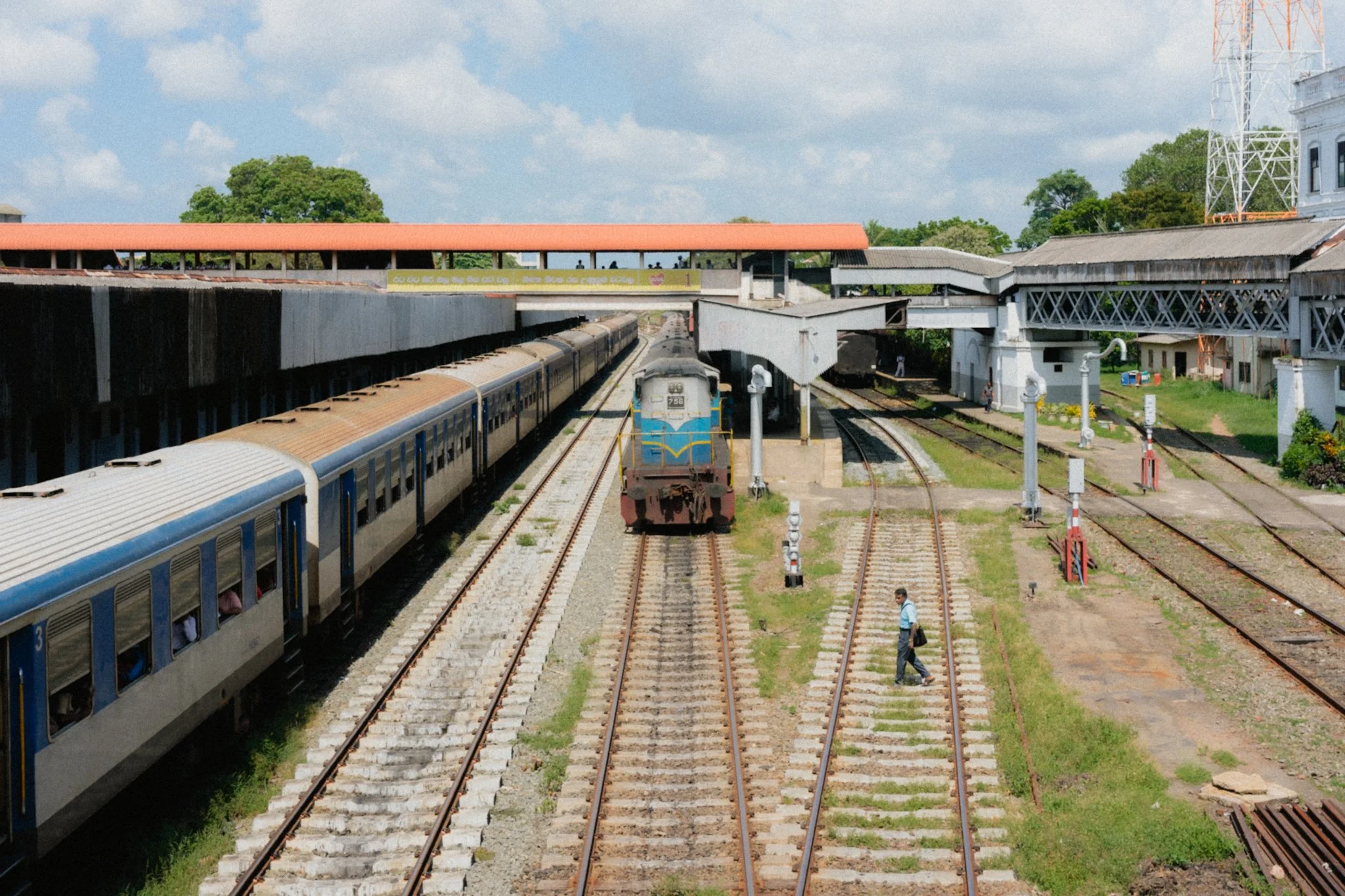
The train is a popular option, given how scenic some of the journeys are. It’s also very affordable and fairly hassle-free. With that said, there are a few things to keep in mind.
There are three classes. Third class is generally the most basic and can get very cramped, second class is more like a normal train, and first class offers a bit more comfort, often with air conditioning.
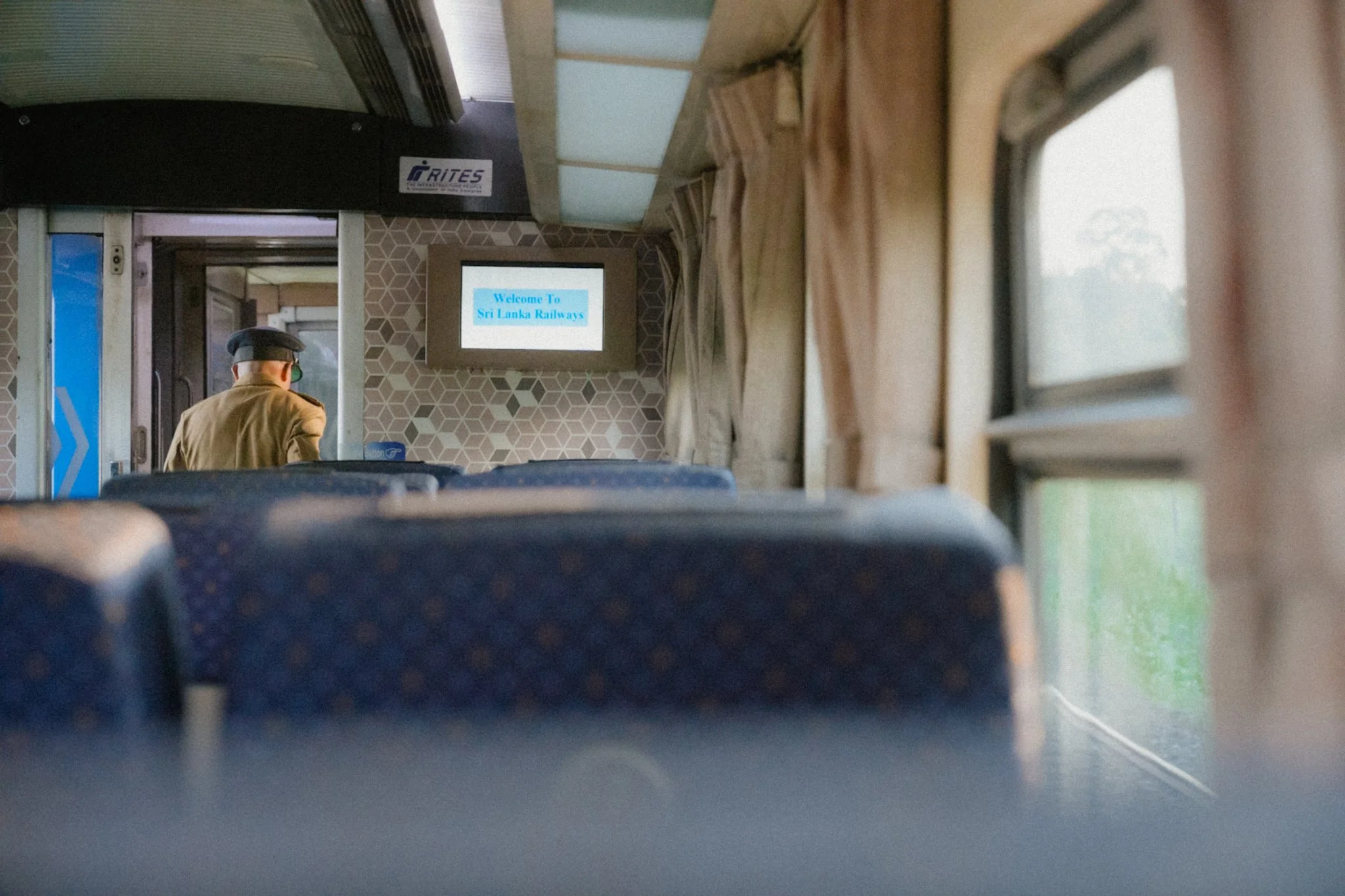
If you have a suitcase, I recommend first class for the extra space. Also, if you want a guaranteed seat, booking a first class seat is your best bet. Some second-class services also offer reservations.
However, if you want the more authentic, open-door train experience, then second or third class is the way to go.
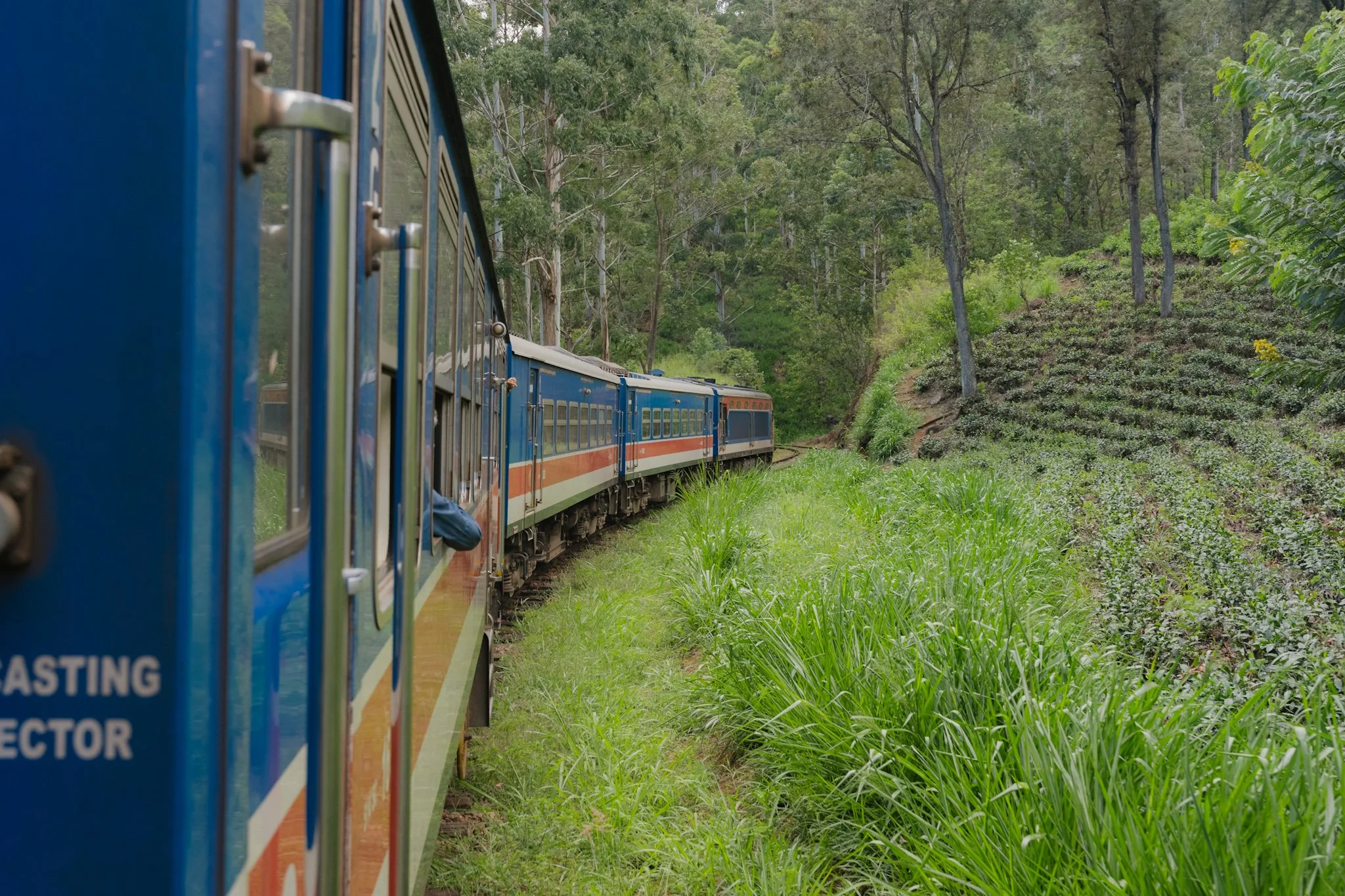
You can buy tickets online, but I would also suggest checking directly at the station. We found differences between the schedules we saw online and the actual train times we were given at the station. Bring your passport, as you may need it when booking reserved tickets.
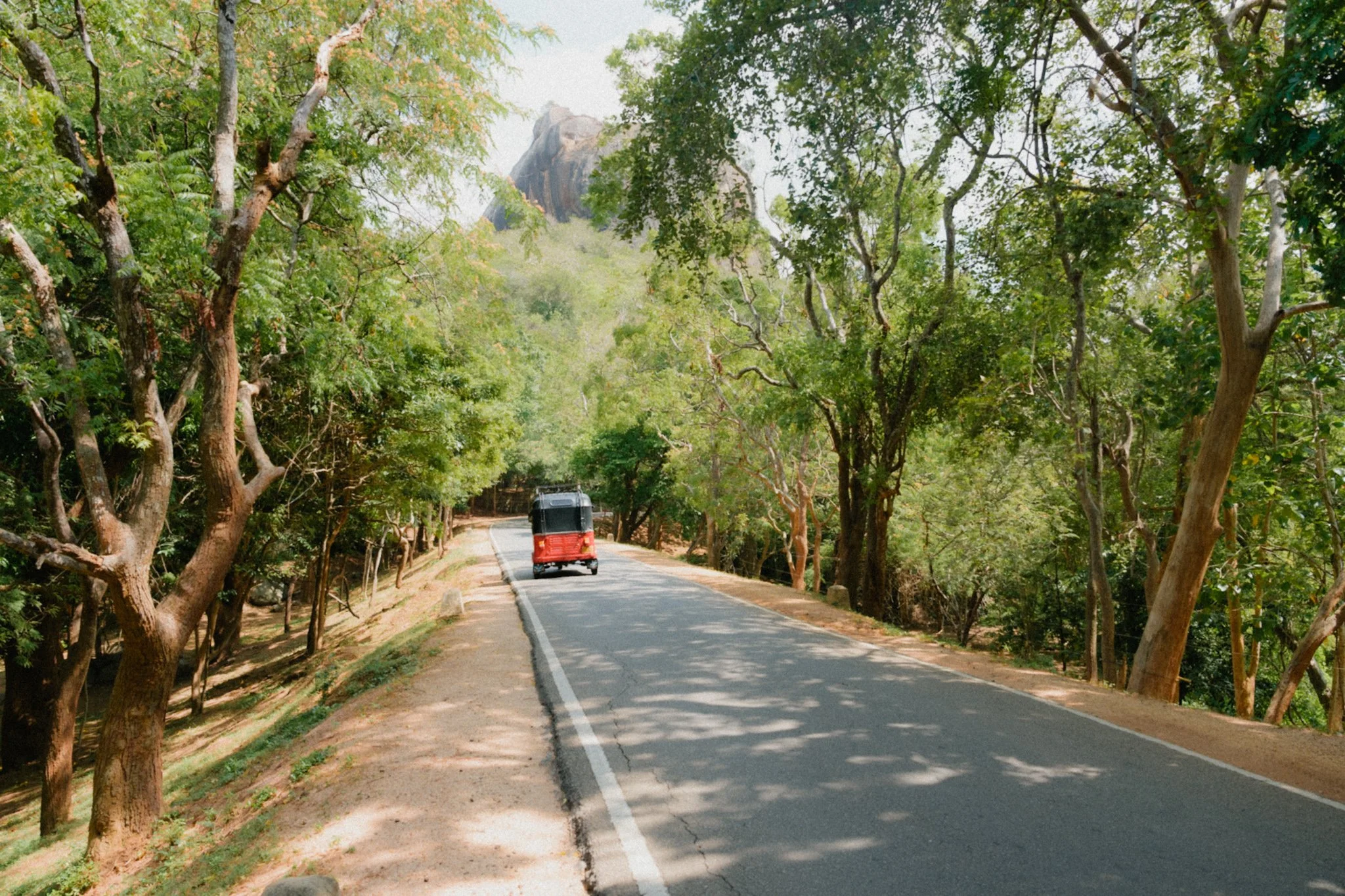
As for taxis, you can use Uber or PickMe, the local app. For shorter journeys of 30 minutes or less, I suggest using PickMe and grabbing a tuk-tuk.
I would also highly recommend selecting the cash payment option rather than paying through the app. We found that many drivers preferred cash and would reject rides paid for through the app, meaning you could end up waiting longer for a driver.
When it comes to intercity travel, I found Uber to be great. Almost all hotels will also be able to arrange a driver if needed.
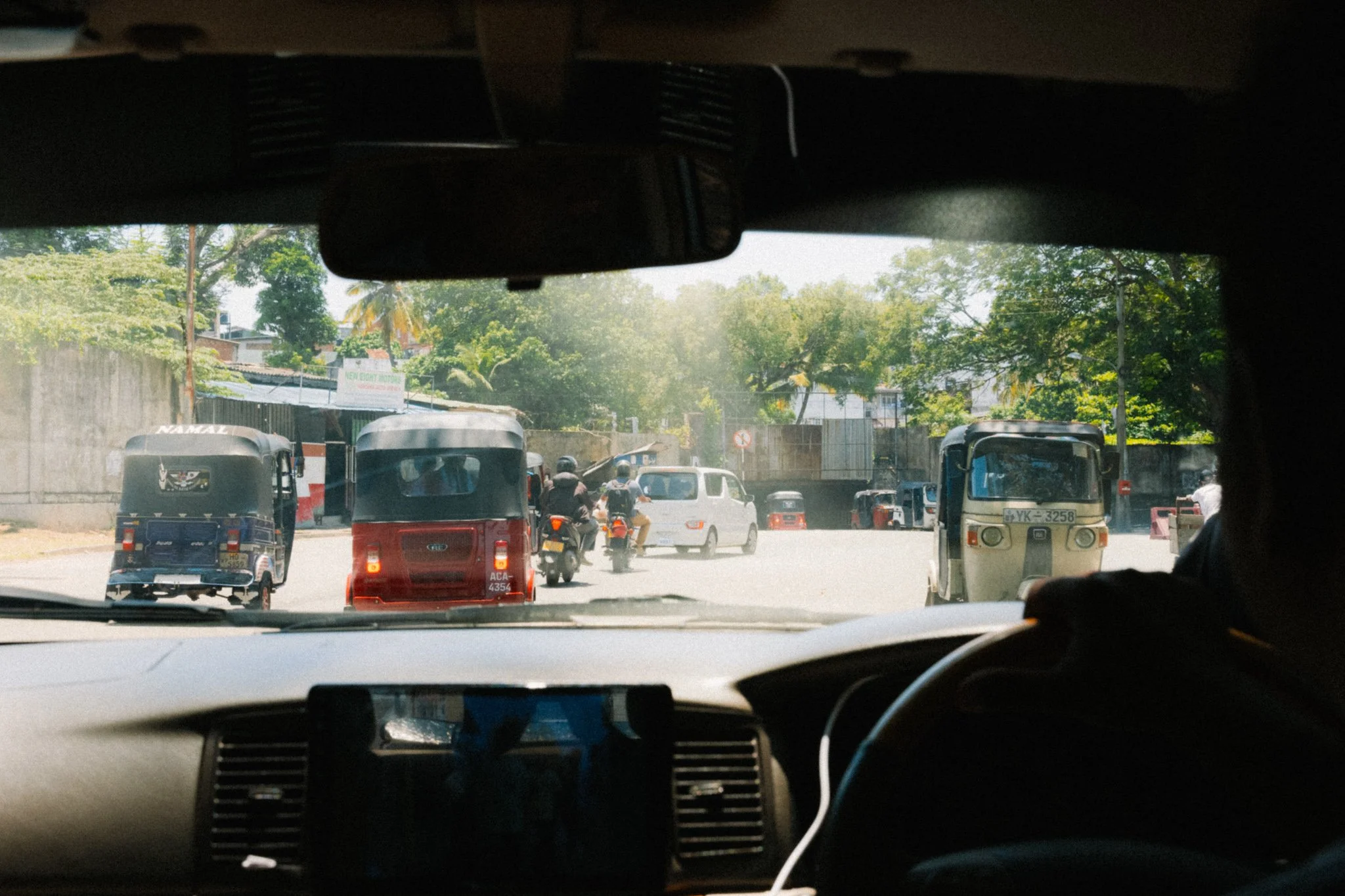
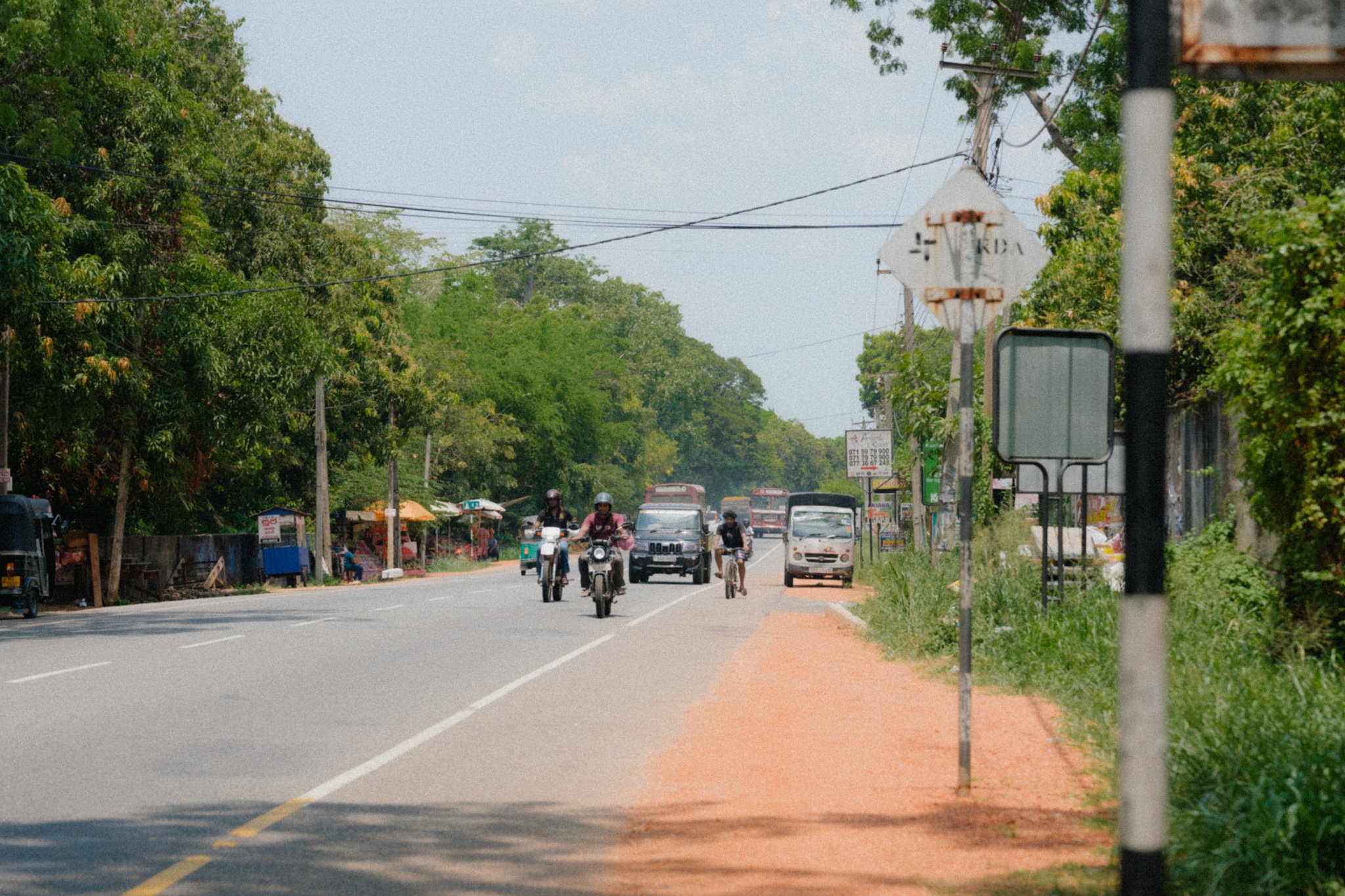
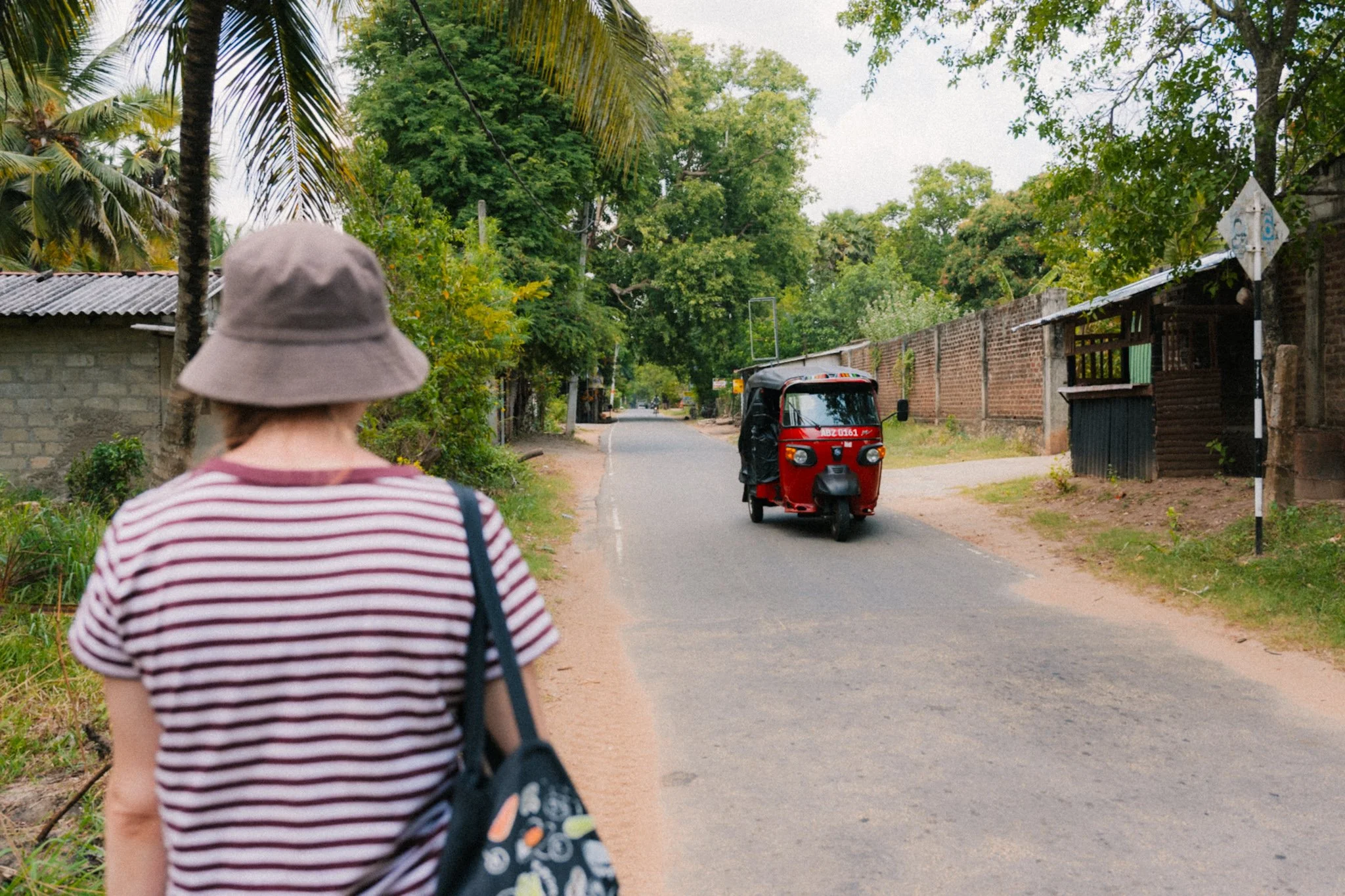
We didn’t take any buses, but we did walk a fair bit, which was fine. Outside the main cities, there aren’t many pavements, so you often have to walk along the side of the road. Drivers generally gave us enough space, and we never felt particularly unsafe.
The only time we were a little on edge was when we encountered some aggressive street dogs. We were told that attacks aren’t particularly common, but a bite from an unfamiliar dog should be taken seriously due to the risk of rabies and the potential need for urgent medical treatment.
My final piece of advice is to download offline maps of the areas you’ll be visiting. I downloaded the entirety of Sri Lanka on Google Maps, and it was a lifesaver.
Other Useful Information
Cash is king. Make sure you have more cash than you think you’ll need because, trust me, you will need it.
Thankfully, there are plenty of ATMs in most locations. Half the hotels we stayed in only accepted cash, and I would estimate that around 75% of our transactions were cash-based.
Bring insect repellent, especially if you’re staying in more remote areas. I bought the strongest stuff I could find, and I still lost count of how many mosquito bites I ended up with.
Also, keep an eye out for leeches in tall grass. I got lucky, but my girlfriend didn’t. They’re generally harmless, but they can be a nuisance, especially when they eventually detach and leave you dealing with a surprising amount of blood.
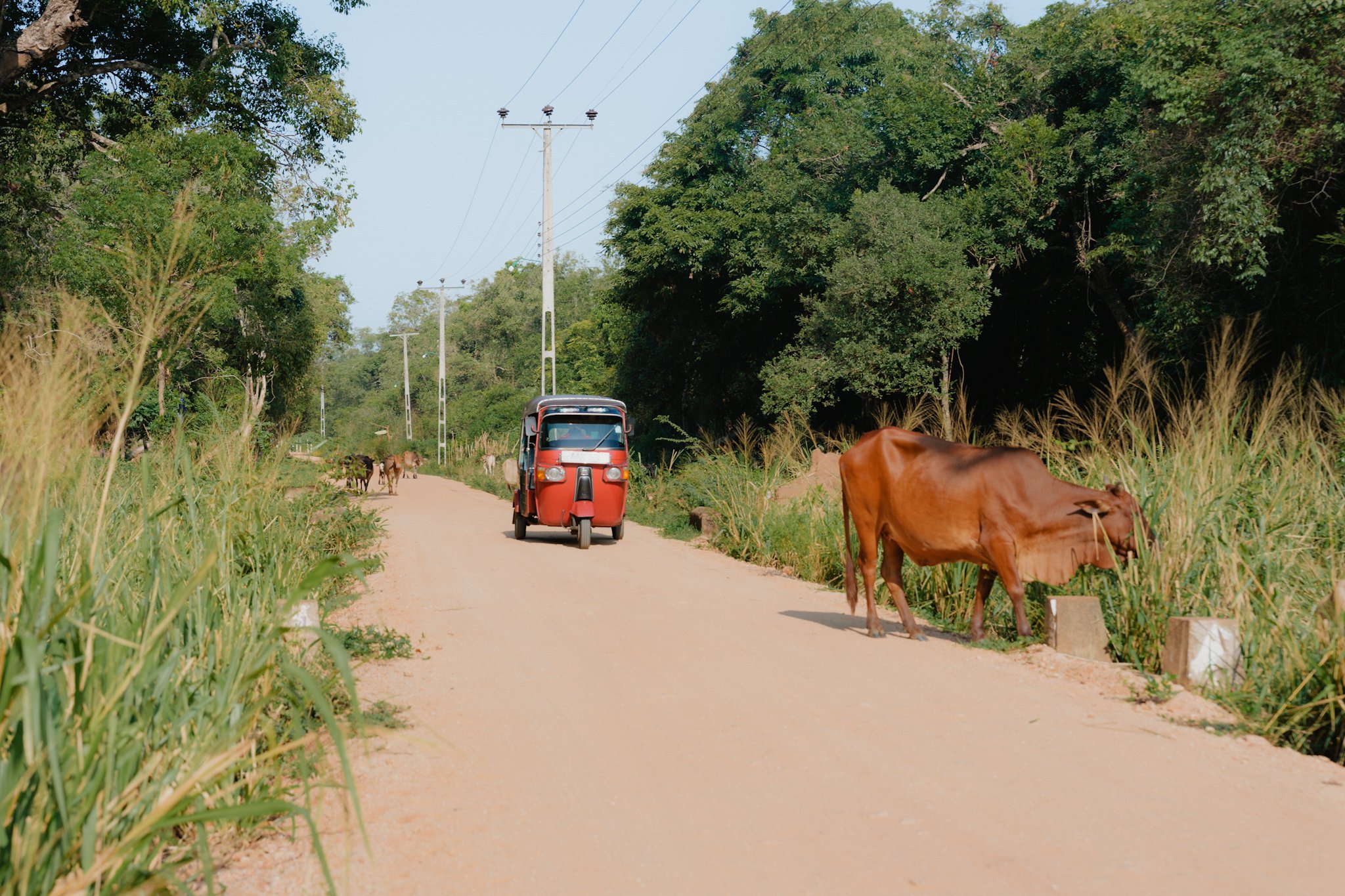
I’ve already mentioned the street dogs, but also keep an eye out for monkeys, elephants, snakes, and plenty of other wildlife in more rural areas, particularly around sunrise and sunset. We didn’t have any issues, but it’s worth being aware of your surroundings.
As you walk around, people will approach you. Some will ask if you need a taxi, some will offer tours, others will ask about your plans, and some will try to persuade you to visit a particular tourist attraction.
In most cases, we politely declined, and they left us alone. However, some were very persistent. On one occasion, a guy followed us around Colombo for a good half an hour, trying to sell us a tour.
I found that the best approach was to be polite but firm. If they sense that you’re considering their offer, they’ll often keep pushing.
The food was great, but you might want to take it easy on the rice-based dishes, or at least make sure you’re getting enough fibre.
We stuck to a vegetarian diet throughout the trip and didn’t experience any issues. The two things I would suggest keeping in mind are spice levels and portion sizes.
Always check how spicy the food is and how large the portions are. We got caught out a few times and ended up either crying from the heat or feeling like we were about to explode from eating too much.
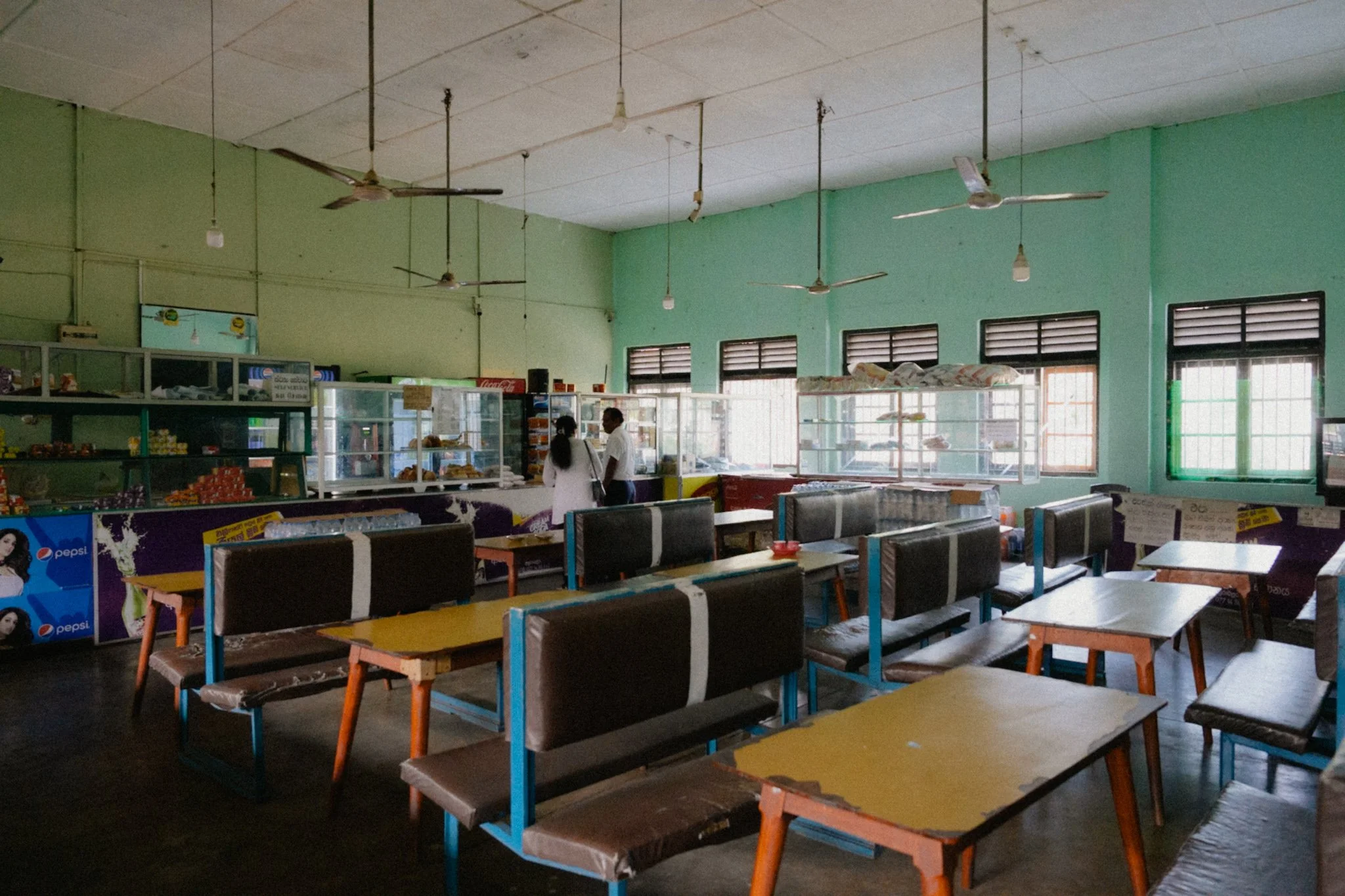
When it comes to drinking water, we were advised to stick to bottled water, which we did without any issues.
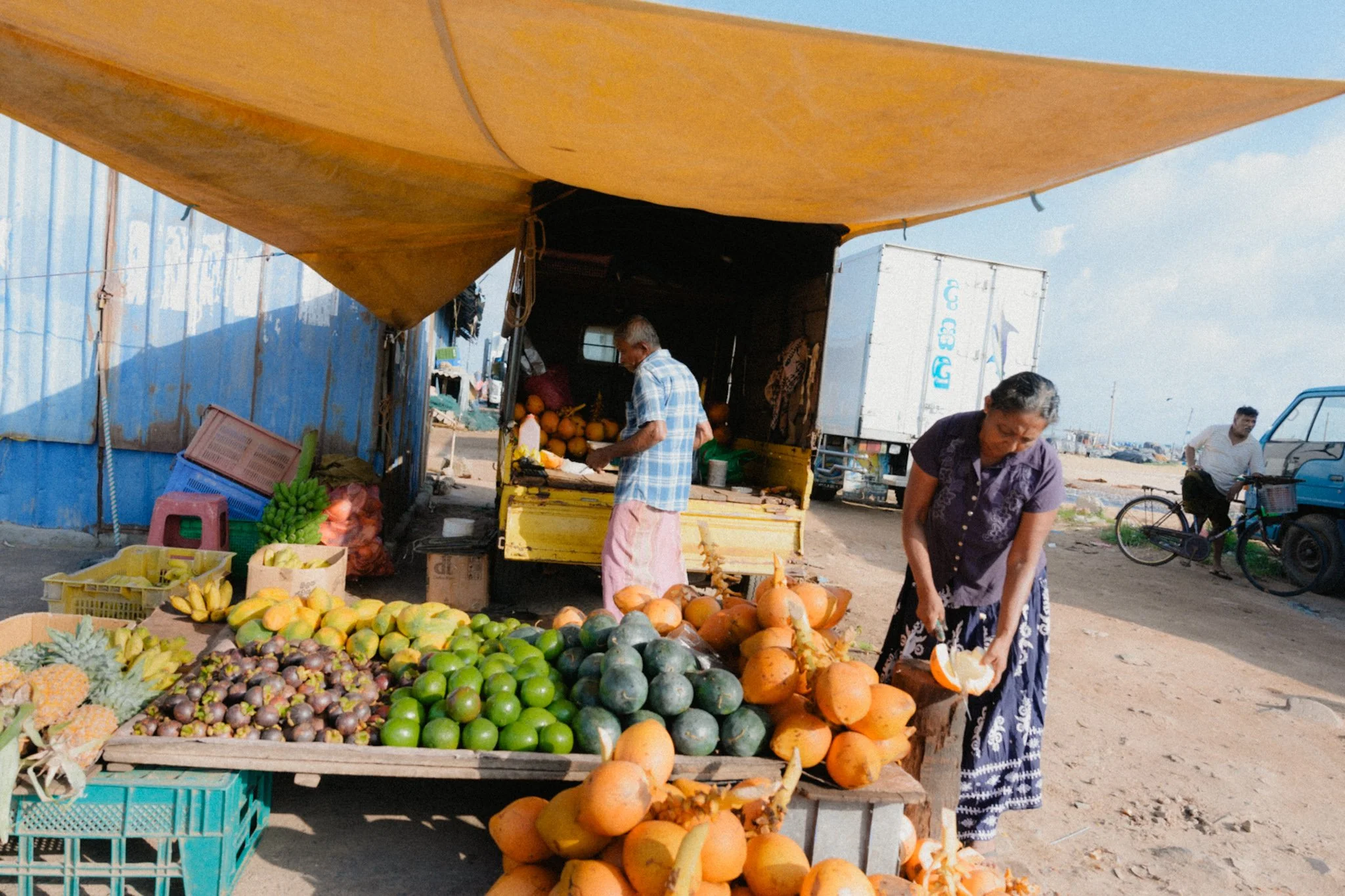
If you’re a coffee lover, you might struggle to find a good, strong espresso or the same speciality coffee you’re accustomed to at home. It’s easier to find in tourist hotspots, but elsewhere, it can be quite rare.
The tea, on the other hand, is world-class, so I suggest embracing it.
Photography
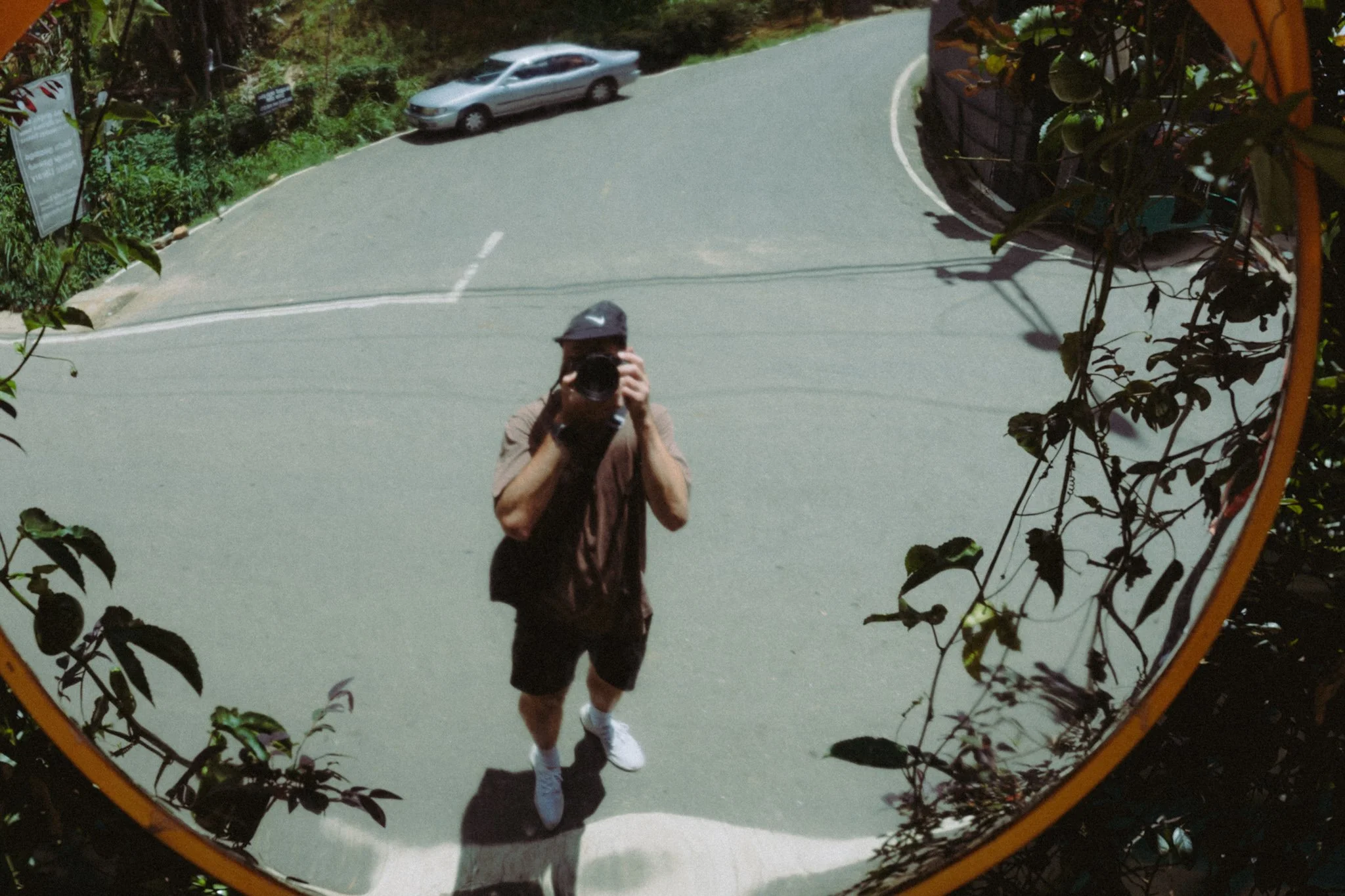
I photographed the entire trip using a 24–70mm zoom lens, which turned out to be the ideal choice.
Of course, I had to do some extensive cropping when photographing wildlife, but if you want a minimal setup that can handle almost everything, you really can’t go wrong with a general-purpose zoom.
The general attitude towards photography was very relaxed, and I didn’t encounter any issues or objections. With that said, I don’t get in people’s faces, nor do I often single people out for photographs.
If you really want to focus on wildlife, I would recommend bringing a 100–400mm lens. However, if you just want a small prime to document the trip, a 35mm or 40mm would be my pick.
Day 1 – Negombo
Our first day started in Negombo for two reasons: its proximity to the airport and the fish market.
Sri Lanka’s main international airport is located just outside Negombo, making it a very convenient place to start your trip, with only a short taxi ride into town.
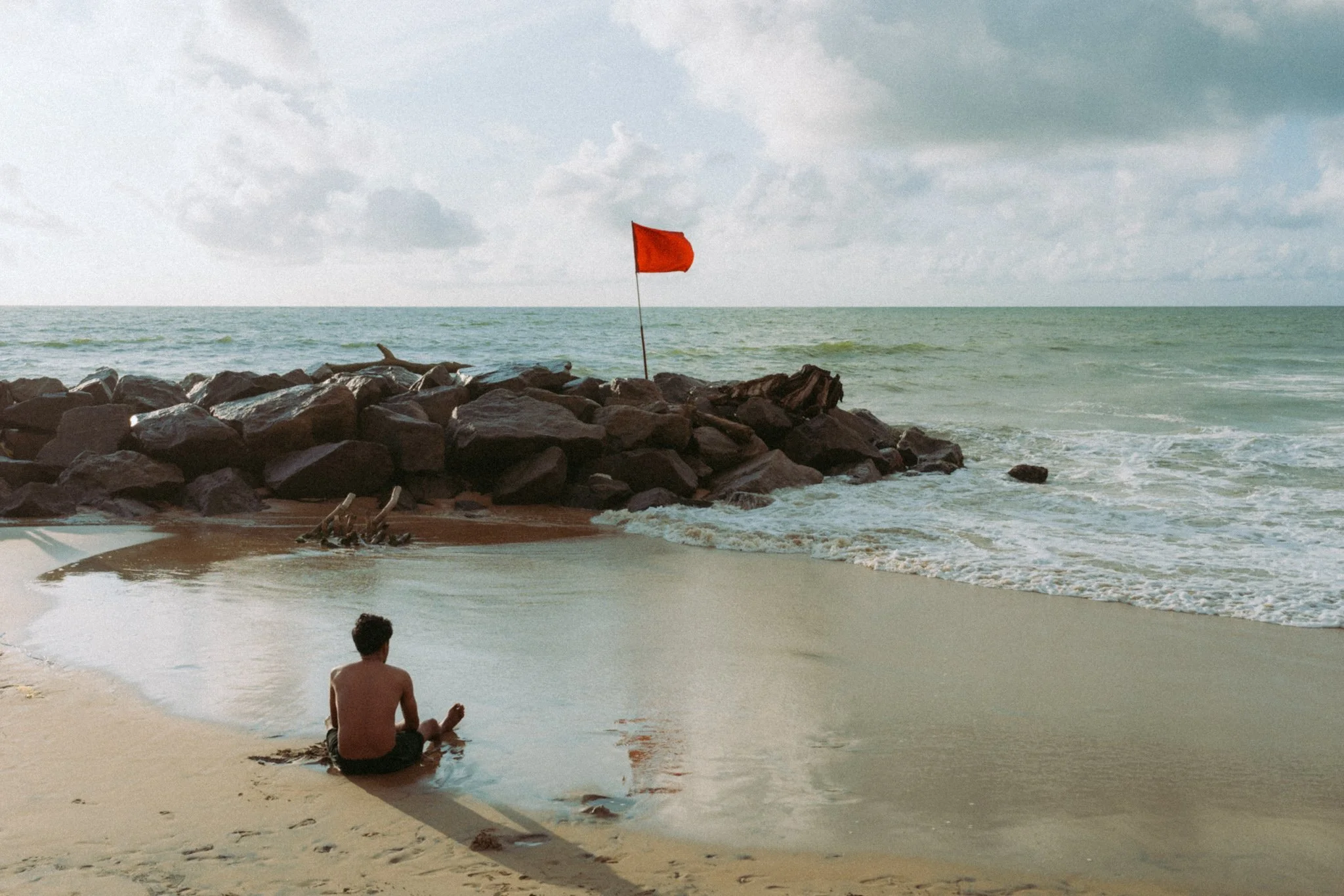
We didn’t explore much of Negombo itself, apart from a wander along the beach on our first evening, as our primary focus was the fish market.
To experience the market at its best, you need to wake up at the crack of dawn and ideally be heading out no later than 6am.
There are two fish markets, and the first one is called Lellama Fish Market. This is the main market where all the fish is brought to prepare for sale. It’s chaotic and pretty full on, however it’s the real deal. Not a tourist in sight.
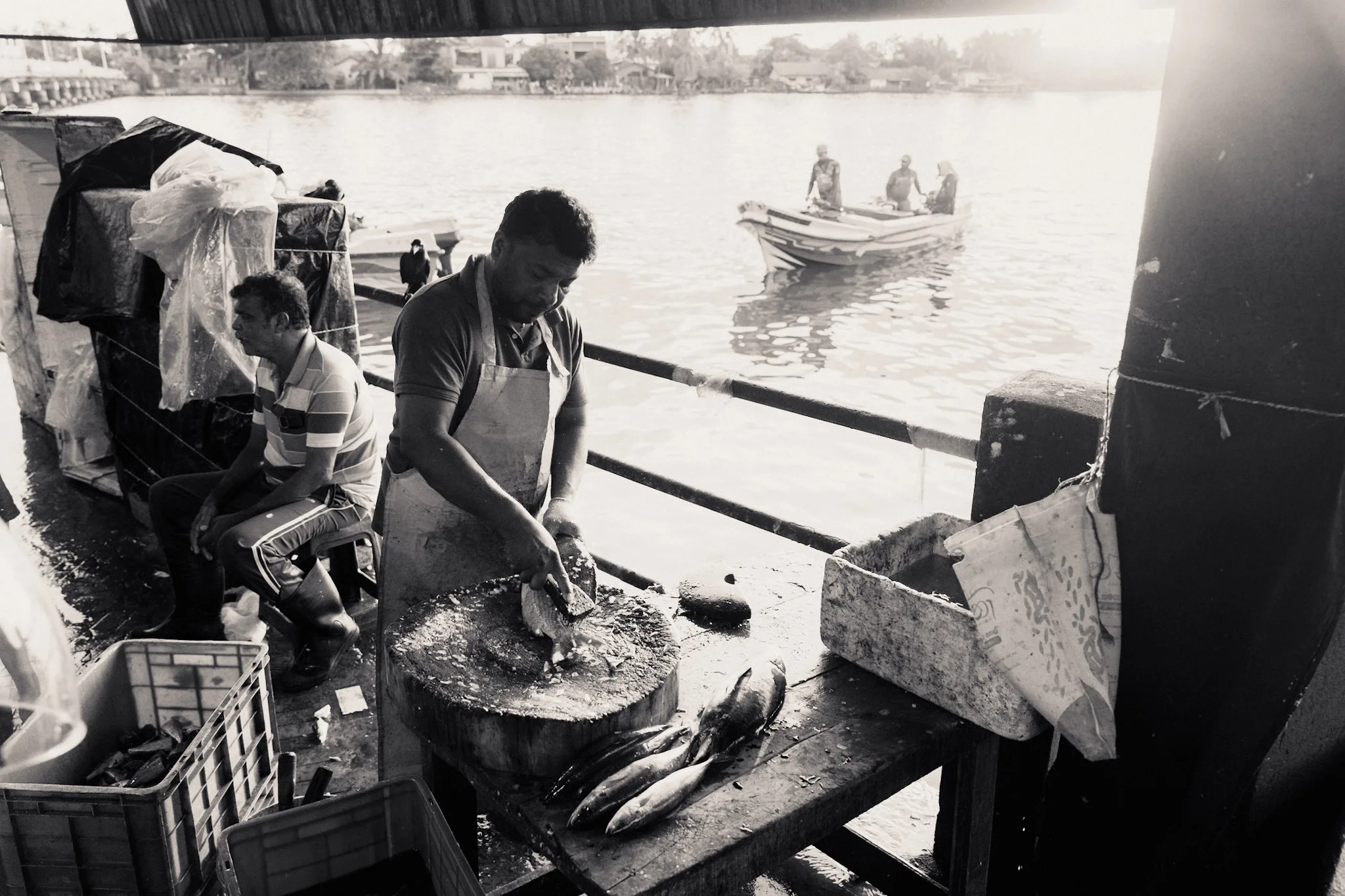
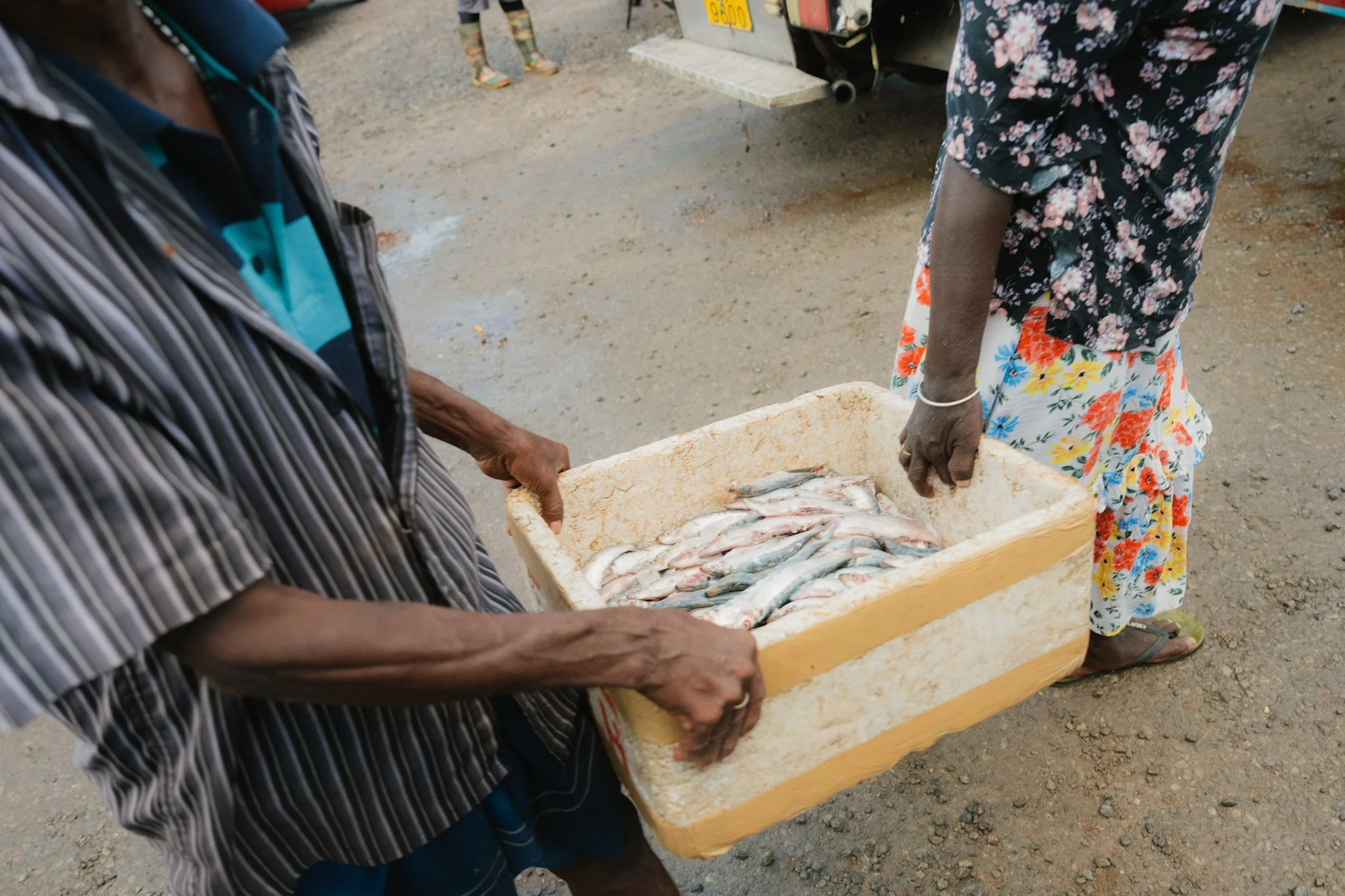
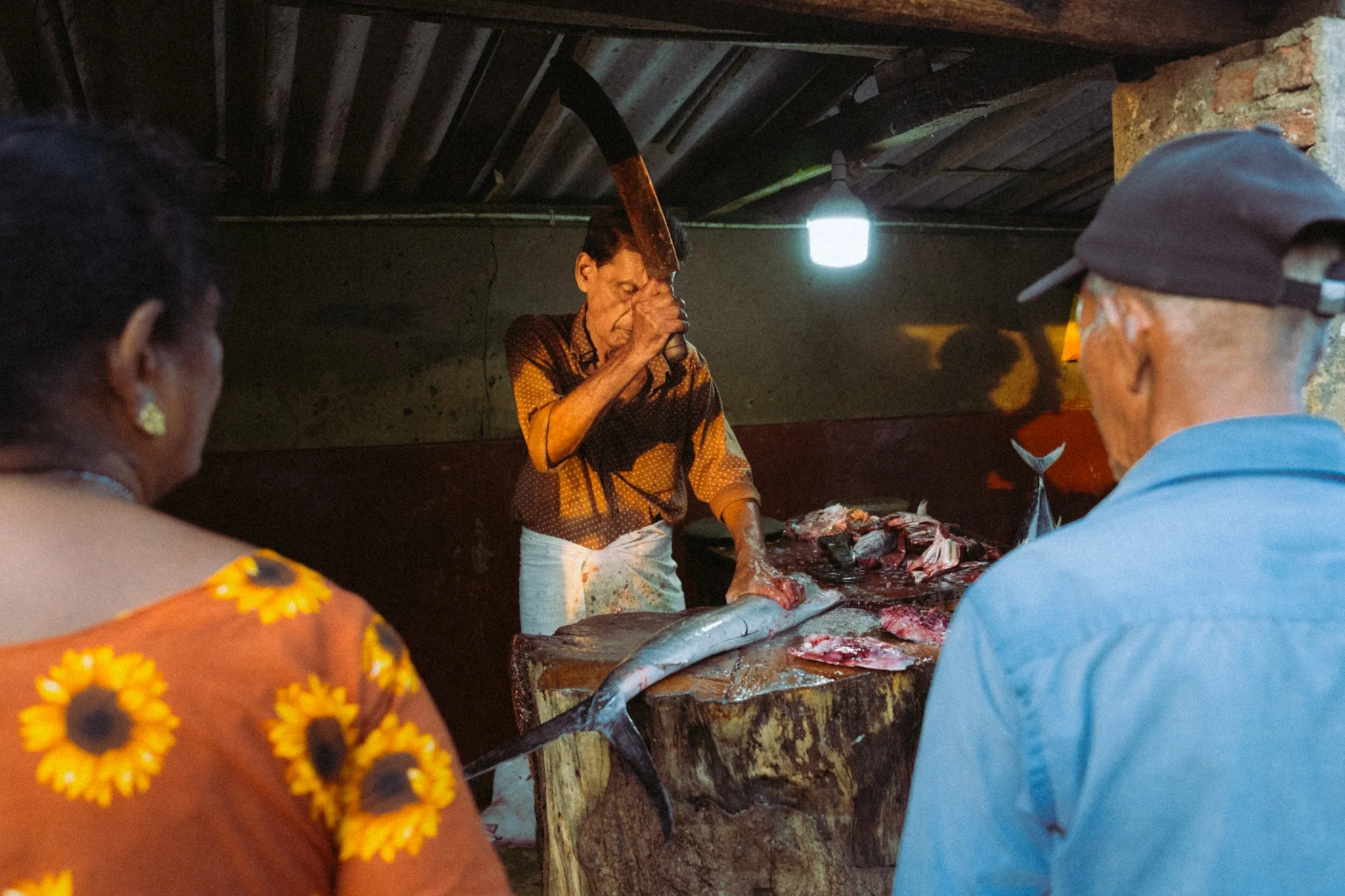
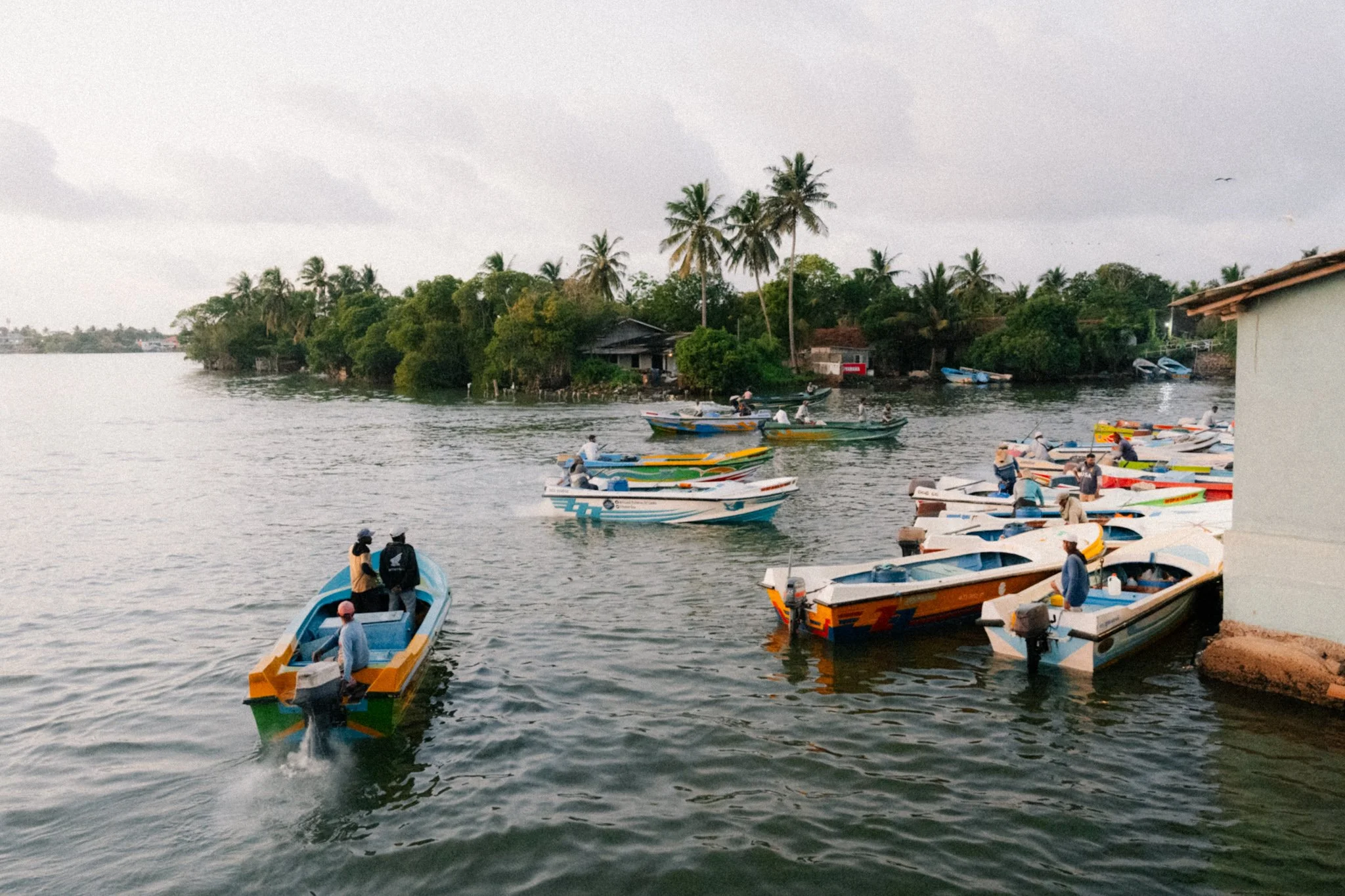
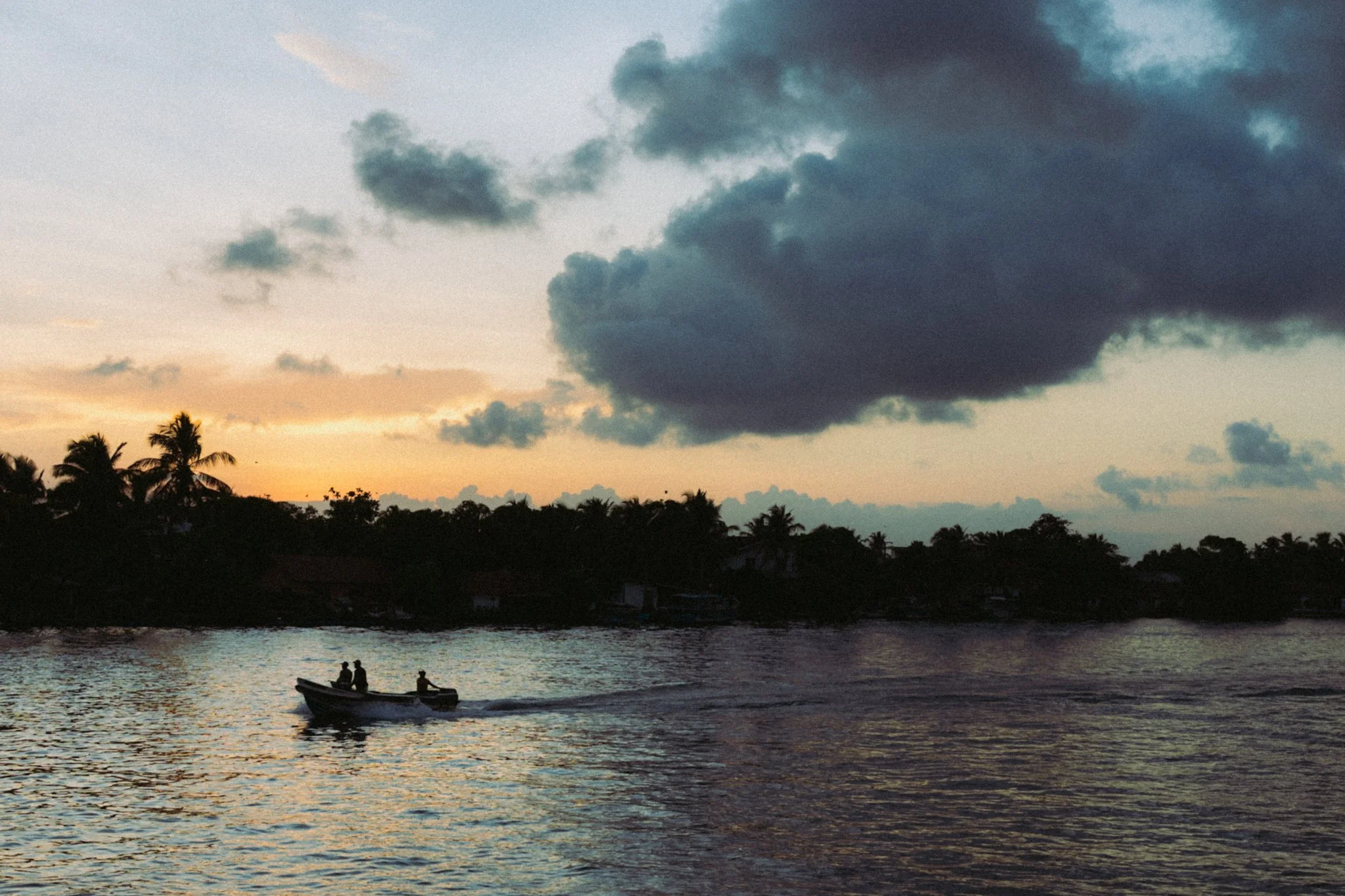
We arrived just before sunrise and stayed for a few hours. The market isn’t huge, so if you’re pressed for time, it can be done in an hour or so.
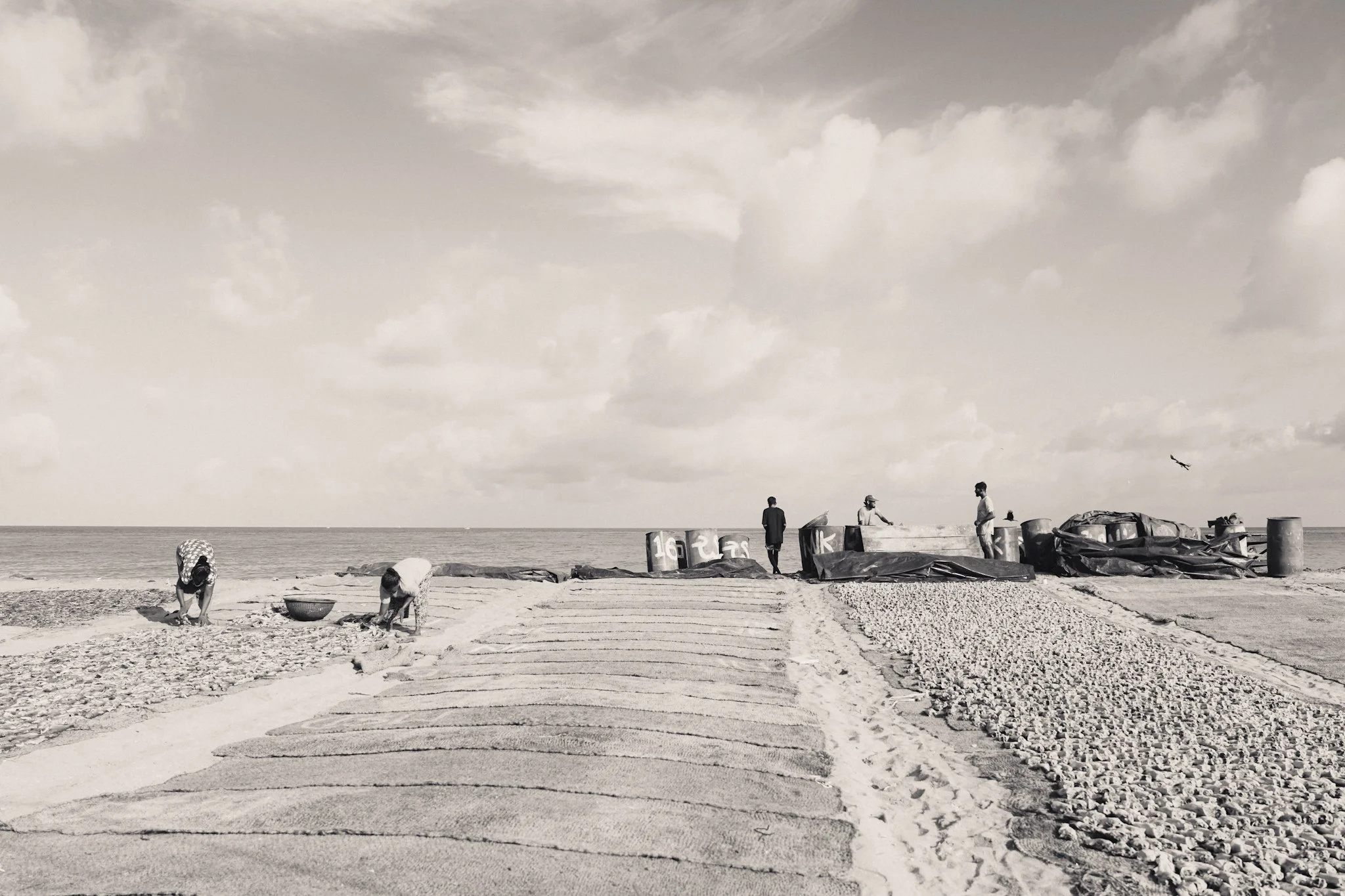
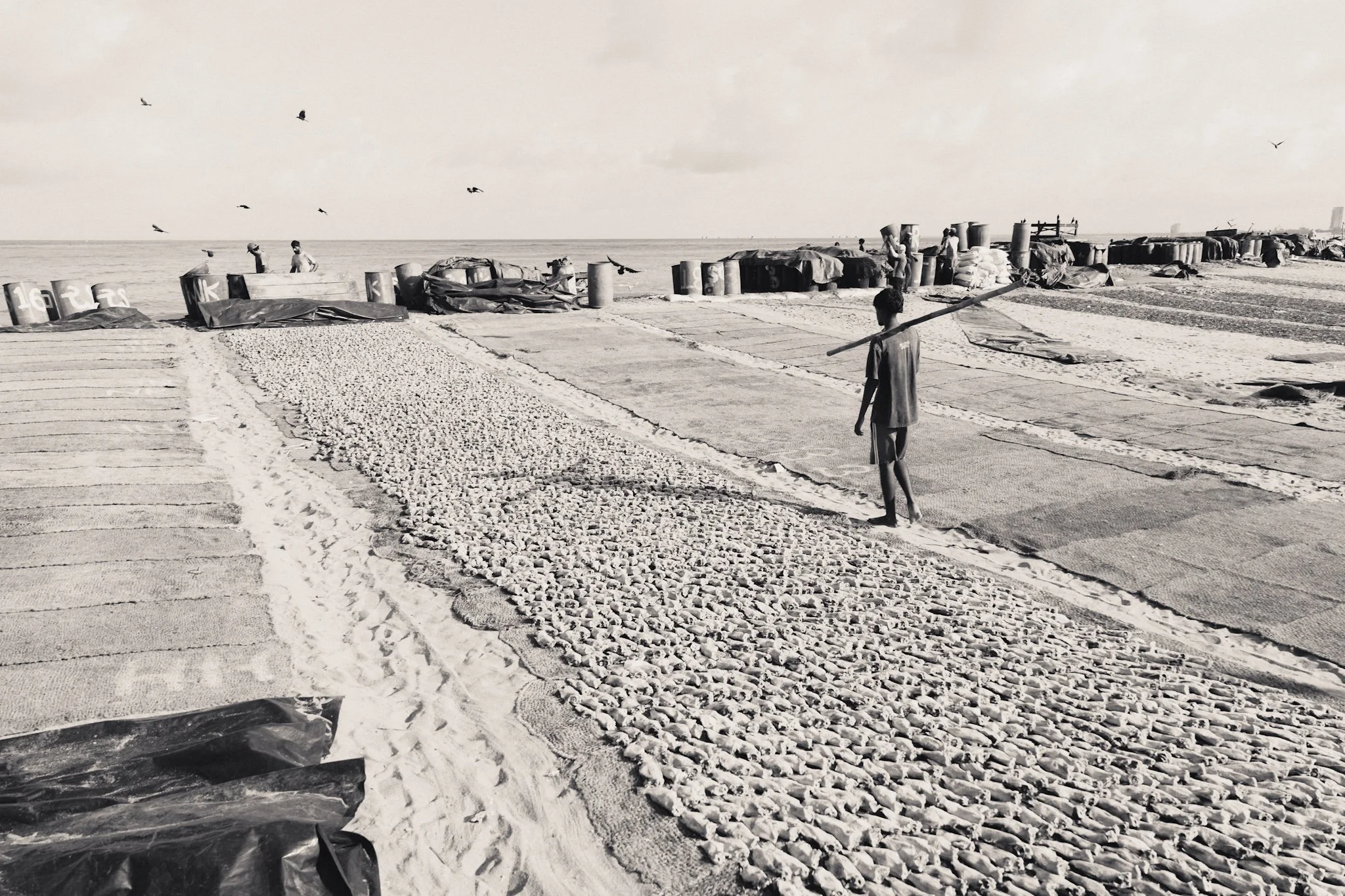
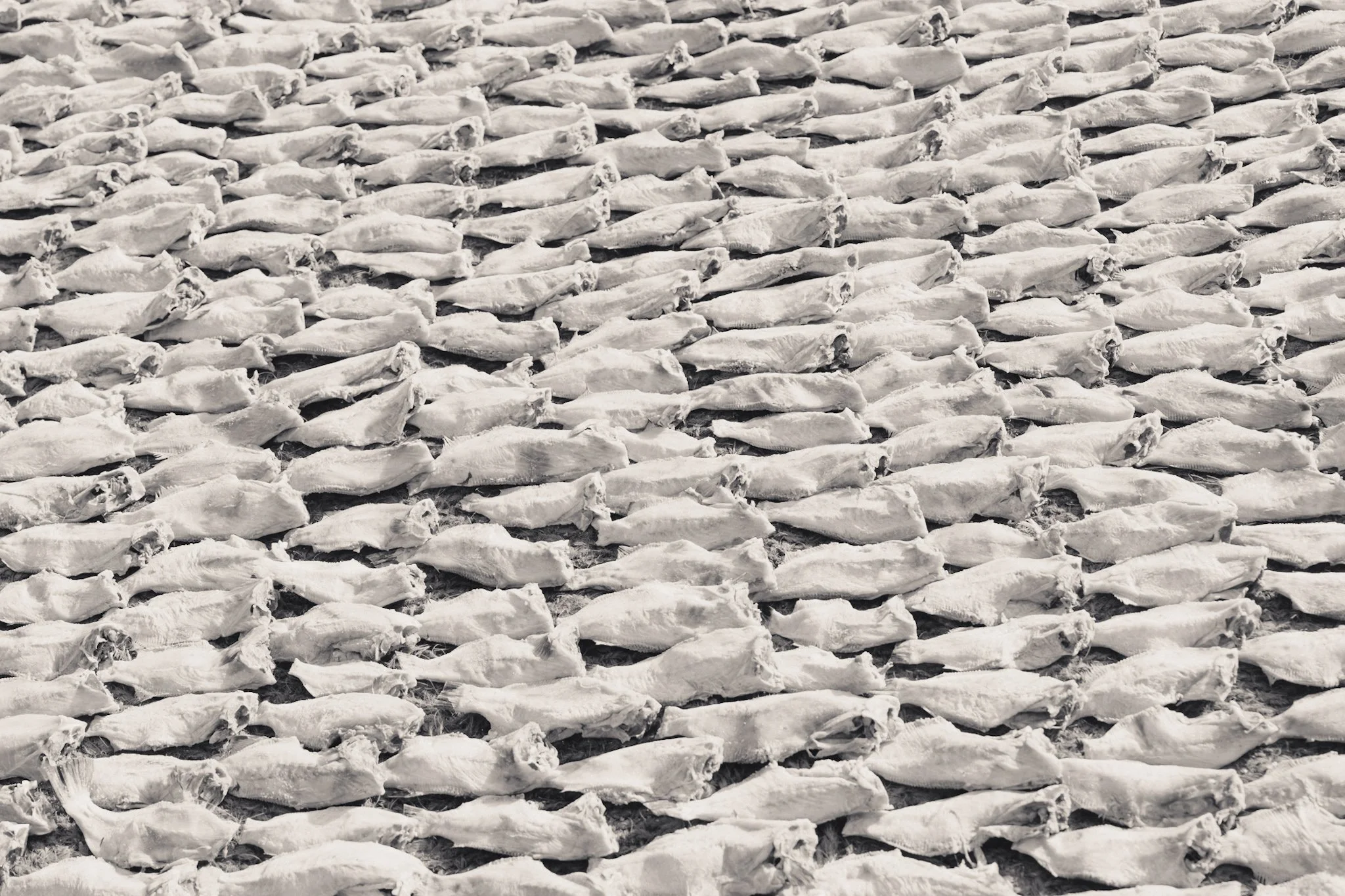
After that we headed to the dried fish processing area located about a 45 minute walk away. This area is where fish is brought in from the sea, then dried and salted. It’s cool to see, but you don’t need much time there.
Day 2&3 - Colombo
The following two days we spent in Colombo. We didn’t really do any of the touristy bits too much, instead choosing to just wander around and see what we see.
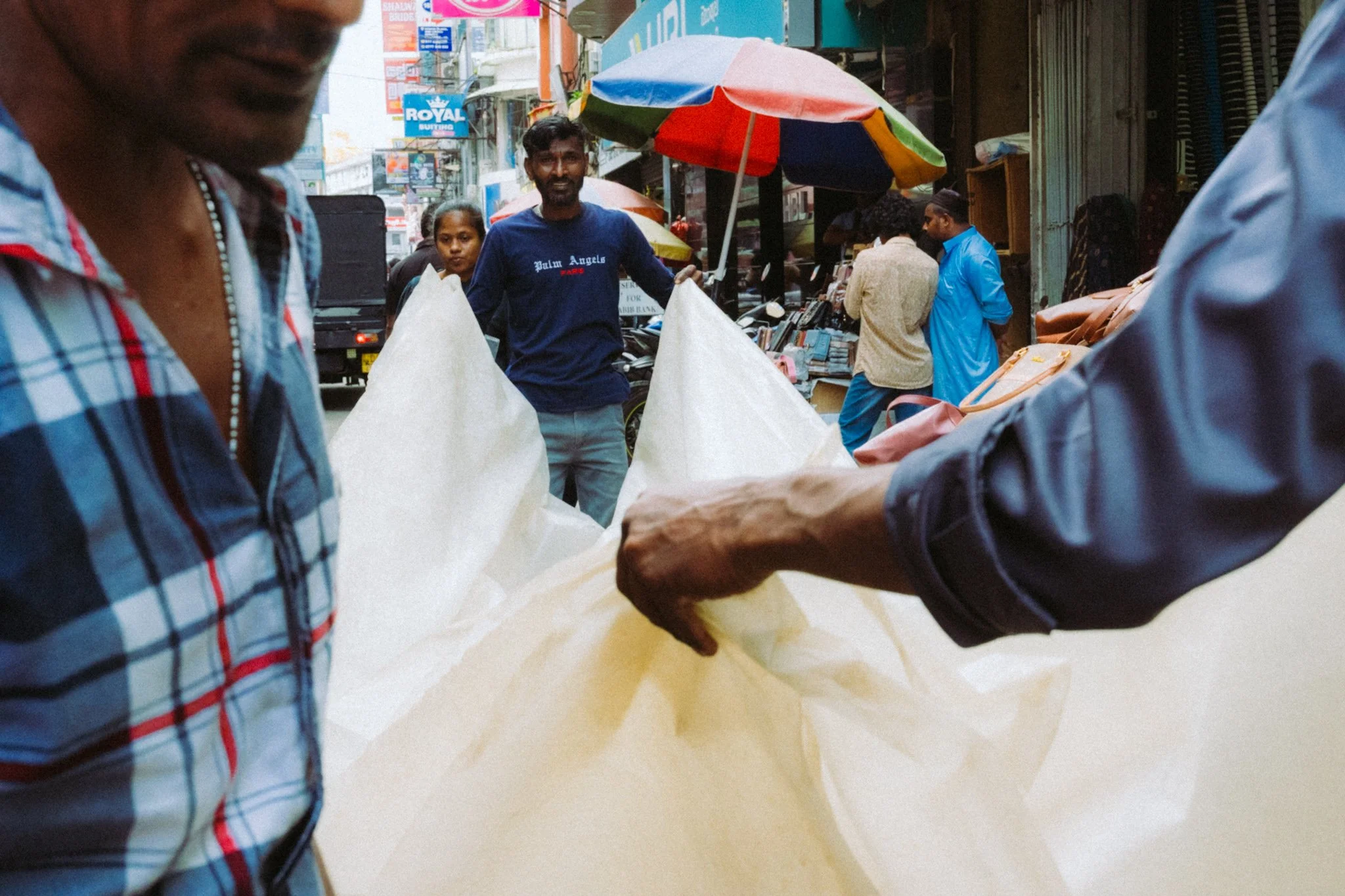
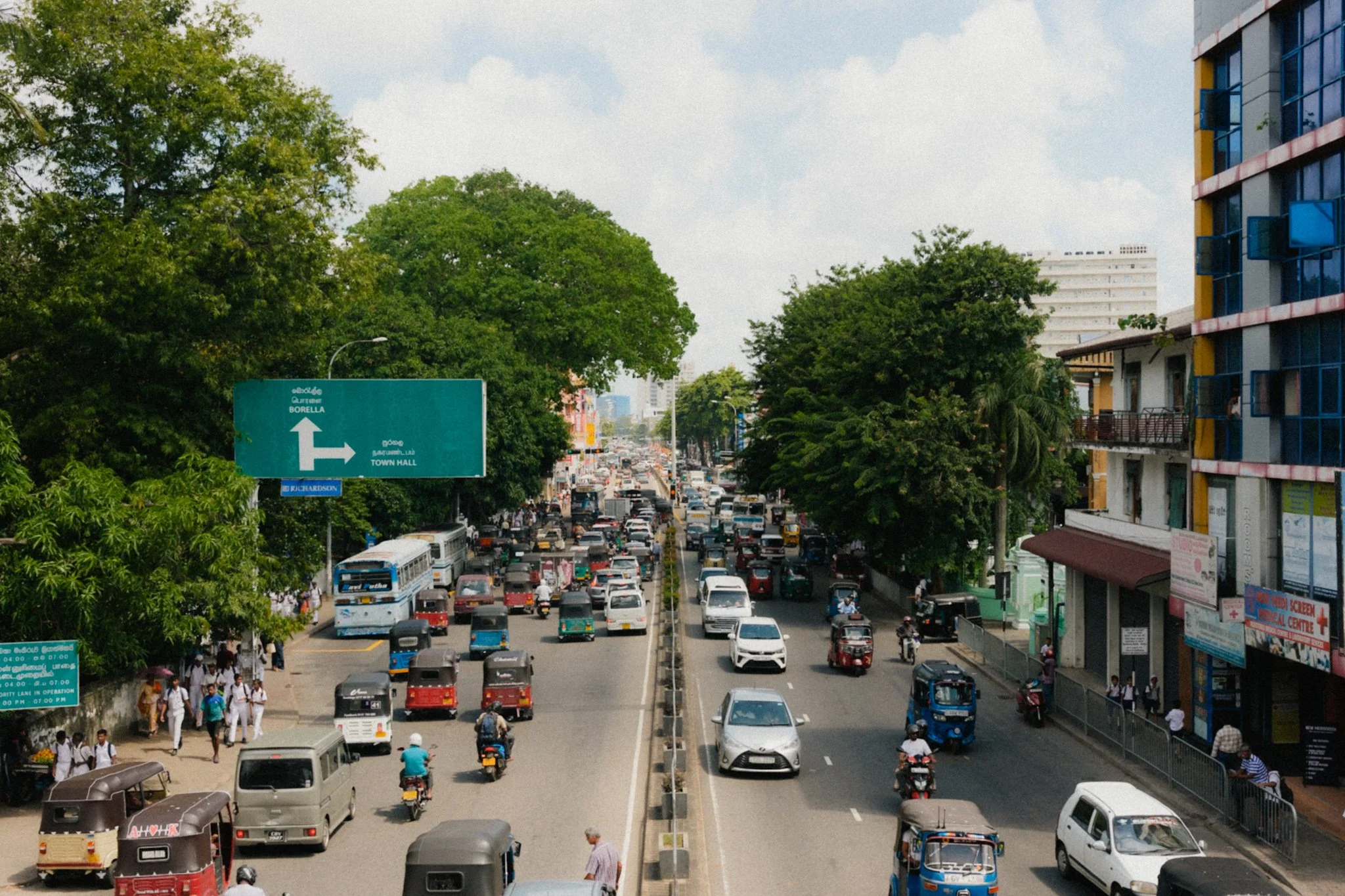
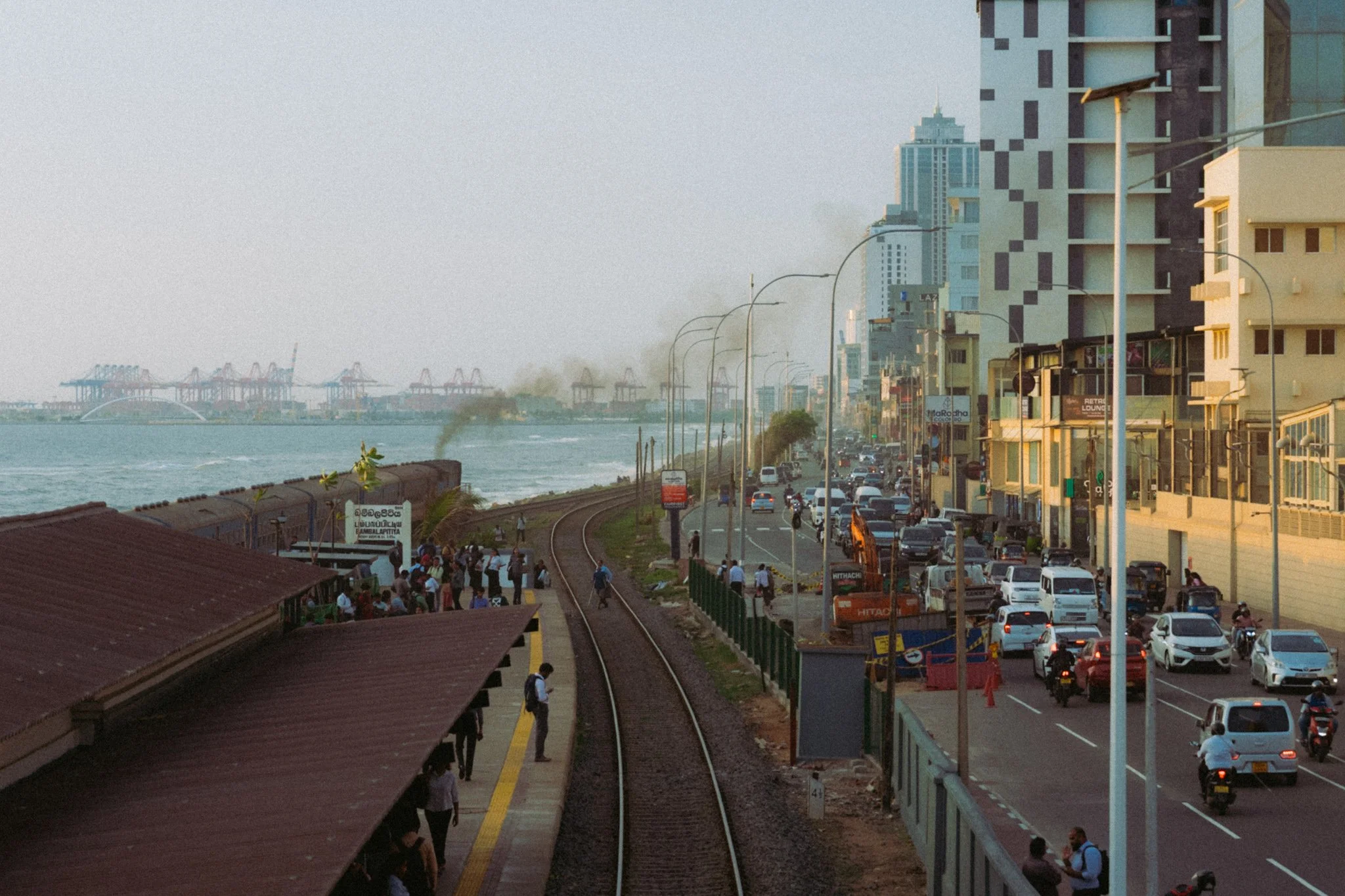
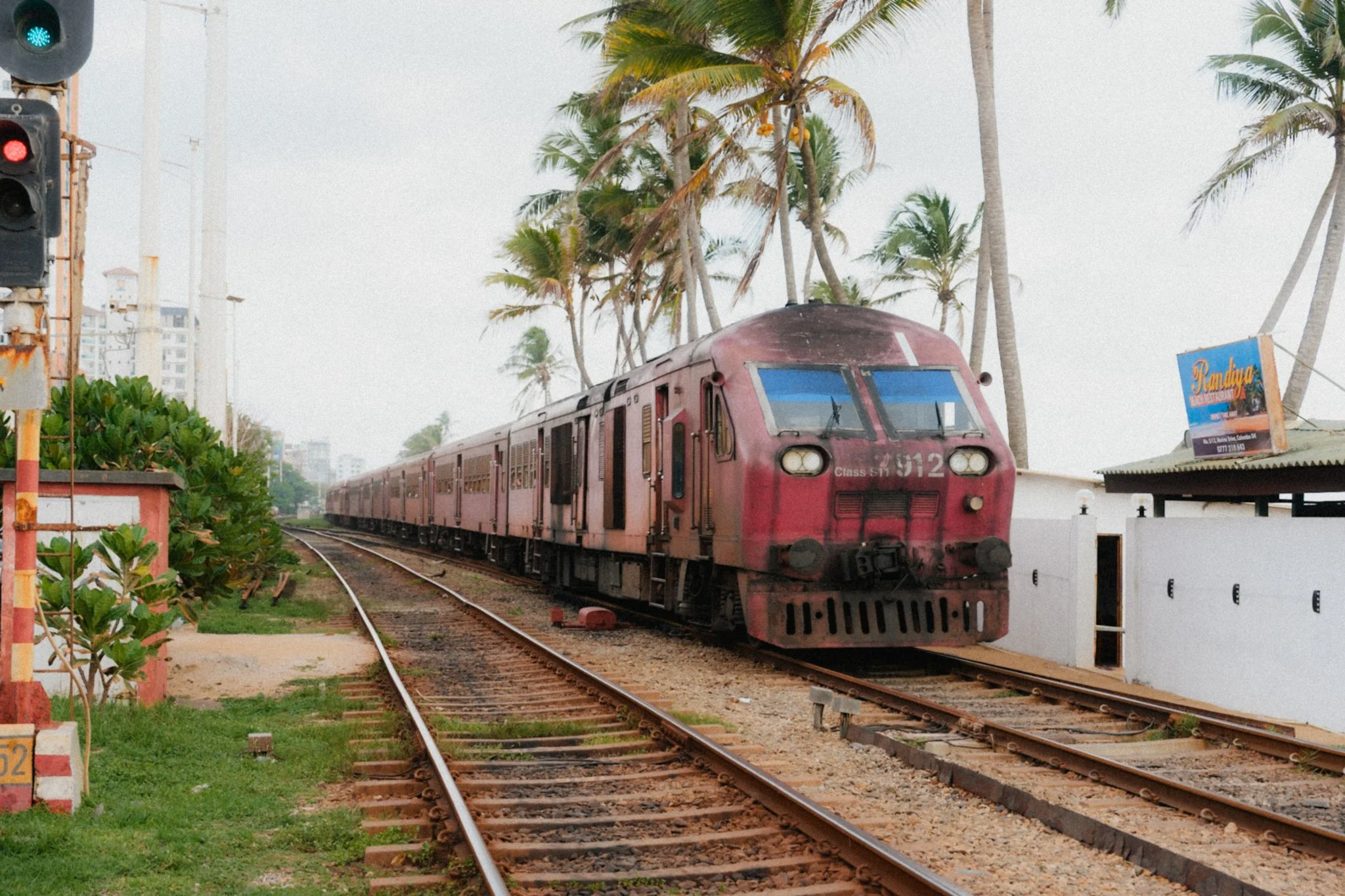
My favourite area was along the coast where the train runs. It’s a very long walk, but has so many photo opportunities along the way.
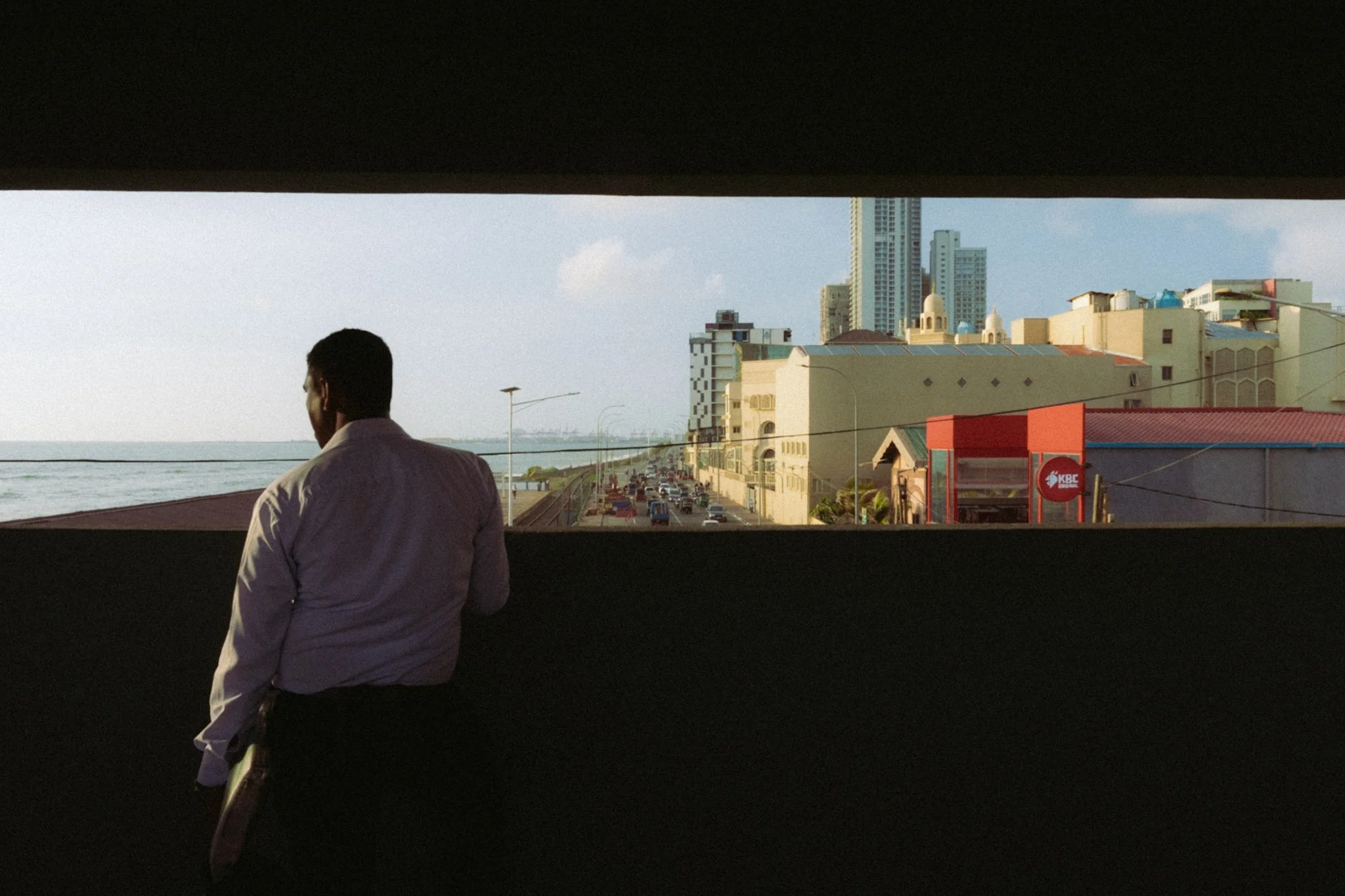
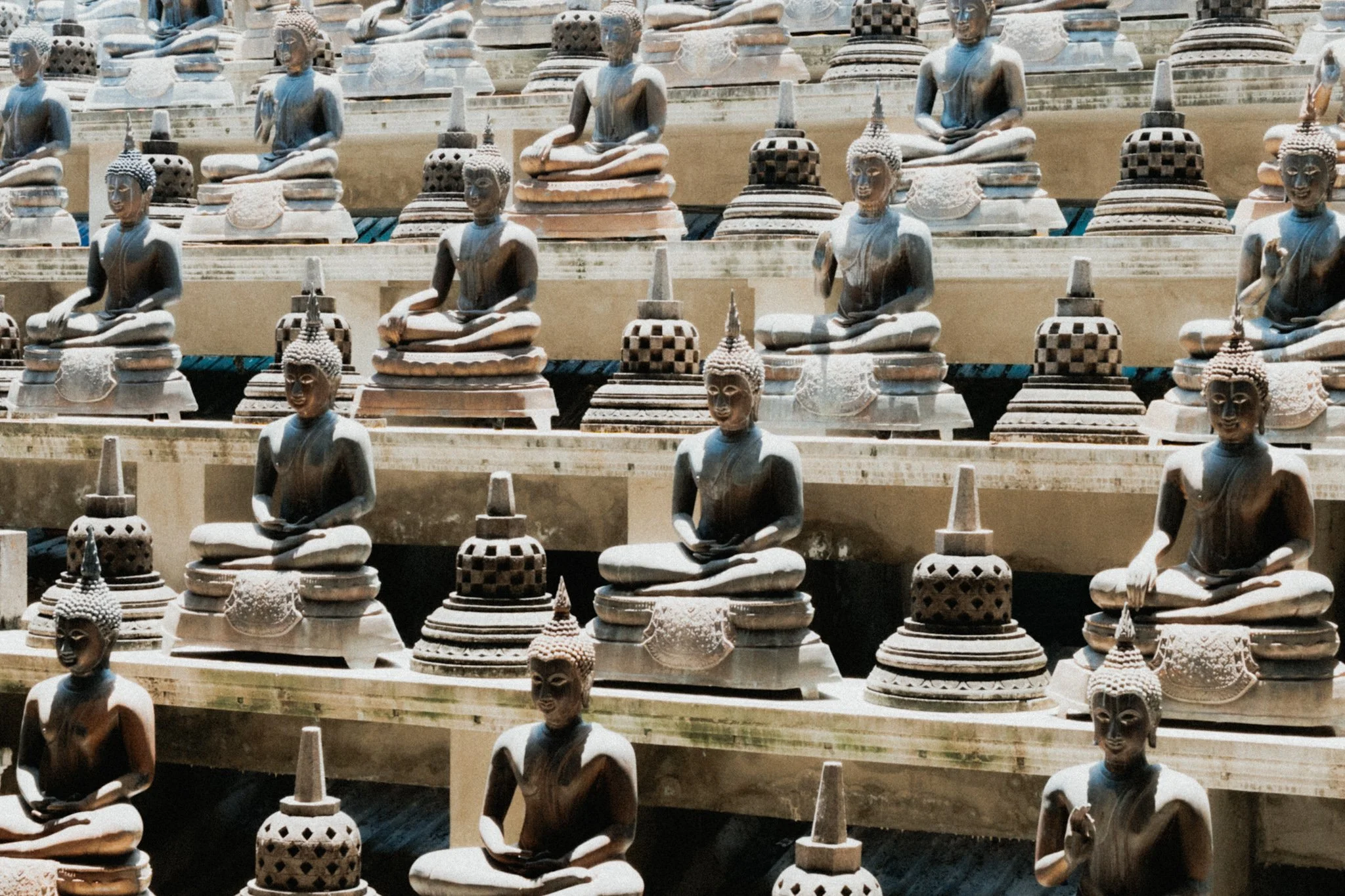
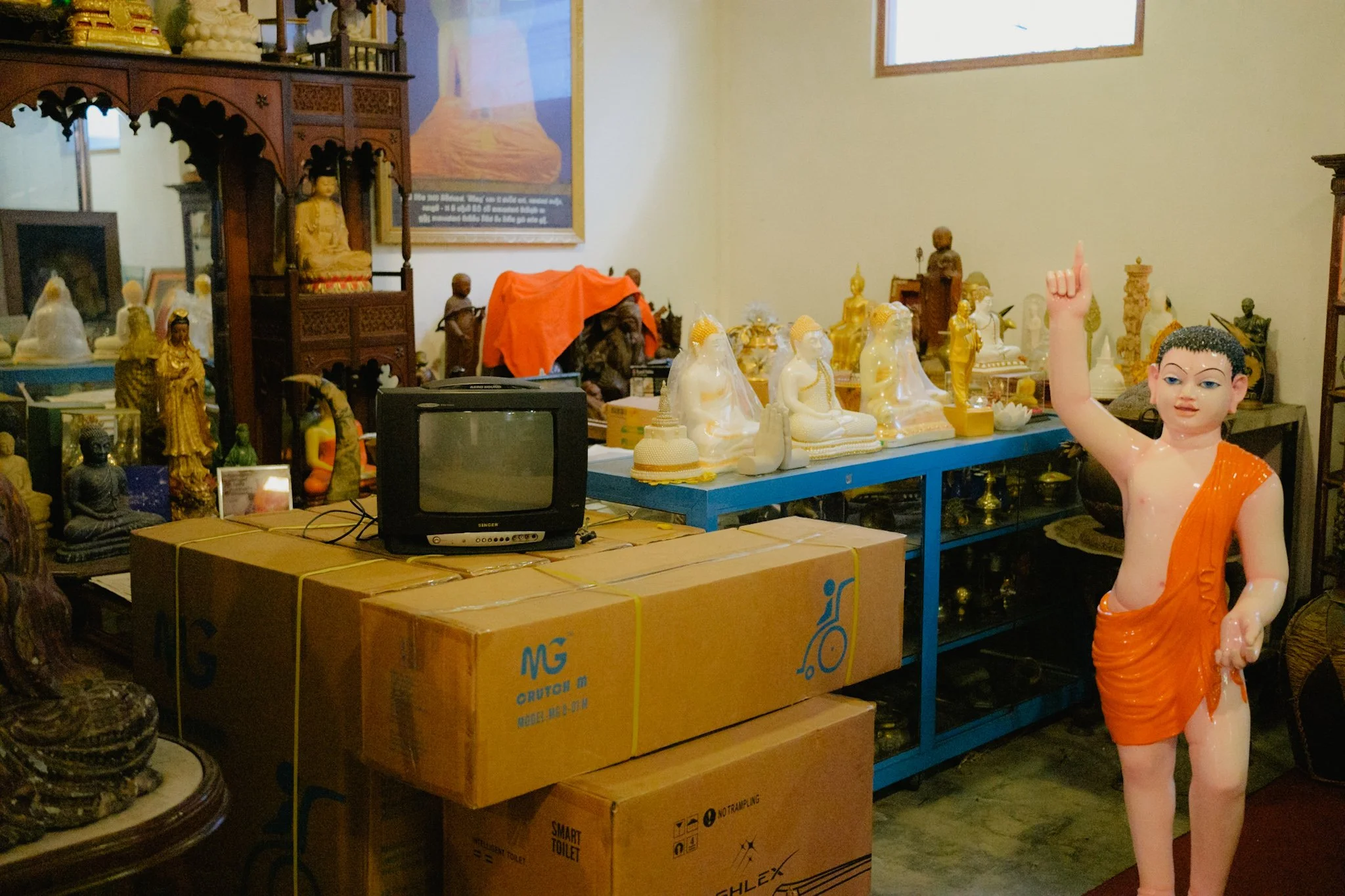
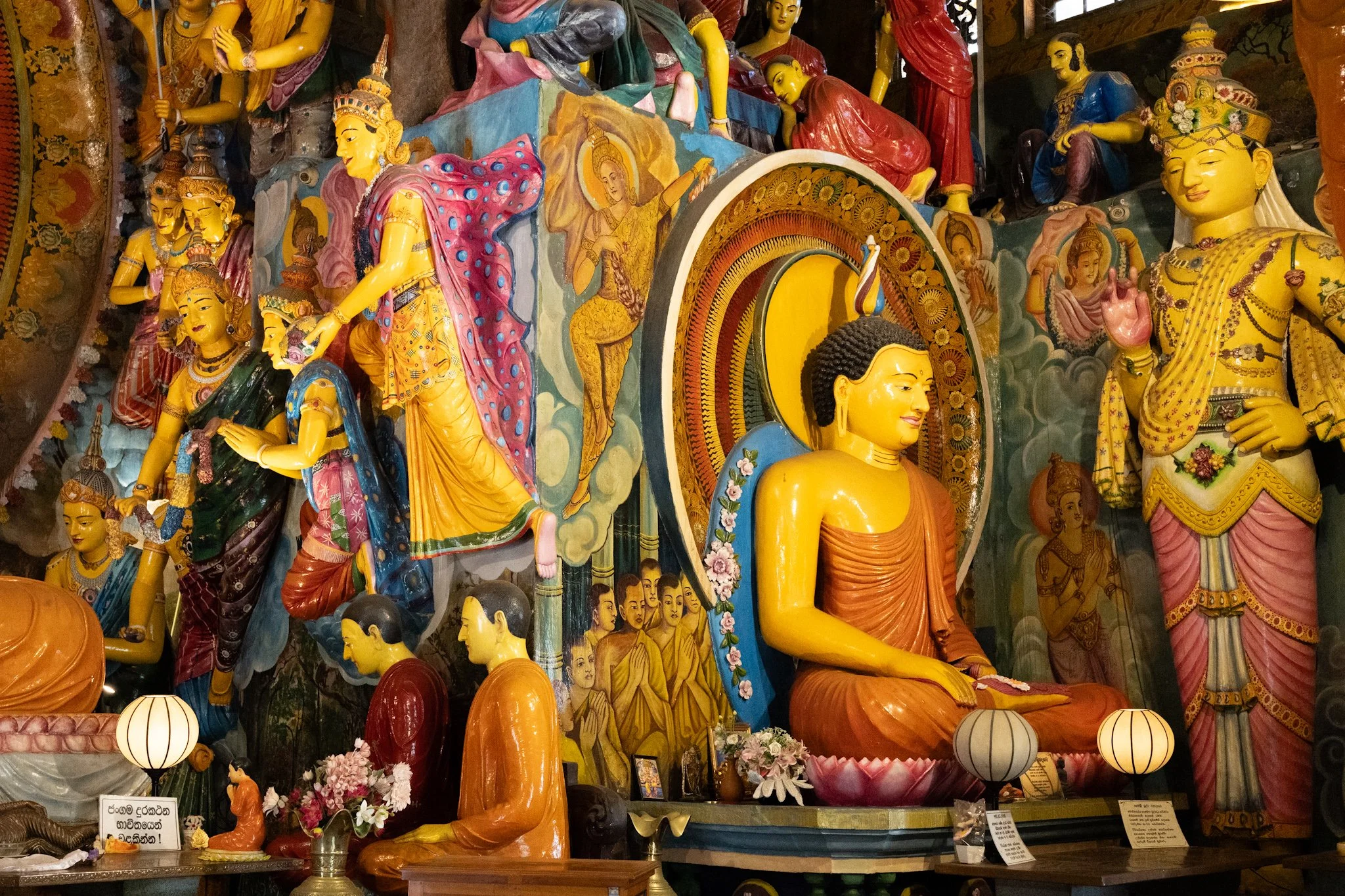
We visited Seema Malakaya Temple and Gangarama Temple. They are next to each other so it’s worth doing together. Keep in mind that shoes are forbidden, so I suggest having socks on. Also there is a strict dress code with knees and shoulders needing to be covered.
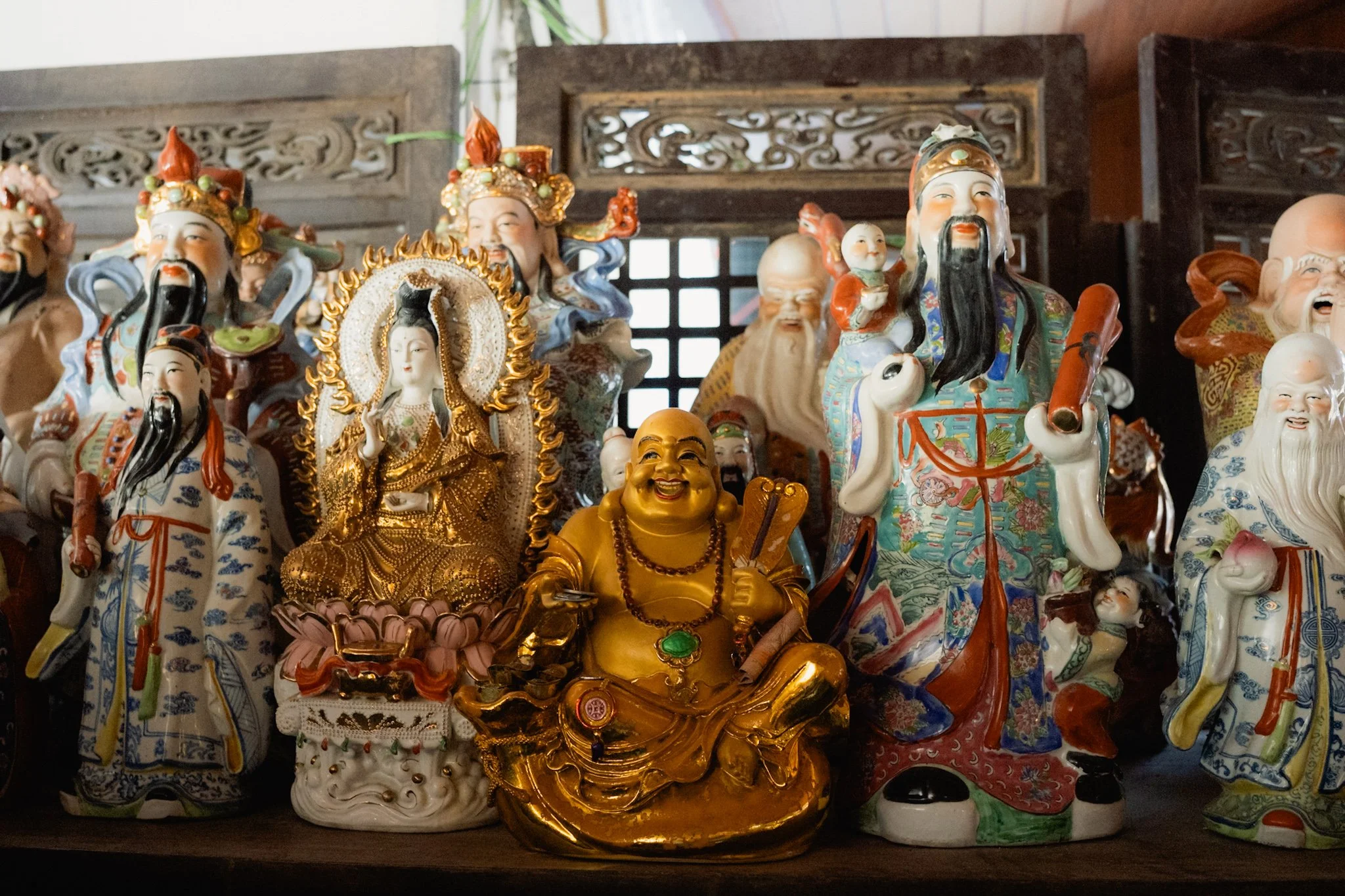
Malakaya was cool, but Gangarama was a highlight for me due to it feeling like a time capsule with vintage cameras, watches, and even cars scattered around the place. It feels like it’s still stuck in 1980, and has a unique charm to it.
Day 4 – Anuradhapura
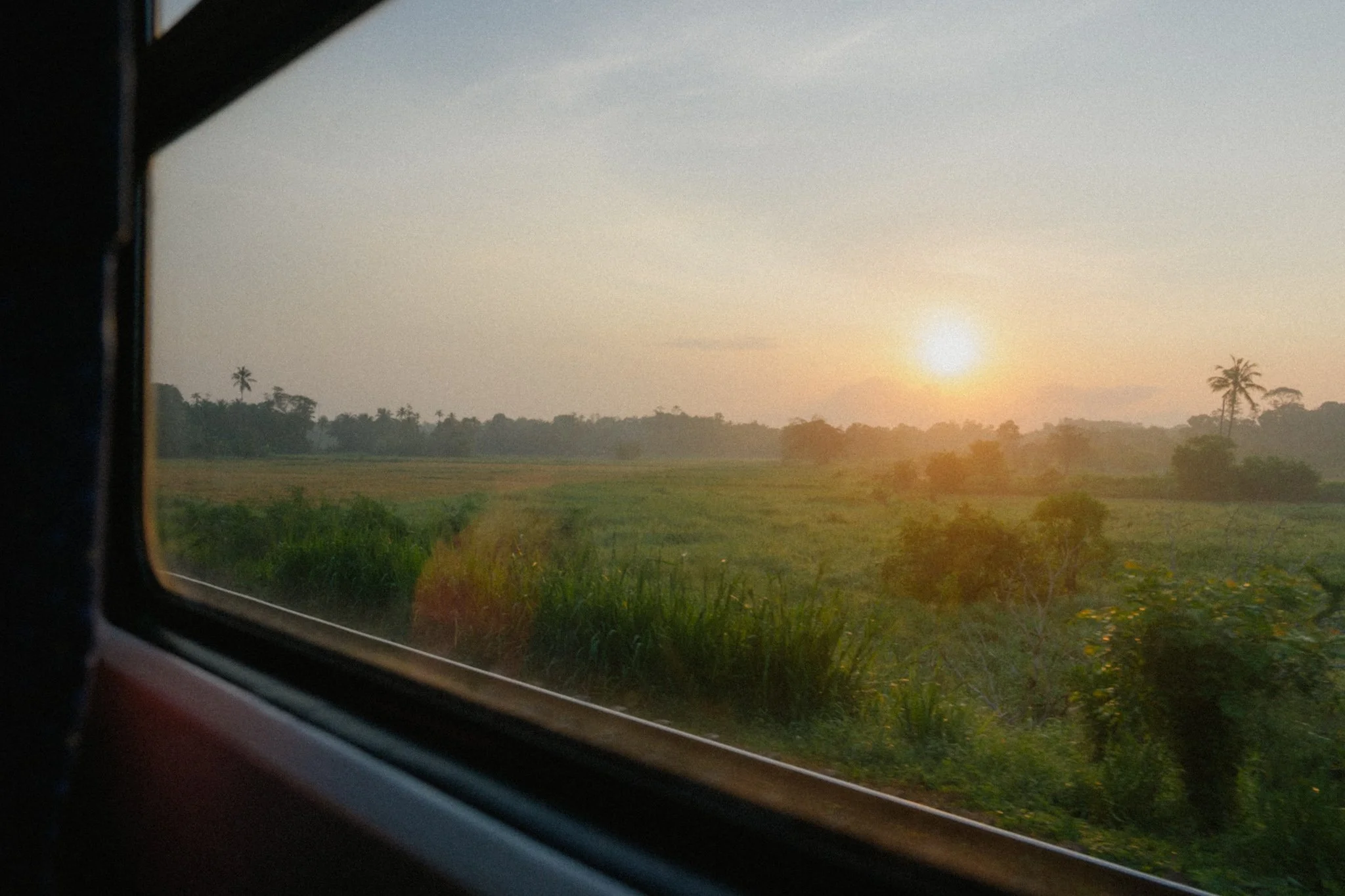
We took a train from Colombo to Anuradhapura, which turned out to be an incredibly scenic journey. Anuradhapura is a sacred city full of temples, ancient ruins, and an incredible amount of history.
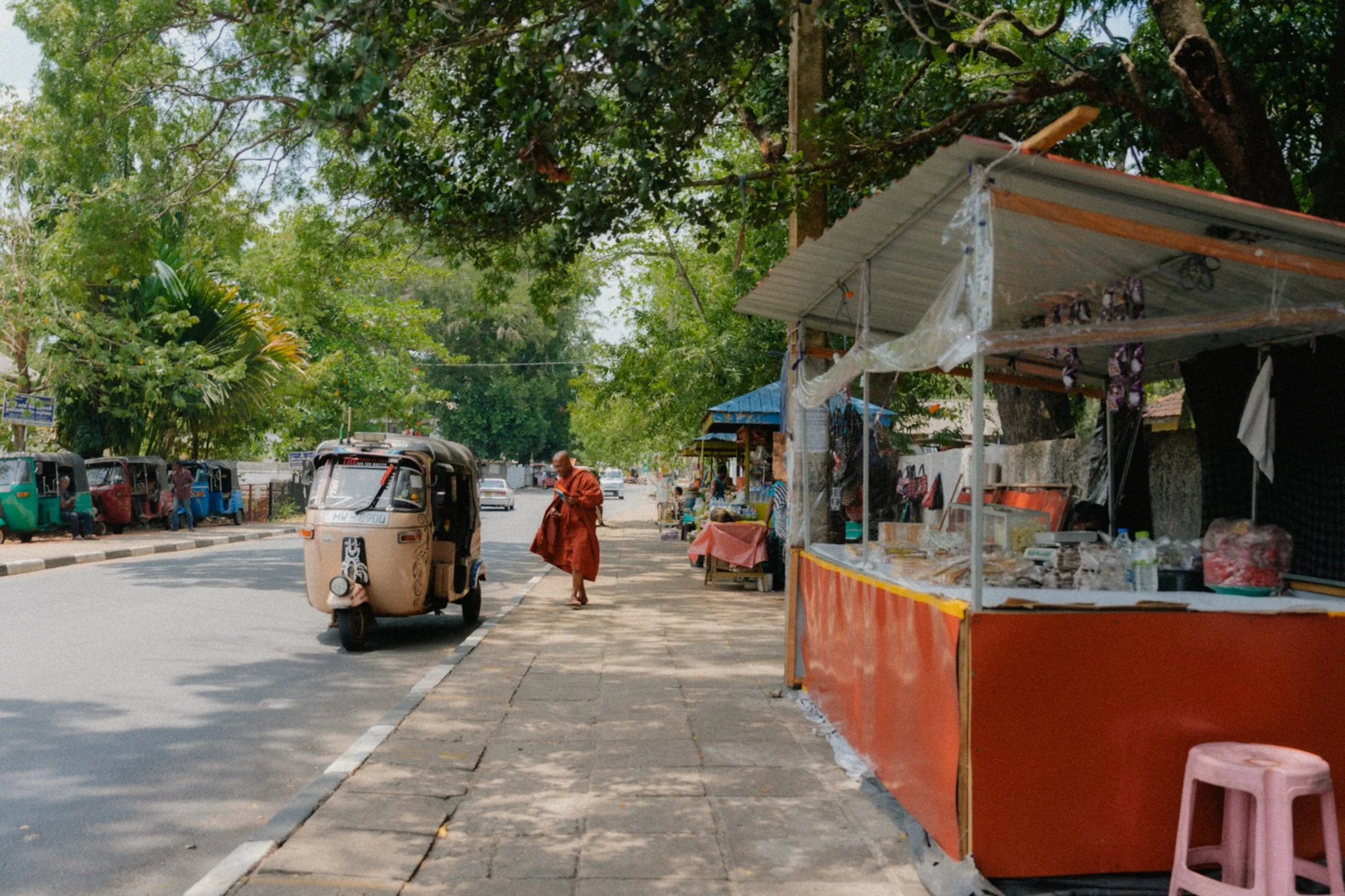
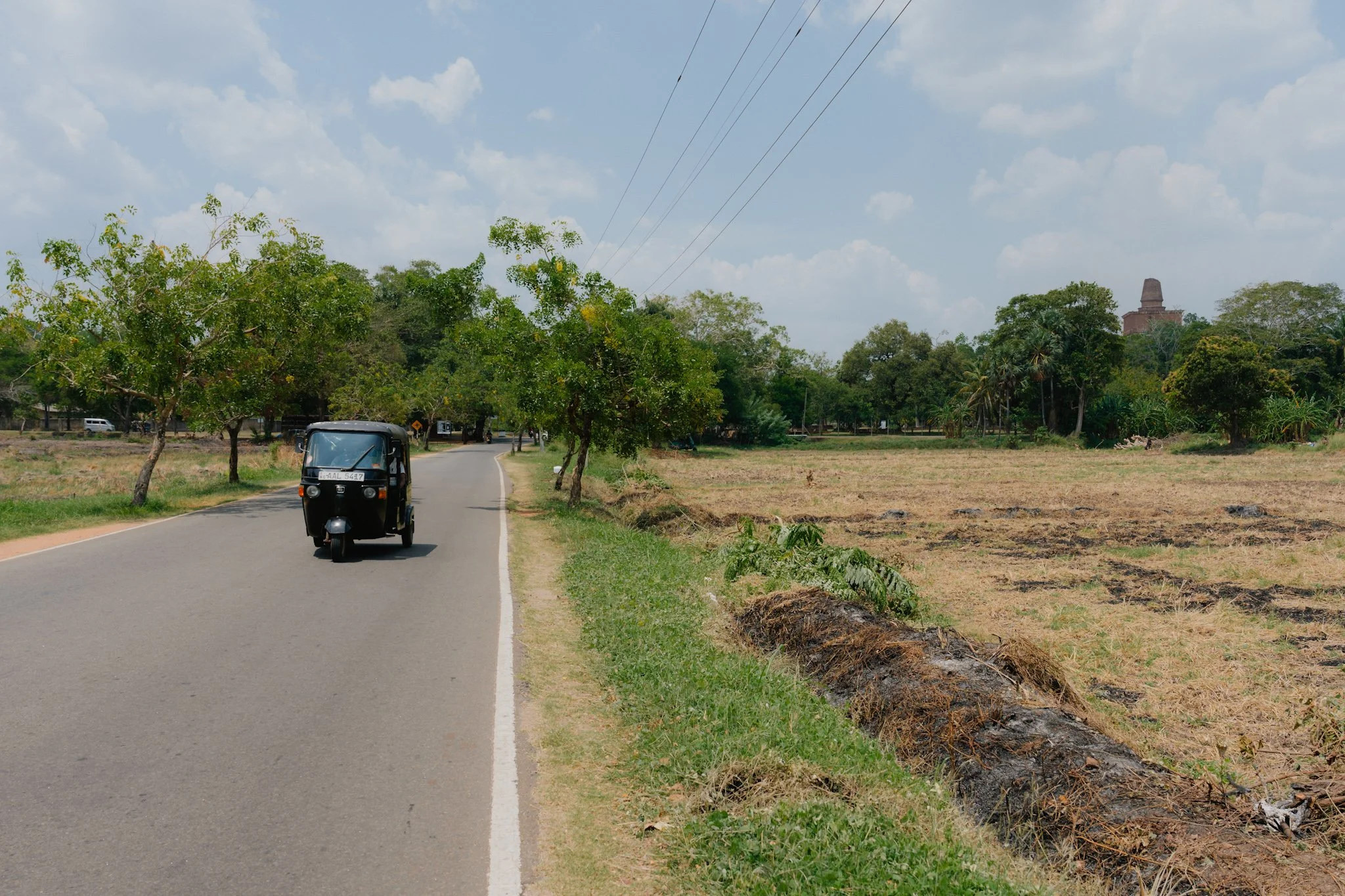
The whole area is huge, and you would need some wheels and an entire day to explore it properly. We ended up only visiting Ruwanweli Maha Seya, and even that was an extremely brief visit due to the intense heat. We explored the local area a little before taking a taxi back to the hotel. Despite sun cream, hats, sunglasses, plenty of water, and even long sleeves, we got absolutely roasted by the sun.
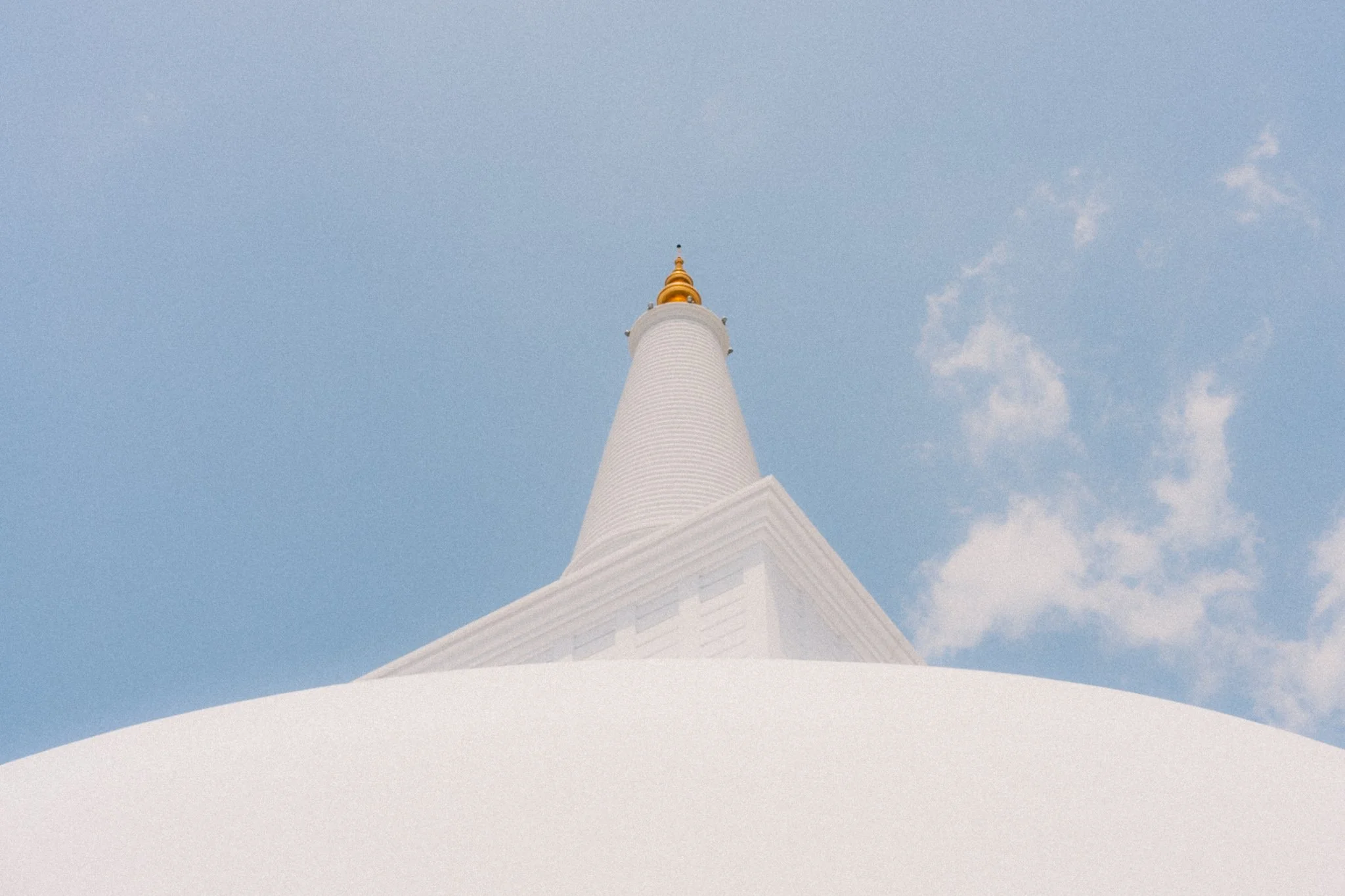
This is one part of the trip I would change. I would dedicate a full day to Anuradhapura, allowing us to start early in the morning and avoid the worst of the heat. I really can’t describe just how much the heat impacted us that day.
I would also hire a local guide with a tuk-tuk to take us around the entire area. While we technically visited Anuradhapura, I don’t feel we truly saw or appreciated it.
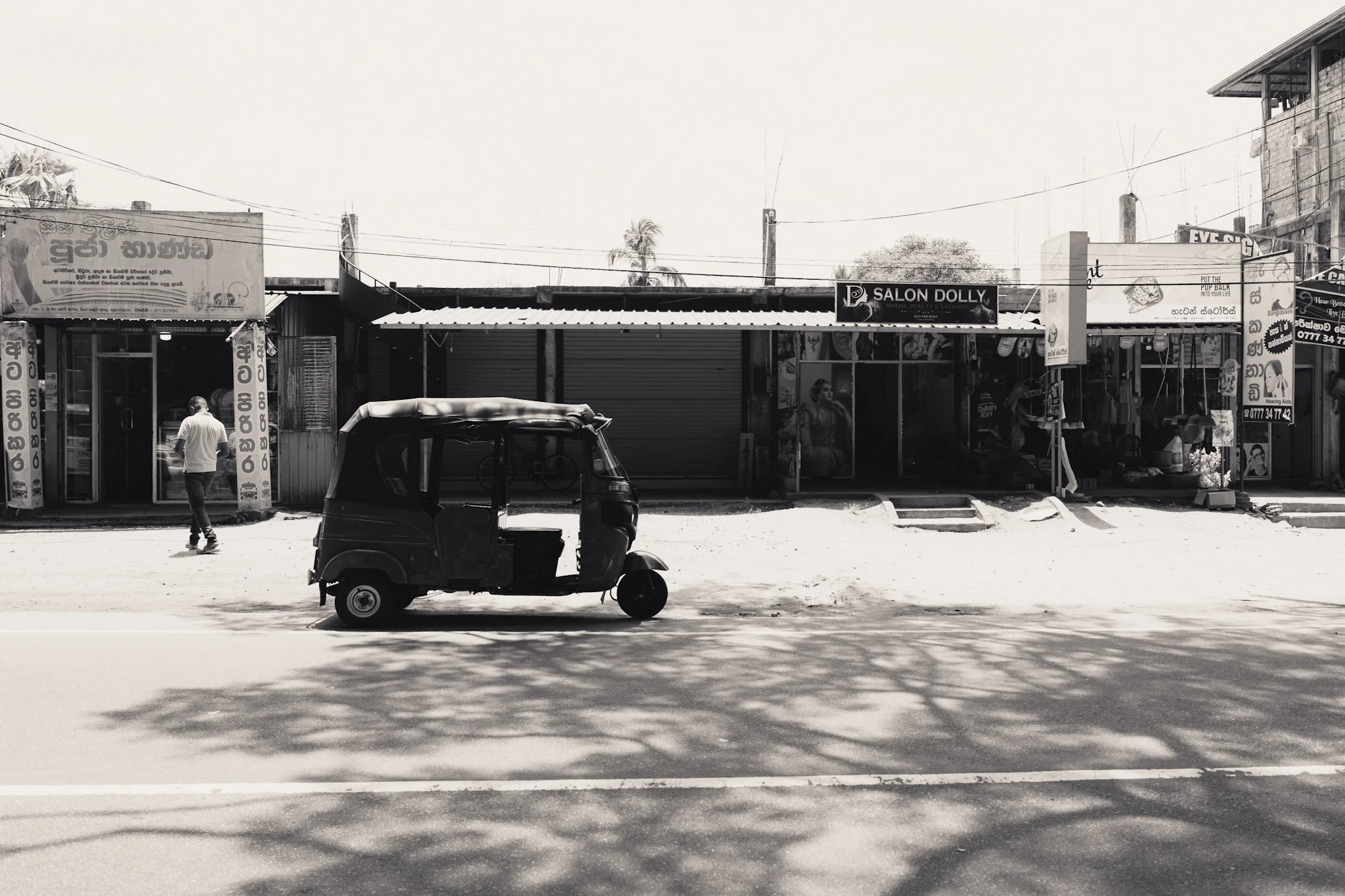
Days 5 & 6 – Sigiriya
The following two days were spent in Sigiriya. We made sure to arrive at the hotel early so we could make the afternoon safari. Safaris tend to run either early in the morning or in the afternoon, continuing into the early evening, as animals generally seek shelter from the heat during the day.
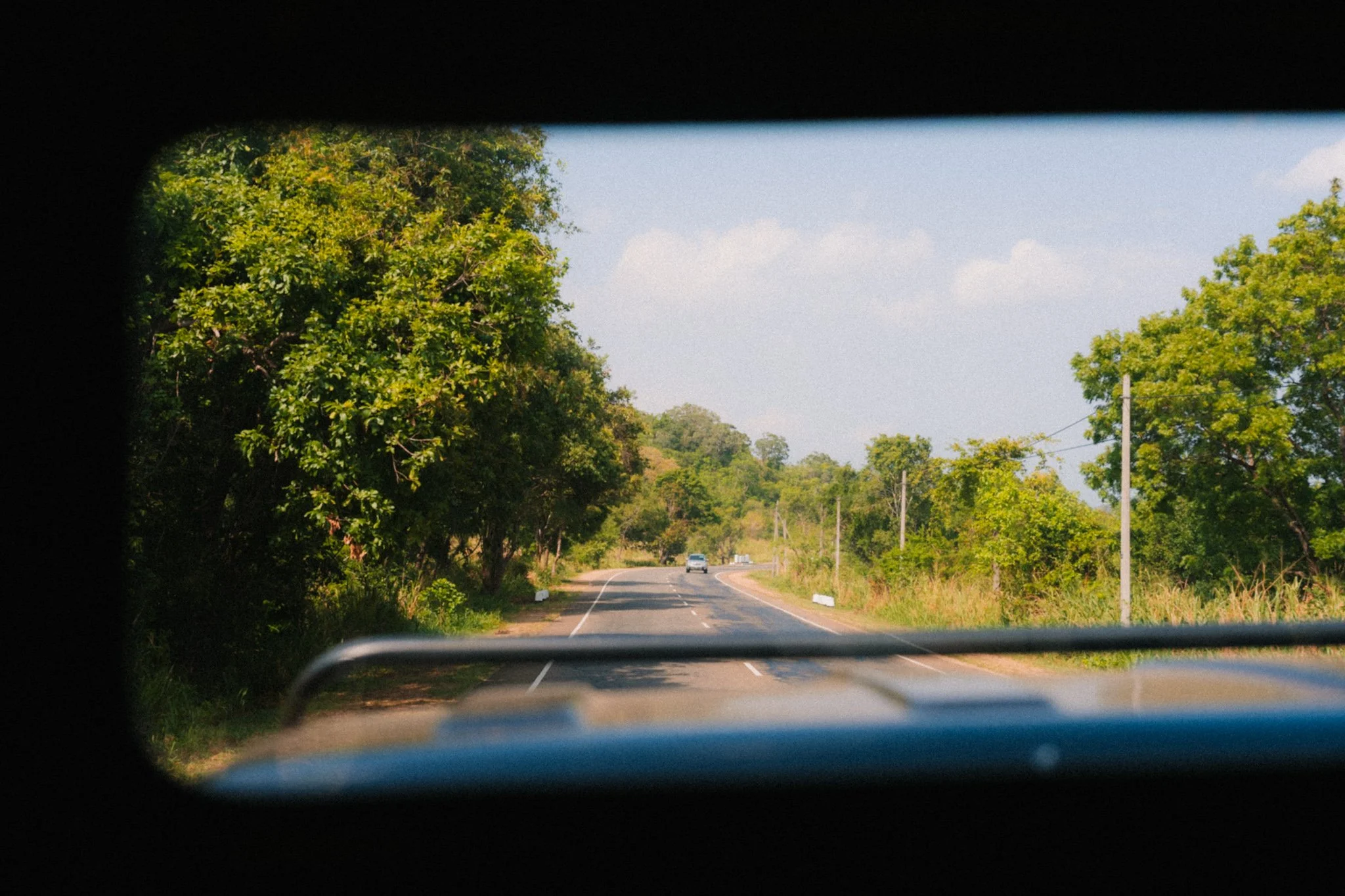
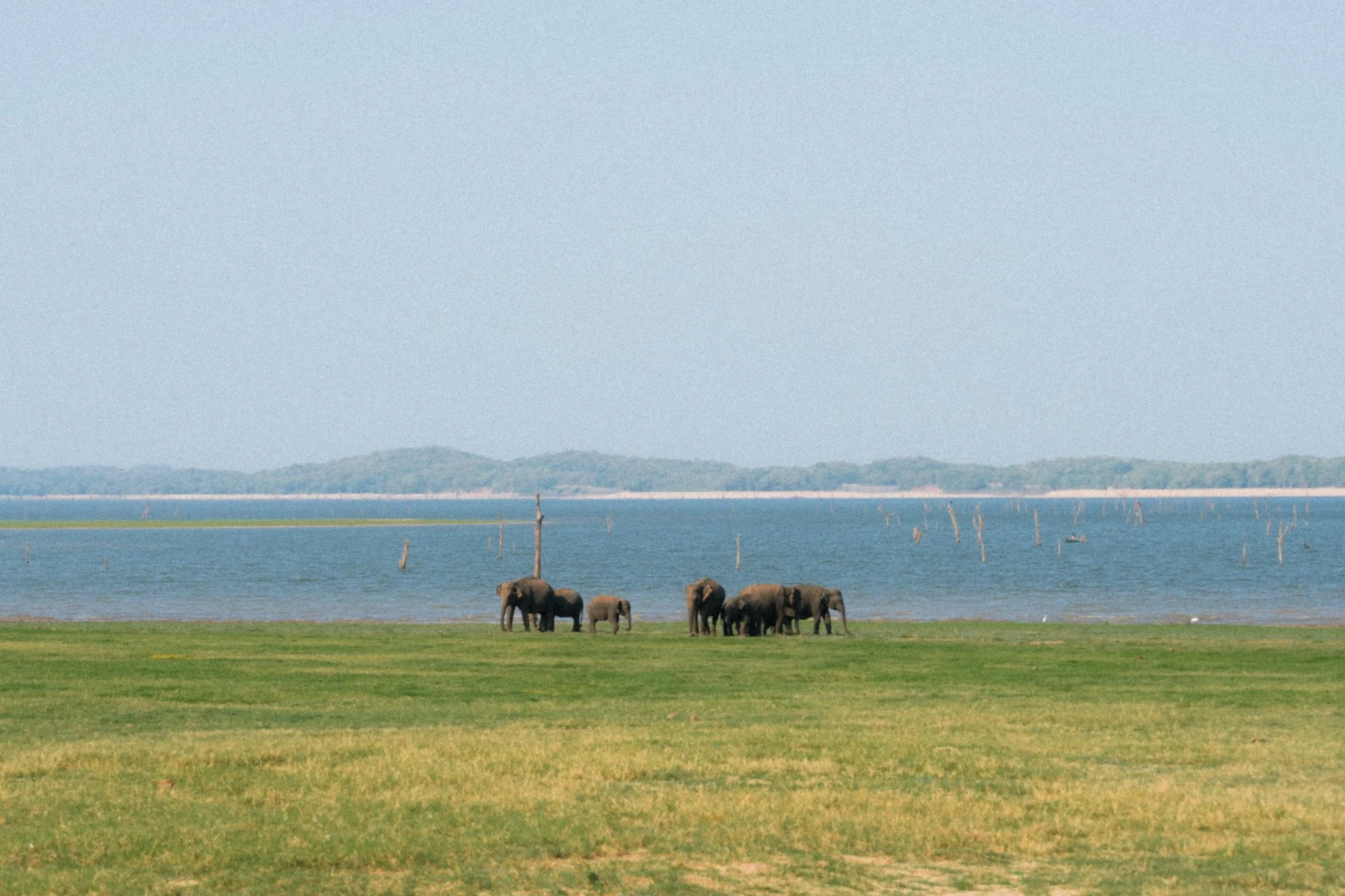
The safari was great, with plenty of space and respect given to the animals. The main attraction was the elephants, although we also saw many different bird species, lizards, and even a mongoose.
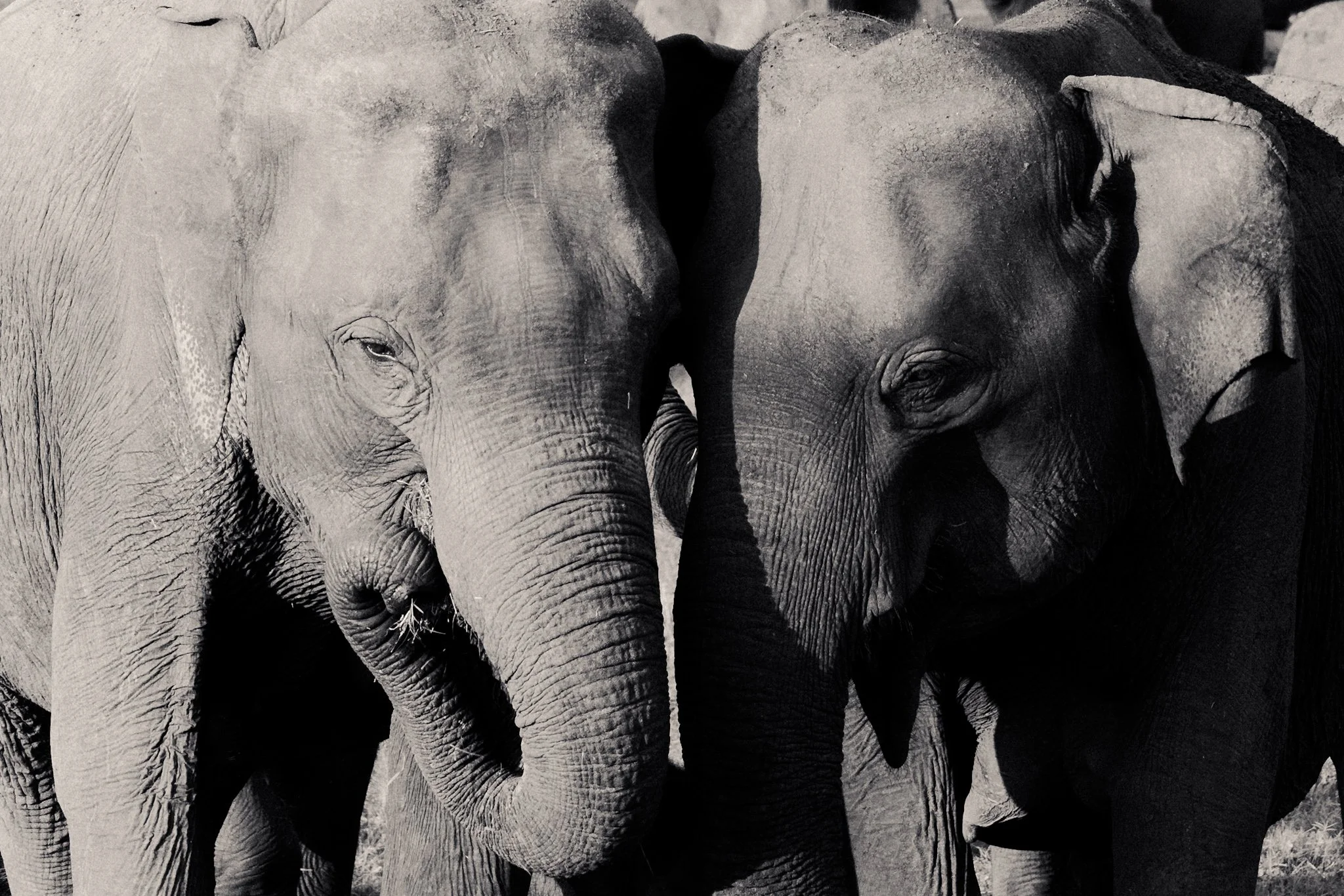
The next morning, we had planned a sunrise hike to Pidurangala Rock. However, we overslept, which turned out to be a blessing in disguise.
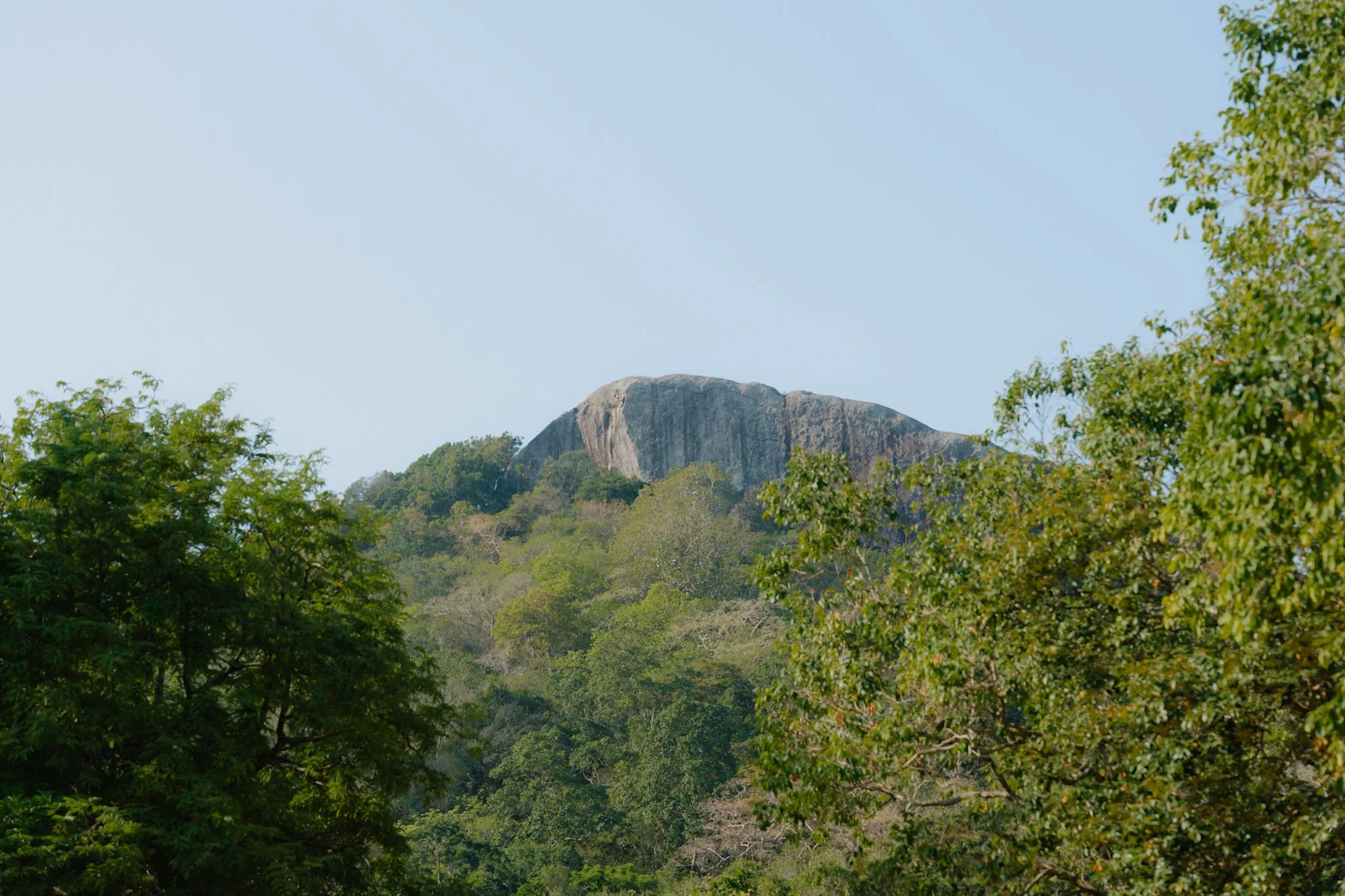
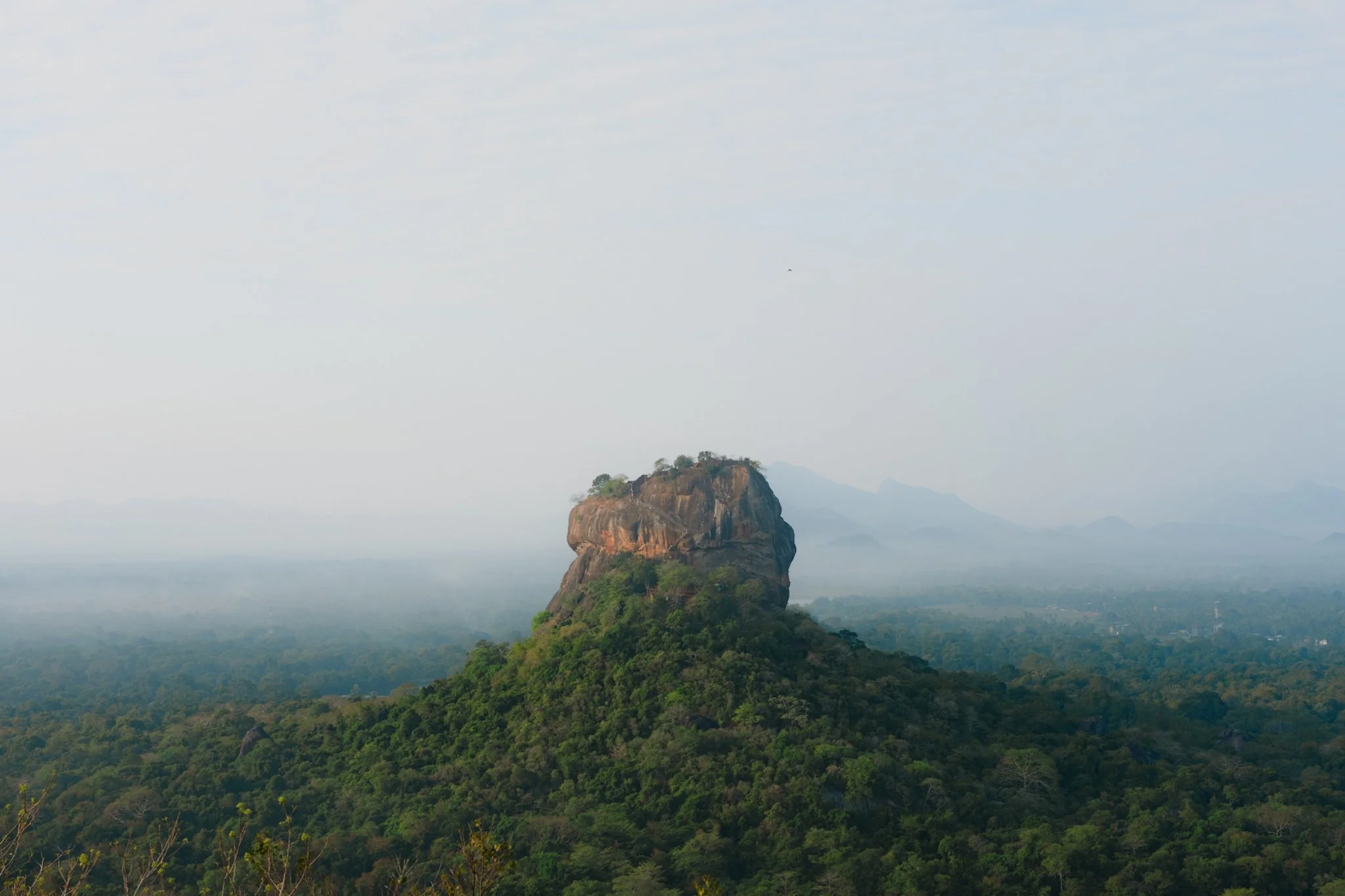
There are two main rocks to climb in Sigiriya. Lion Rock is the more popular and touristy option, with a fairly straightforward climb up a series of staircases. Pidurangala is a little rougher around the edges, with uneven stone steps and even a scramble near the top, although this can be avoided by taking a newly built staircase.
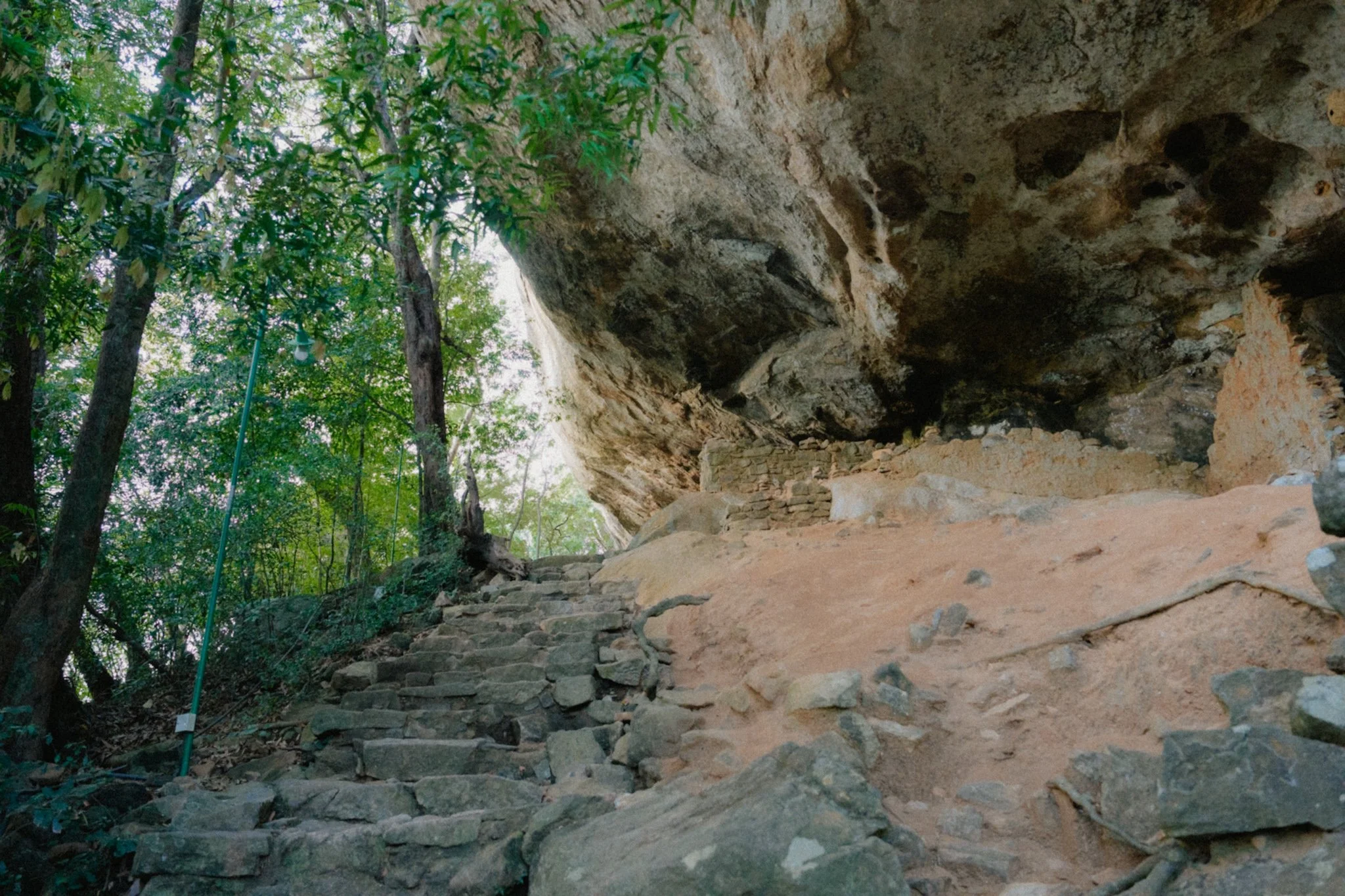
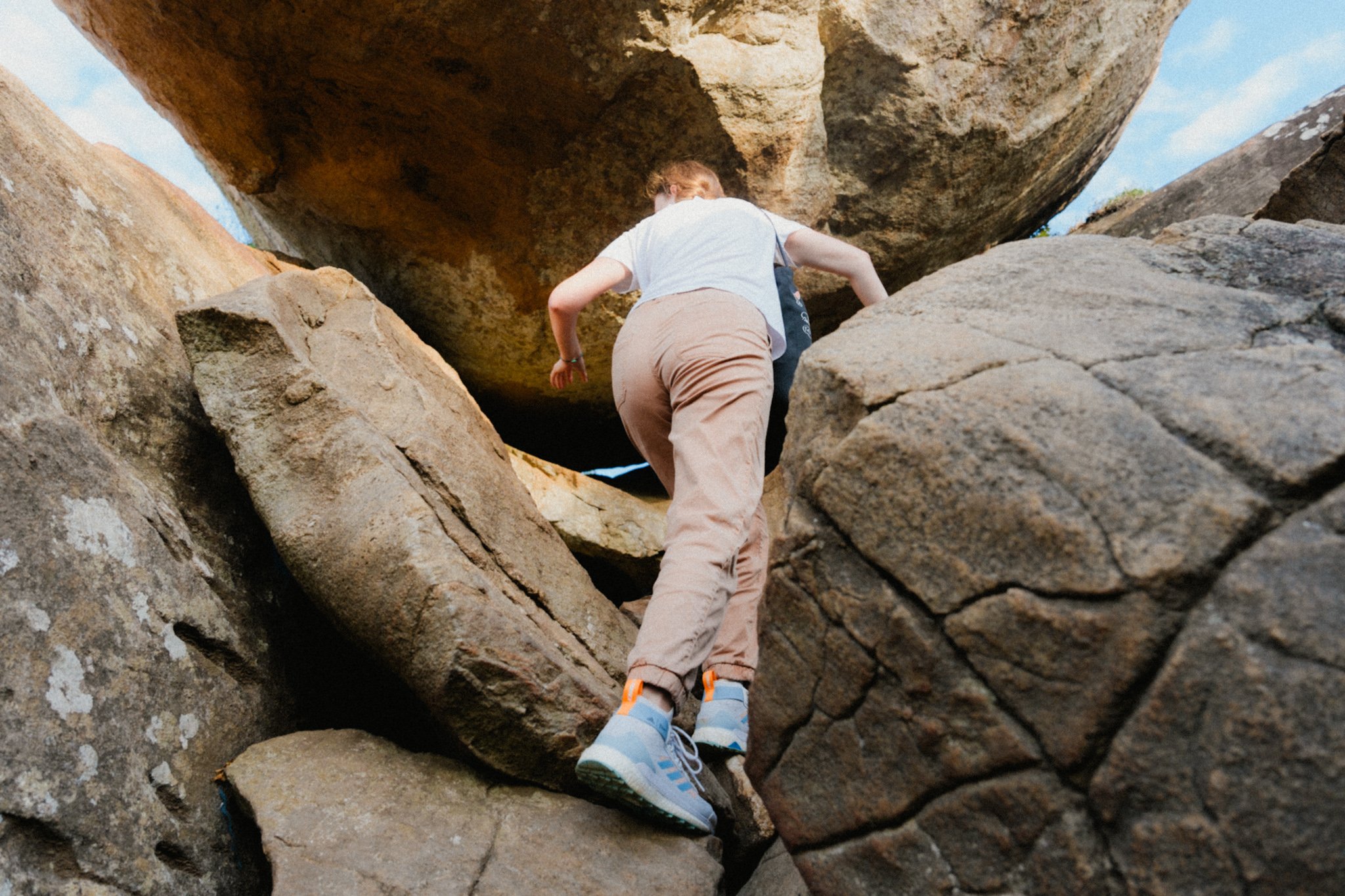
Personally, I would recommend Pidurangala Rock because you’re rewarded with stunning views of Lion Rock itself.
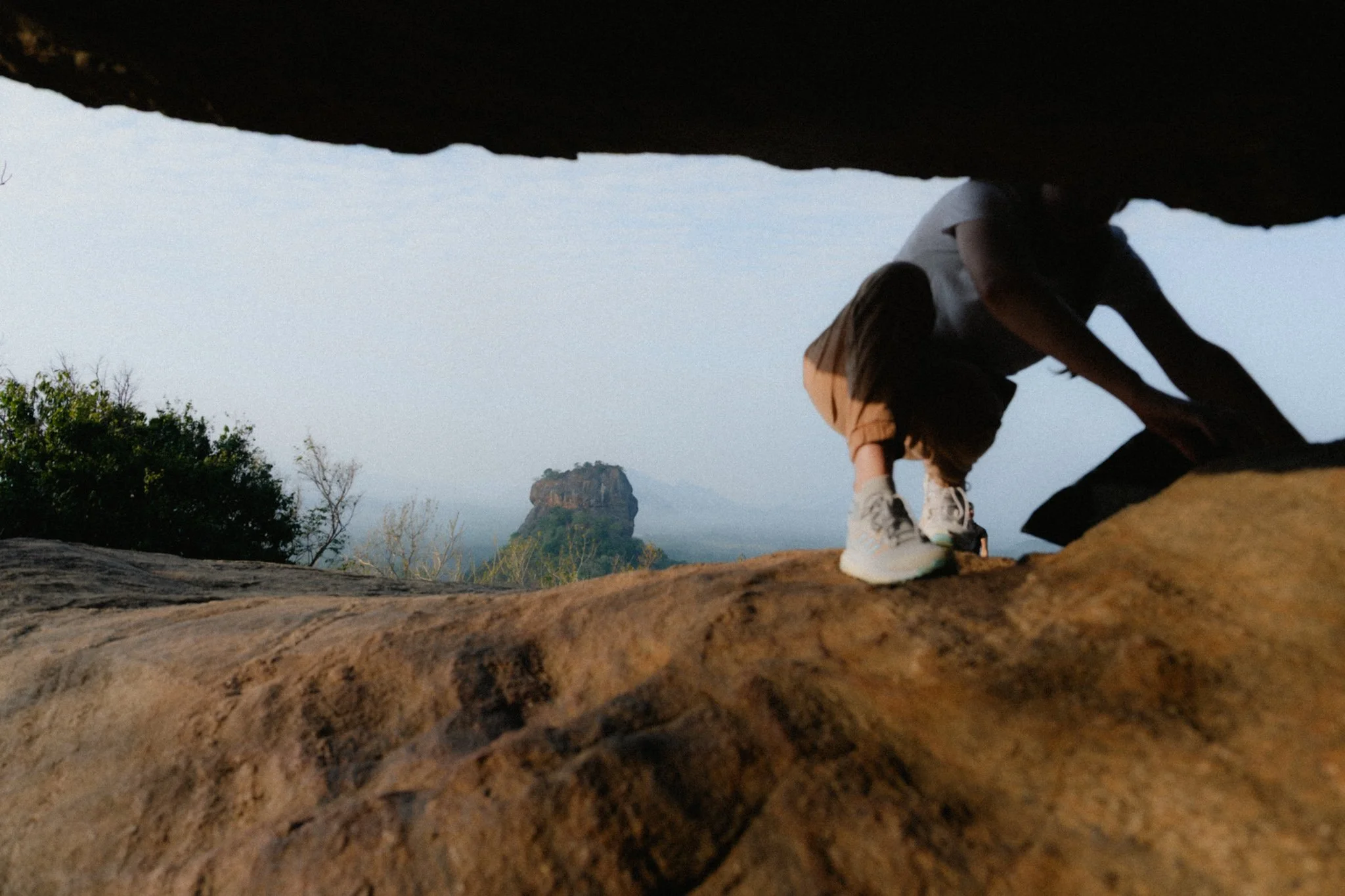
Now, back to missing the sunrise and why it turned out to be a good thing. We were supposed to start climbing at 6am but didn’t arrive until 7am. We assumed it would be busy, thinking most people wouldn’t bother getting up for sunrise.
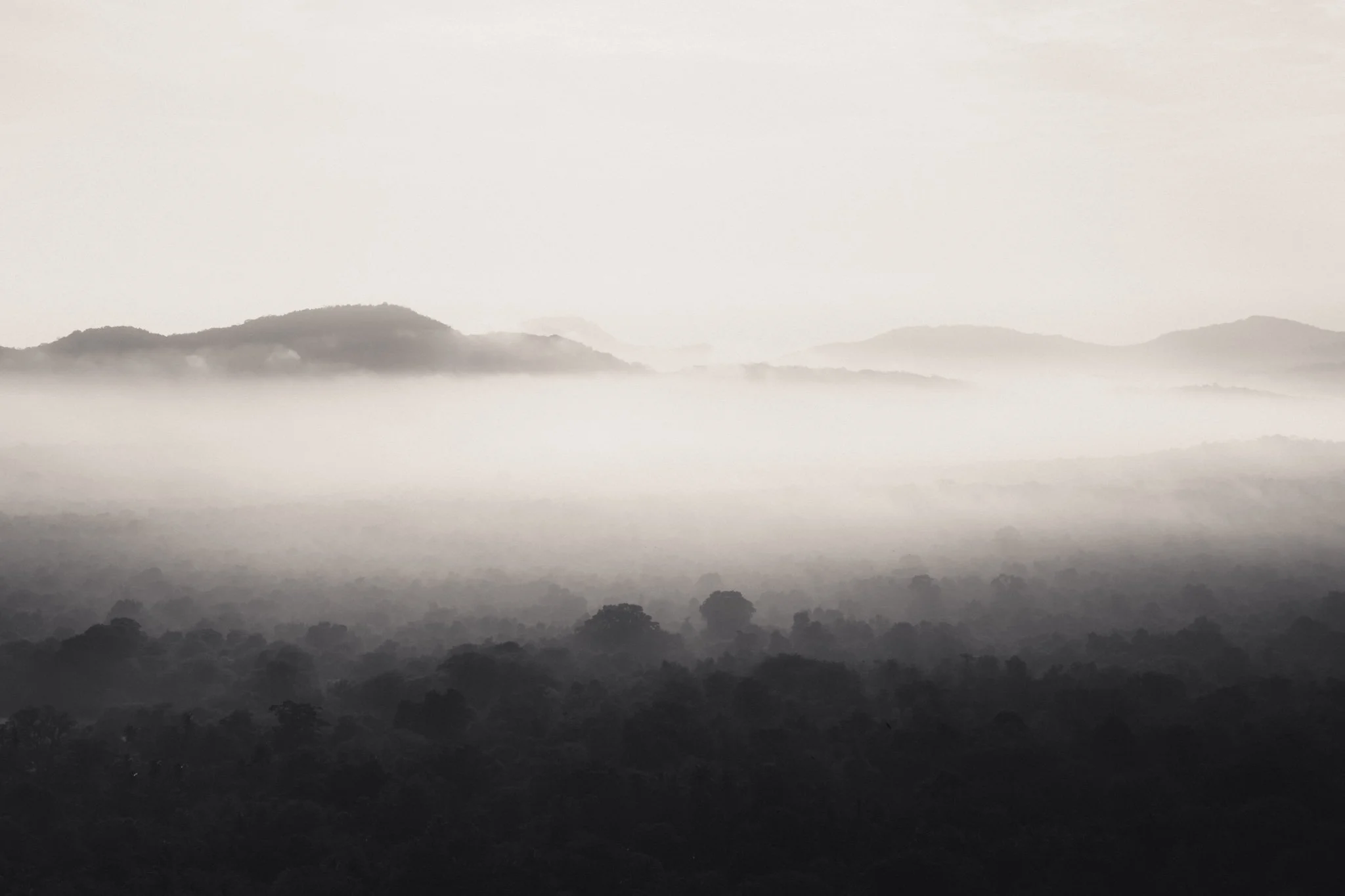
This is where we were pleasantly surprised. As we started climbing, we encountered an endless stream of people coming back down, but not a single person going up. It seems most people had gone for sunrise and left shortly afterwards.
We reached the top at around 7:45am and encountered only a handful of people. Given how many people we saw coming down, I don’t even want to imagine how crowded it must have been earlier.
Day 7 – Kandy
The seventh day was spent in Kandy for three reasons. It’s an interesting city to explore, it’s a convenient halfway point to Haputhale, our next destination, and it was supposed to be the starting point of an epic train journey. Or so we thought.
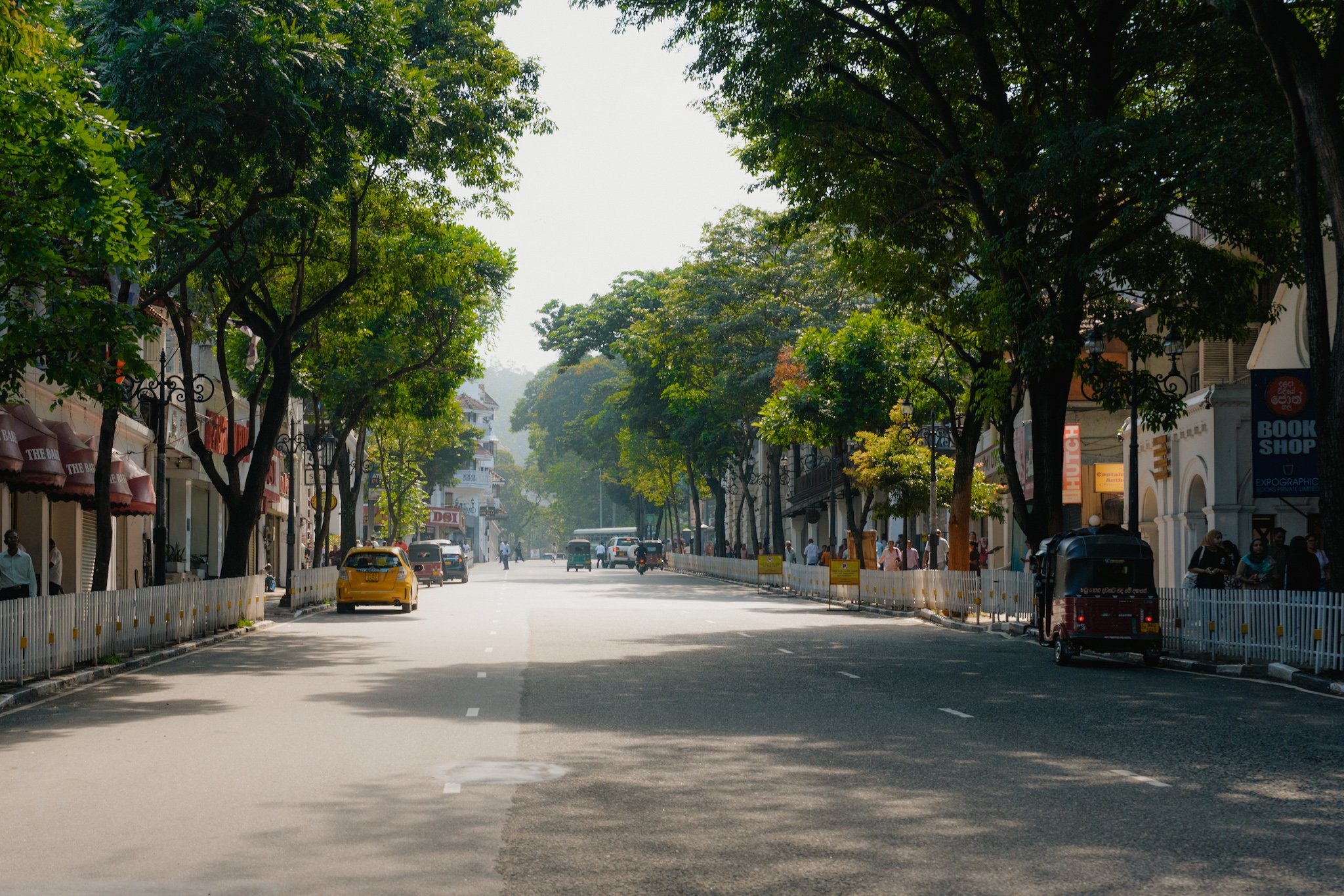
Our first job was to head to the railway station and buy some tickets. That’s when we learned that a recent storm had damaged the railway, and the route was closed for repairs. There was no feasible way to continue by train, so we booked a car for the following morning and headed out to explore the city.
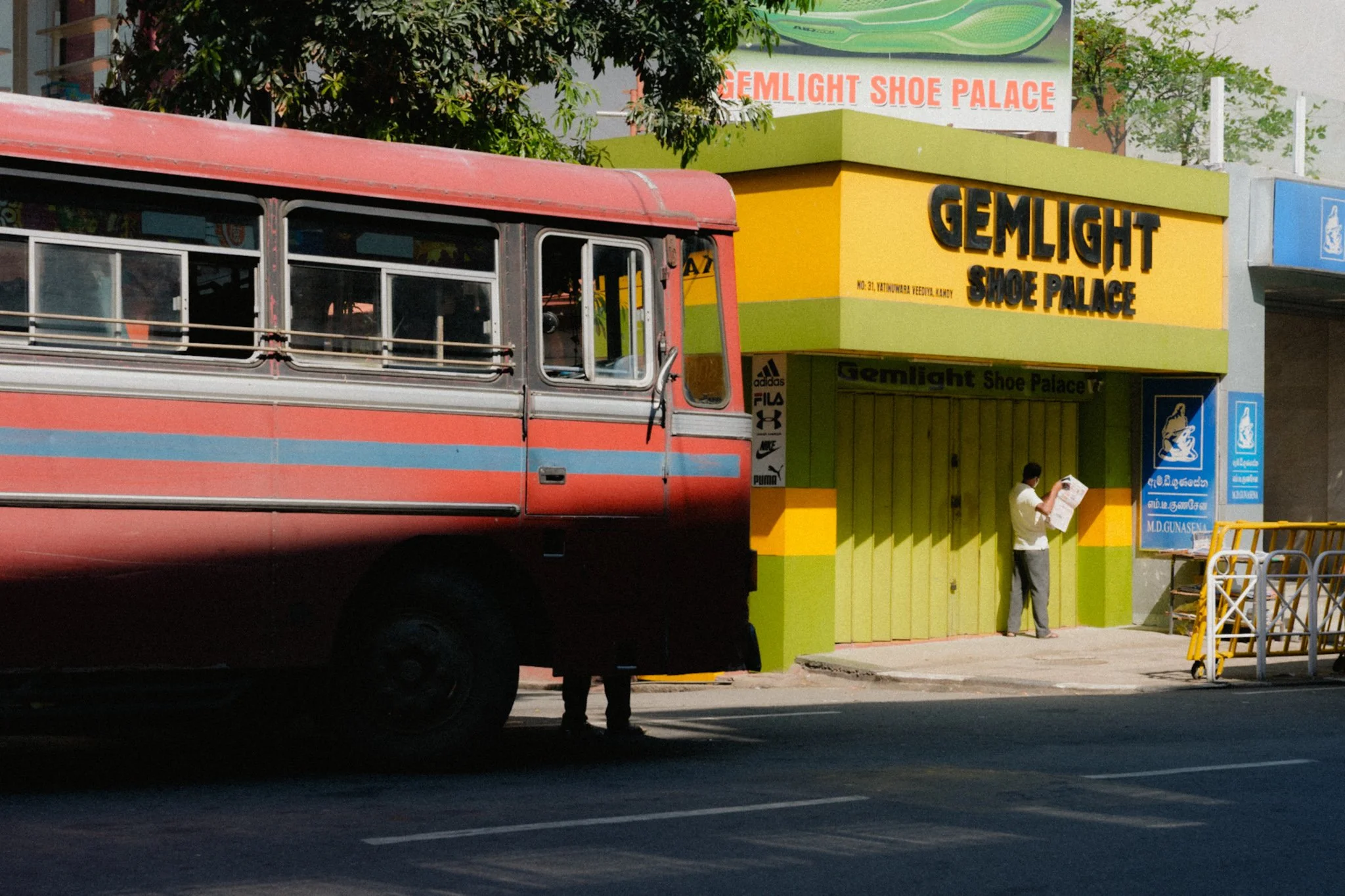
The main attraction is the Temple of the Sacred Tooth Relic, along with its surrounding shrines and museums, located beside the lake. It’s an interesting place to visit and learn more about Buddhism, although unless you’re particularly interested in the subject, you probably won’t need too long to explore it.
Afterwards, we planned to go for a long walk around the lake and through the city. However, Mother Nature had other plans. An insanely heavy downpour put an end to our plans, and we ended up spending the rest of the day and evening sitting on our hotel balcony, watching the thunderstorm.
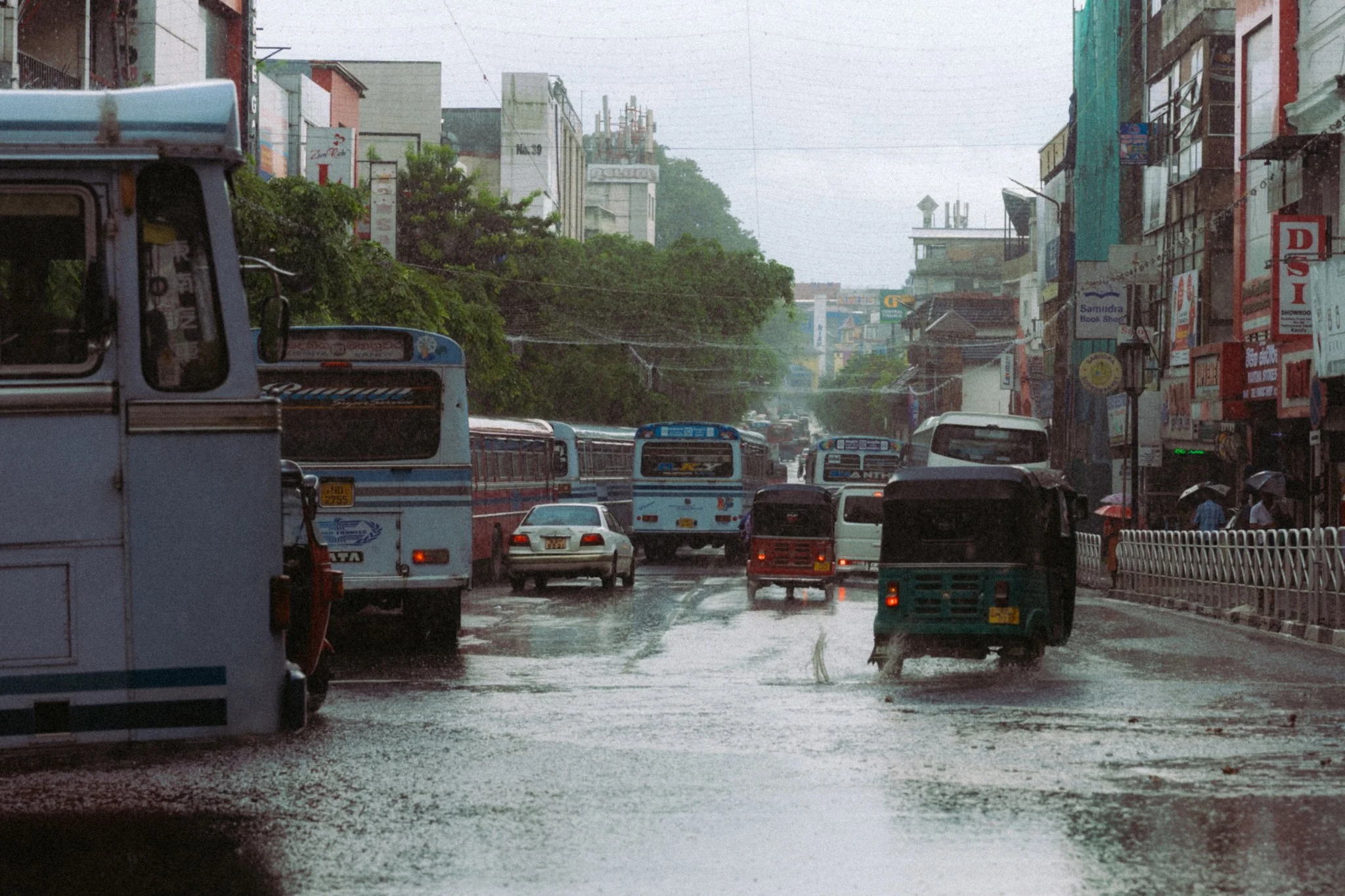
Days 8 & 9 – Haputhale
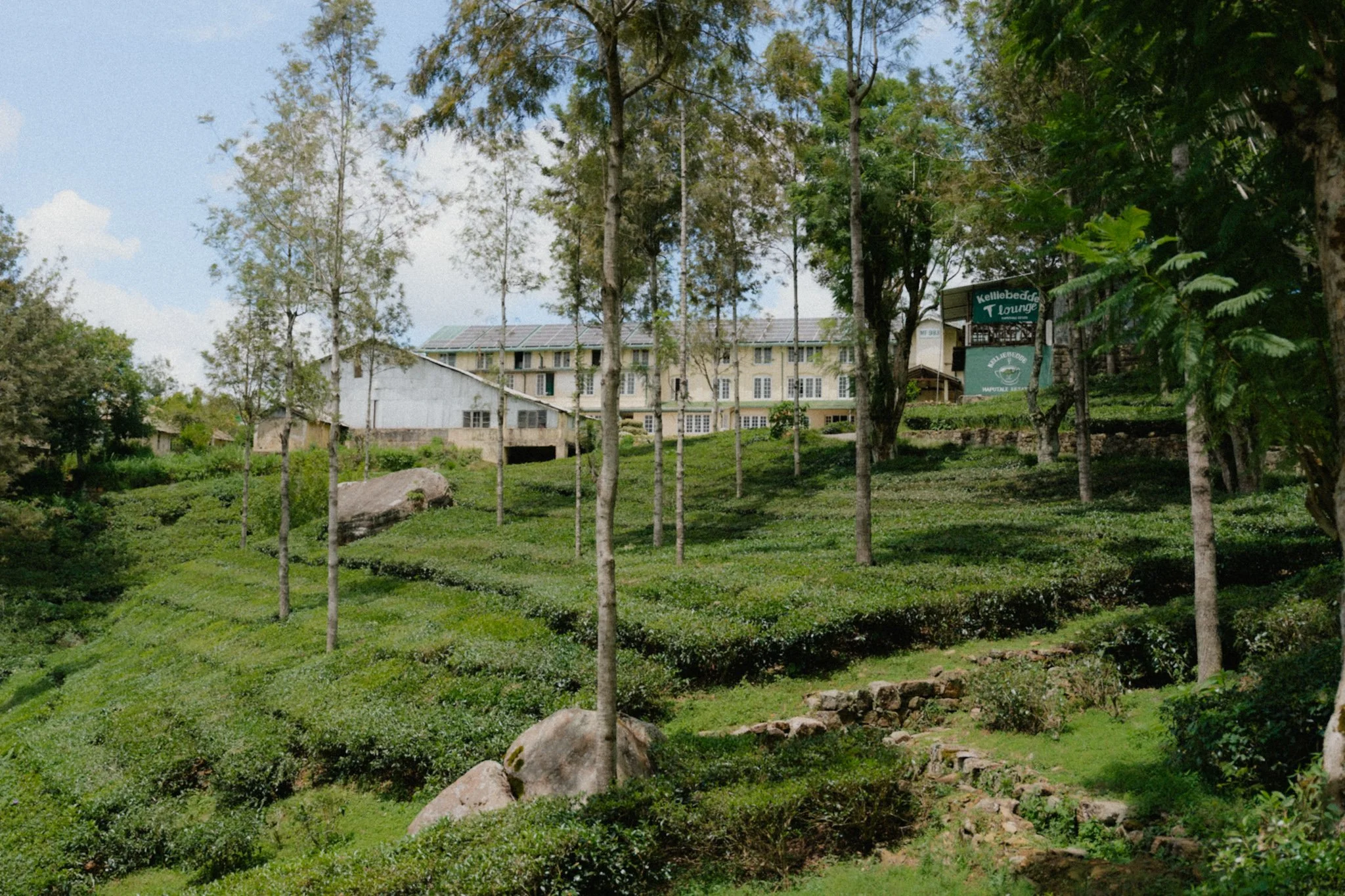
Haputhale is a small mountain town known for its Ceylon tea plantations. It’s also a very local place, with local people going about their daily lives. It doesn’t feel like it exists to serve tourists, which, thankfully, it doesn’t.
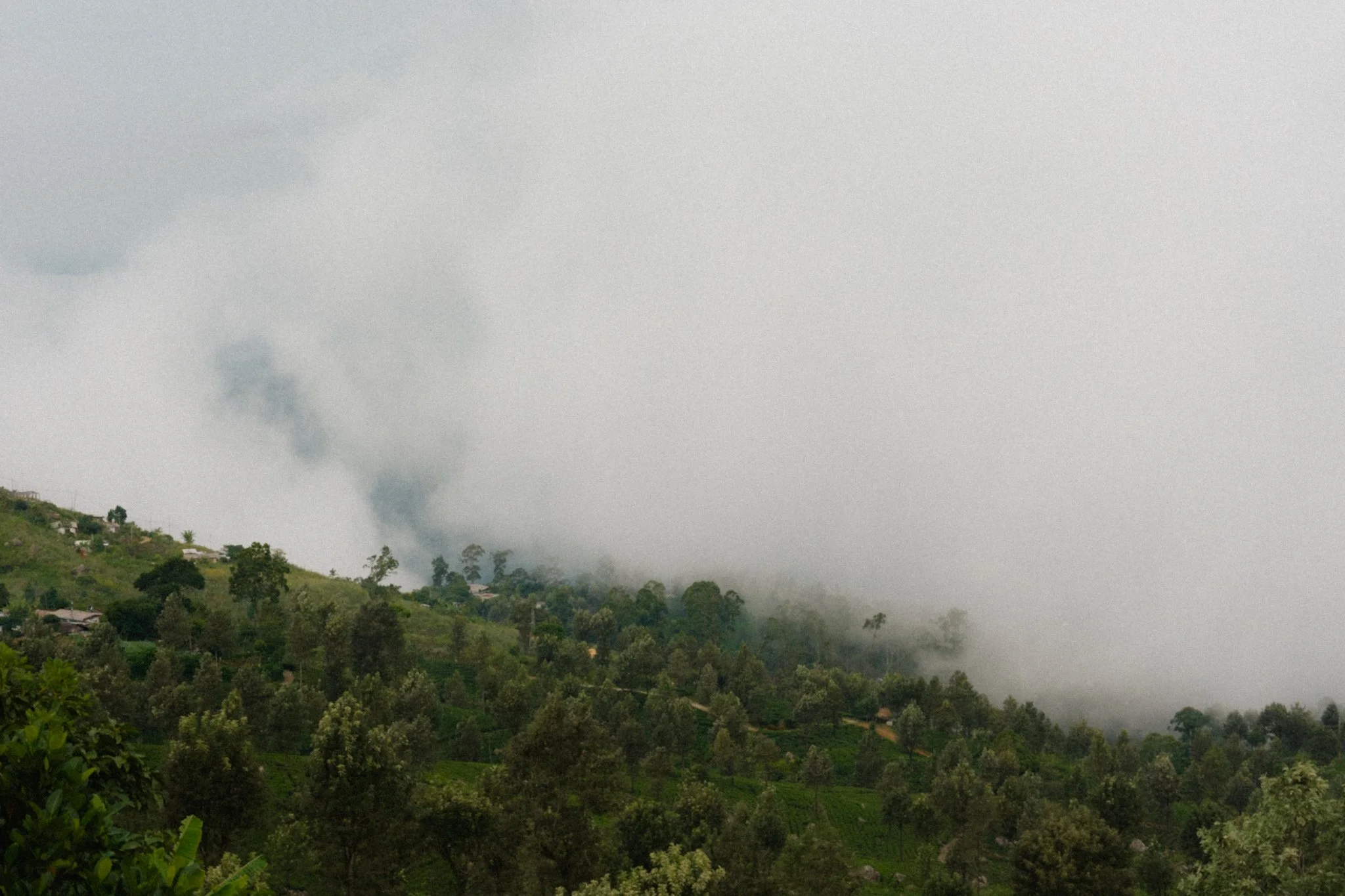
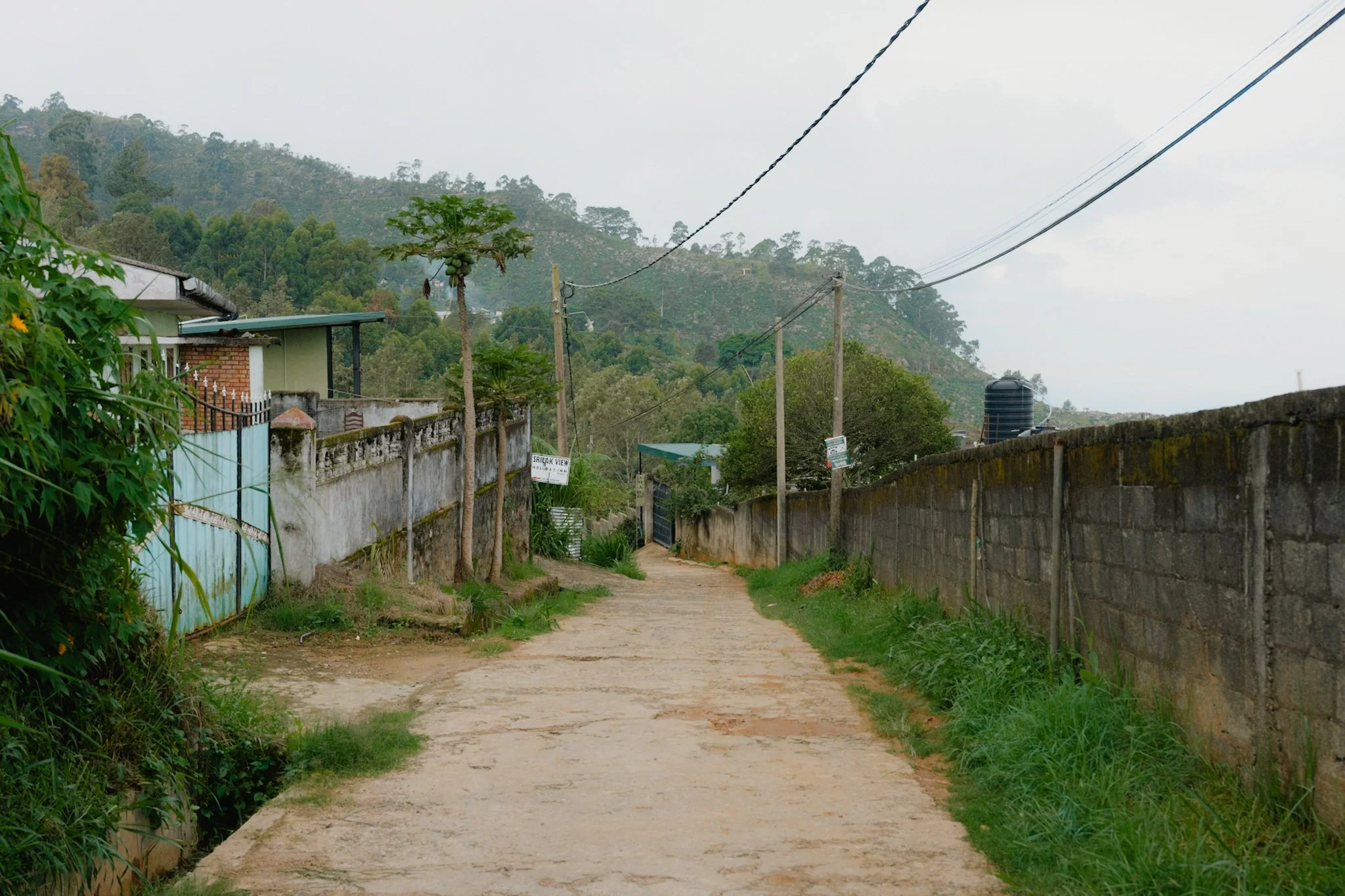
While there, we visited the Kelliebedde Tea Factory and managed to get a tour of the entire place. The tour was wonderful, and we quickly realised just how little we actually knew about tea.
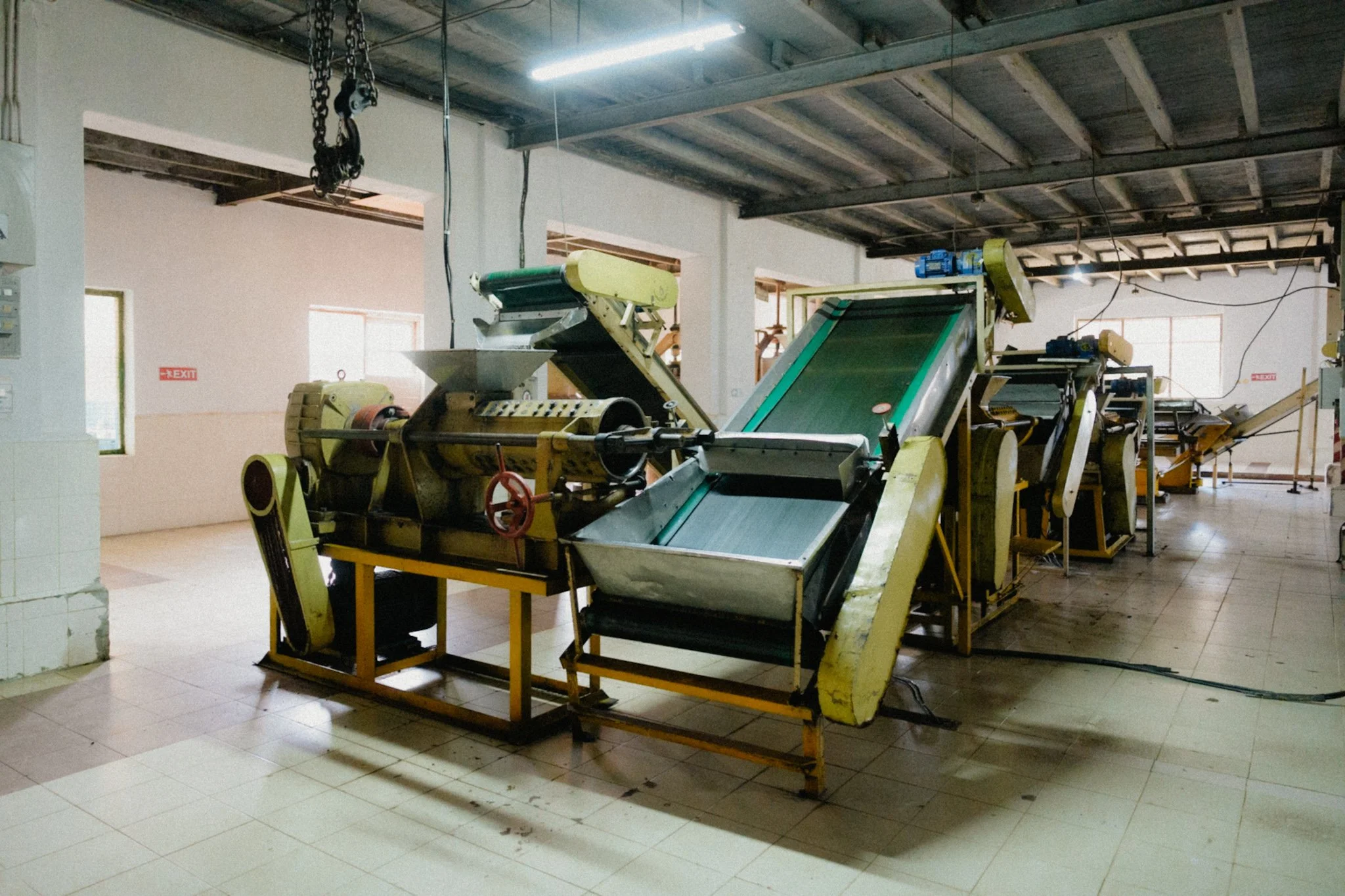
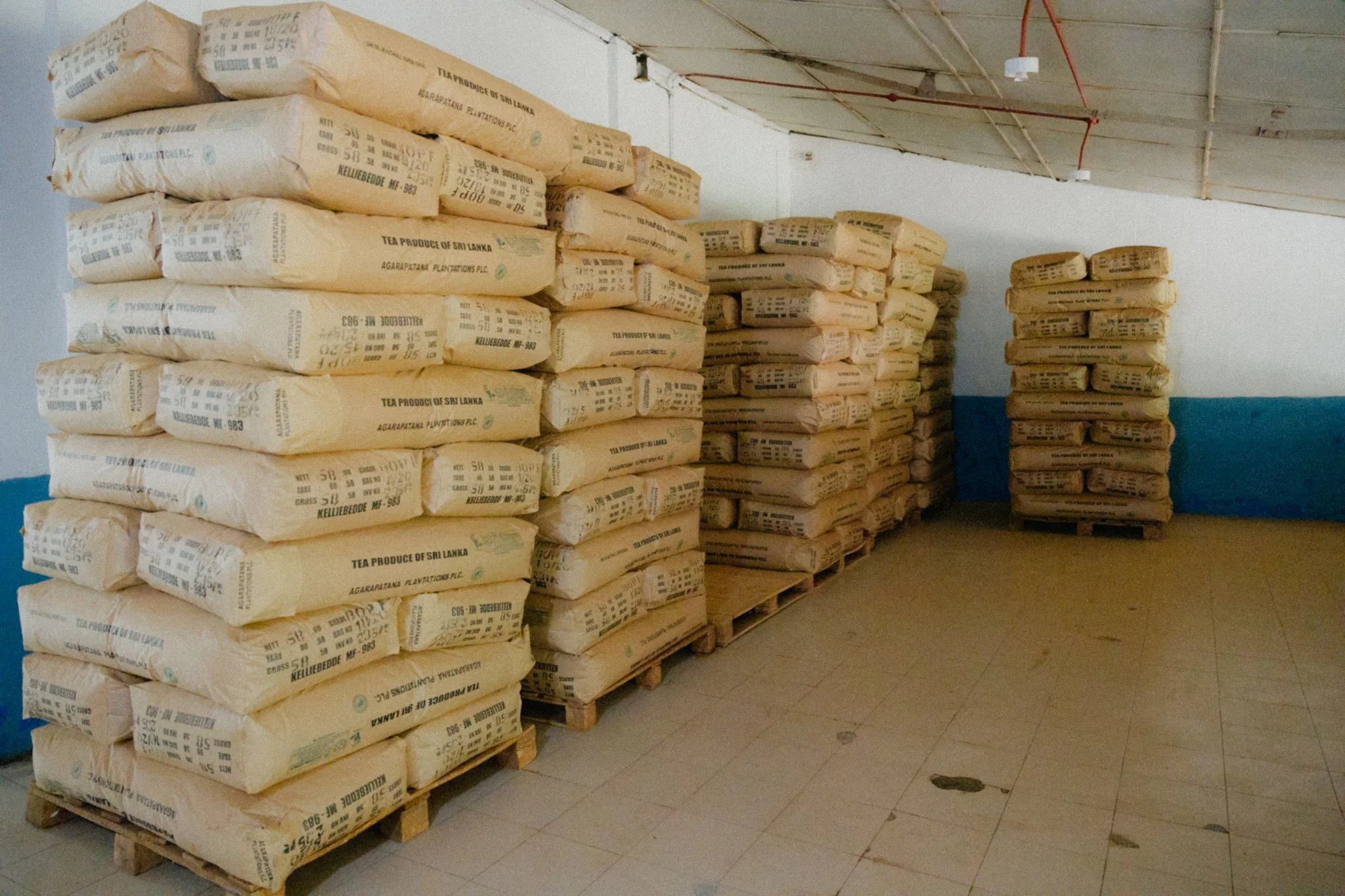
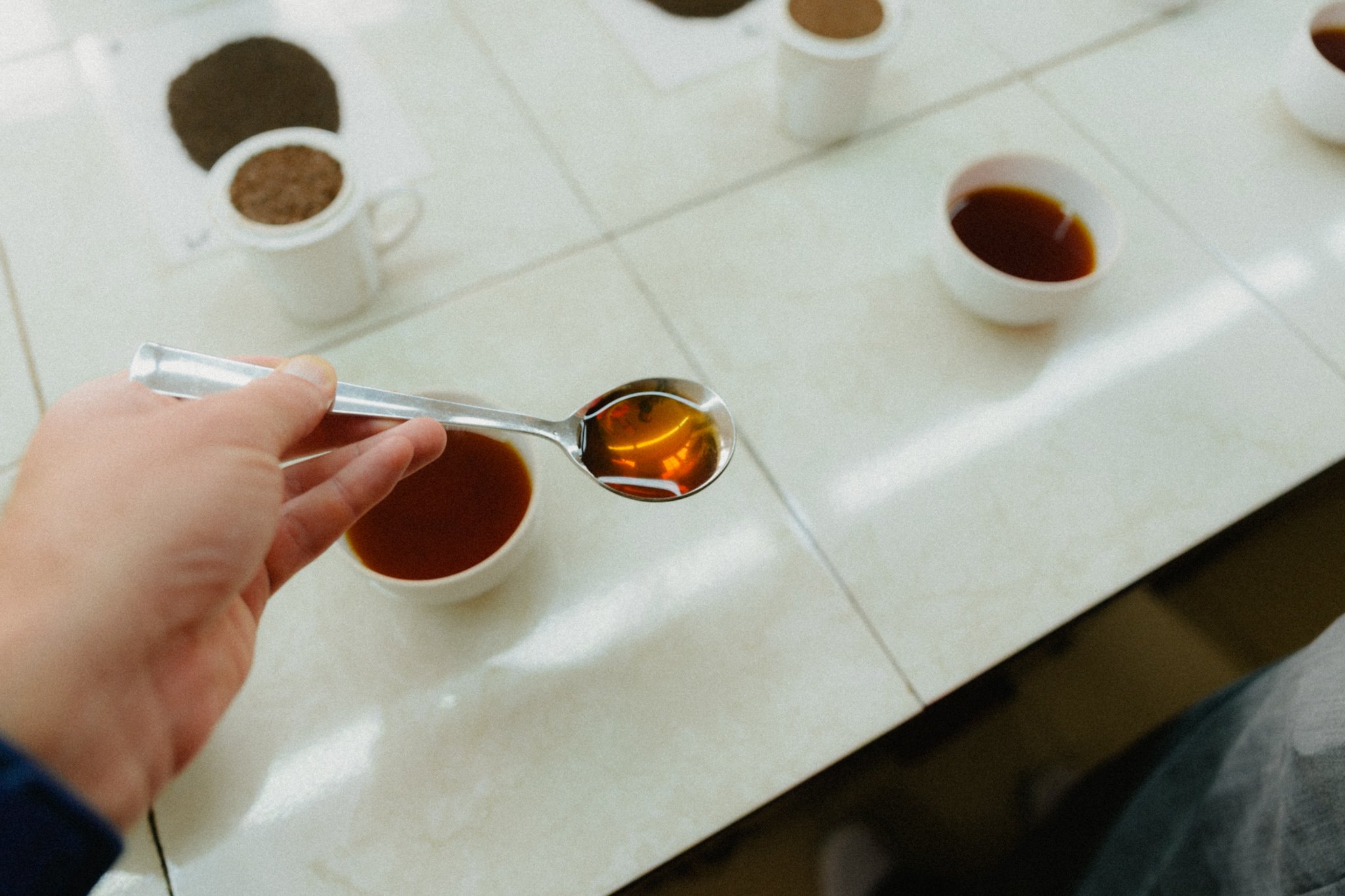
After the tour and a few cups of the good stuff, we spent an hour walking around the plantation, taking in the scenery, before slowly heading back to relax and watch the thunderstorms roll in.
Day 10 - Ella
Ella was never on the original plan, but since we had read a lot about it, we decided to spend a day there and maybe visit another tea plantation. We took the train from Haputale to Ella, which took around an hour and treated us to some amazing views. Of course, it was packed and full of influencers leaning out of the train, trying to get that perfect selfie before getting hit by a tree.
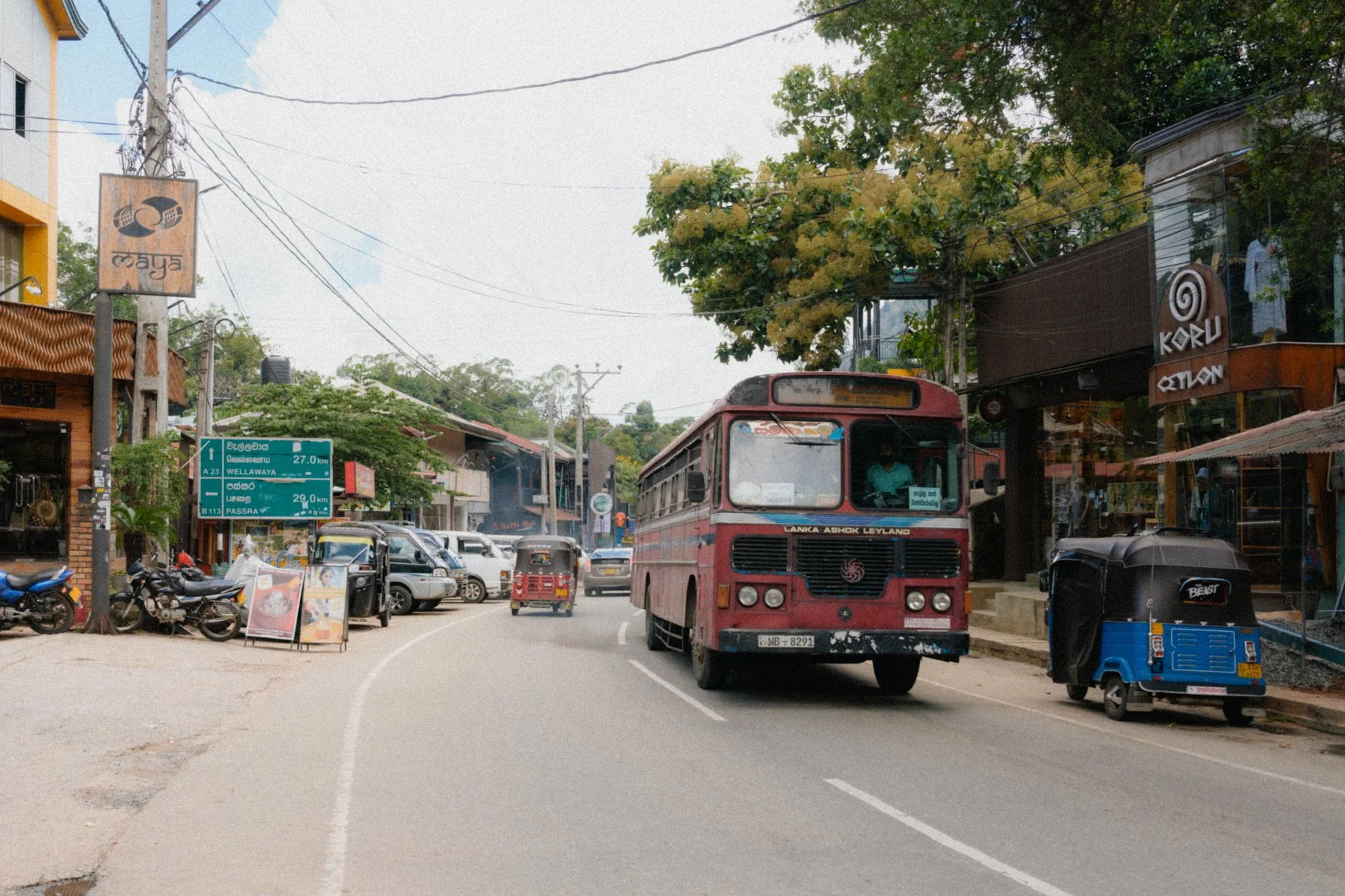
Upon arrival, it was clear that unlike Haputale, Ella was almost entirely geared towards tourists. From the Western-style cafes serving flat whites and avocado toast to the abundance of tattoo and piercing studios. I’m not saying this as a criticism, but more as the reality of what to expect.
If you happen to be on a longer trip and need a place to rest for a few days, do your laundry, catch up on work, or eat some Western-style food, this place is perfect. Think of it as a resting hub rather than the destination itself.
There is the famous Nine Arch Bridge, which is easily accessible on foot, and while it’s cool to see, you need to check the train timings and be prepared to wait if you want a shot of a train crossing it. At least you can get some coconuts to sip on while you wait.
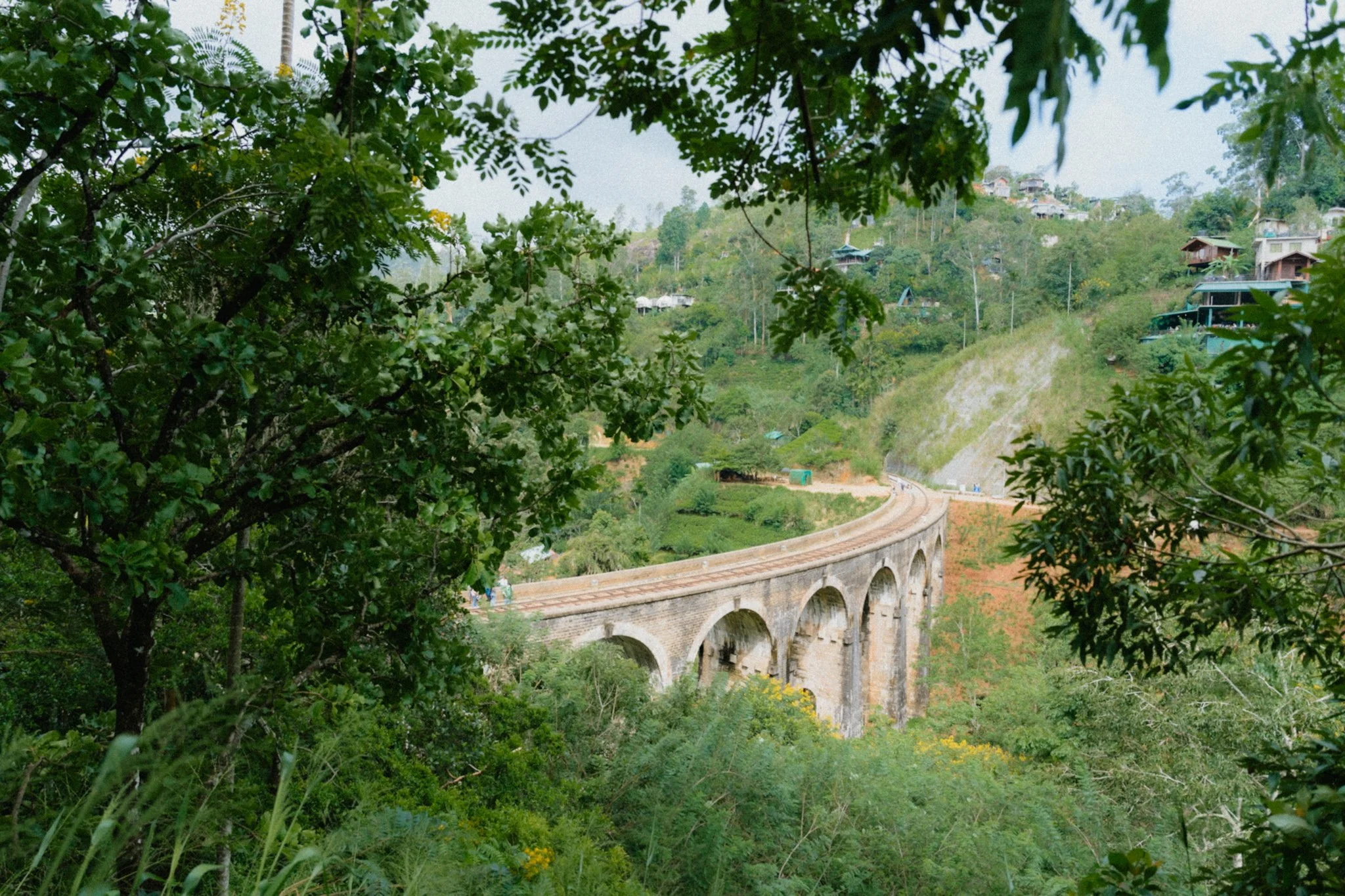
Ella does have some tea plantations and factories offering tours. It even has the same company that we visited in Haputale. However, here it all feels very commercial and a shadow of the experience we had in Haputale.
If you’re staying in Ella and have an extra day or so, I would grab a train or taxi to Haputale for a much more authentic experience. If you need to pick between Ella and Haputhale, I would pick Haputhale for the authentic raw experience, however I would prefer Ella if I need a base for a few days.
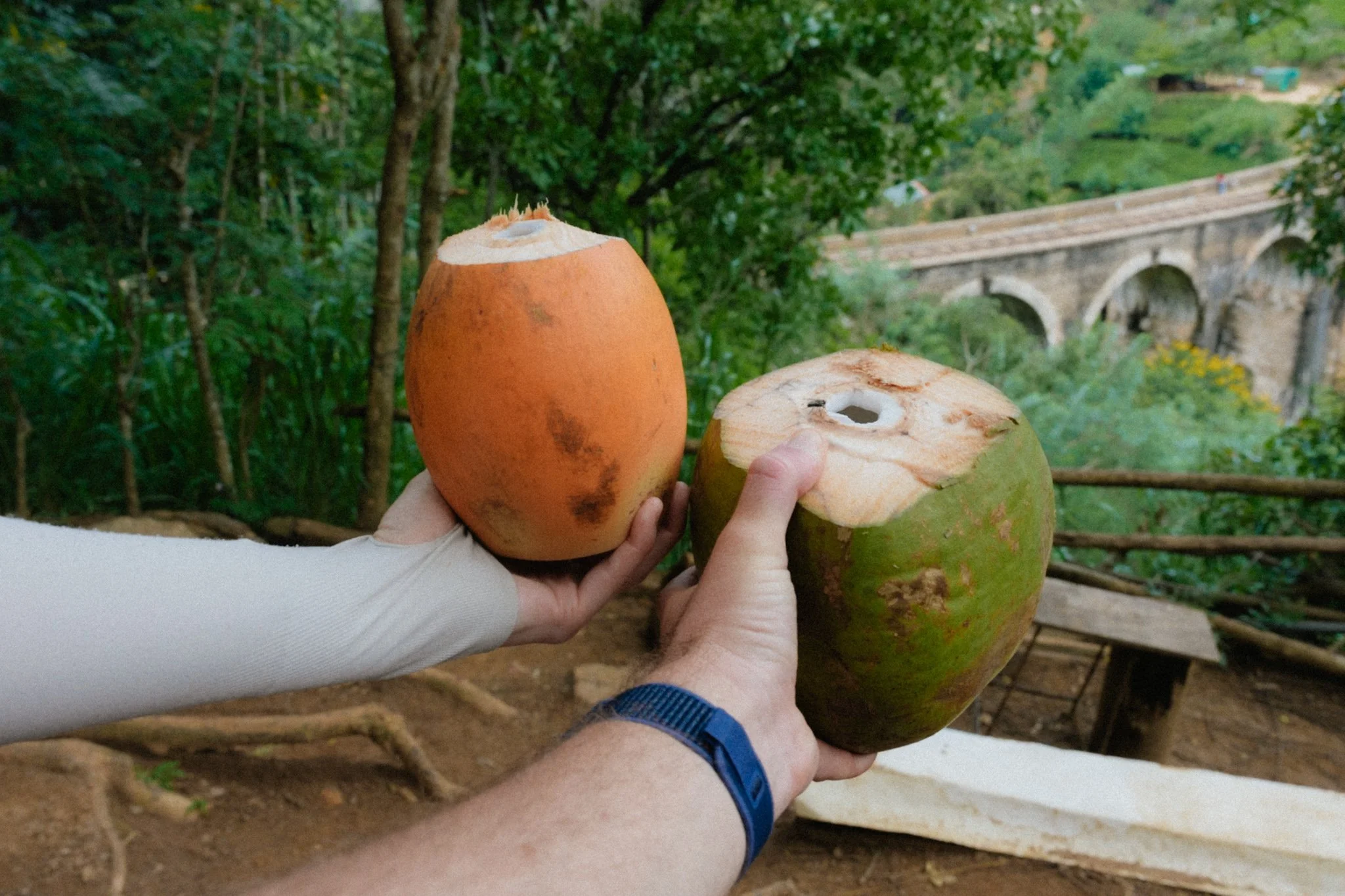
Day 11&12 - Udawalawa
The final two days were reserved for one more safari in Udawalawe. We booked this as a precaution, just in case the first one didn’t happen due to bad weather, or in case we didn’t see any animals. Given the success of the first safari, the pressure was very much off.
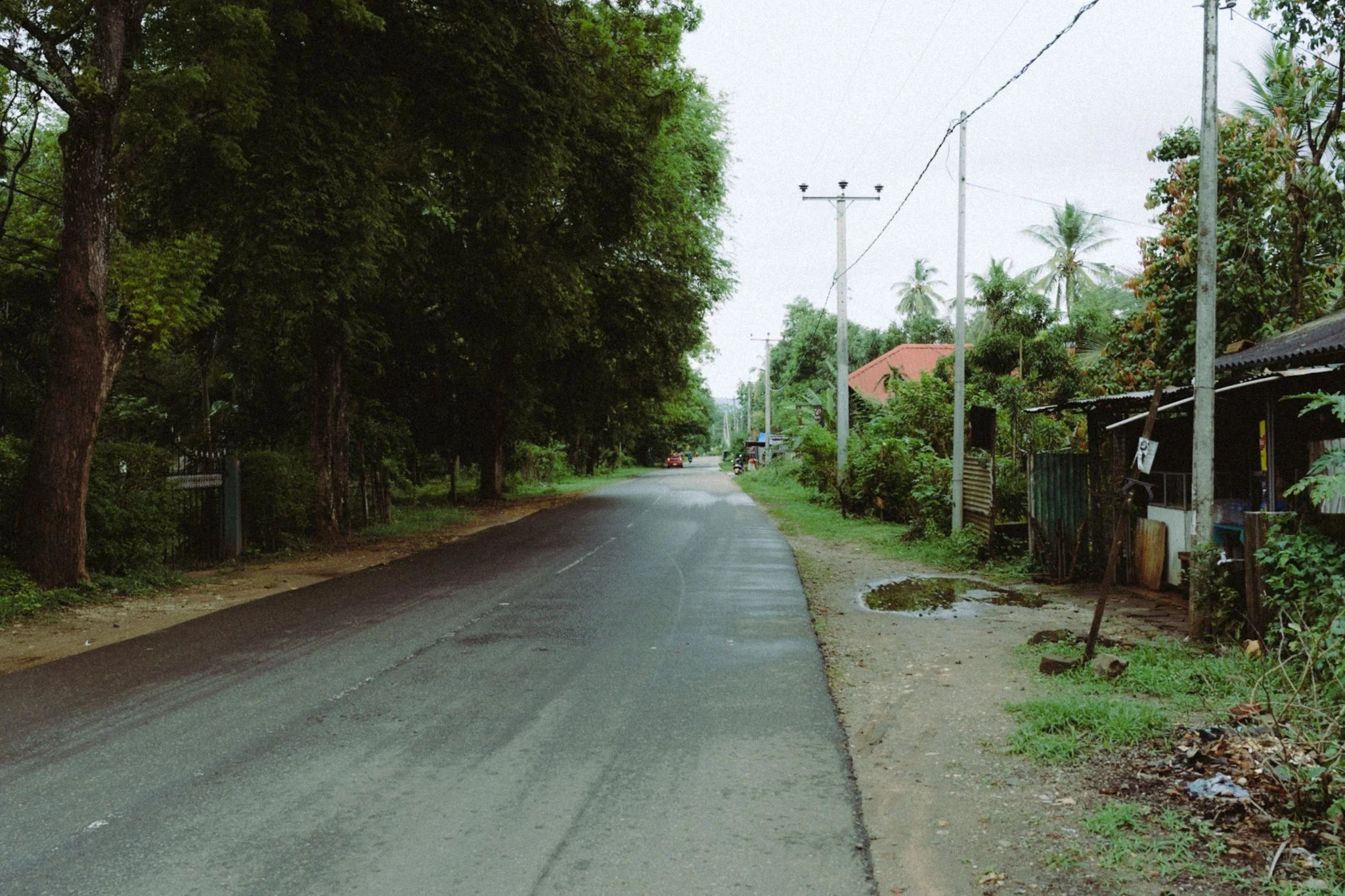
On the day of arrival, we decided to go for a walk and see what was in the area, and honestly, not much. There was a small village centre with a few shops, but that’s about it. This area is much more spread out, so if you want to go somewhere, you need some wheels. Nevertheless, it was a nice walk, apart from a very angry street dog that kept following us and barking for a few minutes.
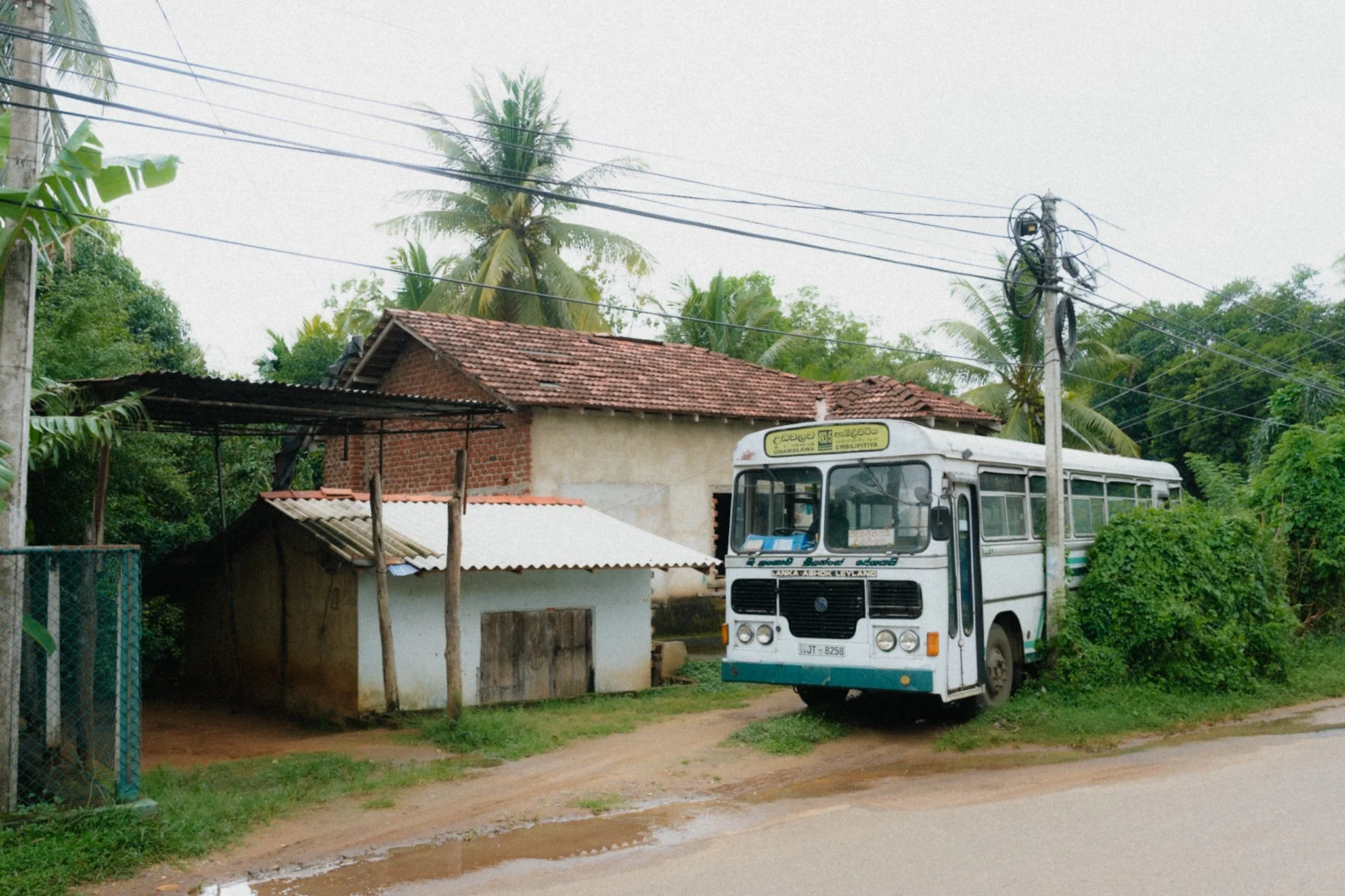
So far, our safari experiences had been positive. However, on this occasion, we encountered some unpleasant situations. This is in no way a bad reflection on the driver we used or the safari park itself, but perhaps a result of the pressure to keep tourists “happy”.
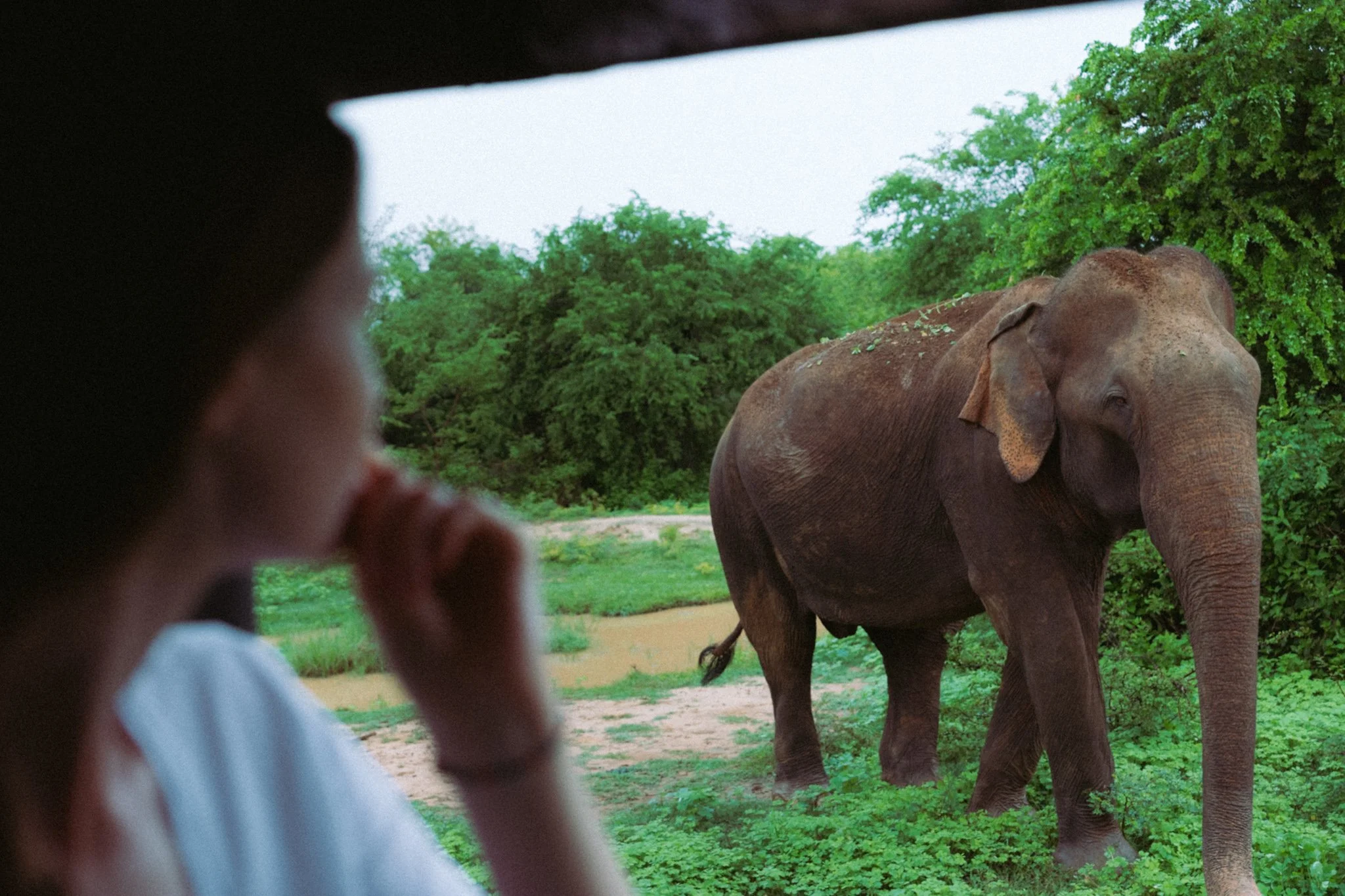
As we entered the park, it was noticeably busier compared to the first safari. Not just busier with tourists, but also with elephants. You would often find yourself following a few jeeps, all trying to find elephants to show people. When we came across an elephant, the cars would get extremely close, often even surrounding the herd. A couple of times, the elephants were blocked in by around 5 cars. Don’t even get me started on the plumes of diesel smoke everyone was breathing.
While I’m sure the tourists got their selfies, it clearly made the elephants uncomfortable. You could see the babies hiding behind their mothers, the males getting visibly irritated, and one nearly charging at the cars. Sadly, this didn’t seem to faze the guides, who carried on with this behaviour. I guess better selfies mean happier tourists, and perhaps higher tips. I don’t know.
We asked our driver to stay away from these gatherings, and if we saw 2 or more other cars, to take another route. Funny enough, our best and closest encounters happened when we were alone and respected the elephants’ space. They were much more relaxed in our presence, and I was able to get some good shots from safe distance.
As mentioned before, this isn’t intended as criticism of any particular person, but I feel there need to be better guidelines for tour guides, and perhaps even some enforcement of those rules. While we mostly enjoyed our experience, I don’t think another safari is on the cards for us, at least not without proper and thorough research beforehand.
Final Day
The last day was reserved for travel back to the airport, which is a good 4-5 hour drive from Udawalawa. Unfortunately there is no easy way to do this by public transport, so we had to get a taxi at a cost of around 30,000 LKR (£68). I recommend paying a bit more and taking the express motorway for the smoothest experience.



Instead of telling you how these will change your life, I would rather be practical and answer the most common questions that people tend to have when buying presets.
What are presets?
They are editing settings that are saved in a file and can be applied to any image.
Why do people buy presets?
Sometimes because they like the work of the photographer and want that style for their own photos. Mostly because they would like to see how other people edit and learn by reverse engineering the presets. Other times it’s just to support their favourite photographers, thank you!
What’s the overall style of these presets?
- Filmic
- Warm
- Soft
- Bright
What are these presets suitable for?
Street & Travel Photography
Some Nature (with further editing)
Some Portraits (with extensive editing)
Do I actually use these?
Yes. This is the same pack I use right now for all my editing. This isn’t a pack made just to sell.
Do these presets get updated?
Yes, as my style changes, these presets will also be updated. Any time a new update is available, you will get a free update via email. Of course you also keep all the old presets in case you prefer the older looks. Only presets purchased from 2025 onwards will receive the updates.
What file types are these presets for?
- All RAW files
- JPEGs & TIFFs (not recommended)
What camera brands are these presets for?
These were designed around Fujifilm, Sony, and Leica sensors. With that said, they will work with all camera brands. While there might be differences due to individual camera colour science, the overall feel of the preset will carry over.
Will these work with JPEG files?
Yes, but you will need to reduce the intensity and make further edits. I strongly recommend editing RAW files.
Are these one click edits?
95% No. You would need to do some basic adjustments as each image is different. These adjustments can include exposure, colour balance etc. In 5% of cases you can just apply and leave it alone.
Do I need to know how to edit?
You need to have a basic understanding of adjusting exposure, highlights, shadows, etc. A more comprehensive editing skillset will let you get the most out of them.
How many presets are included?
10 in the main pack and 24 in the extras pack
Why two packs?
The main pack is what I use for 99% of my edits and is kept small to reduce wasted time scrolling through presets. The extras pack is everything I don’t use often.
What software do I need?
These presets will work with any of the following:
- Photoshop (adobe camera raw)
- Lightroom Classic
- Lightroom Desktop
- Lightroom Mobile
Will these presets work with free versions of the above software?
You need to research and double check before buying. These presets were designed for the full paid versions.
Will these presets work with very old versions of the above software?
You need to research and double check before buying. These presets were designed on and for the latest software.
What file type do I get?
XMP
What else do I get?
- Comprehensive PDF guide
Can I modify these and turn them into my own?
Yes! In fact I encourage you to modify them and play around. Use these to help you get your own style.
I have more questions…. What do I do?
Make a cup of tea and drop me an email on hello@snapsbyfox.com
Please note that due to the nature of digital products, refunds are generally not accepted. However, if you experience any issues, feel free to contact me and I’ll review your situation individually. You are welcome to use this product for personal or commercial projects, but you may not copy, distribute, or resell the files in their original or modified form.
Finally I want to say a massive thank you for supporting me. Buying these presets is the most direct way you can support my work.
Thank you!