
My Most Valuable Lens
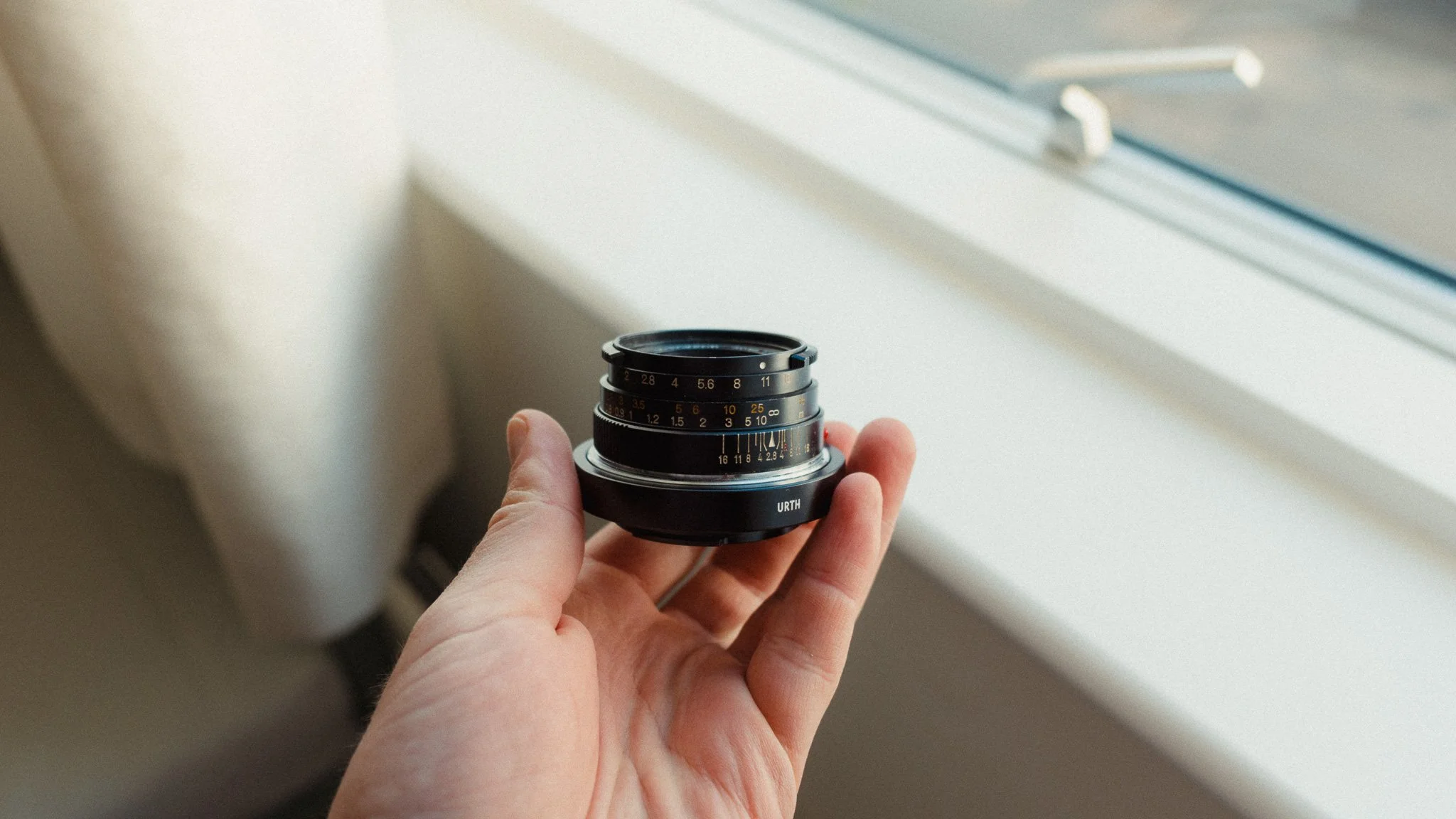
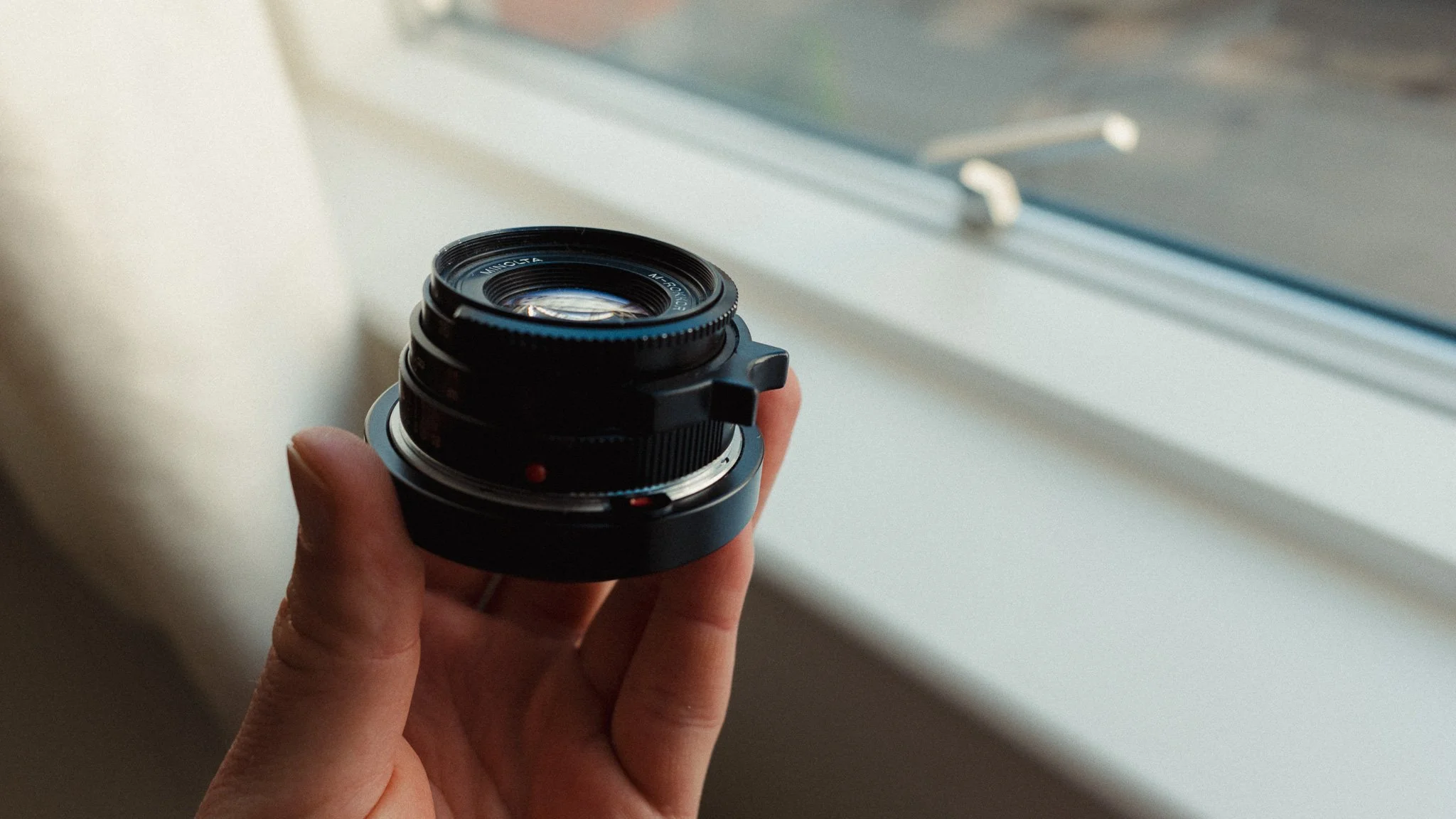
I’m lucky to own quite a few lenses that I amassed over time. Some of them, such as my beloved 24-50mm zoom or 40mm prime, are used every week religiously. Others like the more niche f1.4 primes are reserved for night time photography outings. Despite being in a very lucky position to own every lens I could possibly need, by far my most valuable one is actually older than me. It’s a Minolta M-Rokkor 40mm f2.
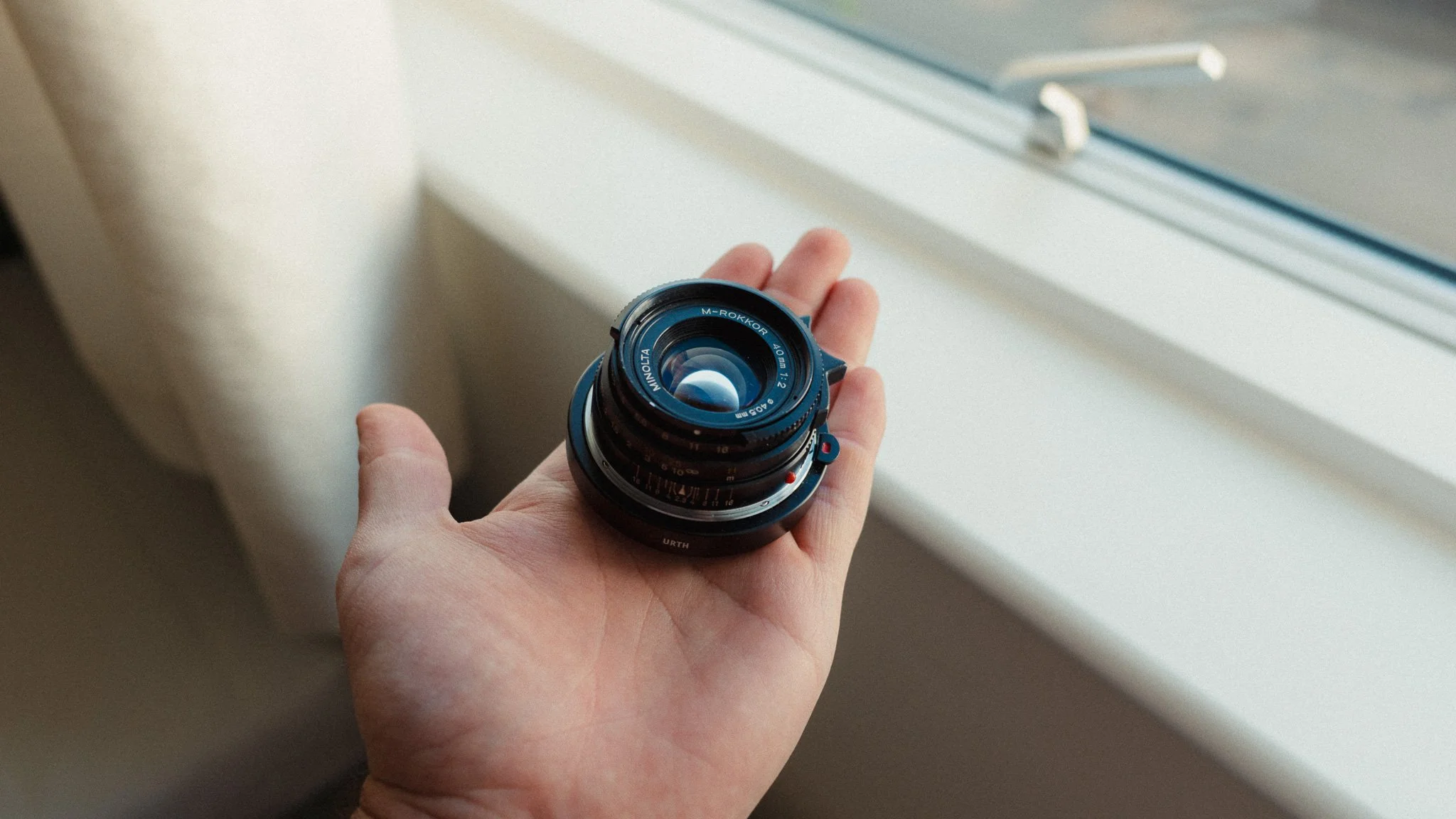
It was released in the early 80s for the Minolta CLE rangefinder, and it has a Leica M mount which isn’t a surprise given it’s optically similar to the Leica Summicron-C 40mm f2. These days however, this lens is attached to an adaptor and is usually found on my Sony A7CR or A7RV. Why is a 40+ year old lens my most valuable? The answer is simple, it was gifted to me by my good mate Faizal Westcott, and it has accompanied me on many of my trips. This lens was used with my Fuji cameras, now on the Sony, and who knows what other system it will be used with. One thing I know for sure is that it’s the only piece of camera gear that I will never ever sell.
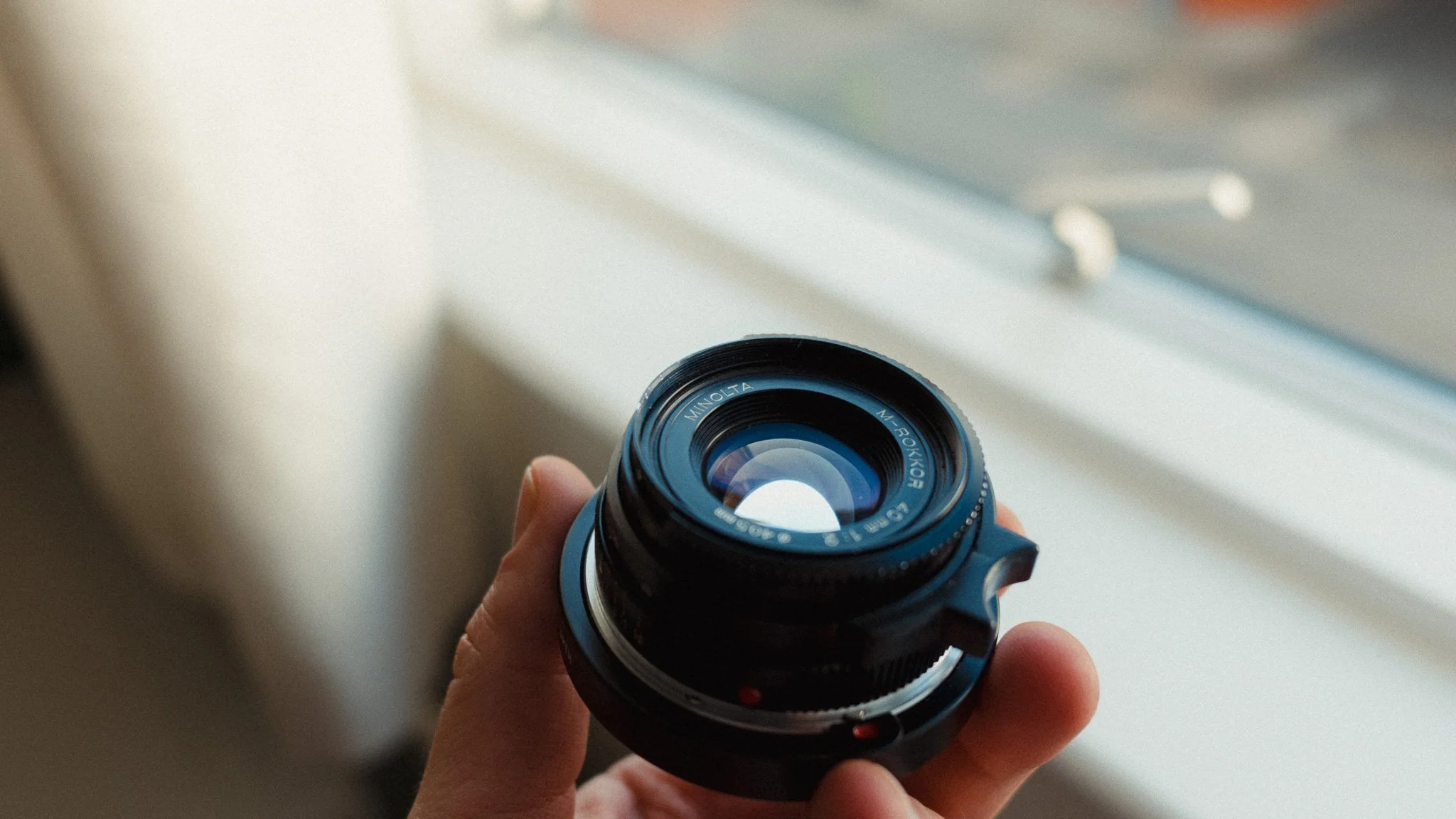
When Faizal first let me use it in Venice back in 2023, I looked at it as a bit of fun for a day, give it back, and never use it again. However one day turned into two, two into three, and I pretty much shot with this lens exclusively for an entire week. While giving it back wasn’t particularly painful, I knew I wanted something similar in my kit, so I began to search online. While I found some for sale, life got in the way and I forgot all about it.
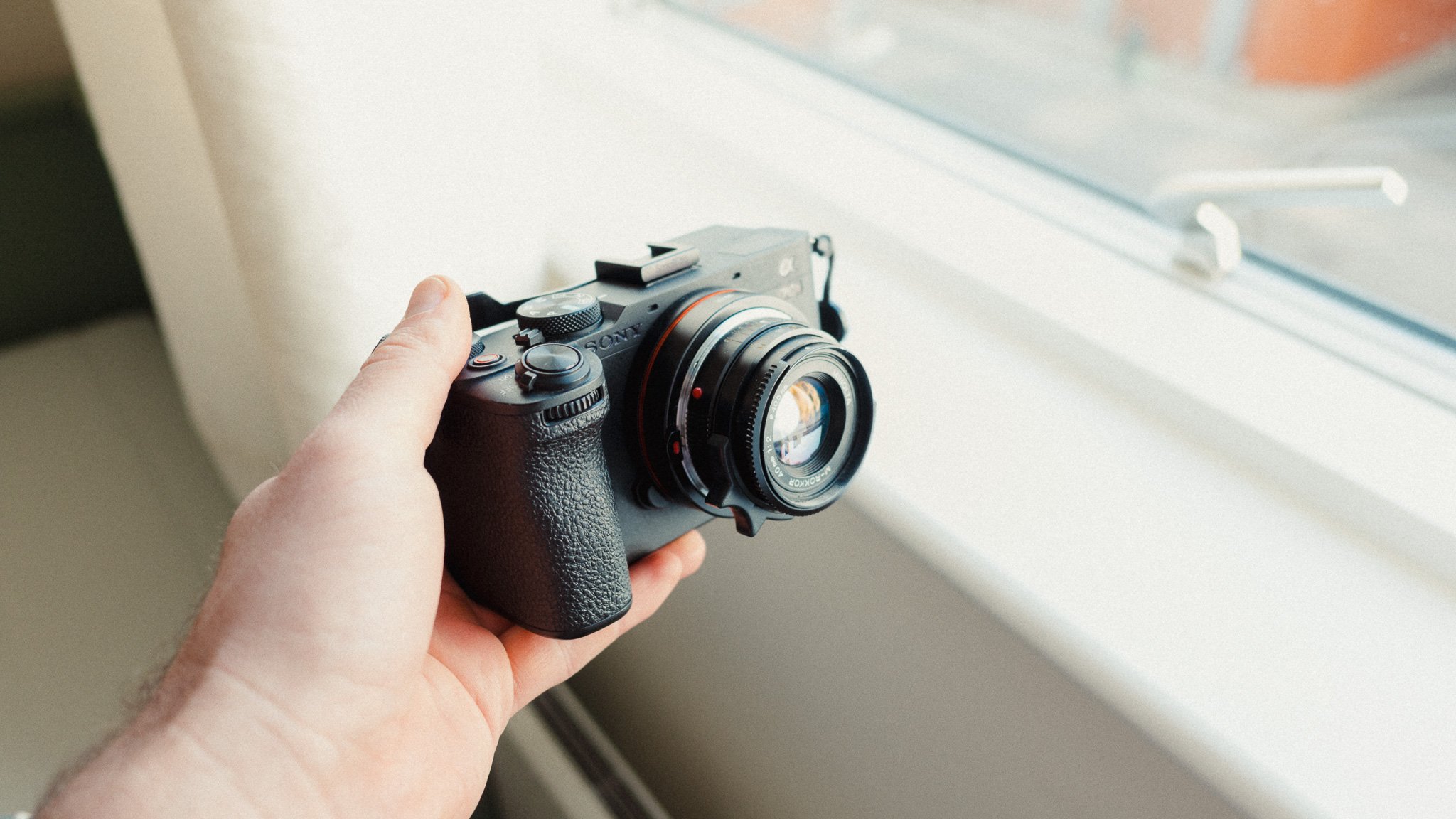
Fast forward to 2024 and I found myself in Tokyo with Faizal and the 40mm Minolta. Yet again I ended up “borrowing” this lens for extended periods of time, so much so that on our last day in Tokyo, he gifted it to me. This is why this lens is so valuable to me.
Today I write this having just returned from shooting in London all day on the Minolta for an upcoming video, and I’m reflecting on just how much joy there is to be had in using a vintage lens. I dabbled with film photography, and while I can see the appeal, it’s just not my cup of tea, at least for now. A Leica M11 is another option, but I am not a fan of the optical only viewfinder. Of course there is the new EVF version of the M11, but it’s a one trick pony and the price is hard to justify. This is why I feel that picking up a vintage lens and adapting it to your current system is a fantastic way to get 80% of the experience for a fraction of the cost.
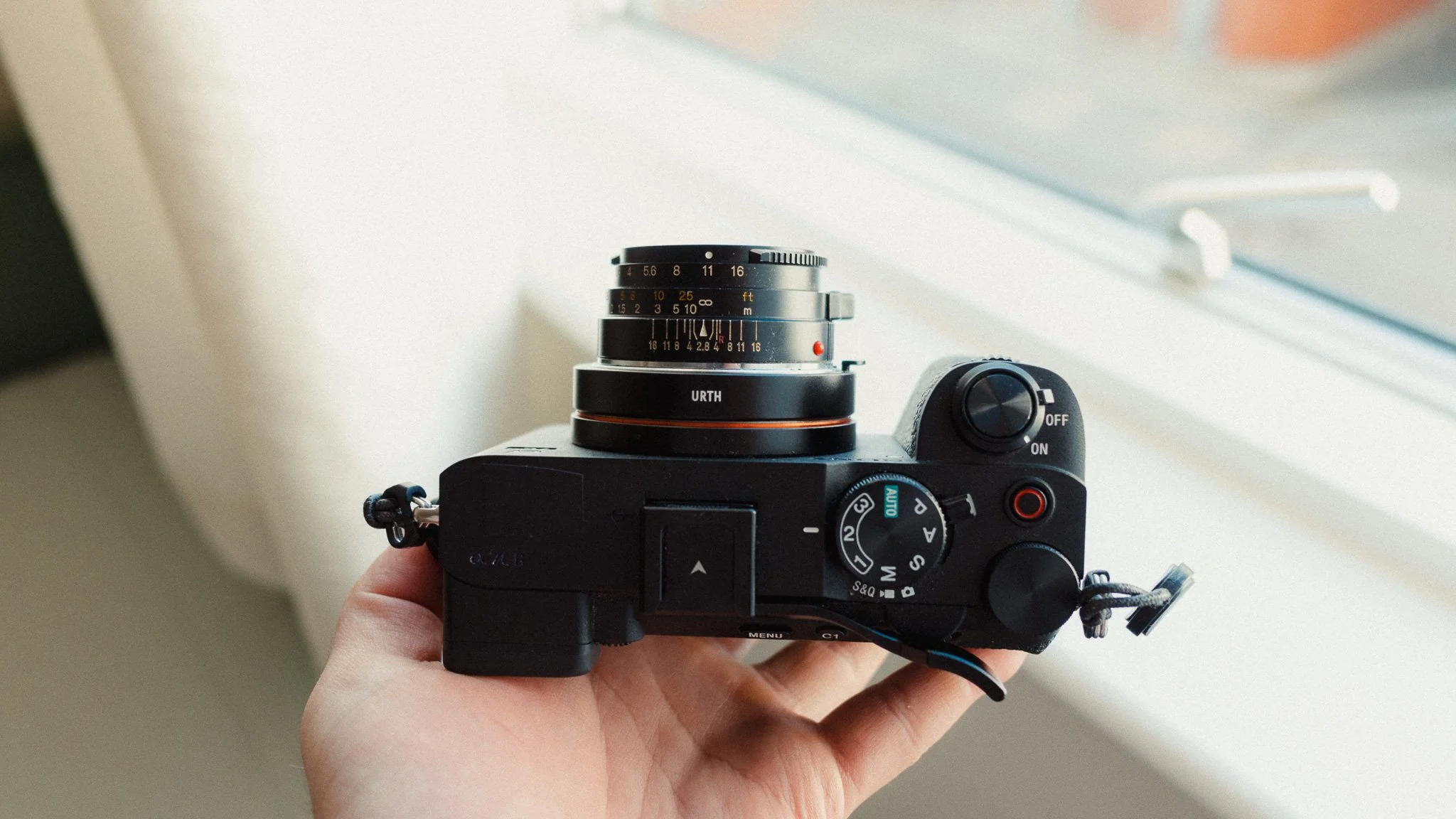
Let’s start with the lens itself. This specific Minolta can be found online for around £300 to £400 depending on the condition. If this is a little expensive, you can find plenty of vintage glass on eBay for less than £100. I’m not an expert on vintage lenses, so I can’t recommend anything specific. You will then need an adaptor, and I use the ones by Urth, but cheaper alternatives can be found. I have the Leica M to Sony E mount.
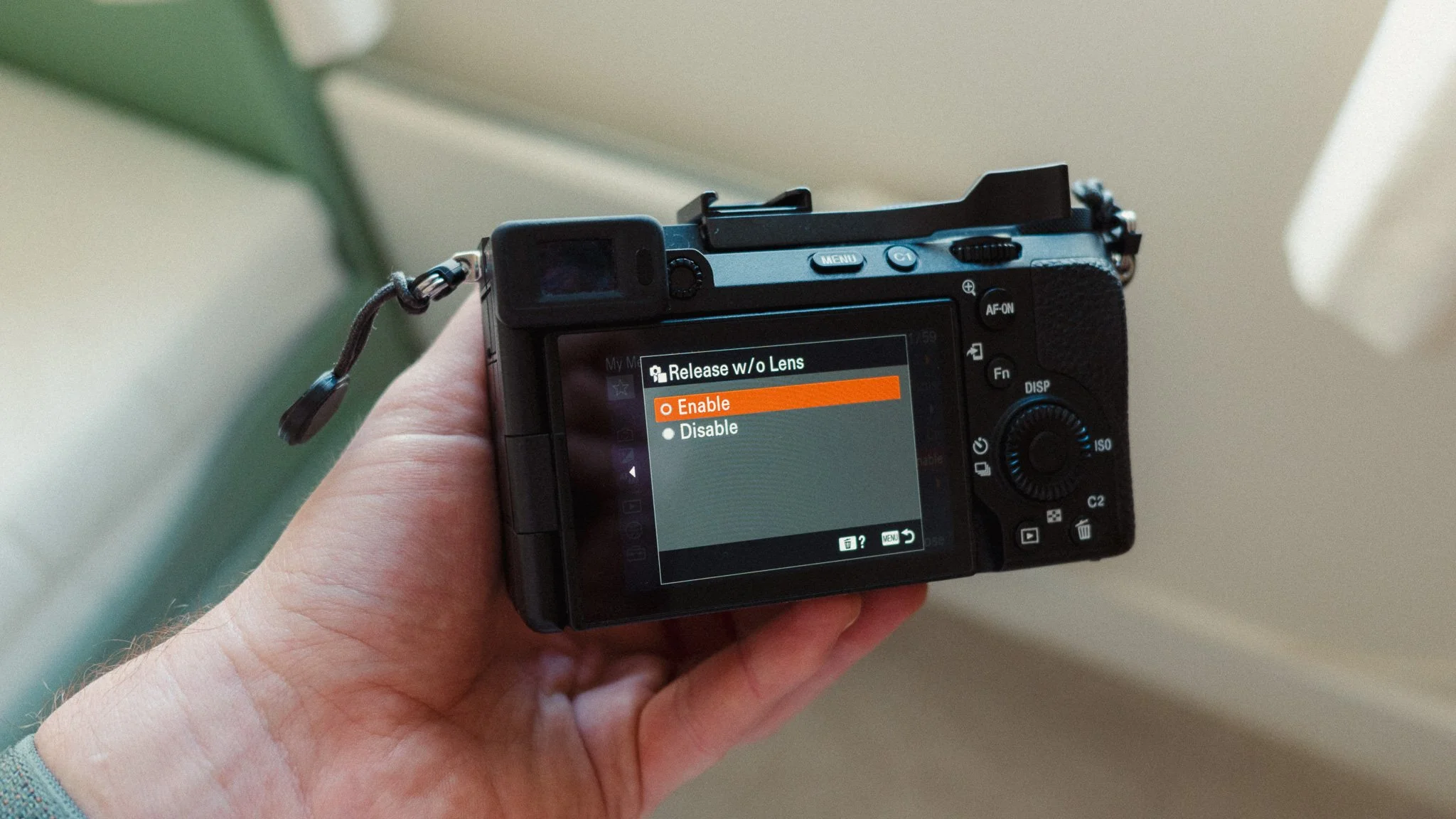
The next thing is you need to tell your camera to take photos without a lens attached. This looks different on different cameras, but almost all should have this option. This is there to prevent the camera firing if a lens is not attached properly, and since there are no contacts, the camera thinks there’s an issue.
I would then switch into manual focus to remove any AF boxes, and turn on focus peaking. I have mine set to medium red. Most cameras have a zoom function where they punch in to help you with focusing, however I seldom use it and prefer to rely on focus peaking, zone focusing, and muscle memory.
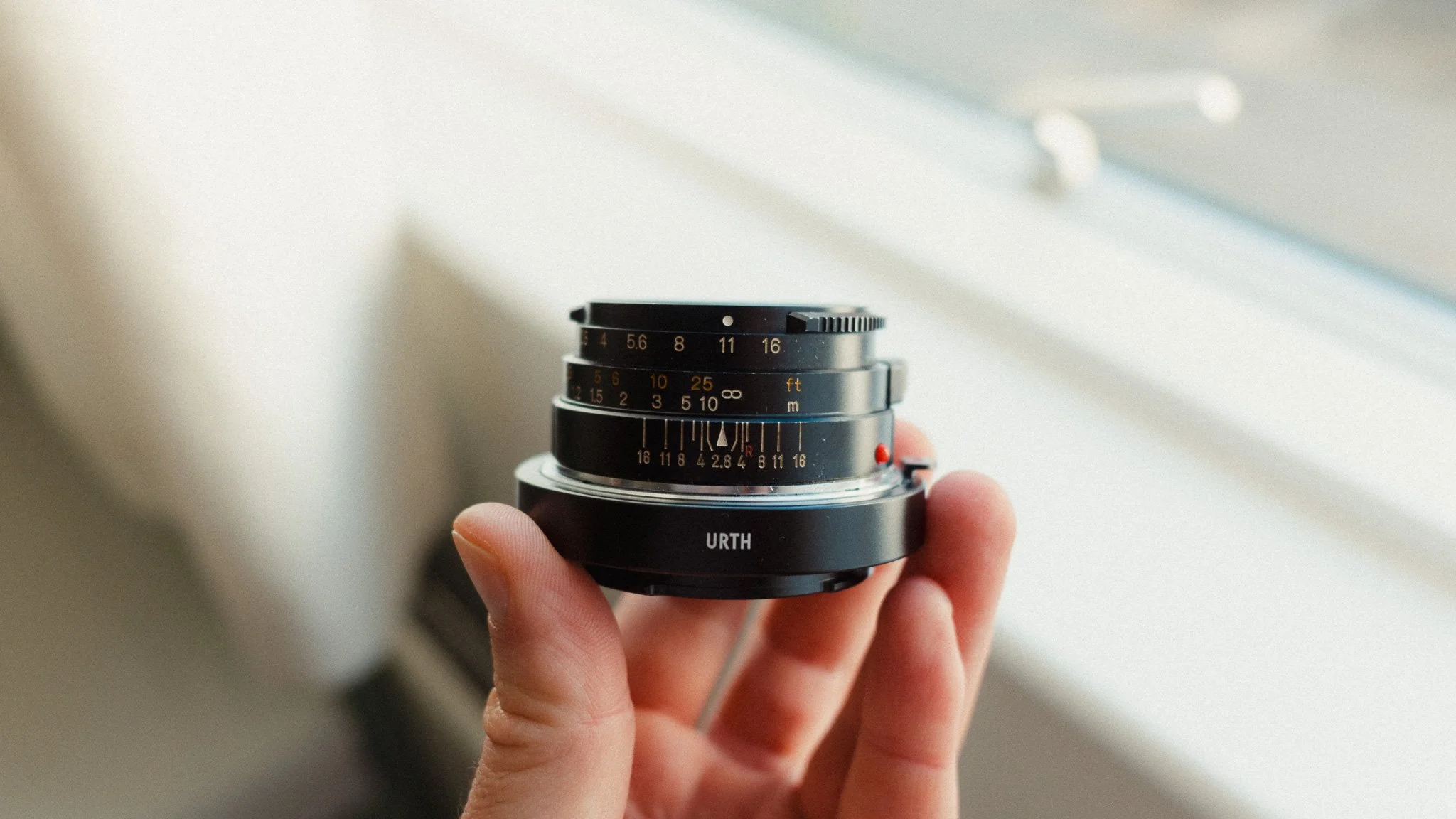
The next thing I would suggest is to pick up a stick on focus tab. The Minolta doesn’t come with a focus tab from the factory, so this stick on one makes manual focusing much easier. It allows you to shift focus with just one finger and develop muscle memory. You start to know that when the tab is in a certain position, you are at 3 metres for example.
When it comes to focusing, there are three approaches. The first one is to set it and forget it, which means setting the lens to f8 to f11, focusing somewhere near infinity, and everything from around 2 to 3 metres to infinity will be in focus. The second way is to set a zone. This is where you know that at f4, anything between 5 and 6.5 metres will be in focus. At f8, anything between 2 and 5 metres will be in focus. You then only shoot within that distance. The last approach is to manually focus each scene with the aid of focus peaking. There is no right or wrong way, and each method depends entirely on the situation.
When it comes to camera settings, I leave it in aperture priority for daytime shooting, and shutter priority for night time. Of course at night, the camera has no control over the aperture, so it only adjusts ISO. In the daytime, most cameras are good at guessing the exposure needed at a given aperture value, even though no data is coming in from the lens.
So why is using a vintage lens so special? I would say it’s primarily the experience and the results. There is definitely a sense of achievement when you nail focus and get the shot. Is this feeling worth it all the time? No, for 90% of my photography I would still use autofocus lenses. However for a casual Sunday stroll, this can add a new layer of fun to your photography.
Then you have the images. These lenses are far from perfect. They are soft, full of imperfections, have plenty of flare, and a character that is lost in modern glass. They give your photos a very unique look, and with the right editing, you can create something that feels quite filmic. That’s all for this blog, and hopefully I managed to give you something new to try.
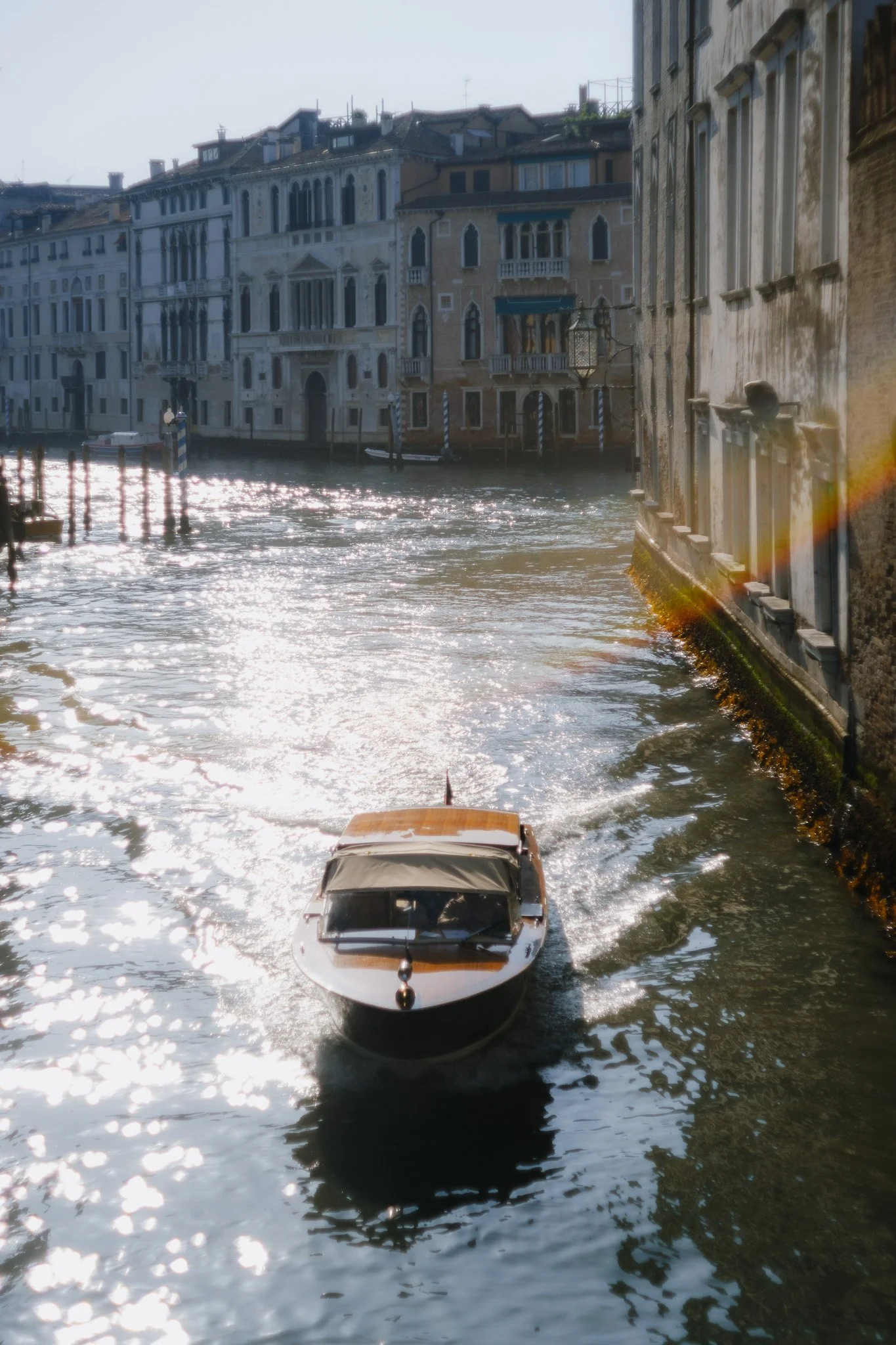
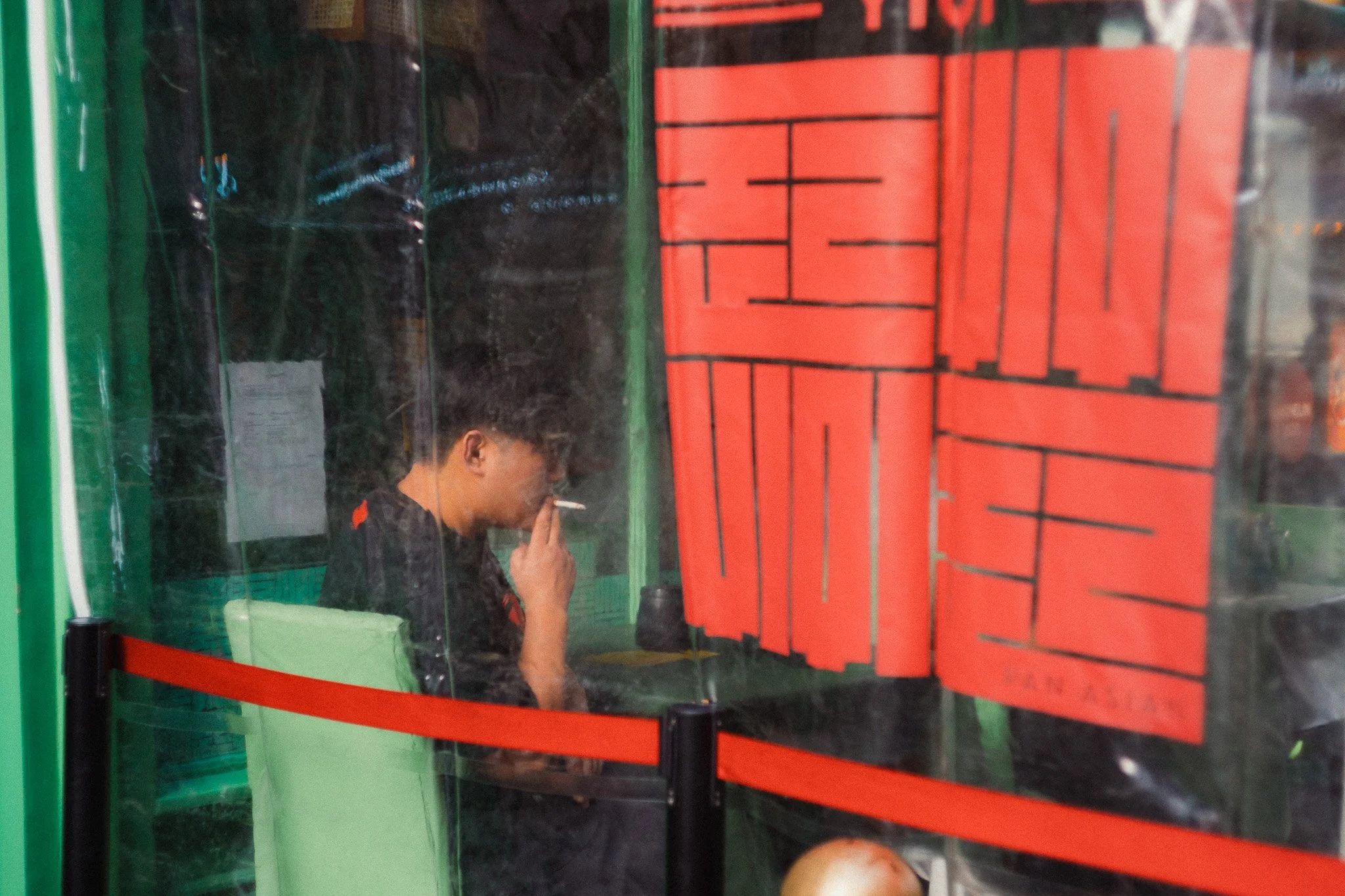
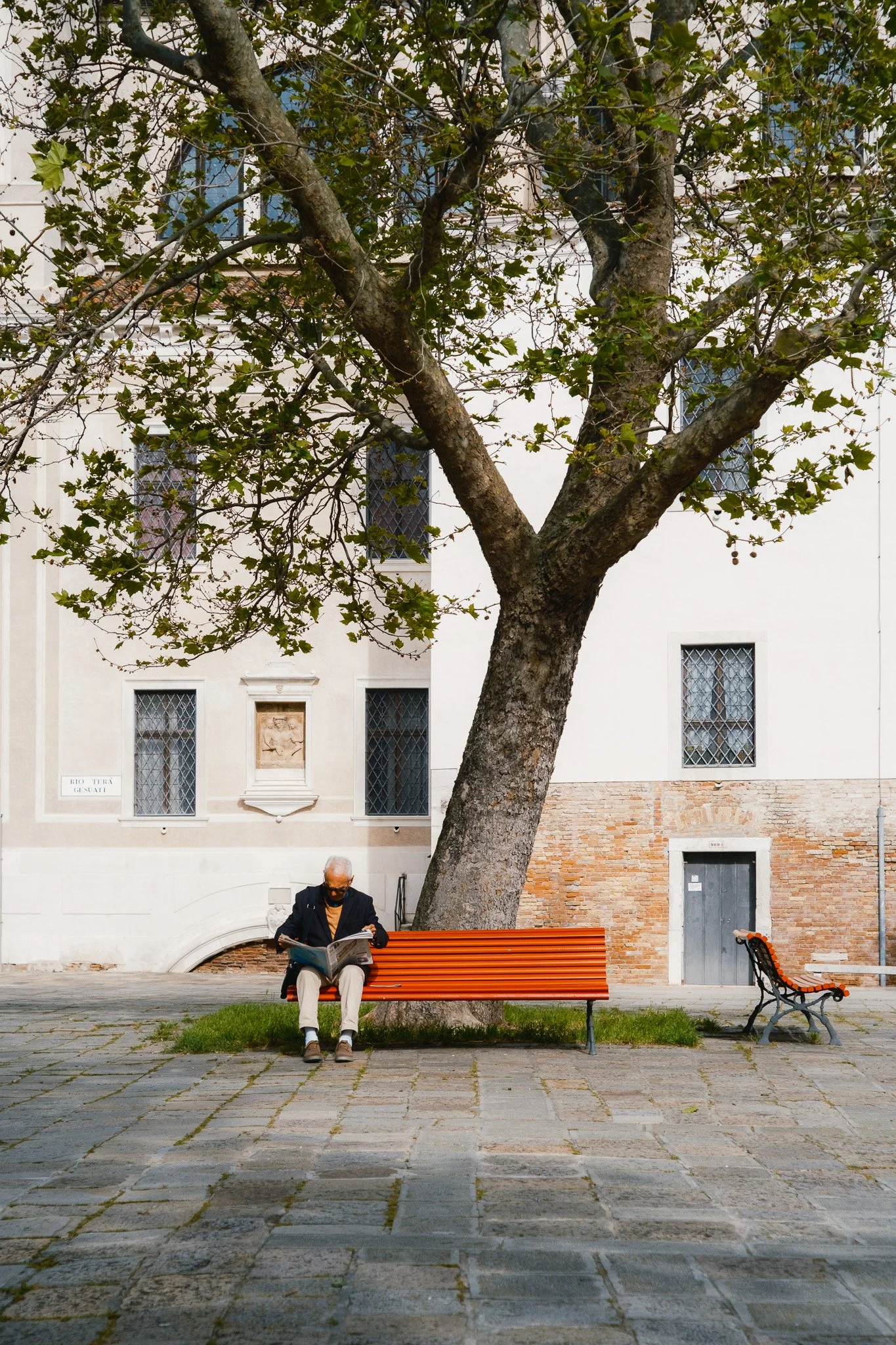
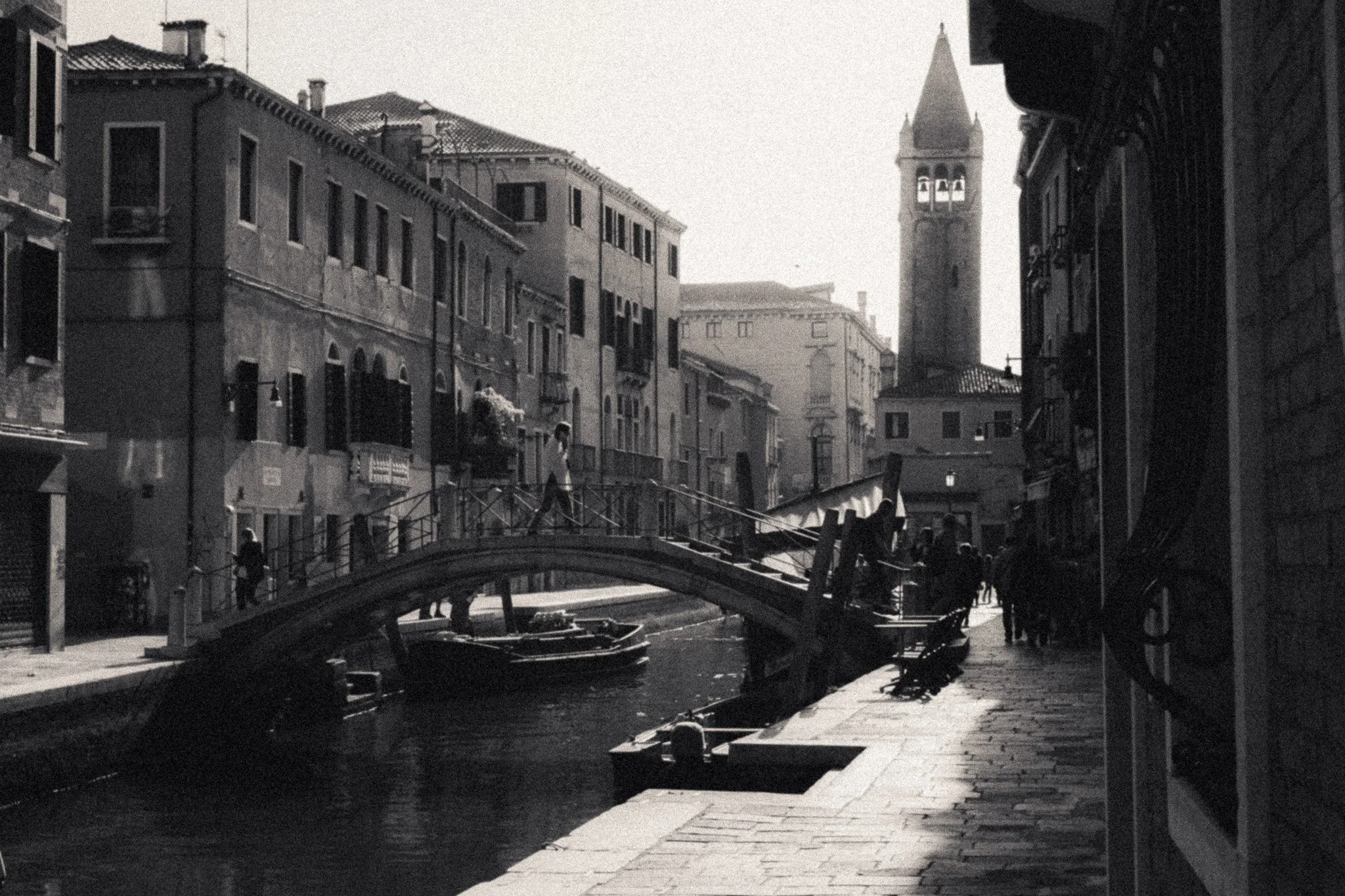
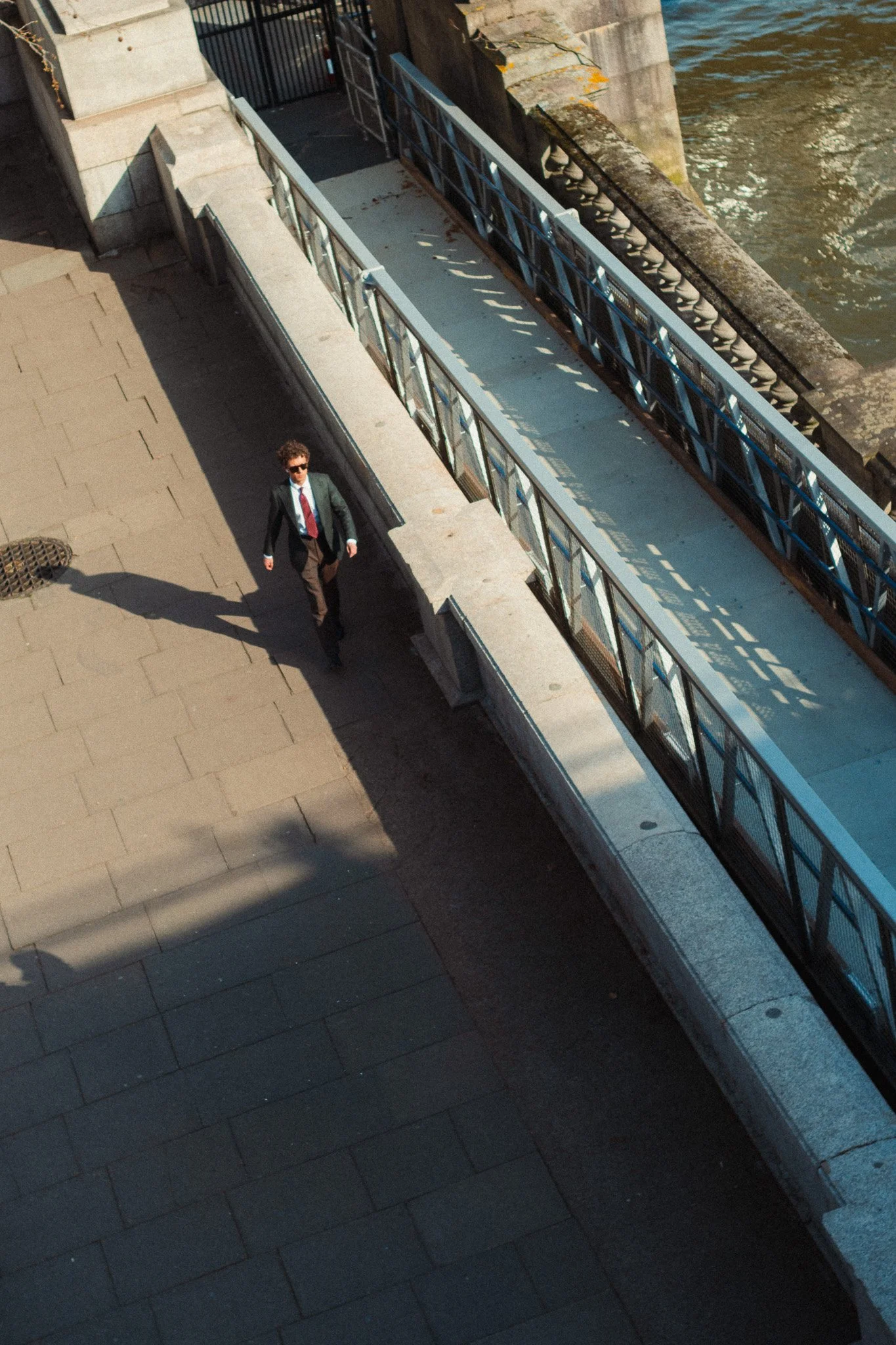
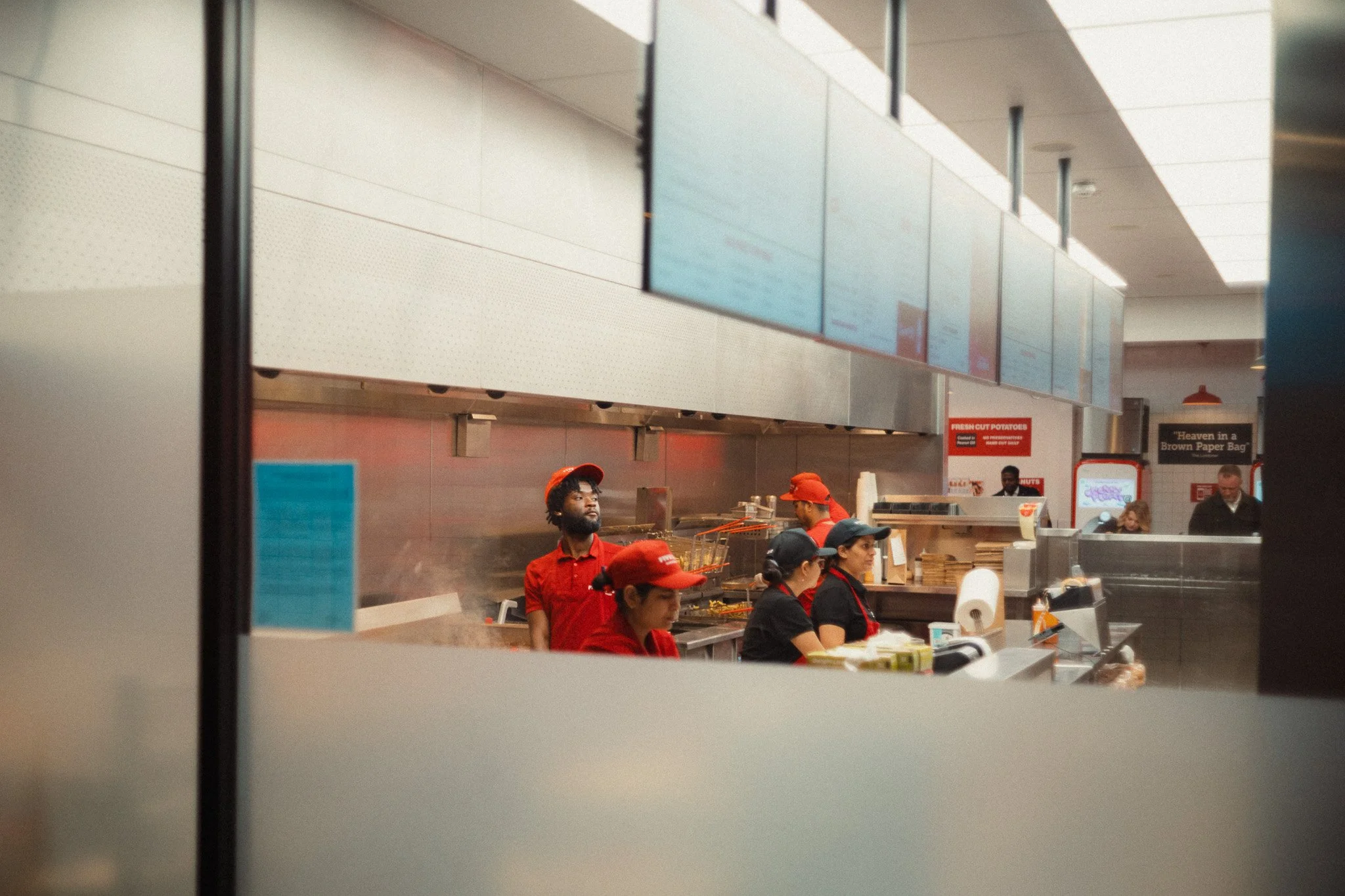
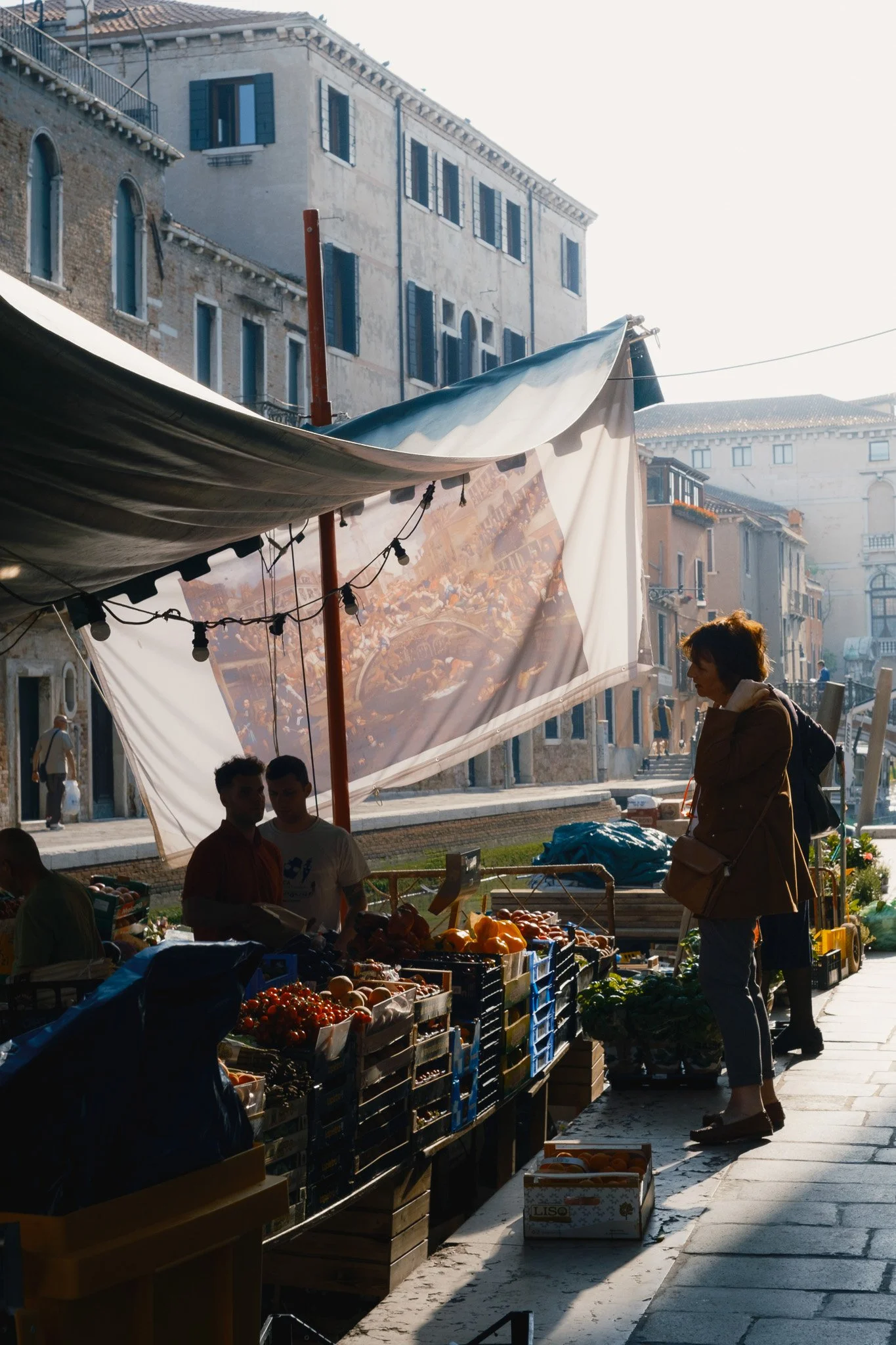
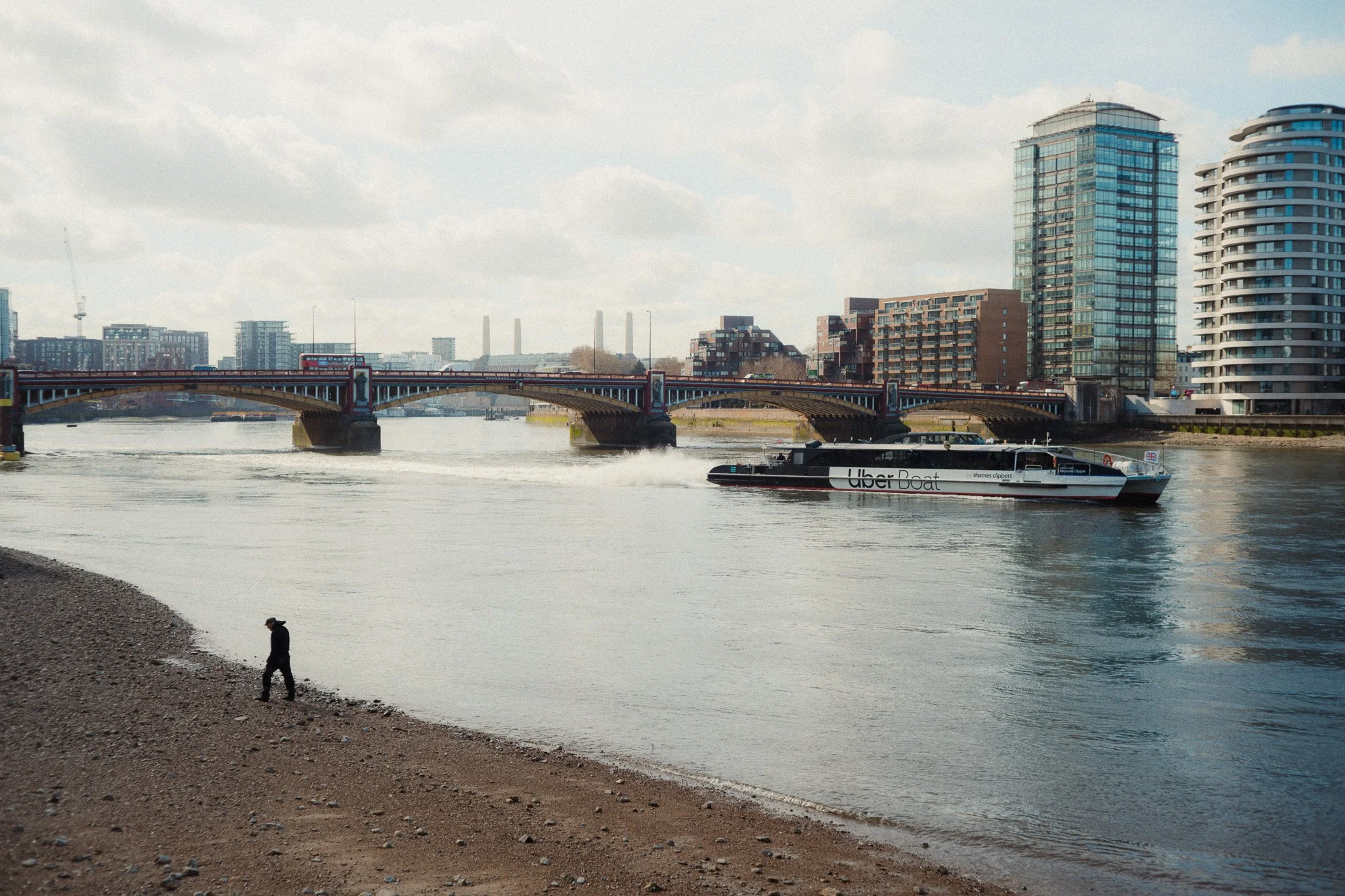

Instead of telling you how these will change your life, I would rather be practical and answer the most common questions that people tend to have when buying presets.
What are presets?
They are editing settings that are saved in a file and can be applied to any image.
Why do people buy presets?
Sometimes because they like the work of the photographer and want that style for their own photos. Mostly because they would like to see how other people edit and learn by reverse engineering the presets. Other times it’s just to support their favourite photographers, thank you!
What’s the overall style of these presets?
- Filmic
- Warm
- Soft
- Bright
What are these presets suitable for?
Street & Travel Photography
Some Nature (with further editing)
Some Portraits (with extensive editing)
Do I actually use these?
Yes. This is the same pack I use right now for all my editing. This isn’t a pack made just to sell.
Do these presets get updated?
Yes, as my style changes, these presets will also be updated. Any time a new update is available, you will get a free update via email. Of course you also keep all the old presets in case you prefer the older looks. Only presets purchased from 2025 onwards will receive the updates.
What file types are these presets for?
- All RAW files
- JPEGs & TIFFs (not recommended)
What camera brands are these presets for?
These were designed around Fujifilm, Sony, and Leica sensors. With that said, they will work with all camera brands. While there might be differences due to individual camera colour science, the overall feel of the preset will carry over.
Will these work with JPEG files?
Yes, but you will need to reduce the intensity and make further edits. I strongly recommend editing RAW files.
Are these one click edits?
95% No. You would need to do some basic adjustments as each image is different. These adjustments can include exposure, colour balance etc. In 5% of cases you can just apply and leave it alone.
Do I need to know how to edit?
You need to have a basic understanding of adjusting exposure, highlights, shadows, etc. A more comprehensive editing skillset will let you get the most out of them.
How many presets are included?
10 in the main pack and 24 in the extras pack
Why two packs?
The main pack is what I use for 99% of my edits and is kept small to reduce wasted time scrolling through presets. The extras pack is everything I don’t use often.
What software do I need?
These presets will work with any of the following:
- Photoshop (adobe camera raw)
- Lightroom Classic
- Lightroom Desktop
- Lightroom Mobile
Will these presets work with free versions of the above software?
You need to research and double check before buying. These presets were designed for the full paid versions.
Will these presets work with very old versions of the above software?
You need to research and double check before buying. These presets were designed on and for the latest software.
What file type do I get?
XMP
What else do I get?
- Comprehensive PDF guide
Can I modify these and turn them into my own?
Yes! In fact I encourage you to modify them and play around. Use these to help you get your own style.
I have more questions…. What do I do?
Make a cup of tea and drop me an email on hello@snapsbyfox.com
Please note that due to the nature of digital products, refunds are generally not accepted. However, if you experience any issues, feel free to contact me and I’ll review your situation individually. You are welcome to use this product for personal or commercial projects, but you may not copy, distribute, or resell the files in their original or modified form.
Finally I want to say a massive thank you for supporting me. Buying these presets is the most direct way you can support my work.
Thank you!