
Fuji vs Sony vs Leica - 1 Year Later
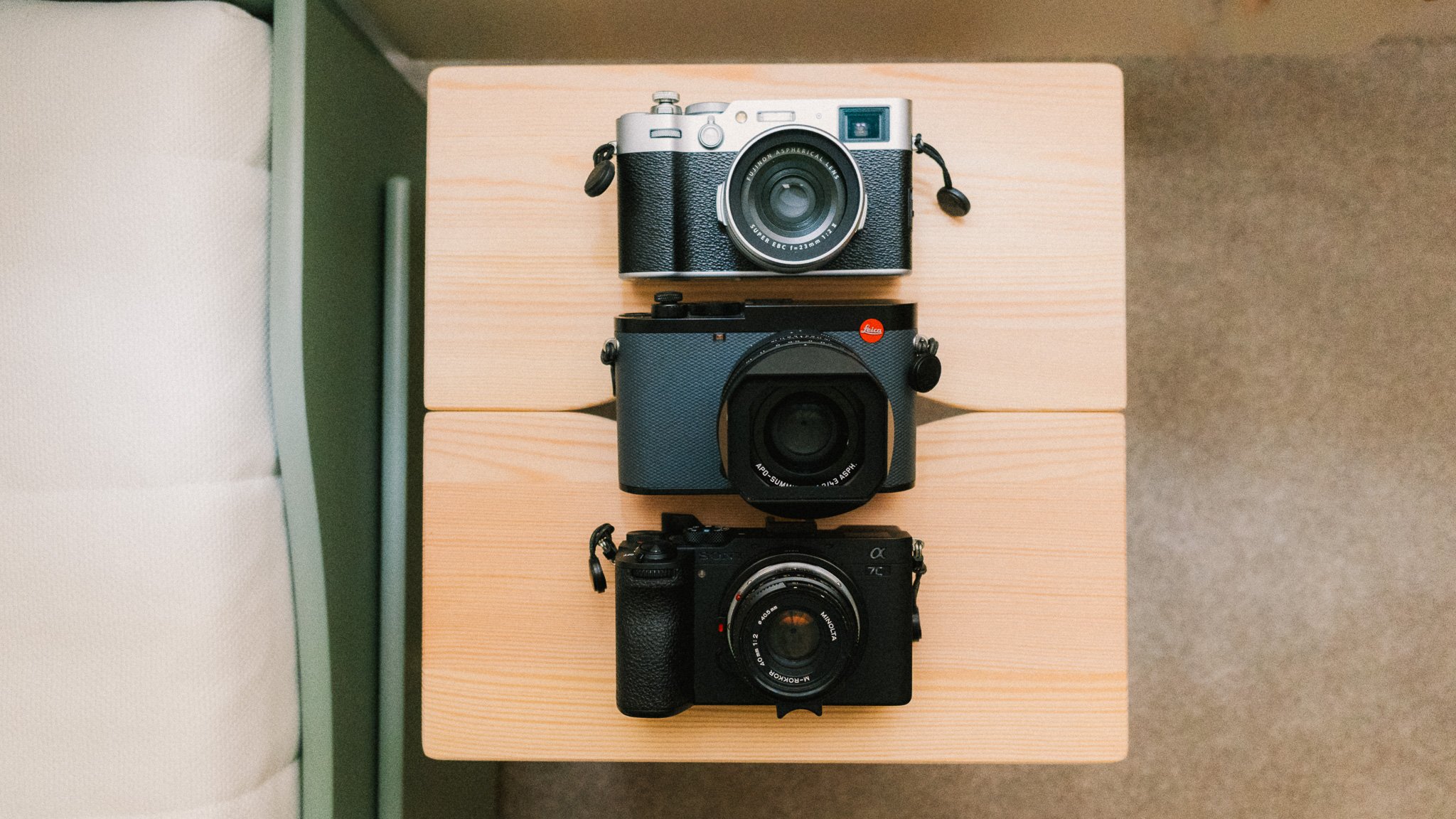
In this blog I will go deeper into the key differences I noticed between the three most popular camera brands: Sony, Leica, and Fujifilm. I’ve been using all three together over the last 17 months, and this gave me a good overview that I will summarise into something that’s easy to digest. For the record, I am not affiliated with any brand, nor do I have any financial or otherwise vested interest in promoting these companies. All cameras were purchased with my own money, and all opinions are entirely my opinions with no filter to keep these brands happy. I would like to further add that despite the many obvious differences, these cameras all do the same job. In the right hands, with the right skills, you can get insane results with any system, and while some are stronger than others, overall any of these will do a great job.
Why I Switched
Those of you who’ve been following me for a long time would remember that for many years I used Fujifilm exclusively, and only since the Autumn of 2024 have I ventured into other brands. The single most common question I get in response to these blogs is why I stopped shooting with Fuji exclusively. The short answer is video capability, an over reliance on Fuji colour science, dissatisfaction with the direction Fuji is heading in, and that by owning other systems I can write articles about them and increase the reach of my blog. Regarding the dissatisfaction in Fujifilm, I am referring to their gear getting bigger, heavier, and the distinct lack of any pro level features, instead favouring gimmicks like the film simulation dials.
Reliability
All three cameras have on average been reliable. All of them have had the occasional freeze up requiring a battery reset, and all of them now and then glitched out, also requiring a battery reset. This hasn’t happened often, maybe a handful of times a year. Once the paint on my Fuji X100VI peeled in the sun, and my Sony A7CII corrupted a video file. Other than that there were no issues when operating in dry environments, we will get onto wet weather soon. I’d say they are all about the same, which is good.
Build Quality
Leica wins the build quality category by a mile, and the Fuji and Sony feel like toys in comparison. The only camera I ever used that could match the Leica is a Hasselblad. The Leica feels like a tank, with all the buttons, dials, doors, and displays feeling extremely well built. The Fuji and Sony feel like cameras that you’d be replacing in three to five years. The Leica feels like something you can pass down to your kids. Of course this should not come as a surprise given the insane price difference. Between Sony and Fuji, I’d say Sony takes the lead.
Weather Sealing
All cameras are rated as weather sealed, however only the Leica actually comes with an IP weather sealing rating. I’ve never had any issues using the Leica in the rain, and given the official rating I would have the most confidence in that system. The Sony has been used in plenty of downpours and has been the most abused in this sense. While there is no official rating, I never had any issues using it in some truly horrific conditions. The one annoyance is the hot shoe which can mistake water for an unsupported accessory and give you annoying warnings. When it comes to Fujifilm, even their weather sealed cameras have all failed on me when shooting in the rain. XT3, XT4, XT5, and even the XH2s were all sent back for various water ingress repairs.
Feel
All these cameras feel different, and when selecting specific models this also changes. Overall the Leica feels like a premium experience, the Fuji feels like a light hearted fun take on photography, and the Sony feels like a professional tool.
Fun Factor
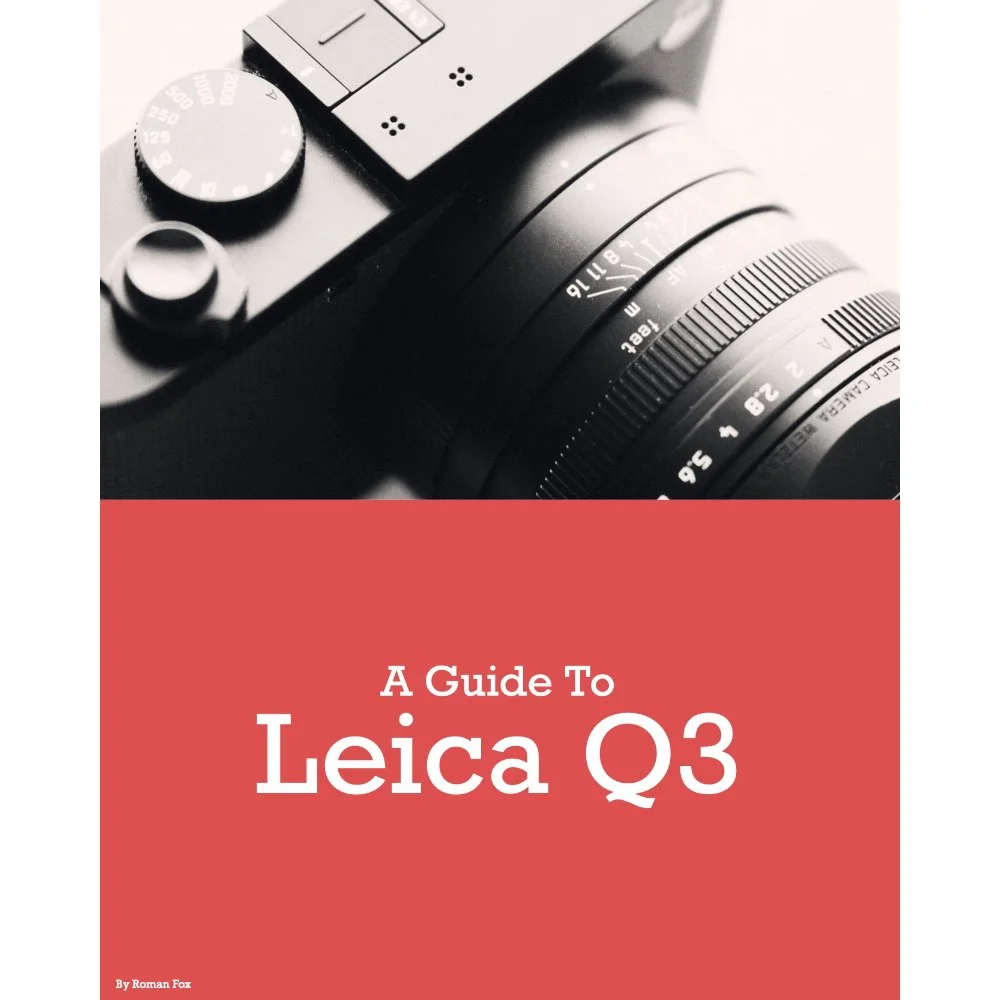
By fun factor I mean how much joy the camera gives you, and how likely you are to pick it up. If you listen to any brand enthusiasts online they will tell you that their Leica, Fuji, or whatever brand they are married to is the most fun one to use. I can categorically say that all three brands are equally fun for me to use. While they might not be fun for the same reasons, I am equally excited to pick up my A7R, Q3, or X100VI.
Getting Out Of Your Way
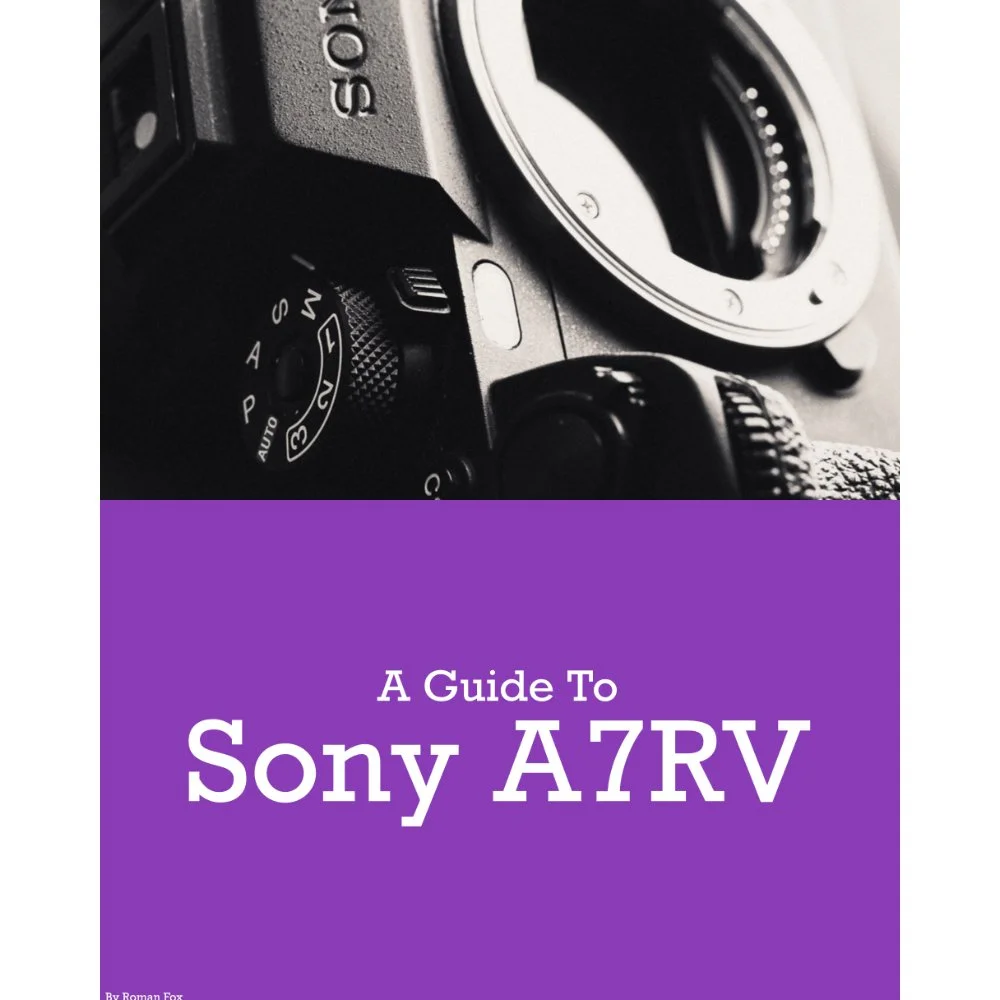
Some cameras such as the Leica M11 involve you in the process of using the camera. Shooting with that Leica is as much of the experience as the photography itself. The Sony A7R that I use most of the time is designed to get out of your way and let you solely focus on photography. The experience of using the camera might be a more “boring” one, but it gets results. It’s a bit like comparing a manual Aston Martin with a Range Rover Sport. One is raw and pulls you into the process of driving. The other gets you from A to B across any terrain with great ease and perhaps boredom.
Ecosystem
The Sony wins the ecosystem category hands down. It has by far the biggest lens selection and a fully open mount meaning every manufacturer can make their version of a Sony lens. This keeps prices competitive and gives you an almost unlimited choice of glass. Coupled with industry wide support for Sony, you will find almost any accessory you need. Lastly, the multi interface hot shoe is a godsend, removing the need for unnecessary cables.
Image Quality - Colour
Colour is a nuanced topic because it’s subjective, and my opinion differs depending on whether we are talking about straight out of camera colour, editing capability, or colour accuracy. In terms of my personal taste I feel that Fuji produces the best colours. Even the RAW files have a certain look to them, and the colours need the least correcting for my taste. Leica also has a distinct look which is punchy and clean. While not exactly to my taste, I can see the appeal. Sony produces the most neutral files which need a lot of work to make them look nice. For some people this is good because it gives them a clean starting point. For others it means more time spent editing.
Image Quality - Sharpness
Sharpness depends more on the lens than the camera body, but assuming you use top tier lenses on each system I would say Sony and Leica are equally sharp while Fuji is a little softer. We are splitting hairs though.
Image Quality - JPEG
Fuji wins the JPEG category hands down. Not only do they produce the most pleasing JPEGs, but they also give you the most flexibility when dialling in your look. Leica is also good if you like that specific Leica look, and while you have less control over the JPEGs you can still dial in something that works for you. Sony has plenty of adjustments for JPEGs, however I personally don’t like the colours at all.
Image Quality - RAW
Sony RAW files are the best without a doubt. They have the most dynamic range, flexibility, and depth. I can do so much with a Sony file that would cause a Leica or Fuji file to fall apart, especially when it comes to highlight recovery and colour manipulation.
Autofocus
Sony is decades ahead when it comes to autofocus. If you want the best AF in terms of accuracy, reliability, feature set, and performance for both photo and video, Sony is the obvious choice. There really isn’t much more to say here.
Video
Sony also wins when it comes to video. The files produced in S-Log3 are excellent. Fuji’s F-Log2 is good but not quite at the same level. Leica’s L-Log falls behind both of them. When it comes to video specific features Sony also wins. This isn’t a video focused blog though, so I’ll leave it there. If video is important to you, Sony should be your first choice.
Hybrid Workflow
All three systems have a good hybrid workflow and while they implement it slightly differently, it’s fairly easy to shoot both photo and video at the same time. Once again Sony comes out on top, Fuji takes second place, and Leica comes in last. Perhaps I will write a more detailed video focused comparison later this year.
Summary
So with all that said, which brand is the best? None of them. The best brand is the one that fits your needs, your lifestyle, and what you actually enjoy doing. If you’re a freelancer looking to get into video, buying a Leica would be a catastrophic waste of money. If you’re a beginner getting into photography for fun, a Sony might make the process feel overly technical. If you have the disposable income and appreciate craftsmanship, then a Leica might be exactly what you want. If you hate editing and want photos that look great straight out of camera, then Fujifilm is worth considering. The perfect system simply doesn’t exist.

Instead of telling you how these will change your life, I would rather be practical and answer the most common questions that people tend to have when buying presets.
What are presets?
They are editing settings that are saved in a file and can be applied to any image.
Why do people buy presets?
Sometimes because they like the work of the photographer and want that style for their own photos. Mostly because they would like to see how other people edit and learn by reverse engineering the presets. Other times it’s just to support their favourite photographers, thank you!
What’s the overall style of these presets?
- Filmic
- Warm
- Soft
- Bright
What are these presets suitable for?
Street & Travel Photography
Some Nature (with further editing)
Some Portraits (with extensive editing)
Do I actually use these?
Yes. This is the same pack I use right now for all my editing. This isn’t a pack made just to sell.
Do these presets get updated?
Yes, as my style changes, these presets will also be updated. Any time a new update is available, you will get a free update via email. Of course you also keep all the old presets in case you prefer the older looks. Only presets purchased from 2025 onwards will receive the updates.
What file types are these presets for?
- All RAW files
- JPEGs & TIFFs (not recommended)
What camera brands are these presets for?
These were designed around Fujifilm, Sony, and Leica sensors. With that said, they will work with all camera brands. While there might be differences due to individual camera colour science, the overall feel of the preset will carry over.
Will these work with JPEG files?
Yes, but you will need to reduce the intensity and make further edits. I strongly recommend editing RAW files.
Are these one click edits?
95% No. You would need to do some basic adjustments as each image is different. These adjustments can include exposure, colour balance etc. In 5% of cases you can just apply and leave it alone.
Do I need to know how to edit?
You need to have a basic understanding of adjusting exposure, highlights, shadows, etc. A more comprehensive editing skillset will let you get the most out of them.
How many presets are included?
10 in the main pack and 24 in the extras pack
Why two packs?
The main pack is what I use for 99% of my edits and is kept small to reduce wasted time scrolling through presets. The extras pack is everything I don’t use often.
What software do I need?
These presets will work with any of the following:
- Photoshop (adobe camera raw)
- Lightroom Classic
- Lightroom Desktop
- Lightroom Mobile
Will these presets work with free versions of the above software?
You need to research and double check before buying. These presets were designed for the full paid versions.
Will these presets work with very old versions of the above software?
You need to research and double check before buying. These presets were designed on and for the latest software.
What file type do I get?
XMP
What else do I get?
- Comprehensive PDF guide
Can I modify these and turn them into my own?
Yes! In fact I encourage you to modify them and play around. Use these to help you get your own style.
I have more questions…. What do I do?
Make a cup of tea and drop me an email on hello@snapsbyfox.com
Please note that due to the nature of digital products, refunds are generally not accepted. However, if you experience any issues, feel free to contact me and I’ll review your situation individually. You are welcome to use this product for personal or commercial projects, but you may not copy, distribute, or resell the files in their original or modified form.
Finally I want to say a massive thank you for supporting me. Buying these presets is the most direct way you can support my work.
Thank you!