
Photography In Manhattan, New York - My Experience
Scope
I’ve been coming to New York on an almost annual basis since 2019. Apart from a brief pause when we were all locked indoors, I haven’t skipped a year. I’ve visited during different seasons, for varying lengths of time, and at different stages of my photography journey.
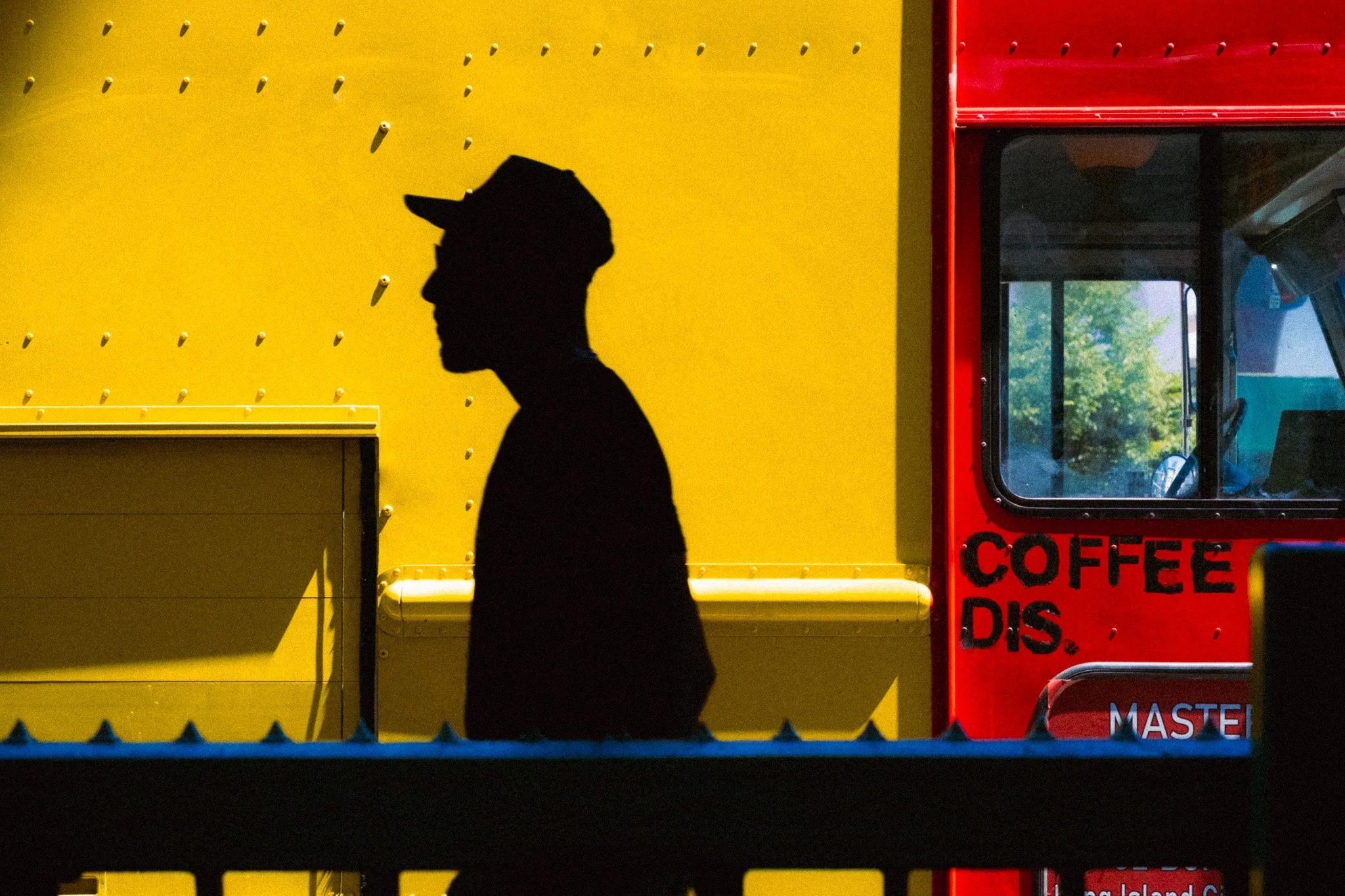
In this blog, I will share my experience of travelling around Manhattan. I am being very, very specific with the wording here because 95% of my time was spent in Manhattan, and as I’m sure we all know, New York is much bigger than its most famous borough.
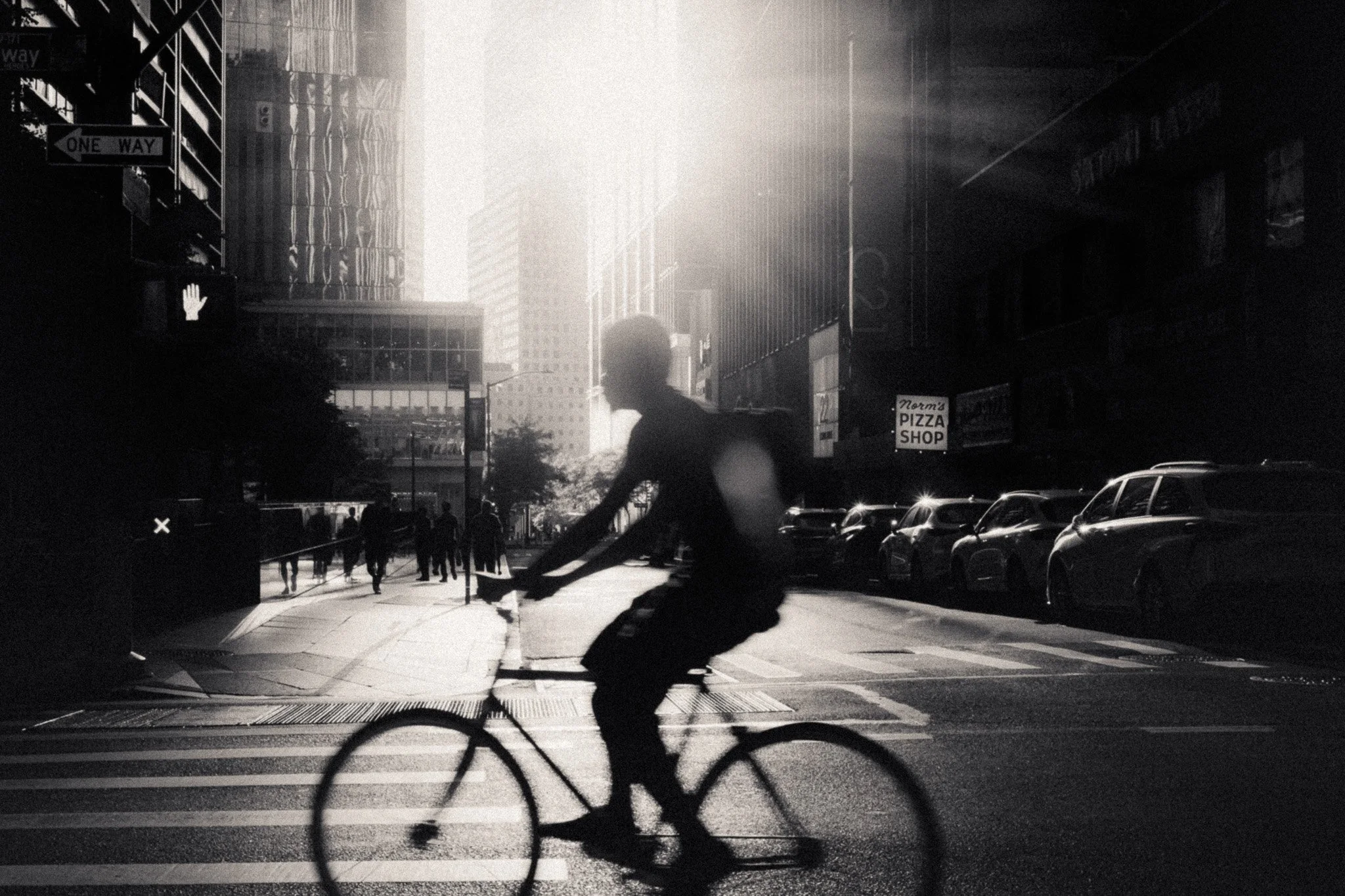
Why not venture farther afield? I did briefly, but I still feel drawn to Manhattan. This isn’t a travel guide, although it can certainly be used as a source of information. New York is the sort of city you need to live in for a long time before compiling a proper travel guide. However, if you happen to be coming to London, my travel guide, which you can find here, will 100% help you.
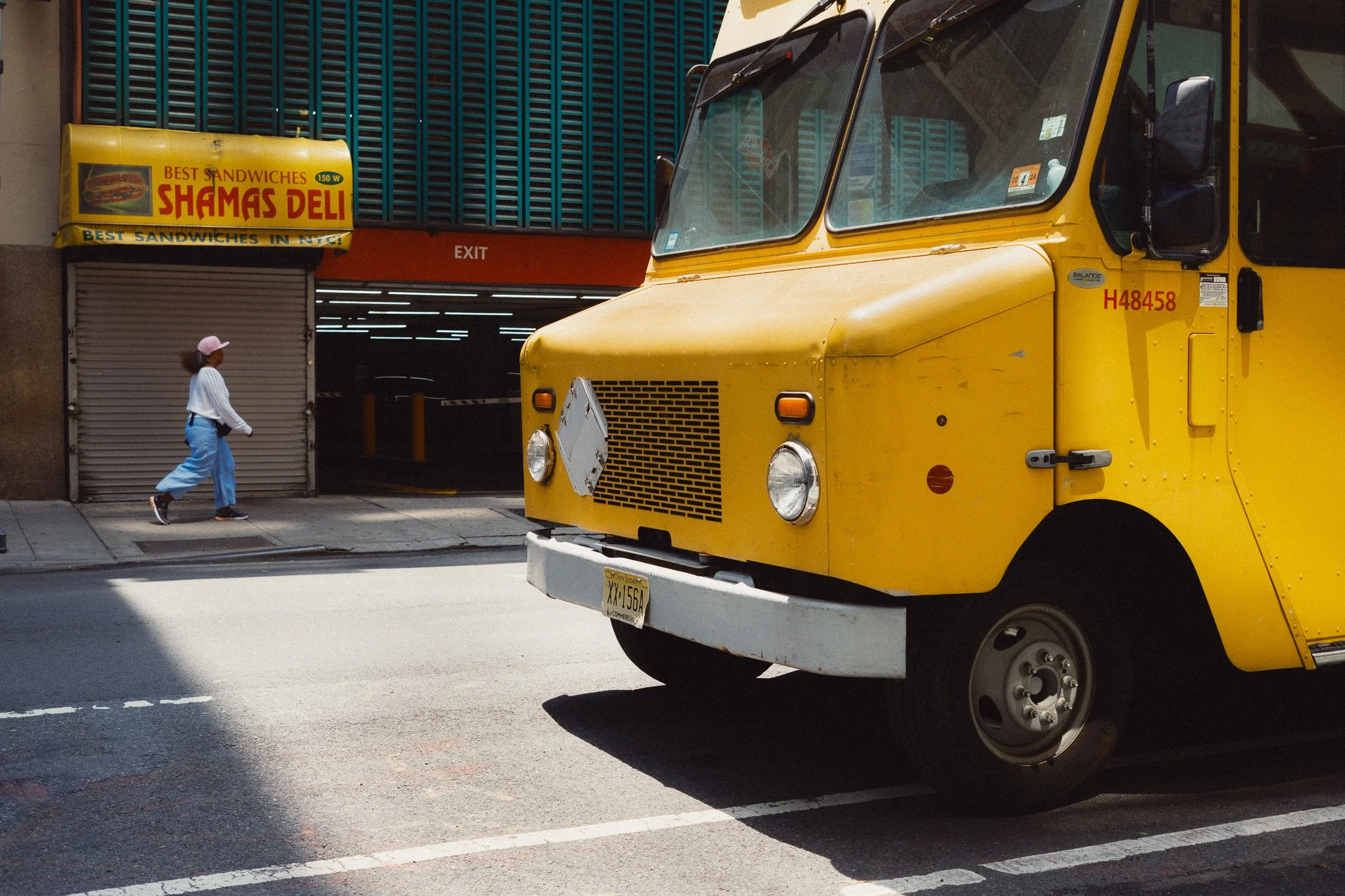
Seasons
I’ve visited in both summer and winter to experience the two extremes. All the locals tell me to visit in spring or autumn for the most comfortable temperatures, but because I like to make things difficult for myself, I pick the extremes instead.
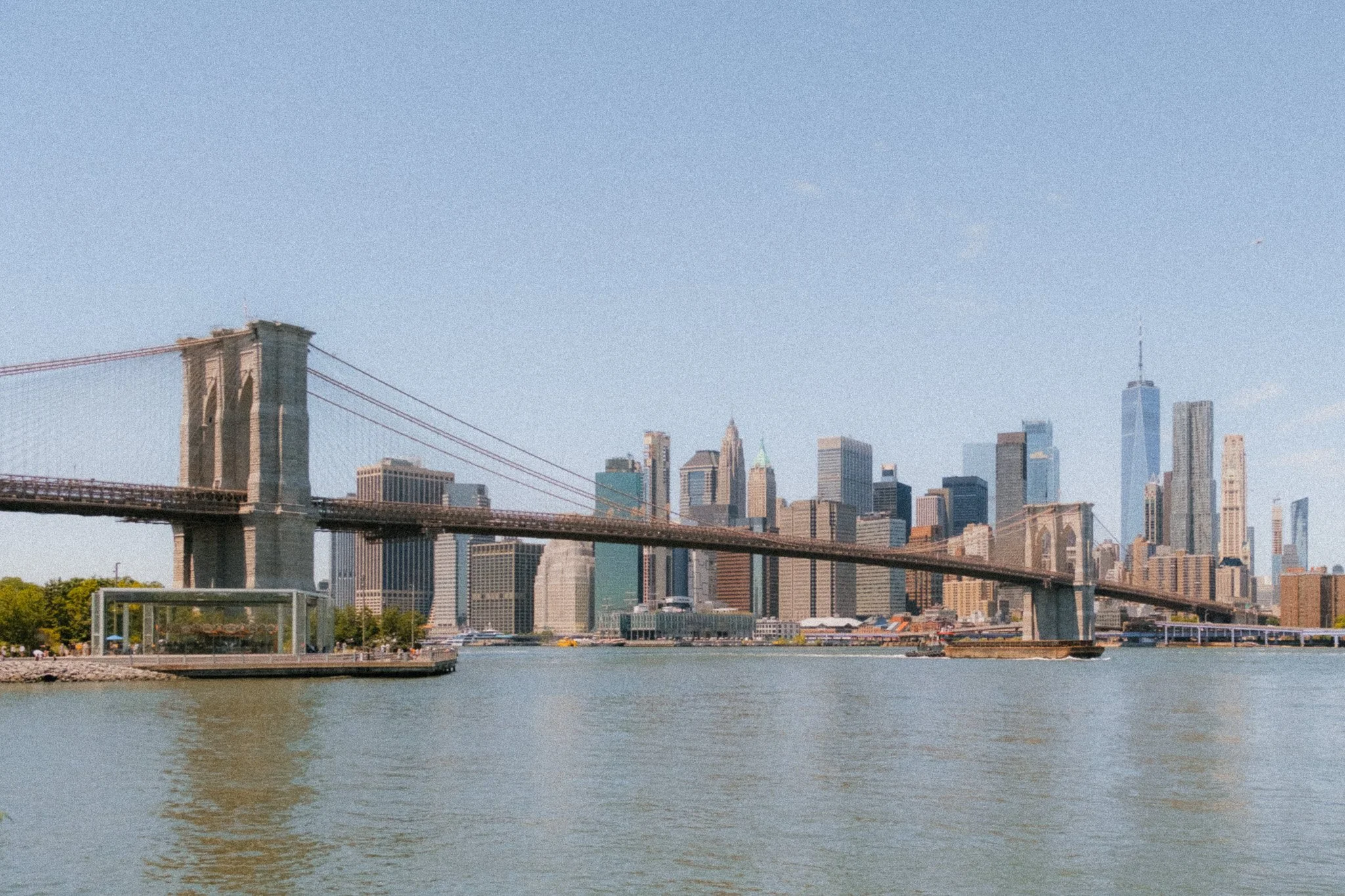
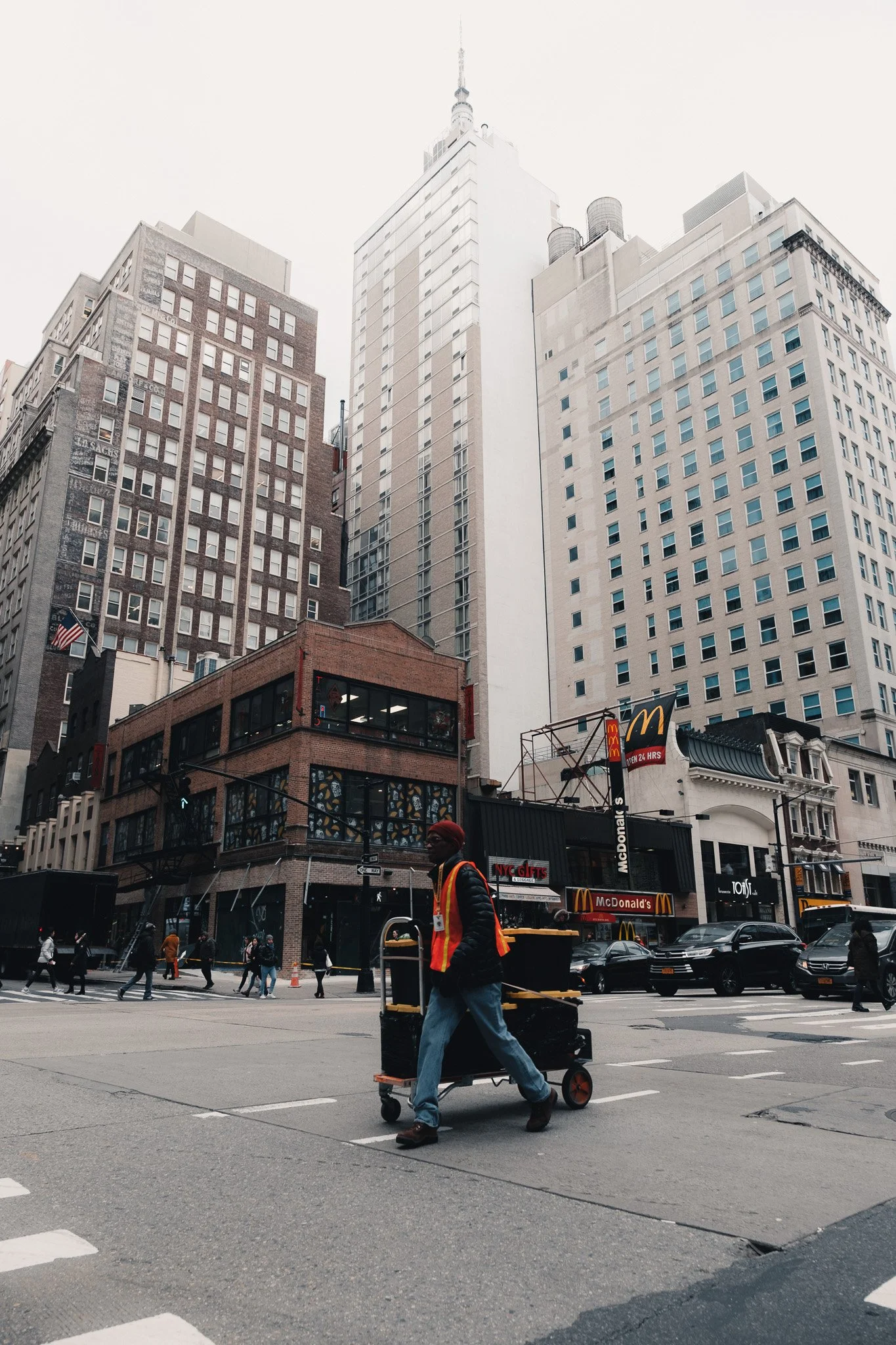
Winter is utterly brutal. I’ve been to Antarctica, and I distinctly remember it feeling less cold than being beside the Hudson in January. The main reason to visit in winter is to try to catch the crazy snow. Sadly, I can’t tell you how to predict it, and I failed every time. Of course, if you like shooting at night, winter is your best option. Having visited in winter three times, I don’t think I will do it again.
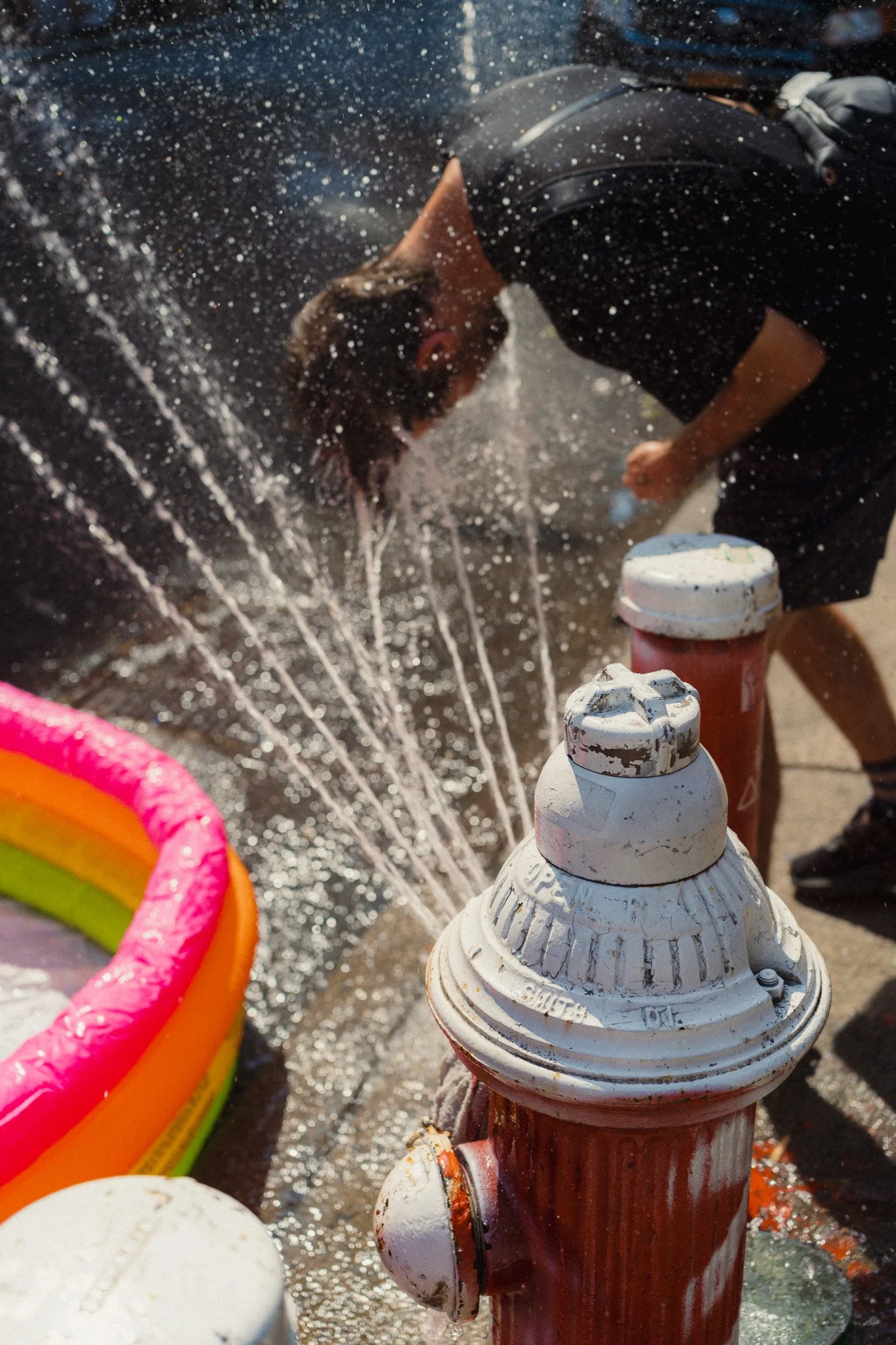
For me, summer is when New York shines. The weather is outstanding, the light is amazing, people’s spirits are high, and there is so much life everywhere. From kids running beneath the spray of fire hydrants to dudes playing basketball, everywhere you look, the city is alive. Sure, it can get extremely hot, but for me, summer is where it’s at.
Duration
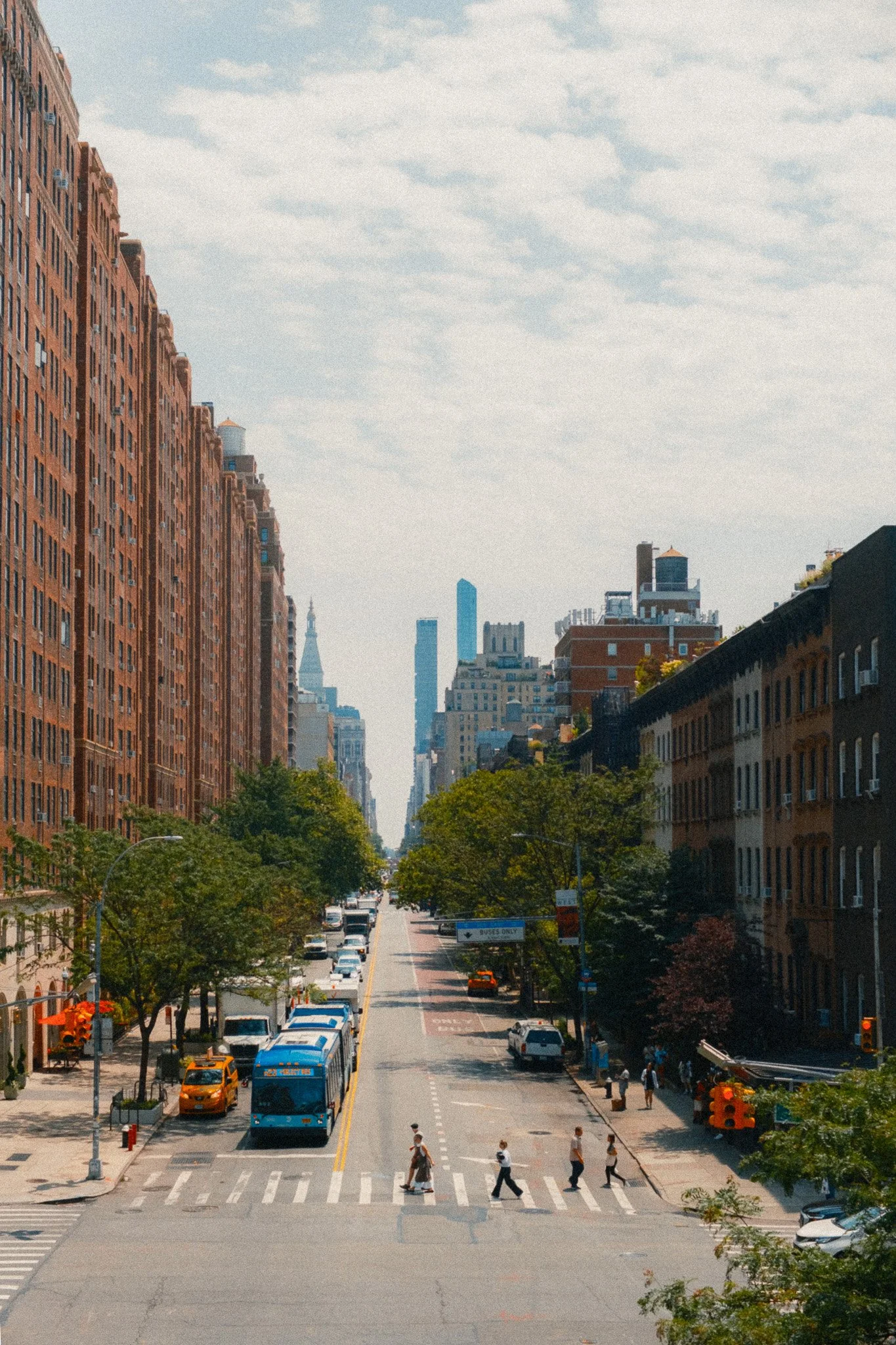
I’ve stayed for anywhere between one and four weeks, and in my opinion, around ten days is the sweet spot, especially if you’re out shooting every day. Any less and you won’t get into the rhythm. Any more and you will burn out.
Where I Stayed
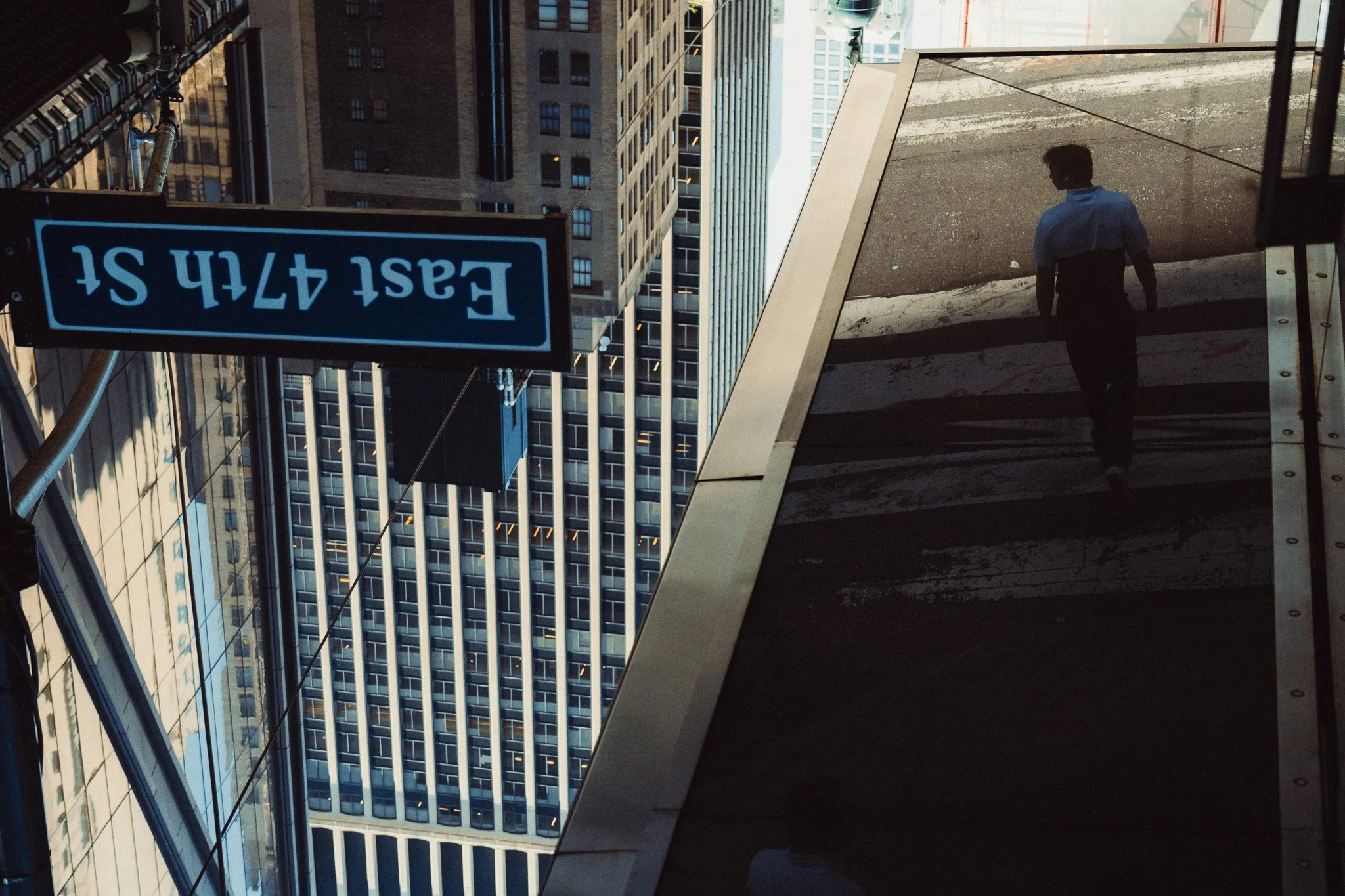
I always stay in the same area, just south of Grand Central Terminal. It’s very central, making it easy to walk to any part of town without the journey taking too long. It’s also extremely well connected.
Getting Around
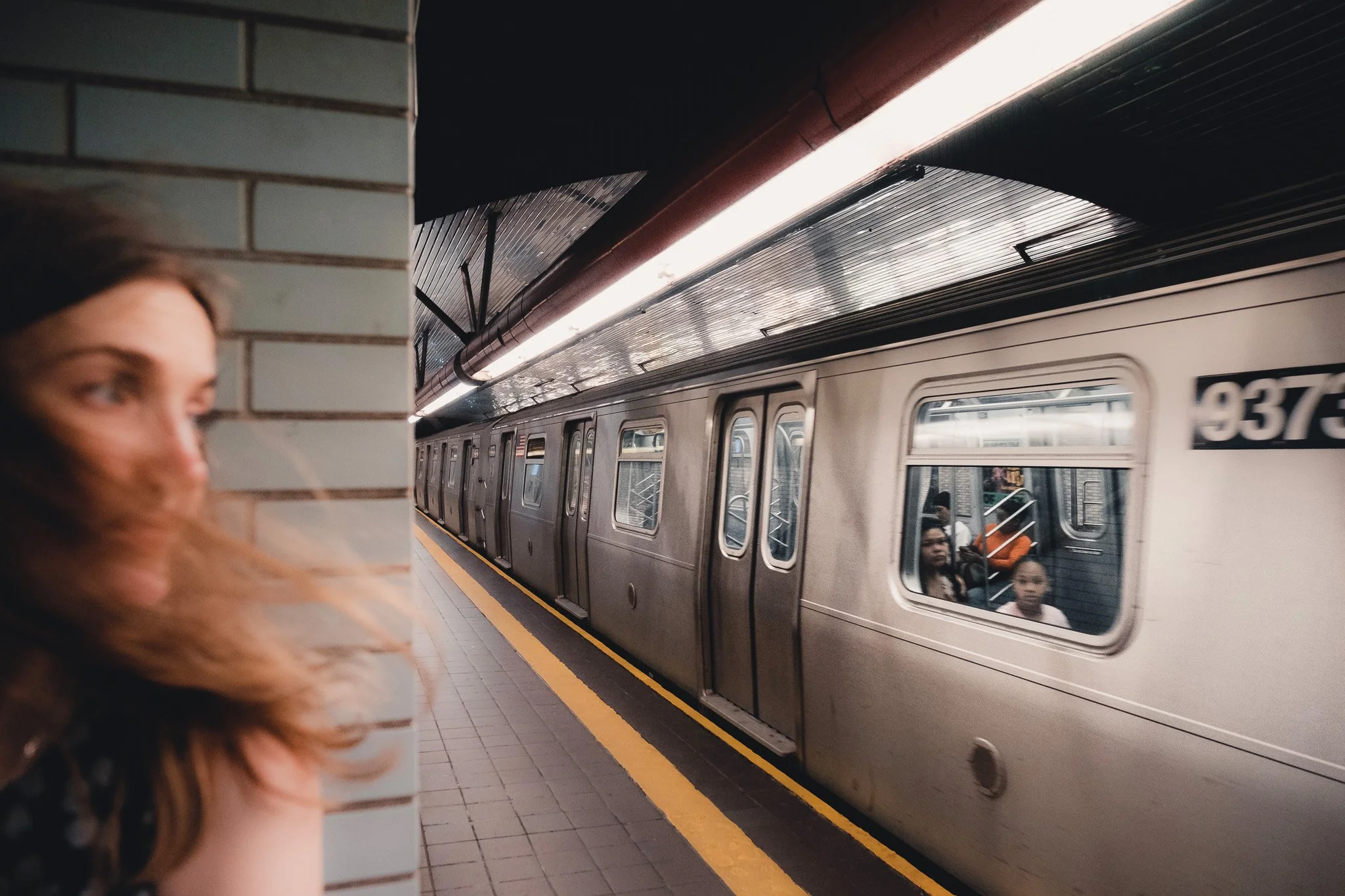
I use only two modes of transport: my feet and the subway. I walk about 80% of the time and take the subway only if I am going somewhere time-sensitive. I use a taxi only when it’s late at night.
Gear I Used
I’ve used just about every type of camera and lens in NYC. I would say a 40mm prime is ideal, but a 24–70mm zoom is the best choice if you’re unsure. You don’t need to go much beyond 70mm unless you specifically want that look.
My ideal NYC lens is the Sony 24–50mm. If in doubt, you can’t go wrong with a 35mm prime. These are all full-frame focal lengths.
My Experience Shooting Here
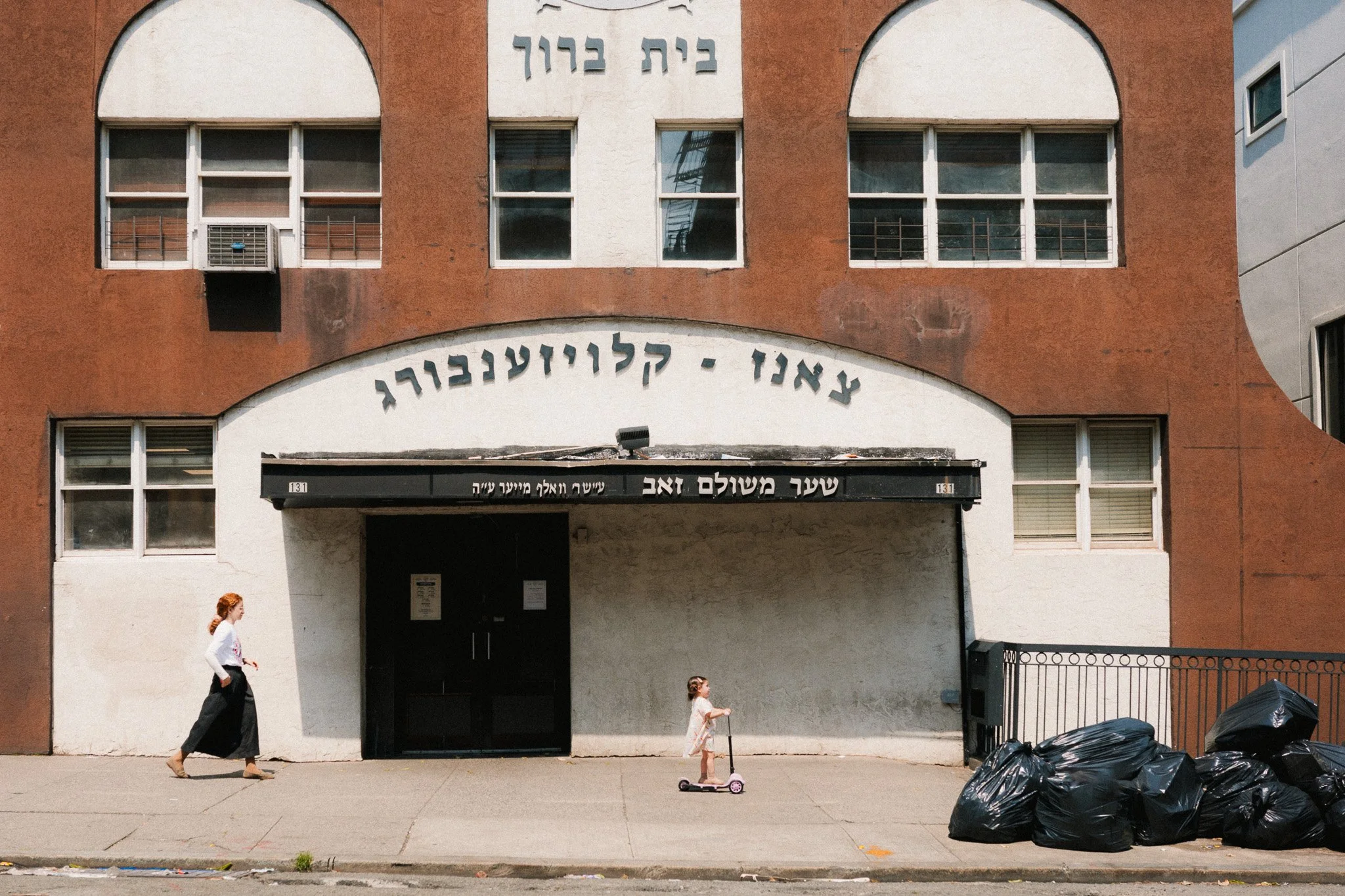
My experience of shooting in New York has been nothing but positive. As in any other major city, such as London or Tokyo, people generally won’t care as long as you are respectful.
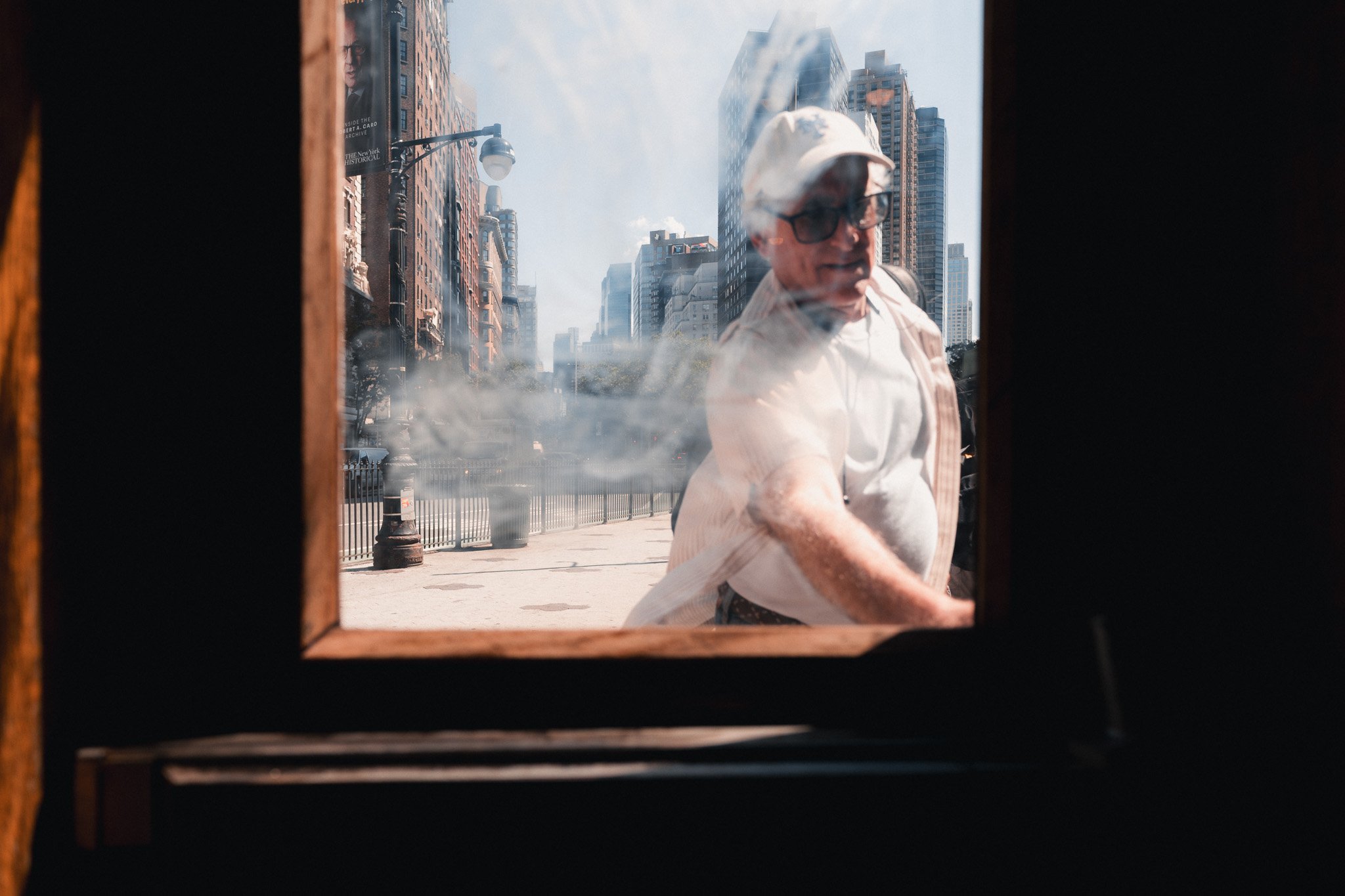
I would say New York is easier to shoot in because people are more open to cameras, but it’s also much more interactive. In London or Tokyo, people tend to keep themselves to themselves. In New York, people will start conversations with you.
Food and Drink
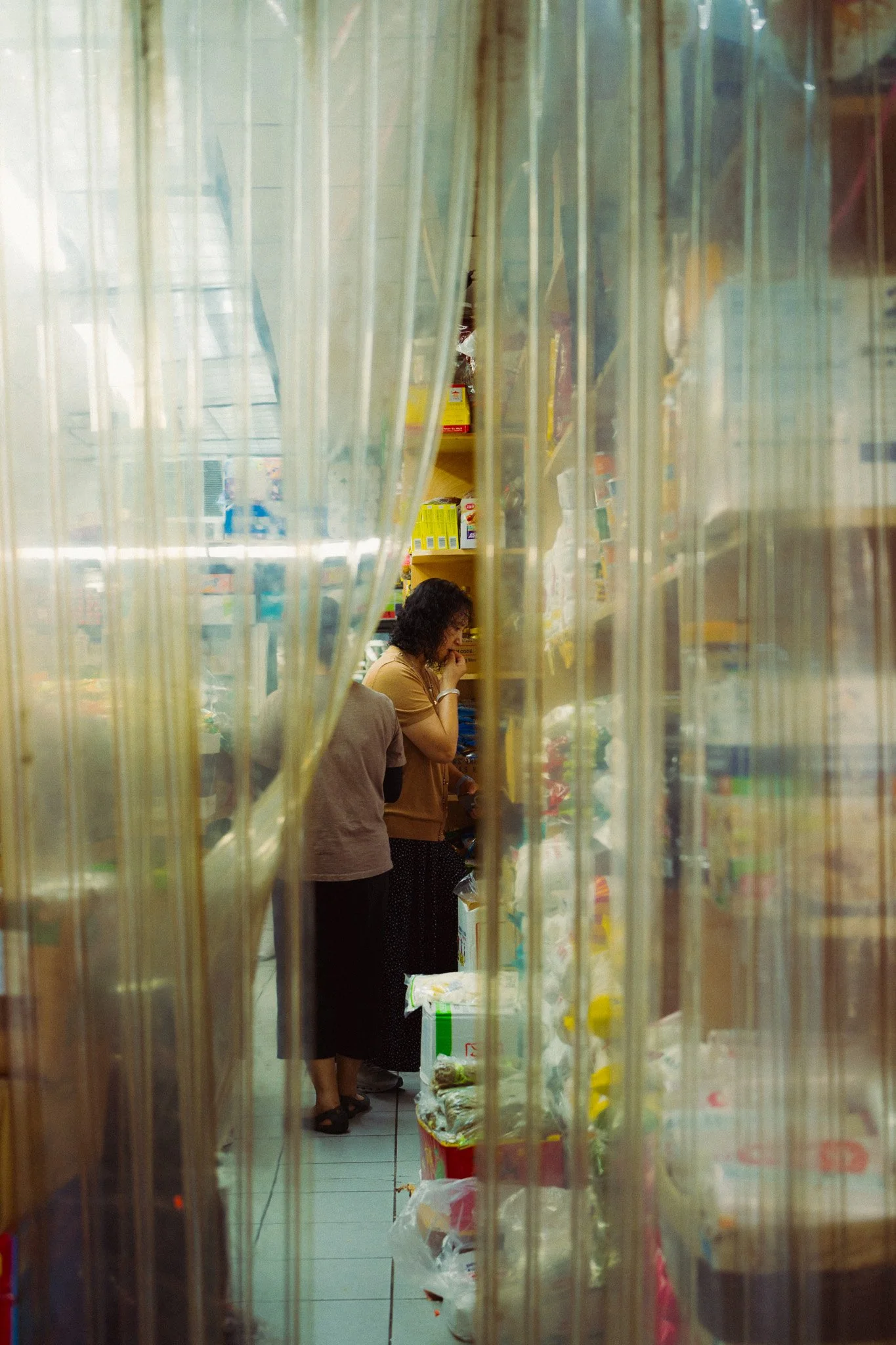
I am not a foodie, which I know is a shame given where I am. My go-to spot is Whole Foods, a supermarket with a section selling cooked, healthy food. Of course, I will grab burgers, pizza, and tacos if I walk past them, but Whole Foods is good for a quick, healthy meal.
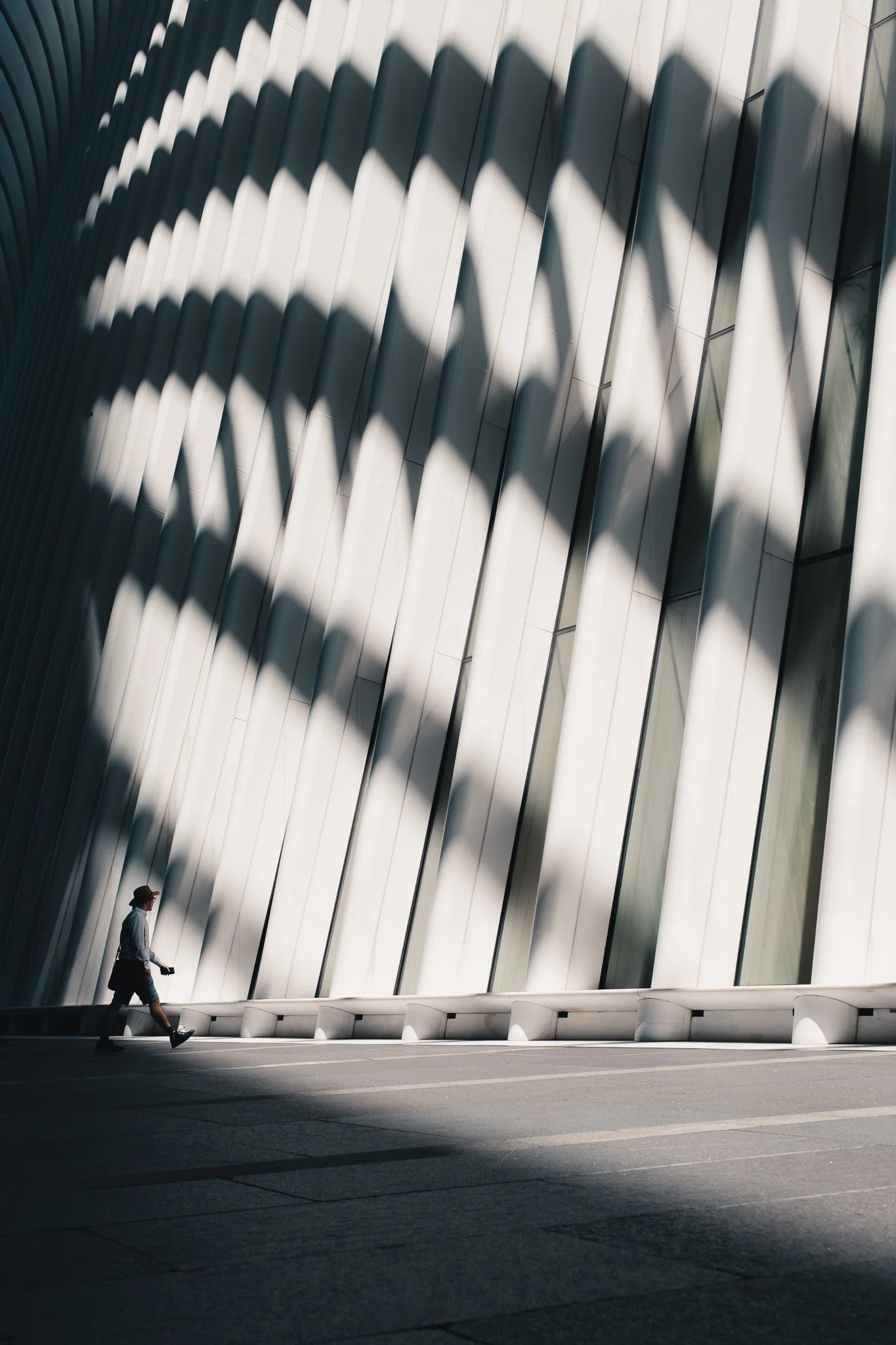
I like Juice Generation in the summer for a refreshing juice, and if I am about to demolish 30,000 steps, Utopia Bagels will give me all the calories I need. As for coffee, any place that looks like a nice coffee shop usually serves very nice coffee. At least, that has been my experience.
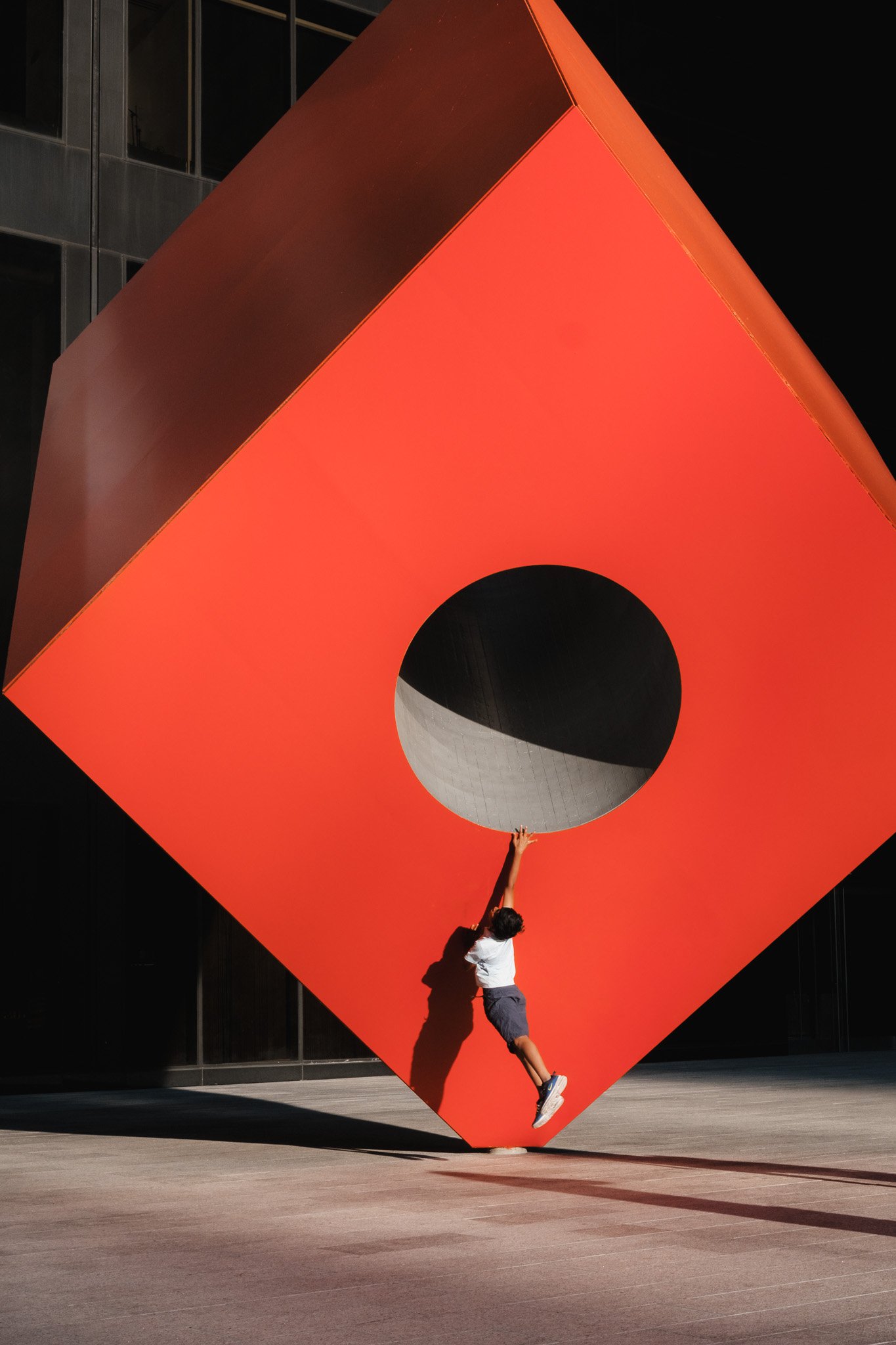
Other Travel Notes
Although cards are accepted everywhere, I found having some cash very helpful, especially when buying fruit from street vendors on a hot summer’s day.
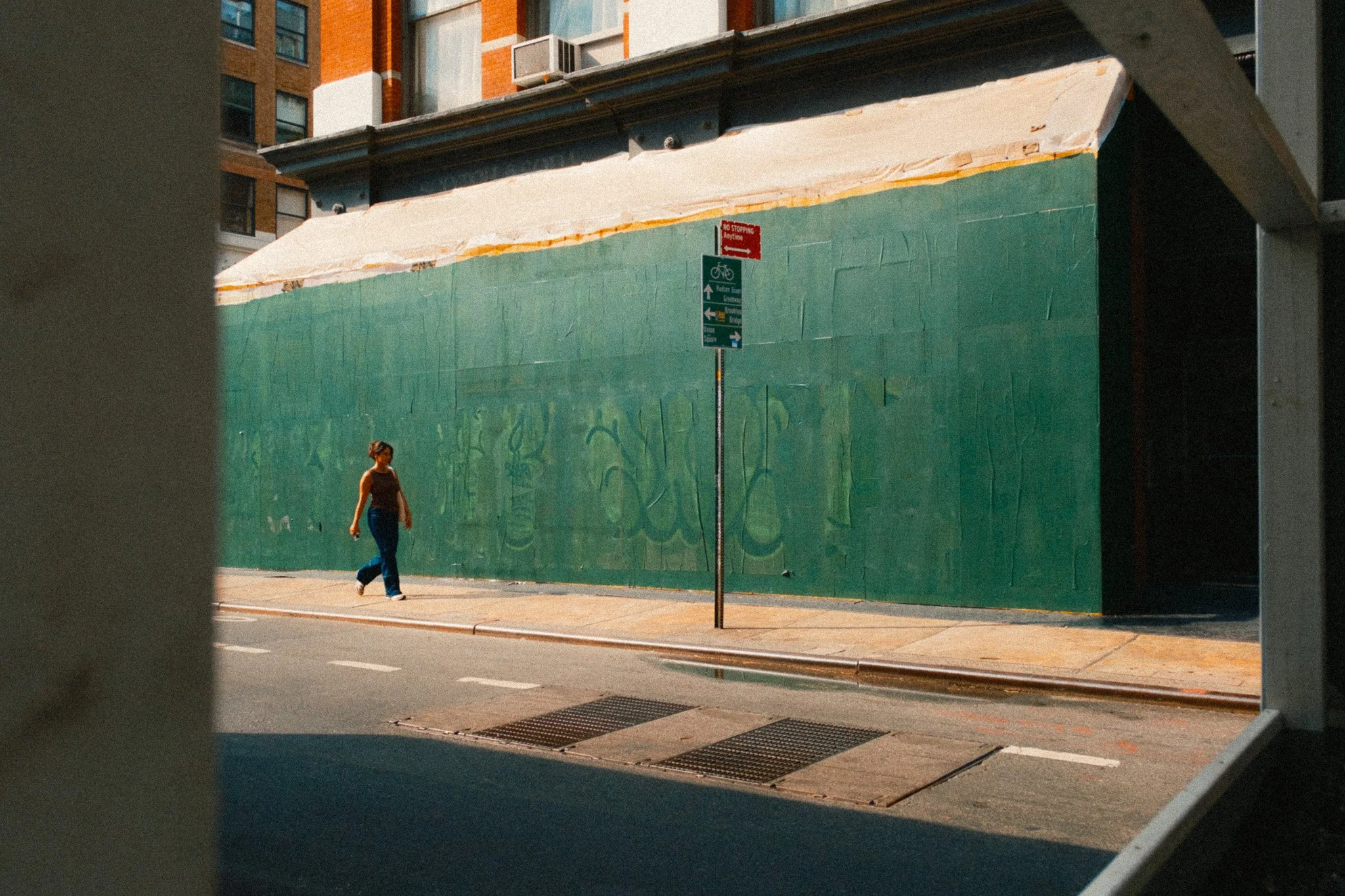
One thing I struggled with was the lack of public toilets. Although there are some, they are few and far between. This resulted in frequent stops for tea, coffee, and snacks just so I could use the loo. I’m not complaining; it’s merely an observation.
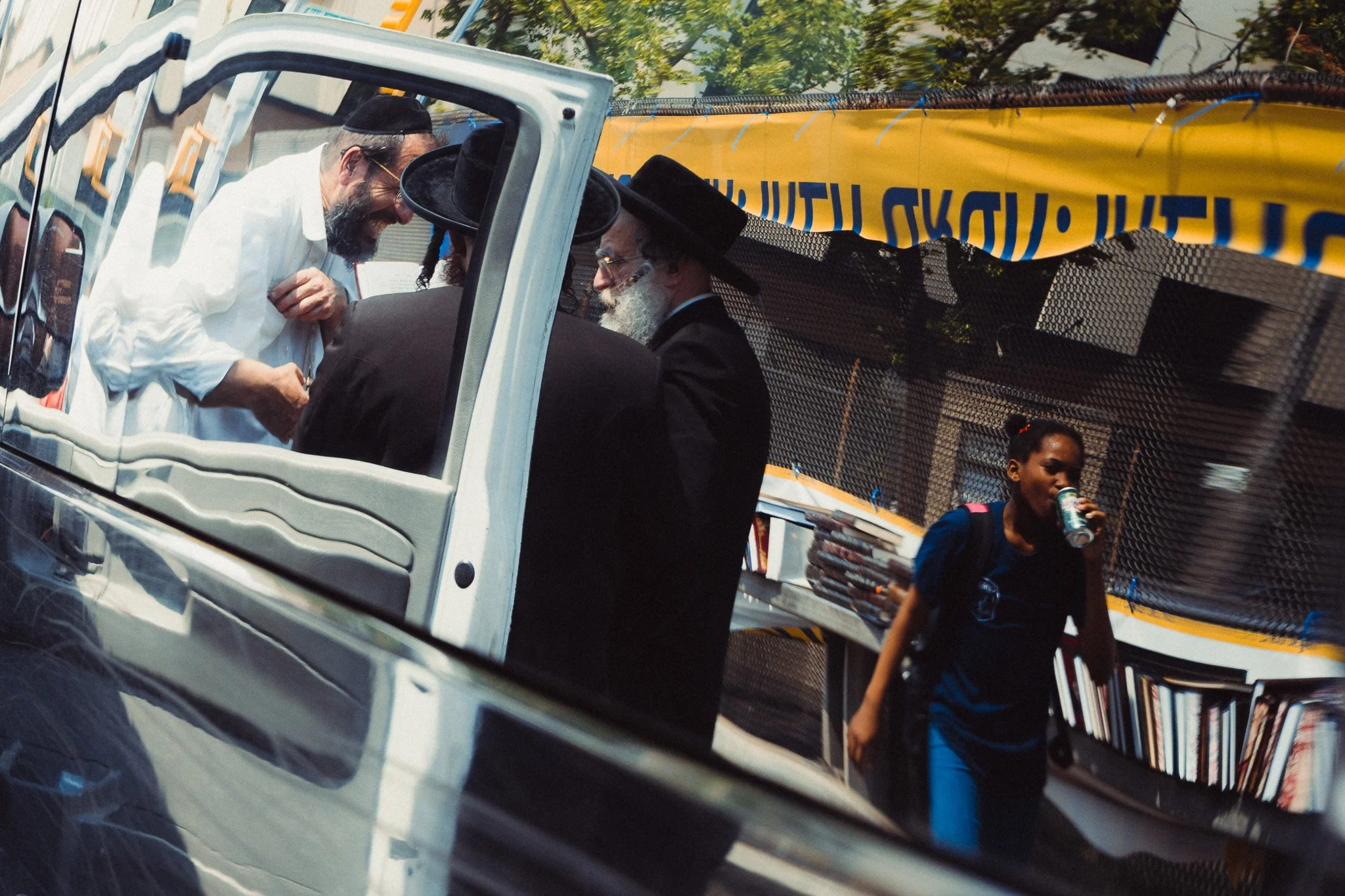
Overall, I found Manhattan pretty safe and haven’t encountered any issues. Of course, I had interactions with people on the street who were clearly on something, but a smile and an extra-strong British accent made them wish they had never bothered talking to me.
Favourite Spots
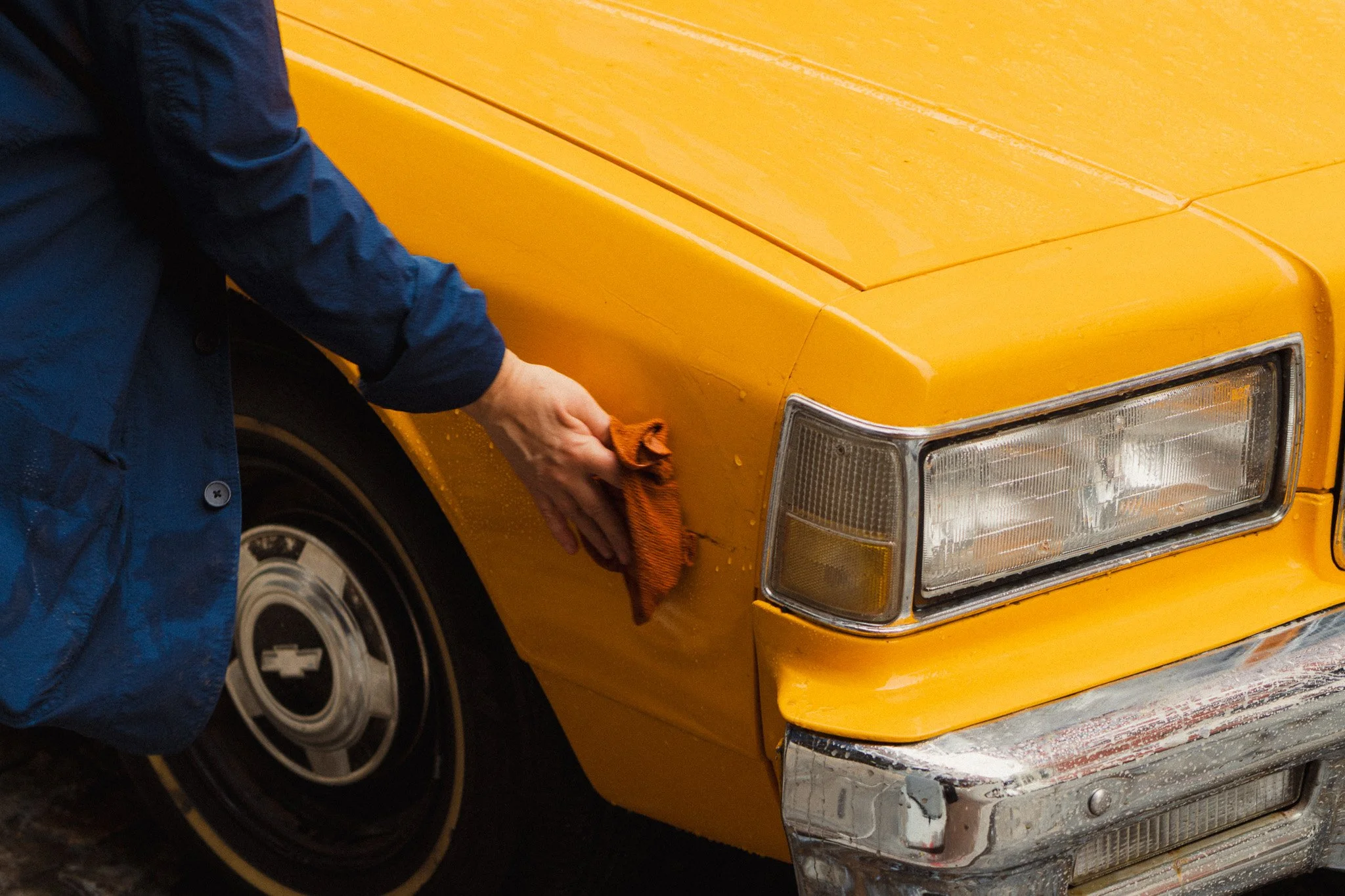
Usually, when I write these kinds of blogs, I find it easy to separate the different areas of a city clearly. In London, for example, there is an obvious, slap-you-in-the-face difference between Bank and Soho.
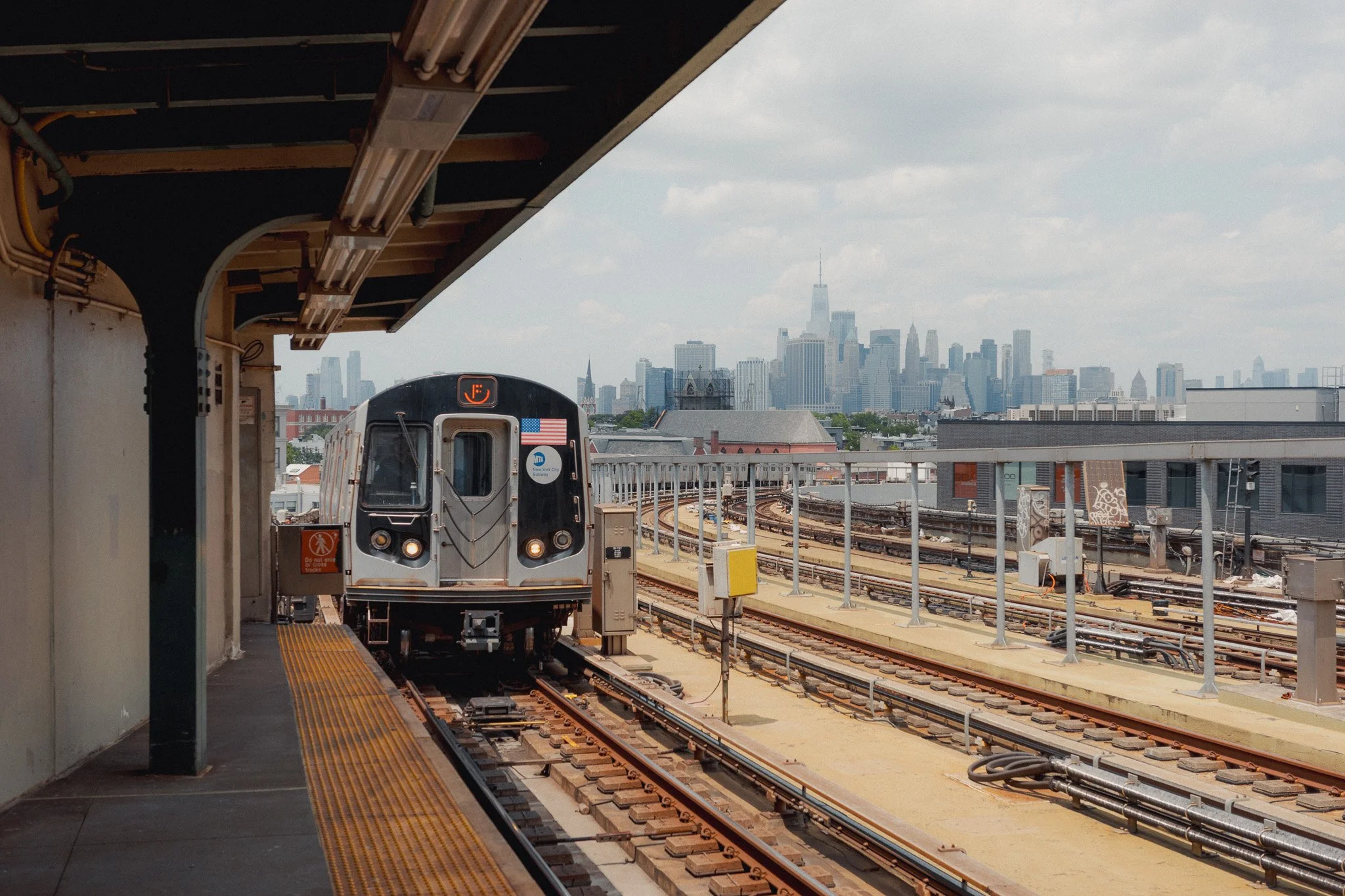
Although there are clear differences between Midtown, the Lower East Side, and Chelsea, I struggle to define exactly where I most enjoyed shooting because I found all of it equally interesting. For me, it’s much easier to separate Manhattan from Brighton Beach. When I look at the different parts of Manhattan, however, they all seem to roll into one.
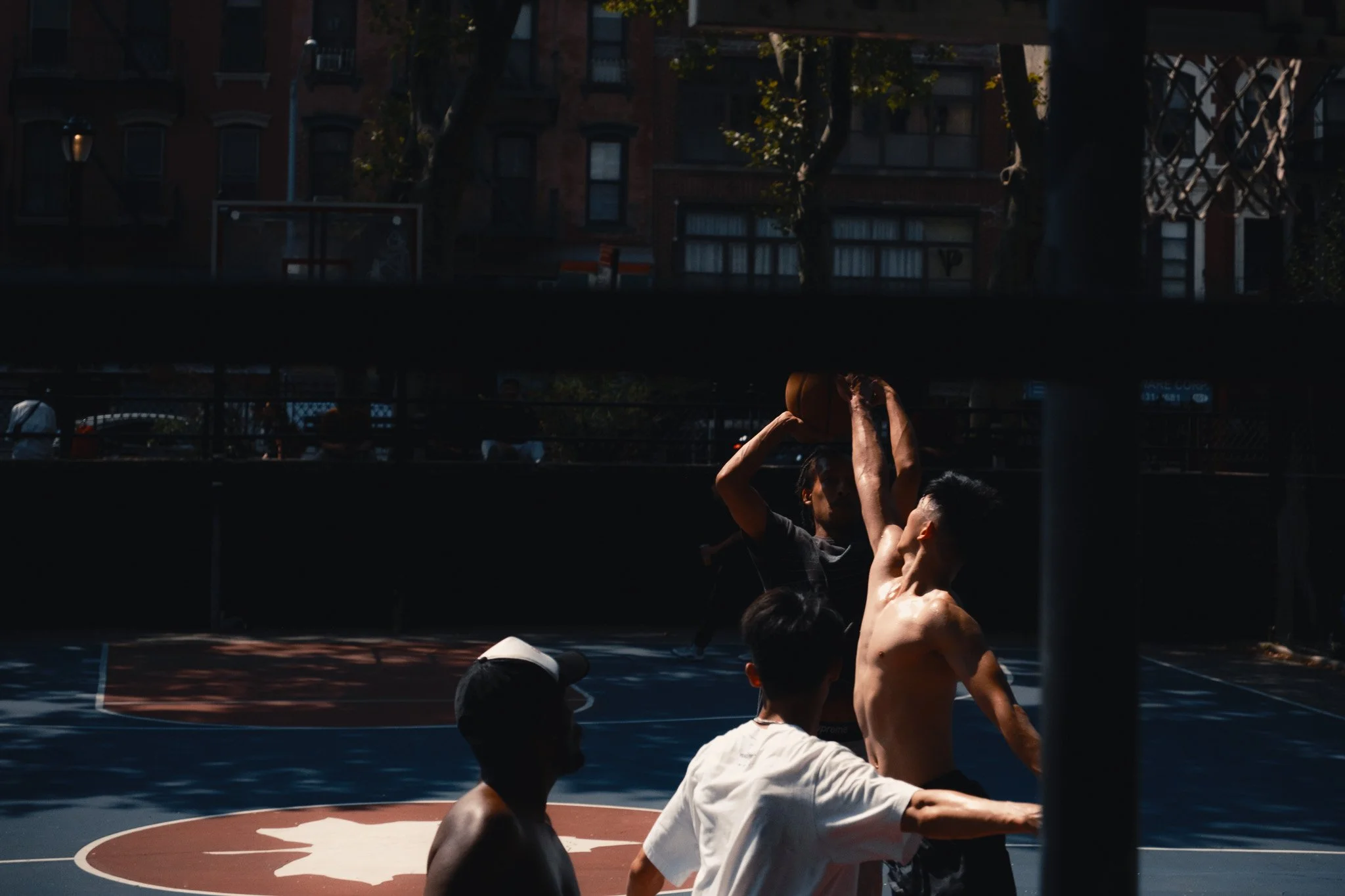
Having looked through my photos, I found them to be spread fairly evenly across Manhattan, with an abrupt stop when I reached Central Park. I am not sure why, but I suspect it is because every time I visited Central Park, I went there not to shoot but to escape the chaos for a while.
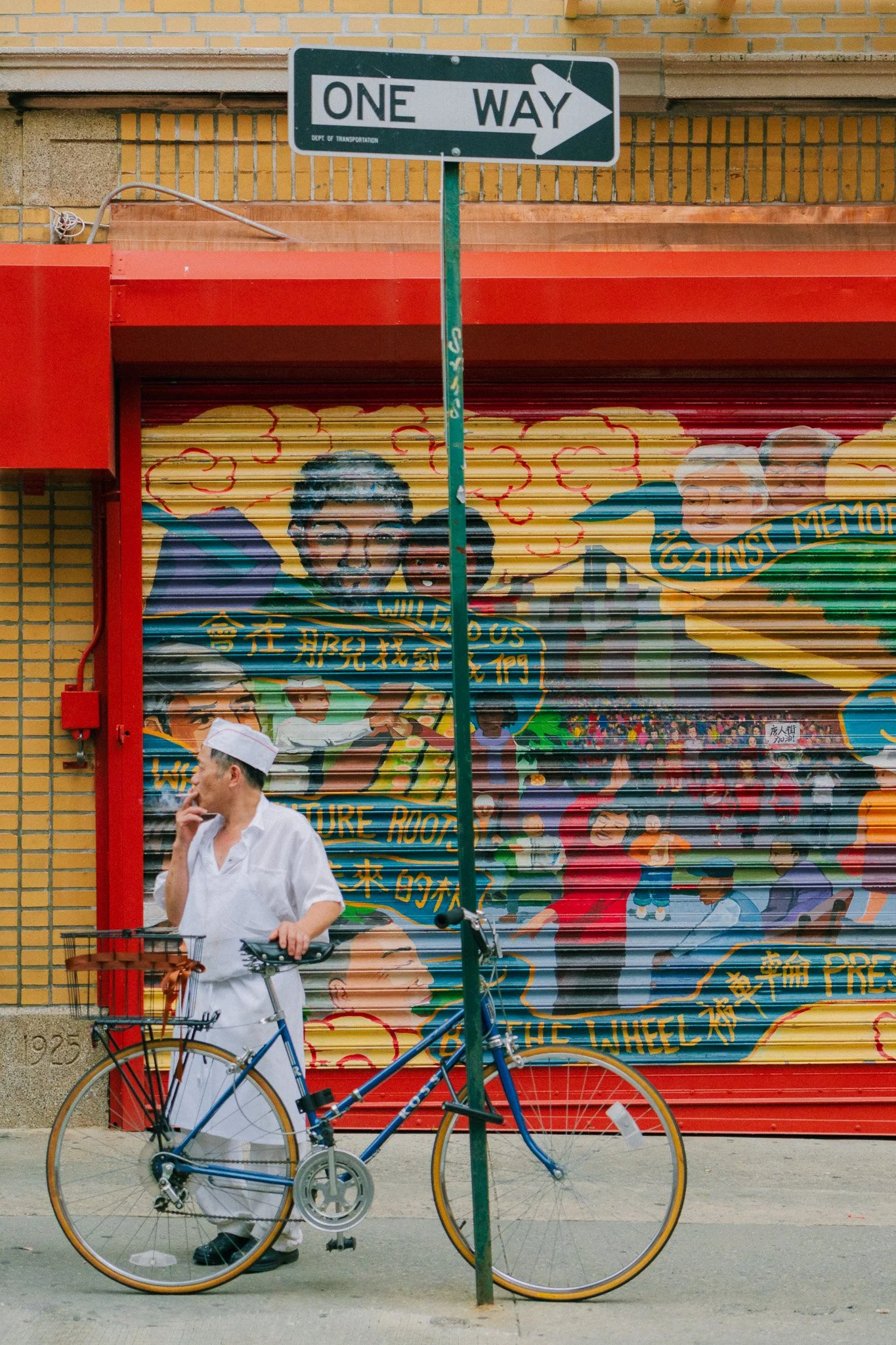
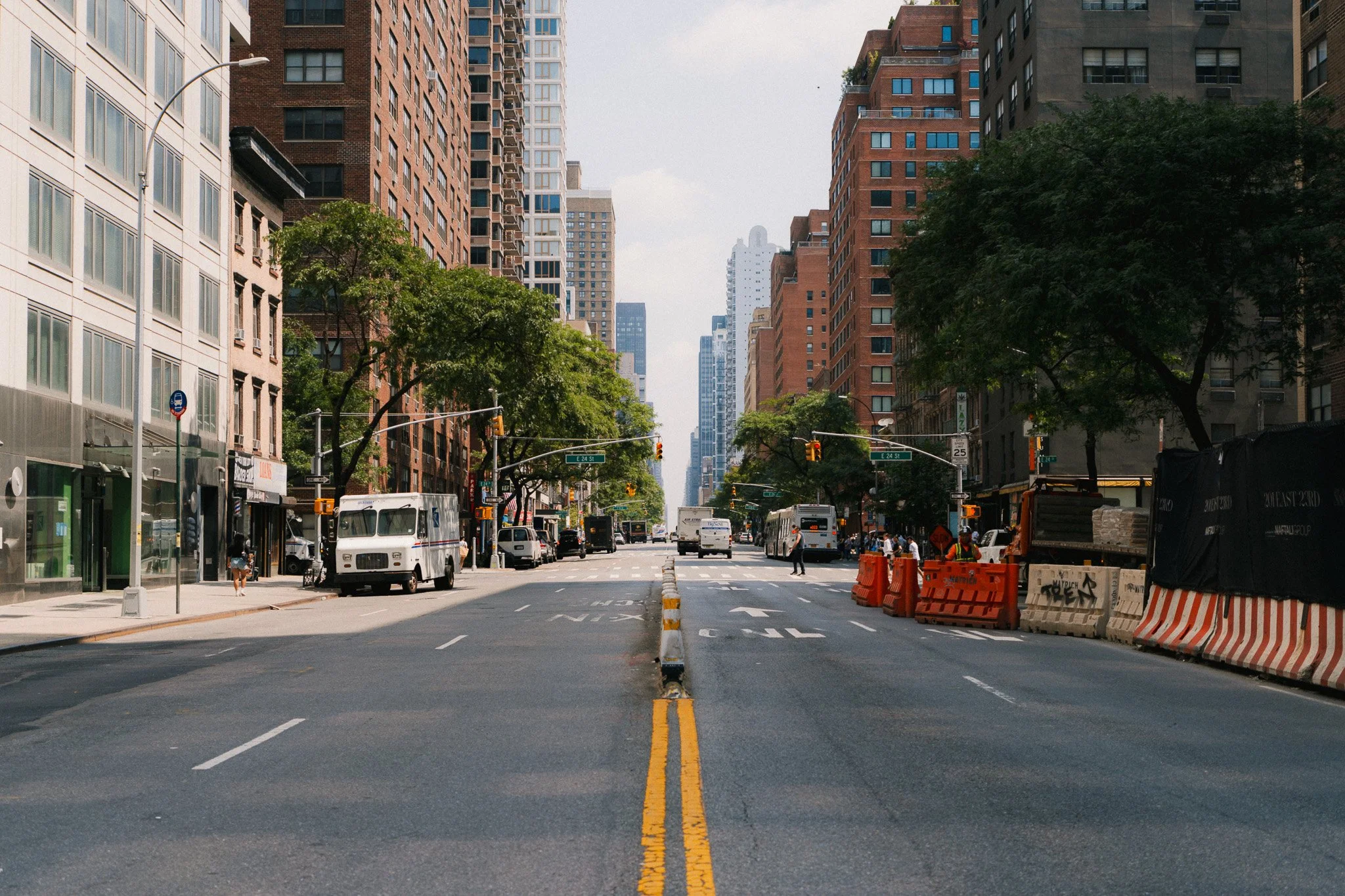
My approach to shooting here is simple: pick a street and keep walking until something catches your eye. Go towards it, then repeat the process until your legs give out.
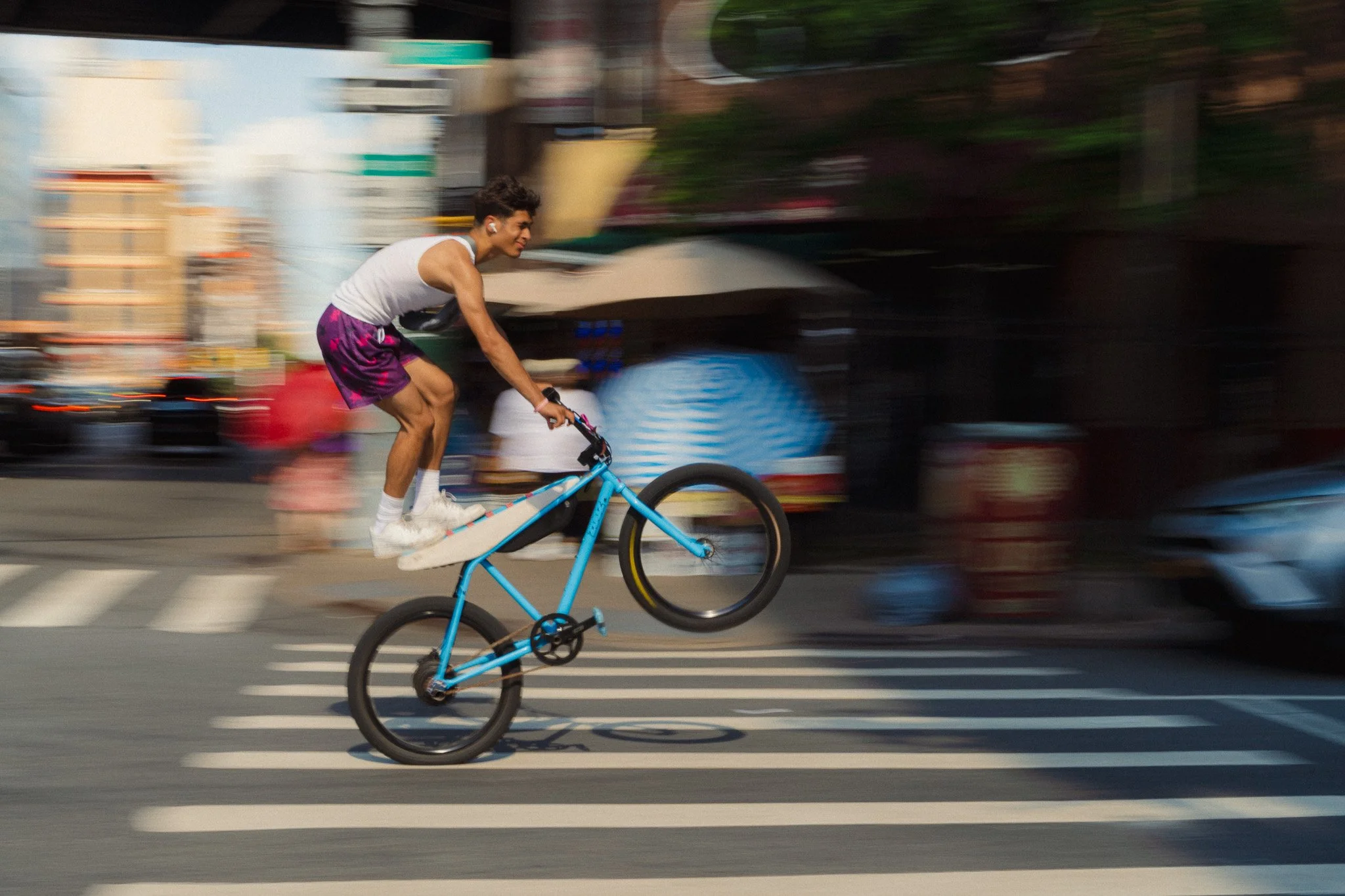
I would often walk from Grand Central Terminal all the way down to One World Trade Center, then turn around, choose a different street, and walk back. I would apply the same “method” when going from the East Side to the West Side.
Outside Manhattan
I must admit, I haven’t ventured outside Manhattan very much. I find it so overwhelming and vast that I can’t even comprehend looking beyond it.
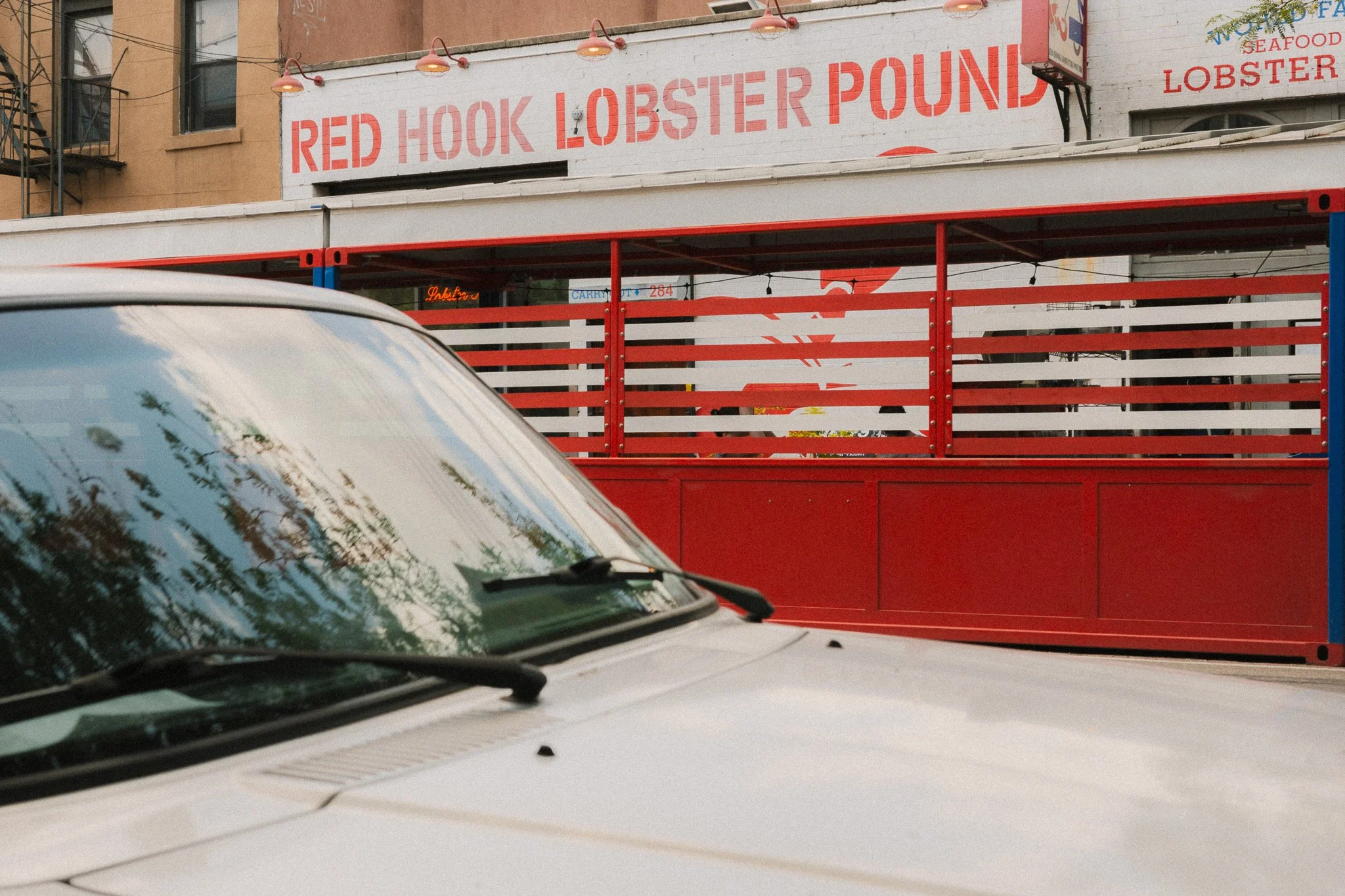
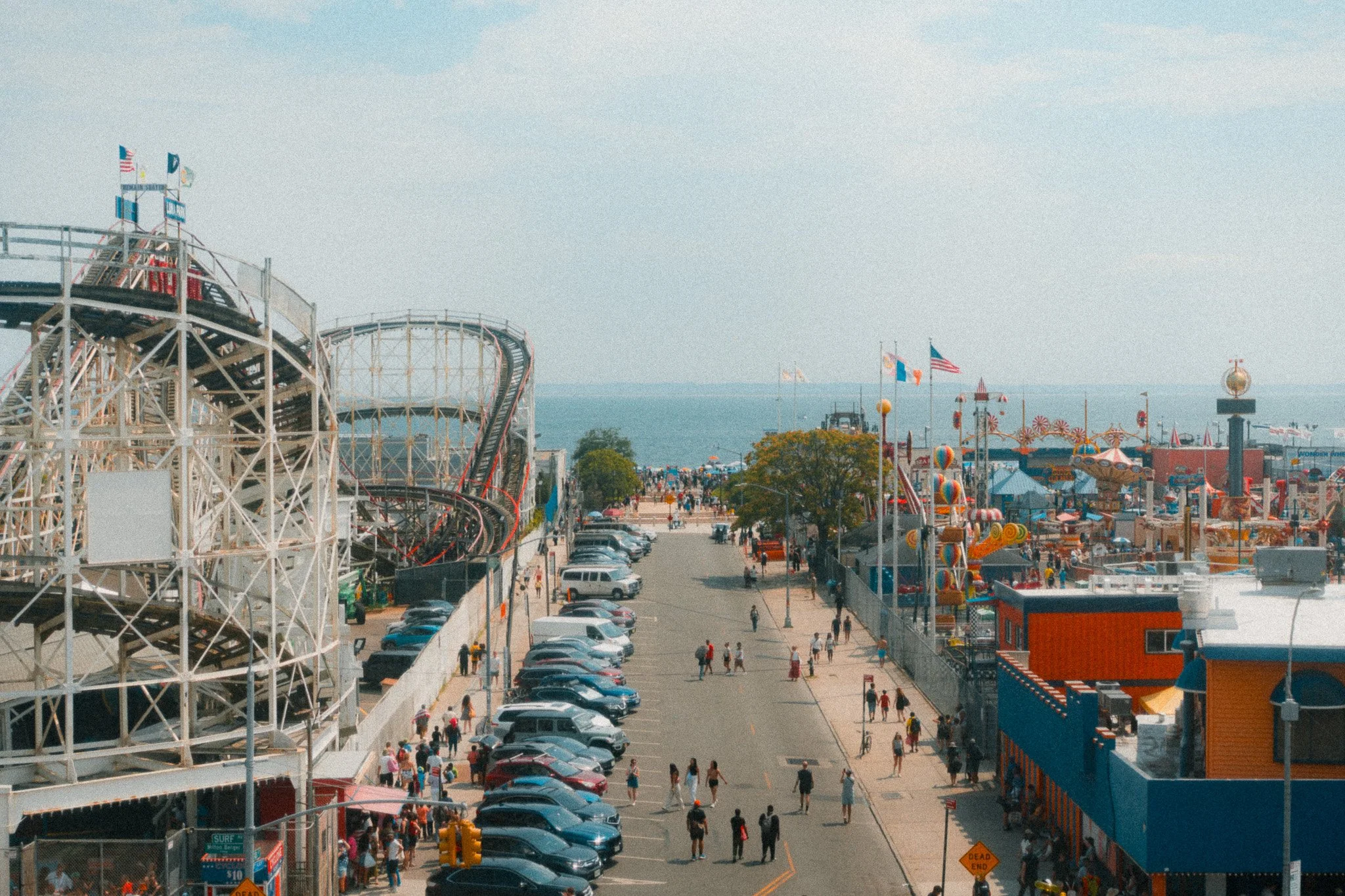
That said, I’ve spent a fair amount of time in parts of Williamsburg, Brooklyn, Coney Island, and Brighton Beach. They are all very different areas with distinct atmospheres, and they make for a nice change from Manhattan.
Staten Island Ferry
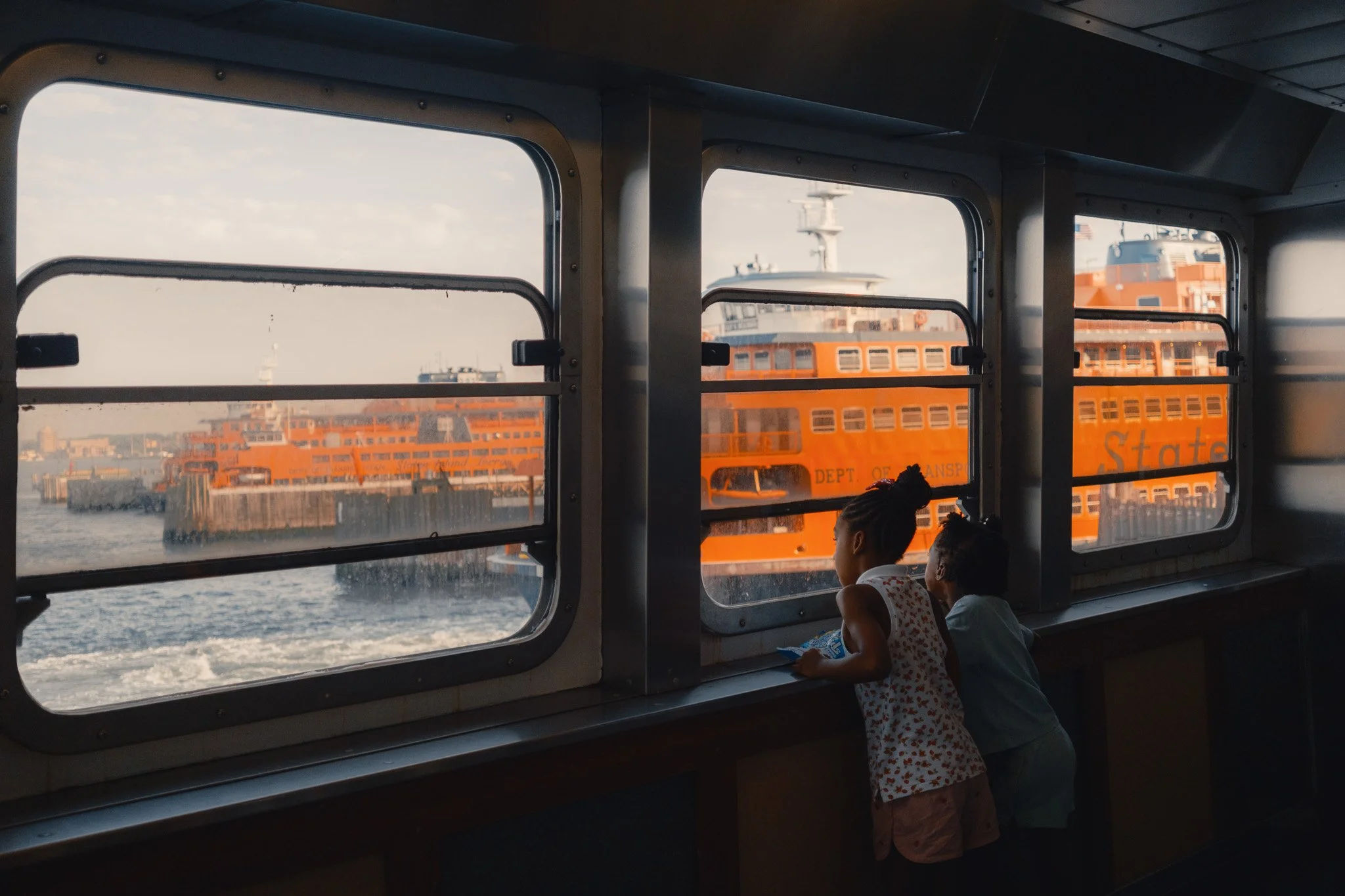
If you’re a New Yorker, you probably rolled your eyes the moment you saw this heading. However, as a non-American, my fascination with this movie-like orange ferry is cemented for good.
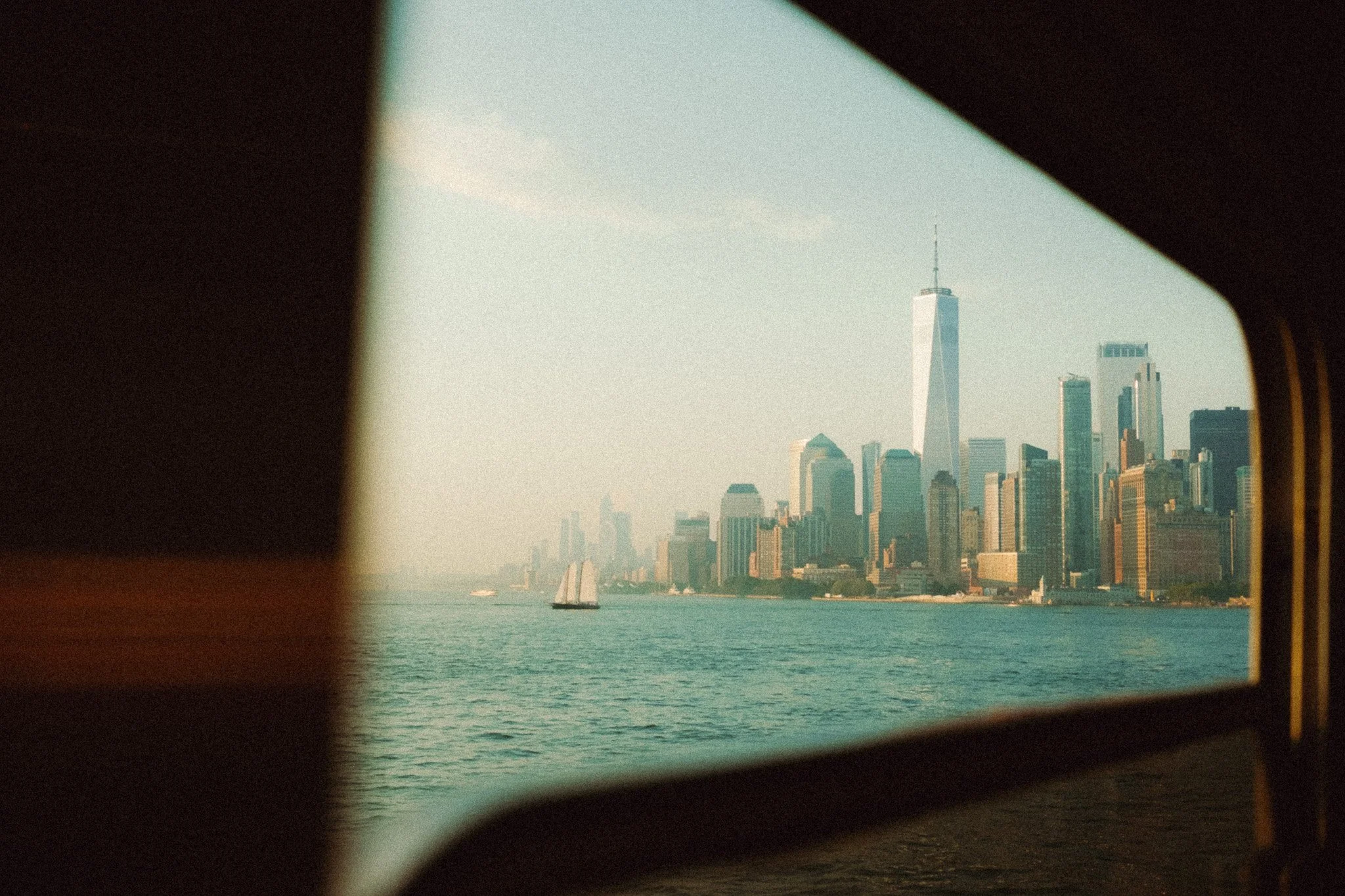
I don’t know why I love this ferry so much. Maybe it’s the light pouring into the old vessel. Maybe it’s the feeling of being on a movie set. Or perhaps it’s the view of the city skyline.
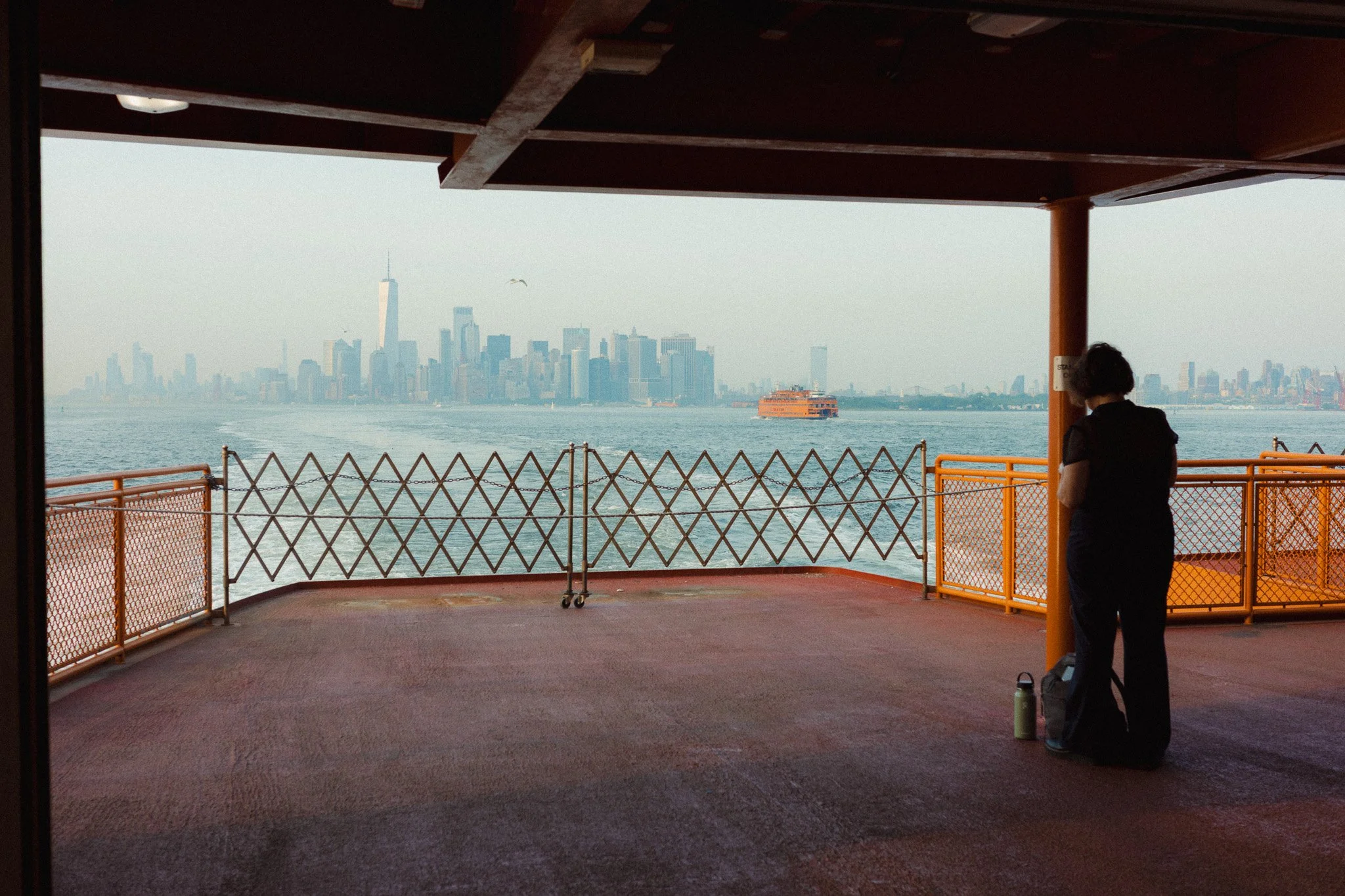
Either way, every time I visit the city, I spend at least a few hours going back and forth, shooting and taking it all in. I love it.
A Place I Will Keep Returning To
I’ve been very lucky to travel extensively throughout my life, and I often find that once I’ve seen a place, I am happy to close that chapter and move on.
Two years ago, we drove across Morocco. It was a beautiful experience that we will cherish for our whole lives. Despite that, I have no burning desire to return. If an opportunity arises to visit Marrakech, of course I will go, but it isn’t somewhere I am actively wishing to revisit.
New York, on the other hand, is firmly on my annual travel rotation. It’s a place I plan to visit once a year for as long as life allows me. It’s a city that is always changing and evolving, and there is always something new to discover.
Furthermore, this city is a world-class street photography gym. The day I lose interest in visiting New York is probably the day I lose interest in photography.
Instead of telling you how these will change your life, I would rather be practical and answer the most common questions that people tend to have when buying presets.
What are presets?
They are editing settings that are saved in a file and can be applied to any image.
Why do people buy presets?
Sometimes because they like the work of the photographer and want that style for their own photos. Mostly because they would like to see how other people edit and learn by reverse engineering the presets. Other times it’s just to support their favourite photographers, thank you!
What’s the overall style of these presets?
- Filmic
- Warm
- Soft
- Bright
What are these presets suitable for?
Street & Travel Photography
Some Nature (with further editing)
Some Portraits (with extensive editing)
Do I actually use these?
Yes. This is the same pack I use right now for all my editing. This isn’t a pack made just to sell.
Do these presets get updated?
Yes, as my style changes, these presets will also be updated. Any time a new update is available, you will get a free update via email. Of course you also keep all the old presets in case you prefer the older looks. Only presets purchased from 2025 onwards will receive the updates.
What file types are these presets for?
- All RAW files
- JPEGs & TIFFs (not recommended)
What camera brands are these presets for?
These were designed around Fujifilm, Sony, and Leica sensors. With that said, they will work with all camera brands. While there might be differences due to individual camera colour science, the overall feel of the preset will carry over.
Will these work with JPEG files?
Yes, but you will need to reduce the intensity and make further edits. I strongly recommend editing RAW files.
Are these one click edits?
95% No. You would need to do some basic adjustments as each image is different. These adjustments can include exposure, colour balance etc. In 5% of cases you can just apply and leave it alone.
Do I need to know how to edit?
You need to have a basic understanding of adjusting exposure, highlights, shadows, etc. A more comprehensive editing skillset will let you get the most out of them.
How many presets are included?
10 in the main pack and 24 in the extras pack
Why two packs?
The main pack is what I use for 99% of my edits and is kept small to reduce wasted time scrolling through presets. The extras pack is everything I don’t use often.
What software do I need?
These presets will work with any of the following:
- Photoshop (adobe camera raw)
- Lightroom Classic
- Lightroom Desktop
- Lightroom Mobile
Will these presets work with free versions of the above software?
You need to research and double check before buying. These presets were designed for the full paid versions.
Will these presets work with very old versions of the above software?
You need to research and double check before buying. These presets were designed on and for the latest software.
What file type do I get?
XMP
What else do I get?
- Comprehensive PDF guide
Can I modify these and turn them into my own?
Yes! In fact I encourage you to modify them and play around. Use these to help you get your own style.
I have more questions…. What do I do?
Make a cup of tea and drop me an email on hello@snapsbyfox.com
Please note that due to the nature of digital products, refunds are generally not accepted. However, if you experience any issues, feel free to contact me and I’ll review your situation individually. You are welcome to use this product for personal or commercial projects, but you may not copy, distribute, or resell the files in their original or modified form.
Finally I want to say a massive thank you for supporting me. Buying these presets is the most direct way you can support my work.
Thank you!