
I photographed 104 cities, this is what I learned
At the time of writing this blog, I’ve photographed over 100 cities. This has made me reflect on some of the things I’ve learned about travel, photography, and maybe life in general that I want to share with you today.
Smile and say hello first
In a previous blog post, I talked about how the world can be a reflection of you, and this is a clear example of that. When exploring a city, especially as a foreigner, people can look at you. This is amplified considerably if you’re visibly not from that country and have a camera in your hands.
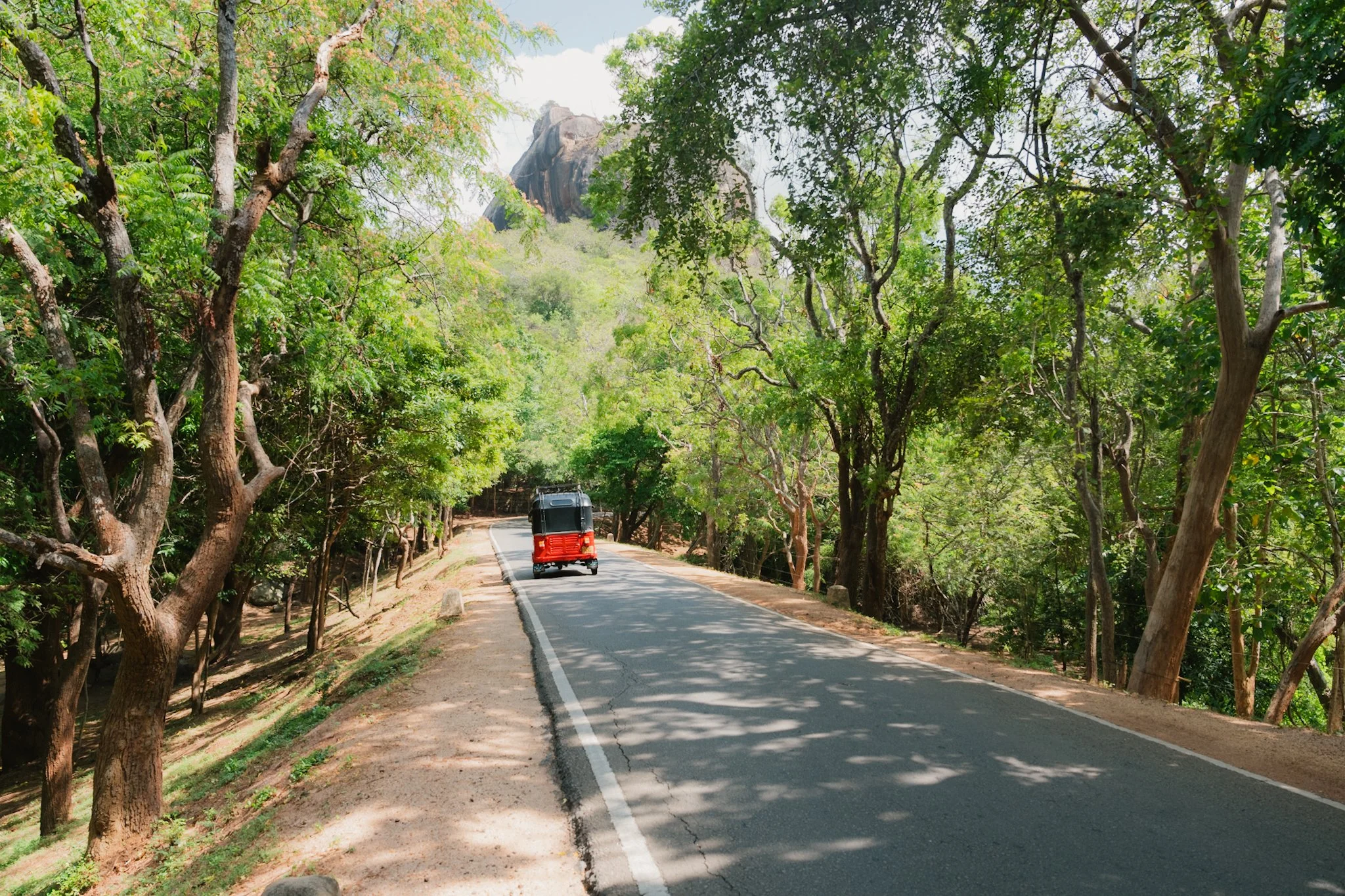
I’ve learned that the moment you see someone looking at you, just smile and say hello. I’ve lost count of how many curious, confused, or even annoyed stares I’ve had that turned into warm smiles the moment I waved and said hello, especially in the local language.
Many people generally expect the other person to say hello first, and I find this silly because if everyone has this attitude, we’ll just go about our day thinking everyone is grumpy. Always be the first to smile and say hello.
I don’t have to agree, but I have to accept
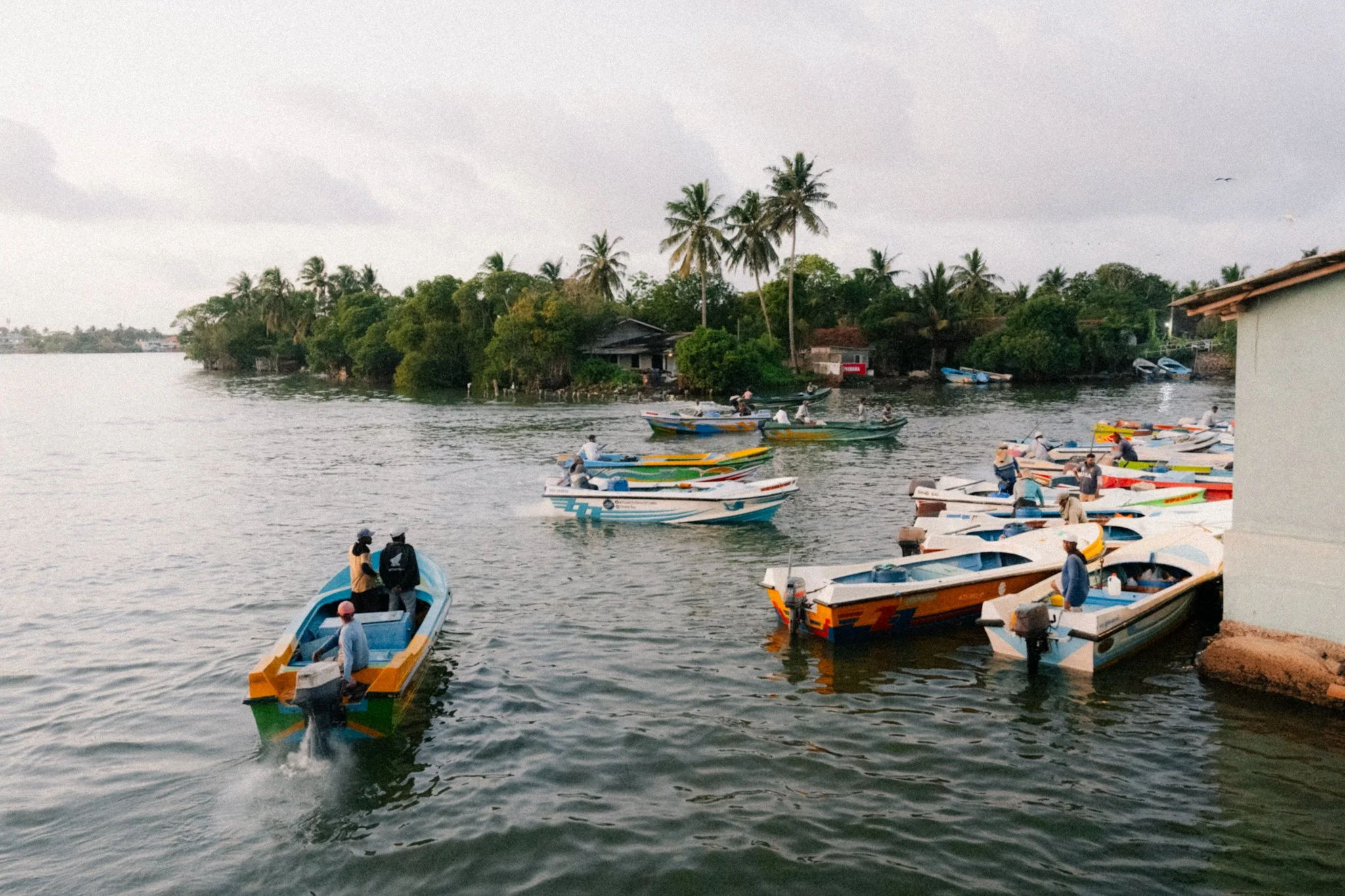
This took a few trips to different cultures to accept. When I started going to places that don’t follow the same way of life I’m used to, I came across things I didn’t agree with. Whether it’s hygiene practices, road safety, or the one that bothered me the most, how animals are treated.
While I won’t name any specific place, there have been one or two locations that made me incredibly angry regarding the treatment of animals. The thing is, it’s their world, and I’m nothing more than an outsider. I also firmly believe that one shouldn’t force their opinions, beliefs, or practices on others, no matter how righteous they feel about them.
With that in mind, I’ve learned to accept that this is how things are done in that place. While I might not agree with what I’ve seen, I have to accept it when it’s not in my home.
In the zoo
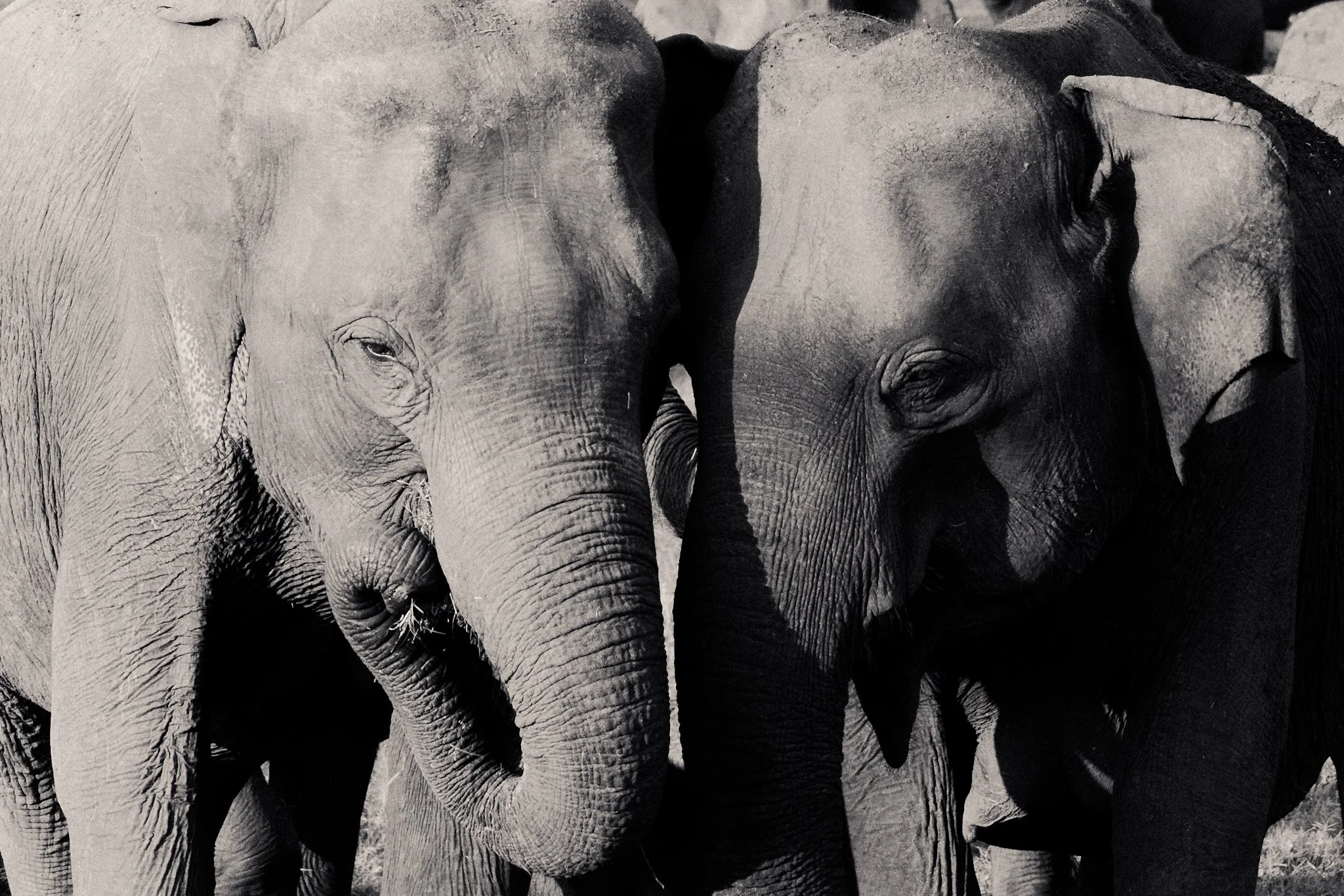
I’ve travelled to enough places to see two distinctly different approaches to photography. The first is the zoo approach. This is where the photographer feels like they are in a zoo and walks around snapping away without a care in the world for who’s on the other end of their lens or how they feel. The second approach is someone who understands they are in another person’s home and approaches photography with much more respect and empathy. This dynamic is amplified considerably when you look at locations with increased levels of poverty.
While this might sound judgemental, I actually don’t think many people who act like they are in a zoo are intentionally doing it. I’ve been there before. You find yourself in some hectic market in Asia, the light is beautiful, there’s smoke pouring in, loads of action, and you almost lose your head trying to figure out what to shoot.
In those moments, you can easily go into autopilot artist mode and let the human side slip. So the lesson for me here is to never let the excitement of a location consume me and enable behaviours I would be embarrassed about later.
Attention is bad
I never understood people who crave attention. I know this might sound incredibly ironic coming from someone with a large social media following, but in real life, I want to be as invisible as possible. This is especially true when travelling.
Right now I’m in Sri Lanka, and given the culture here, my girlfriend and I are wearing loose clothing, with her mostly in trousers and T-shirts. On the other hand, we’ve seen plenty of Western men in string vests and women in tight gym pants that leave very little to the imagination. You can guess who’s getting stared at more.
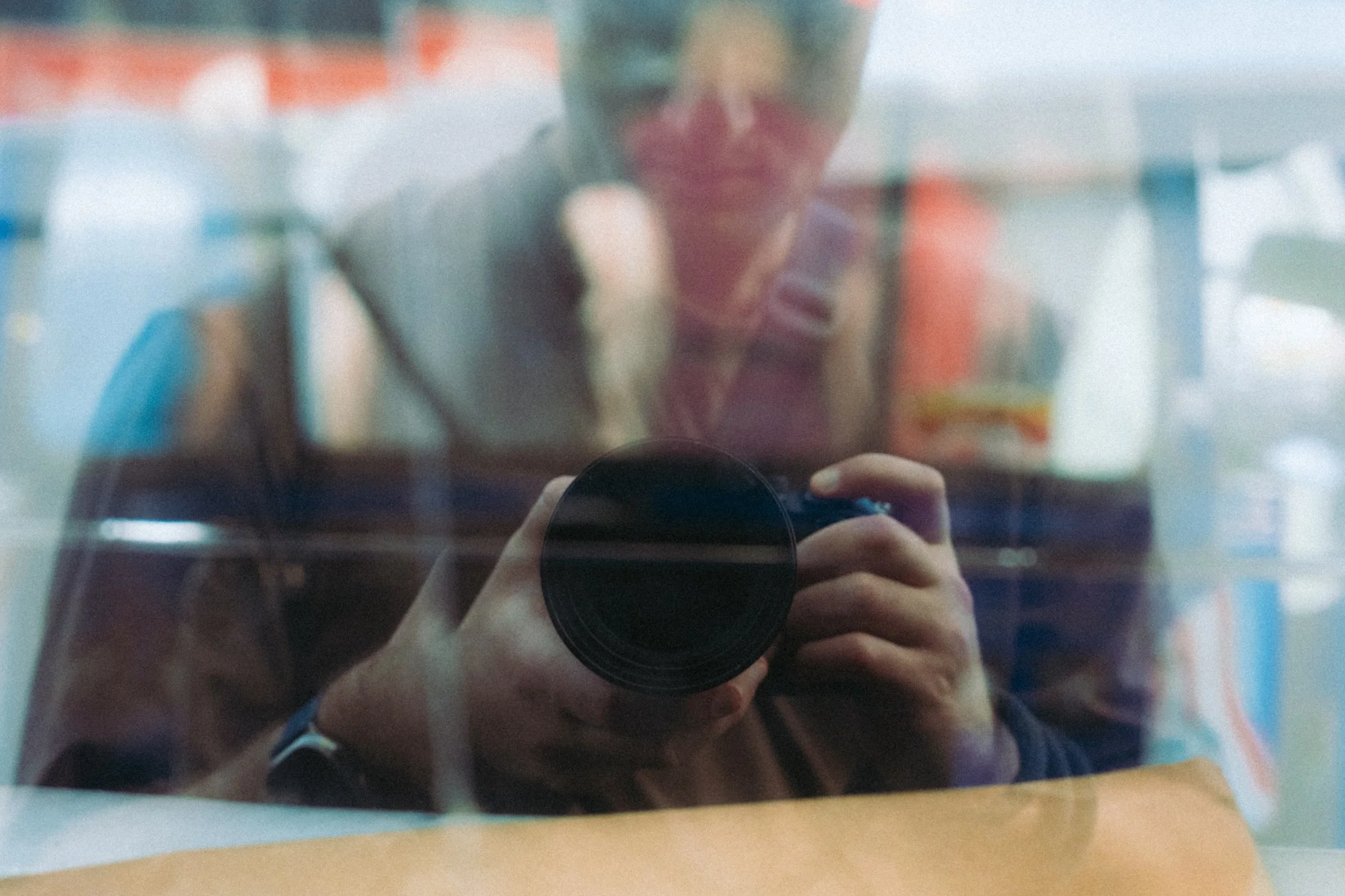
I’ve seen the same with photographers on my workshops. They will turn up with two cameras, a giant lens, a huge backpack, and a tripod sticking out of it for good measure. Anytime we find a location to work, people are immediately aware of the Inspector Gadget photographer with all the gear, while someone with one camera and a small lens flies under the radar.
Years of travel photography have taught me to do my best to blend in with each location I’m visiting. That way I’m not attracting attention to myself and, more importantly, I’m not bruising the scene.
Robust plans loosely held
Have solid plans that can be changed at any time. I like to have a few plans in place so at least I know I won’t be wasting my time, but I’m also open to switching things up at the last minute.
For example, I can have a rough plan for a photo walk in London. Start in Old Street, weave through the City, and end up in Soho for sunset. However, I’m not rigid or precious about this. If the light turns out to be better along the river, then that’s where I go. If my mate texts me and asks if I want to shoot the Barbican, let’s go.
What’s in front of you beats what could be
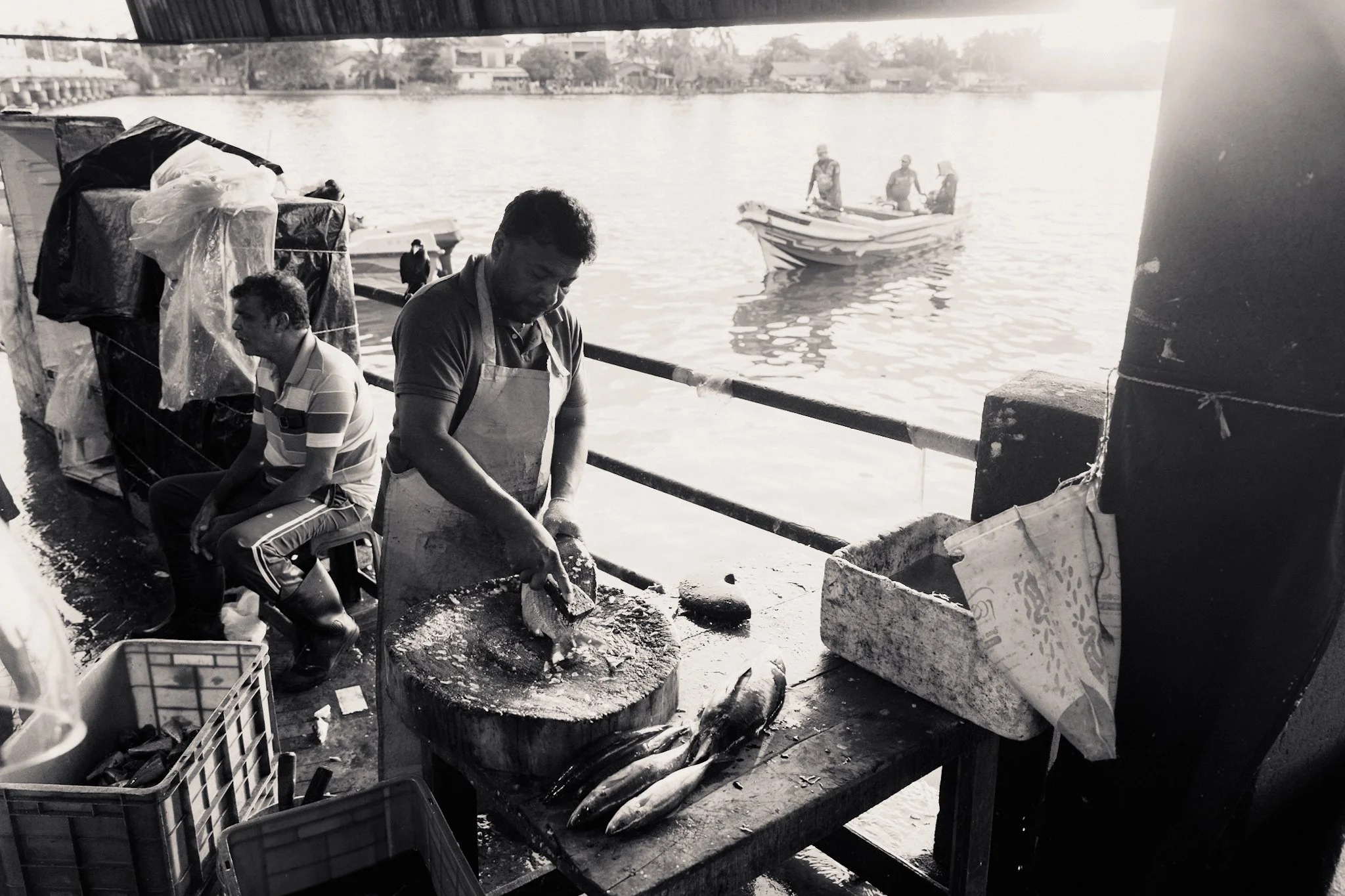
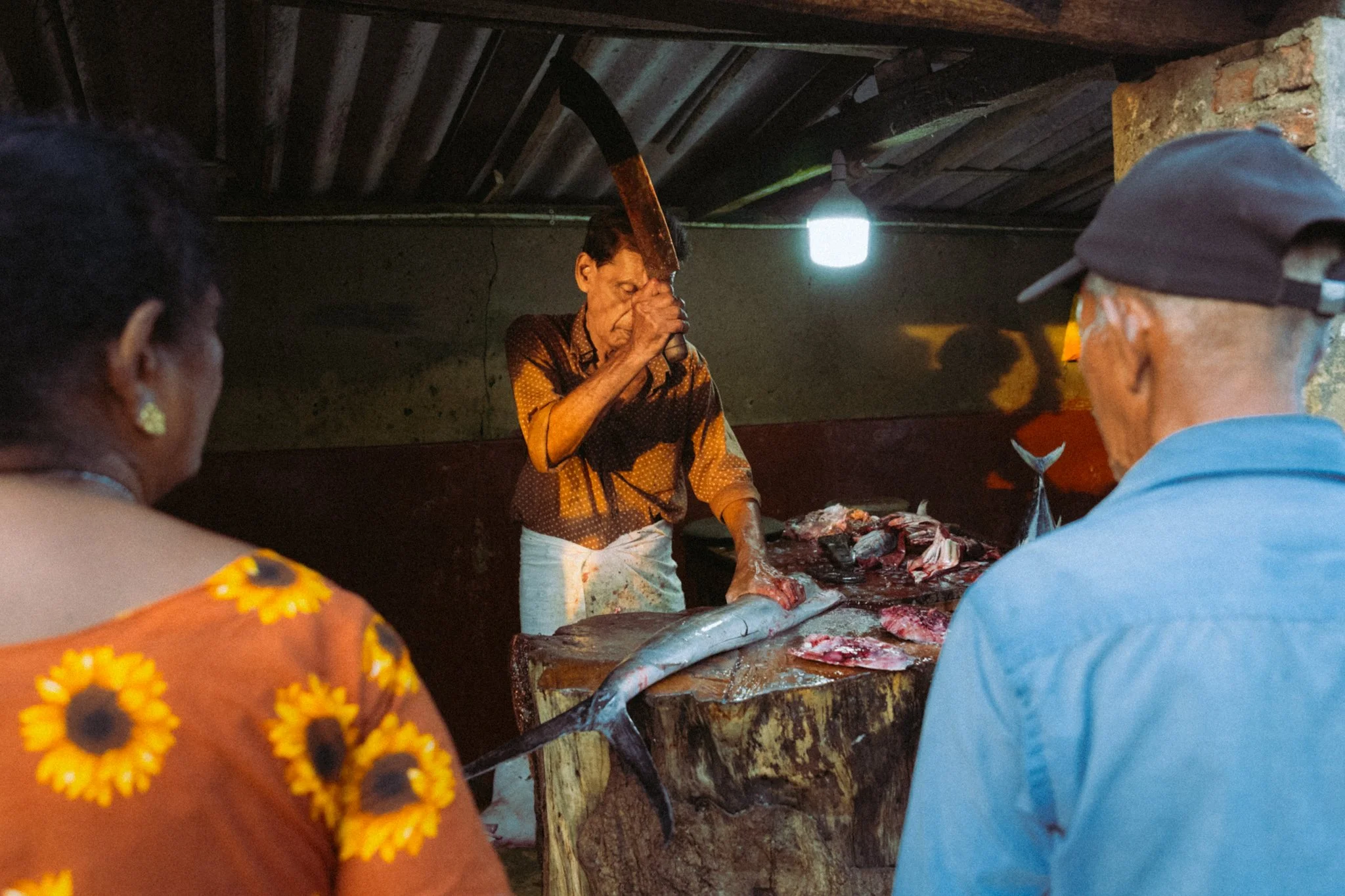
This is the latest one, which I only learned four days ago. We wanted to visit an old fish market near Colombo for sunrise. The market didn’t open until later in the day, but at sunrise, the fishermen would be coming in with the day’s catch.
We got up at the crack of dawn, got a taxi, and headed to the market. The driver realised that the market we requested was shut, so instead he took us to the main market. By the time we realised the misunderstanding, it was too late. As we arrived, we started looking for a way to get back to the old market, but quickly realised we would be too late for the fishermen coming in. So we agreed to just focus on what was in front of us and maybe pop to the other market later.
The main market turned out to be incredible, and we spent a few hours exploring it. Later that day, we popped into the original market we were meant to visit, and it became apparent that it would have been 10% as interesting.
We got lucky, but this is also not the first time I’ve experienced this. What’s happening in front of you now is almost always better than what could be.
Two activities per day
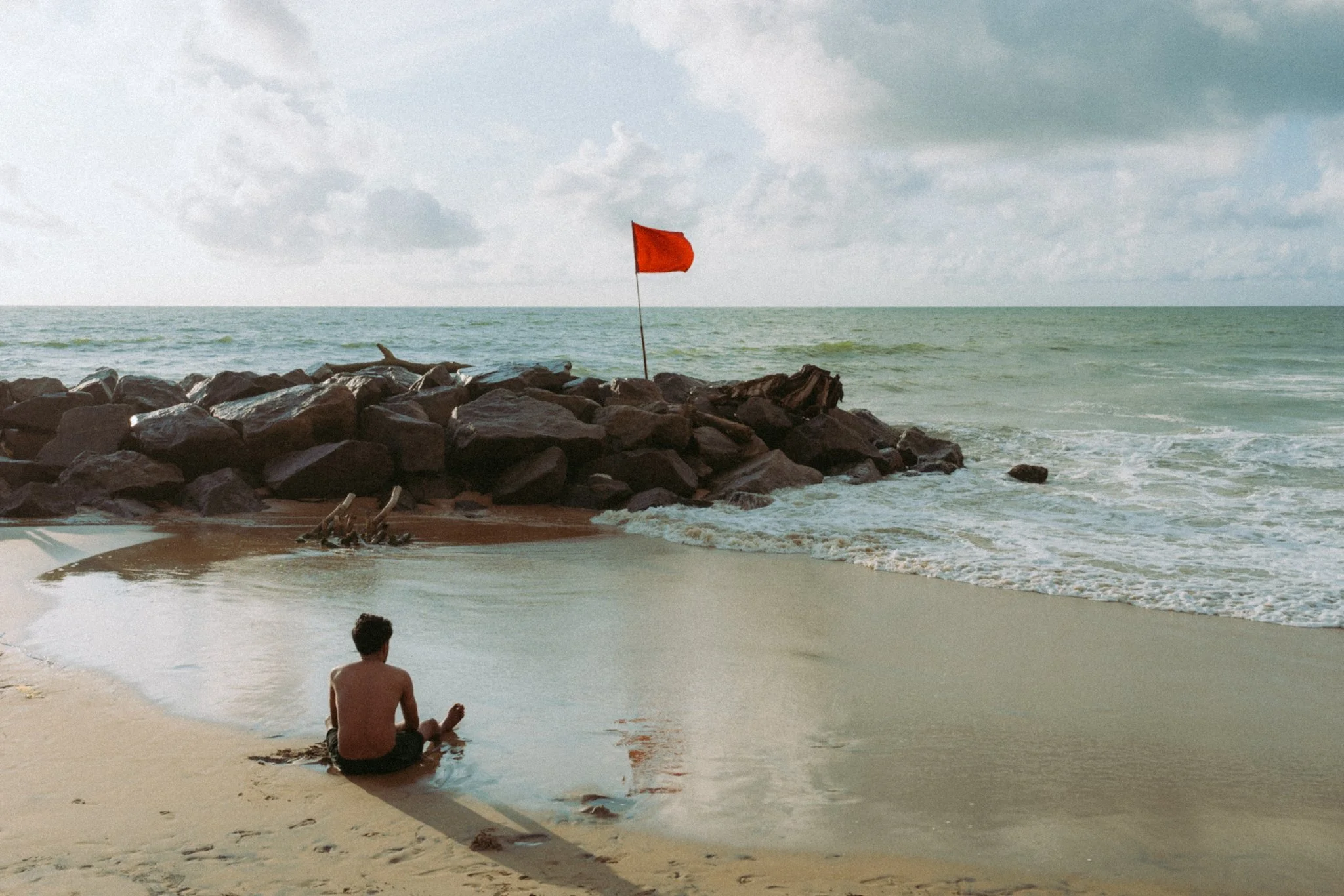
It’s very easy to jam-pack a day when out shooting or travelling. We’ve all done it. I’ve come to learn that what works best for me is to have one thing to do in the morning and another in the afternoon, with the evenings remaining totally open.
When I was in Lisbon, I planned my day so that in the morning I would shoot along the water, and in the afternoon I would be in Alfama. Whatever happened around that was free time. This gives me room to breathe while also leaving space for spontaneity.
Walking > everything else
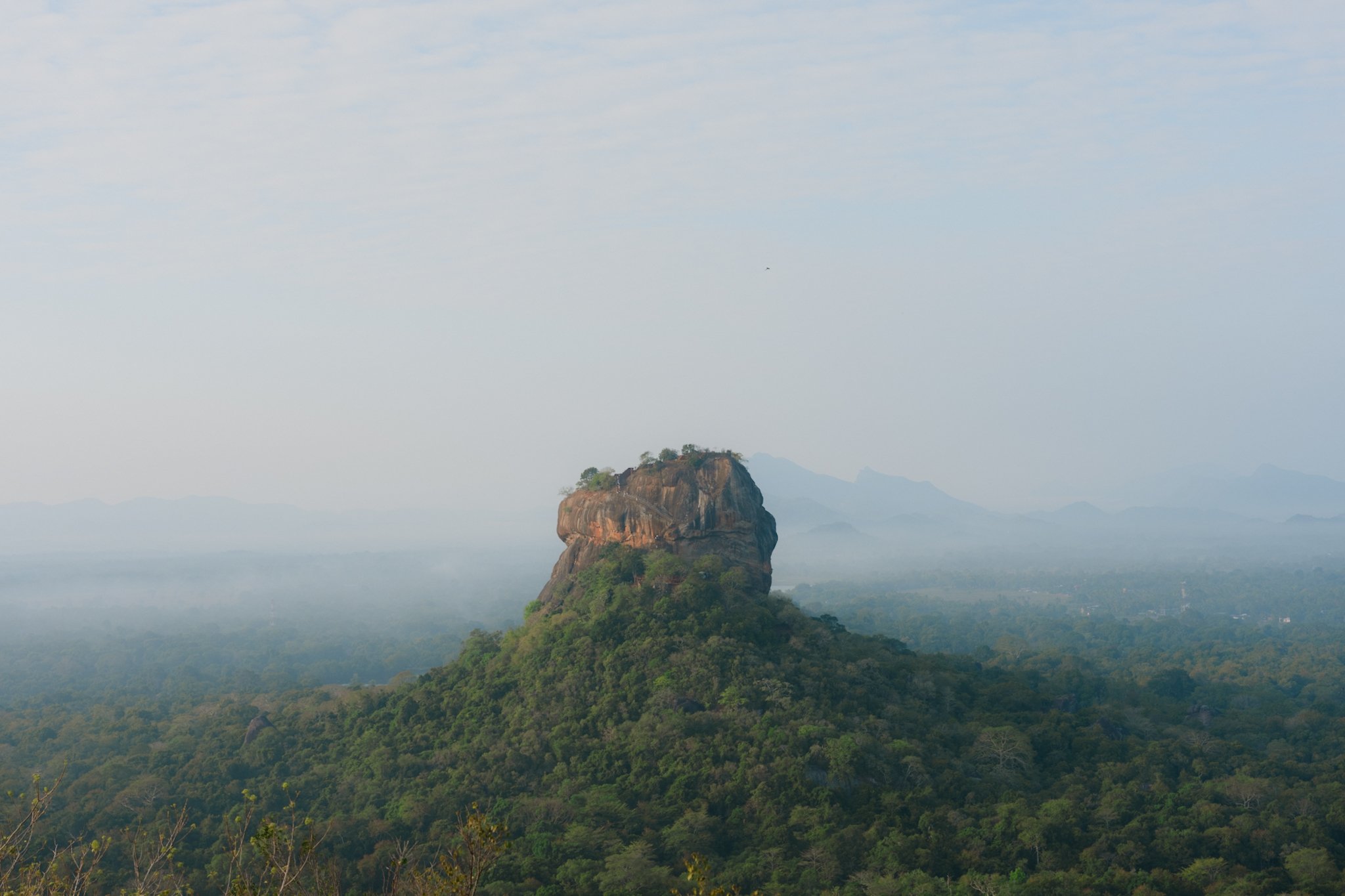
This is very biased because I love walking more than any other way of getting around, within reason. Walking is the only way to see things at a pace that’s slow enough to spot photos. When I walk, I feel immersed in the environment, and I feel the most creative.
Of course, if you have to cover huge distances, especially in nature, then this isn’t realistic. But in a city, I would take walking over any other mode of transport, even if it takes 10 times as long.
Small camera > big set-up
A small camera with one lens will always be better than a large camera kit with three or more lenses. Shooting in cities involves being in busy places, always being on the move, and needing to be quick.
If you’re always worried about which lens to use, what camera to get out of your bag, or whether you have the right filter attached, you’ll miss everything while ending up irritated. Keep it small, minimal, and light.
Sling > backpack
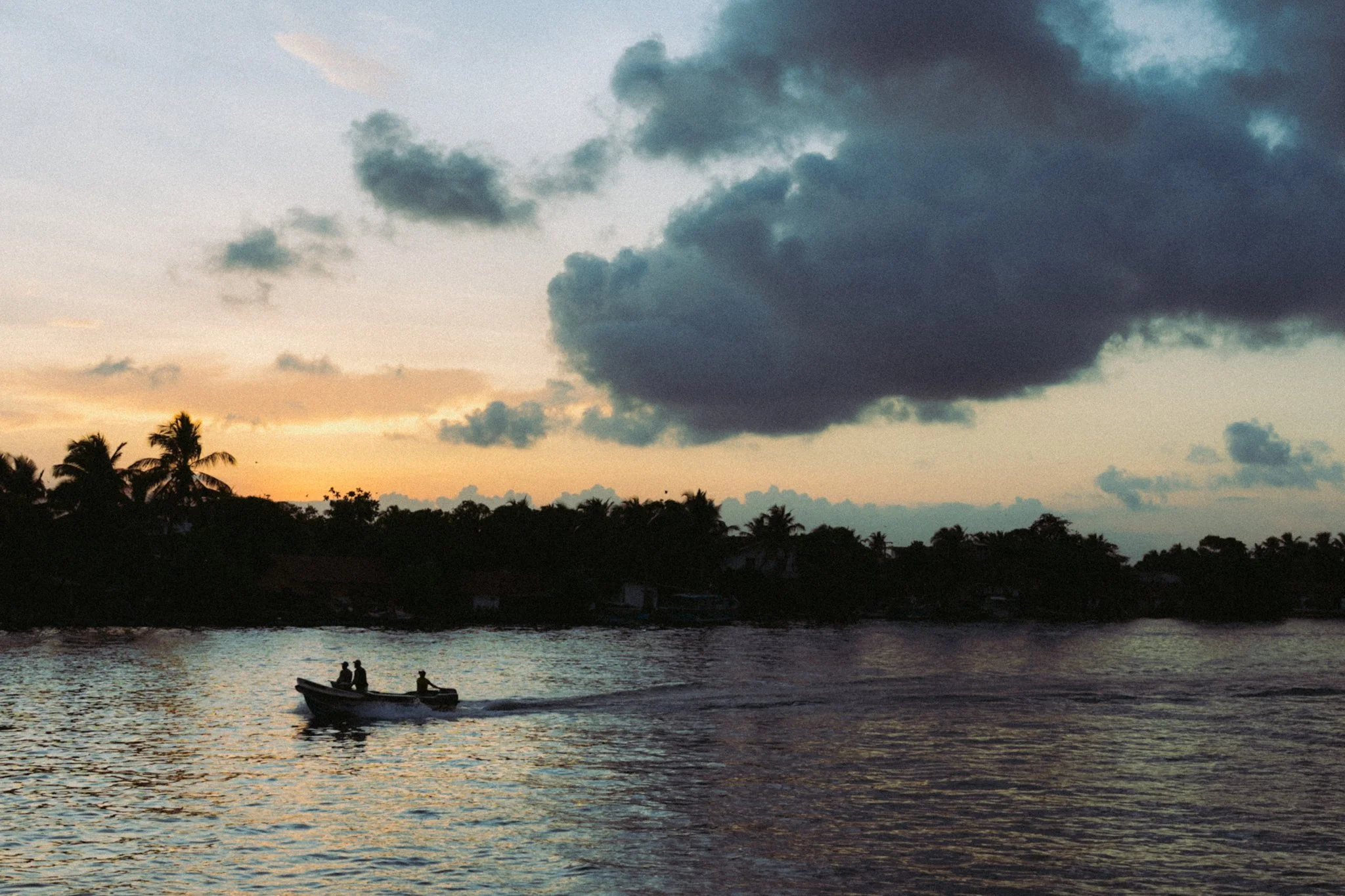
In a city, a sling always beats a backpack for a few reasons. Firstly, it’s more secure. A sling can be kept in front of you, making it obvious if someone is trying to open it. It can also stay on you when you sit down to eat or use public transport, so the chances of theft or forgetting it are much lower.
Secondly, it has a smaller profile, meaning you’re less likely to have issues getting into museums or other places that don’t allow larger bags. Finally, it’s so much more freeing not to have anything on your back, not to mention avoiding a sweaty back in the summer. The only caveat here is weight. Anything under 5kg is fine. Anything above that, and a backpack is better.
Good shoes > a good camera
Taking photos in cities involves a lot of walking. You can have the best camera in the world, but it becomes utterly useless if you can’t walk because of pain or blisters. Invest in good shoes.
A 35mm prime is all you need
It’s easy to get wrapped up in gear. With an endless list of cameras, lenses, brands, and strong opinions on what you should use, it’s easy to get overwhelmed. Well, I can safely say that a 35mm prime (full frame) is all you really need. It’s wide enough to get context, yet tight enough to show the scene. If I had to pick one lens for life, it would be the 35mm.
Instead of telling you how these will change your life, I would rather be practical and answer the most common questions that people tend to have when buying presets.
What are presets?
They are editing settings that are saved in a file and can be applied to any image.
Why do people buy presets?
Sometimes because they like the work of the photographer and want that style for their own photos. Mostly because they would like to see how other people edit and learn by reverse engineering the presets. Other times it’s just to support their favourite photographers, thank you!
What’s the overall style of these presets?
- Filmic
- Warm
- Soft
- Bright
What are these presets suitable for?
Street & Travel Photography
Some Nature (with further editing)
Some Portraits (with extensive editing)
Do I actually use these?
Yes. This is the same pack I use right now for all my editing. This isn’t a pack made just to sell.
Do these presets get updated?
Yes, as my style changes, these presets will also be updated. Any time a new update is available, you will get a free update via email. Of course you also keep all the old presets in case you prefer the older looks. Only presets purchased from 2025 onwards will receive the updates.
What file types are these presets for?
- All RAW files
- JPEGs & TIFFs (not recommended)
What camera brands are these presets for?
These were designed around Fujifilm, Sony, and Leica sensors. With that said, they will work with all camera brands. While there might be differences due to individual camera colour science, the overall feel of the preset will carry over.
Will these work with JPEG files?
Yes, but you will need to reduce the intensity and make further edits. I strongly recommend editing RAW files.
Are these one click edits?
95% No. You would need to do some basic adjustments as each image is different. These adjustments can include exposure, colour balance etc. In 5% of cases you can just apply and leave it alone.
Do I need to know how to edit?
You need to have a basic understanding of adjusting exposure, highlights, shadows, etc. A more comprehensive editing skillset will let you get the most out of them.
How many presets are included?
10 in the main pack and 24 in the extras pack
Why two packs?
The main pack is what I use for 99% of my edits and is kept small to reduce wasted time scrolling through presets. The extras pack is everything I don’t use often.
What software do I need?
These presets will work with any of the following:
- Photoshop (adobe camera raw)
- Lightroom Classic
- Lightroom Desktop
- Lightroom Mobile
Will these presets work with free versions of the above software?
You need to research and double check before buying. These presets were designed for the full paid versions.
Will these presets work with very old versions of the above software?
You need to research and double check before buying. These presets were designed on and for the latest software.
What file type do I get?
XMP
What else do I get?
- Comprehensive PDF guide
Can I modify these and turn them into my own?
Yes! In fact I encourage you to modify them and play around. Use these to help you get your own style.
I have more questions…. What do I do?
Make a cup of tea and drop me an email on hello@snapsbyfox.com
Please note that due to the nature of digital products, refunds are generally not accepted. However, if you experience any issues, feel free to contact me and I’ll review your situation individually. You are welcome to use this product for personal or commercial projects, but you may not copy, distribute, or resell the files in their original or modified form.
Finally I want to say a massive thank you for supporting me. Buying these presets is the most direct way you can support my work.
Thank you!