
A Photography Guide To Kathmandu (Nepal Travel)
Earlier this month I had the pleasure of joining The RAW Society on one of their workshops in Nepal. I came as a participant with an open mind, having never visited this part of the world nor focused on photography from a storytelling aspect. In this blog I will share my experience of shooting in Kathmandu, along with some of my favourite shots from the trip.
Kathmandu First Impressions
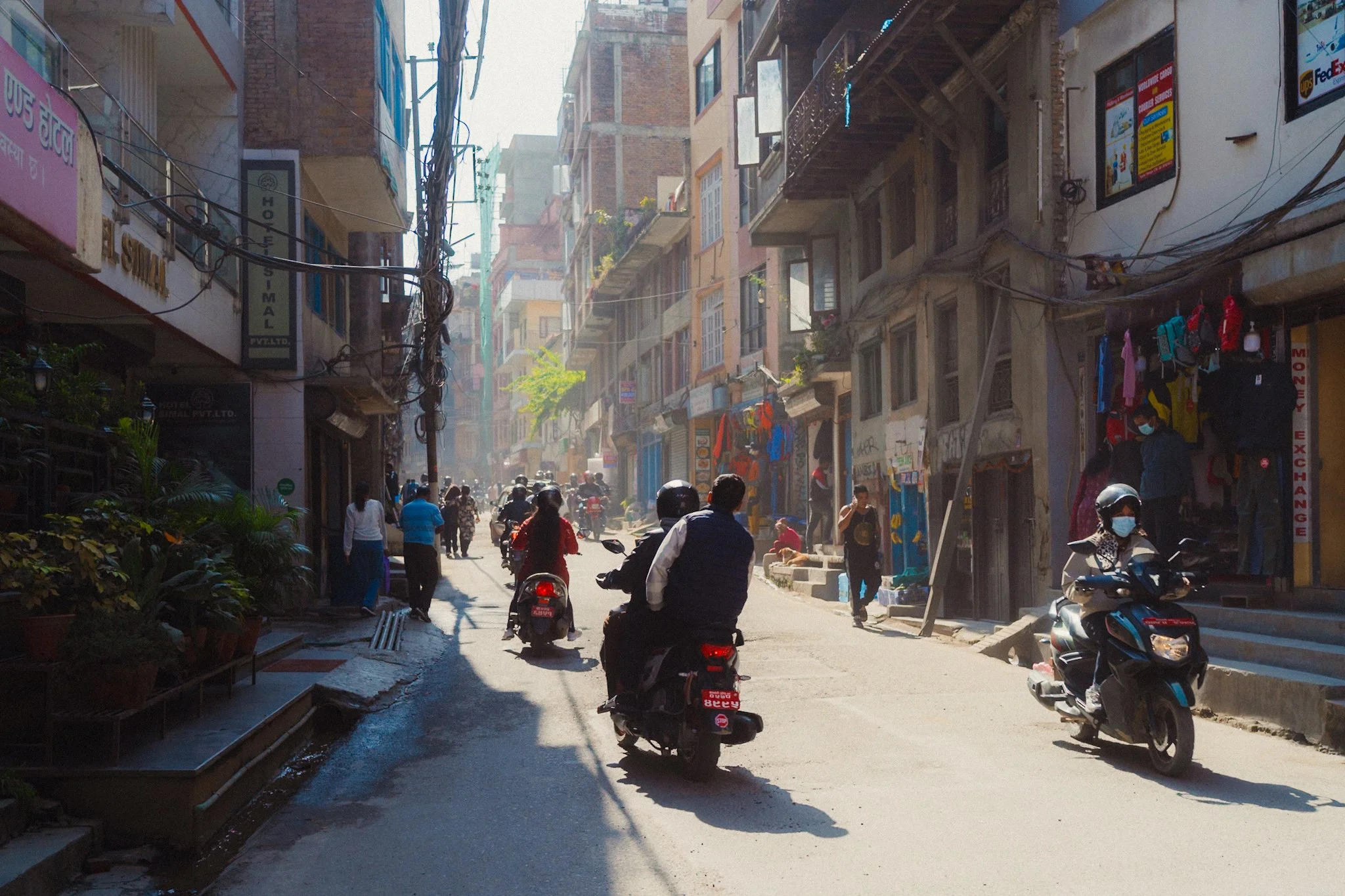
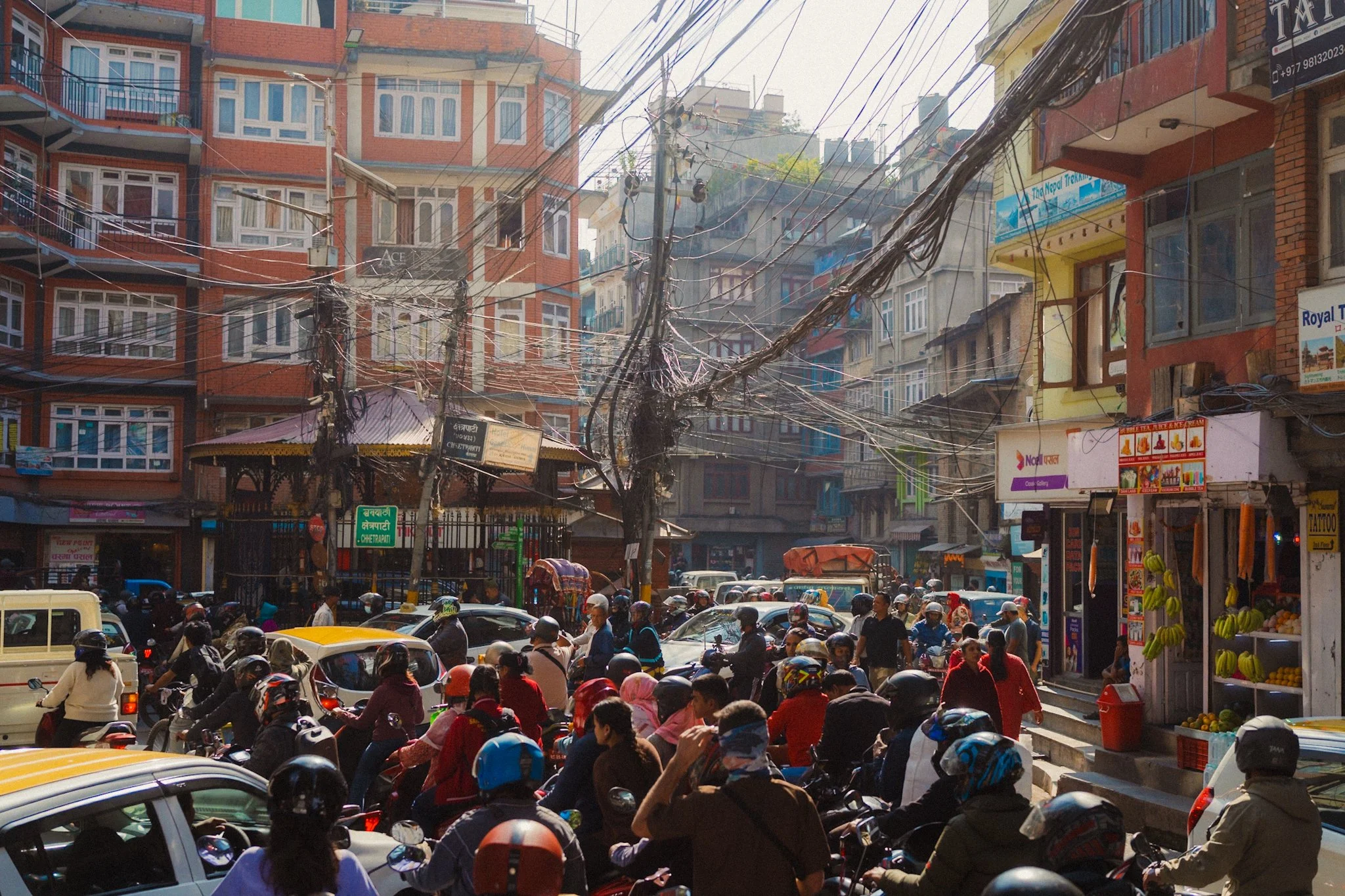
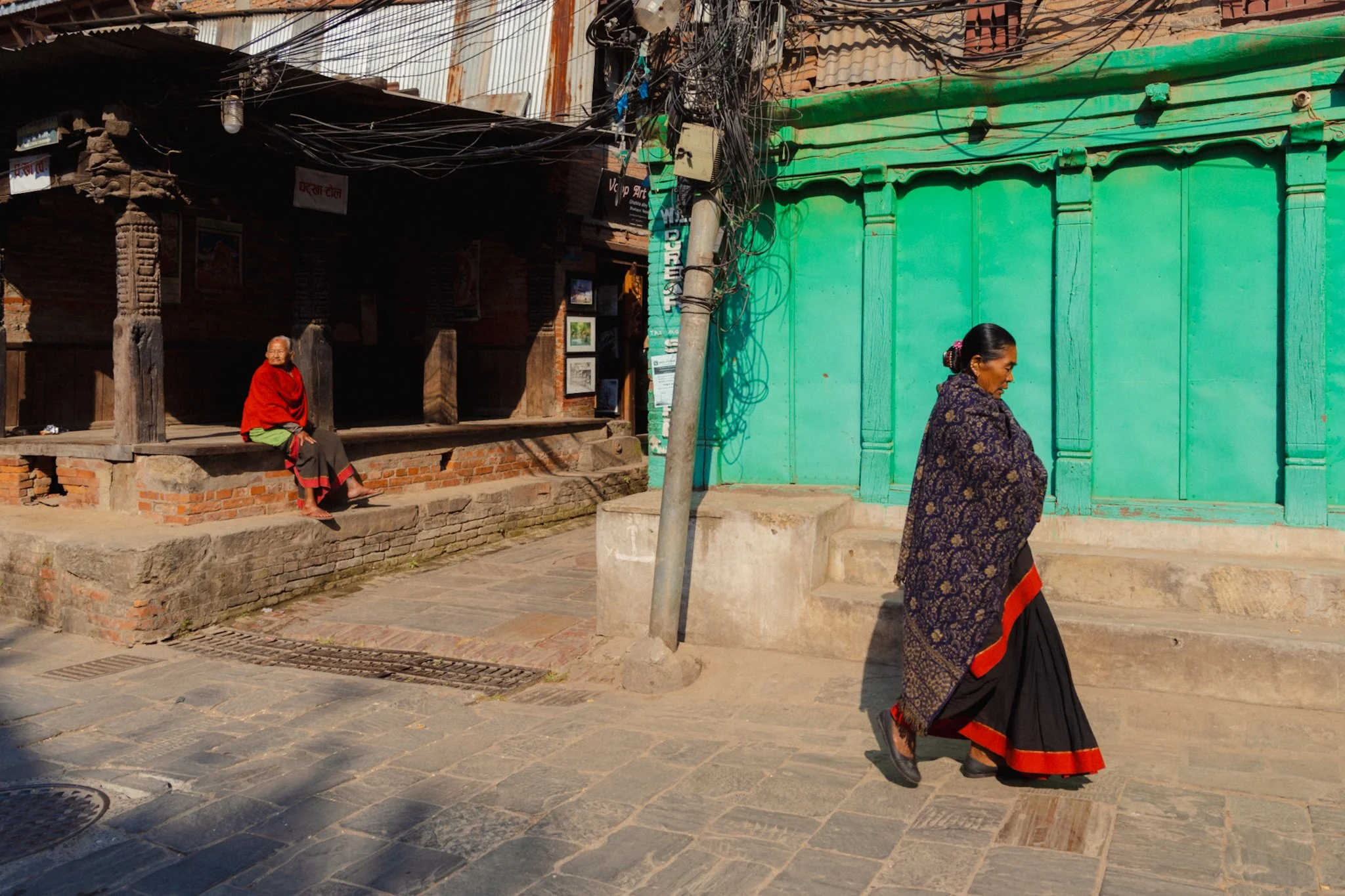
This trip only focused on Kathmandu, and even though there is much more to see in Nepal, time was a big constraint. My initial impressions of Kathmandu can be summarised as light, colour, atmosphere, and texture.
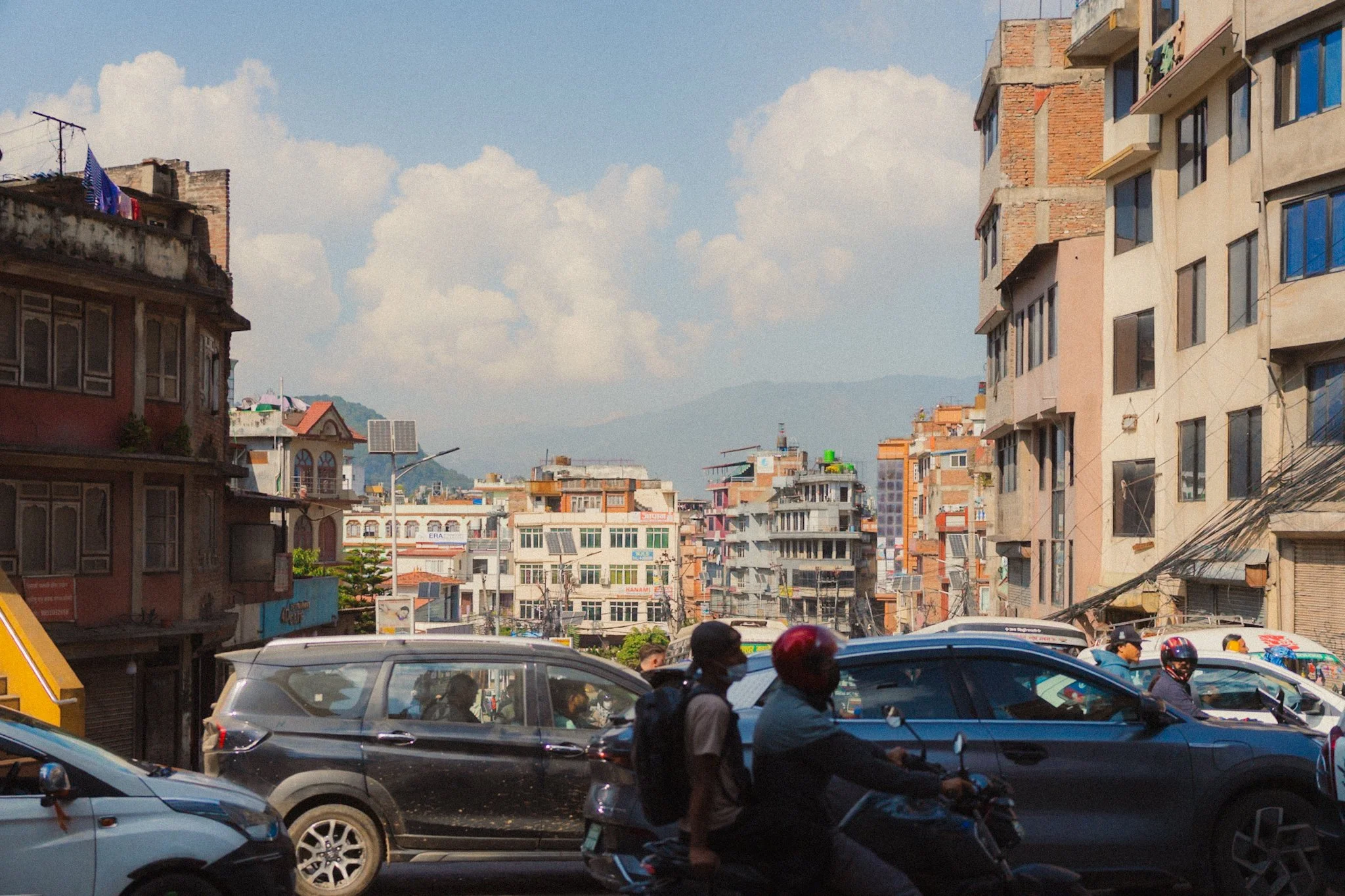
I don’t think I’ve been anywhere with such consistently good light. After nearly three weeks in the region, I only recall one cloudy morning. The rest of the time we had nothing but clear skies. The light is incredible too. During golden hour, you get a very strong orange glow that bathes the entire scene, while the midday sun isn’t that harsh, so you can shoot from sunrise to sunset.
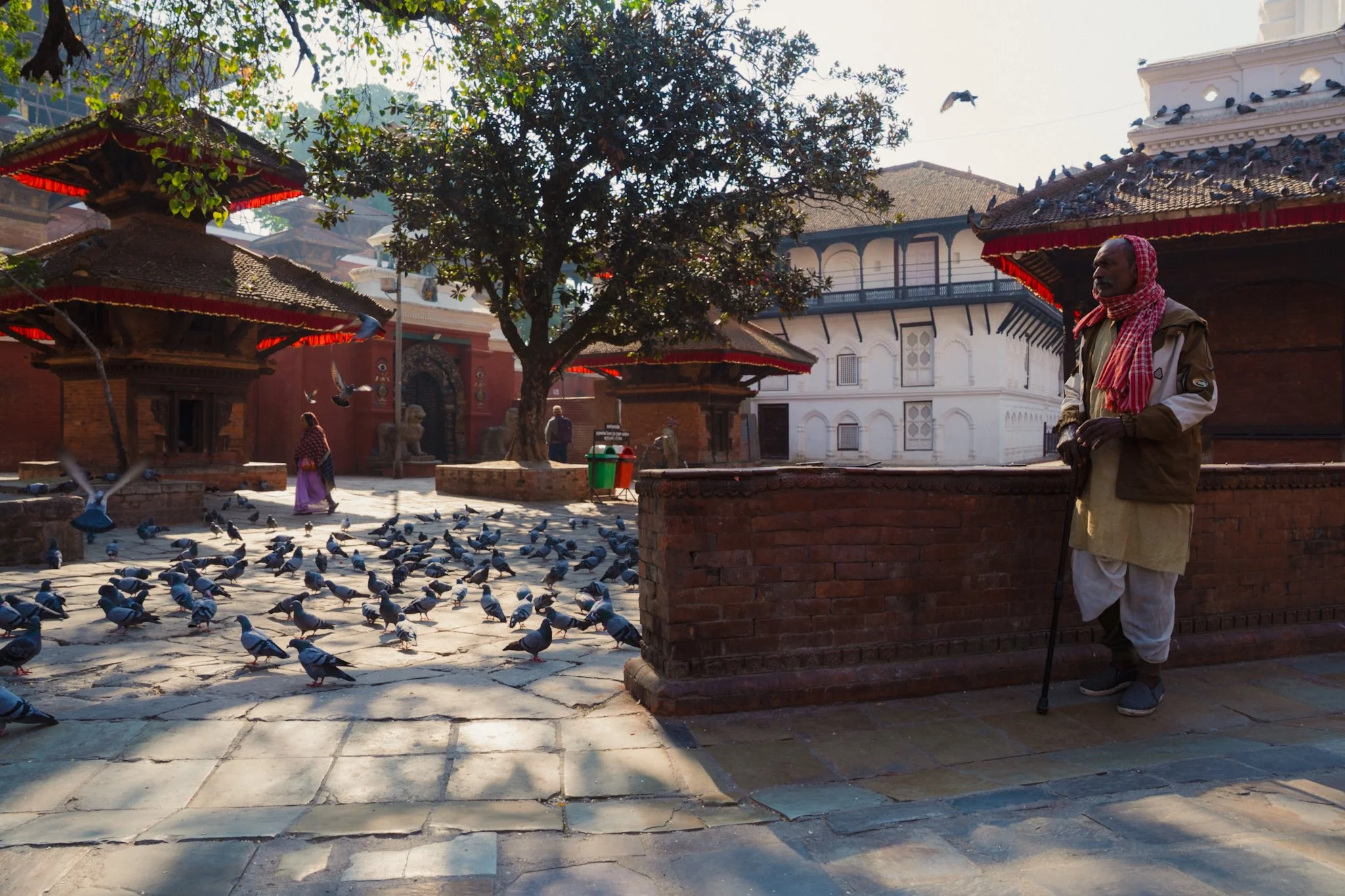
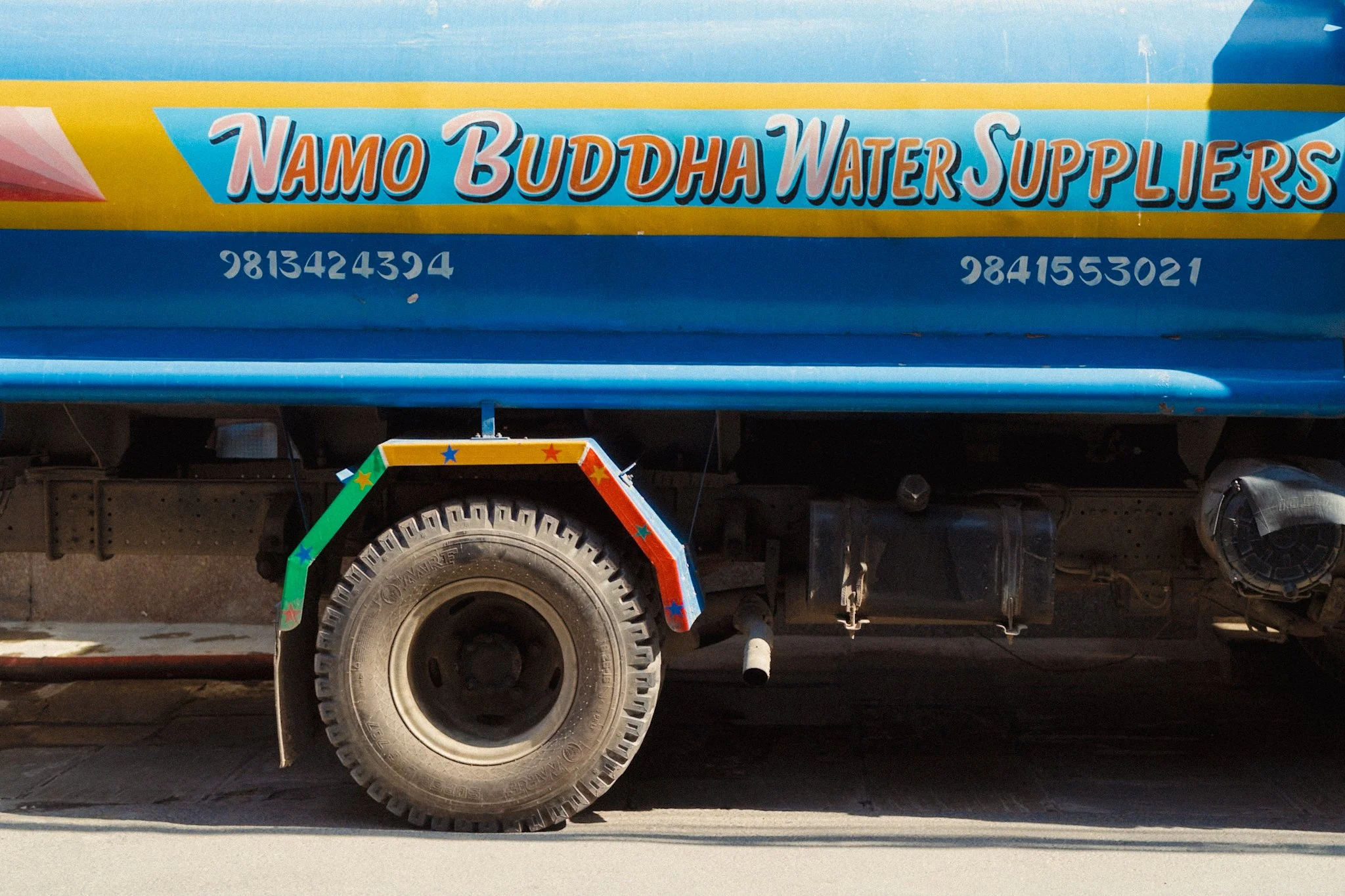
There are pops of colour everywhere. Blues, yellows, reds, and greens can be found in abundance no matter where you look. This makes colour photography incredibly fun, as you’re always noticing colours as anchor points to build your shot around.
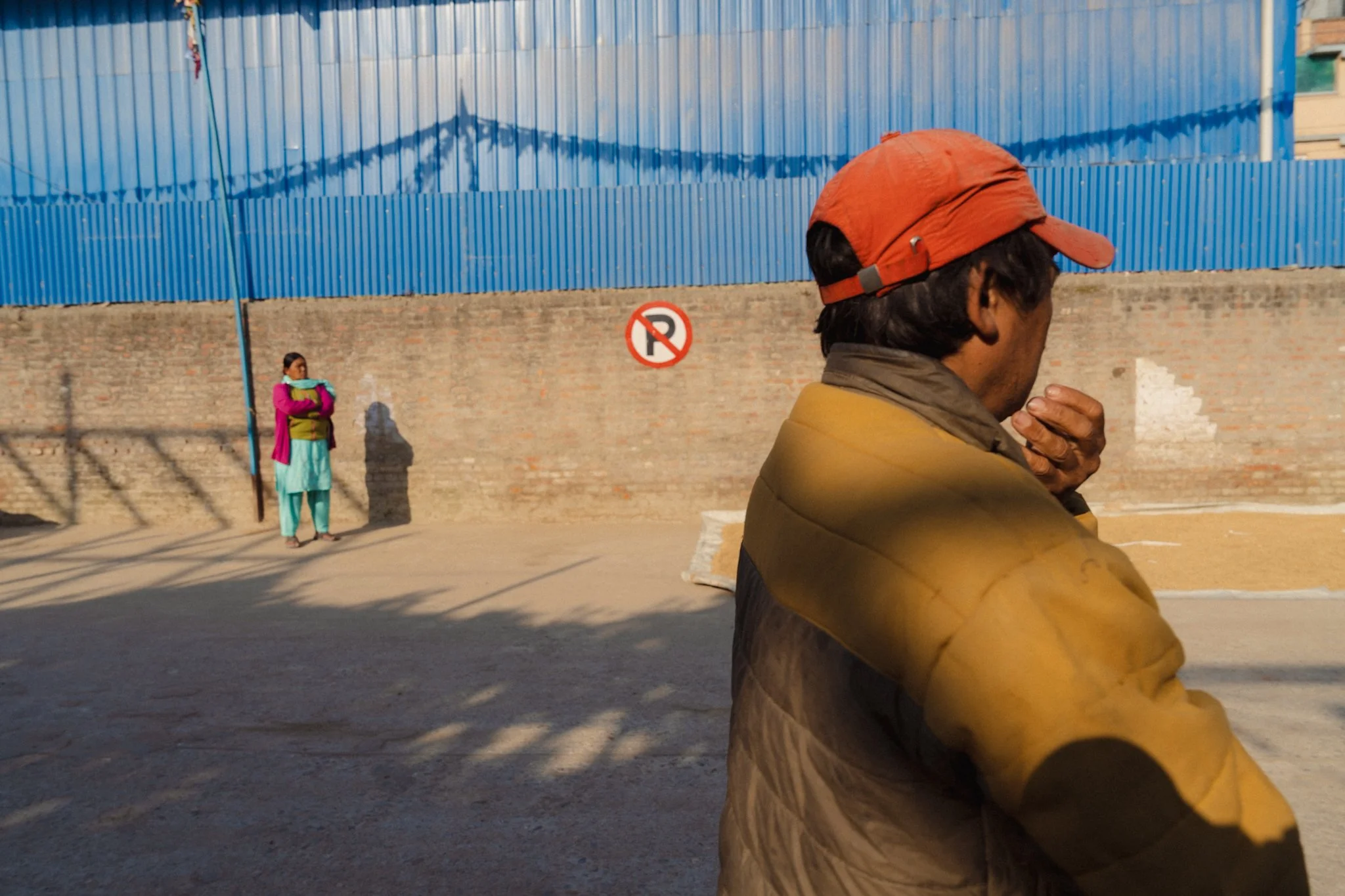
Throughout the day it’s common to see dust being kicked up into the air, smoke rising from incense sticks, and a general level of smog. I’m sure this isn’t ideal for your health, and as I write this I feel like a heavy smoker, however from a pure photographic perspective, it’s fantastic.
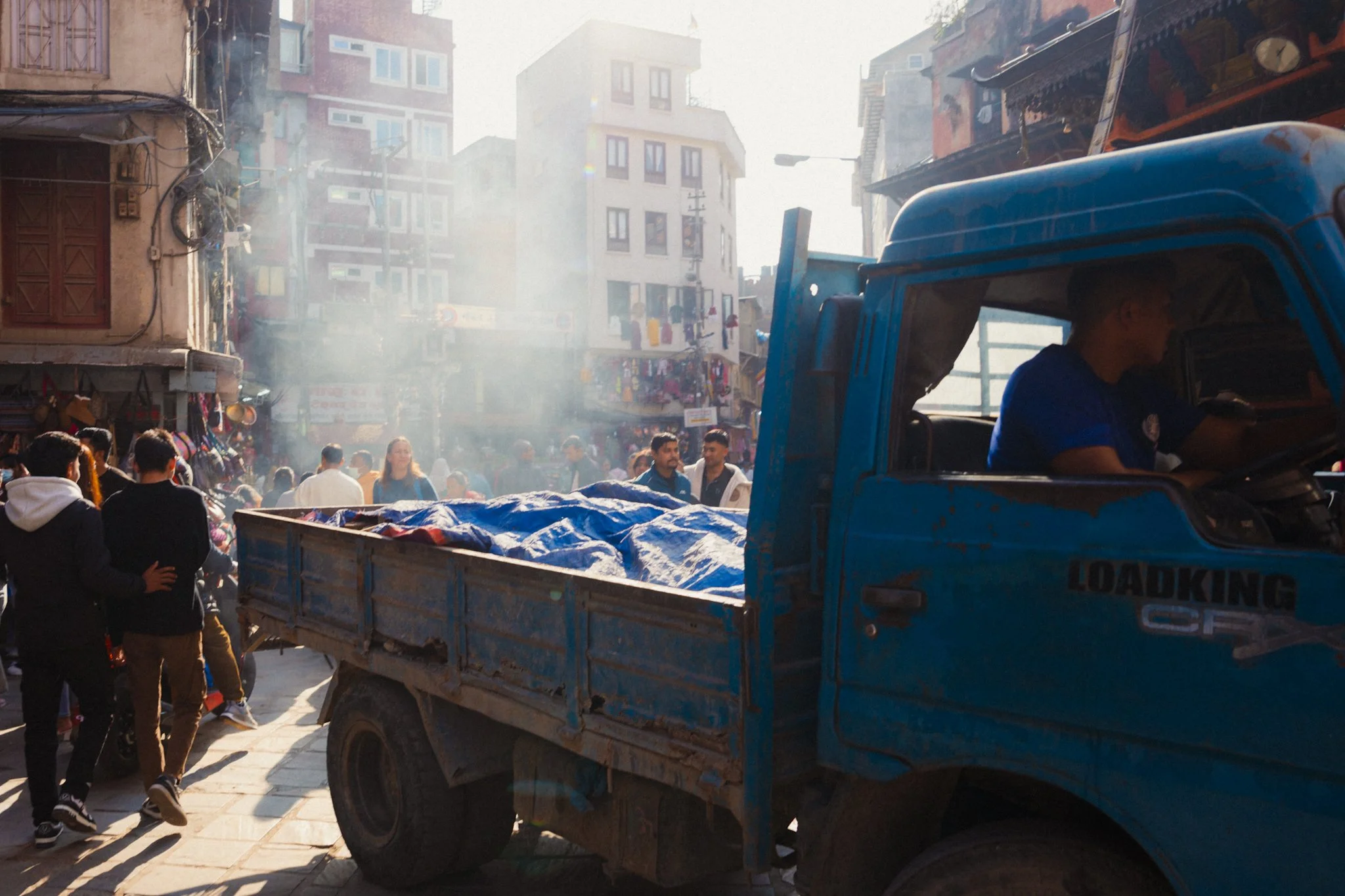
Kathmandu is full of texture everywhere you look, and if you pay attention, you can create an entire photo book around this alone.
Gear
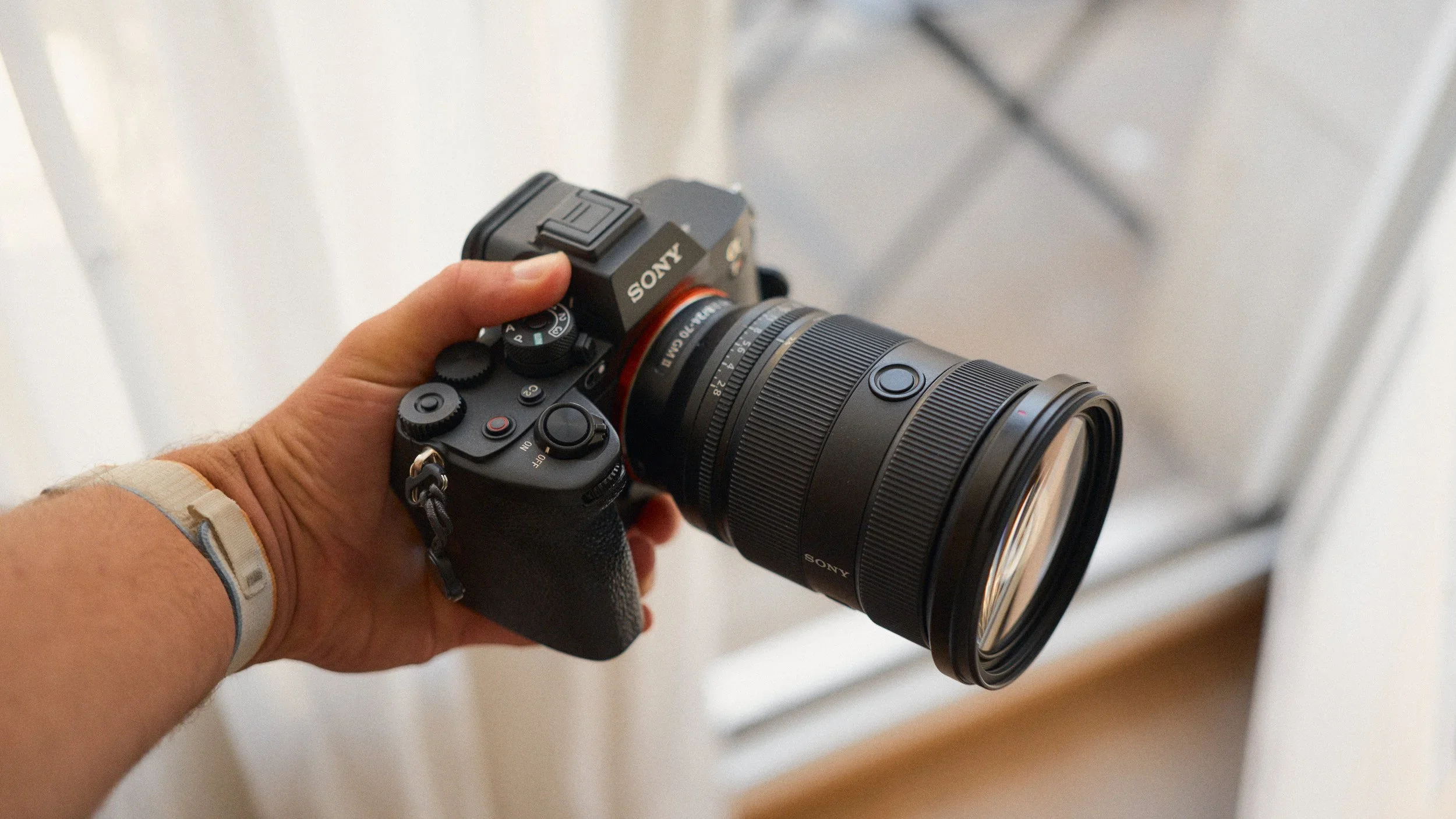
The entire trip was shot on my Sony A7RV and 24-70 GM II lens. While in some low light conditions I wished for a fast 35mm prime, I found the 24-70 range and the cropping ability of that 60mp sensor to be more than enough for capturing the whole spectrum of Kathmandu.
Attitude to Photography
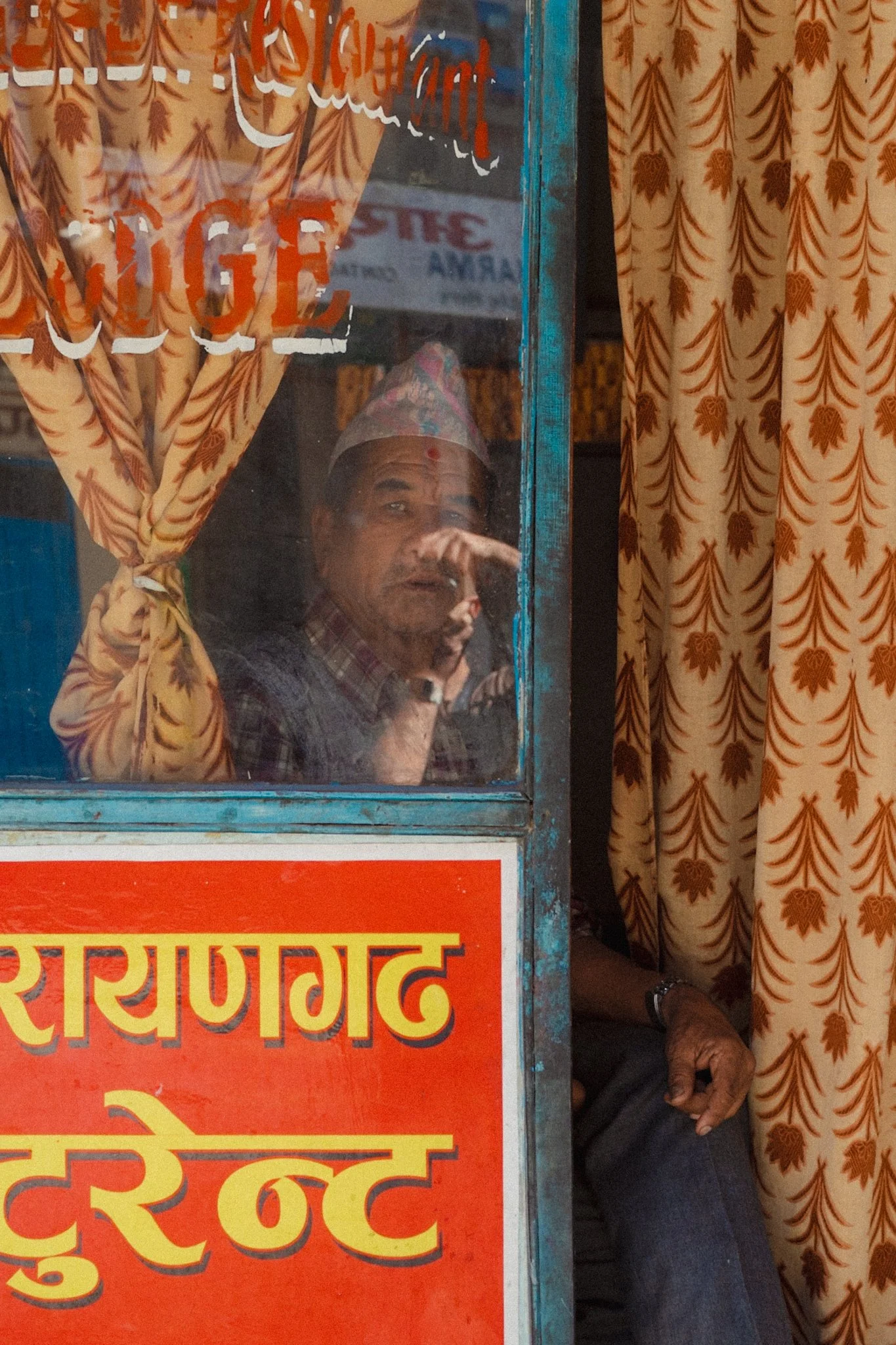
I found most people to be very welcoming and open to photos. It’s worth keeping in mind that when you ask for a photo, they might do a very slight head nod which is a positive sign, however it can be misunderstood by those not familiar with their body language.
Climate
I spent most of November in Kathmandu and can confirm perfect conditions. 95% clear skies and a perfect temperature of around 20C during the day. However, I’ve been told that such weather only occurs during specific times of year.
Boudhanath
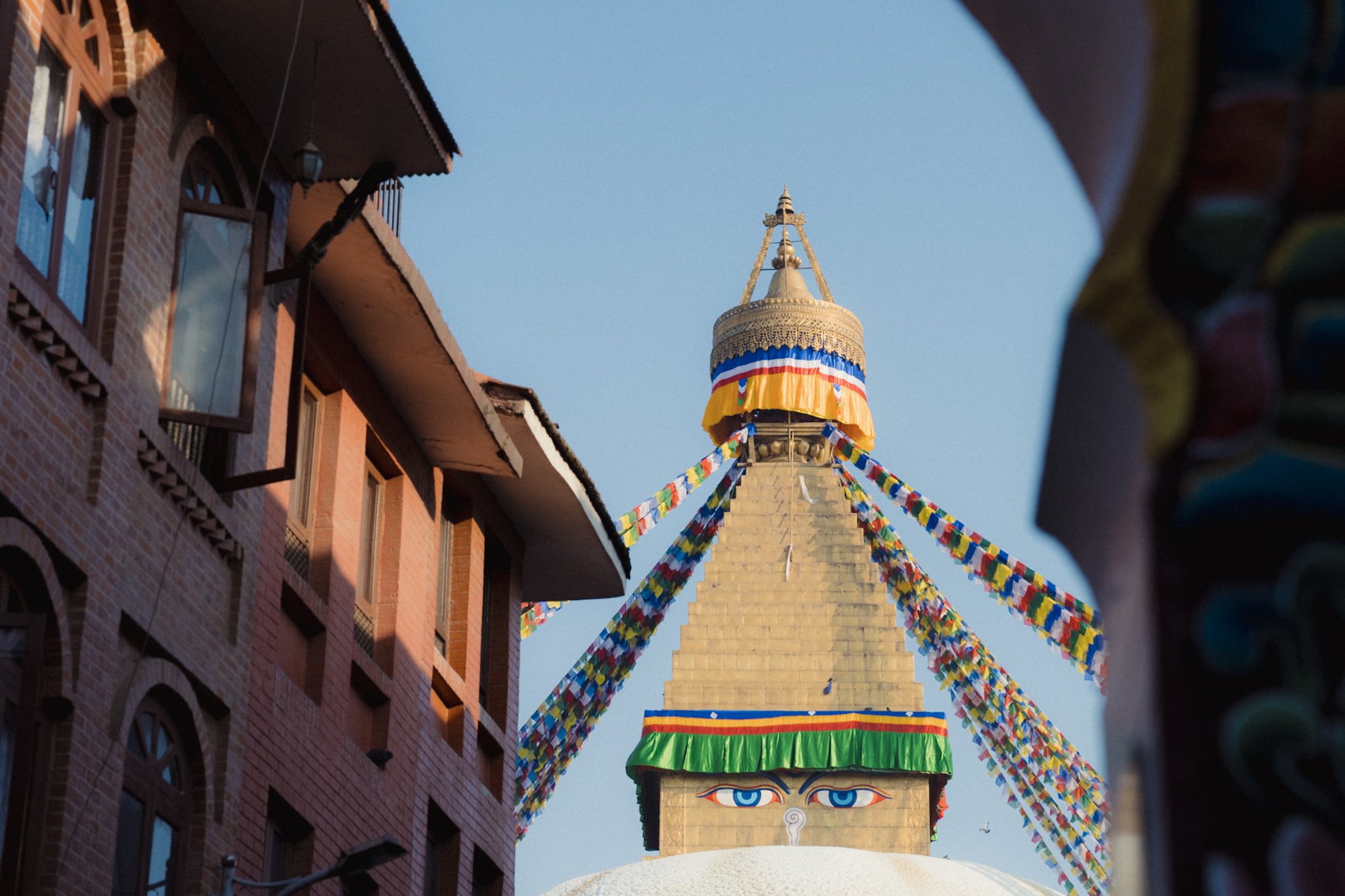
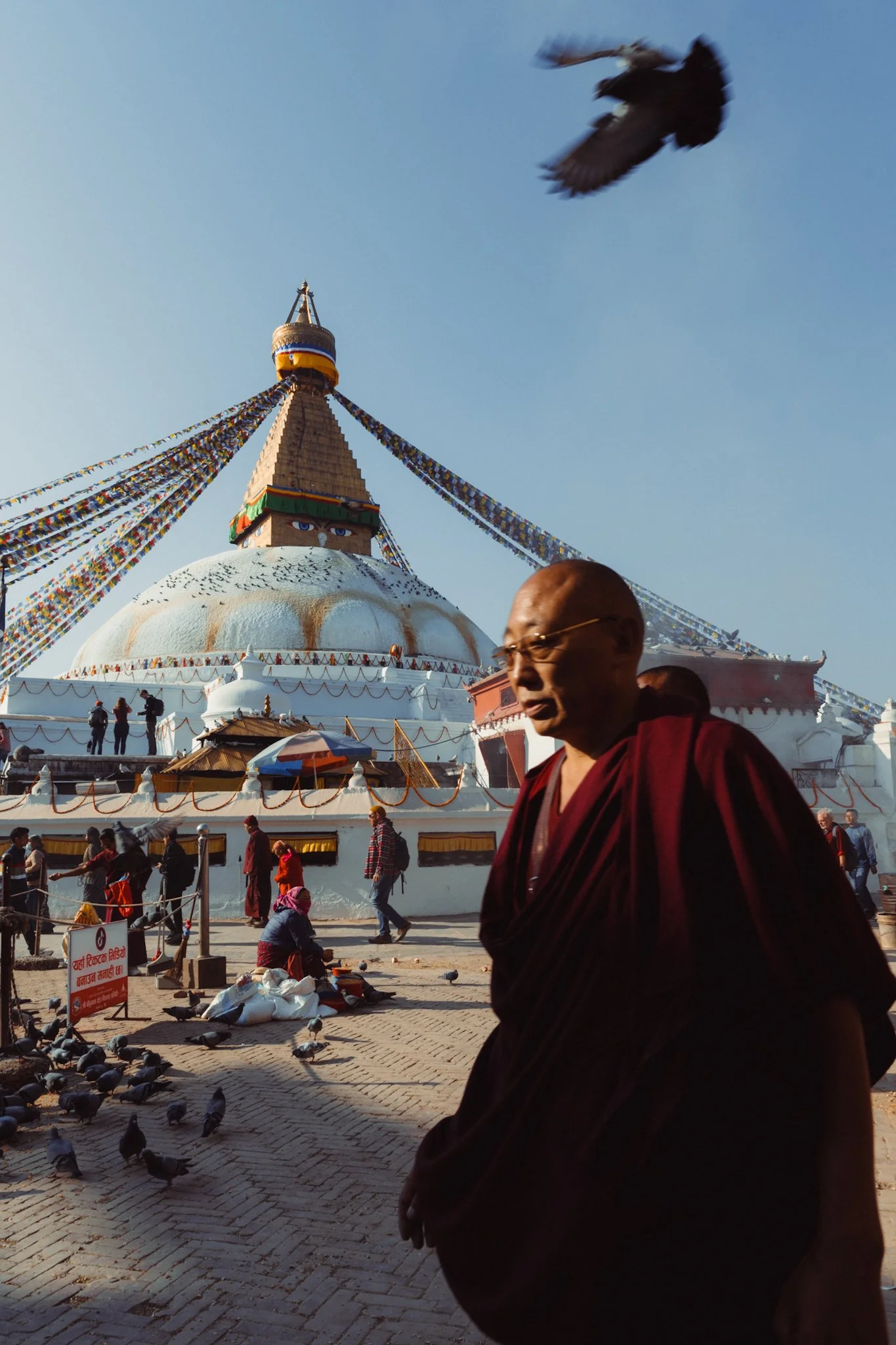
The Buddha Stupa in Kathmandu, known as Boudhanath, is one of the most peaceful and spiritual places in Nepal. Its huge white dome and iconic eyes of the Buddha make it feel like the monument is quietly watching over the city. The shape of the stupa represents the elements of the universe, and people gently walk around it in a clockwise direction as a simple meditation and way of paying respect. Surrounded by prayer flags, soft chanting, and cozy cafés overlooking the whole area, this is a must visit destination. The first striking photography aspect is the mass burning of incense, and the 1000s of pigeons in the area. This makes for some atmospheric and interesting photos. I arrived early in the morning and stayed till around lunchtime.

Monkey Temple
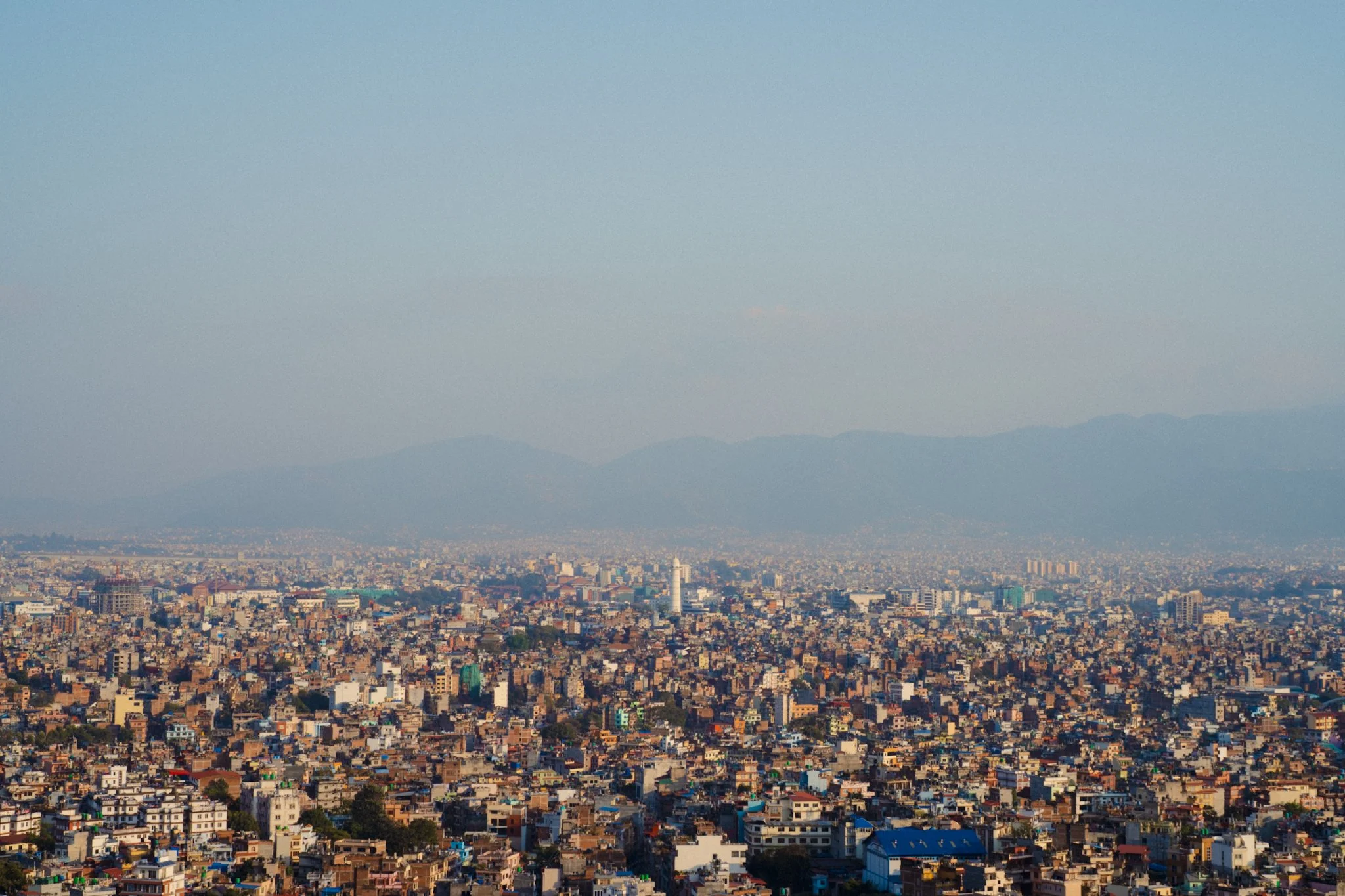
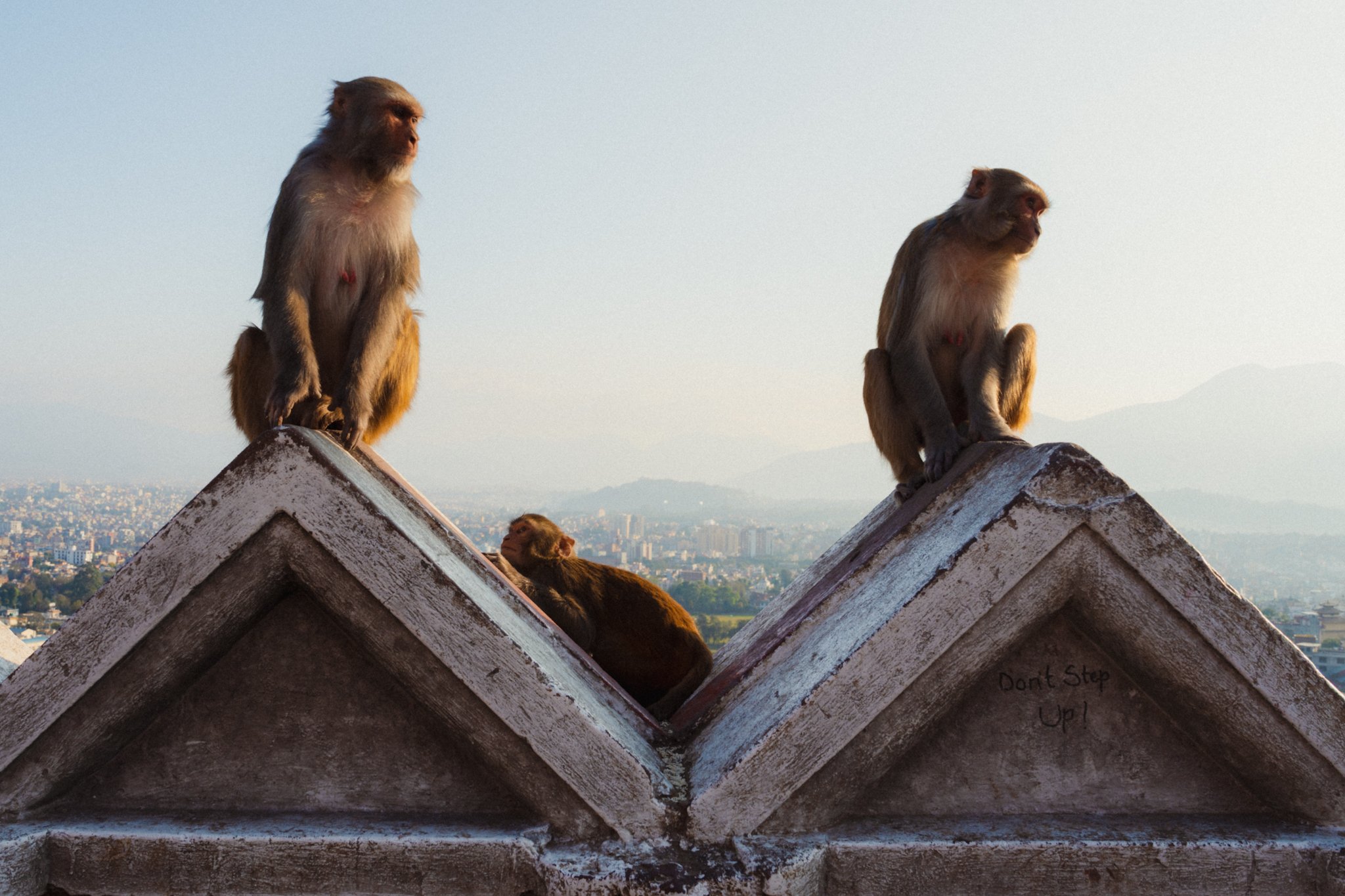
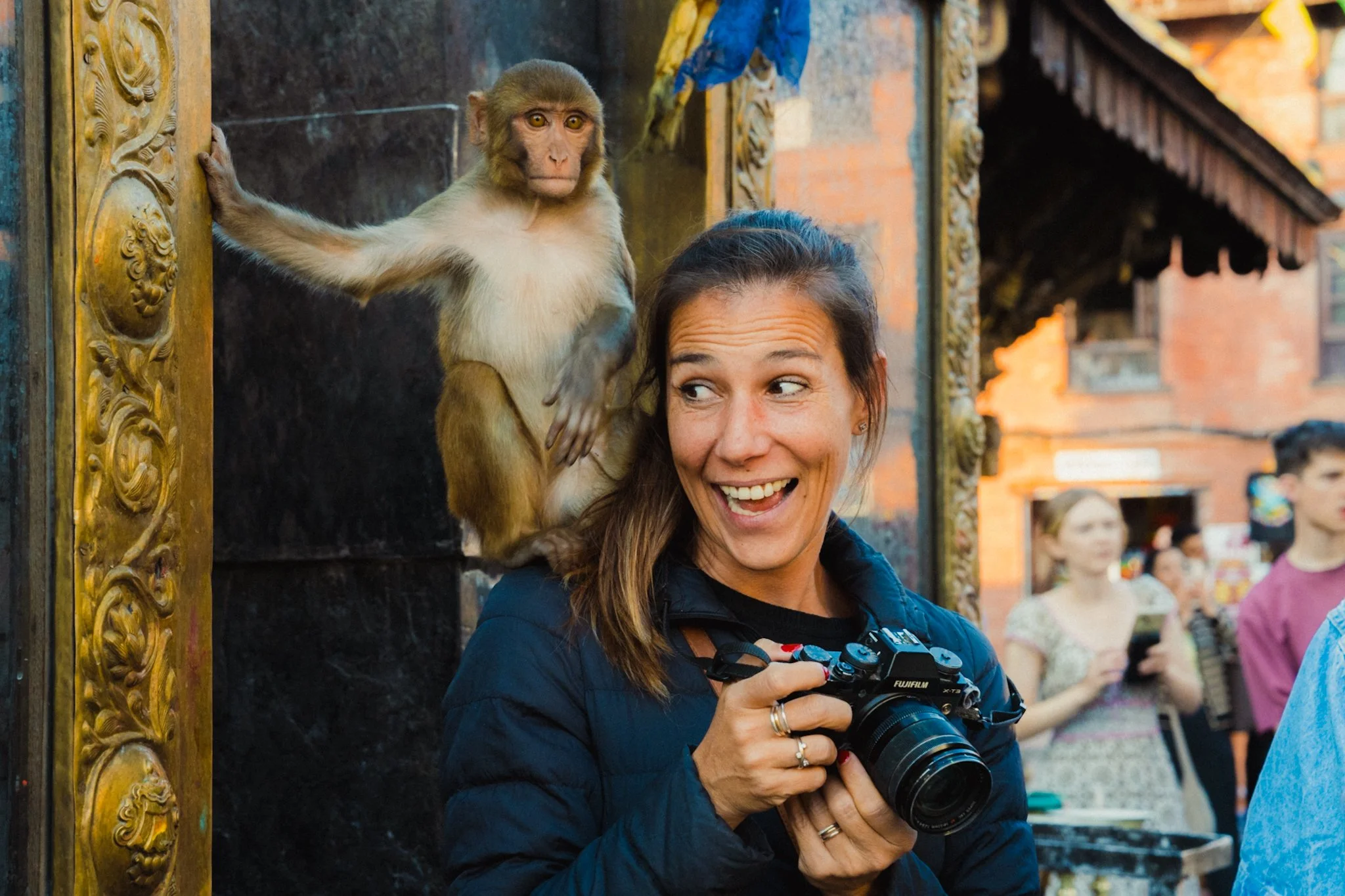
The Monkey Temple in Kathmandu, known as Swayambhunath, is a fun and peaceful place to visit, especially with its great hill top views over the whole city. The big white stupa with the painted eyes instantly stands out, and the whole area has a calm, welcoming vibe. People walk around it clockwise, spinning prayer wheels and just taking their time, while the monkeys jump around doing their own thing and keeping everyone amused. If you want to take photos of very confident monkeys, then you must visit, however for me, getting an establishing view of Kathmandu was well worth the climb.
Morning Markets
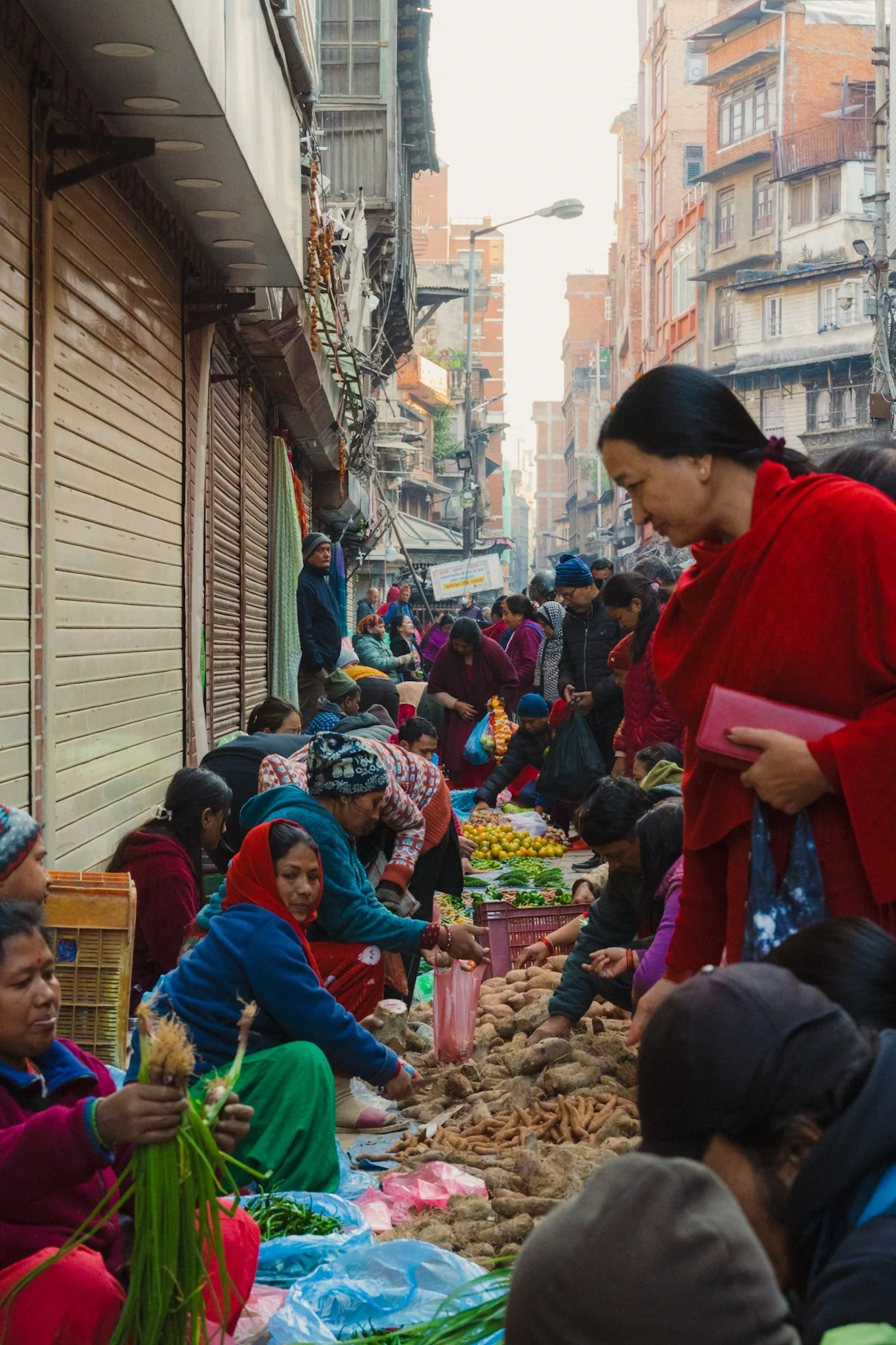
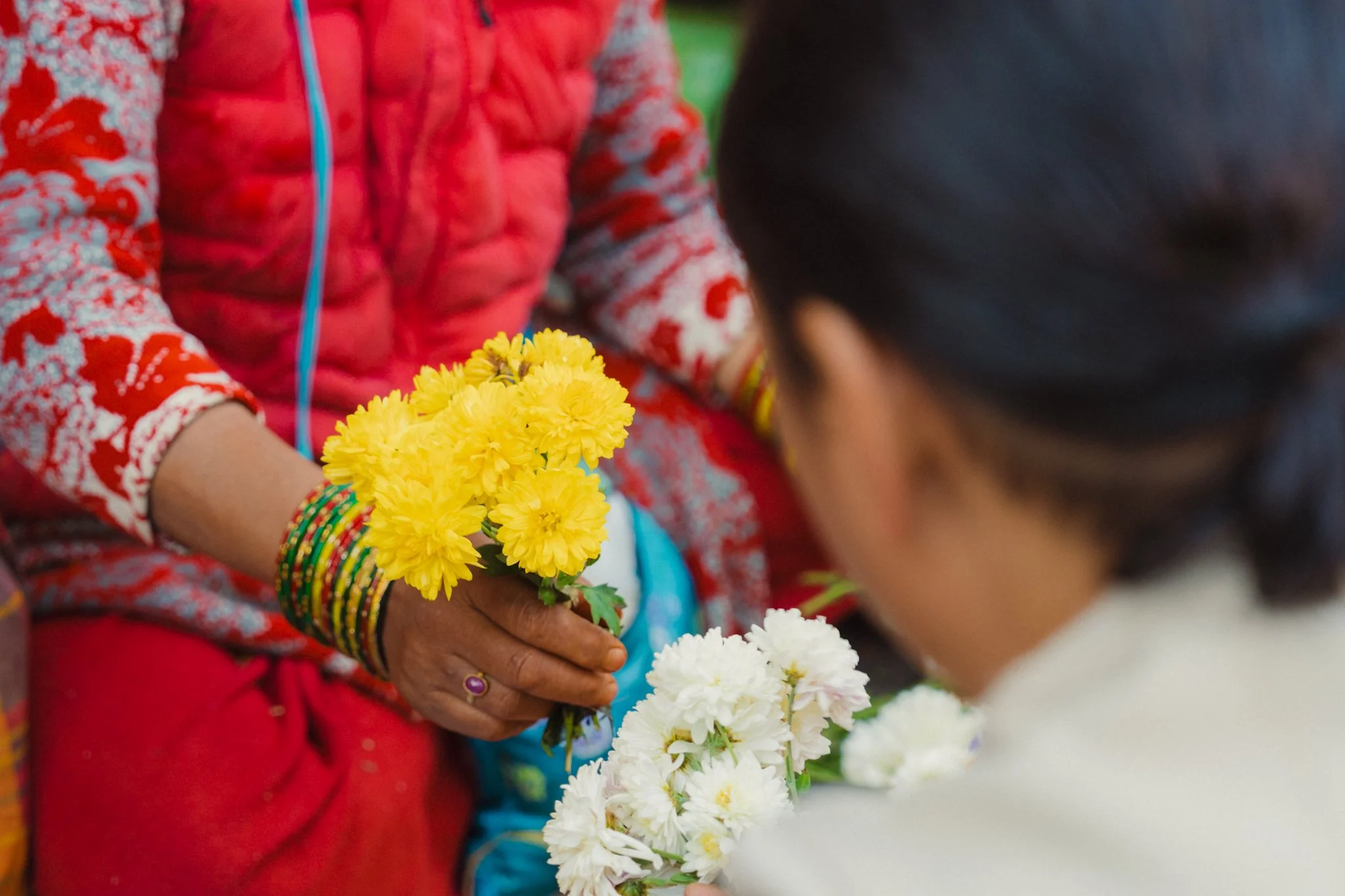
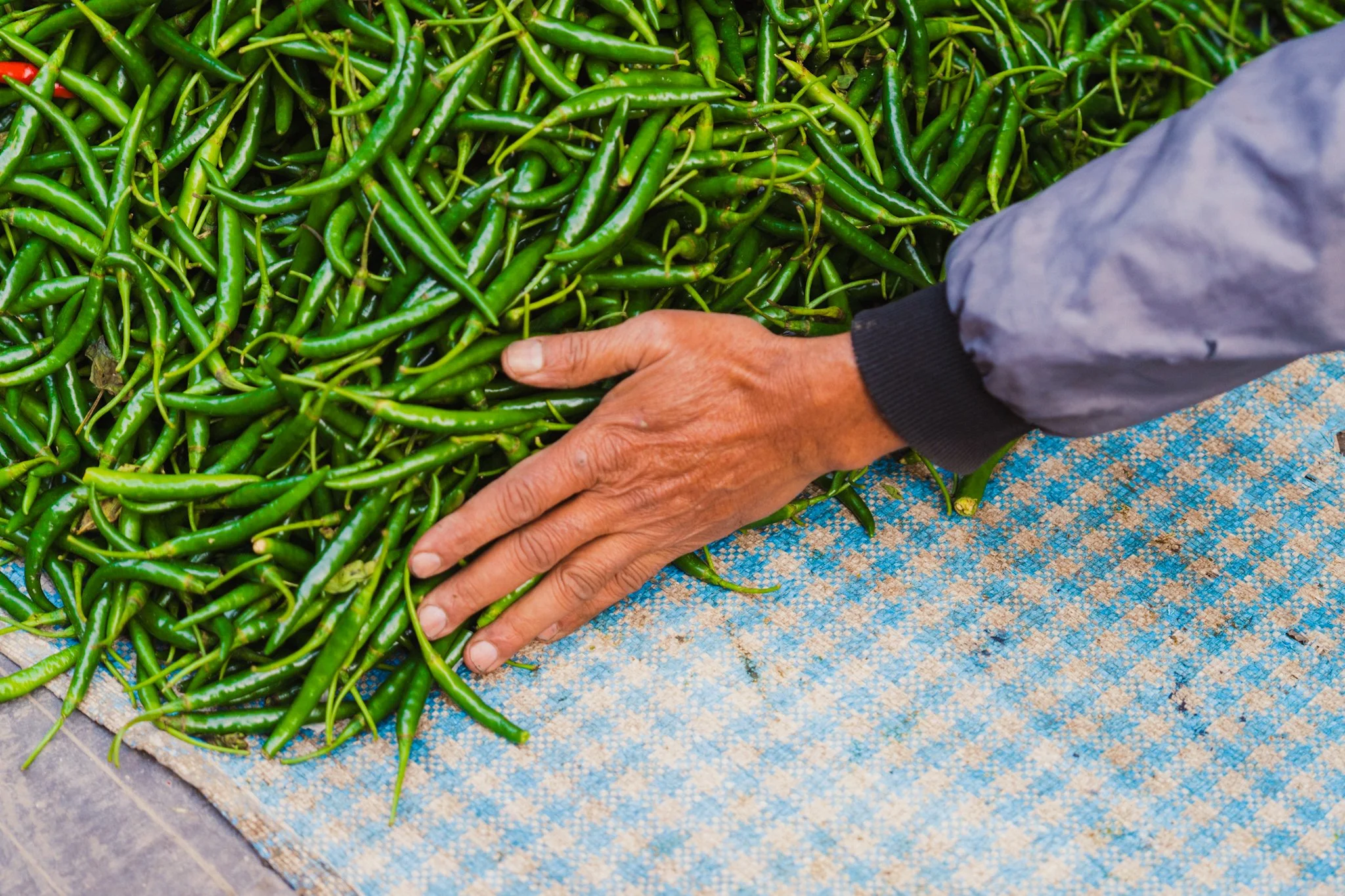
In the early mornings you will find various markets taking place in the centre of Kathmandu. My favourite one is located next to Durbar Square and it’s chaotic. You must arrive early, very early, ideally by 7am. Then stay until around 08:30 to witness the entire spectacle of market traders that need to leave by 8am when the actual stores open.
Durbar Square
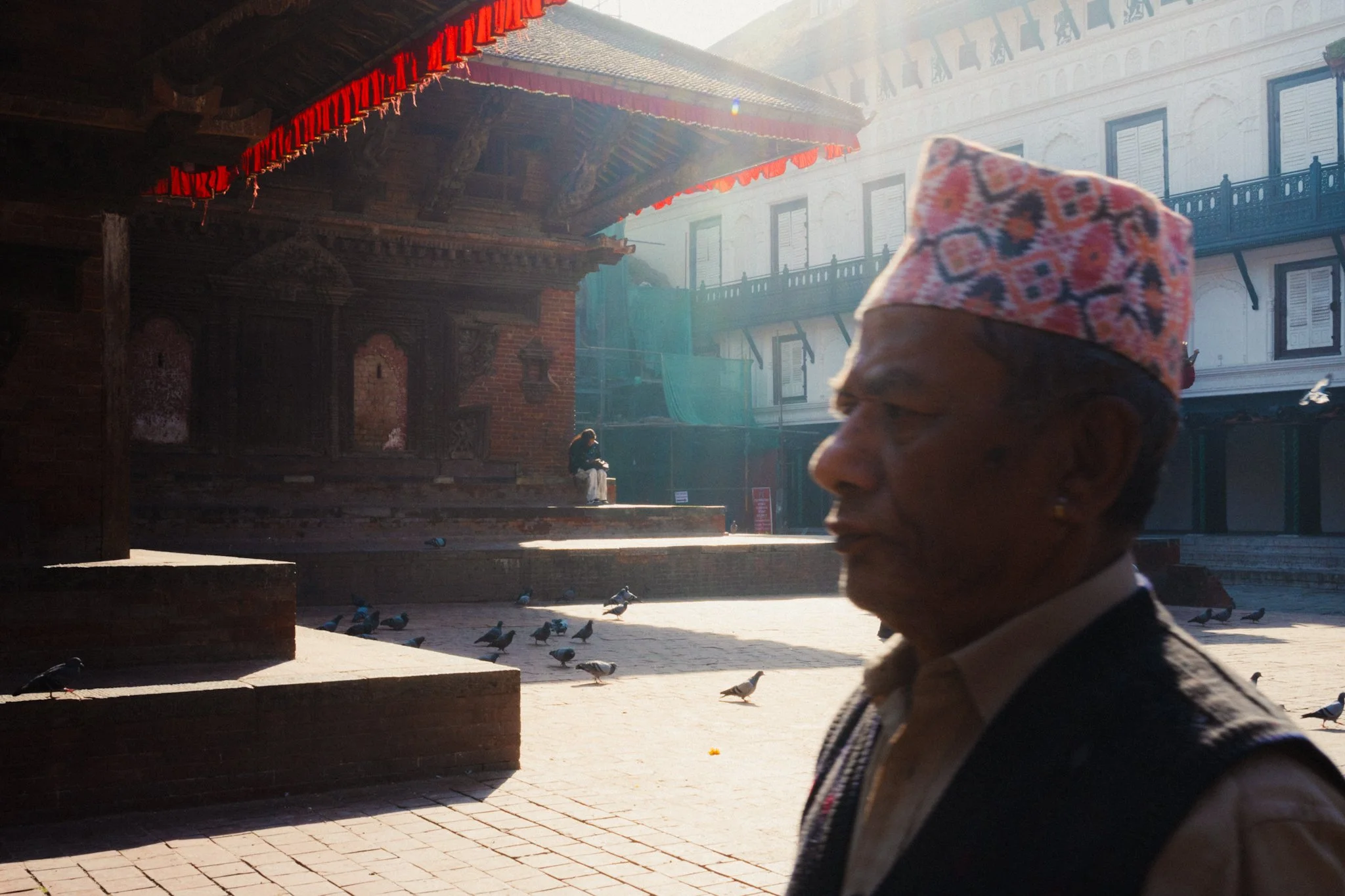
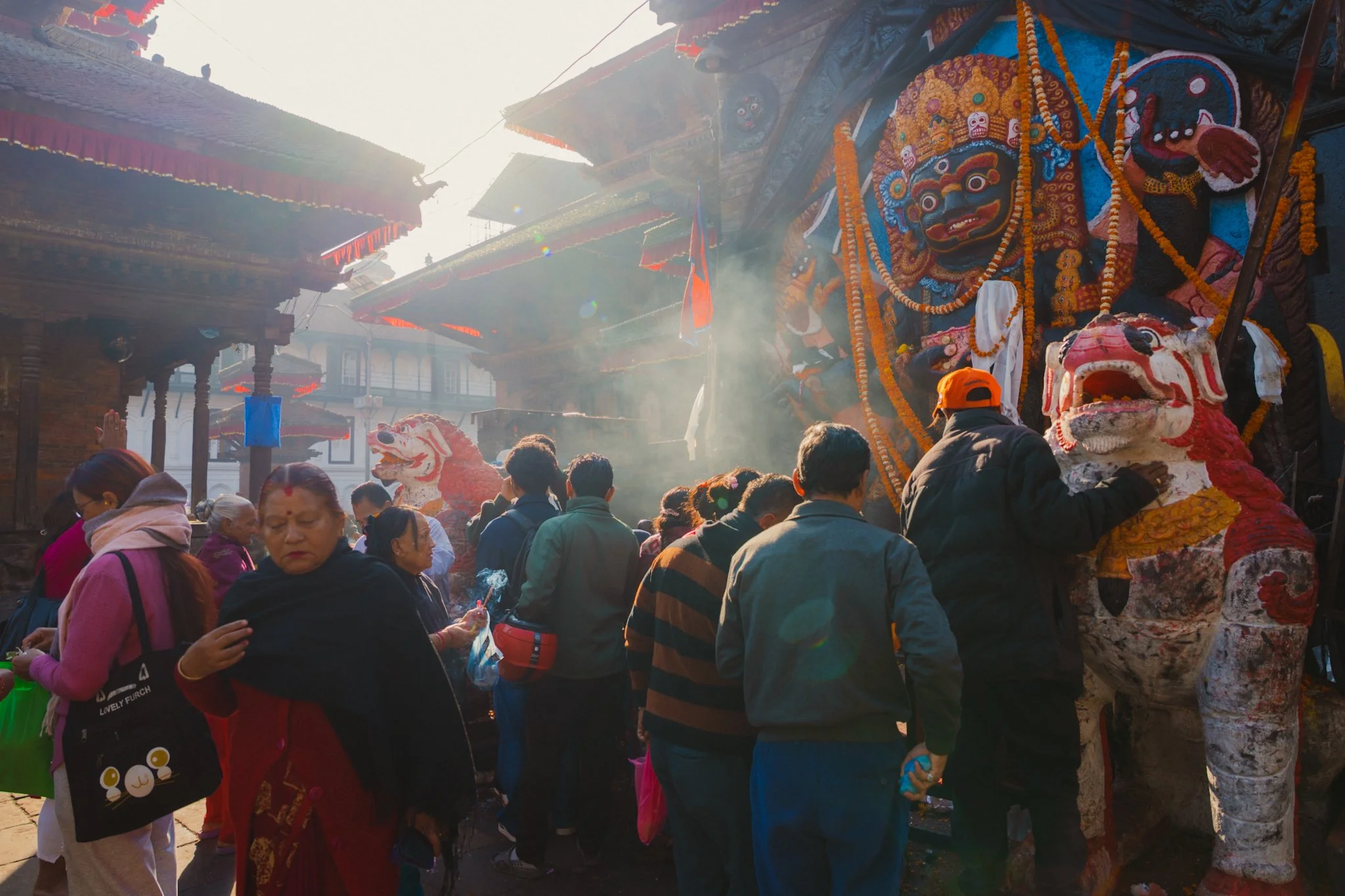
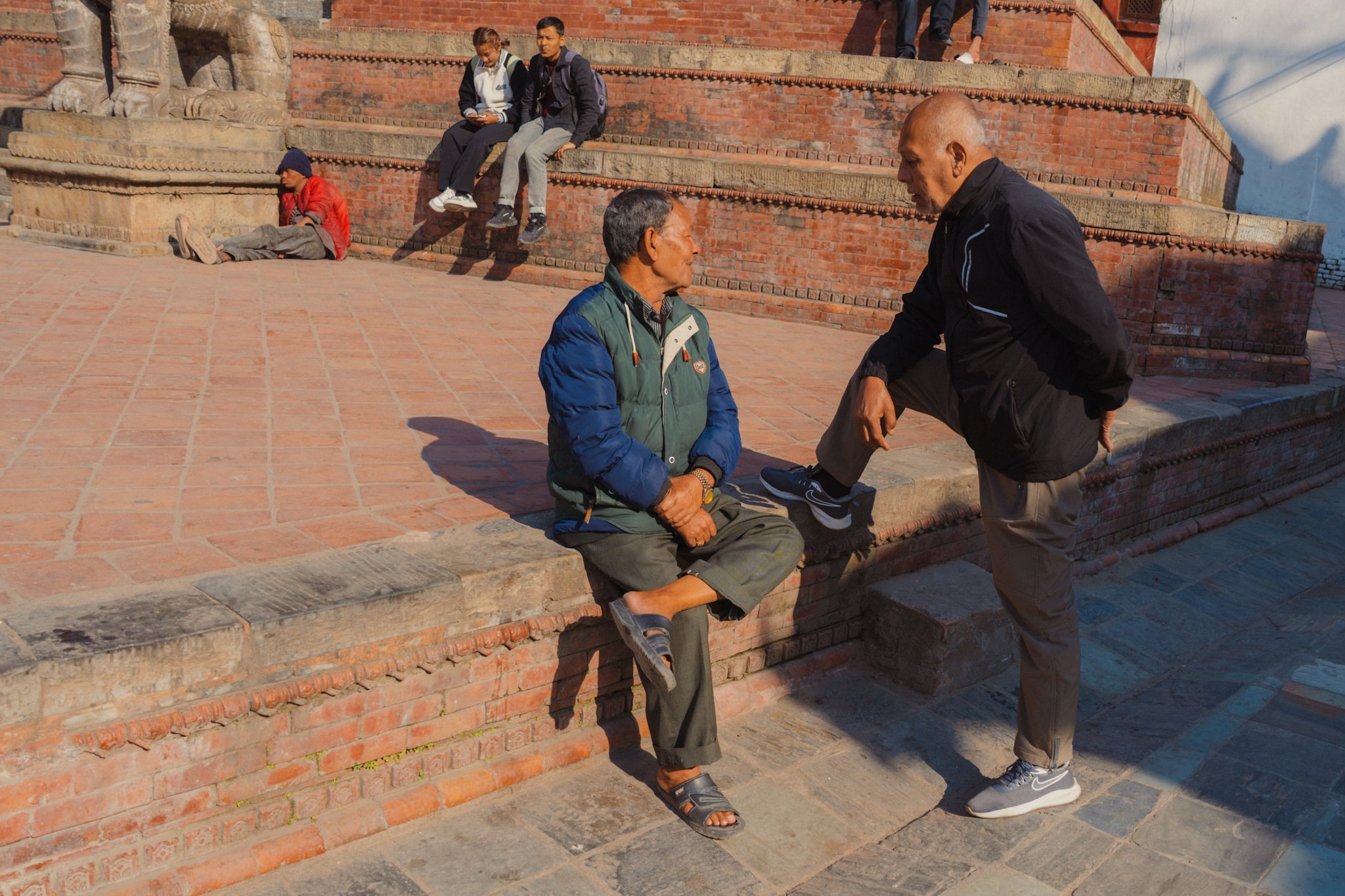
Durbar Square is one of those places where you feel like you’ve stepped into the heart of the city’s history. There are old temples, palaces, narrow lanes, and courtyards everywhere, and every corner seems to have a story. Even though lots of tourists visit, it still feels very local, with people relaxing on the temple steps, kids playing, pigeons flying around, and everyday life happening around these incredible old buildings. The area isn’t too large, so from a photographic perspective, I suggest working this area during different times of day.
Pashupatinath
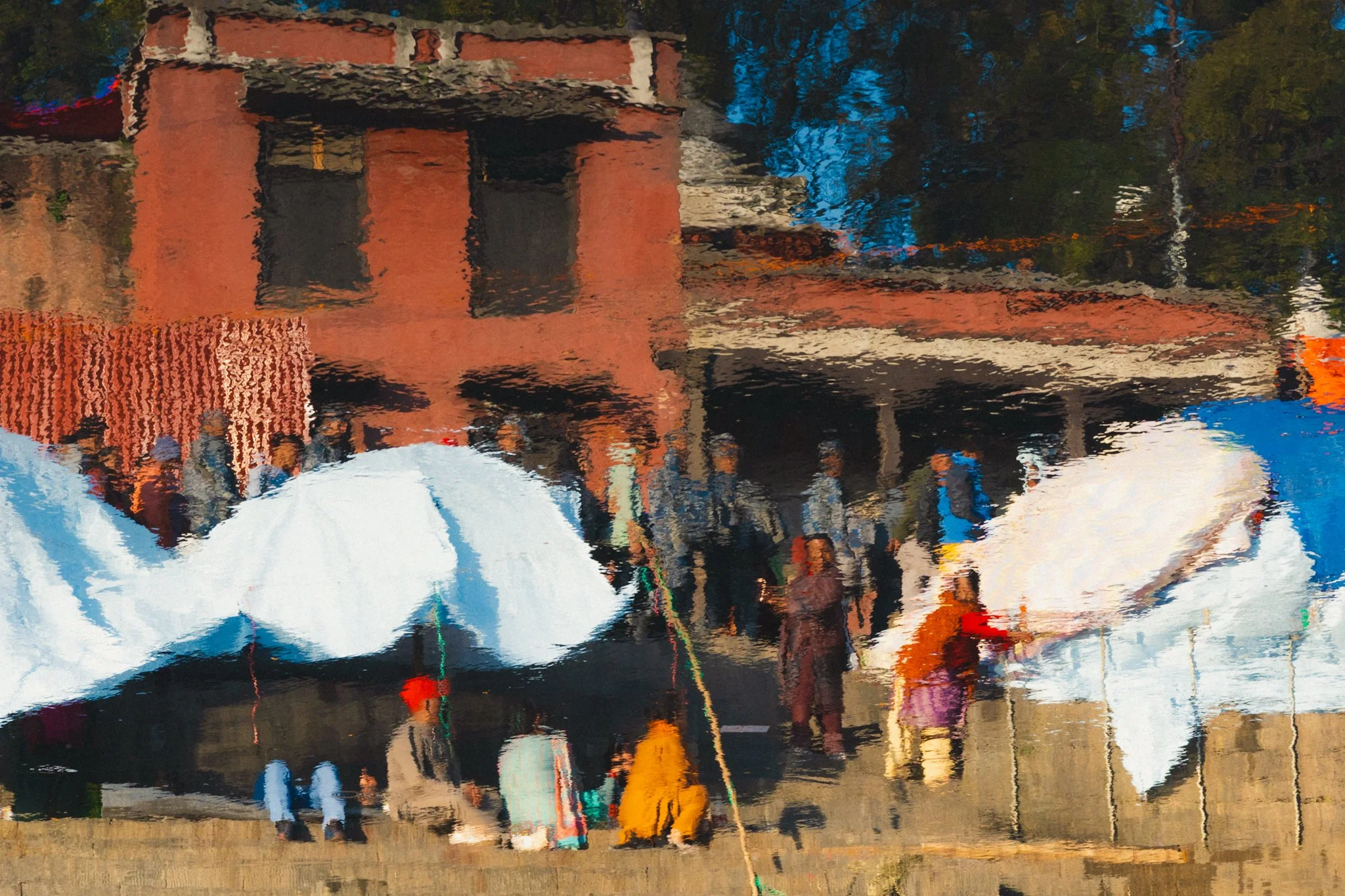
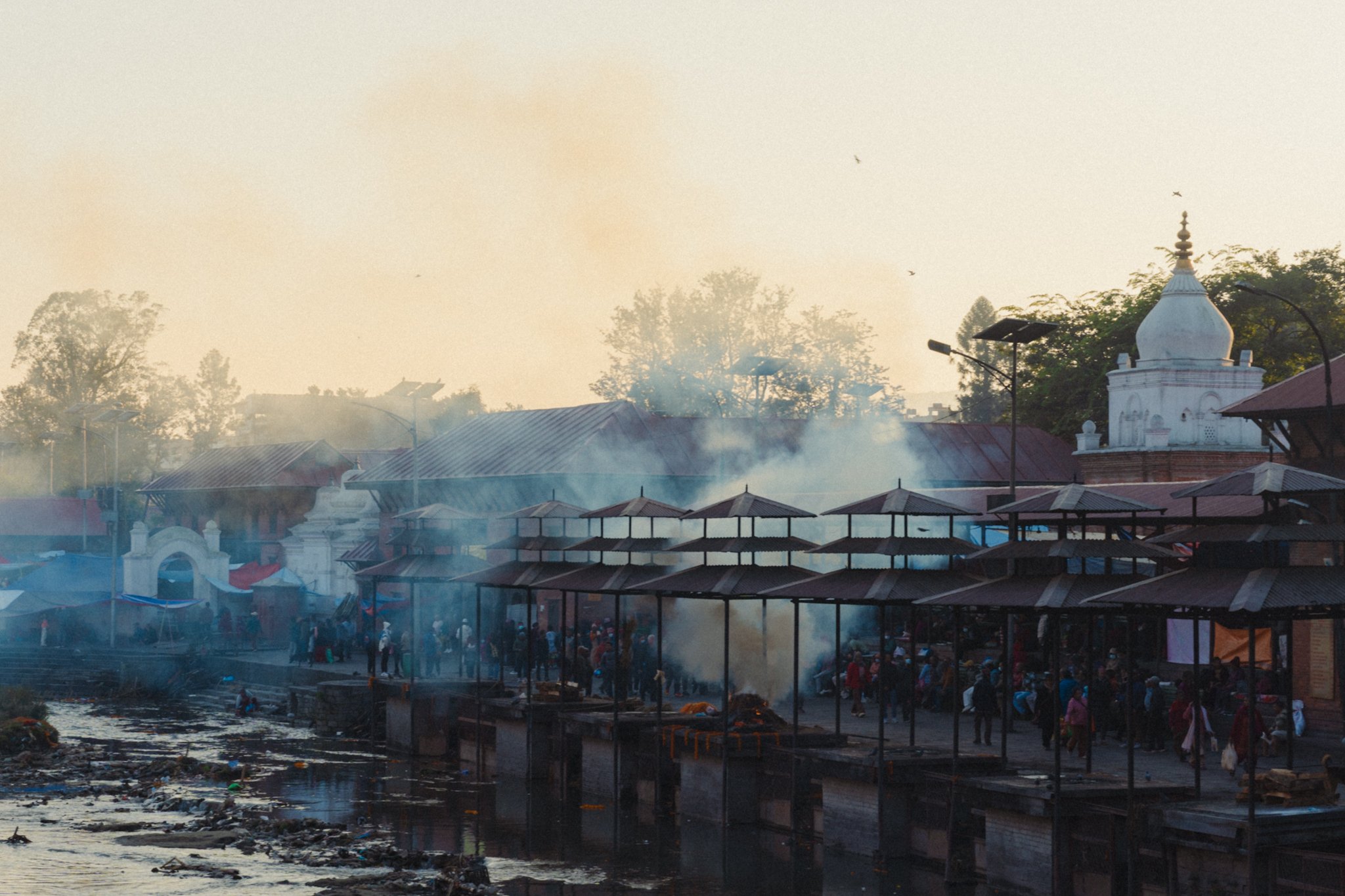
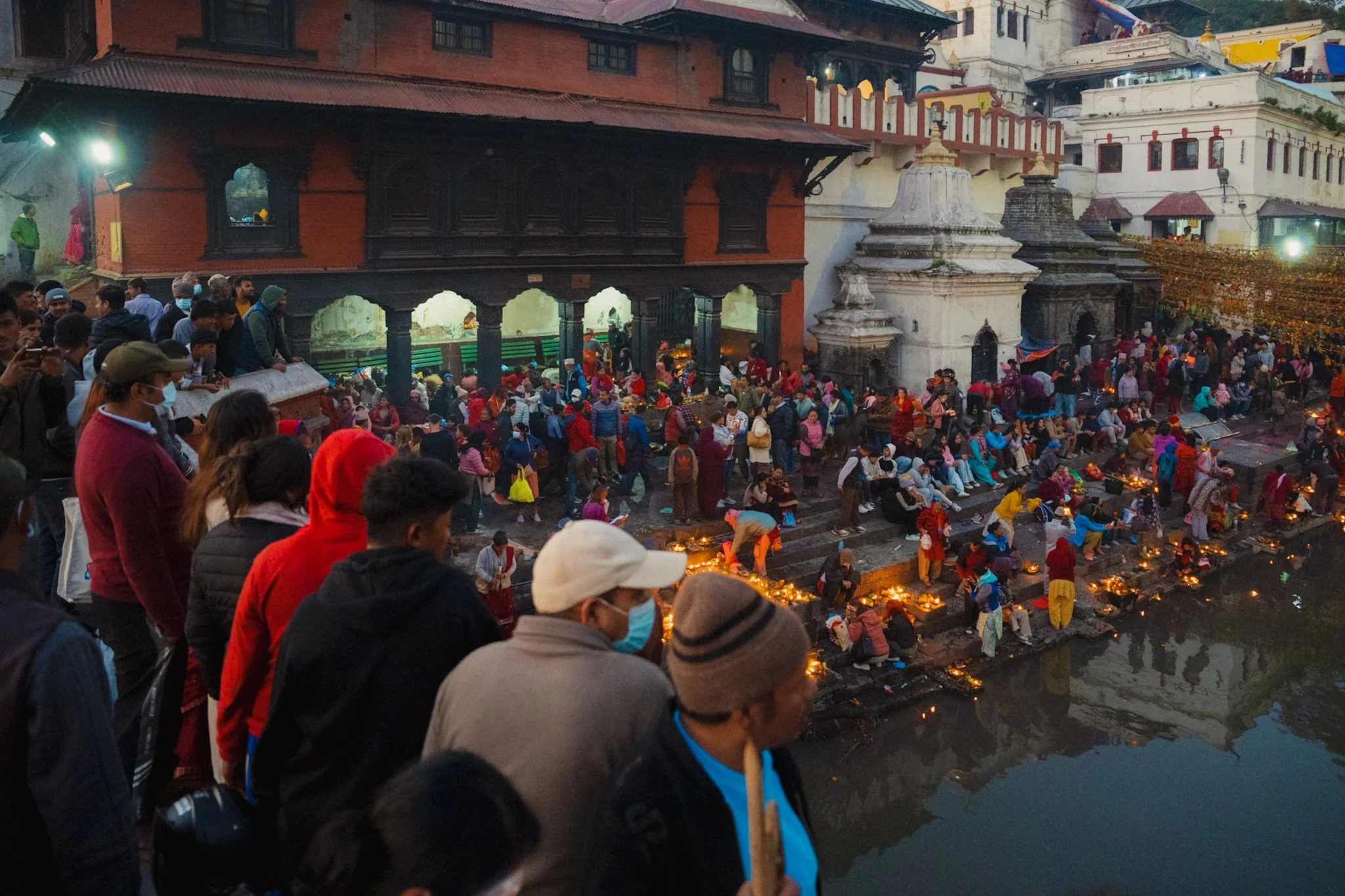
Pashupatinath sits along the Bagmati River and is considered one of the most important Hindu temples in Nepal, so you see people coming from all over for prayers, blessings, and rituals. The main temple area is usually busy, however we arrived during some kind of festival, which made the whole area extremely busy. If you explore a bit, you can sit by the river and watch the traditional ceremonies that take place there, which can be eye opening if you are unfamiliar with this. While I won’t share the detailed photos, it’s not uncommon to see cremations, with clearly visible body parts. This isn’t for everyone, so be aware of this aspect. Thankfully there are many other parts of the site you can explore.
Bhaktapur
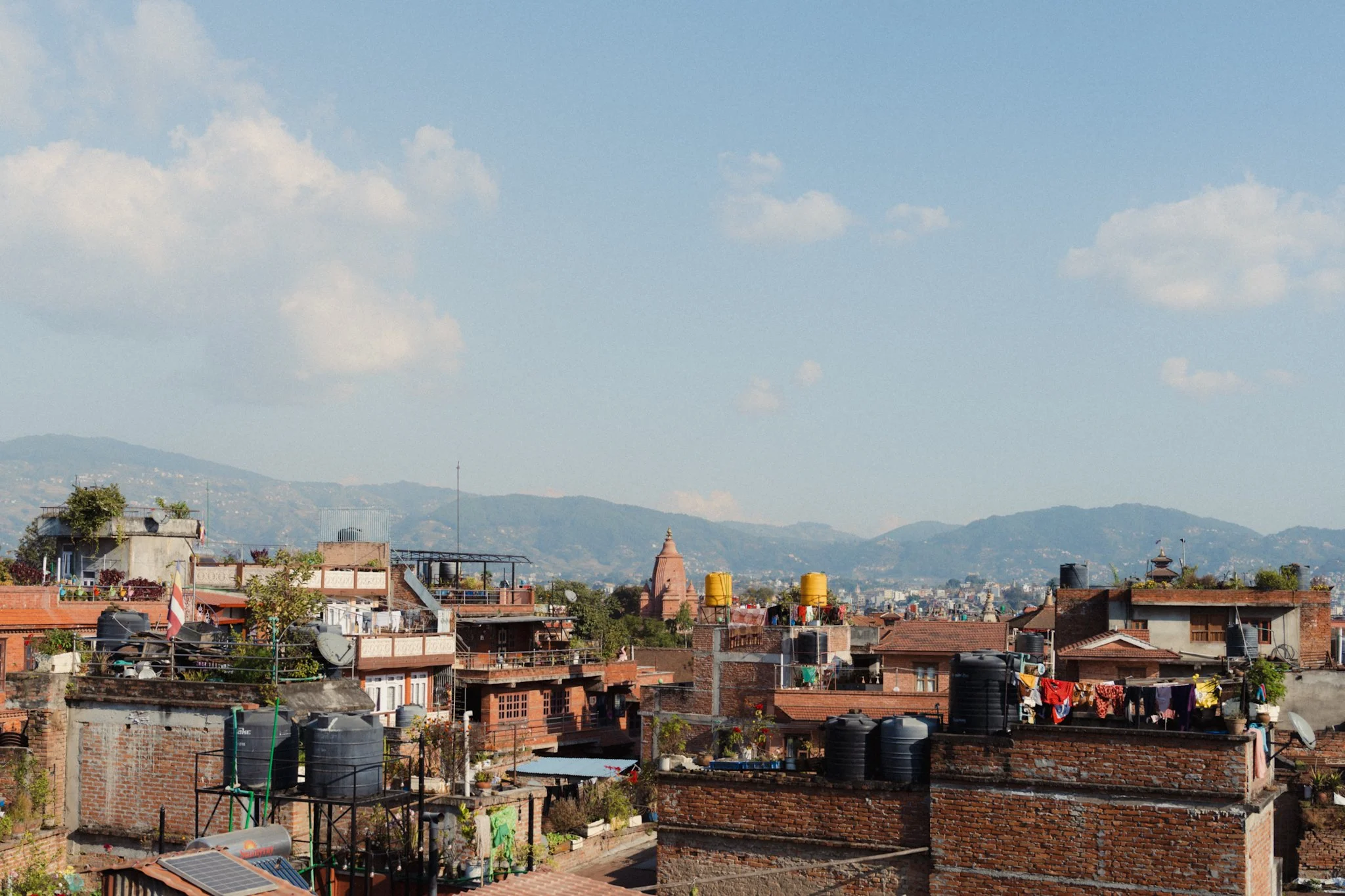
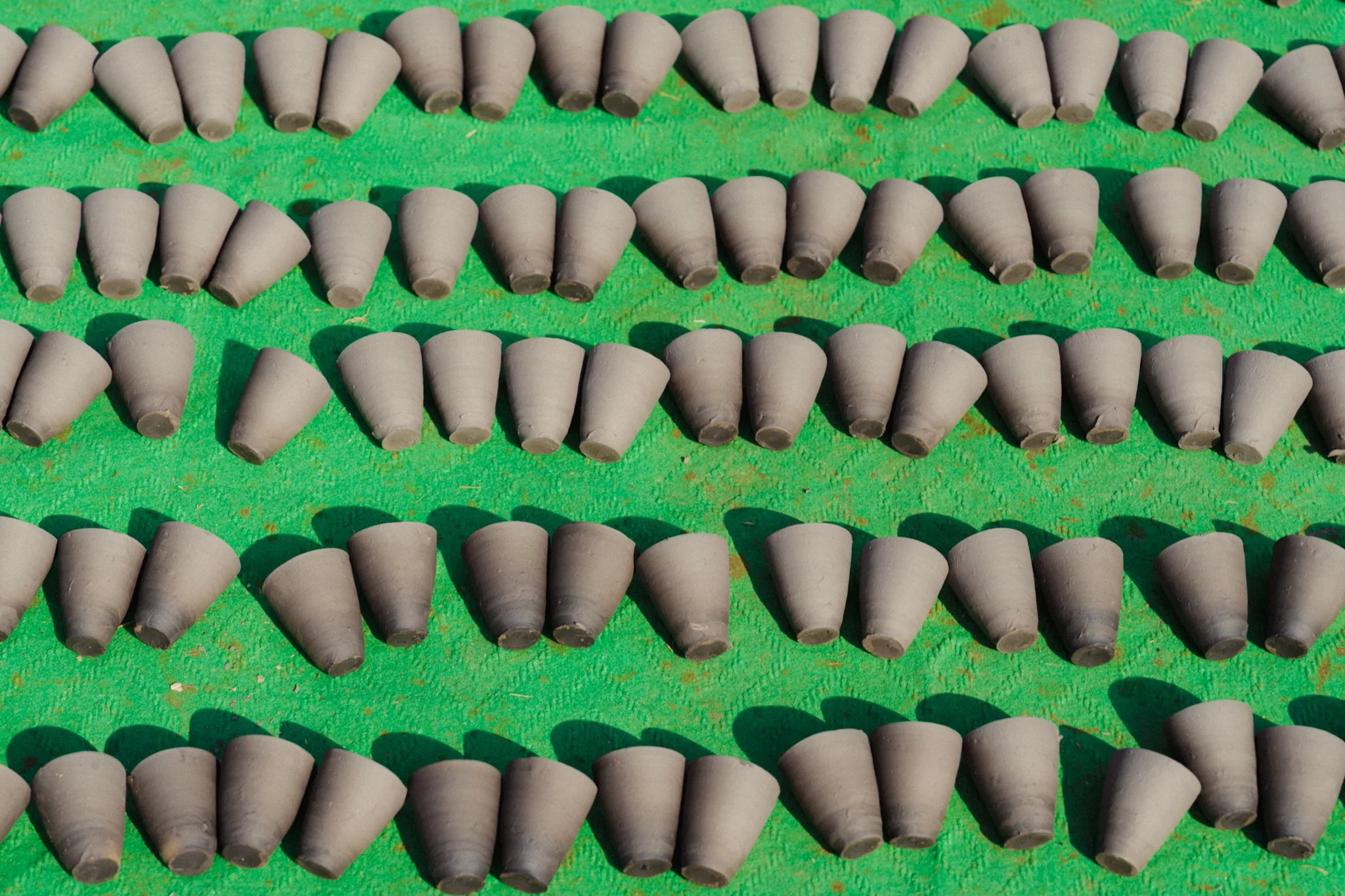
Bhaktapur is a town located about 45 minutes from Kathmandu (if the traffic behaves). Fun fact, the main city centre is a world heritage site that’s not become just another tourist attraction. In my 2 days here, I observed locals outnumber tourists at least 10:1, which I must say was very refreshing. Bhaktapur is one of those places where you feel like time has slowed down in the best possible way. The whole city has this beautiful old world vibe with brick streets, temples, courtyards, and traditional houses that make you want to keep wandering just to see what is around the next corner. It is quieter than central Kathmandu, so you can really take your time and enjoy watching pottery makers at work, artists carving wood, and locals chatting in the squares like they have done for generations. The food is amazing too, especially the famous king curd that everyone says you have to try. Start in the main square, but make sure to get lost along all the small alley ways and streets. I found the morning light to be the best, however any time of day is great for shooting.
Buddhism
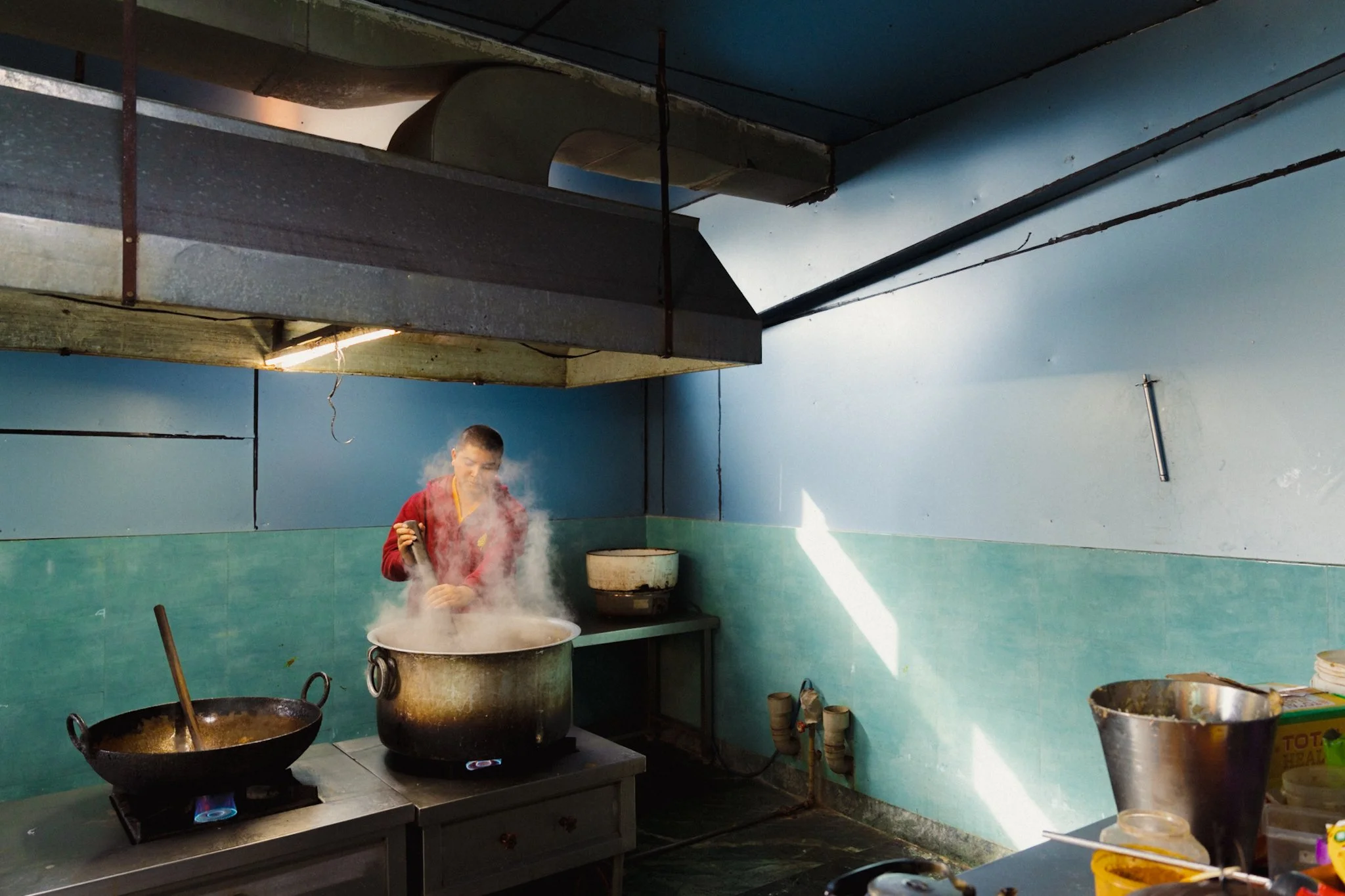
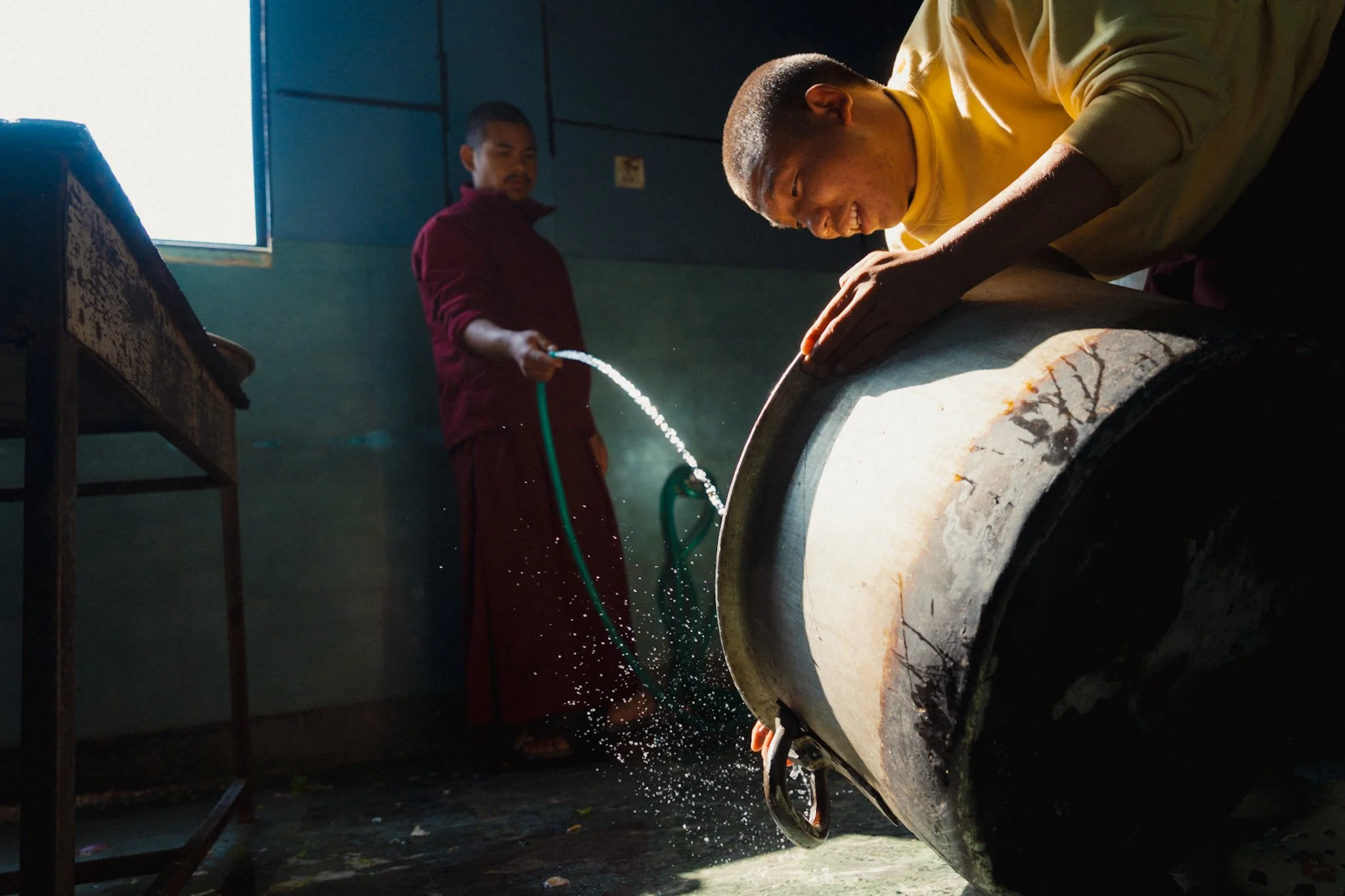
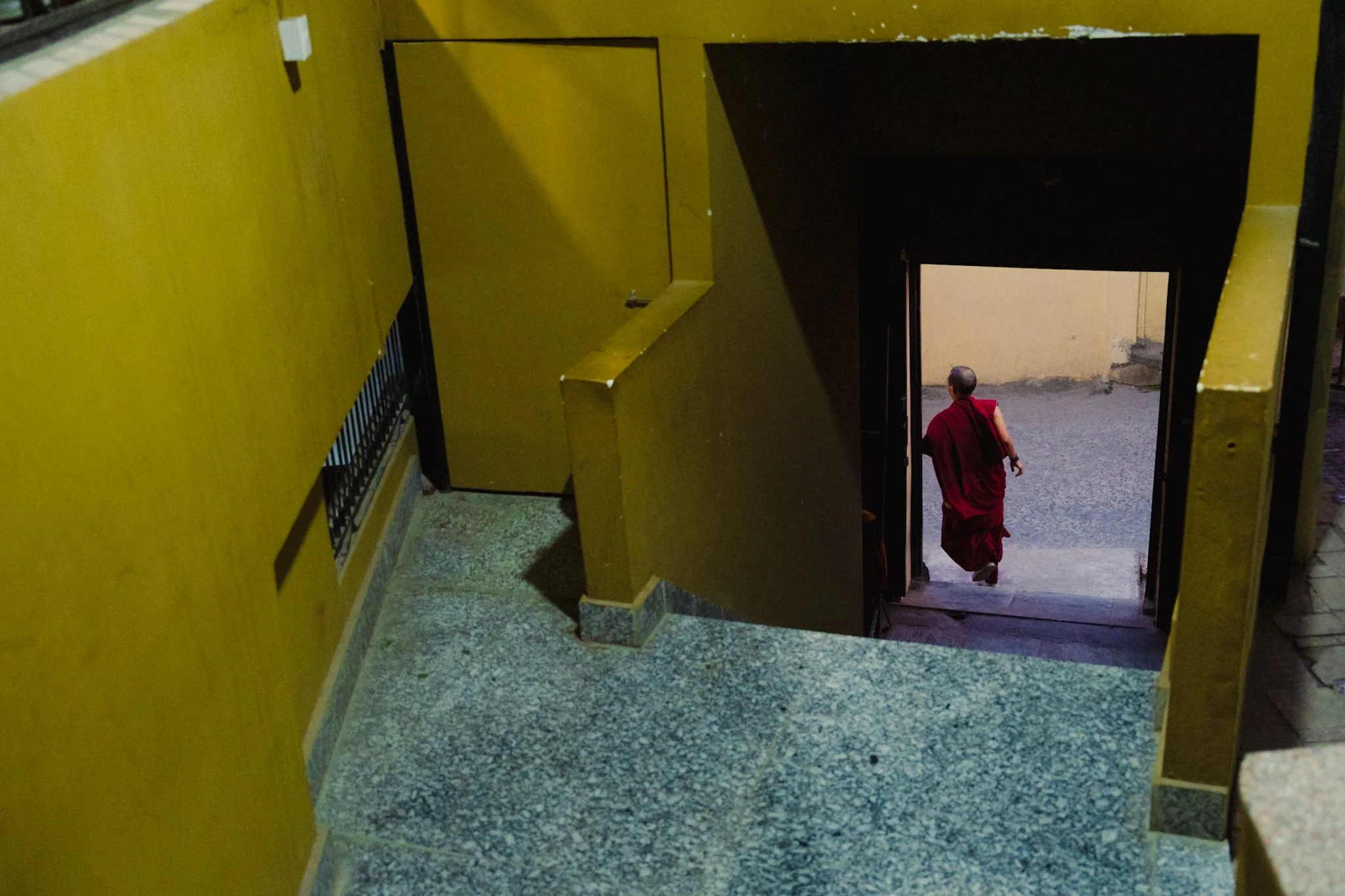
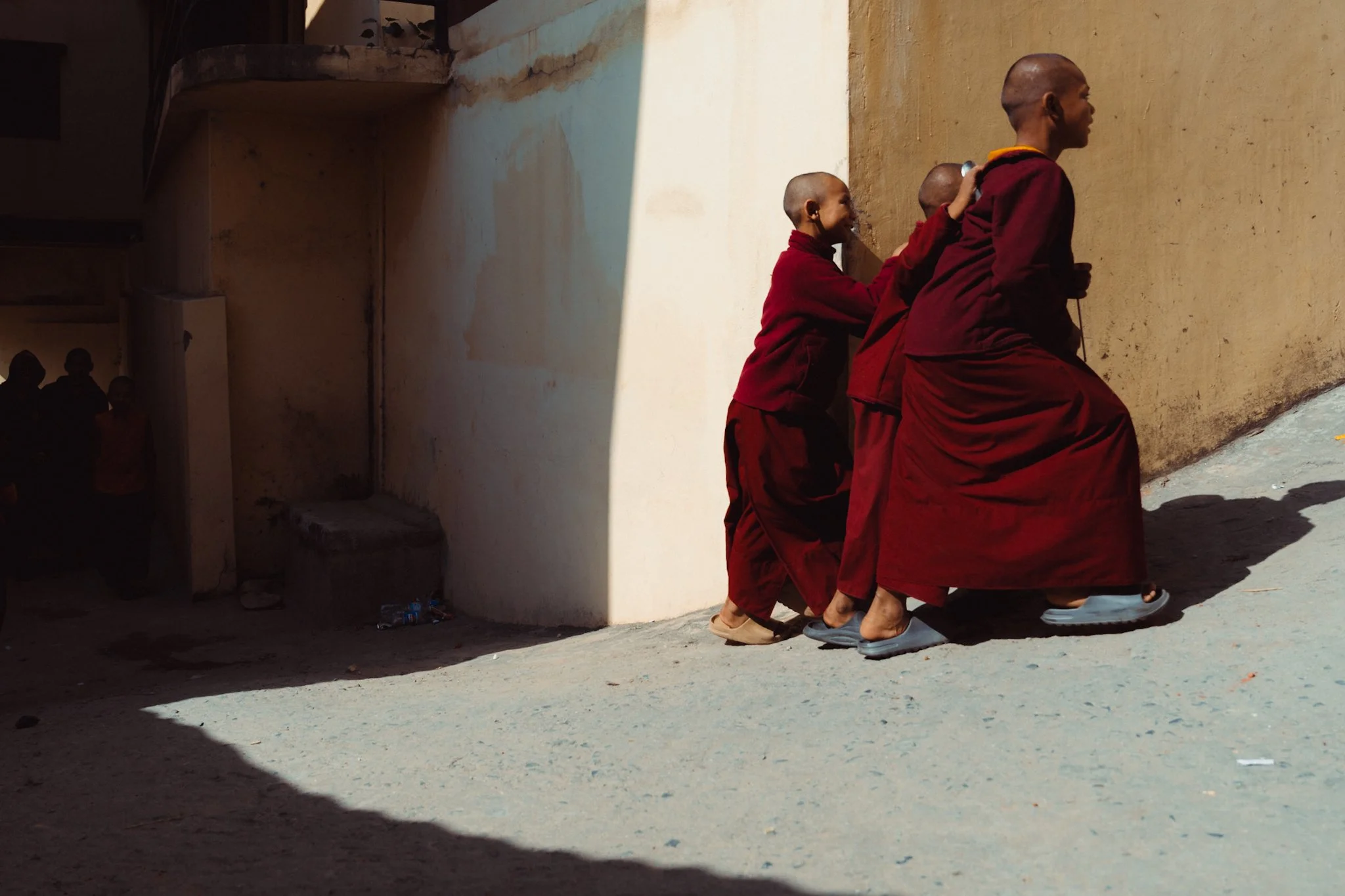
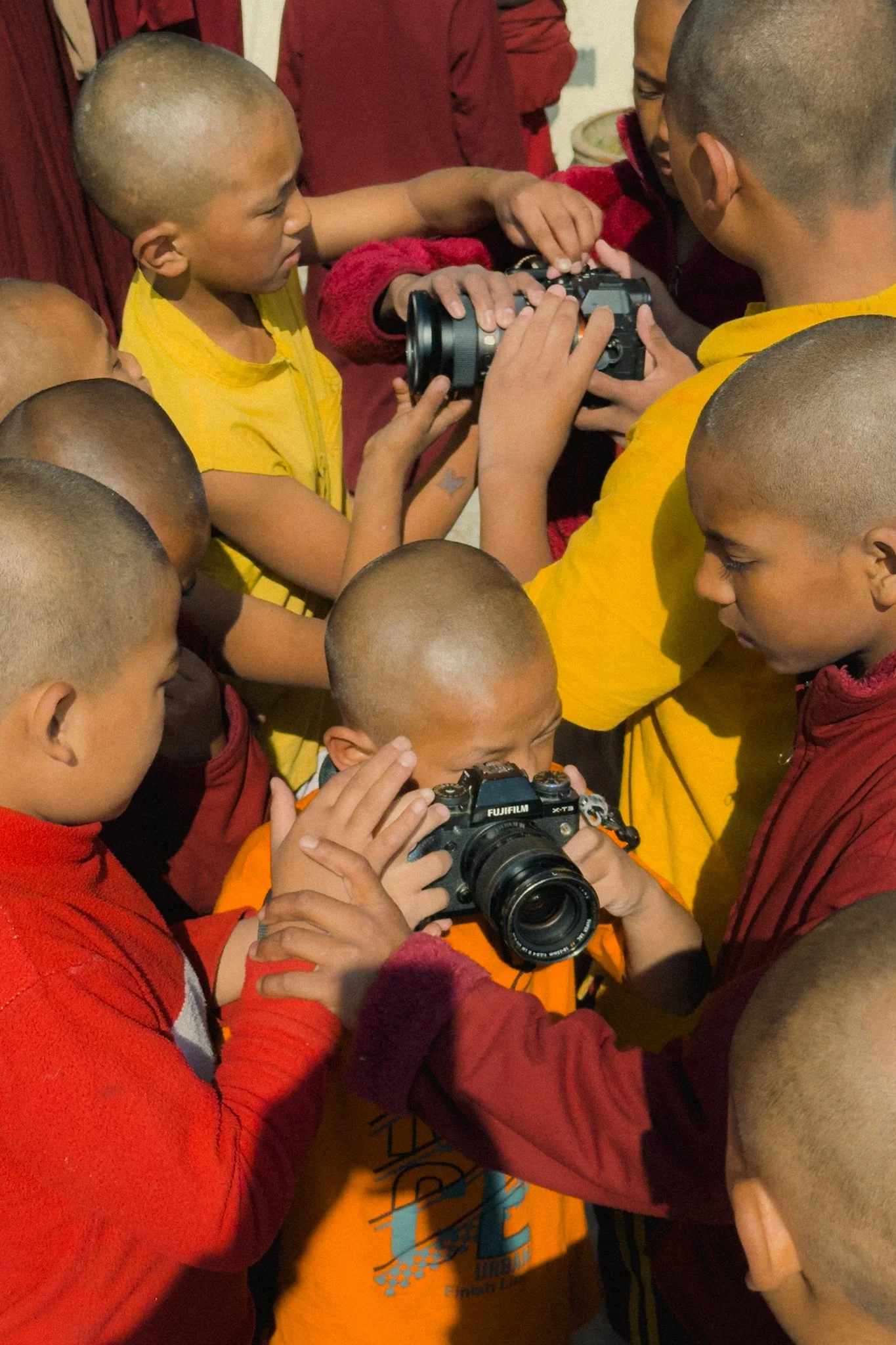
I left this section till last because unless you know someone with access, you’d find it very difficult to go inside these monasteries. I had the access through The RAW Society, however I’m sure there are local tour guides who can give you access, if you don’t want to do an entire photography workshop. However you go about it, it’s worth trying to get access.
Instead of telling you how these will change your life, I would rather be practical and answer the most common questions that people tend to have when buying presets.
What are presets?
They are editing settings that are saved in a file and can be applied to any image.
Why do people buy presets?
Sometimes because they like the work of the photographer and want that style for their own photos. Mostly because they would like to see how other people edit and learn by reverse engineering the presets. Other times it’s just to support their favourite photographers, thank you!
What’s the overall style of these presets?
- Filmic
- Warm
- Soft
- Bright
What are these presets suitable for?
Street & Travel Photography
Some Nature (with further editing)
Some Portraits (with extensive editing)
Do I actually use these?
Yes. This is the same pack I use right now for all my editing. This isn’t a pack made just to sell.
Do these presets get updated?
Yes, as my style changes, these presets will also be updated. Any time a new update is available, you will get a free update via email. Of course you also keep all the old presets in case you prefer the older looks. Only presets purchased from 2025 onwards will receive the updates.
What file types are these presets for?
- All RAW files
- JPEGs & TIFFs (not recommended)
What camera brands are these presets for?
These were designed around Fujifilm, Sony, and Leica sensors. With that said, they will work with all camera brands. While there might be differences due to individual camera colour science, the overall feel of the preset will carry over.
Will these work with JPEG files?
Yes, but you will need to reduce the intensity and make further edits. I strongly recommend editing RAW files.
Are these one click edits?
95% No. You would need to do some basic adjustments as each image is different. These adjustments can include exposure, colour balance etc. In 5% of cases you can just apply and leave it alone.
Do I need to know how to edit?
You need to have a basic understanding of adjusting exposure, highlights, shadows, etc. A more comprehensive editing skillset will let you get the most out of them.
How many presets are included?
10 in the main pack and 24 in the extras pack
Why two packs?
The main pack is what I use for 99% of my edits and is kept small to reduce wasted time scrolling through presets. The extras pack is everything I don’t use often.
What software do I need?
These presets will work with any of the following:
- Photoshop (adobe camera raw)
- Lightroom Classic
- Lightroom Desktop
- Lightroom Mobile
Will these presets work with free versions of the above software?
You need to research and double check before buying. These presets were designed for the full paid versions.
Will these presets work with very old versions of the above software?
You need to research and double check before buying. These presets were designed on and for the latest software.
What file type do I get?
XMP
What else do I get?
- Comprehensive PDF guide
Can I modify these and turn them into my own?
Yes! In fact I encourage you to modify them and play around. Use these to help you get your own style.
I have more questions…. What do I do?
Make a cup of tea and drop me an email on hello@snapsbyfox.com
Please note that due to the nature of digital products, refunds are generally not accepted. However, if you experience any issues, feel free to contact me and I’ll review your situation individually. You are welcome to use this product for personal or commercial projects, but you may not copy, distribute, or resell the files in their original or modified form.
Finally I want to say a massive thank you for supporting me. Buying these presets is the most direct way you can support my work.
Thank you!