
What Lens Shall I Get?
Over the years I made several videos & blogs on the topic of lenses. I covered primes, zooms, focal lengths, aperture values and more. In this blog I will combine everything into one concise piece to answer the simple question of “what lens shall I get?”. The aim of this blog is to be practical and objective however there will be an element of subjectivity and personal preference. Everything I will discuss will apply to all camera types and I will be referring to full frame focal lengths.
Focal Length
The first major decision you need to make is which focal length to pick. Of course an easy answer is to ‘just get a zoom’, however it’s still worth understanding focal lengths and their impact on your photos because it’s more than just ‘zooming in and out’.
24mm & Below
24mm and below will give you a very wide angle view and will come with a degree of distortion especially around the edges of the frame. These focal lengths are great for landscape and architecture where you have control over what’s round the edges or when you have a vast subject or scene you want to exaggerate. A common practice is to include much of the foreground in the scene thus making the viewer feel like they could be standing there. However if you have people in your scene or anything that can be visibly distorted, then I would be careful because it’s easy to end up with stretched out faces round the edges. Finally keep in mind that at this extreme end, even a 2mm difference in focal length is significant.


28mm
28mm is immersive and great for tight locations, busy scenes or for establishing shots. This focal length puts the viewer shoulder to shoulder with you and will feel like they are there too. In most cases you will not suffer any noteworthy distortion along the edges so you can place subjects around the frame and focus on adding multiple layers. I love this focal length when I am shooting in tight streets, modern architecture, nature or for what you’d call subject driven street photography. If you love being in the middle of the action and getting close to your subjects, this is the focal length for you.


35mm
If 28mm was shoulder to shoulder, then 35mm is at an arms length and is best suited to photographers that are scene driven. This focal length is perfect for documentary, be it street photography or documenting your day out with family. If I’m going for a walk along the seaside and want to bring a focal length with me just in case, the 35mm is the go to. This lens is also great for environmental portraits and for focusing on scenes rather than individual subjects. If you’re not sure which focal length you should start with, I would highly recommend the 35mm because it’s close to how your eyes see the world. It’s wide enough to capture the scene and with a bit of cropping, you can focus on specific elements if need be.


50mm
The 50mm is a classic and I would recommend it to photographers who are subject driven. If the 35mm is at an arms length, then the 50mm is about 10 steps behind. The viewer is still there with you but they are observing from a small distance. This is the focal length I use for when I want to focus on the subject. Of course you can still shoot scenes, however they would need to be a little further away. The 50mm is my go to for when I want to really focus on my photography and hone my skills. The 50 is also an ideal portrait lens if that’s what you’re into. In my opinion a 50mm is a must have for every photographer. Finally the 50 still feels natural without any distortion or compression.


85mm
Now we are heading into telephoto territory. If the 50mm was 10 steps ahead, then the 85mm is across the road. This is where the viewer feels like an observer from a distance and removed from the action. This is also where you will start introducing compression into the scene which will alter the perspective and scale of various elements. This is a good focal length for focusing on the smaller details and abstract compositions. If you are introverted, this focal length is great. Finally if you have long narrow streets, the compression at this focal length can look pretty nice.


135mm & Above
135mm and above you are firmly in telephoto territory and honestly speaking any meaningful connection with the subject will start to disappear. These focal lengths are great for aesthetic driven photos and can create powerful compressed compositions. With that said this aesthetic is not for everyone and it can also be a little misleading because the longer the focal length, the more compression you get which can make some things appear larger and closer than they are. Finally this is a good way to find a bunch of smaller compositions within a grand scene thus walking away with more photos.

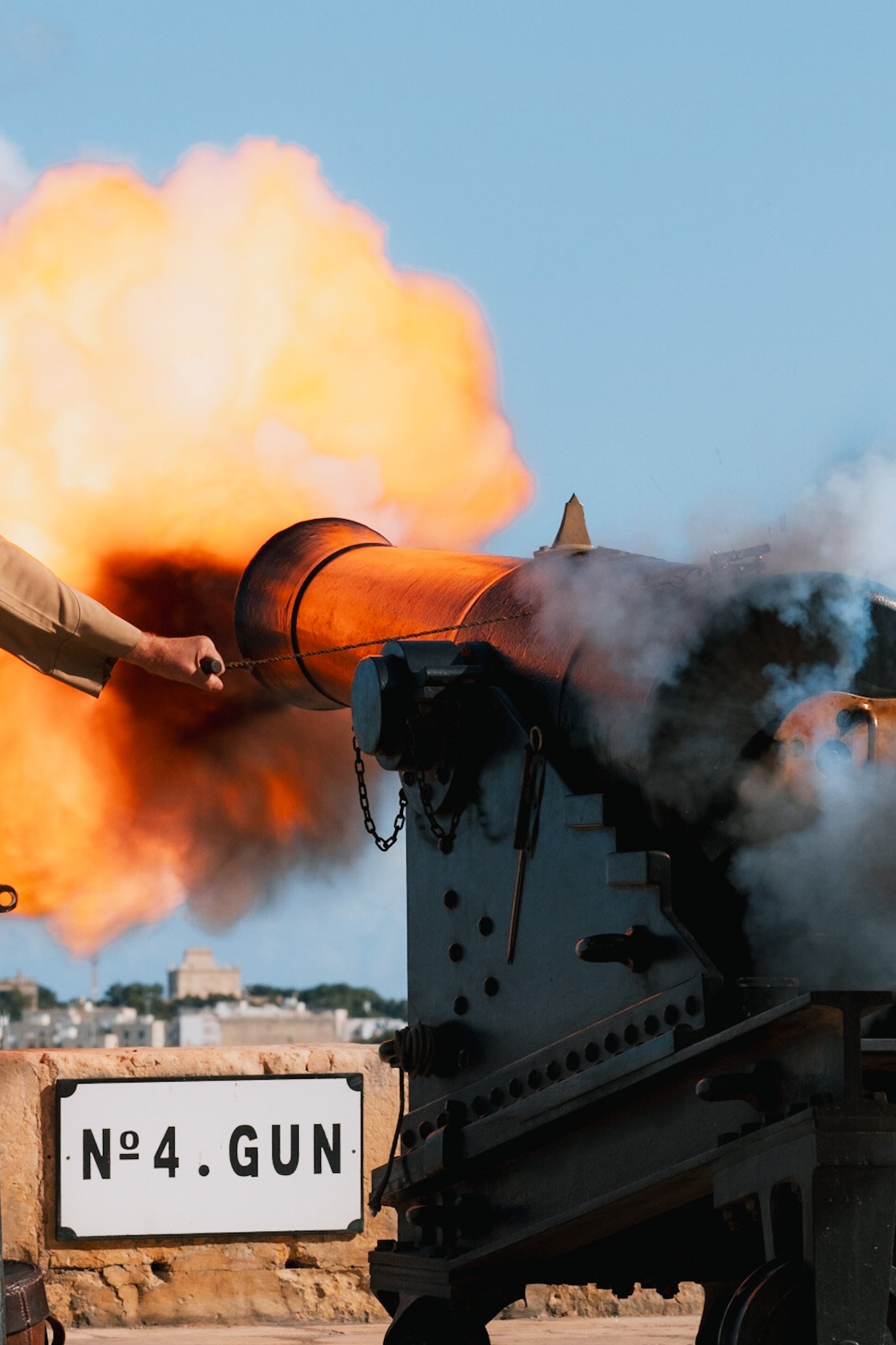

Zooming, Cropping & Perspective
This will be an entire dedicated blog however I will cover it briefly now as it’s relevant. If you want to get closer to the subject, there are 3 fundamental ways you can do so. First is by zooming in either with a zoom lens or changing to a longer prime. The second is by cropping in and the third is by physically moving yourself closer to the subject. Contrary to popular belief, one is not better than the other and each method will give you a different result. Zooming in will add compression. Physically moving closer to your subject will alter the composition and perspective. Cropping in will maintain everything. As I mentioned I will save the details for another video, but this is something worth keeping in mind.

Original

Cropped In

Zoomed In

Moved Closer
Primes vs Zooms
Now that you have some idea regarding focal lengths, let’s discuss primes and zooms. I promise this isn’t a cop out answer but one is not better than the other. They are different tools that offer different features and experience. Zoom lenses will offer the most versatility but come with added cost, size, complexity and weight. Primes are usually smaller, lighter, cheaper and offer more value for money when it comes to image quality. A zoom is practical when you don’t know what you will encounter or if you’re travelling. However it’s also slower because you need to decide what focal length to use then zoom then take the photo. A prime is quicker because you don’t need to think or zoom. Finally a prime is just more fun to use and forces you to move around the scene more. There is something to be said for becoming an expert with one focal length. My advice is to have a general purpose zoom such as the 24-70 and a small prime such as a 35 or 50mm. The zoom you will use when travelling and the prime is for when you want to focus on photography or if you’re out for a casual walk and want a compact setup.

Fast vs Slow
Regardless of which lens you get, you will be faced with a choice between a fast lens and a slow lens. By fast I mean a lens that’s typically f2 and below while a slower lens is usually f4 and above. Faster lenses will typically be expensive, big and heavy while slower lenses will be the opposite. If most of your photography will be during the day, then f2 - f4 and above will be fine. However if you intend on shooting at night, then going for f1.2 or f1.4 lenses is recommended as they let more light in. Finally some zoom lenses will not have a constant aperture. Meaning as you zoom in, the minimum aperture will change. For most casual photographers this is not an issue, however for those wishing to maintain a consistent look or those that shoot video, these lenses are best avoided.

Vintage vs Modern (Character vs Performance)
The final choice is whether to go for a modern or an older lens and as always there are pros and cons. Modern lenses will give you a clean, clinical, sharp and technically better image. Older lenses will have more character, more quirks and a certain look that you will not get with modern glass. Of course older lenses will have many drawbacks such as slow autofocus (if any at all), a softer image and various artefacts such as flairs, fringing etc. I suggest experimenting by picking up a cheap old lens from eBay, grabbing an adapter and giving it a go.

Summary
To summarise there is no simple answer to “what lens shall I get”. The answer really depends on what you plan to shoot, what you like and how much you are willing to spend. However if you push me for an answer, you can’t go wrong with a compact 35mm prime.
If you found this blog helpful and wish to learn more about photography & travel while having direct access to me, please consider joining my Patreon community.
Instead of telling you how these will change your life, I would rather be practical and answer the most common questions that people tend to have when buying presets.
What are presets?
They are editing settings that are saved in a file and can be applied to any image.
Why do people buy presets?
Sometimes because they like the work of the photographer and want that style for their own photos. Mostly because they would like to see how other people edit and learn by reverse engineering the presets. Other times it’s just to support their favourite photographers, thank you!
What’s the overall style of these presets?
- Filmic
- Warm
- Soft
- Bright
What are these presets suitable for?
Street & Travel Photography
Some Nature (with further editing)
Some Portraits (with extensive editing)
Do I actually use these?
Yes. This is the same pack I use right now for all my editing. This isn’t a pack made just to sell.
Do these presets get updated?
Yes, as my style changes, these presets will also be updated. Any time a new update is available, you will get a free update via email. Of course you also keep all the old presets in case you prefer the older looks. Only presets purchased from 2025 onwards will receive the updates.
What file types are these presets for?
- All RAW files
- JPEGs & TIFFs (not recommended)
What camera brands are these presets for?
These were designed around Fujifilm, Sony, and Leica sensors. With that said, they will work with all camera brands. While there might be differences due to individual camera colour science, the overall feel of the preset will carry over.
Will these work with JPEG files?
Yes, but you will need to reduce the intensity and make further edits. I strongly recommend editing RAW files.
Are these one click edits?
95% No. You would need to do some basic adjustments as each image is different. These adjustments can include exposure, colour balance etc. In 5% of cases you can just apply and leave it alone.
Do I need to know how to edit?
You need to have a basic understanding of adjusting exposure, highlights, shadows, etc. A more comprehensive editing skillset will let you get the most out of them.
How many presets are included?
10 in the main pack and 24 in the extras pack
Why two packs?
The main pack is what I use for 99% of my edits and is kept small to reduce wasted time scrolling through presets. The extras pack is everything I don’t use often.
What software do I need?
These presets will work with any of the following:
- Photoshop (adobe camera raw)
- Lightroom Classic
- Lightroom Desktop
- Lightroom Mobile
Will these presets work with free versions of the above software?
You need to research and double check before buying. These presets were designed for the full paid versions.
Will these presets work with very old versions of the above software?
You need to research and double check before buying. These presets were designed on and for the latest software.
What file type do I get?
XMP
What else do I get?
- Comprehensive PDF guide
Can I modify these and turn them into my own?
Yes! In fact I encourage you to modify them and play around. Use these to help you get your own style.
I have more questions…. What do I do?
Make a cup of tea and drop me an email on hello@snapsbyfox.com
Please note that due to the nature of digital products, refunds are generally not accepted. However, if you experience any issues, feel free to contact me and I’ll review your situation individually. You are welcome to use this product for personal or commercial projects, but you may not copy, distribute, or resell the files in their original or modified form.
Finally I want to say a massive thank you for supporting me. Buying these presets is the most direct way you can support my work.
Thank you!