
What Gear Shall I use?
Deciding what camera gear to bring on a shoot or photo trip can become a bit of a chore, especially if you have an extensive collection of cameras and lenses. In this blog, I’ll share my thought process and explain how I make that decision. I’m aware that photographers have all sorts of gear—some might have just one fixed-lens system, while others have multiple bodies and an array of lenses. Since I can’t cover every scenario, I’ll use my own photography kit as an example, breaking it down into different go-to kits. Please note that, unless specifically stated, all focal lengths are given in full-frame terms.
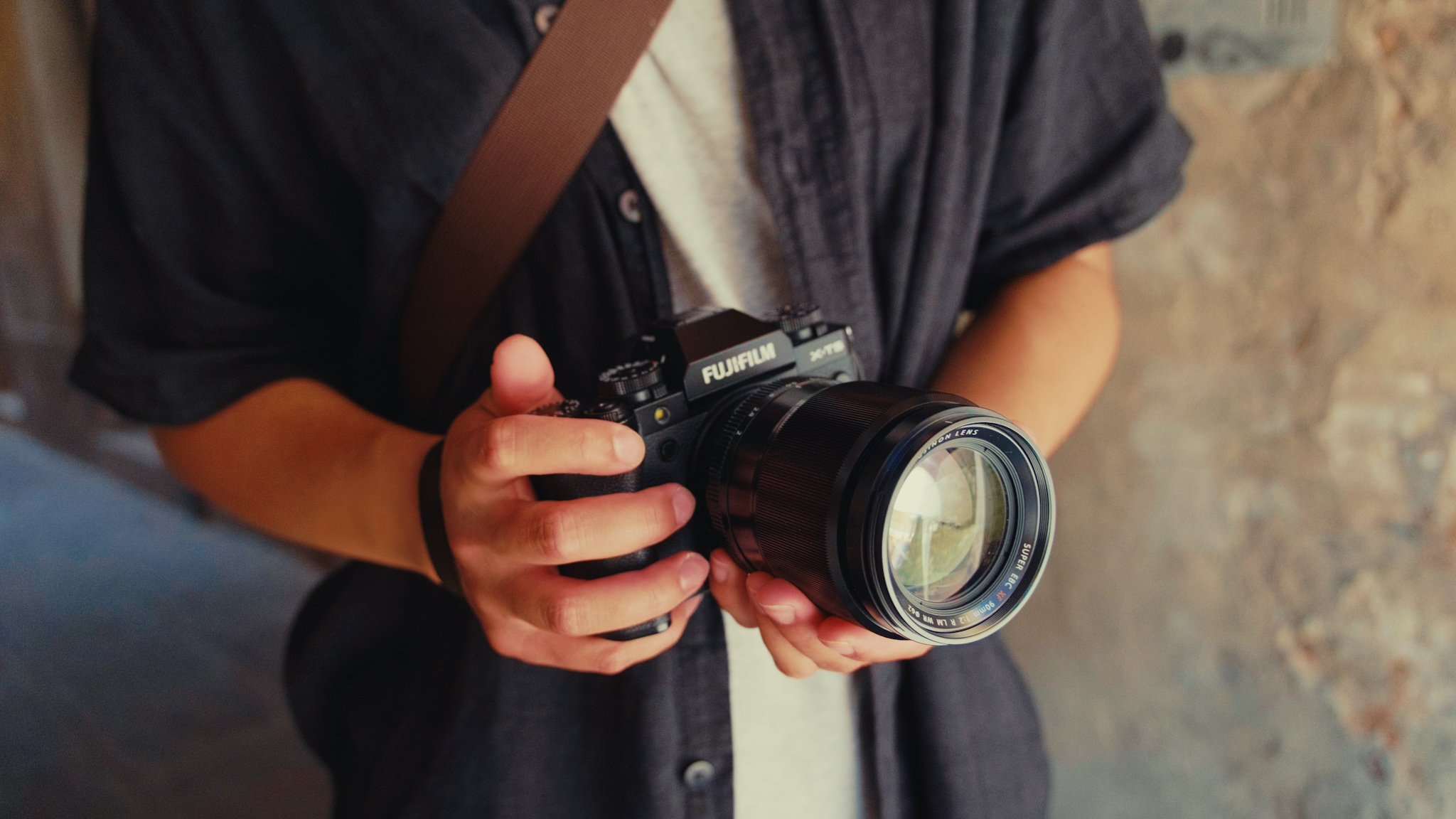
Kit 1 – Everyday Carry
This is the camera I bring with me everywhere I go, just in case. It’s also the camera I’ll take if I’m heading out for non-photography reasons but want to document my day. For this, I’ll only carry one body and one lens. The lens I choose is usually around a 35mm–40mm focal length, as it feels natural, capturing scenes close to what the eye sees. It’s also not so wide that it requires careful framing, but not so tight that it loses context. A compact camera like a Fuji X100, Leica Q, or Ricoh GR works well here. Alternatively, a small camera body paired with a 40mm pancake lens can achieve the same effect.

Kit 2 – Street Photography
Street photography requires a few more decisions. I still want to travel light, so I limit myself to one or two lenses. If I’m uncertain about my location or subjects, a general zoom, like a 24–70mm, is ideal. Compact options like Fuji’s 18–50mm f/2.8 or Sony’s 24–50mm f/2.8 are great choices; I’d avoid larger zooms, as they can become cumbersome when shooting in the streets.

If you prefer prime lenses, consider where you’ll be shooting. If I’m photographing in wide-open spaces with more distance between me and my subjects, I’ll bring a 35mm and an 85mm prime. If I’m shooting in closer quarters, a 28mm and a 50mm might be more practical. The primary lens will likely be the wider one, while the longer lens is there for capturing tighter details or abstract shots that present themselves.

Kit 3 – Landscape Photography
When photographing in nature or small villages, I tend to stick with three primary focal lengths: wide, medium, and telephoto. Personally, I use a 28mm for wide shots, a 50mm for medium-range scenes, and a 135mm for telephoto shots. While certain locations may require a longer or even wider lens, I seldom find myself needing anything beyond this range.

The 28mm sets the scene and showcases the full environment, the 50mm highlights the main subject or point of interest, and the 135mm captures details from a distance.

Kit 4 – Travel Photography
Travel photography is an all-encompassing genre that can include street, landscape, architecture, and more, so versatility is key. One day you may be shooting street scenes, the next landscapes, and the day after that, architecture. It’s also important not to overpack and end up burdened with 15kg of gear you’ll need to haul around. Depending on your destination, discretion is also crucial, particularly with expensive gear.

If you’ll primarily be in cities, I suggest bringing a general zoom, like a 24–70mm, along with a 35mm prime. The zoom will cover most situations, while the prime is useful for times when you want a lighter setup or need to be discreet.

If you’ll be focusing more on nature or distant landscapes, then adding a telephoto lens is wise. This could be a 135mm prime or a 70–200mm zoom. While these lenses are heavier and bulkier, they’re indispensable if you want those types of shots.

Kit 5 - The Best Kit
The best kit is the one you have with you. I’ve lost count of how many times I travelled with just a 40mm prime and ended up with some of my favourite photos. I can also recall countless times when I had all my gear with me but captured nothing worthwhile. If all these choices are overwhelming, then keep it simple: take a 35mm, 40mm prime or a general zoom and head out.
Instead of telling you how these will change your life, I would rather be practical and answer the most common questions that people tend to have when buying presets.
What are presets?
They are editing settings that are saved in a file and can be applied to any image.
Why do people buy presets?
Sometimes because they like the work of the photographer and want that style for their own photos. Mostly because they would like to see how other people edit and learn by reverse engineering the presets. Other times it’s just to support their favourite photographers, thank you!
What’s the overall style of these presets?
- Filmic
- Warm
- Soft
- Bright
What are these presets suitable for?
Street & Travel Photography
Some Nature (with further editing)
Some Portraits (with extensive editing)
Do I actually use these?
Yes. This is the same pack I use right now for all my editing. This isn’t a pack made just to sell.
Do these presets get updated?
Yes, as my style changes, these presets will also be updated. Any time a new update is available, you will get a free update via email. Of course you also keep all the old presets in case you prefer the older looks. Only presets purchased from 2025 onwards will receive the updates.
What file types are these presets for?
- All RAW files
- JPEGs & TIFFs (not recommended)
What camera brands are these presets for?
These were designed around Fujifilm, Sony, and Leica sensors. With that said, they will work with all camera brands. While there might be differences due to individual camera colour science, the overall feel of the preset will carry over.
Will these work with JPEG files?
Yes, but you will need to reduce the intensity and make further edits. I strongly recommend editing RAW files.
Are these one click edits?
95% No. You would need to do some basic adjustments as each image is different. These adjustments can include exposure, colour balance etc. In 5% of cases you can just apply and leave it alone.
Do I need to know how to edit?
You need to have a basic understanding of adjusting exposure, highlights, shadows, etc. A more comprehensive editing skillset will let you get the most out of them.
How many presets are included?
10 in the main pack and 24 in the extras pack
Why two packs?
The main pack is what I use for 99% of my edits and is kept small to reduce wasted time scrolling through presets. The extras pack is everything I don’t use often.
What software do I need?
These presets will work with any of the following:
- Photoshop (adobe camera raw)
- Lightroom Classic
- Lightroom Desktop
- Lightroom Mobile
Will these presets work with free versions of the above software?
You need to research and double check before buying. These presets were designed for the full paid versions.
Will these presets work with very old versions of the above software?
You need to research and double check before buying. These presets were designed on and for the latest software.
What file type do I get?
XMP
What else do I get?
- Comprehensive PDF guide
Can I modify these and turn them into my own?
Yes! In fact I encourage you to modify them and play around. Use these to help you get your own style.
I have more questions…. What do I do?
Make a cup of tea and drop me an email on hello@snapsbyfox.com
Please note that due to the nature of digital products, refunds are generally not accepted. However, if you experience any issues, feel free to contact me and I’ll review your situation individually. You are welcome to use this product for personal or commercial projects, but you may not copy, distribute, or resell the files in their original or modified form.
Finally I want to say a massive thank you for supporting me. Buying these presets is the most direct way you can support my work.
Thank you!