
The Essential Sony Street Photography Kit
I’ve now been shooting on the Sony system for over a year and after a lot of (expensive) trial and error, I can share what I think is the essential street photography kit for a Sony system. Of course, this is my personal opinion based on my own experience, so don’t take it as gospel. Furthermore, in no way am I saying that you need this kit. The same can be achieved with a much more affordable like-for-like solution. Finally, you will see links to the products throughout this blog. These are affiliate links that cost you no extra, but give me a small % kickback if you end up purchasing something. This allows my blog to stay ad-free for the best reading experience.
Sony A7RV / A7CR
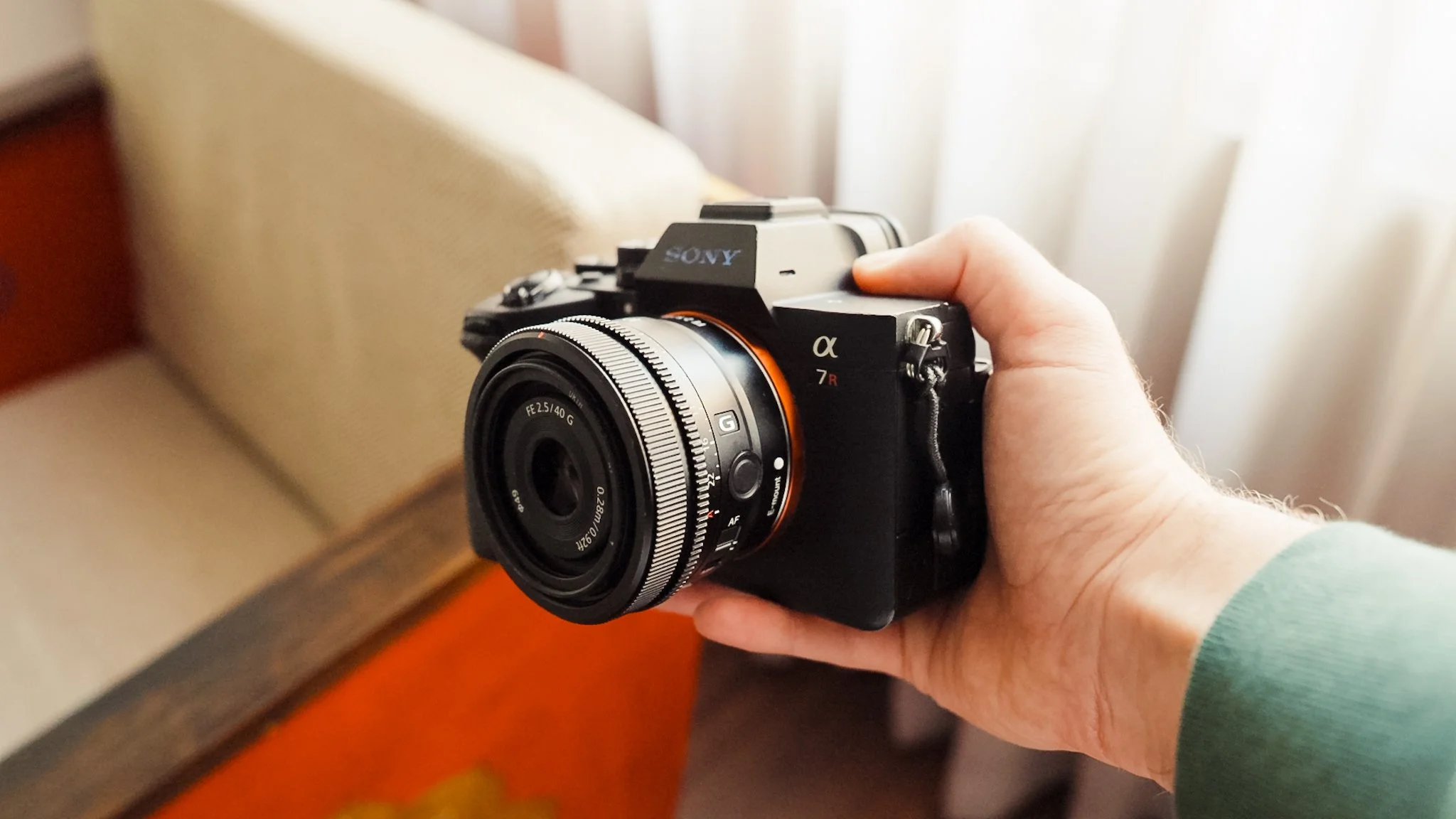
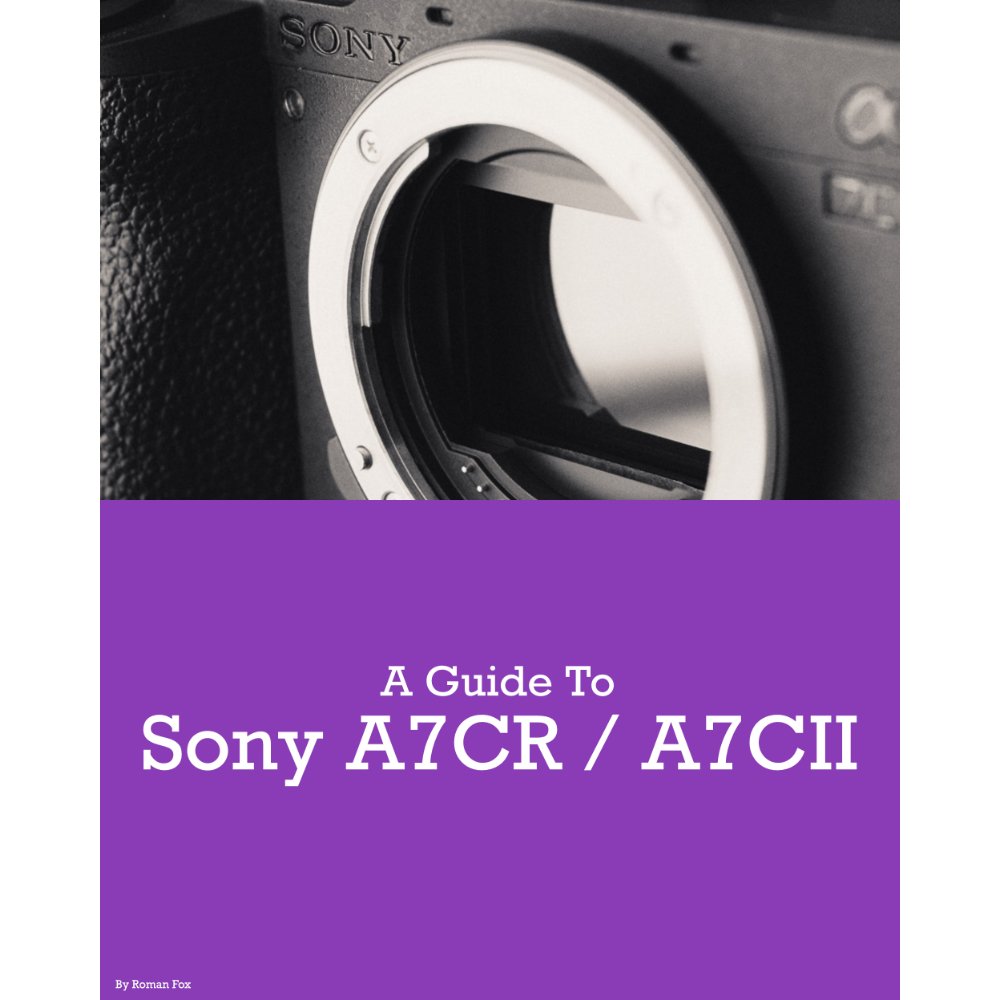
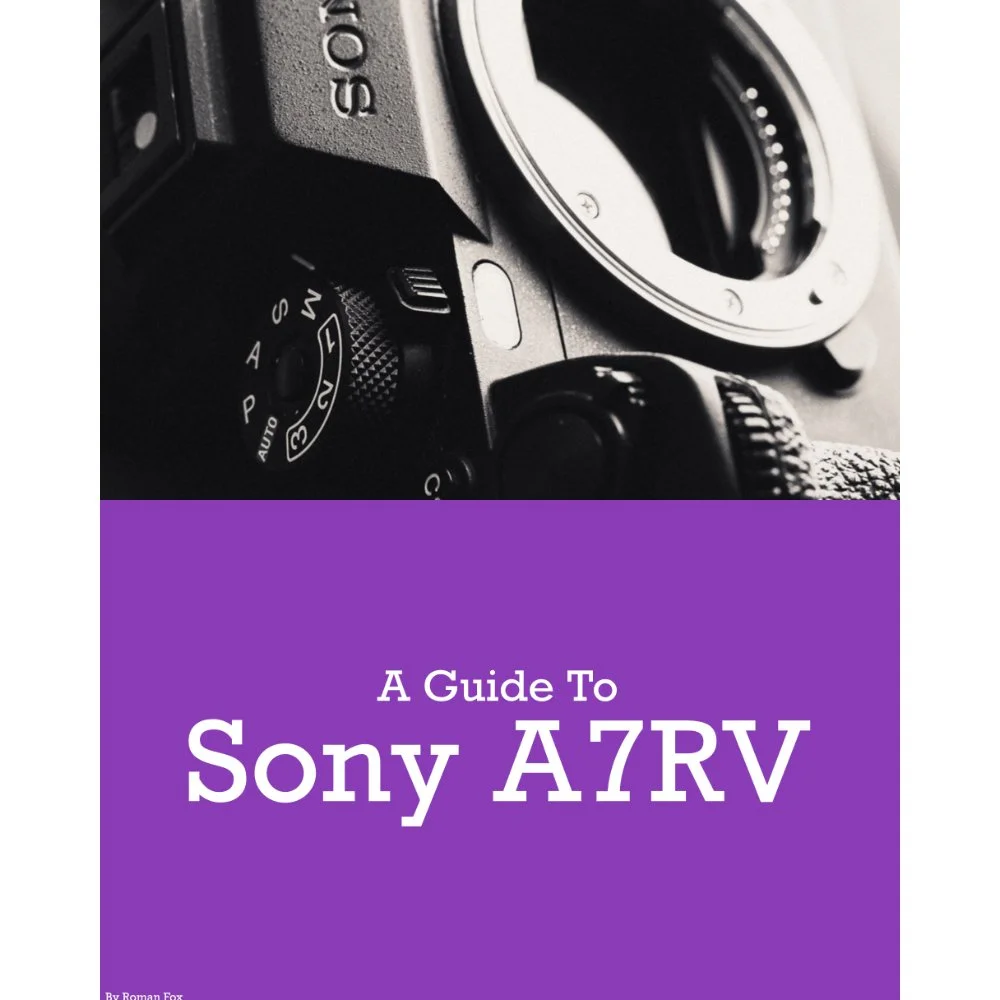
Let’s start with the most important item, the camera. In this case I’m actually prioritising the sensor, not the body it comes packaged in. The 60mp sensor you get in the Sony A7RV or the Sony A7CR is utterly outstanding. The reason I personally go for such a high-resolution sensor is that it allows me to shoot in APS-C mode and still retain 26mp, thus extending the usability of the system. The decision now is between the A7RV and the A7CR, and it can be boiled down to the following key points.
Get the A7RV if:
You need a bigger body for use with thick gloves or very large hands.
You plan to use big and heavy lenses.
You need the maximum amount of physical buttons and a joystick.
You must have the fancy screen that flips in all directions.
You want the best EVF experience.
You plan on shooting in burst and need the fastest buffer times.
You need dual memory slots.
You want the best build quality from Sony.
Get the A7CR if:
You want the same sensor in a smaller, lighter, and cheaper body.
Small form factor is your number one priority.
You want a camera that doesn’t scream “pro”.
You plan to mostly use compact and light lenses.
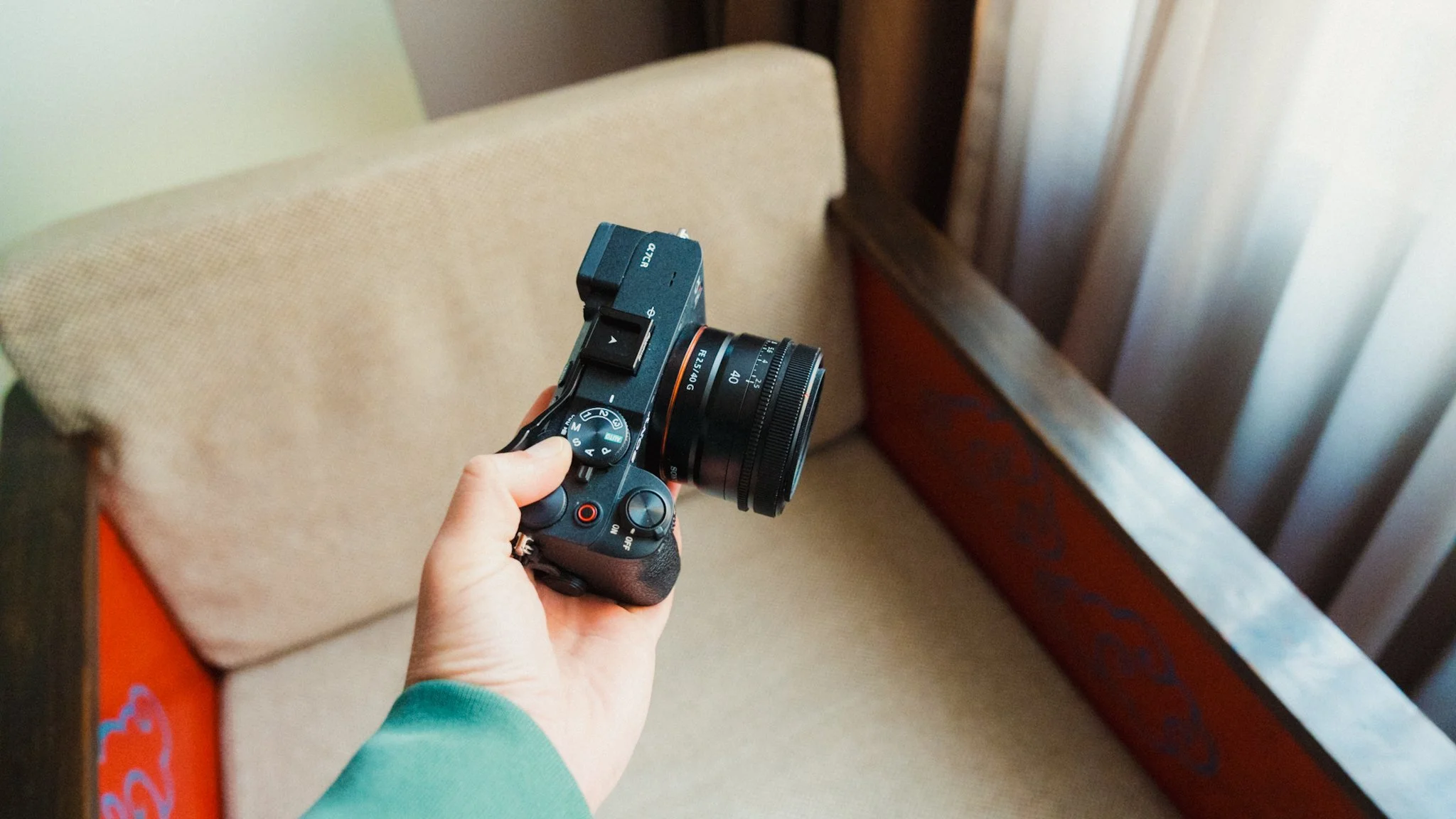
I personally own both, as they serve different purposes for me. However, you absolutely do not need to do the same. For most hobbyists, I would recommend the A7CR due to its small footprint, and I would only suggest the A7RV if you need the specific features, or you’re thinking of professional applications.
24-50mm / 24mm & 40mm
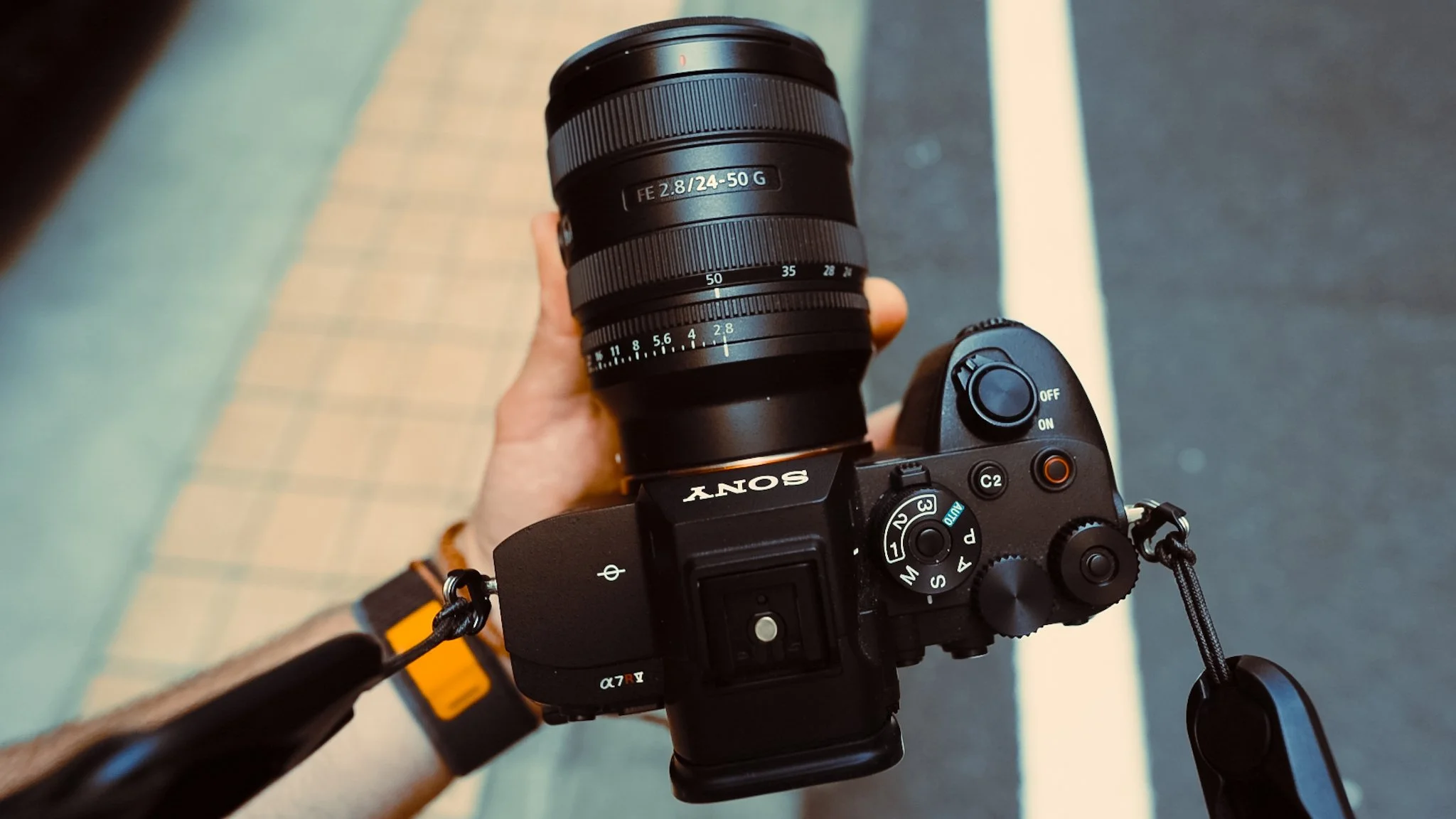
Lens preferences are very individual, so I would recommend two options. If you like zooms, then look no further than the Sony FE 24-50mm f/2.8 G. It’s the size of a prime, has a fast constant aperture, and is reversed. This means that in its most compact form, the lens is at 50mm, and only when you zoom out to 24mm does the lens extend. Between 50mm and 35mm the extension is minimal, so if you tend to shoot between those two focal lengths, then this lens would act like a prime with the option to zoom out. https://geni.us/9BNhbN
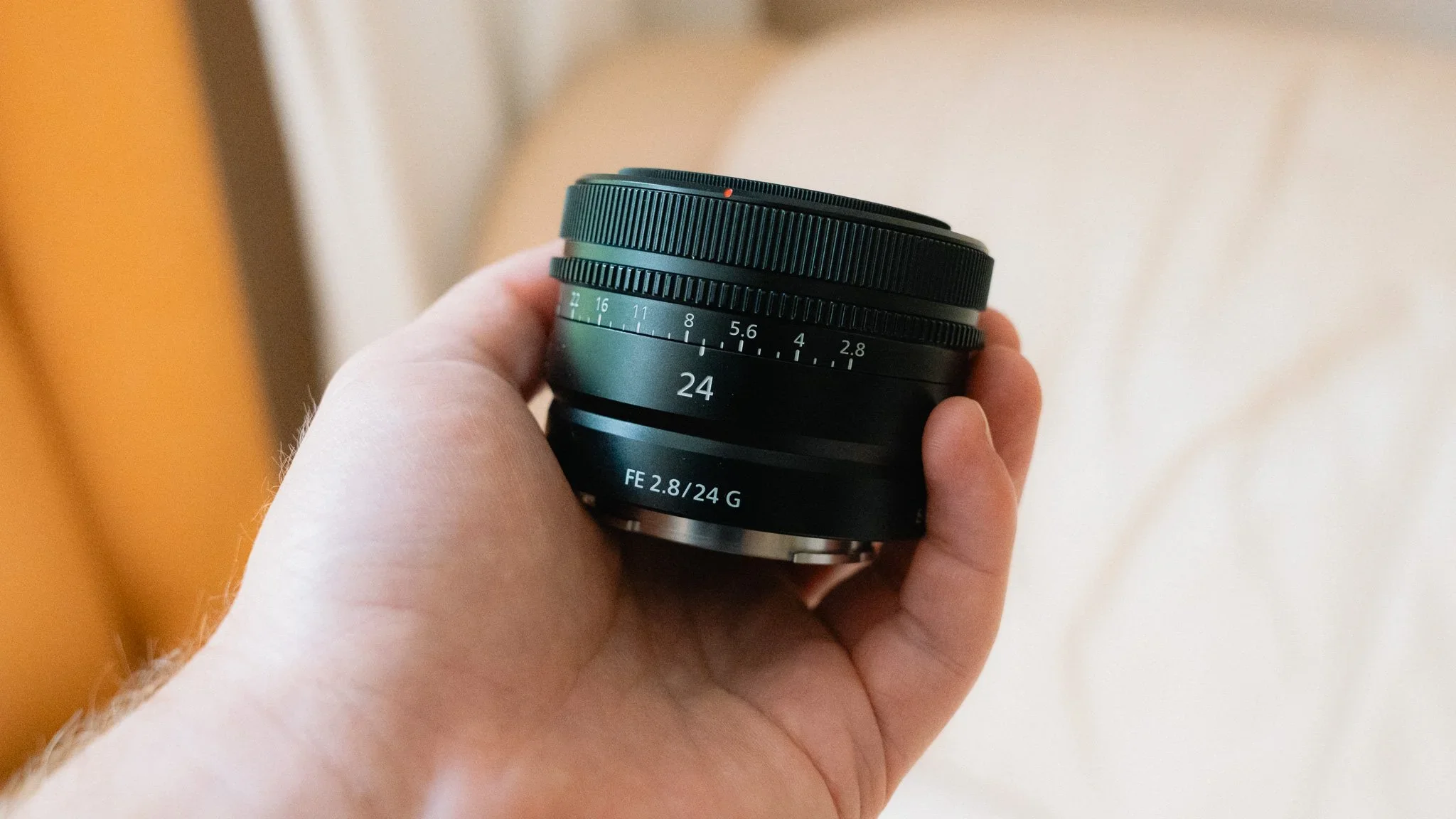
If you prefer primes, then look no further than the Sony FE 24mm f/2.8 G and Sony FE 40mm f/2.5 G. The selling point is the extremely compact size. By no means are these the fastest primes out there, nor do they have Sony’s best image quality, however if portability is important, then these two are clear winners. The reason I suggest these two focal lengths is because you are covered for a substantial focal range when you take the 60mp sensor into account. The 24mm becomes a 35mm, and the 40mm turns into a 60mm when switched into APS-C mode. This gives you immense versatility in such a small package. 24mm: https://geni.us/aKqUspv40mm: https://geni.us/mM7E
90mm
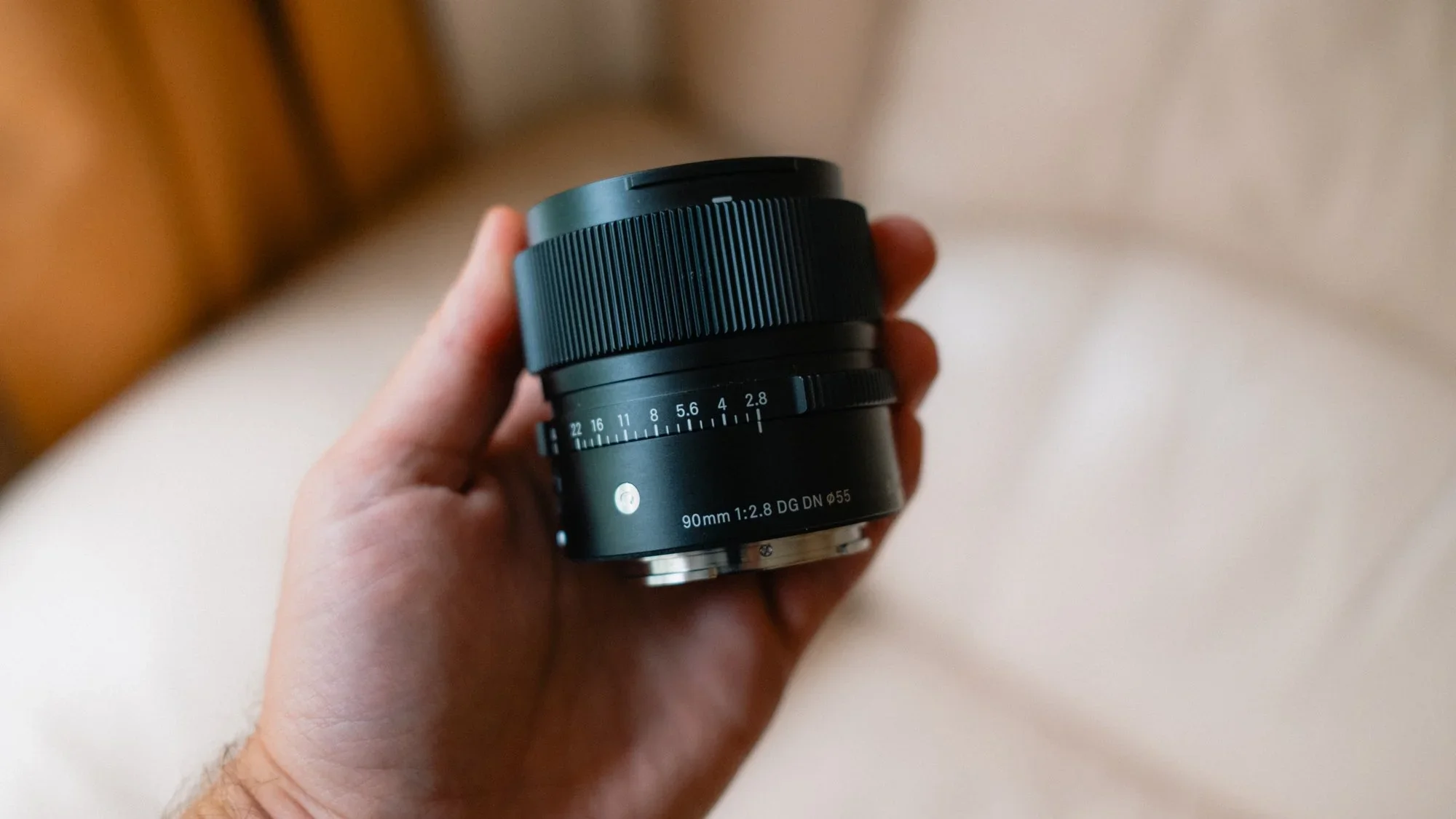
The second (or third) lens is the Sigma 90mm f/2.8. This lens will fit in your pocket while achieving very respectable image quality at a fairly fast aperture. This is your telephoto lens that might not be used as often, but when needed, it will save the day. It always comes with me and I’ve lost count of how often it captured an image that would otherwise be physically impossible. Once you’re in APS-C mode, it becomes a 135mm, which is the top end of what I’d shoot with in a city. The only negative is that to my understanding, this lens is being discontinued in some regions.https://geni.us/mr2q3J
Urth Magnetic Filters
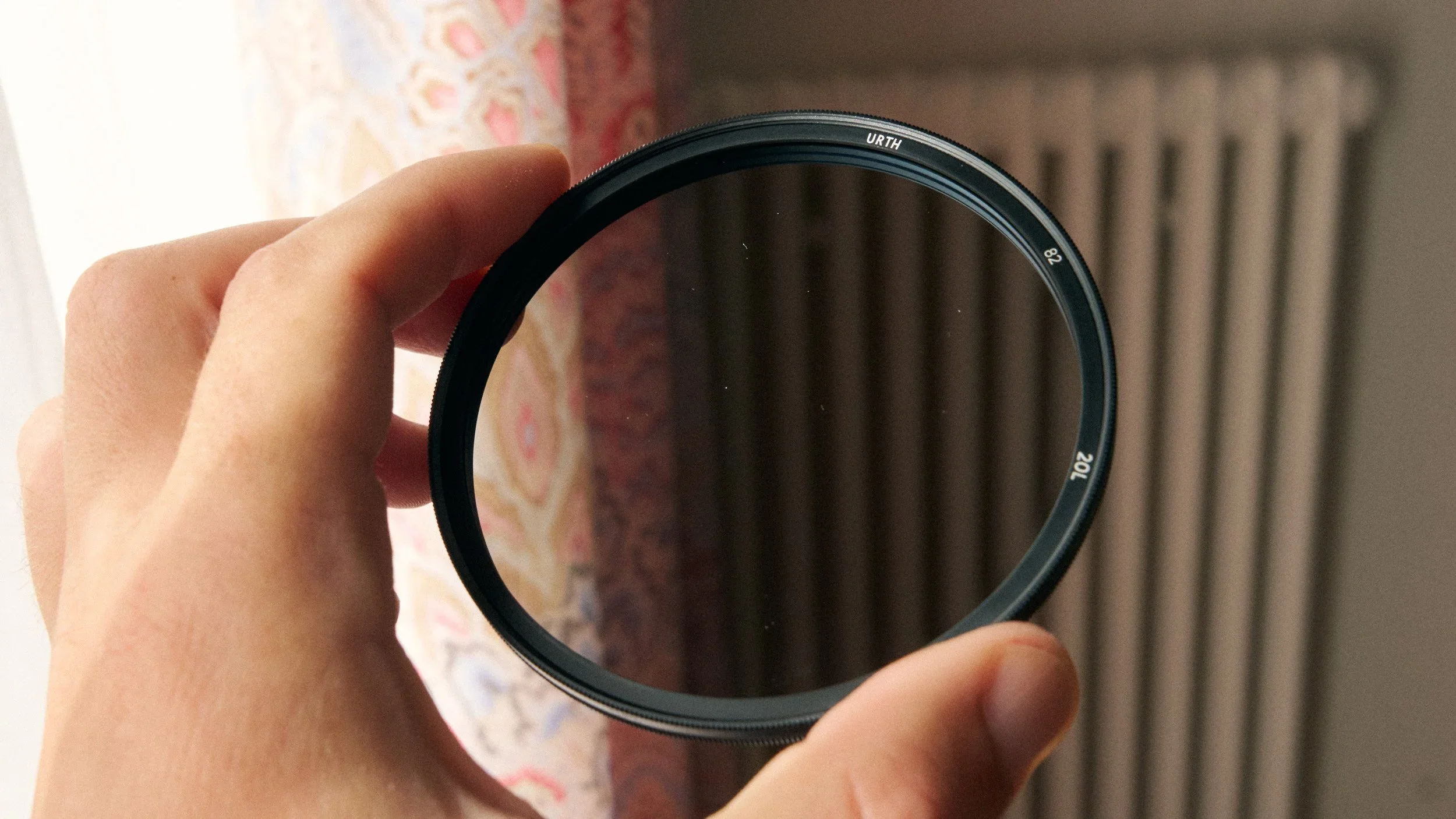
I only use two types of filters: ND8 and CPL. The ND8 is essential when shooting wide open in bright light or with a slow shutter speed. The CPL isn’t used as often, but it can do wonders for reflections, glare, and boosting some colours. The filters attach using a simple magnetic system from Urth. The overall footprint is small, and the kit even comes with a magnetic lens cap that’s sturdier and smaller than the original plastic one. https://geni.us/klGhyo5
CF Cards / V90 SD Card
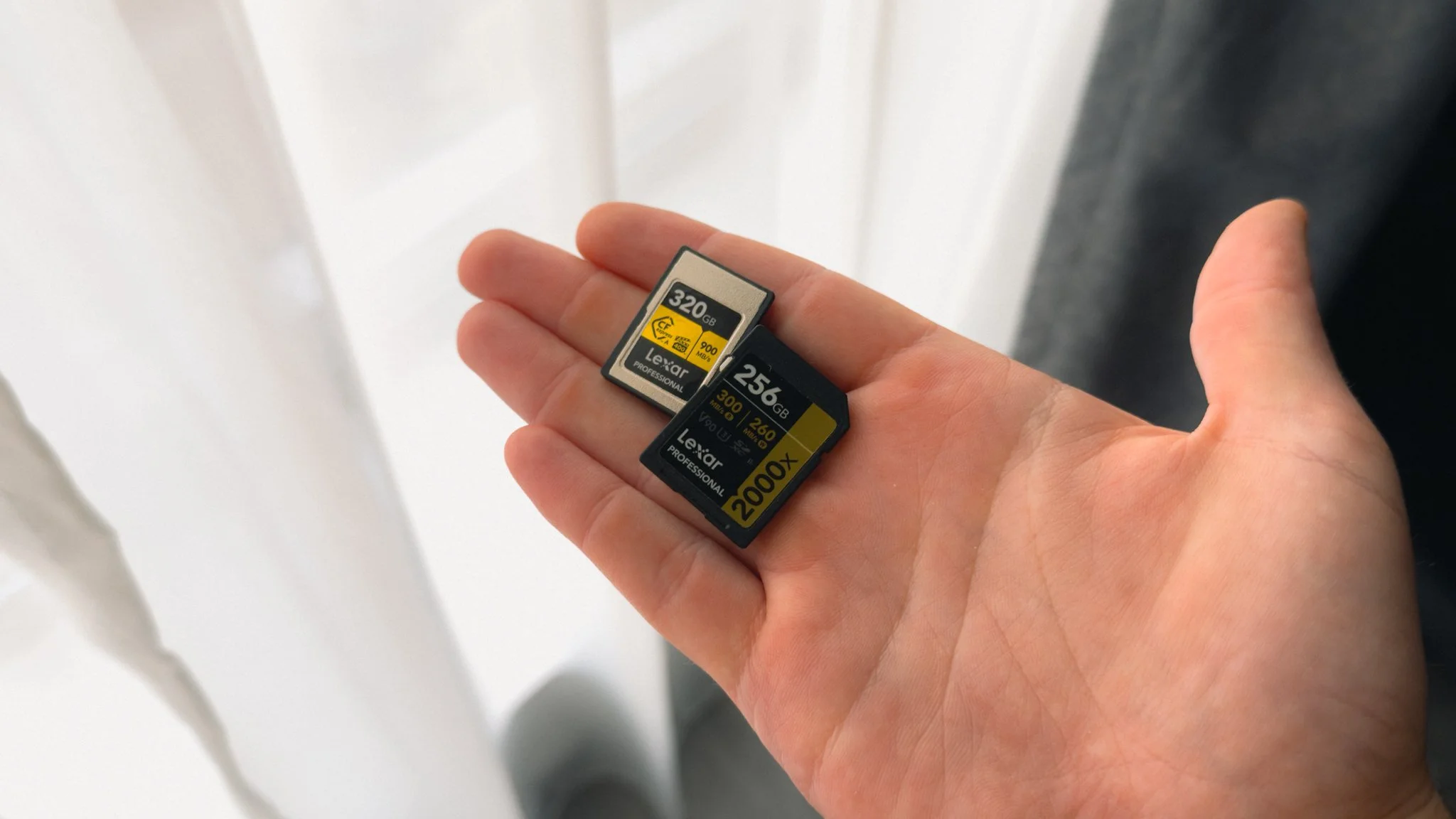
If you end up with the A7RV, I would highly recommend getting CFexpress cards instead of SD if you want to have the full potential of the camera. If you’ve opted for the A7CR, then I suggest a V90 SD card if you don’t want buffering and transfers to take forever. It’s worth noting that some advanced video codecs will not be supported on slower cards. CF:https://geni.us/DXhy0B SD:https://geni.us/5bUNh
Thunderbolt Cable
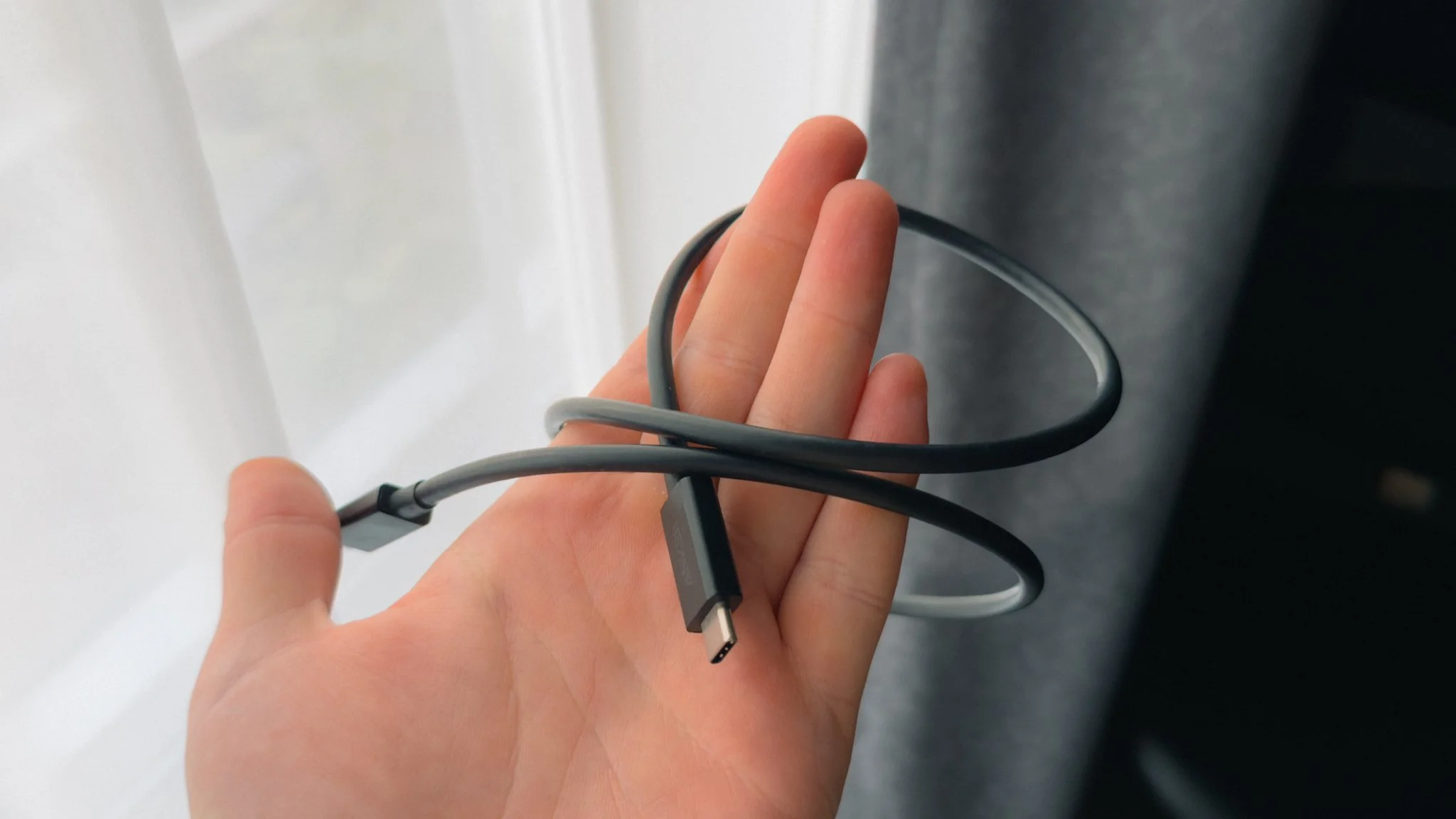
When it comes to offloading your photos from your camera to a computer, I would highly recommend getting a Thunderbolt 4 cable. This allows you to plug your camera directly into your device and offload files at an incredibly fast rate. This is also better than always taking the memory card in and out. I use Thunderbolt 4 cables by Anker.https://geni.us/QNUHws3
Battery & Charger
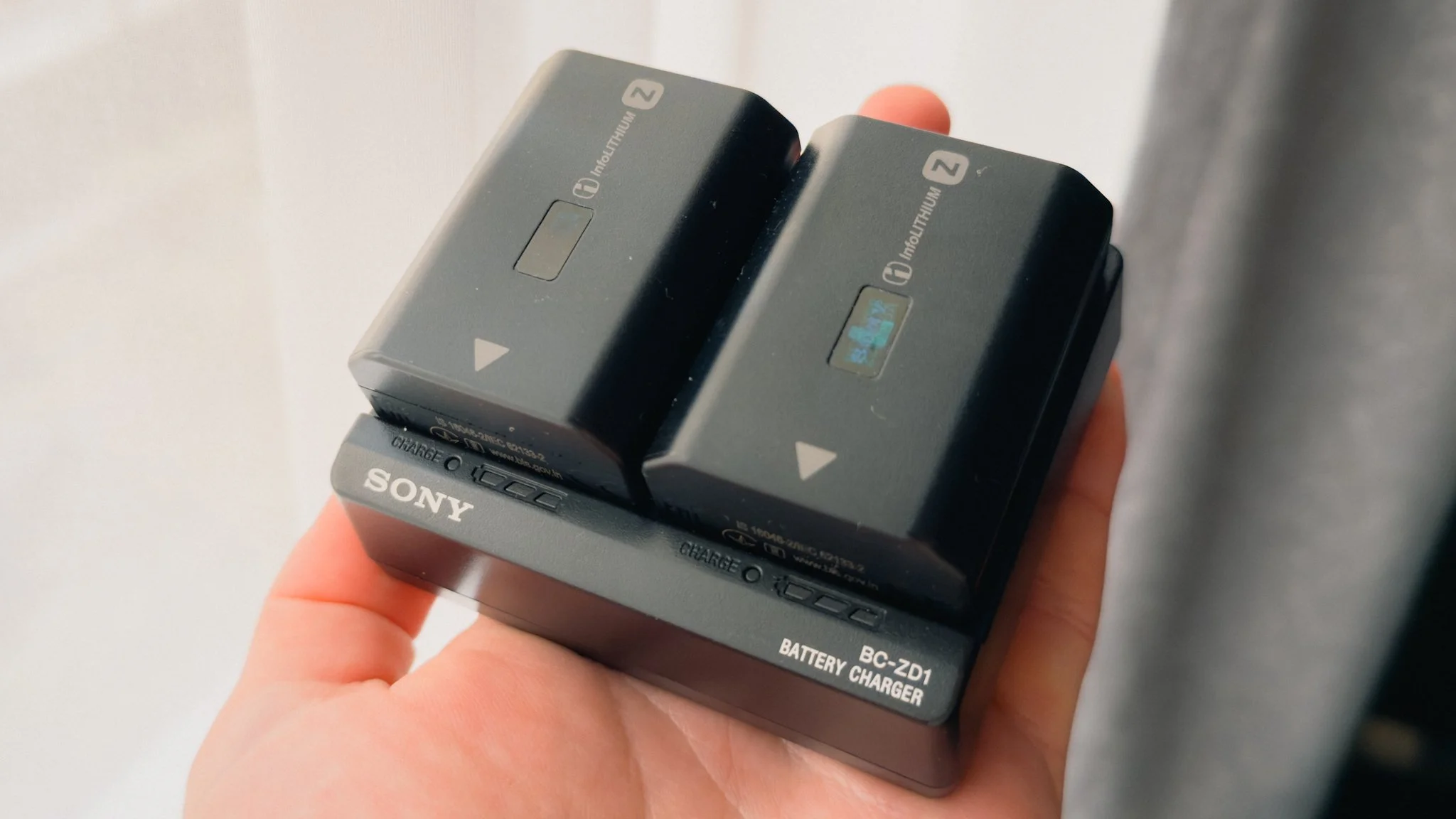
A spare battery is essential. I’ve always used genuine ones as I’m a bit paranoid about cheaper third-party ones playing havoc with the camera. I also picked up the rapid charger from Sony which is insanely fast.
PD Neck & Wrist Strap
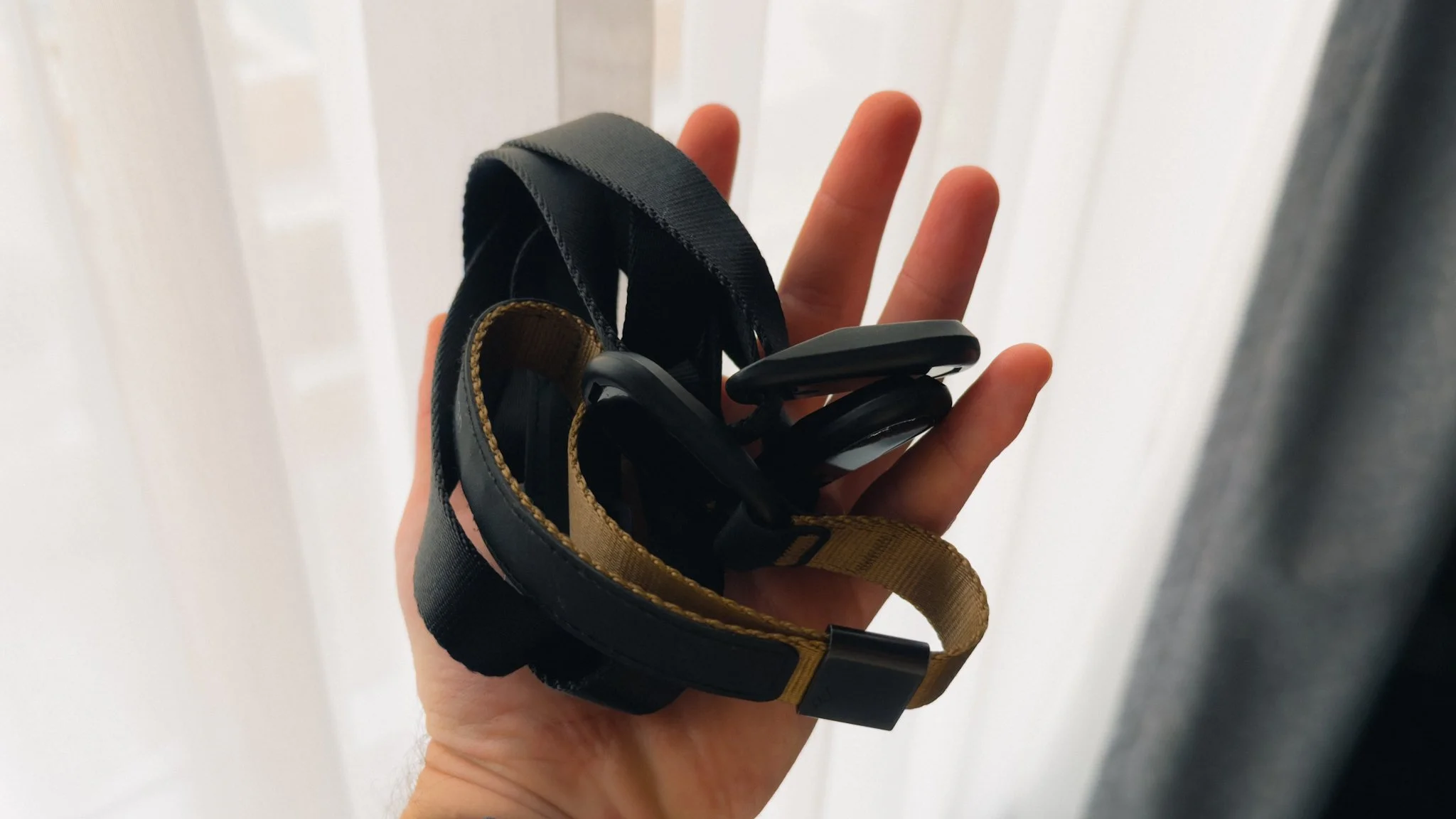
I have two straps from Peak Design, one for neck and one for wrist. Sometimes I want to throw the camera round my shoulder for a casual walk round town. Other times I want the camera to stay in hand if my main focus is photography. Wrist: https://geni.us/jpkNkQl Neck:https://geni.us/Jybbd1m
Bags…
In previous blogs I used to recommend specific bags I was using at the time, however these days I find myself using a bunch of different bags. Some days the Bellroy is what I go for, other times it’s a PD, and as I write this I have one from an obscure Japanese company called Filer. The brand of bag doesn’t matter. The only tip I can give you is to make sure it’s a cross-body sling. This keeps your stuff close to you and makes changing lenses easier. While backpacks offer better ergonomics if you have a heavy load, slings are preferred in cities due to their security. However, if you have heavy gear, then I’d recommend a backpack.
Small Mic
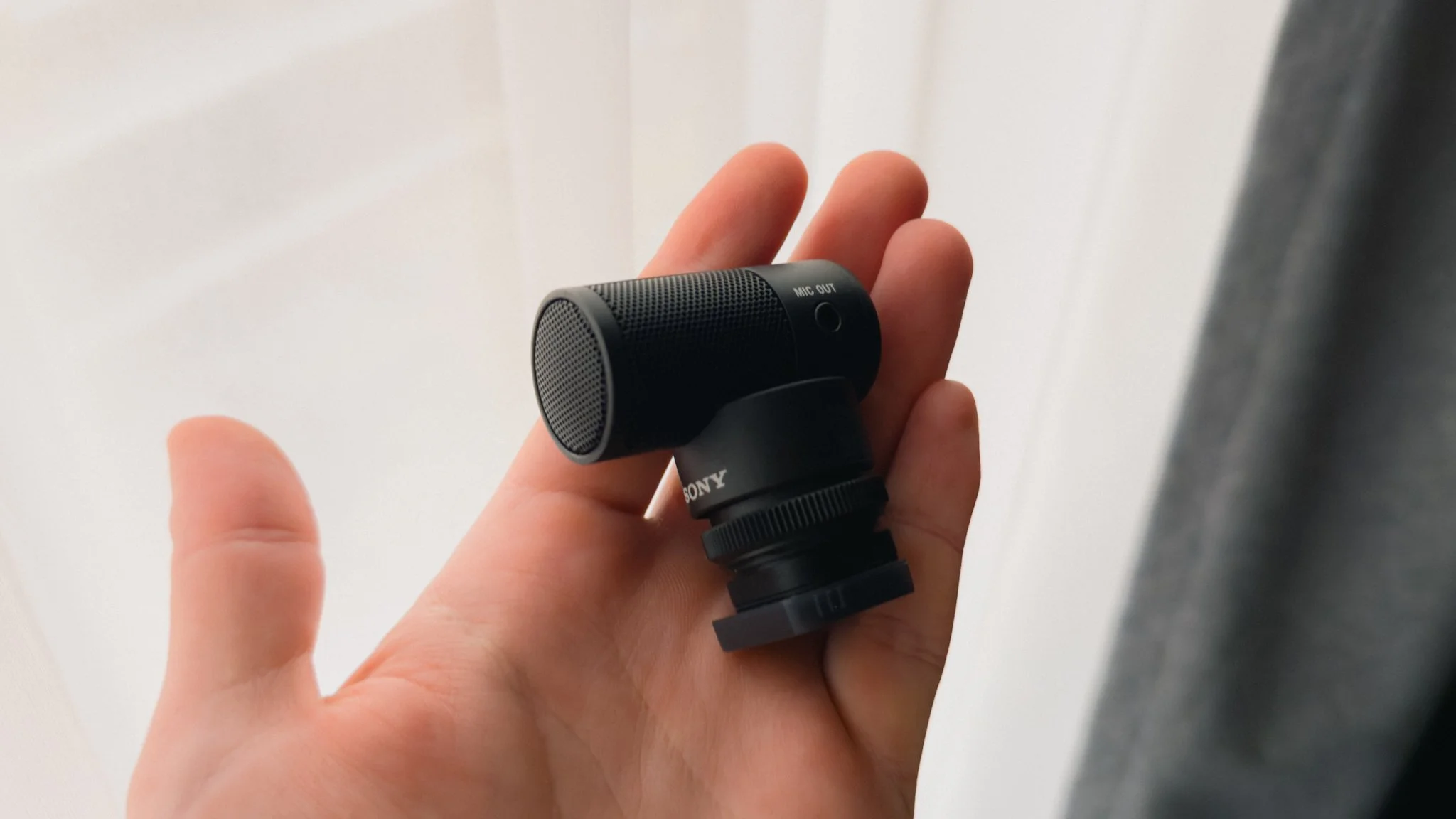
This last one isn’t a photography accessory, and if you don’t care about video at all, feel free to stop reading here. While the A7RV and A7CR are amazing photo cameras, their video capabilities are just as good. I often find myself taking small video clips of scenes as memories or to share alongside the photos. The built-in mics are fine, but on windy days can result in ruined audio. I picked up the tiny Sony ECM-G1 mic that connects via the hot shoe and gives clean, high-quality audio.https://geni.us/hf9QYE
Below is an example of my street photography style videos where this mic comes in very useful.

Instead of telling you how these will change your life, I would rather be practical and answer the most common questions that people tend to have when buying presets.
What are presets?
They are editing settings that are saved in a file and can be applied to any image.
Why do people buy presets?
Sometimes because they like the work of the photographer and want that style for their own photos. Mostly because they would like to see how other people edit and learn by reverse engineering the presets. Other times it’s just to support their favourite photographers, thank you!
What’s the overall style of these presets?
- Filmic
- Warm
- Soft
- Bright
What are these presets suitable for?
Street & Travel Photography
Some Nature (with further editing)
Some Portraits (with extensive editing)
Do I actually use these?
Yes. This is the same pack I use right now for all my editing. This isn’t a pack made just to sell.
Do these presets get updated?
Yes, as my style changes, these presets will also be updated. Any time a new update is available, you will get a free update via email. Of course you also keep all the old presets in case you prefer the older looks. Only presets purchased from 2025 onwards will receive the updates.
What file types are these presets for?
- All RAW files
- JPEGs & TIFFs (not recommended)
What camera brands are these presets for?
These were designed around Fujifilm, Sony, and Leica sensors. With that said, they will work with all camera brands. While there might be differences due to individual camera colour science, the overall feel of the preset will carry over.
Will these work with JPEG files?
Yes, but you will need to reduce the intensity and make further edits. I strongly recommend editing RAW files.
Are these one click edits?
95% No. You would need to do some basic adjustments as each image is different. These adjustments can include exposure, colour balance etc. In 5% of cases you can just apply and leave it alone.
Do I need to know how to edit?
You need to have a basic understanding of adjusting exposure, highlights, shadows, etc. A more comprehensive editing skillset will let you get the most out of them.
How many presets are included?
10 in the main pack and 24 in the extras pack
Why two packs?
The main pack is what I use for 99% of my edits and is kept small to reduce wasted time scrolling through presets. The extras pack is everything I don’t use often.
What software do I need?
These presets will work with any of the following:
- Photoshop (adobe camera raw)
- Lightroom Classic
- Lightroom Desktop
- Lightroom Mobile
Will these presets work with free versions of the above software?
You need to research and double check before buying. These presets were designed for the full paid versions.
Will these presets work with very old versions of the above software?
You need to research and double check before buying. These presets were designed on and for the latest software.
What file type do I get?
XMP
What else do I get?
- Comprehensive PDF guide
Can I modify these and turn them into my own?
Yes! In fact I encourage you to modify them and play around. Use these to help you get your own style.
I have more questions…. What do I do?
Make a cup of tea and drop me an email on hello@snapsbyfox.com
Please note that due to the nature of digital products, refunds are generally not accepted. However, if you experience any issues, feel free to contact me and I’ll review your situation individually. You are welcome to use this product for personal or commercial projects, but you may not copy, distribute, or resell the files in their original or modified form.
Finally I want to say a massive thank you for supporting me. Buying these presets is the most direct way you can support my work.
Thank you!