
Sigma 18-50mm f2.8 Long Term Review Fujifilm
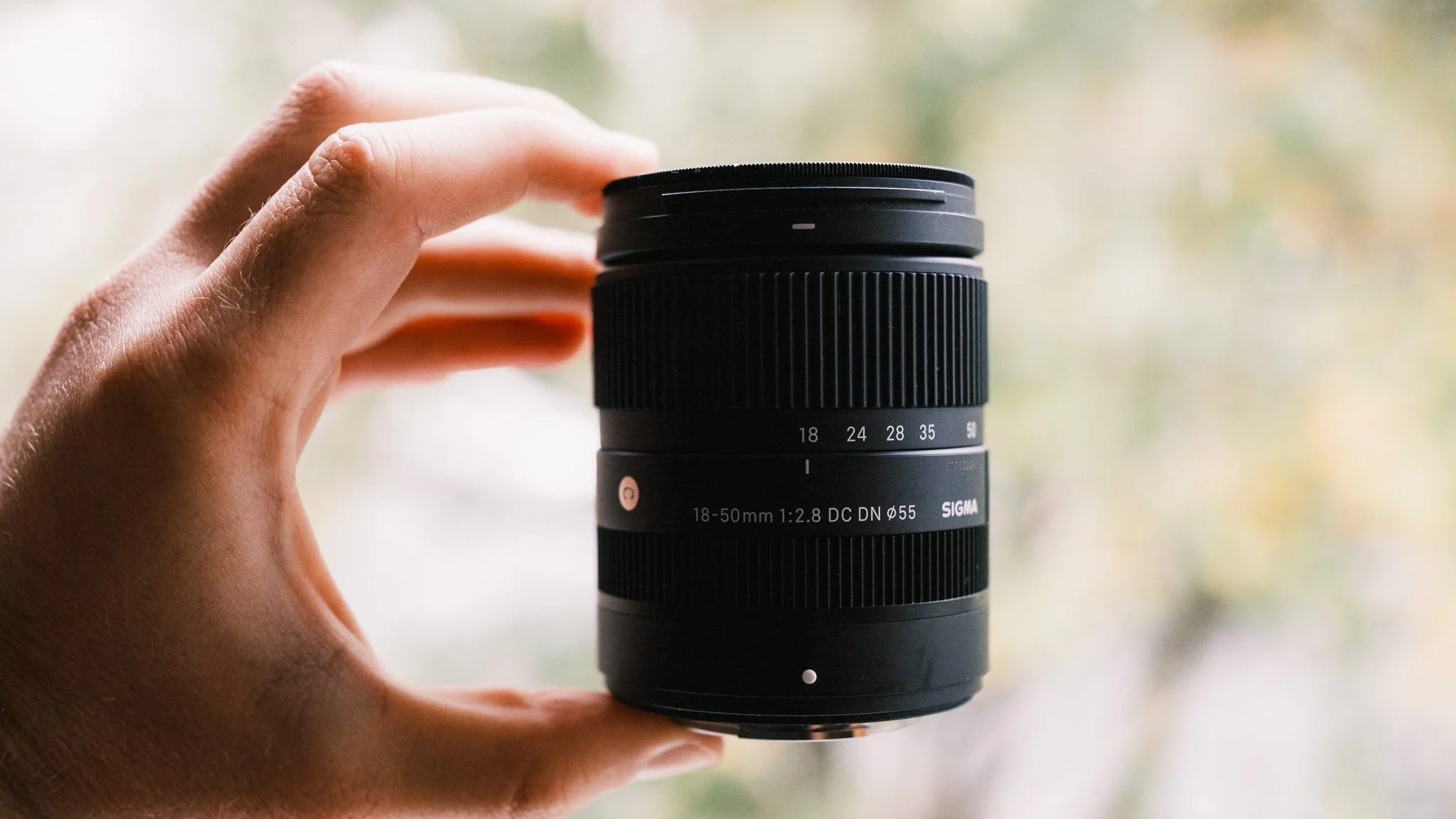
In this blog, I will review the Sigma 18-55mm f/2.8 zoom lens for Fujifilm cameras. I wrote an initial impressions blog a while back; however, this review is based on long-term use as my main travel lens over the past few months. I purchased this lens with my own money, and I have no affiliation with Sigma as a company.
I Bought This Lens Twice
I originally bought this lens, used it for a week, and wrote the initial impressions blog. However, I ended up selling it. I tried my best to adapt to the lack of an aperture ring, but since it was so ingrained in my shooting process, it really annoyed me. I also preferred the Fuji 16-55mm in almost every way except size and weight. Fast forward a few months, and I was going on a backpacking trip where minimising weight and size was critical. As much as I wanted to bring the 16-55mm, I couldn’t fit it into my pack, and the weight was straining my neck. I ended up repurchasing the Sigma to give it another try. Six months later, I no longer own the 16-55mm, and the Sigma has become my main and only general zoom.

Why This Lens?
There are several zooms available for the Fuji X system, but I believe this one offers the best compromise between them all. Despite not being 100% satisfied with it, I recommend it for two main reasons:
Price: In the UK, this lens costs around £440, making it at least £200 cheaper than the lowest-priced Fuji zoom, and it’s more than half the price of the Fuji 16-55mm f/2.8.
Size: The Sigma is about the same size as Fuji’s f/1.4 primes, making it suitable for all camera bodies and ideal for traveling light.
Regarding focal length, the 18-50mm range covers most common focal lengths needed for a variety of scenarios, from architecture and street photography to travel and portraiture. While sometimes a wide-angle or telephoto lens is necessary, this lens strikes a good balance, making it a great one-lens setup.

Build Quality
The plastic build of this lens is hard to ignore. If you’re used to Fujifilm lenses, this will feel cheap and disappointing. Thankfully, the mount is metal and comes with some weather sealing. Despite hurriedly mounting and unmounting the lens several times, the mount remains free of major marks. I’ve used the lens in both rain and the Sahara desert without any issues, and no sand has entered the lens. However, the matte plastic finish is prone to scuffs, which are visible. The focus and zoom operations feel smooth, and there’s no zoom sag, so the lens will stay at your desired focal length unless knocked. I’ve experienced no reliability issues or bugs with the lens—it has worked flawlessly throughout my use.


Ergonomics
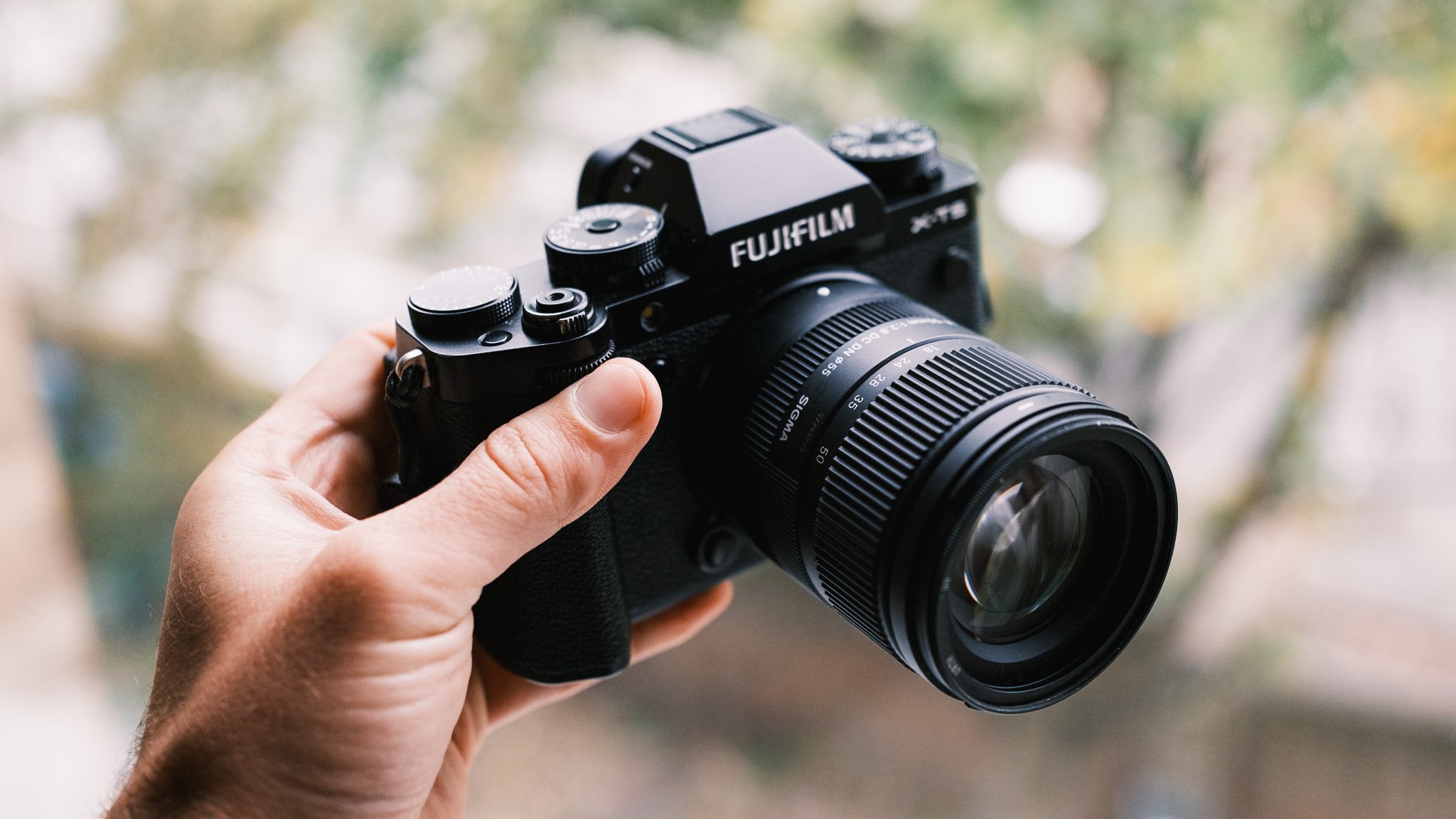
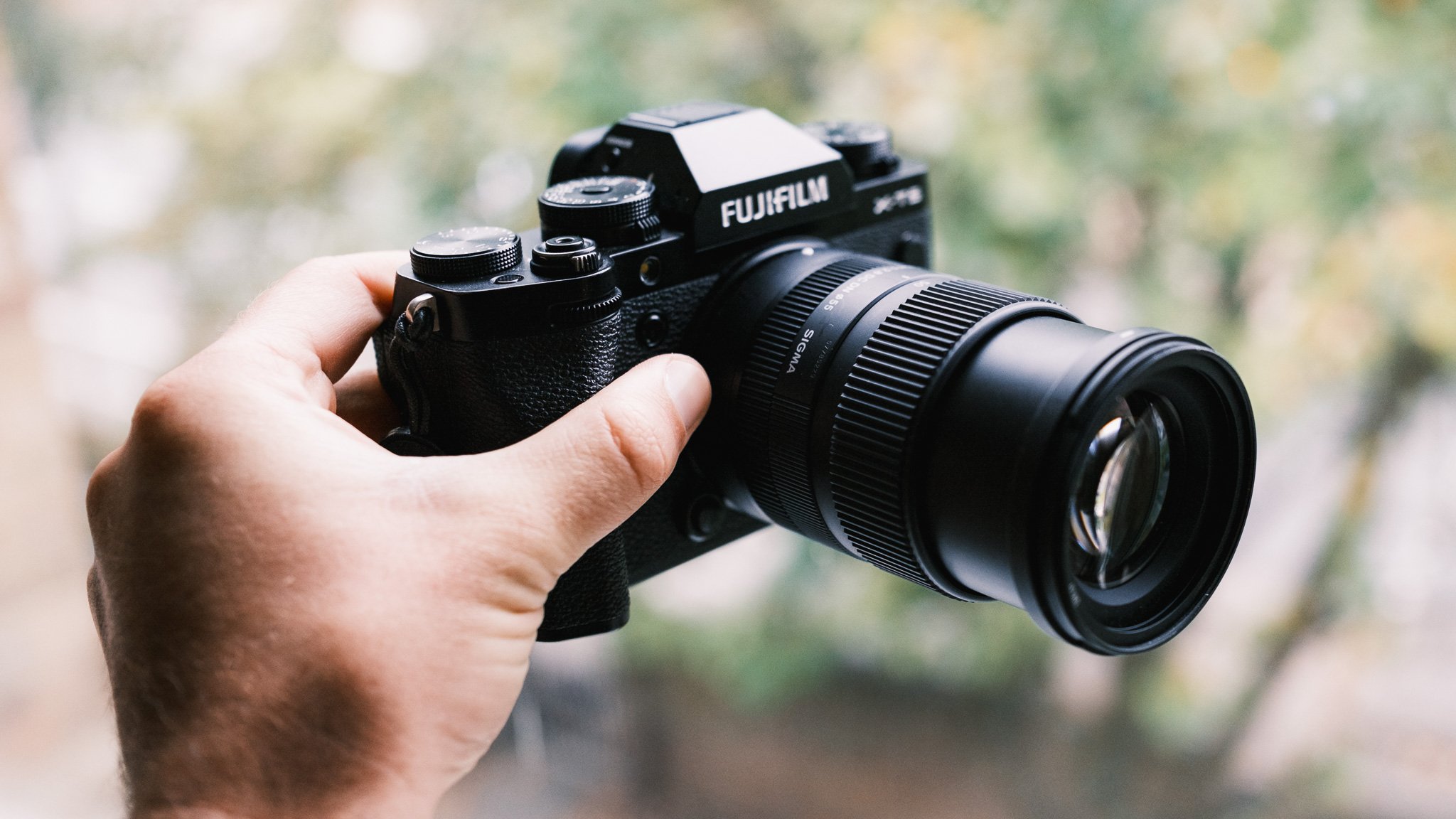
This lens feels like the perfect size for Fuji’s APS-C system. Whether on an XT5 or a larger XH2, it feels balanced. Even when fully extended to 50mm, its lightweight design prevents it from feeling front-heavy. However, I would have preferred the focus ring to be in front of the zoom ring, as it is on most other lenses. It was confusing at first, but I got used to it over time. The main issue is the absence of an aperture ring, which is a huge oversight by Sigma. Fuji cameras are known for their tactile controls, and not having an aperture ring negatively affects the user experience. Even after months of use, I still find it frustrating.




Integration
This is my first third-party lens for the Fuji system, and there’s a noticeable lag in communication between the body and lens. Focusing takes longer after hitting the focus button, and tracking focus while zooming is slower compared to native Fuji lenses. That said, firmware updates can be done via the camera just like with native lenses, which is a positive.

Image Quality
Overall, the image quality is good. At f/2.8, images are on the softer side, and shooting close-up subjects can result in some artefacts along hard edges or under certain lighting conditions. However, this is only noticeable to pixel-peepers. At f/8, the lens is sharp, clean, and comparable to the Fuji 16-55mm. At f/22, diffraction is visible but manageable, though it’s not something you’d notice unless zooming in excessively. Colours and tone are both good, and I haven’t noticed any significant differences between this lens and the 16-55mm without close inspection.

f2.8

f2.8

f8

f8

f20

f20


Autofocus
One of the biggest positives of this lens is its close focusing ability—it can focus on objects practically touching the glass. While this is an exaggeration, the point is that the close focusing is exceptional. However, the overall autofocus system is only fine if you’re not relying on top performance. For travel, street photography, or slow-moving subjects, the lens performs well enough. But for fast-moving subjects, such as squirrels, or shooting in hectic environments like busy markets, this lens struggles. Compared to the 16-55mm, everything takes longer, with more focus hesitation. If you rely on autofocus performance, this may not be the lens for you.


Another significant issue is focus tracking. Although Sigma improved this with new firmware, it still lags behind native lenses. Unlike the Fuji 16-55mm, which tracks focus smoothly while zooming, the Sigma struggles, with noticeable focus hunting. The lens won’t even track focus after powering on the camera unless you pre-focus. For example, if you turn on the camera at 20mm and quickly zoom to 50mm, the focus will be off, and it takes a while to refocus. For many users, these issues won’t be a big deal, but for anyone who depends on fast and reliable autofocus, this lens may cause frustration.

Summary & Recommendations
I recommend this lens for three types of users:
Backpackers who need a simple, one-lens solution.
Prime shooters who need a versatile backup lens for travel.
New Fuji users looking for an all-around zoom without sacrificing image quality or spending a fortune.
However, if you require the best image quality, autofocus performance, premium build, integration with the body, or an aperture ring, then this lens may not be for you. In that case, I would suggest the Fuji 16-55mm f/2.8. As for me, I’ll be holding onto this lens until Fuji releases a 16-55mm Mark II in a more compact package.
If you wish to buy this lens while also supporting the blog, you can do so using this affiliate link. It won’t cost you any extra but will give me a small % return to keep publishing free blogs like this one.
If you’re considering purchasing this item and use the affiliate links below, it will not cost you any extra however I will get a small % kickback which helps keep this blog ad free for you to enjoy.
Purchase here:
Item 1
Item 2
Item 3




Instead of telling you how these will change your life, I would rather be practical and answer the most common questions that people tend to have when buying presets.
What are presets?
They are editing settings that are saved in a file and can be applied to any image.
Why do people buy presets?
Sometimes because they like the work of the photographer and want that style for their own photos. Mostly because they would like to see how other people edit and learn by reverse engineering the presets. Other times it’s just to support their favourite photographers, thank you!
What’s the overall style of these presets?
- Filmic
- Warm
- Soft
- Bright
What are these presets suitable for?
Street & Travel Photography
Some Nature (with further editing)
Some Portraits (with extensive editing)
Do I actually use these?
Yes. This is the same pack I use right now for all my editing. This isn’t a pack made just to sell.
Do these presets get updated?
Yes, as my style changes, these presets will also be updated. Any time a new update is available, you will get a free update via email. Of course you also keep all the old presets in case you prefer the older looks. Only presets purchased from 2025 onwards will receive the updates.
What file types are these presets for?
- All RAW files
- JPEGs & TIFFs (not recommended)
What camera brands are these presets for?
These were designed around Fujifilm, Sony, and Leica sensors. With that said, they will work with all camera brands. While there might be differences due to individual camera colour science, the overall feel of the preset will carry over.
Will these work with JPEG files?
Yes, but you will need to reduce the intensity and make further edits. I strongly recommend editing RAW files.
Are these one click edits?
95% No. You would need to do some basic adjustments as each image is different. These adjustments can include exposure, colour balance etc. In 5% of cases you can just apply and leave it alone.
Do I need to know how to edit?
You need to have a basic understanding of adjusting exposure, highlights, shadows, etc. A more comprehensive editing skillset will let you get the most out of them.
How many presets are included?
10 in the main pack and 24 in the extras pack
Why two packs?
The main pack is what I use for 99% of my edits and is kept small to reduce wasted time scrolling through presets. The extras pack is everything I don’t use often.
What software do I need?
These presets will work with any of the following:
- Photoshop (adobe camera raw)
- Lightroom Classic
- Lightroom Desktop
- Lightroom Mobile
Will these presets work with free versions of the above software?
You need to research and double check before buying. These presets were designed for the full paid versions.
Will these presets work with very old versions of the above software?
You need to research and double check before buying. These presets were designed on and for the latest software.
What file type do I get?
XMP
What else do I get?
- Comprehensive PDF guide
Can I modify these and turn them into my own?
Yes! In fact I encourage you to modify them and play around. Use these to help you get your own style.
I have more questions…. What do I do?
Make a cup of tea and drop me an email on hello@snapsbyfox.com
Please note that due to the nature of digital products, refunds are generally not accepted. However, if you experience any issues, feel free to contact me and I’ll review your situation individually. You are welcome to use this product for personal or commercial projects, but you may not copy, distribute, or resell the files in their original or modified form.
Finally I want to say a massive thank you for supporting me. Buying these presets is the most direct way you can support my work.
Thank you!