
How To Explore Switzerland By Rail (Train Travel Guide)
In this blog I will share with you a comprehensive two week itinerary for exploring Switzerland by rail. This plan is based on a real trip that I did with mum not too long ago, so everything I am sharing is my own experience. Finally, this blog is not sponsored, the trip was fully self funded, and I am not promoting any tourism board here.
Trip Overview
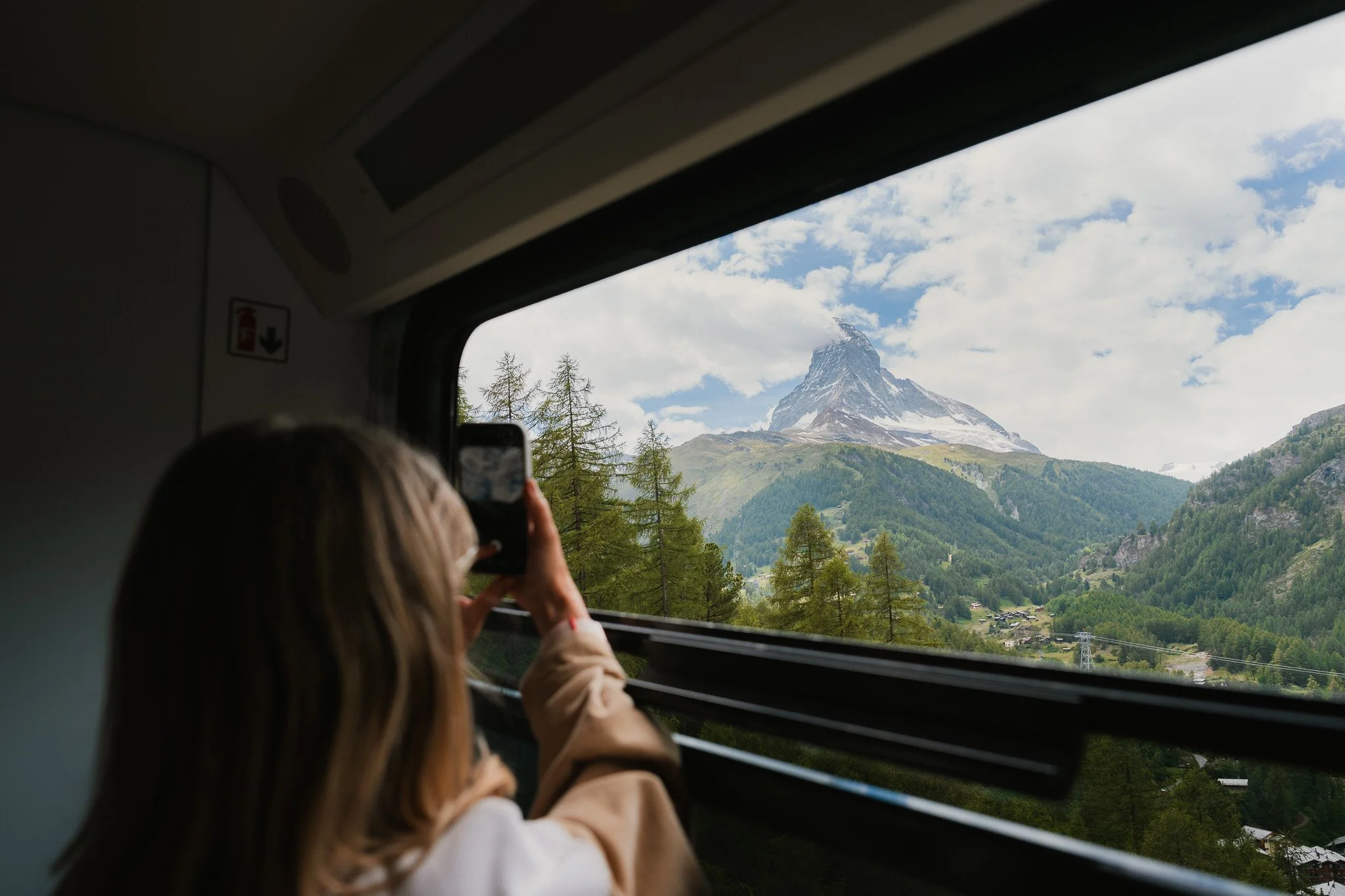
Before going into specifics, let me give you an overview of the trip so that you can better judge if it aligns with what you want to do. This was a week and a half long rail trip across Switzerland with my mum. The primary goal was to see this country by rail at a slow and relaxed pace. There was no advanced hiking, climbing, biking, or any other outdoor activity, just rail and a lot of walking. Despite it being a fairly laid back trip, we still averaged 15k steps a day, with some days hitting 25k. We visited in early June just as the temperatures were starting to climb, but still before the official summer season. Finally, given this was our first proper trip across the country, we prioritised the more famous places rather than going off the beaten path.
Swiss Travel Pass
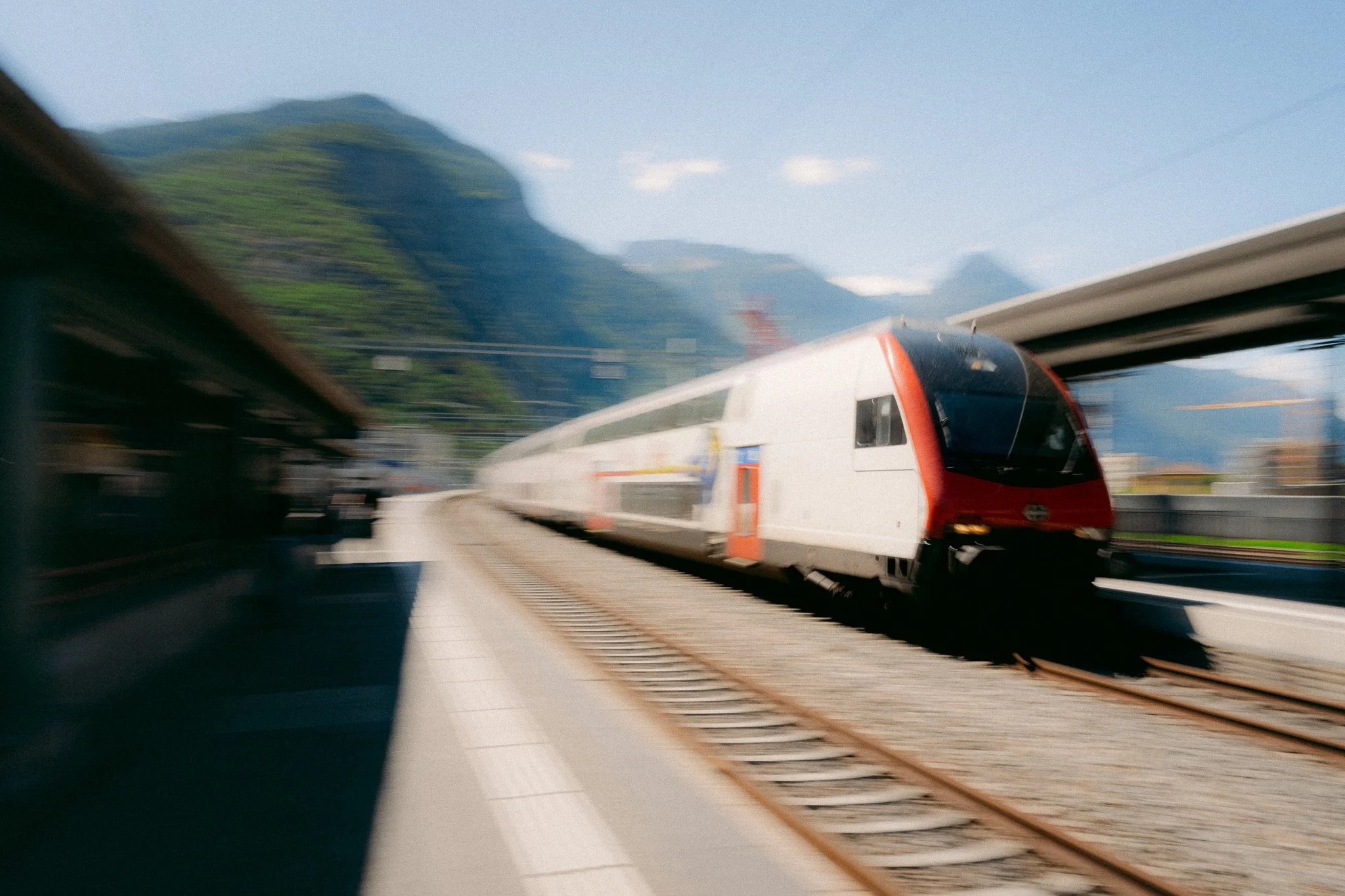
This is at the heart of this trip, and is what makes everything possible. The Swiss Travel Pass is a ticket that gives you full unlimited access to the entire rail, tram, bus, and boat network in Switzerland. Some specialty trains are not included, however a hefty discount is applied if you have this pass. You also get free entrance to some museums.
For a two week trip, the pass cost me £500 per person, and while that sounds steep, I can promise you that you will end up spending way more. Not to mention the time wasted buying tickets. In my opinion this is a critical part of the trip.
Languages
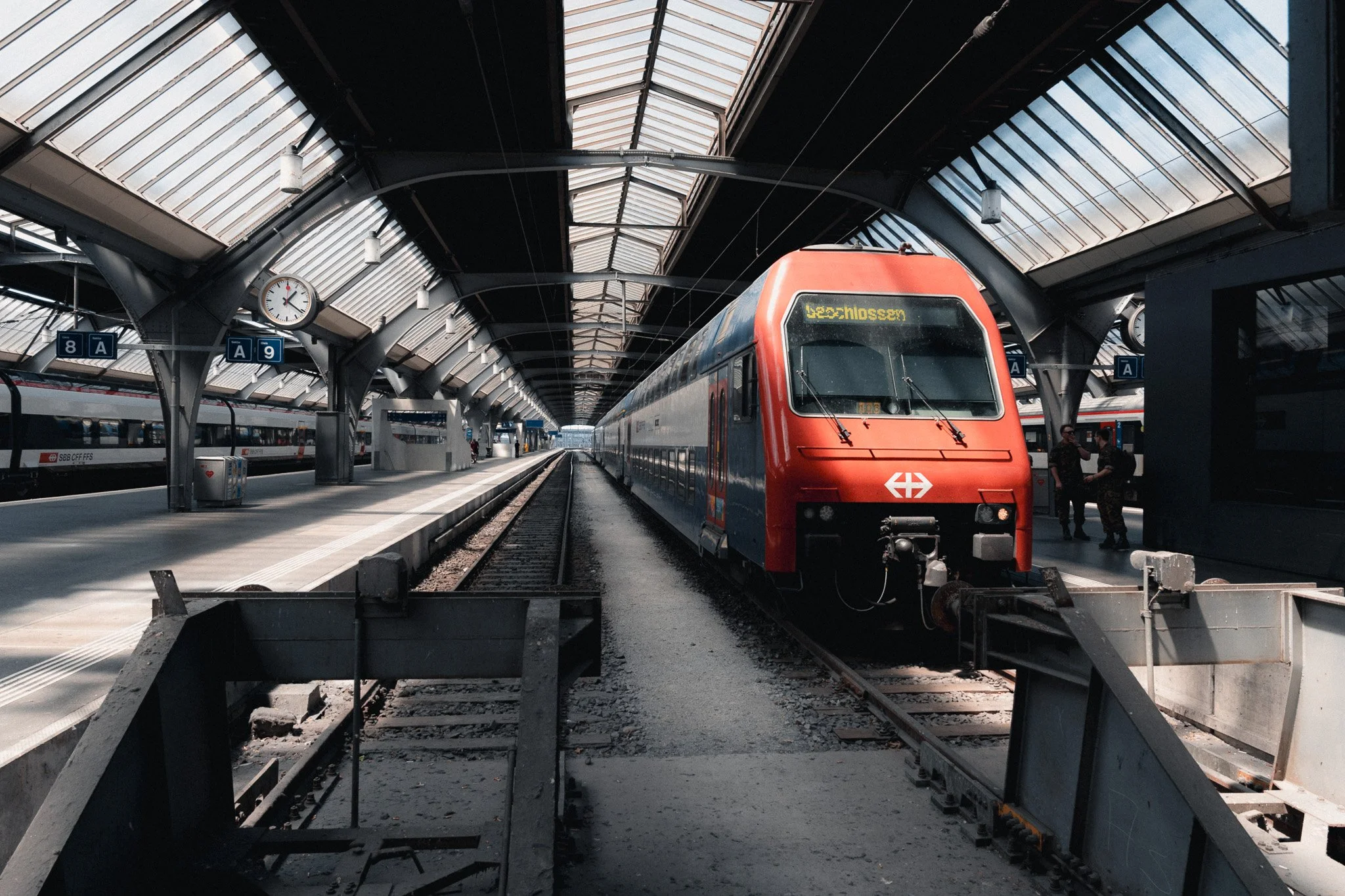
There are four national languages spoken in Switzerland. French, German, Italian, and Romansh. With that said, English is widely spoken, and I never had any issues with language barriers.
Gear
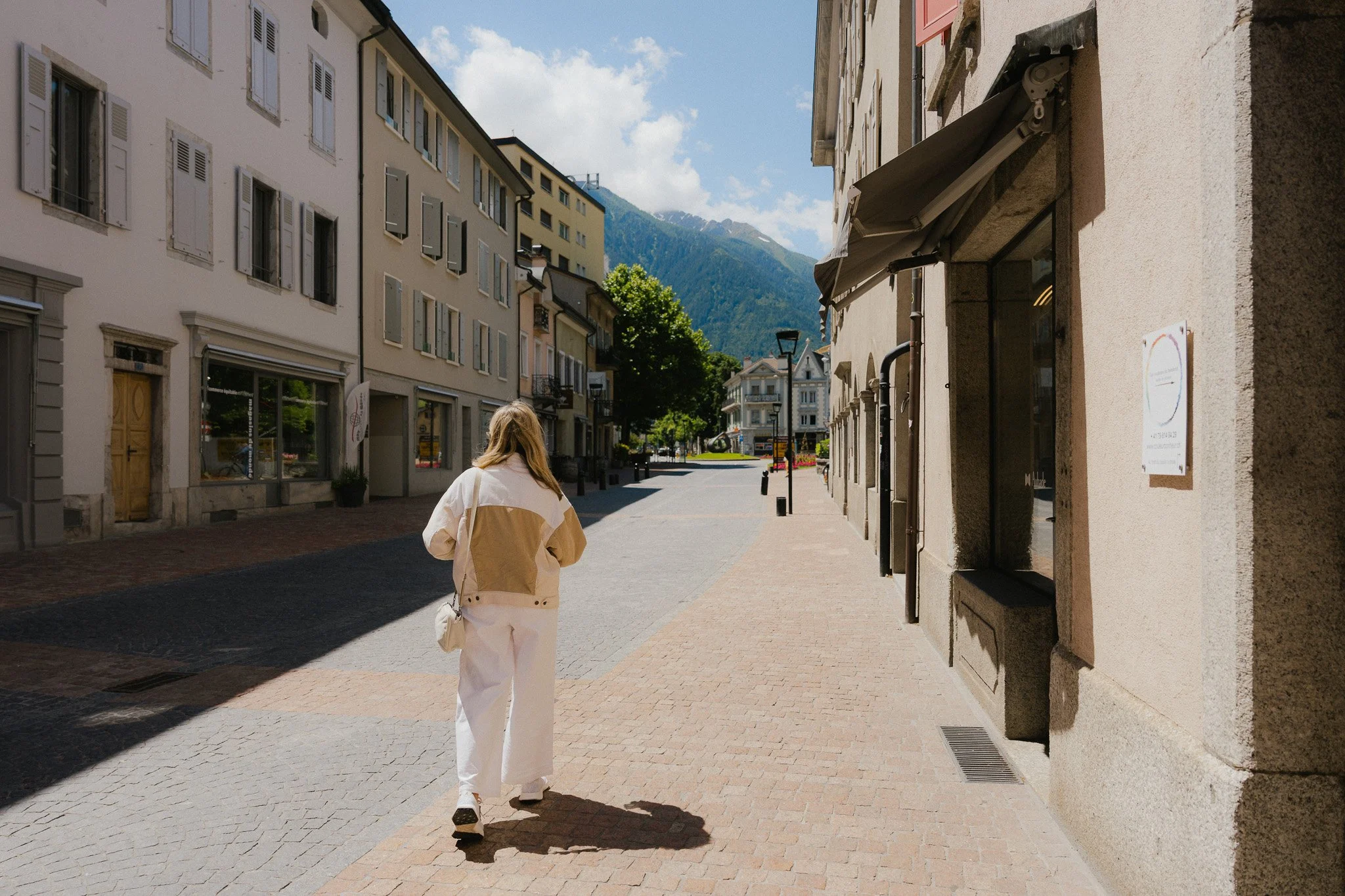
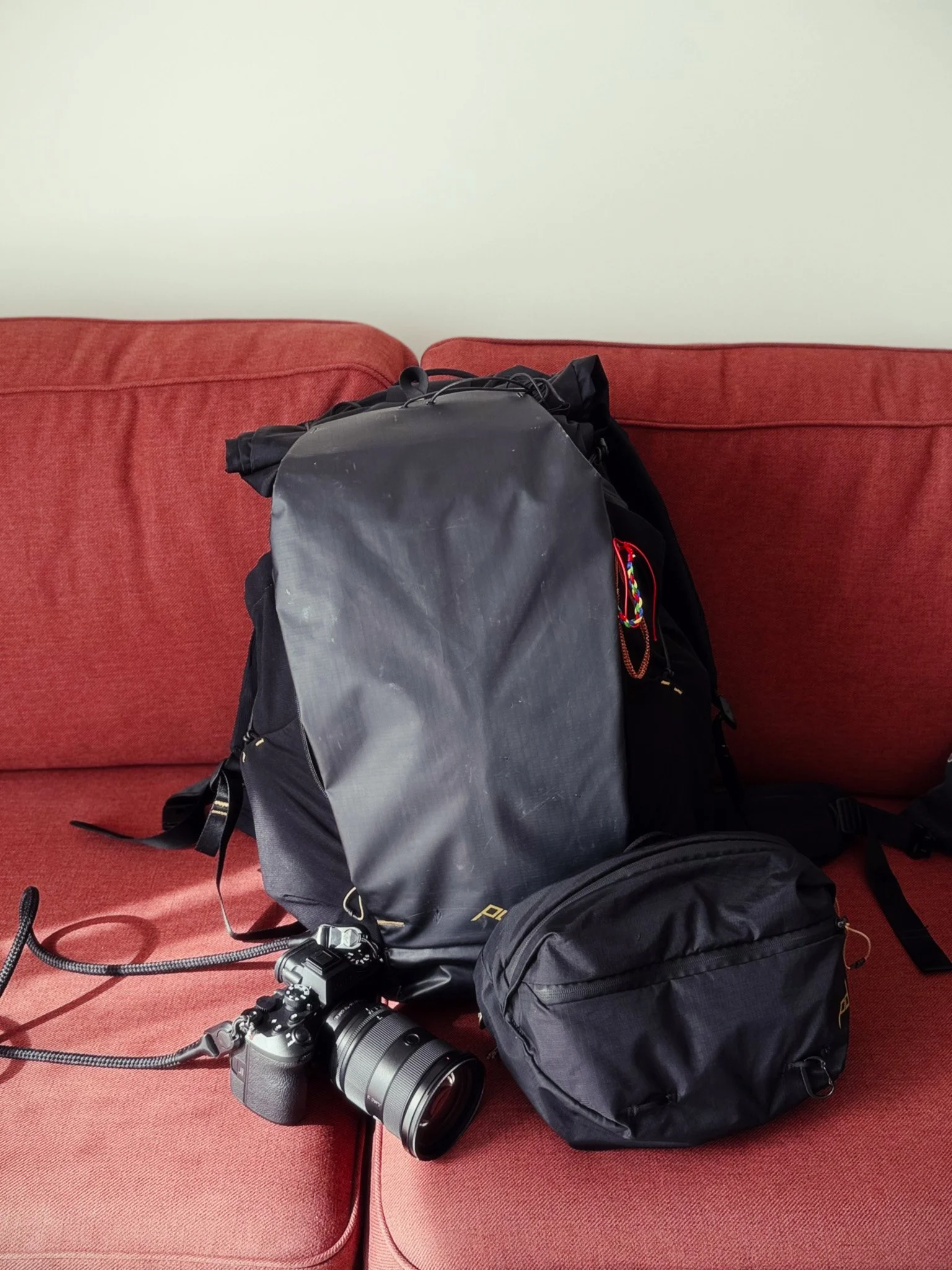
As I write this, there’s a group of tourists with giant suitcases getting very frustrated because they can’t put them anywhere on the train due to it being full. On the way to the station I saw another couple dragging their 70L cases along the cobbled streets looking stressed, hot, and bothered. Unless you need specific gear, I suggest keeping it small with either a carry-on-sized suitcase or better yet a 40L backpack. As for clothes, given the wide range of temperatures and conditions, I suggest packing in layers and avoiding bulky items. There will be a whole blog on my packing approach in the coming weeks, so if I remember, I will link it here. Either way, less is more, especially if you’re hopping around the country on a train.
Costs
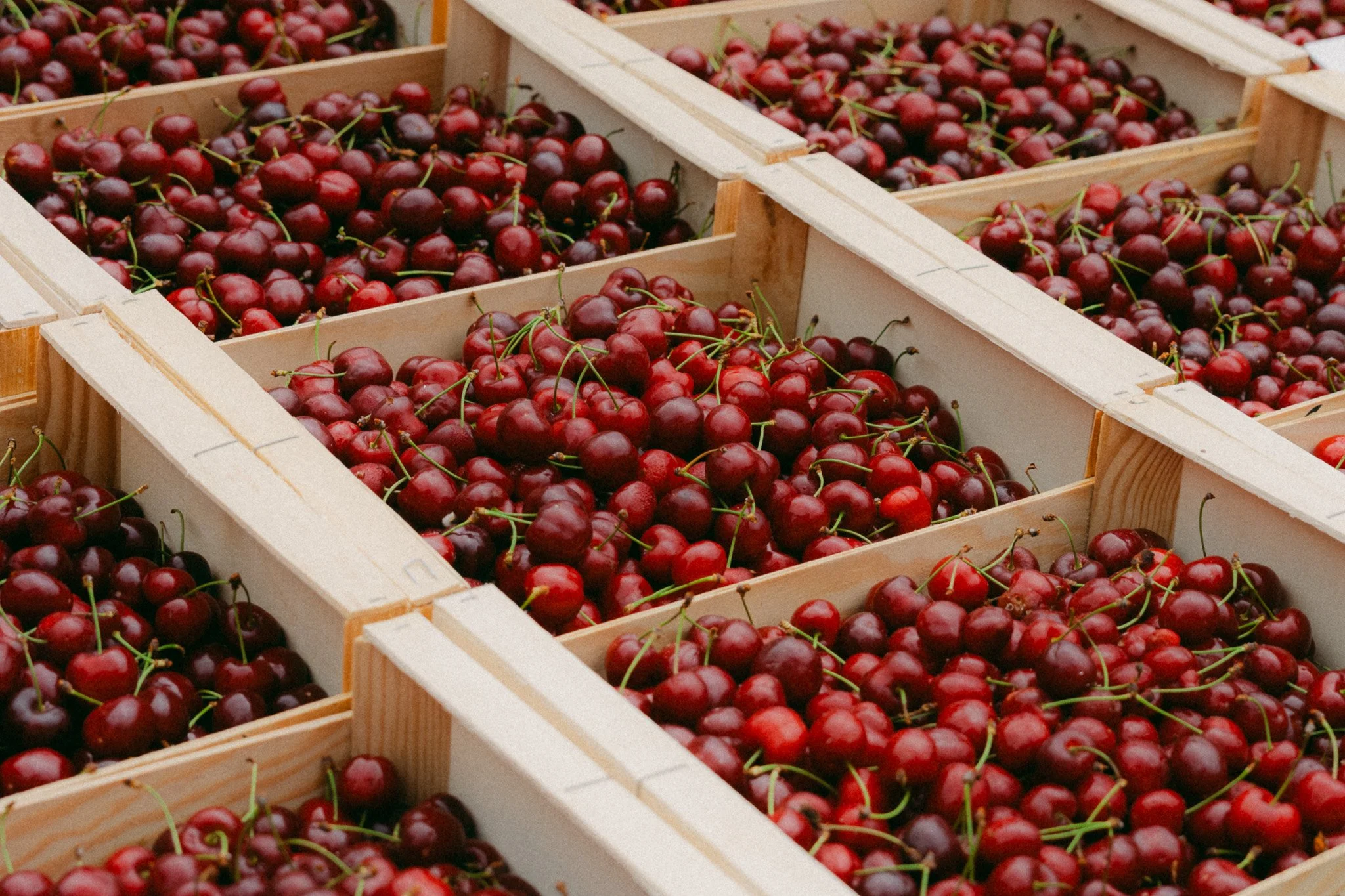
If there is one glaring negative to exploring Switzerland, it’s the cost. I live in London, a notoriously expensive city, yet when in Switzerland, it seems rather affordable now. While I can’t speak for the entire country, I found the costs to be very steep. On average, we were spending £50-£75 per person per day and we didn’t go to a single restaurant. This was just for morning coffee, a sandwich for lunch, and maybe a salad bowl in the evening. If not for the Swiss Travel Pass, we would have spent another £20-£40 per day for all the trains. Hotels averaged around £250 per night for a basic single room, however this could have been done cheaper if staying outside of the city centres. You can add another £500 for miscellaneous costs such as city tax, museums, etc. Of course everything can be done cheaper with more preparation. Generally speaking, card is accepted everywhere, however I suggest having around 50 Swiss francs in cash for the odd occasion the card machine is down.
Photography
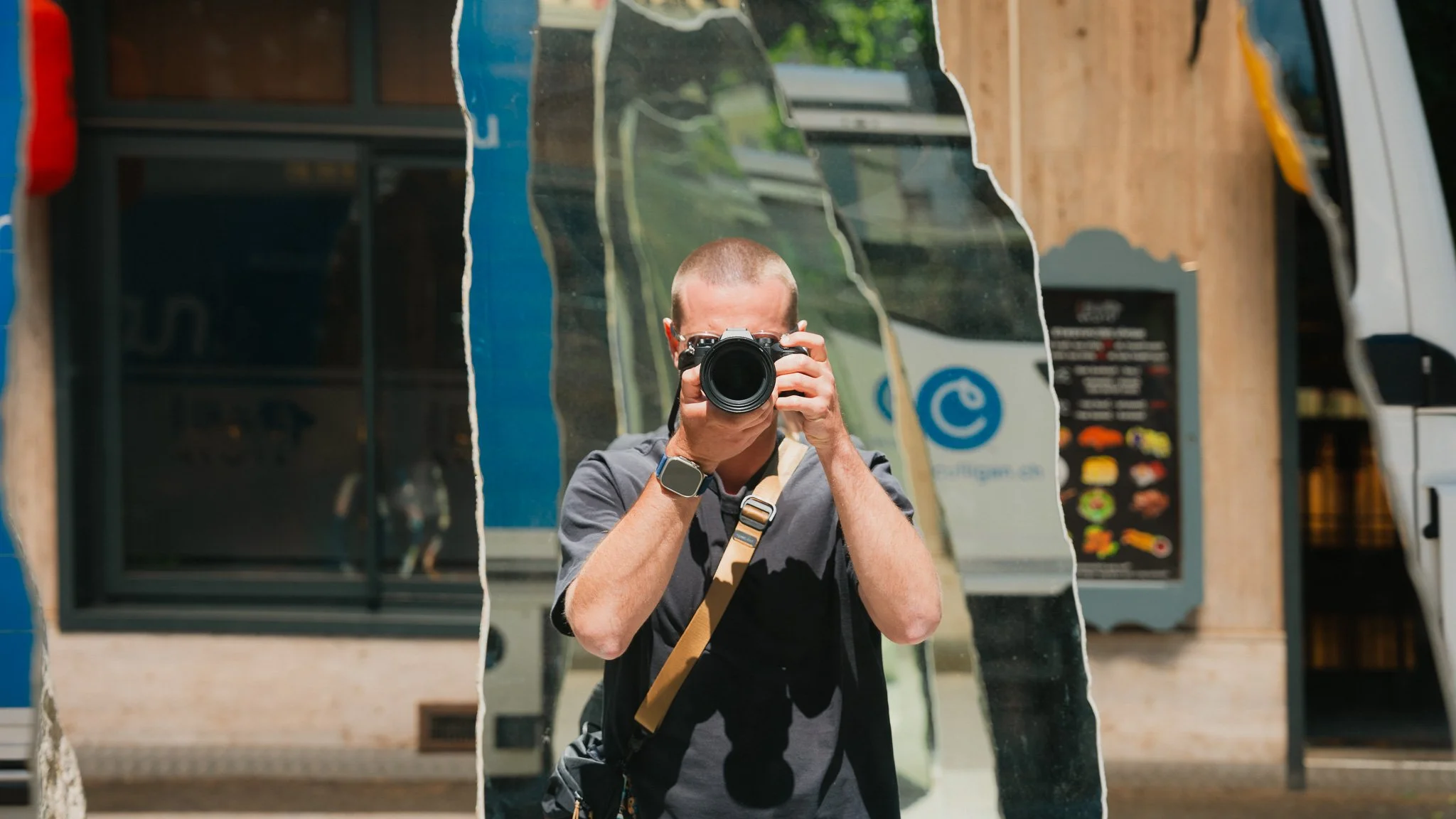
Shooting here is relaxed, and while I wouldn’t practice flash street photography, people are generally very chill, and will often let you take the shot instead of getting in your way. I personally find the smaller villages and nature to be much more photogenic compared to the bigger cities, but I feel this is to be expected. I found Bern to be especially photogenic.
When it comes to gear, there are two approaches I can recommend. If you want to get everything, then a 24-70mm zoom will have you covered. If you prefer to stay light, a 35mm or 40mm prime is what I would go for. I wouldn’t go wider than 35mm, and I would only consider a tighter lens if that’s your style. It’s easy to overpack camera gear, so my advice is to be minimal, especially with all the rail travel.
Climate
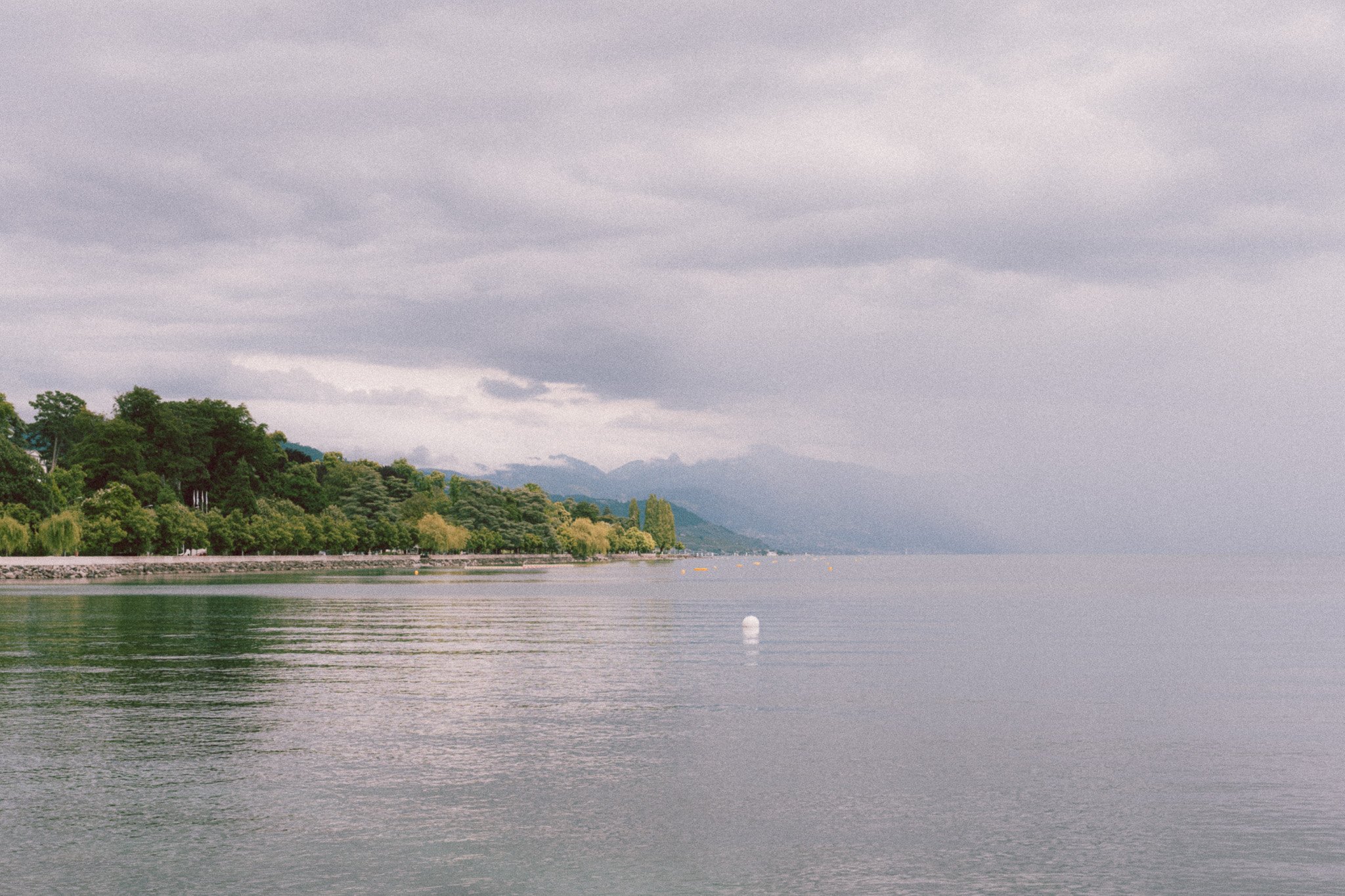
This will vary a lot depending on where you are going. If you just stay in cities, or on lower ground, then expect temperatures between 12°C and the high 20s. We got lucky with the weather and apart from a couple of fresh days, experienced 28°C and sunshine most days.
If you do plan to explore the mountains, you can quickly find the temperature dropping close to freezing, so be prepared. Whatever you decide, make sure to have a hat, sunglasses, and sun cream, as the UV here is not a joke. I found the air here to be dry, so ended up using lip balm and hand cream most days. Finally, a good umbrella or waterproof jacket is essential.
Food & Drink
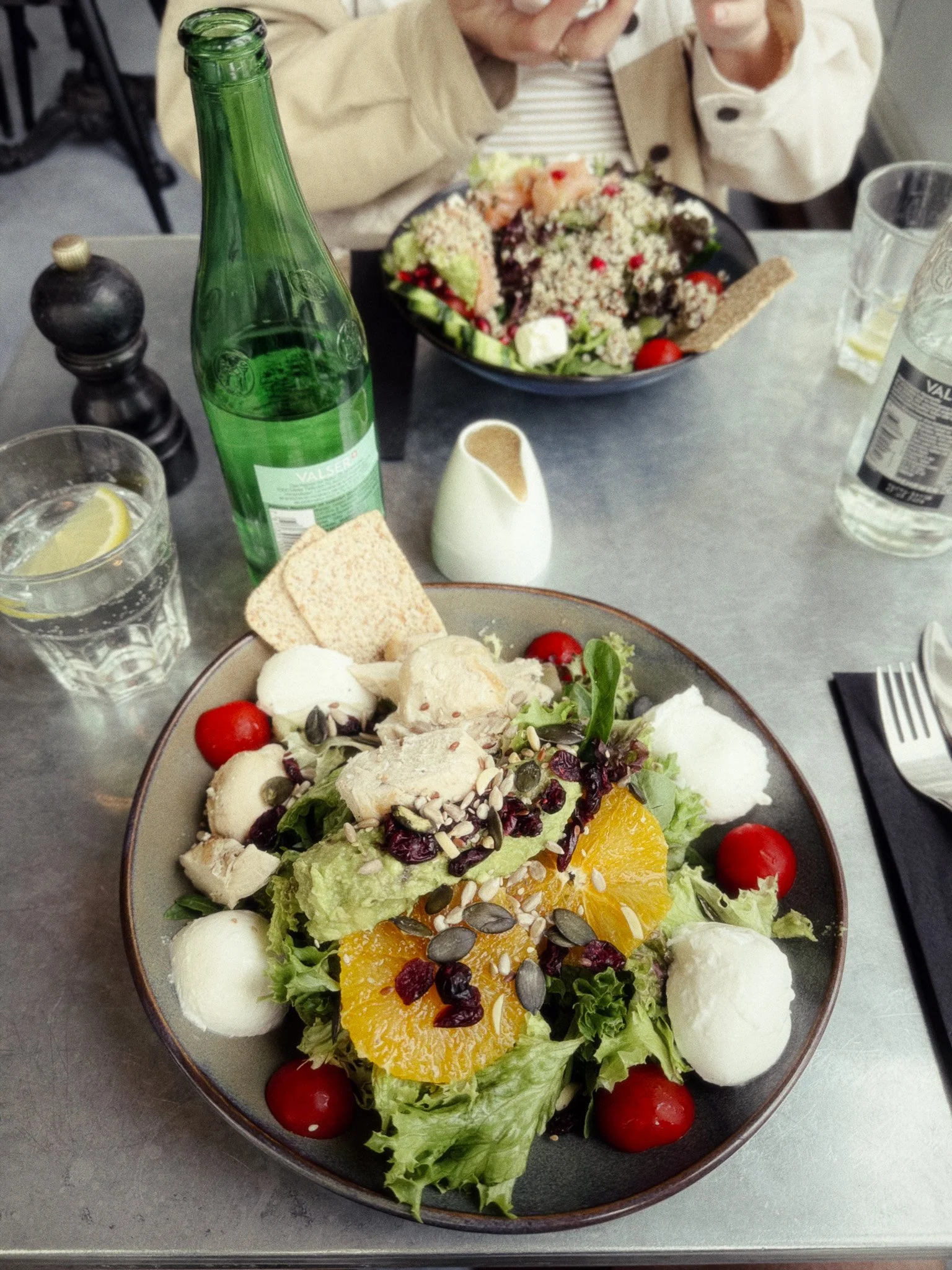
This is very personal, but I am not into restaurants or fine dining. Almost all of our food was from supermarkets which have plenty of fresh healthy food. Supermarkets in Switzerland have a huge selection of good food, and while still very expensive, it’s not eye watering.
One thing that will save you a fortune is not buying water, but instead carrying a bottle with you. All tap water is some of the best in the world, and you will come across many street fountains supplying fresh drinking water.
Hotels
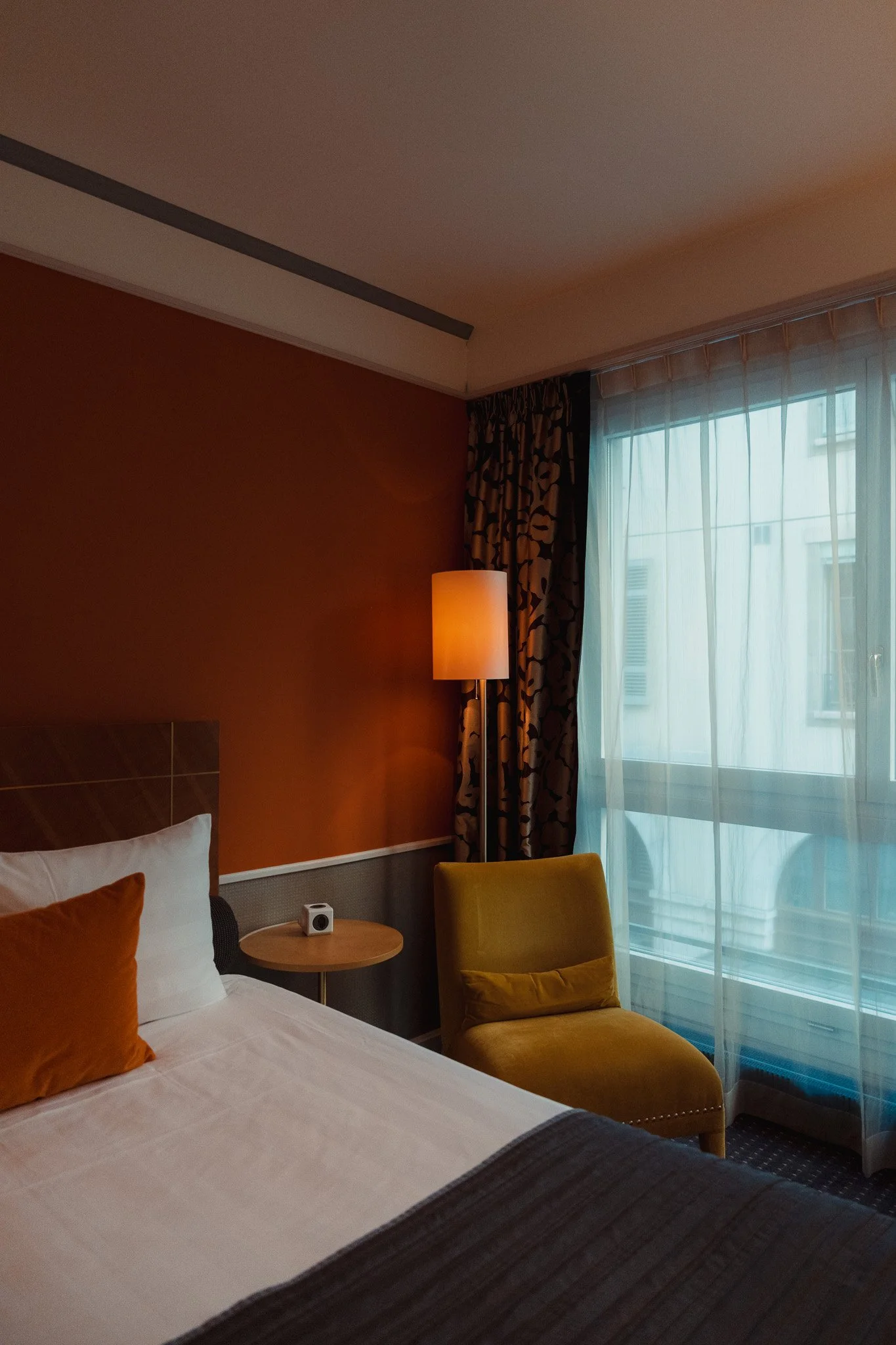
In Geneva we stayed in The New Midi. It’s located bang in the middle of the town by the water. I picked this location because you can reach anywhere in the city centre within 10 minutes, including the main train station. The hotel is also pretty much on the lake, which makes for nice evening walks.
In Bern we stayed in NH The Bristol for the same reasons. It’s a 5 minute walk to the main train station which makes life so much easier. It’s also a 5 minute walk from the old town centre.
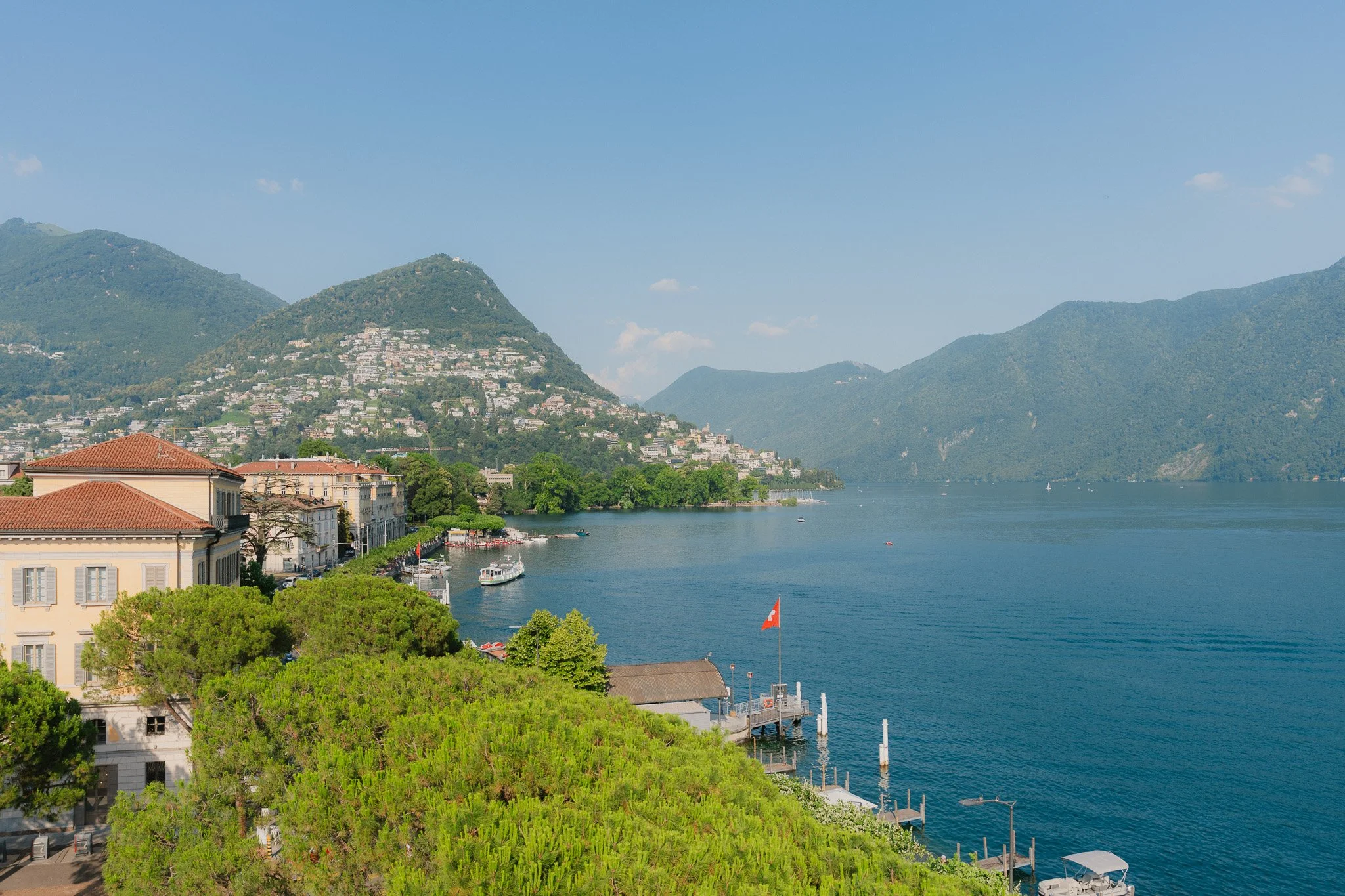
In Lugano we stayed in Hotel Walter Au Lac for its lakefront location, and since this stop is more of a chill one with no planned day trips, I didn’t mind not being 3 minutes from the station, although it’s still just a 10 minute bus ride away.
These hotels were not cheap, and you could definitely find better value, however I feel they have all been worth the money considering location, quality, and taking the relative cost of Switzerland into account.
Day 1 - Geneva
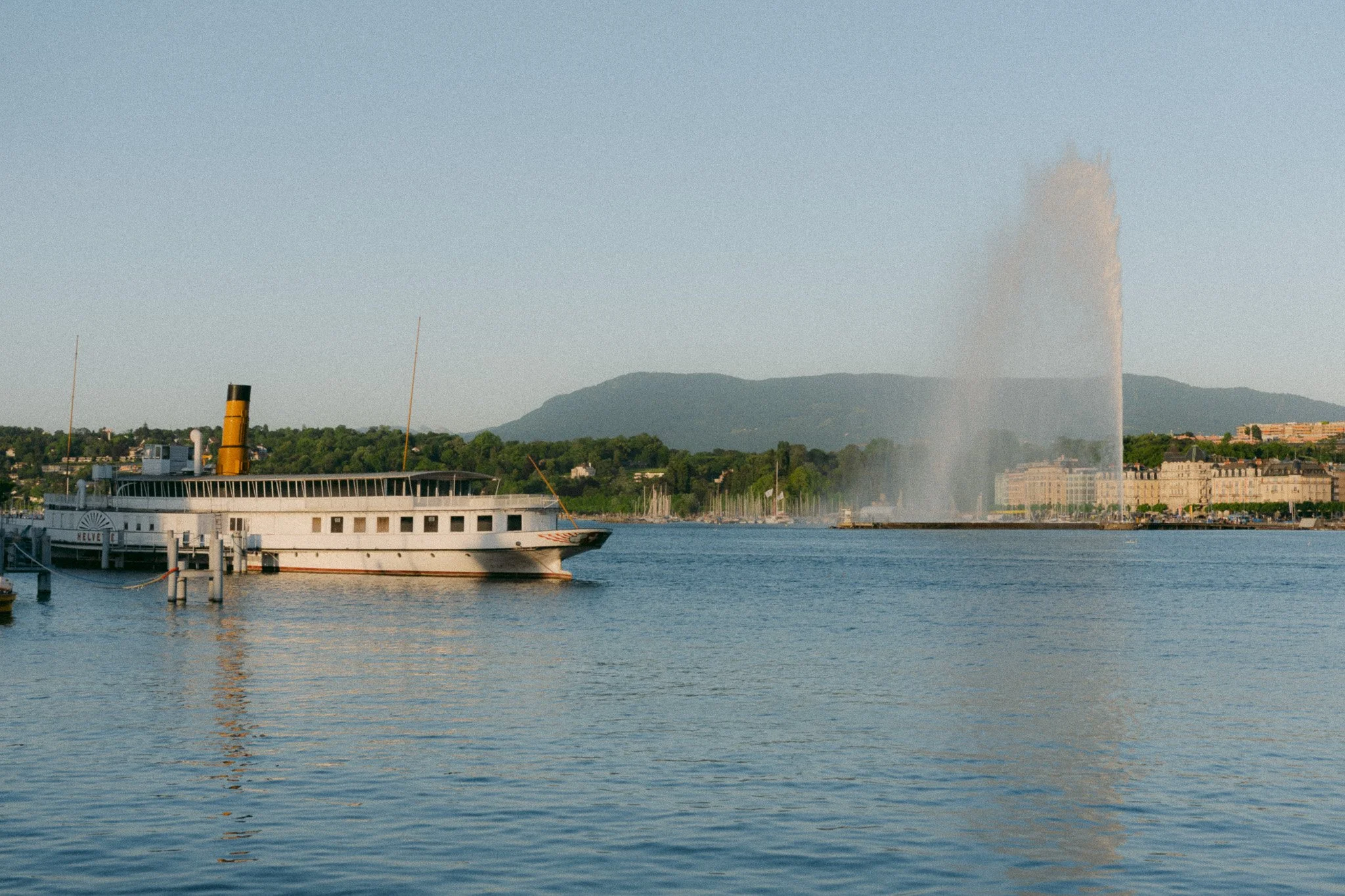
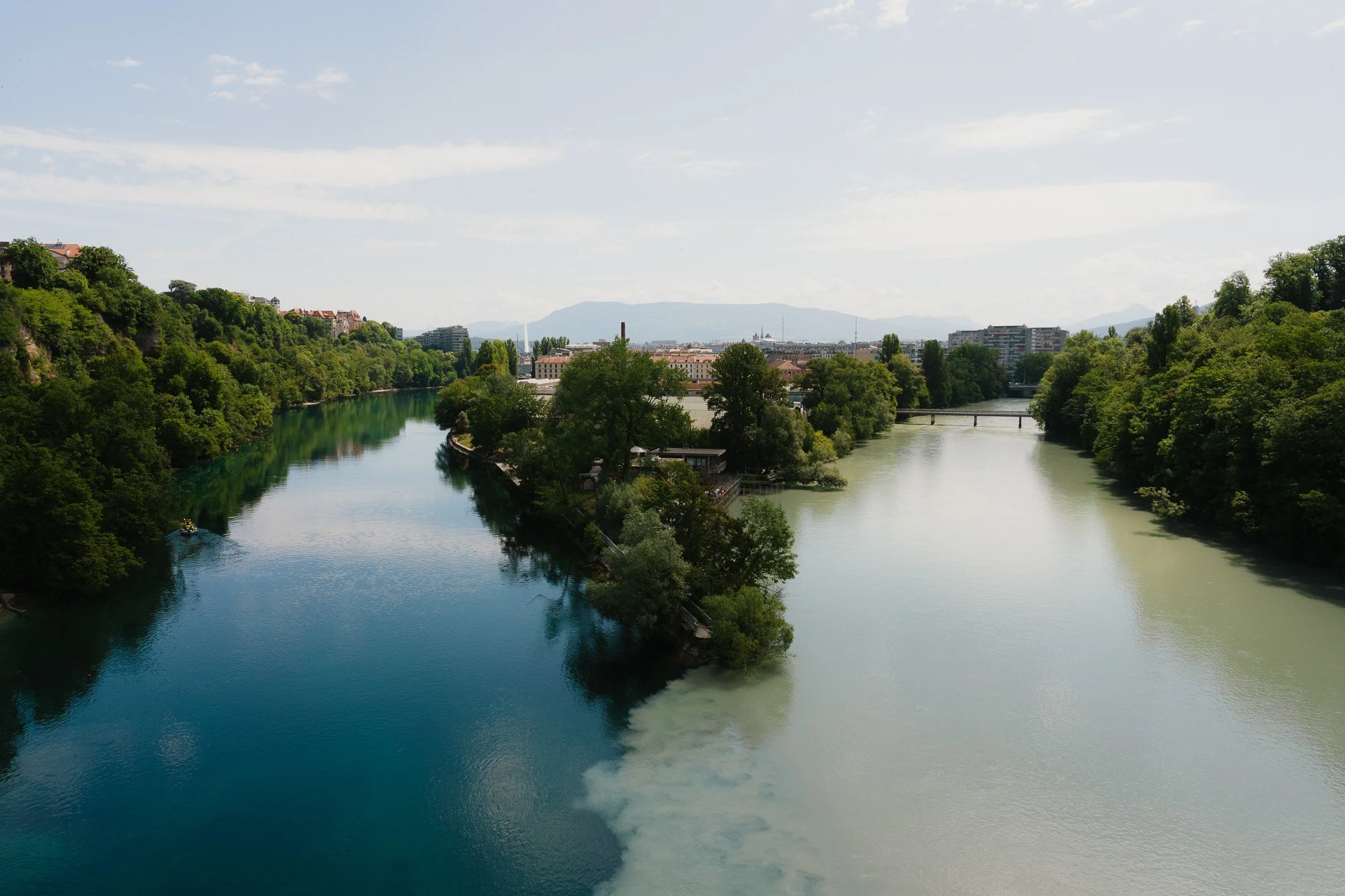
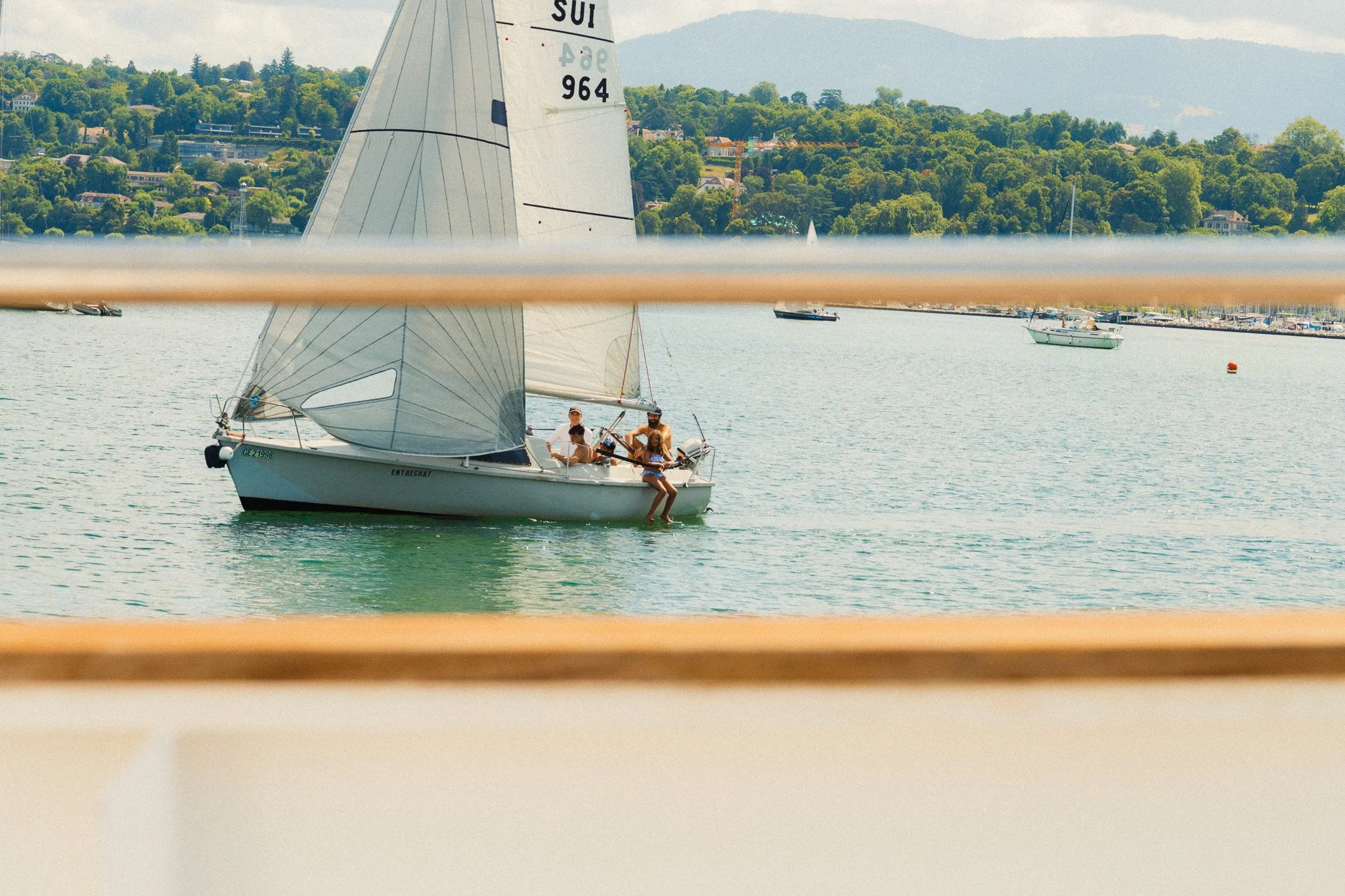
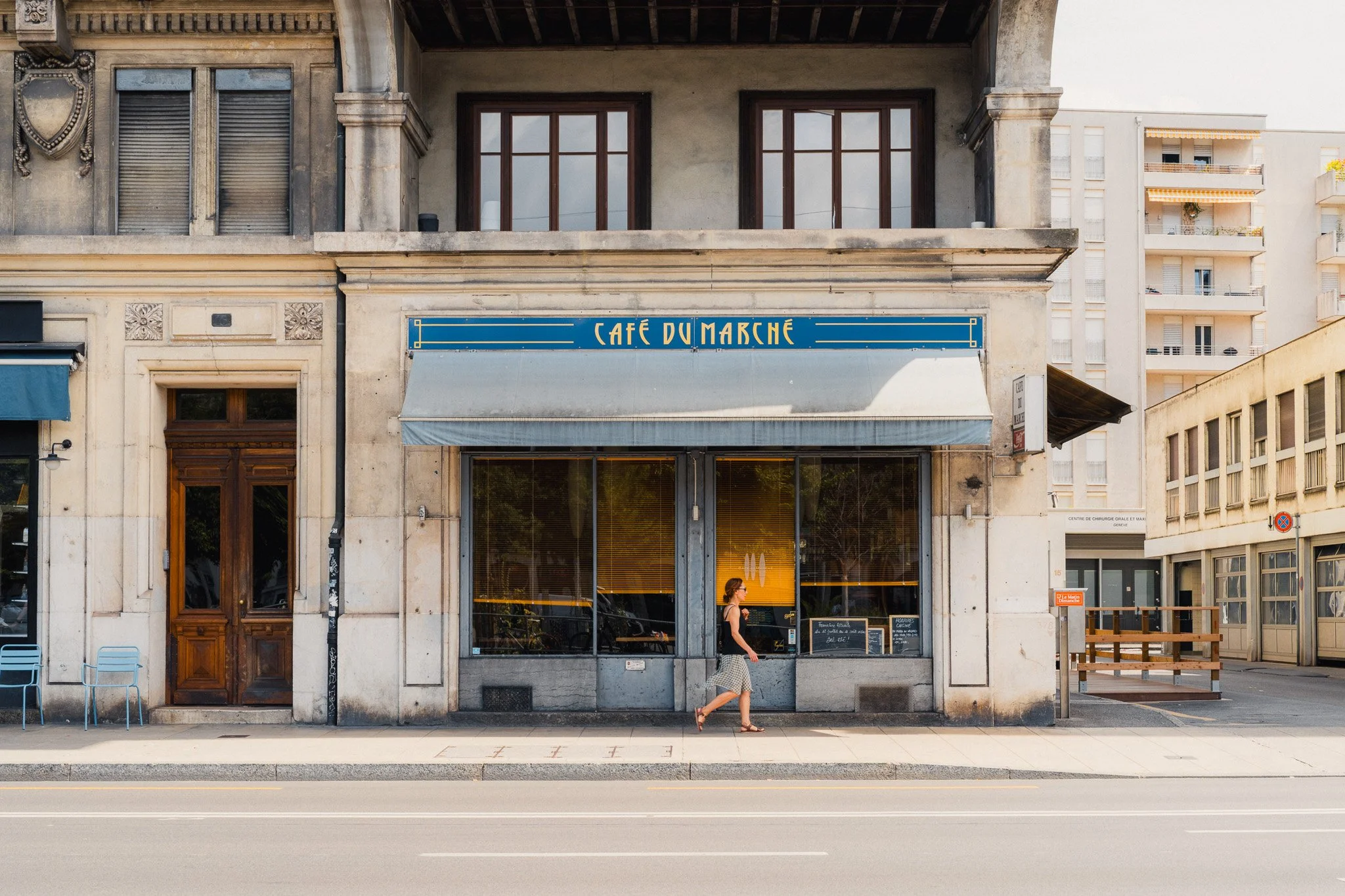
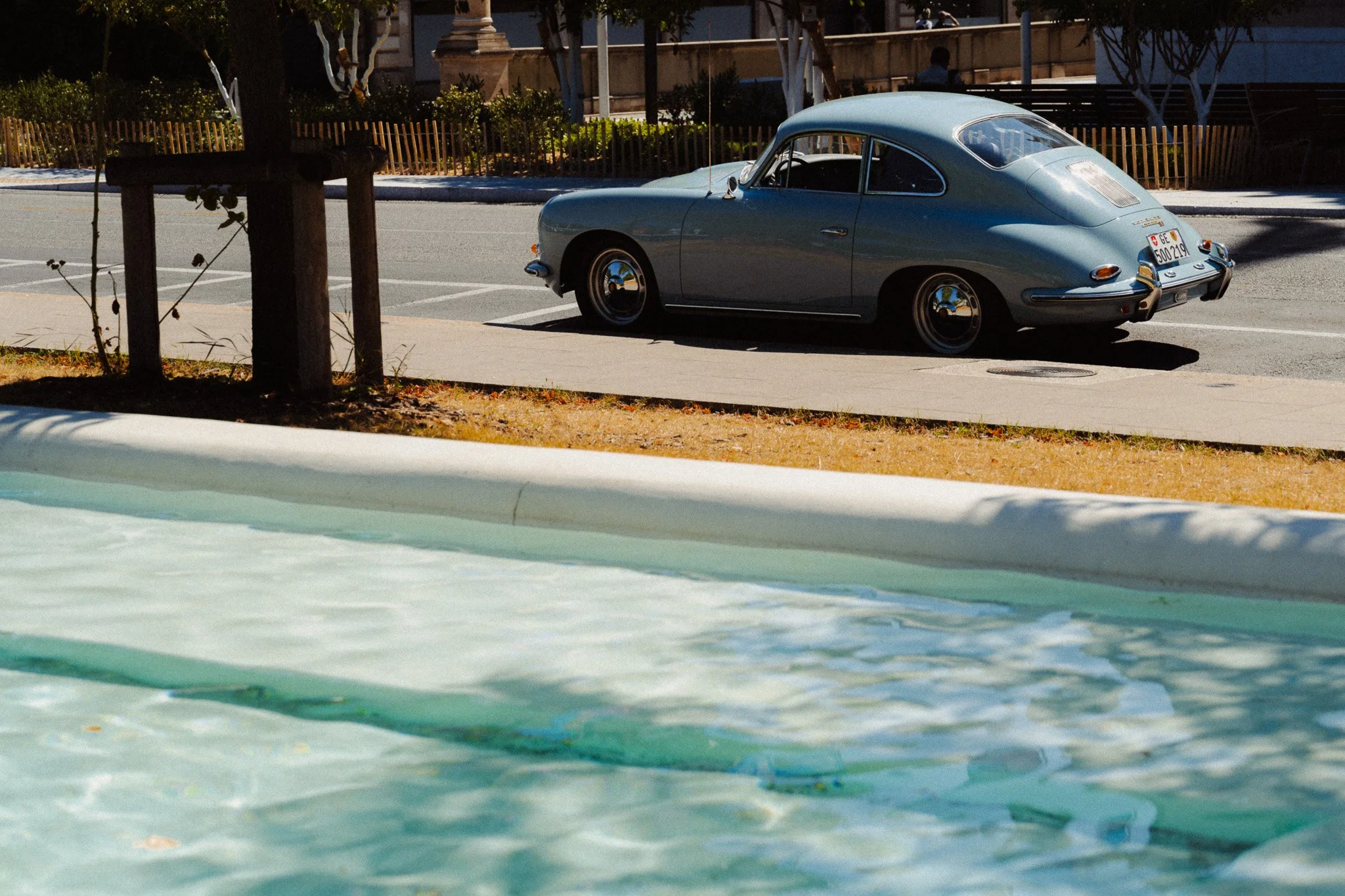
The first day we spent in Geneva as a way of settling into the trip. The day began with a walk to Pointe de la Jonction where two rivers meet. After that we spent some time exploring the nearby park before heading back into the old town. The rest of the day was spent walking around and getting lost. While the old town is nice, my favourite part was walking along the lake. Towards the end of the day we took a short 1 hour ferry cruise along the lake, which is free with the Swiss Travel Pass and a nice way to wrap up the day.
Day 2 - Annecy
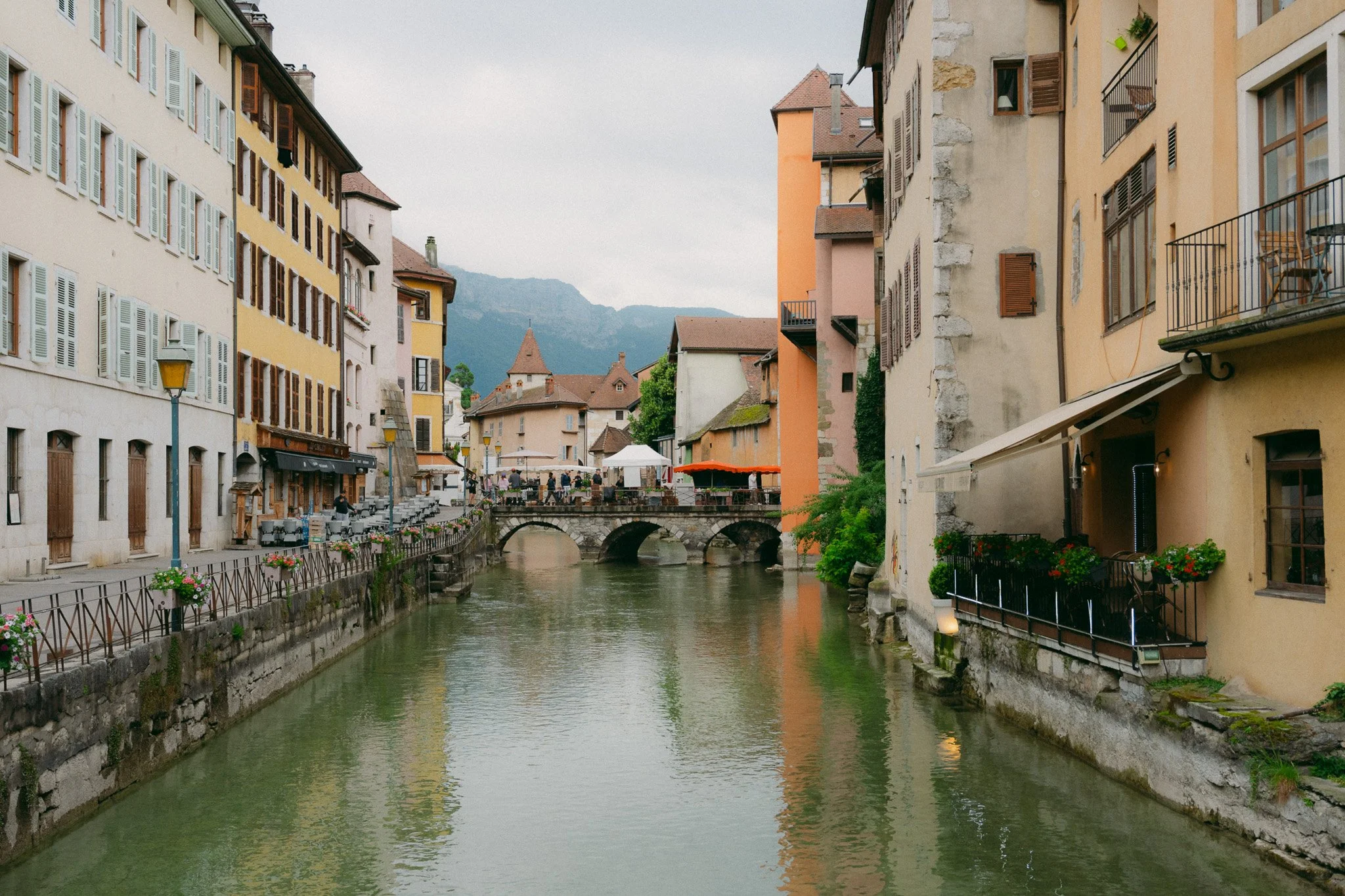
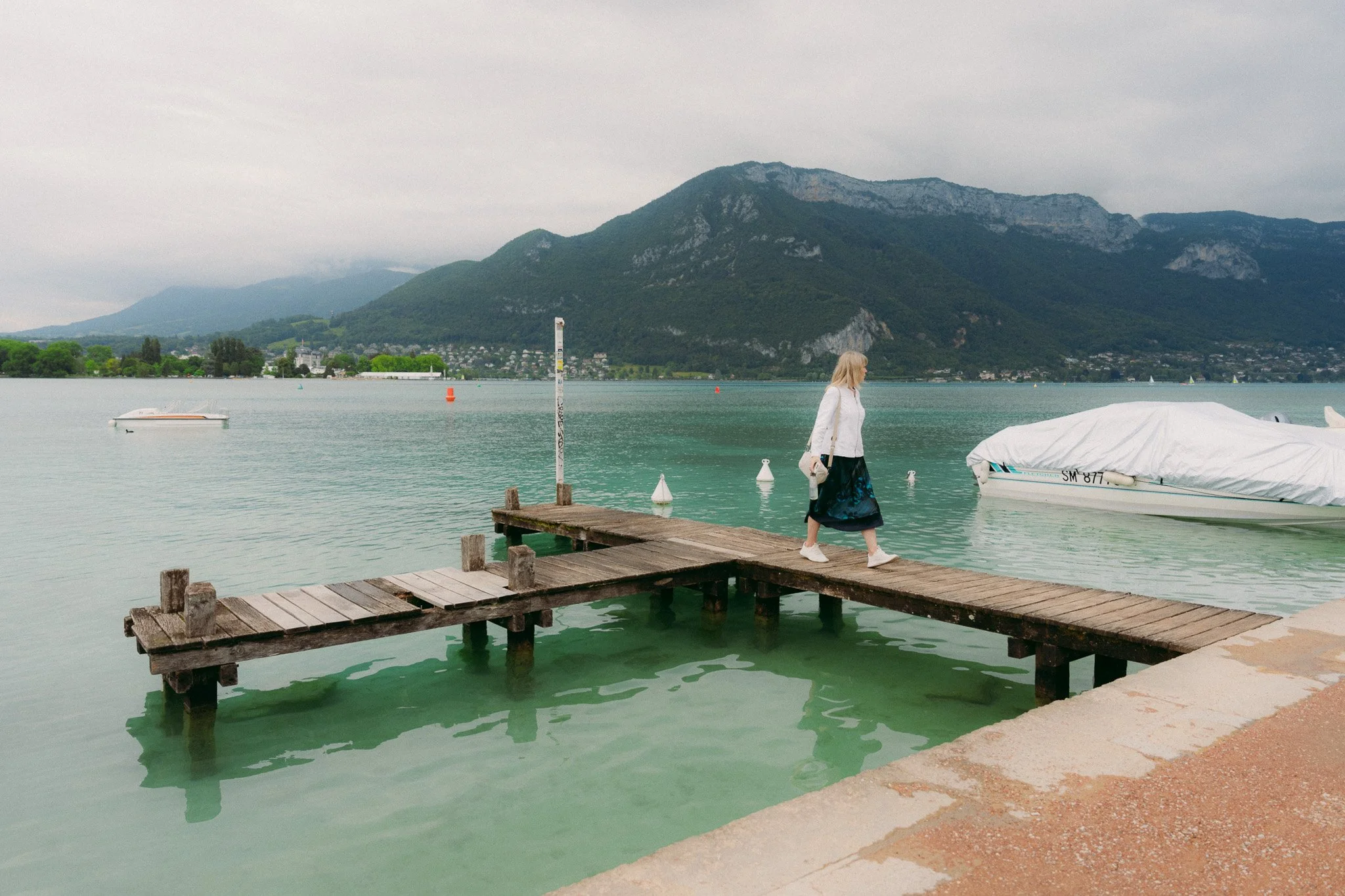
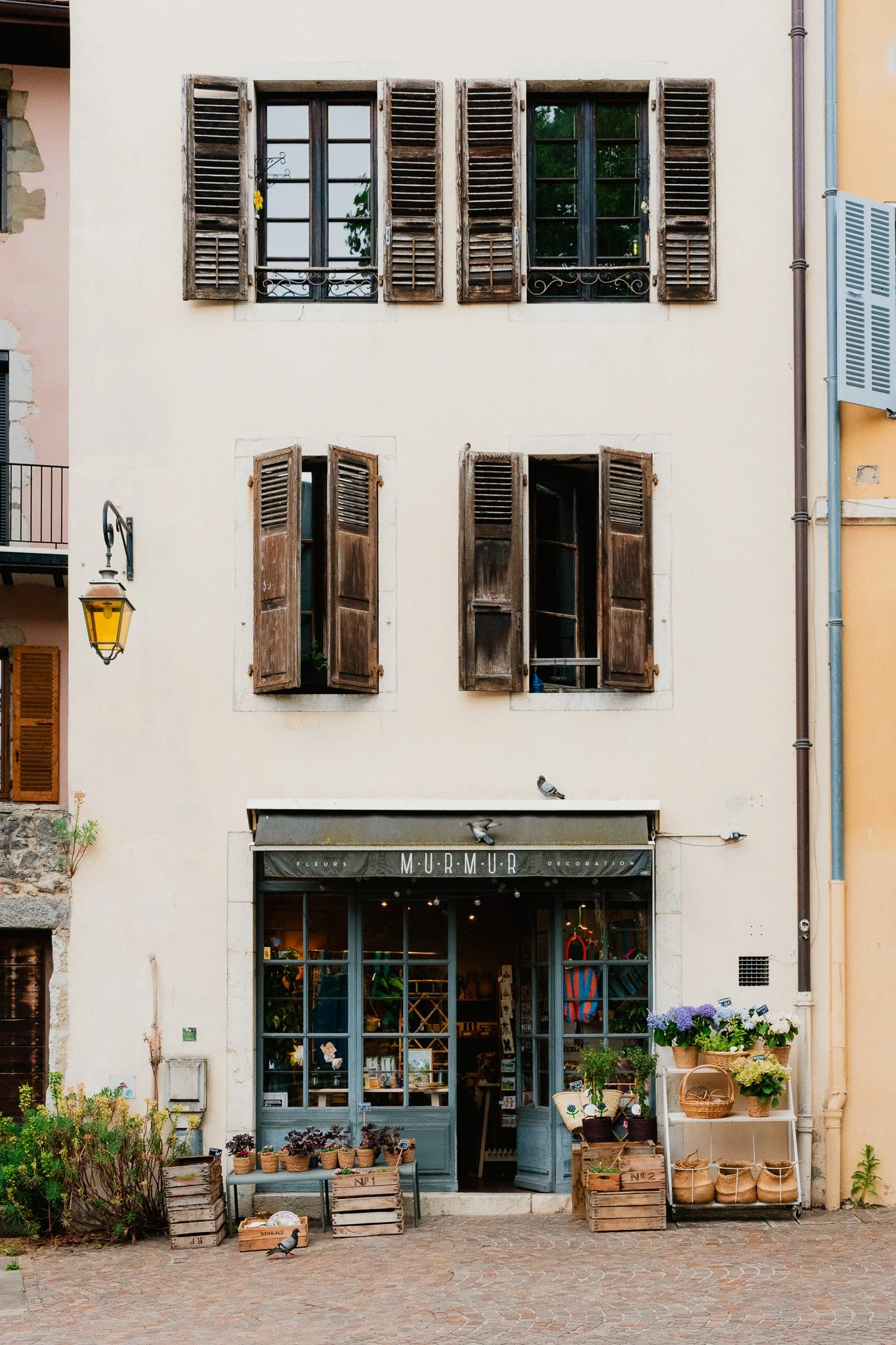
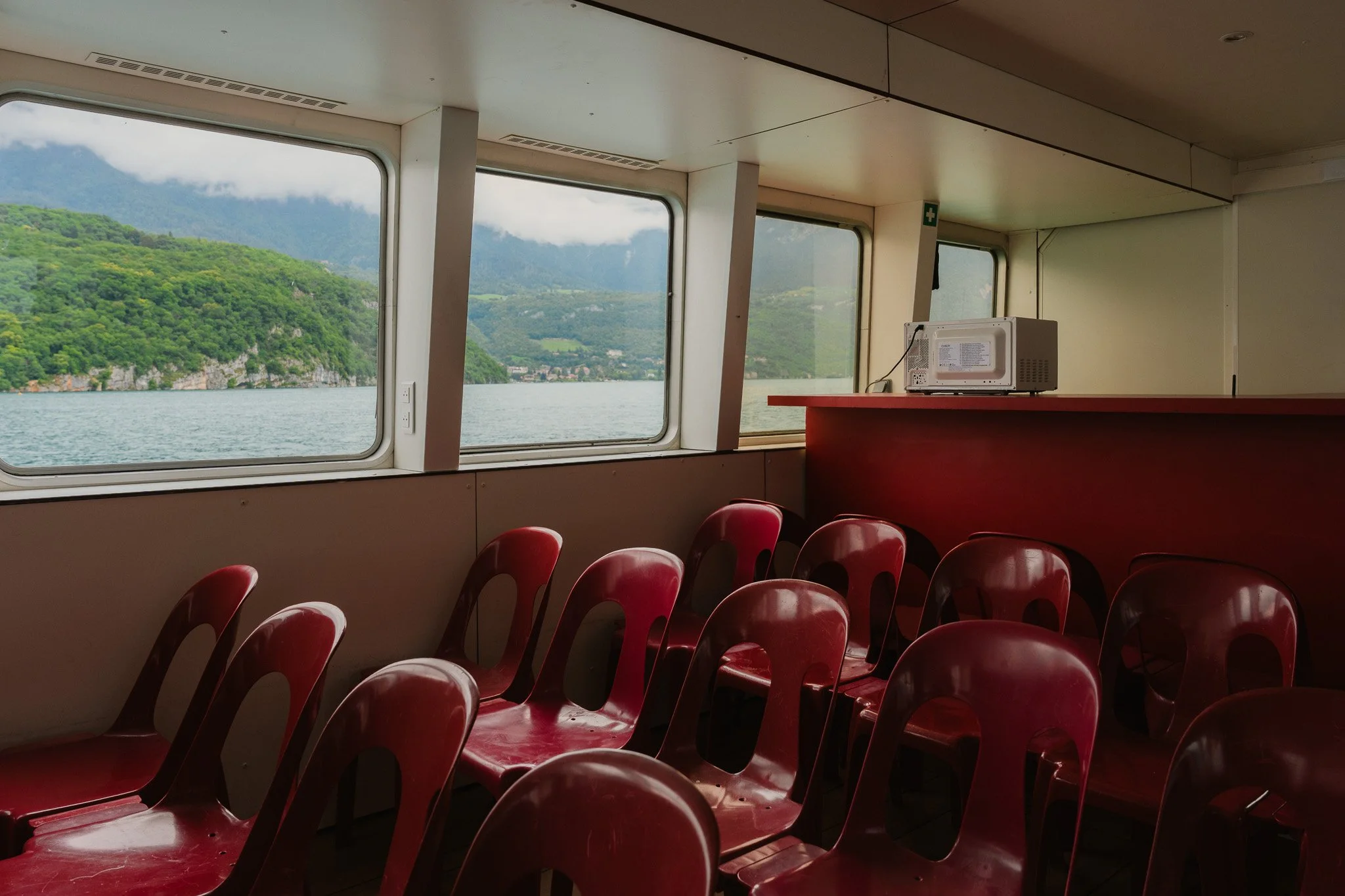
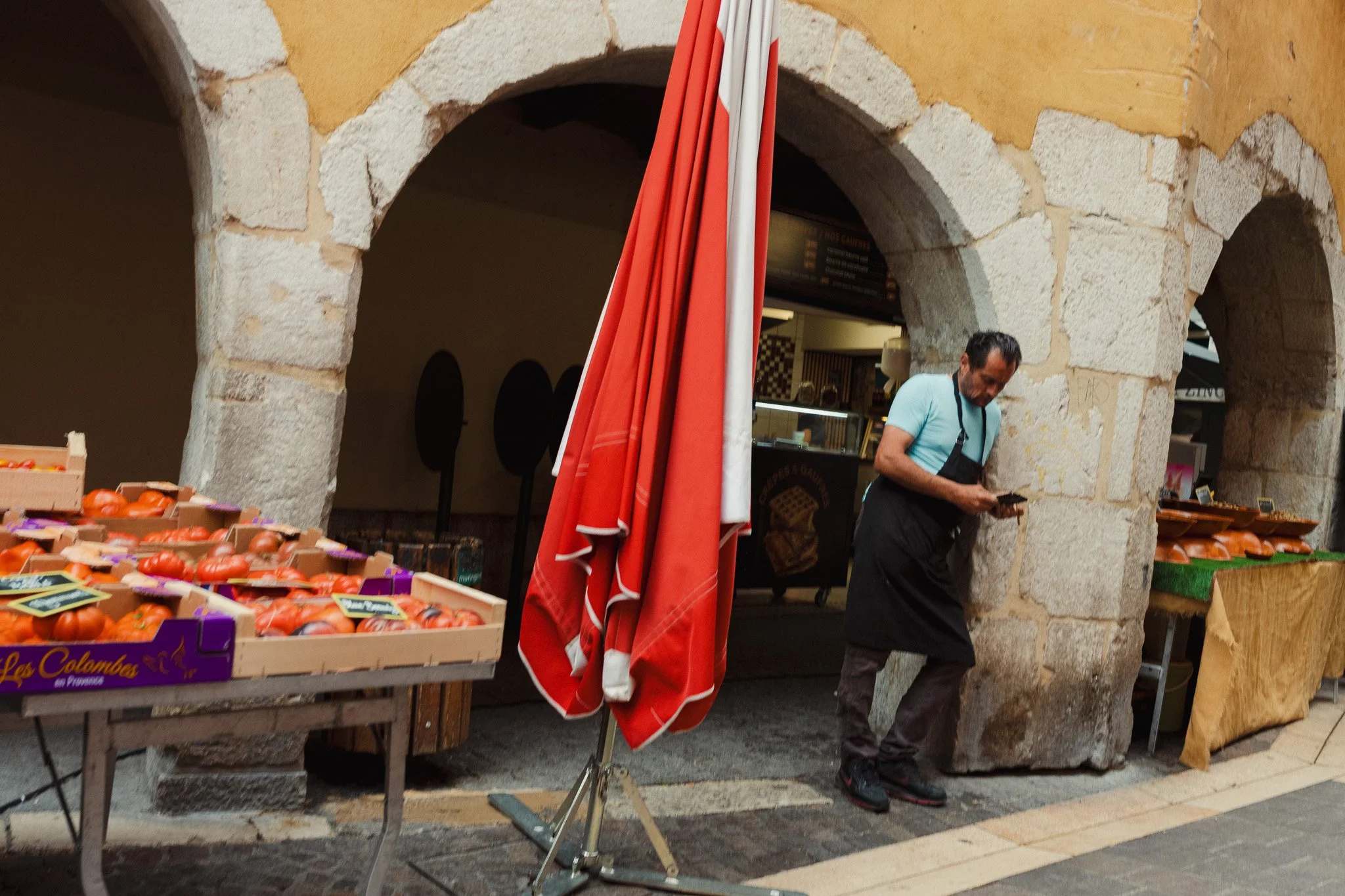
Annecy is actually in France, however given it’s only an hour or so away, it felt criminal not to pop in and have a look. While you can take a train there, we opted for a bus as it seemed a little quicker at the time. Annecy is a beautiful little town on the lake, and if you arrive early enough, you will be greeted with a wonderful market. We spent a few hours in the town before jumping on a ferry for a cruise along the lake. After that we walked around the lake a little before slowly heading to the station and back to Geneva.
I would say this isn’t a must see location, and if time is tight, I wouldn’t hesitate to cut it from the trip. While it’s beautiful and worth seeing, there isn’t anything overly unique that you wouldn’t see throughout the rest of the trip.
Day 3/4 - Lake Geneva / Lac Léman
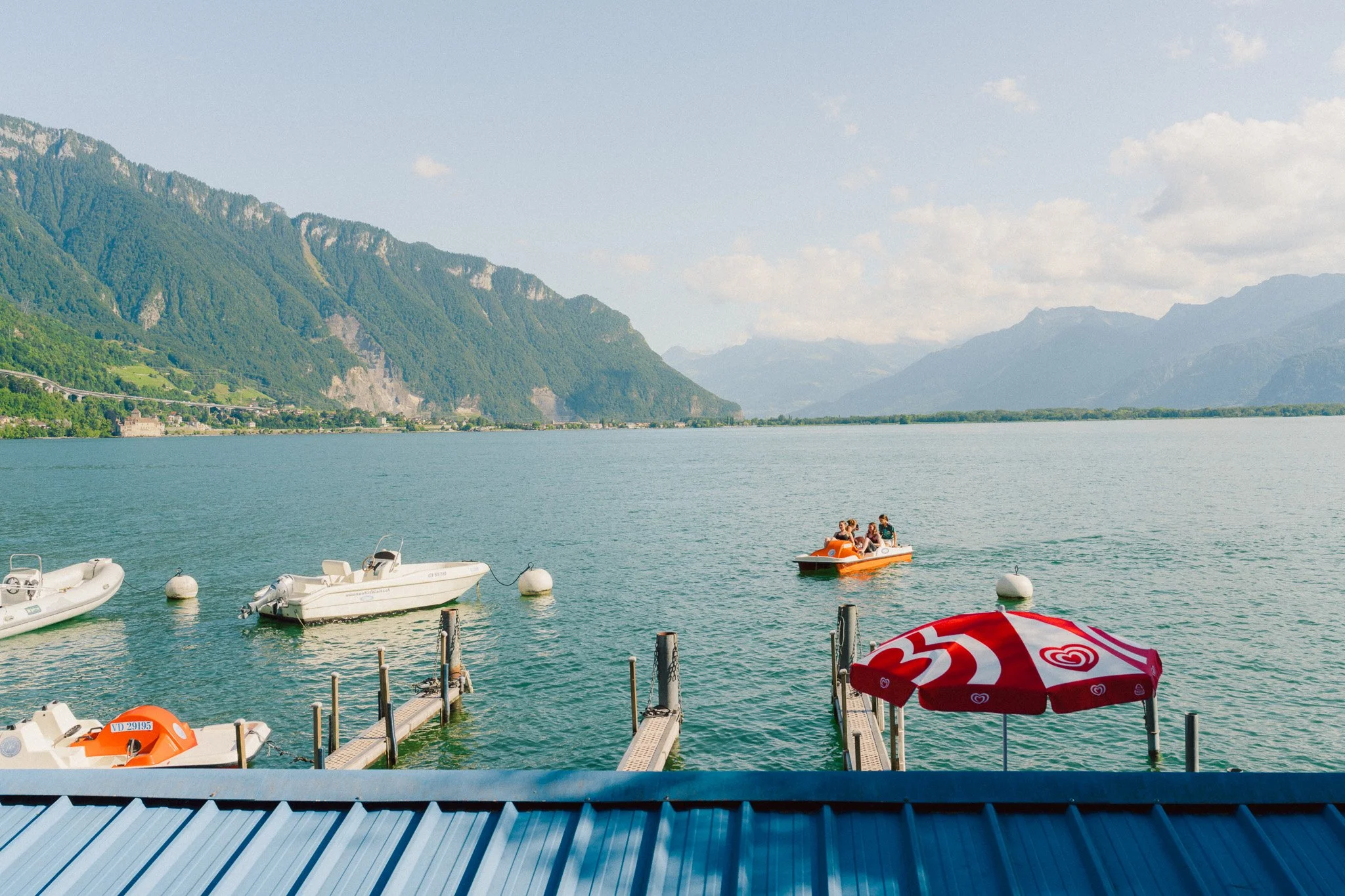
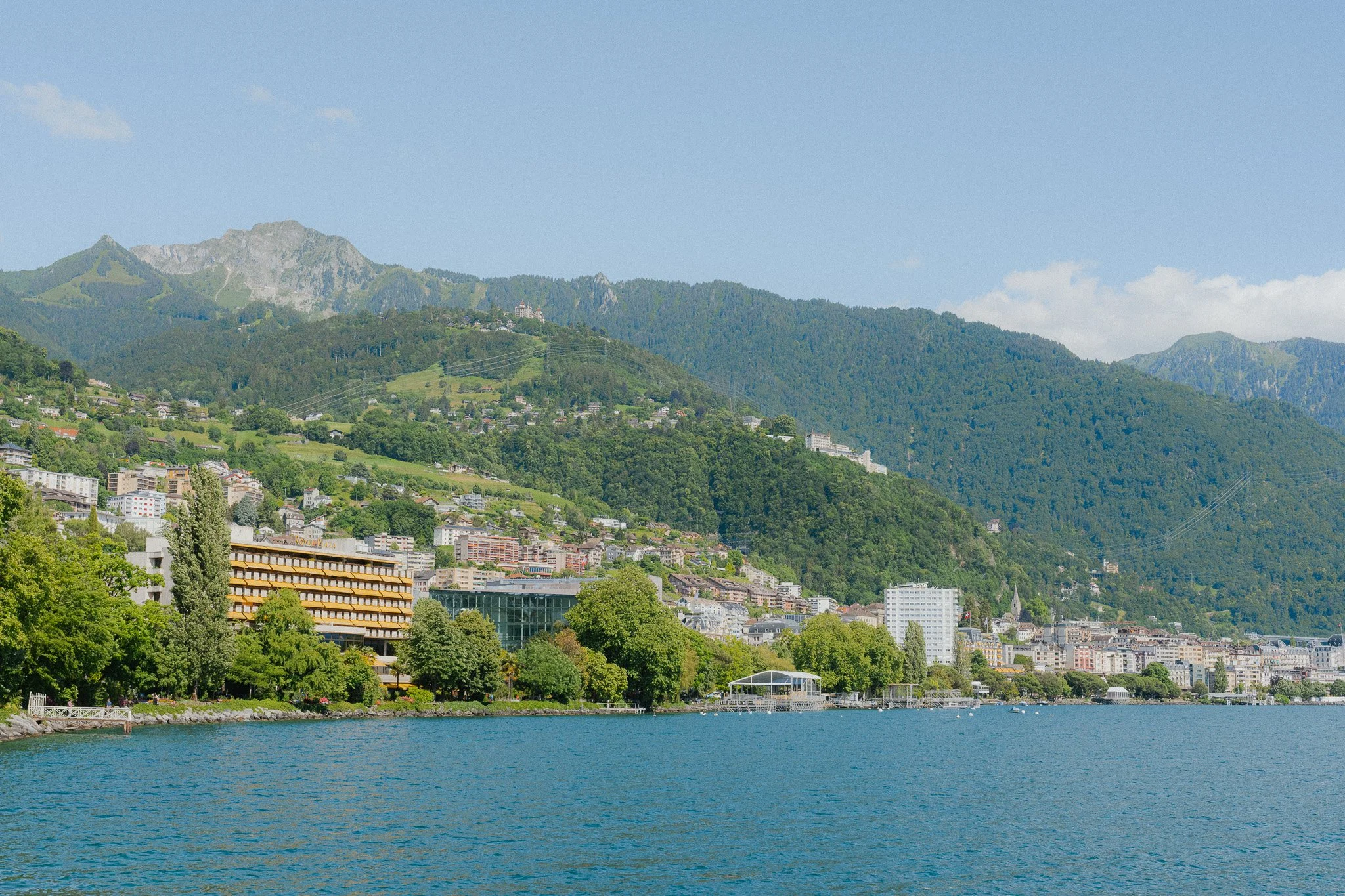
The following two days would be spent train hopping between the small towns along Lake Geneva. Lac Léman is the official name, but it’s also referred to as Lake Geneva in English. One word of warning, bring your passport. Most of the towns are in Switzerland, but some are in France, and have passport checks on the odd occasion. Also please note that there are plenty of amazing small towns on this lake, and this isn’t a list of the best ones, just the places we visited with the limited time we had. Finally all these towns can be done in one day if you start early and don’t spend too long in each place. We broke it into two days for a more relaxed itinerary.
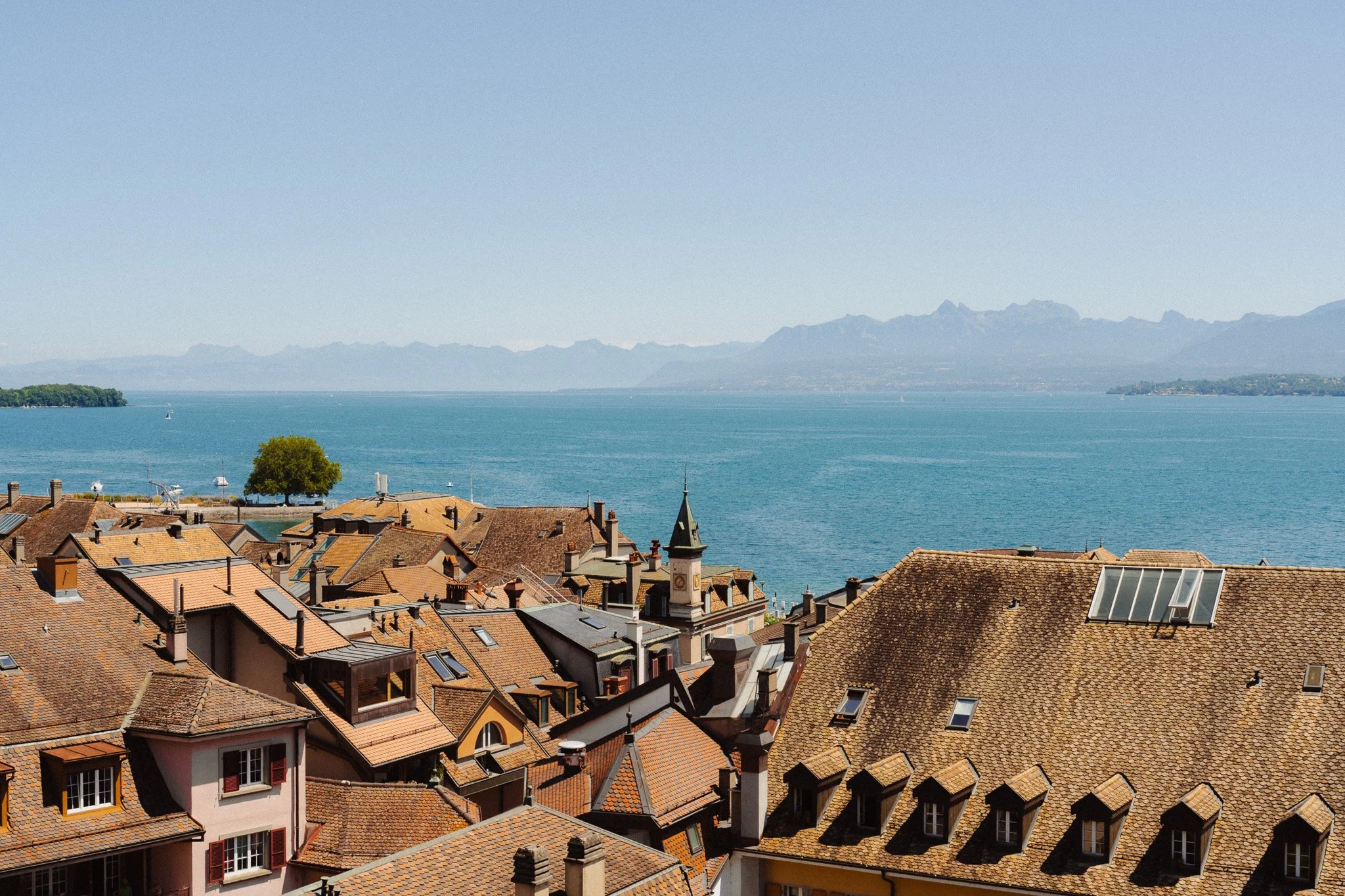
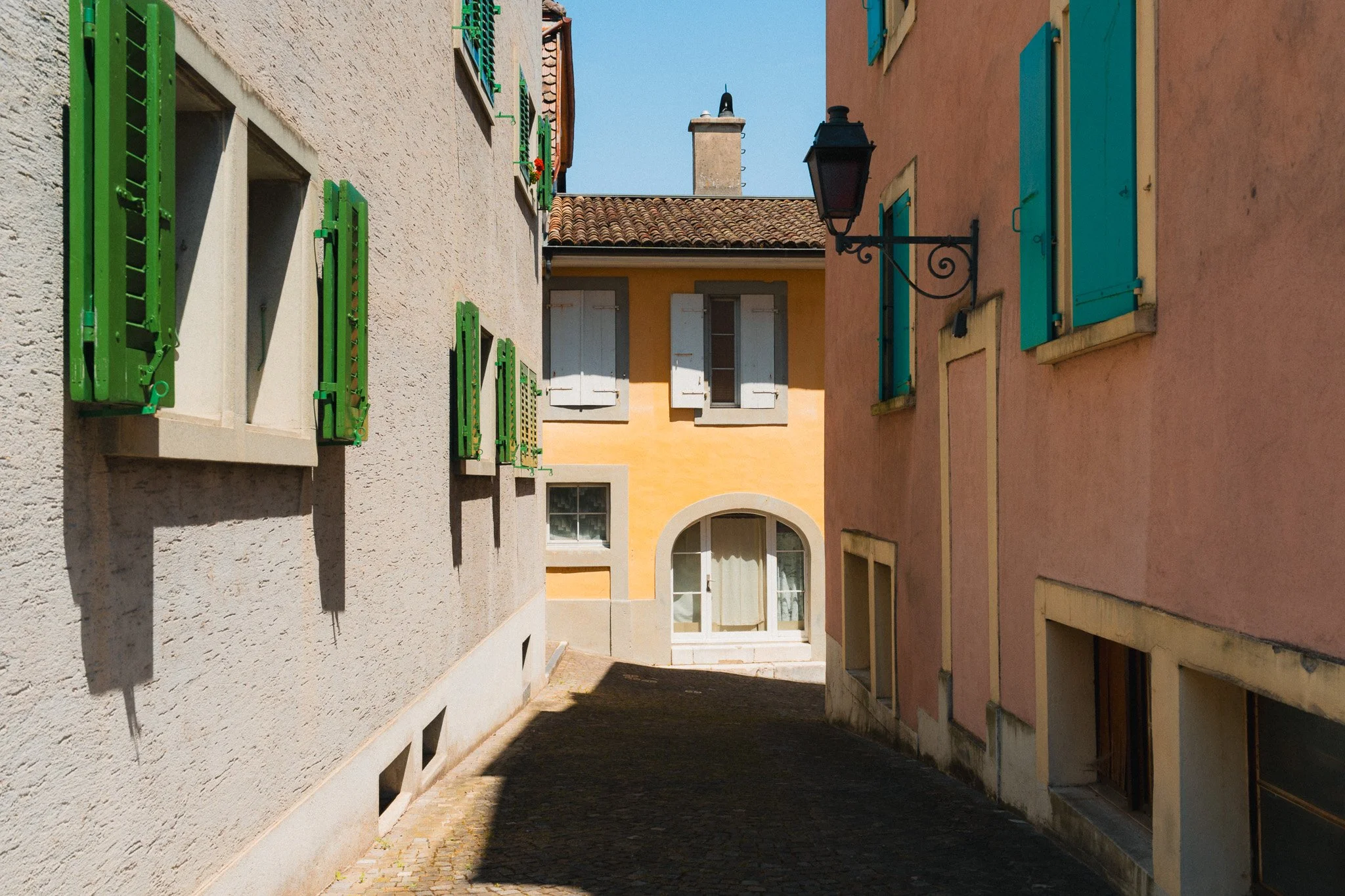
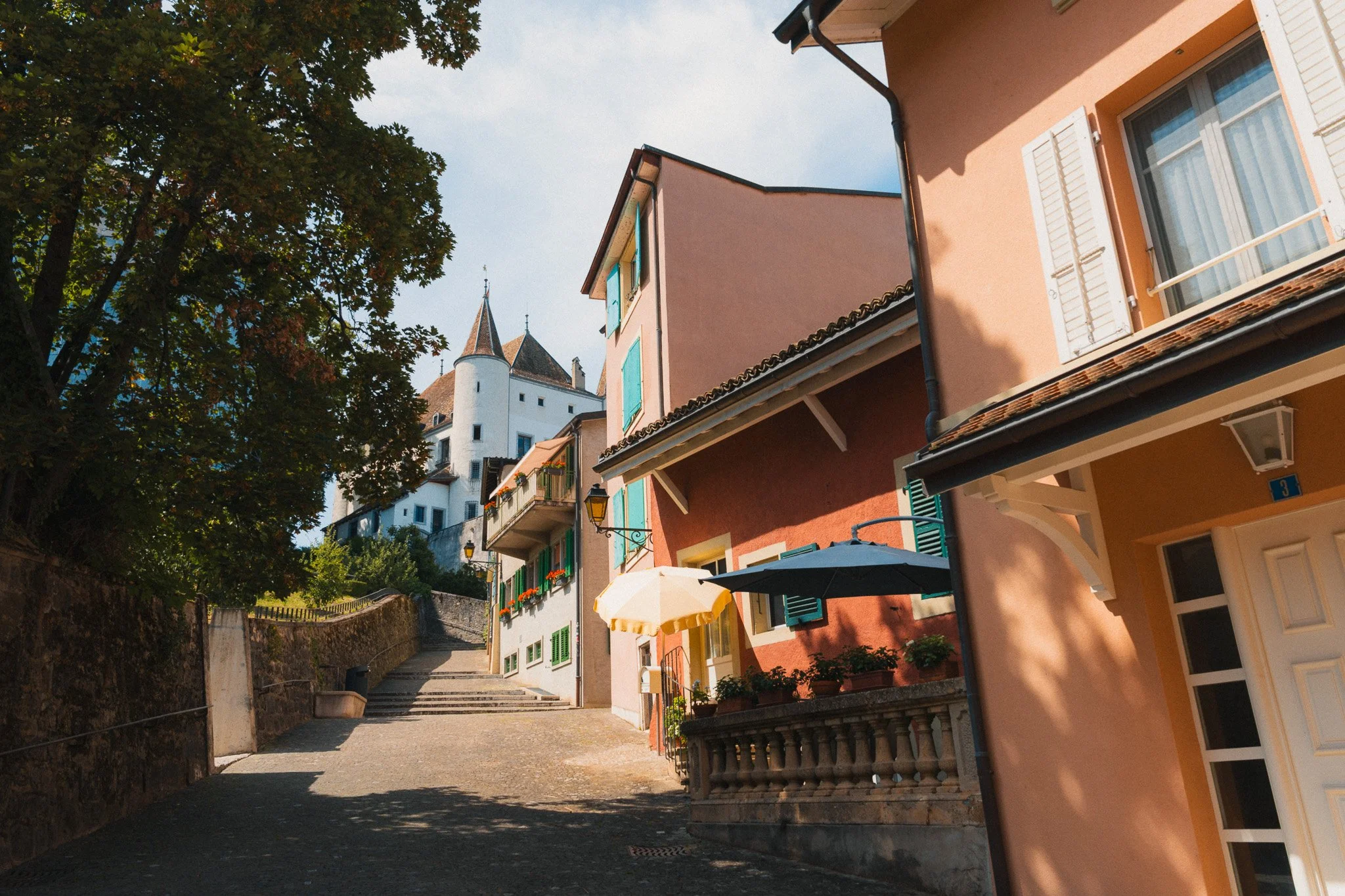
The first stop was Nyon, only a 20-30 minute train ride from Geneva. This is a lovely little town with beautiful streets, cafes, and lakefront views. While this town is pretty, the main reason for visiting is because you need to take a ferry from here across to Yvoire in France.
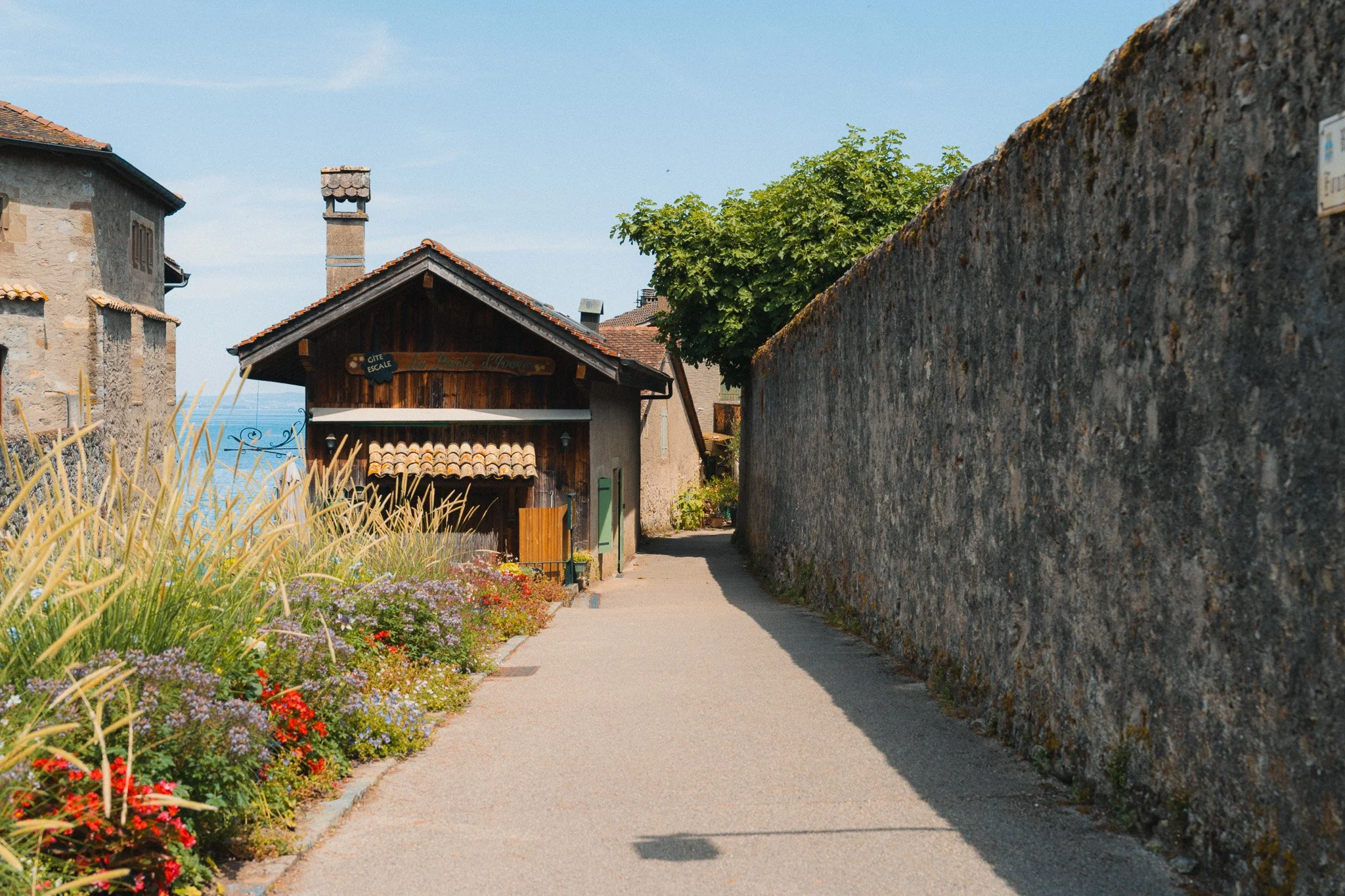
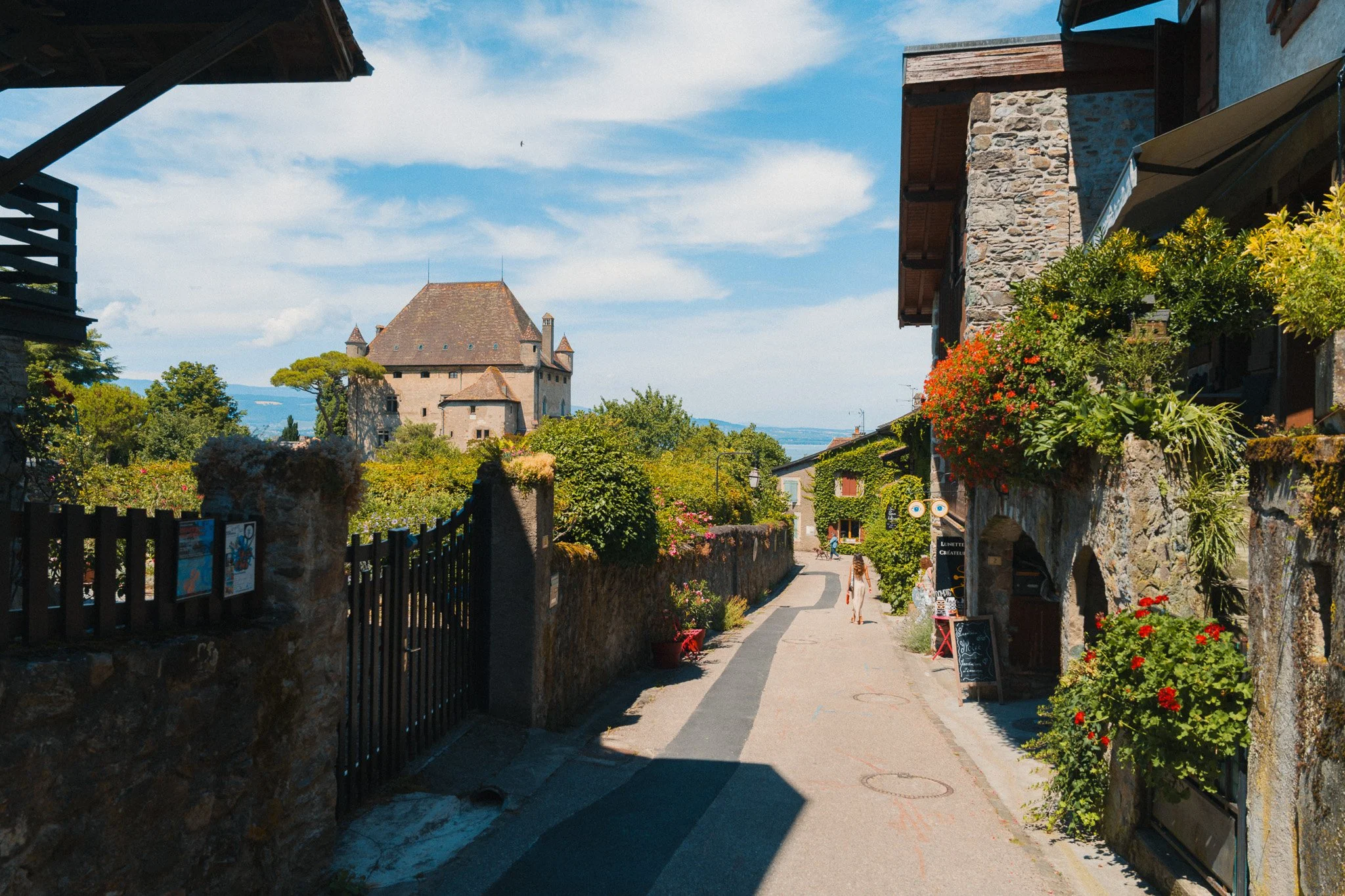
Yvoire is a little French town that’s picture perfect, and for that reason it was heaving with tourists even at 10am. The village is as preserved as it can be, and a wonderful place to spend a couple of hours. Once you’re done, you have to jump back on the ferry and return to Nyon.
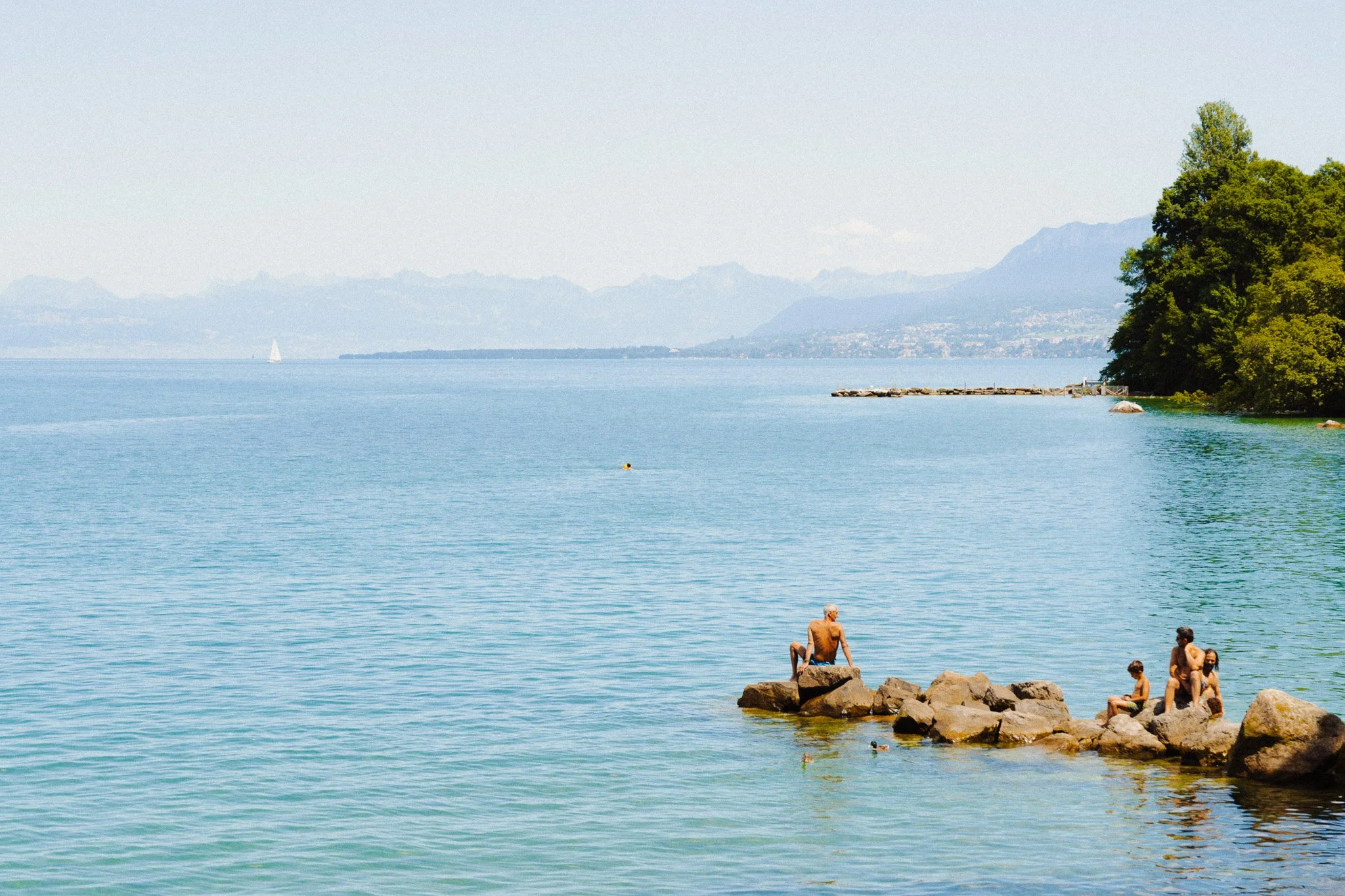
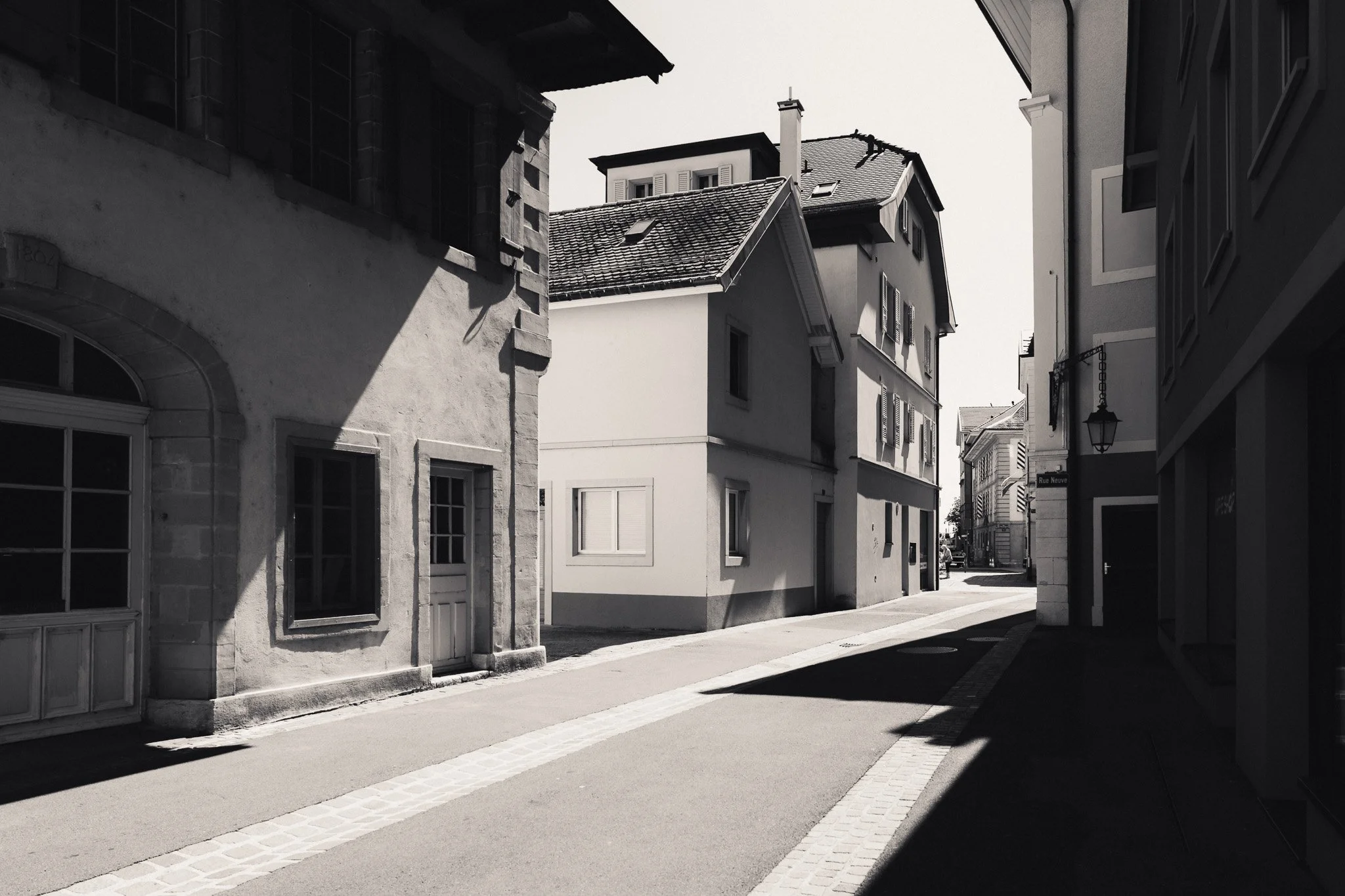
The next town we stopped in was Morges. While I am sure it has its own unique history, architecture, and character, it felt similar to Nyon, which isn’t a bad thing. Another great spot to explore for an hour or two before moving on.
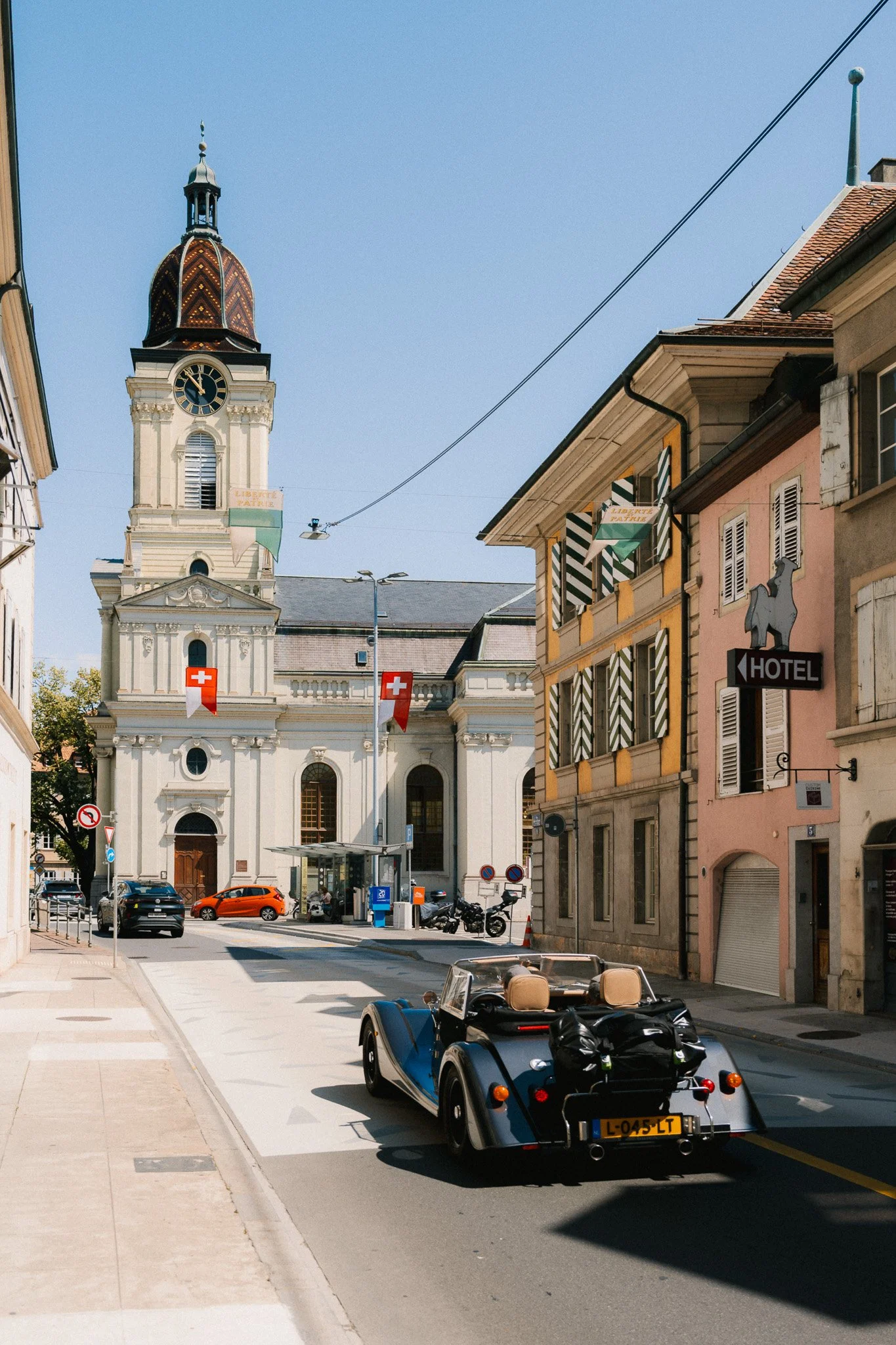
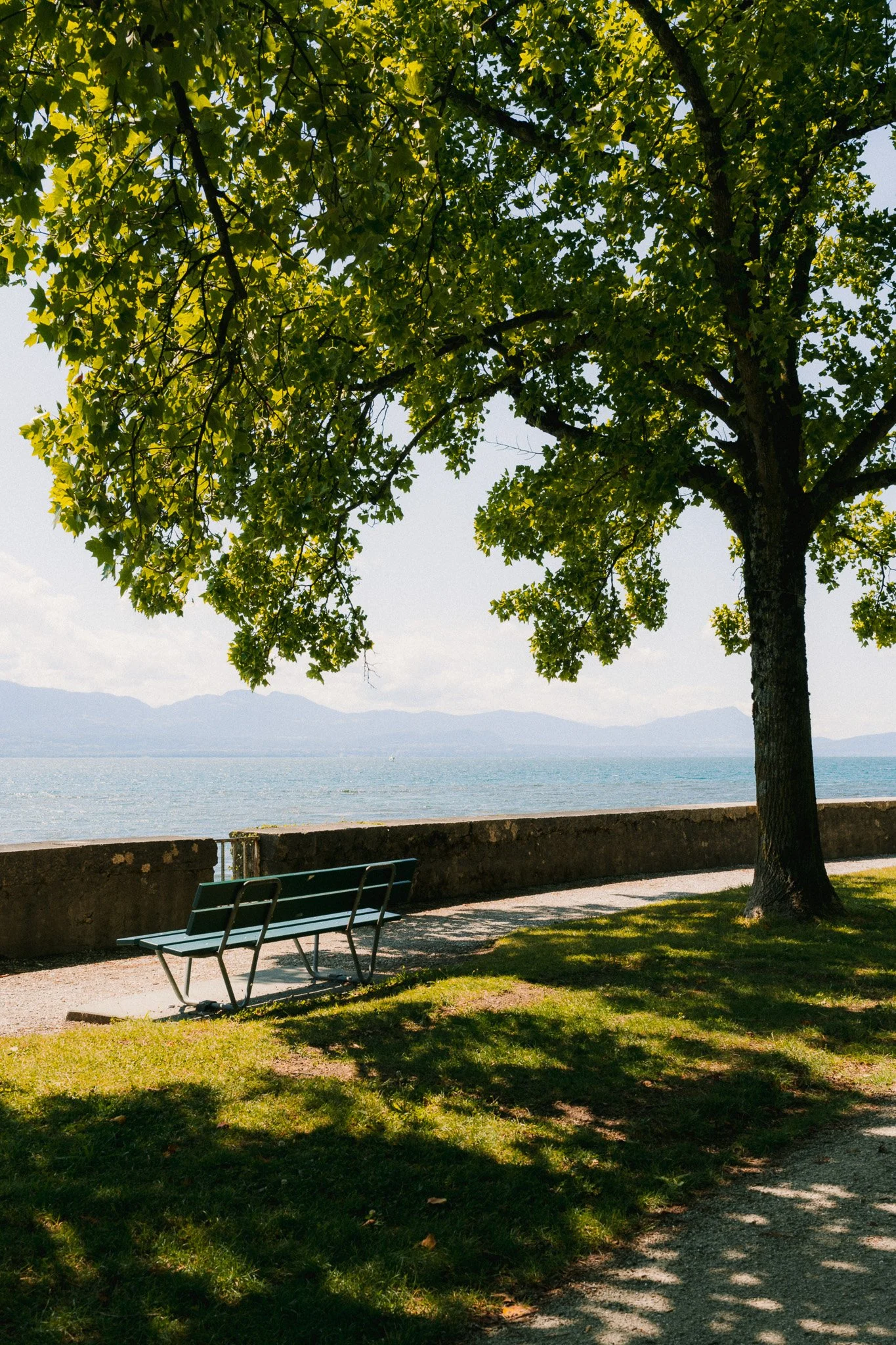
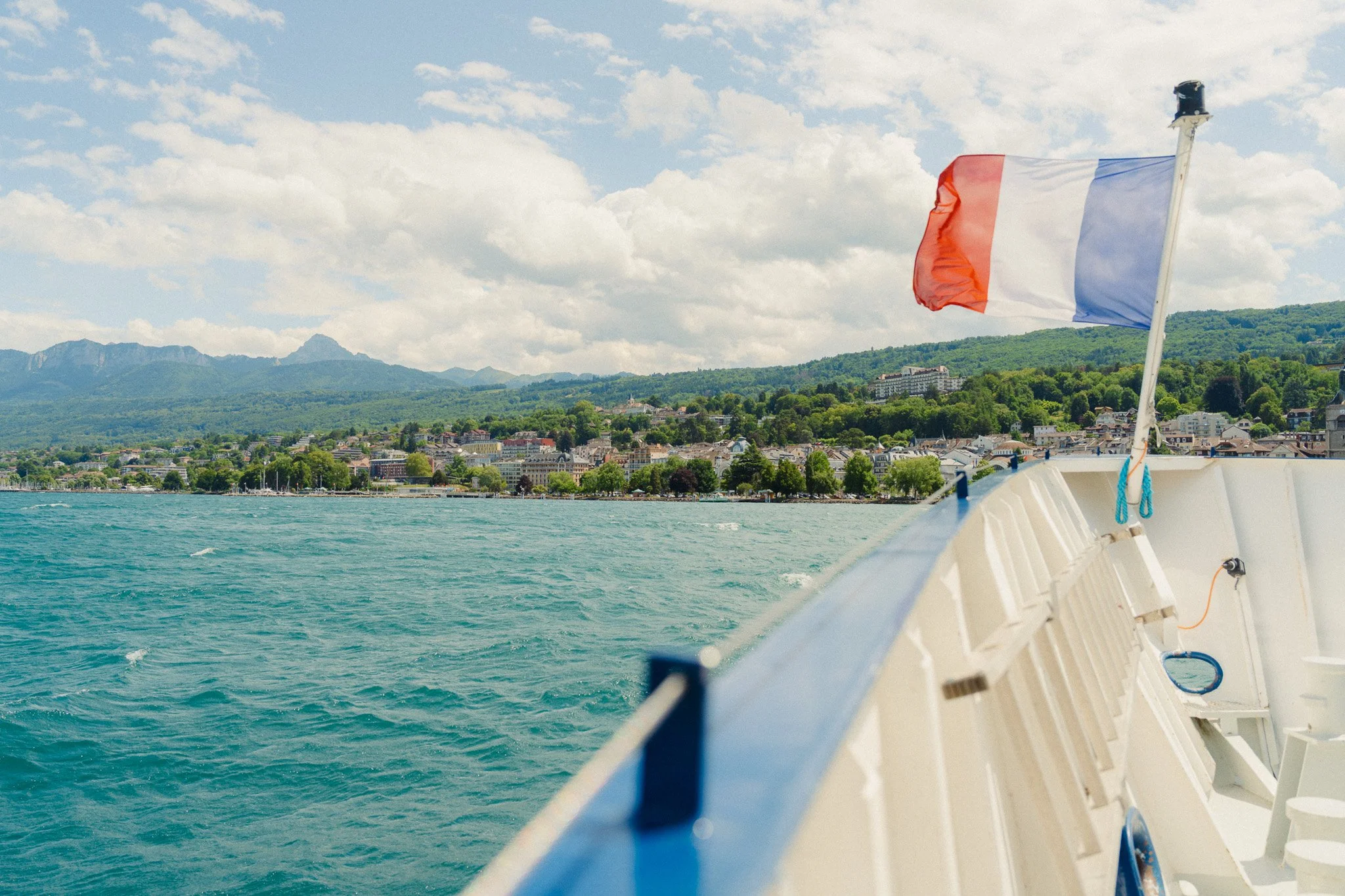
From Morges we took a train to Lausanne which would be the start of a walk to Lutry. However before setting off on the walk, if you have a deep burning desire to see where Evian water comes from, this is your lucky day. A brief ferry crossing from Lausanne is Évian-les-Bains, where Evian water is from. It’s a nice town and an easy 1-2 hours to explore.
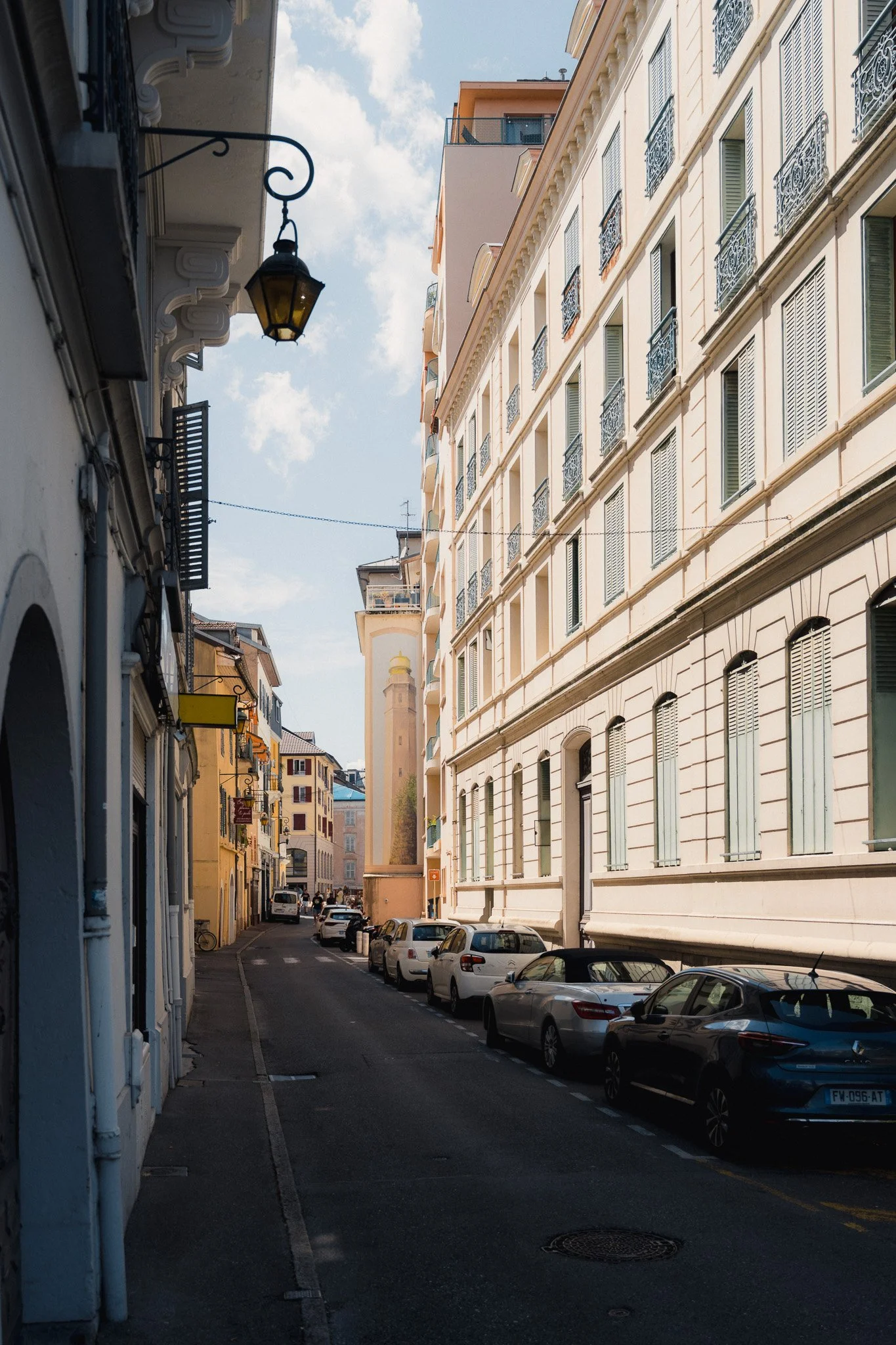
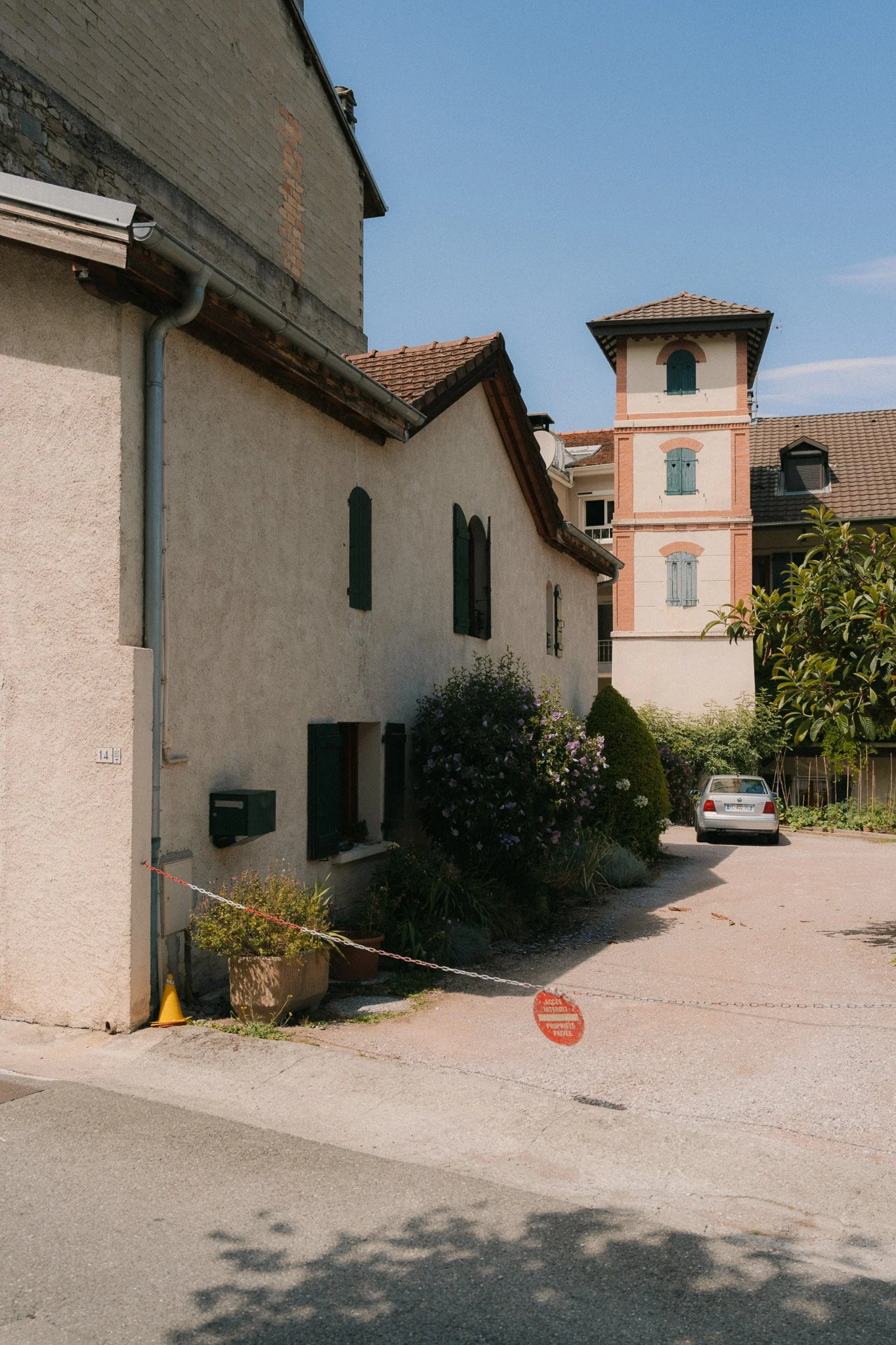
Lausanne is nice, but instead of spending a few hours in another town, I suggest spending some time walking along the lake to a little place called Lutry. This walk would take you right to the edge of the lake where you can swim if it’s warm enough, and it was genuinely a pleasant stroll. If you keep up the pace it can be done much quicker, but I’d rather take my time. As for Lutry, it’s yet another beautiful and picturesque Swiss town. Great to spend an hour exploring, having a drink, and chilling out before moving on.
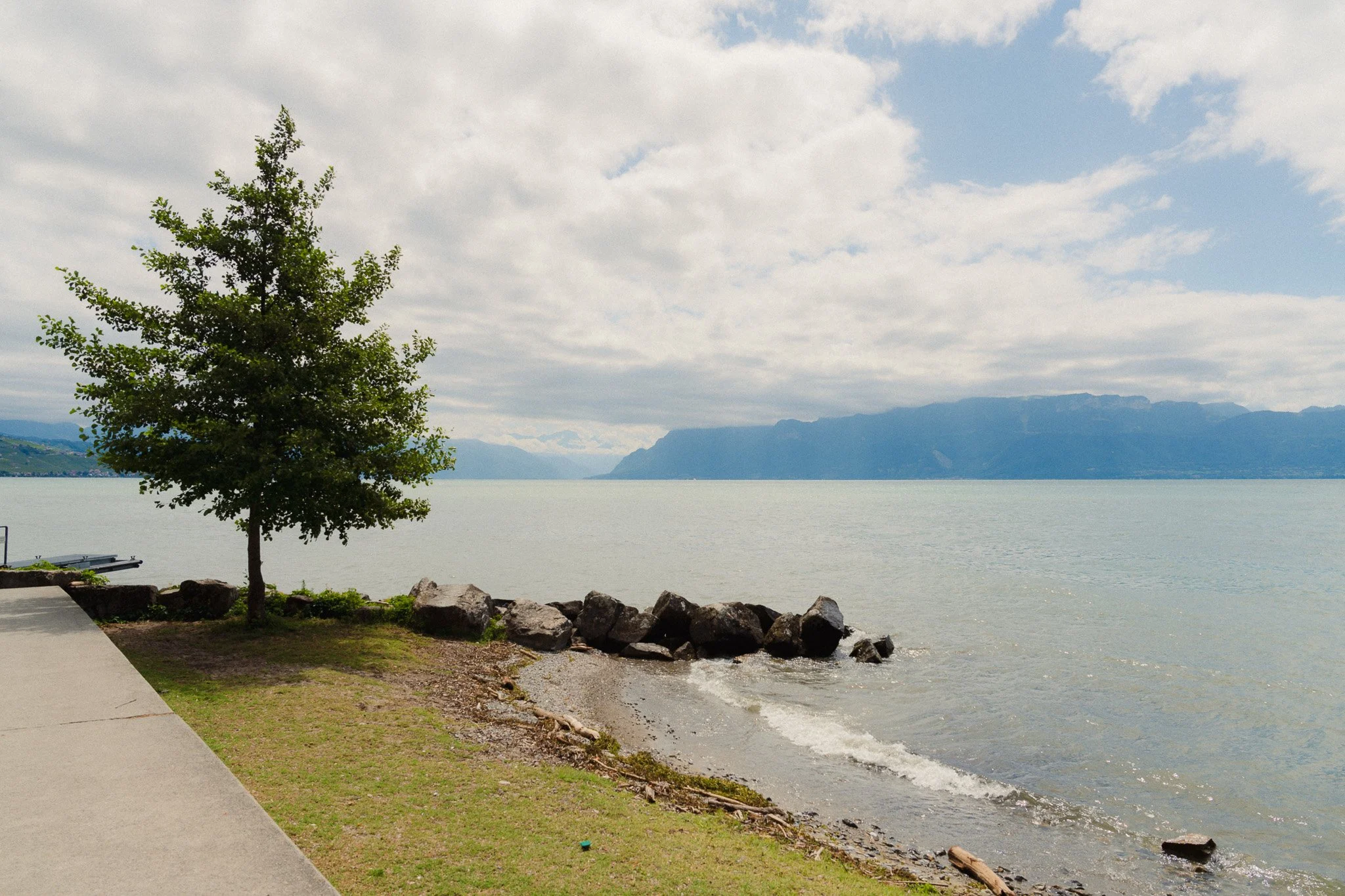
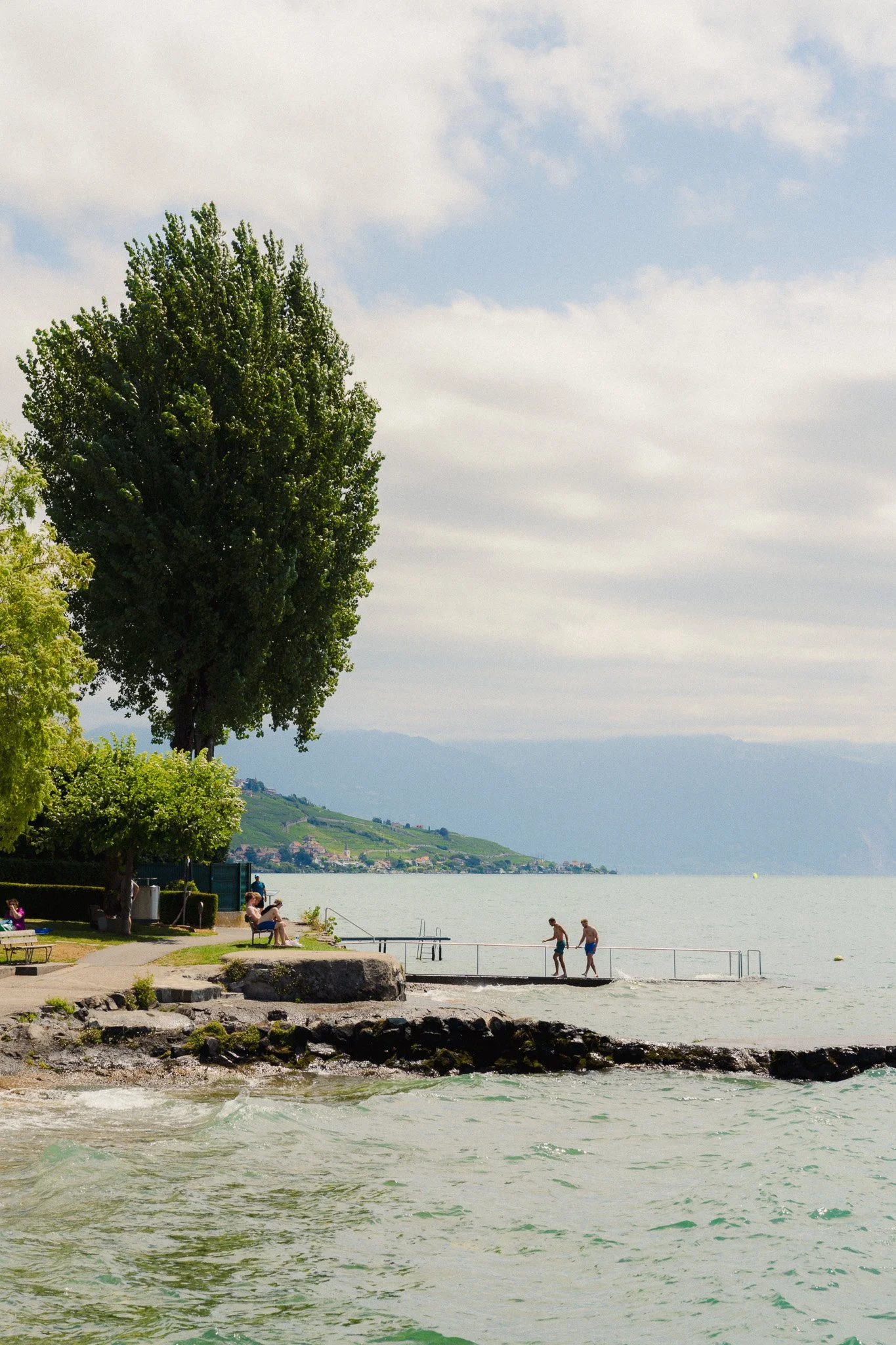
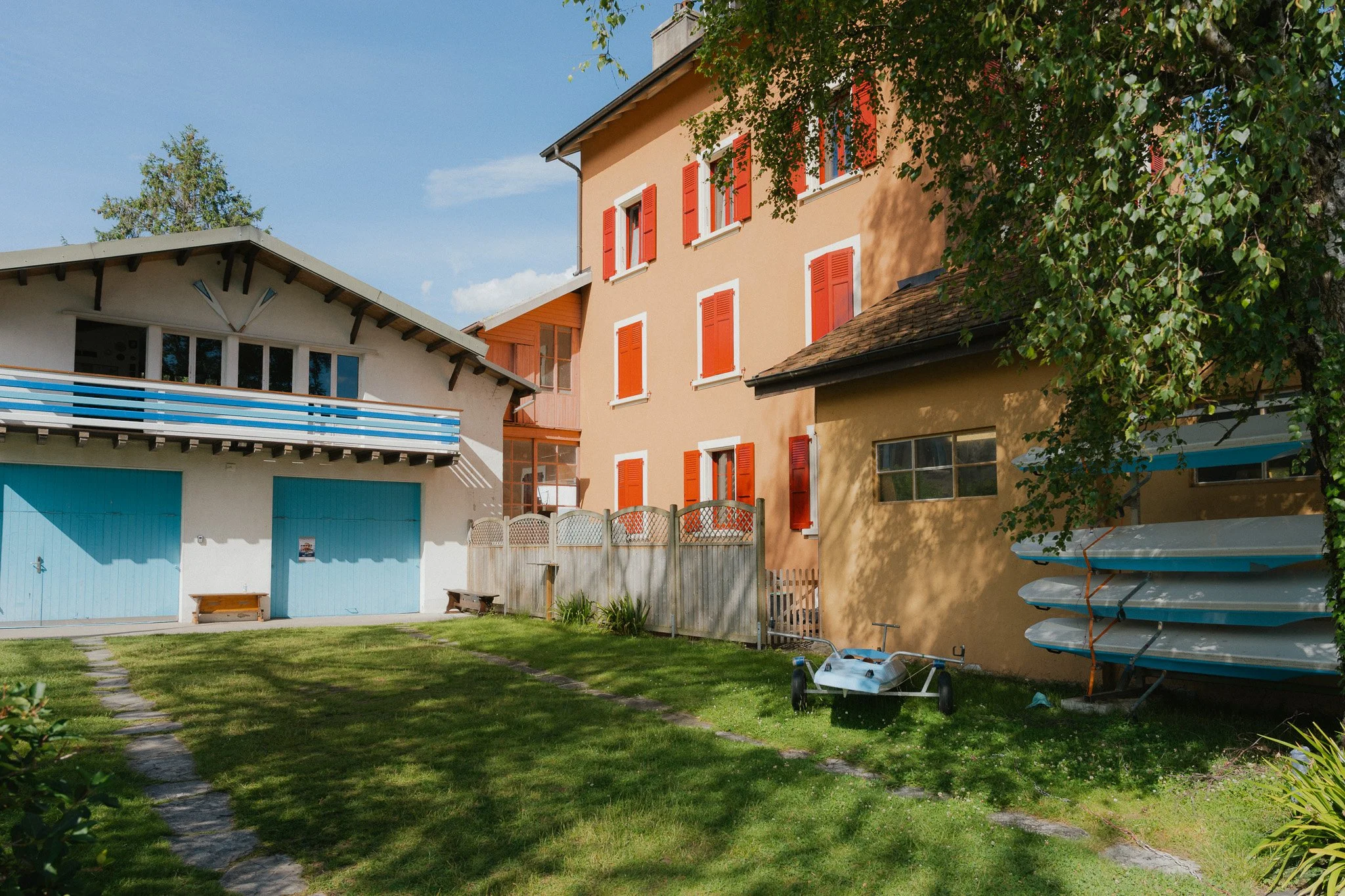
The last walk is a bit longer and will take you from Vevey to Montreux. I would advise 3-4 hours depending on your pace and how often you stop. I stopped every 10 minutes to take photos or just appreciate where I am. This walk was fantastic, and I would highly recommend it.
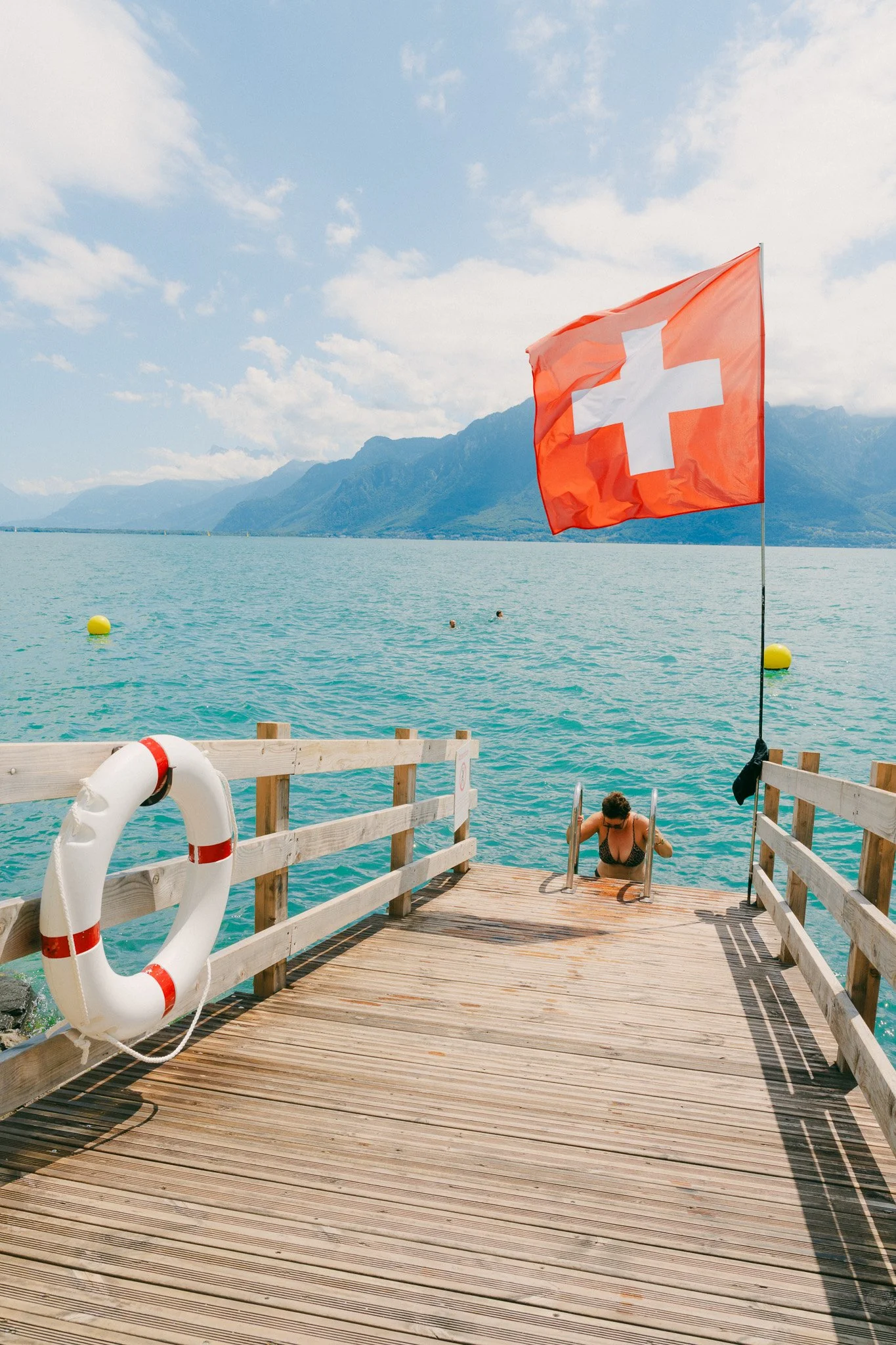
Day 5 - Scenic train journey to Bern
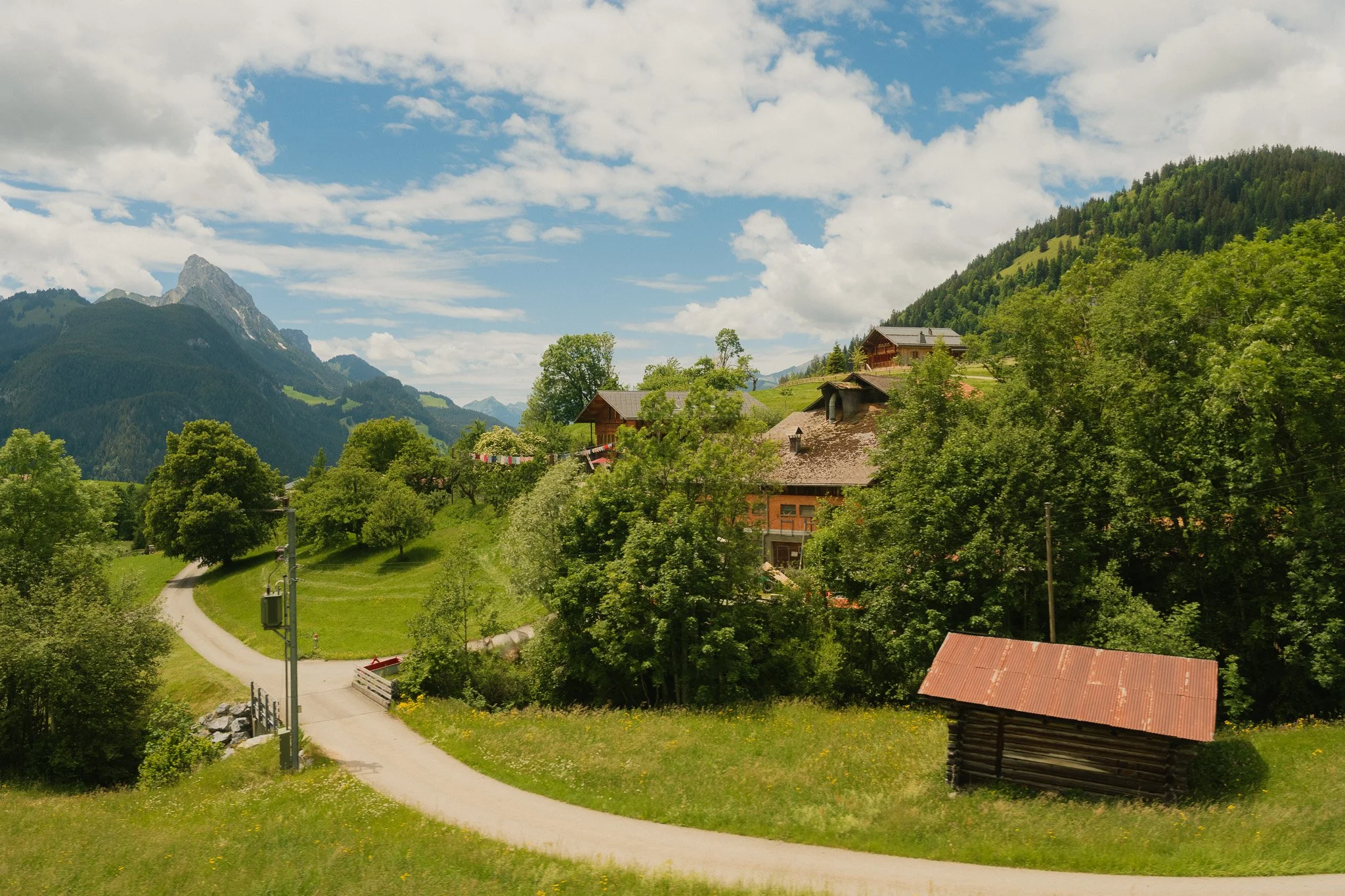
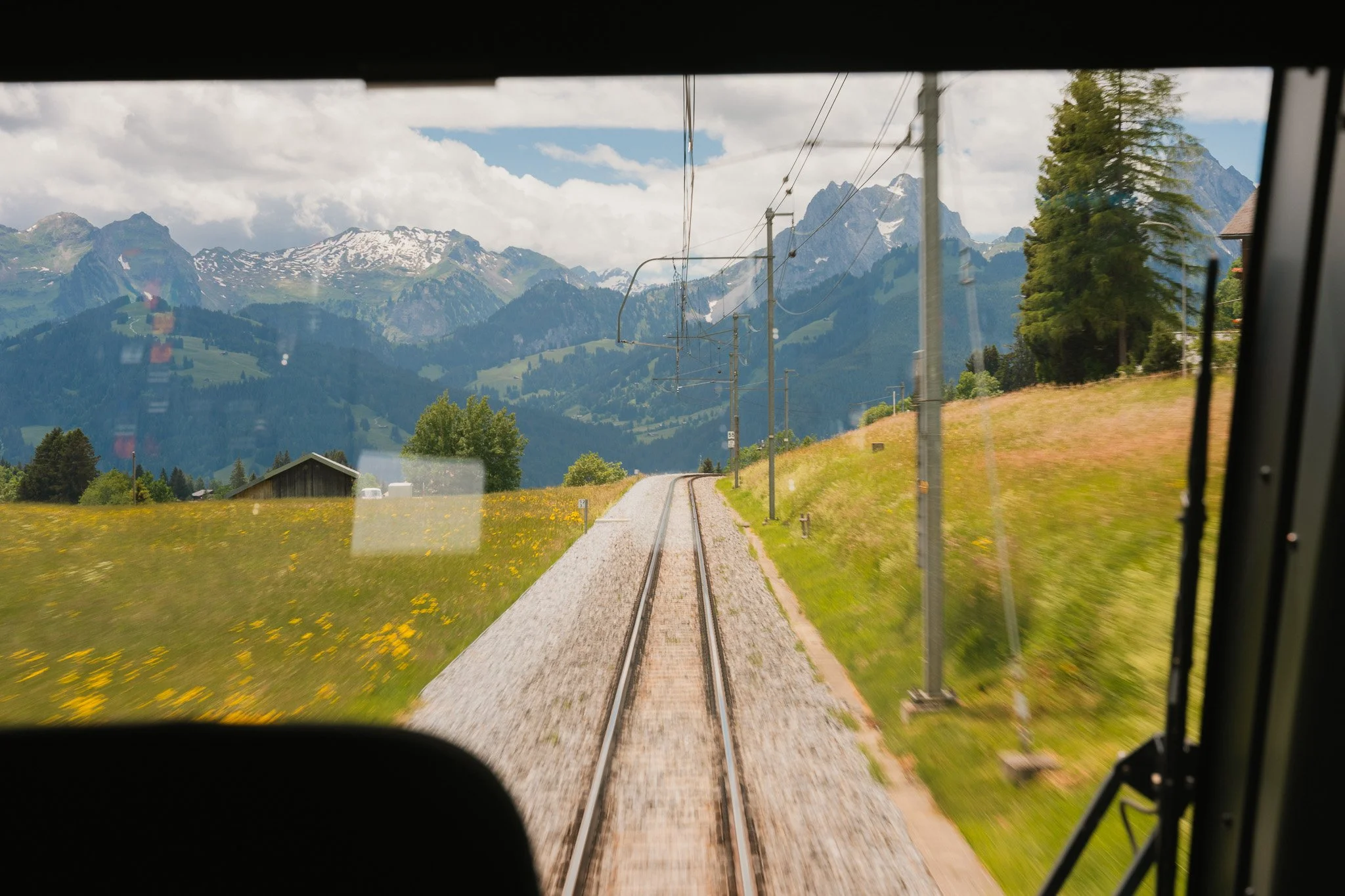
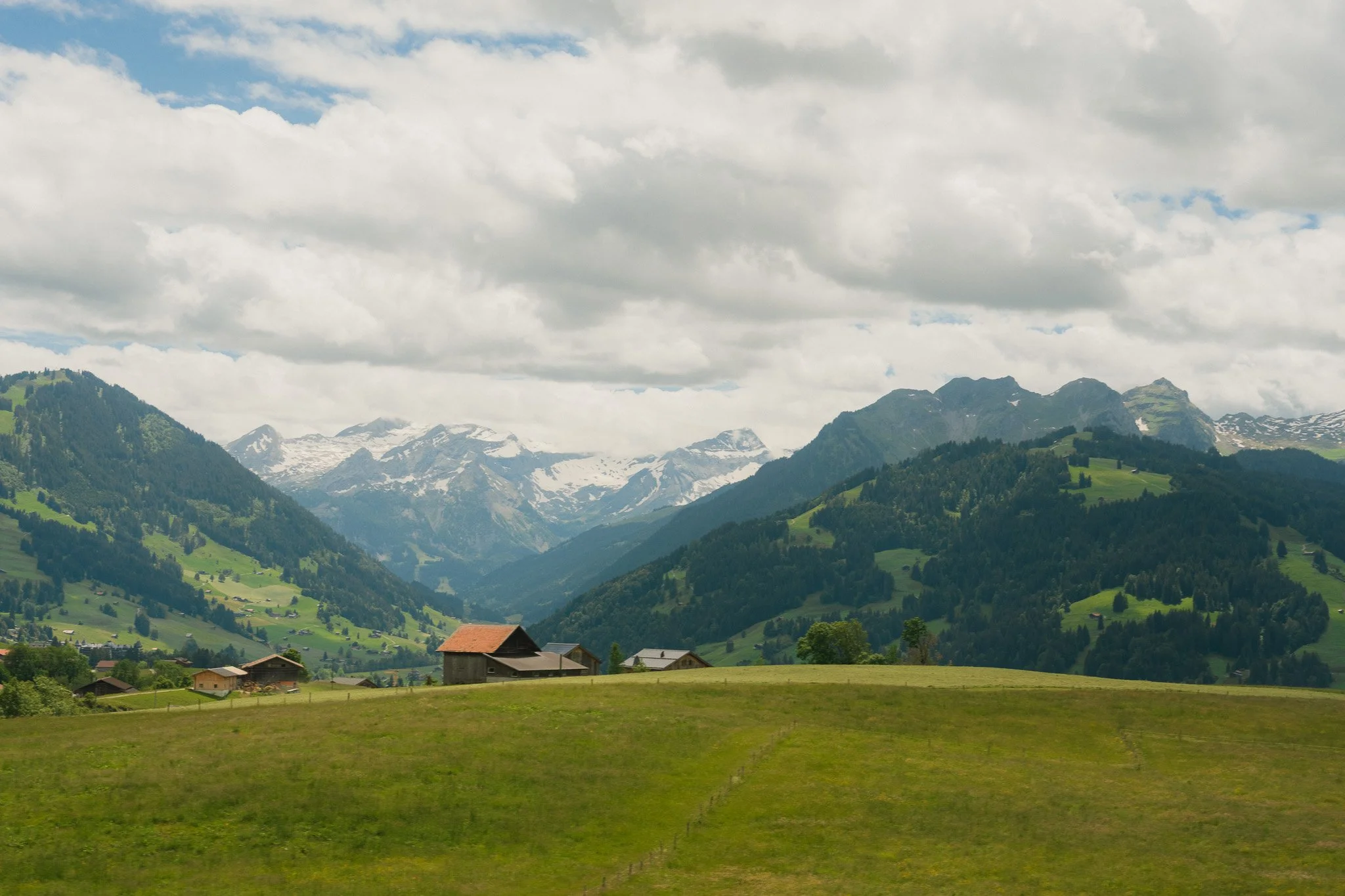
In Switzerland you can take the direct express trains, or pay a little extra and take the scenic routes. Given this was a rail focused trip, we dedicated a whole day for this scenic train to Bern, our next base. The train is called the GoldenPass Express, and I would recommend upgrading to first class for more room and a better view. I would also recommend sitting on the right hand side. This is one of the handful of trains that will cost you even if you have a Swiss Travel Pass, although the pass gets you a hefty discount.
To catch the train you first need to go to Montreux, from where you will spend a few hours going through some of the most beautiful landscapes. Many people were doing it as a day trip, but if you can use it to travel, it’s a great use of time. Eventually you end up in Interlaken Ost, from where you can take any normal regional train to Bern.
Day 6 - Bern
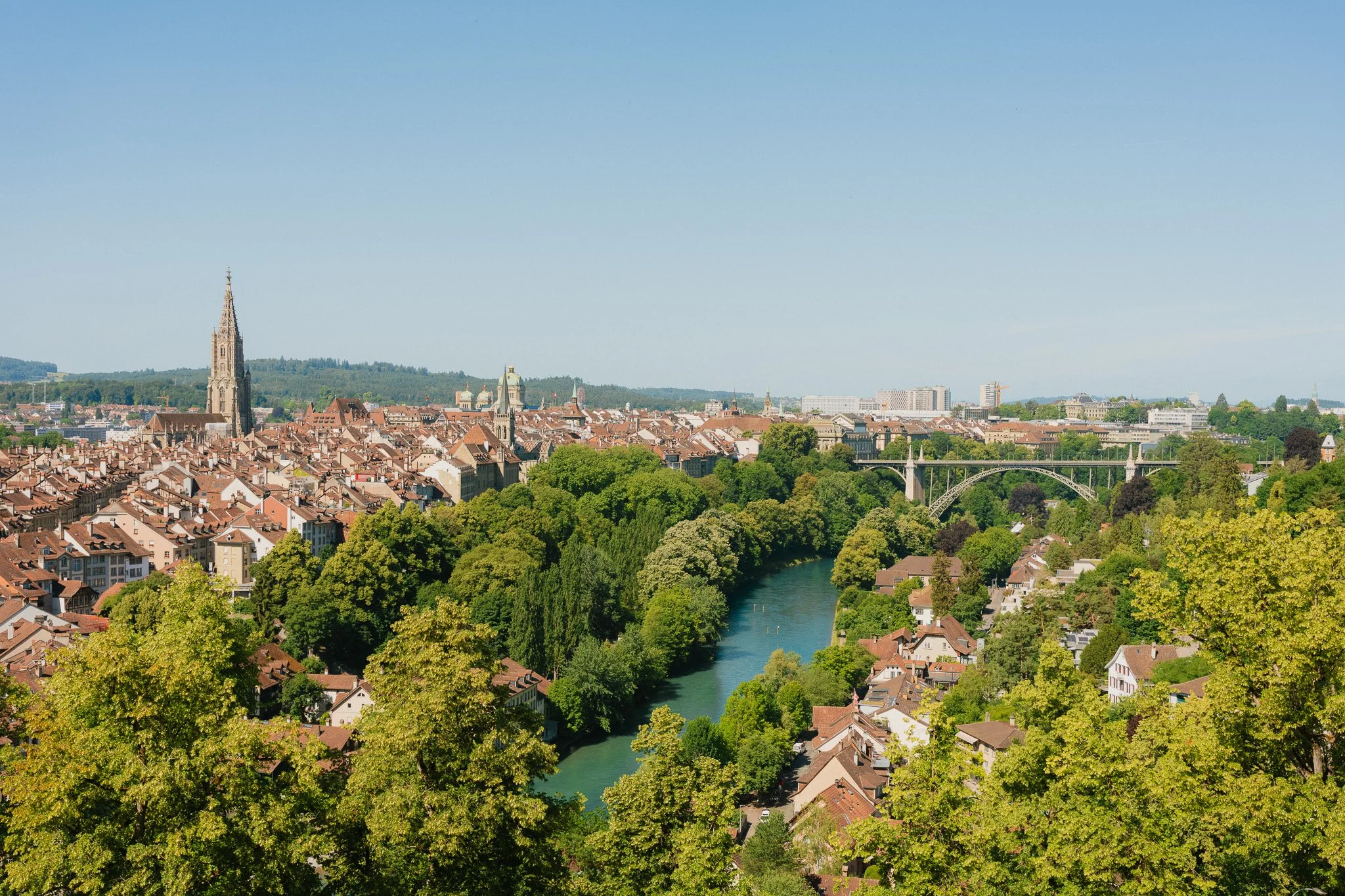
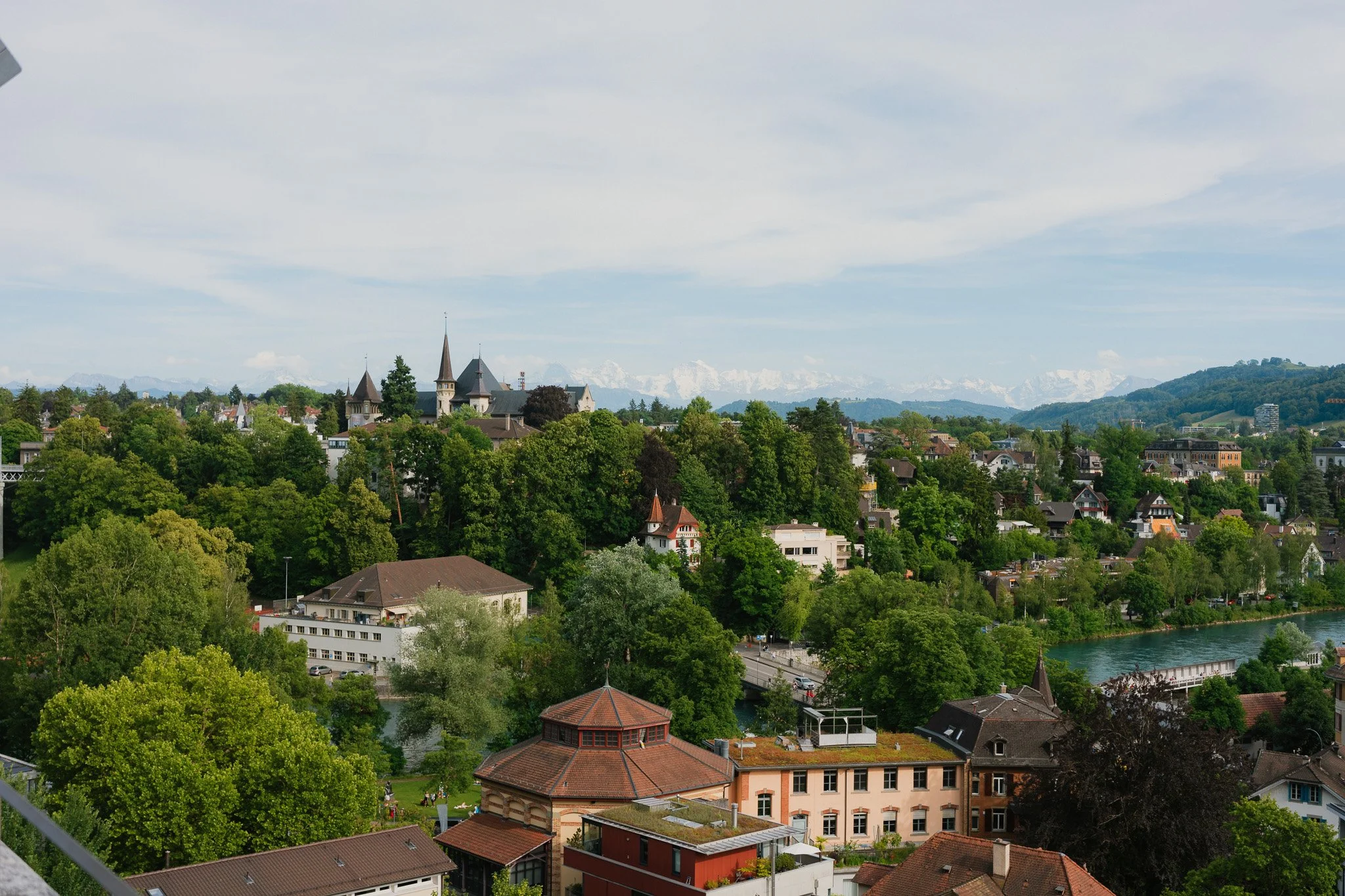
I came into Bern with no expectations or idea what this town is like. We only picked it as a base because of the central location and great connections to all the day trips, however after just half a day here, we wished we reserved a little more time. We started in the beautiful Rose Garden located just on the other side of the river and overlooking the city.
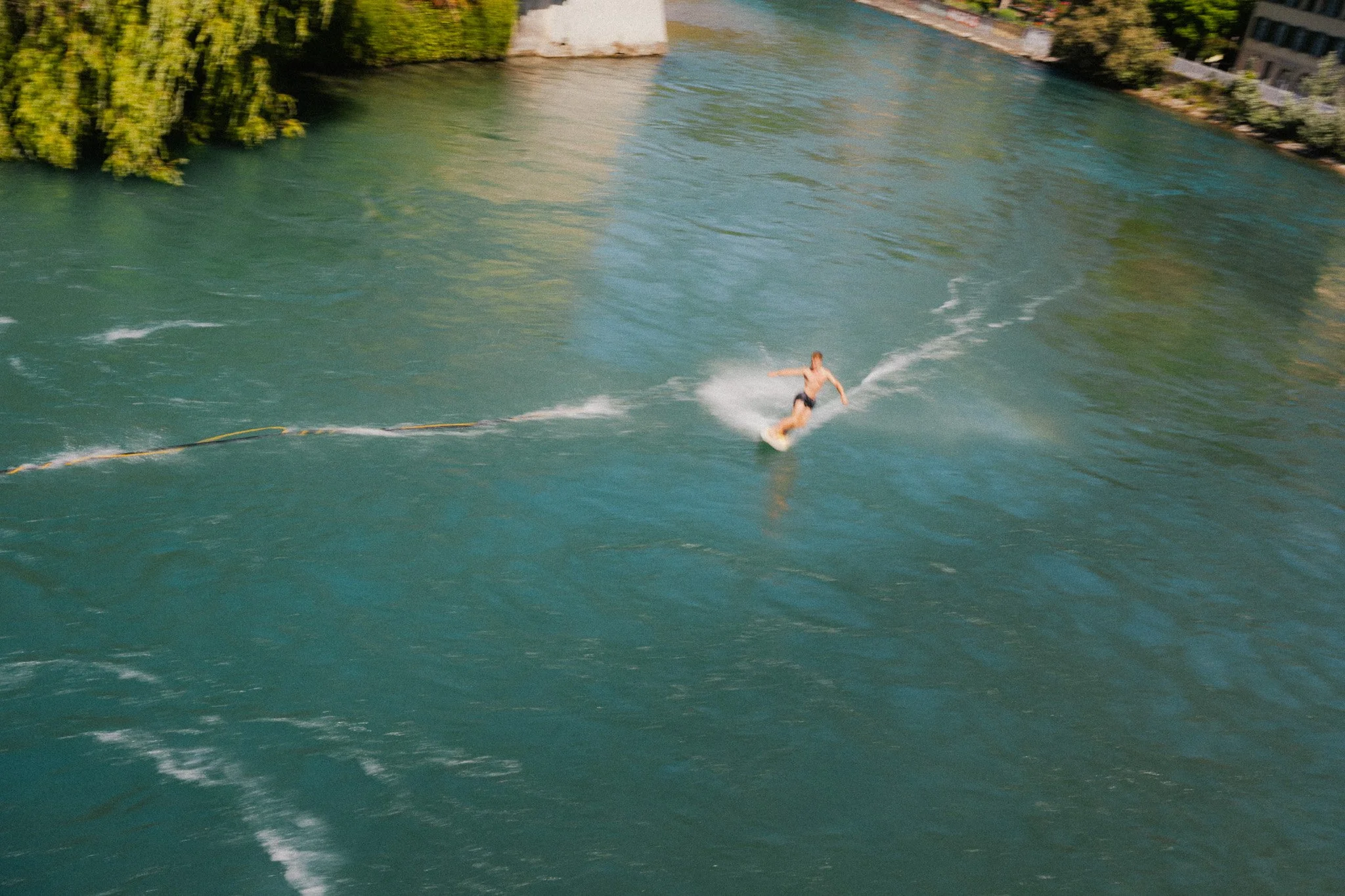
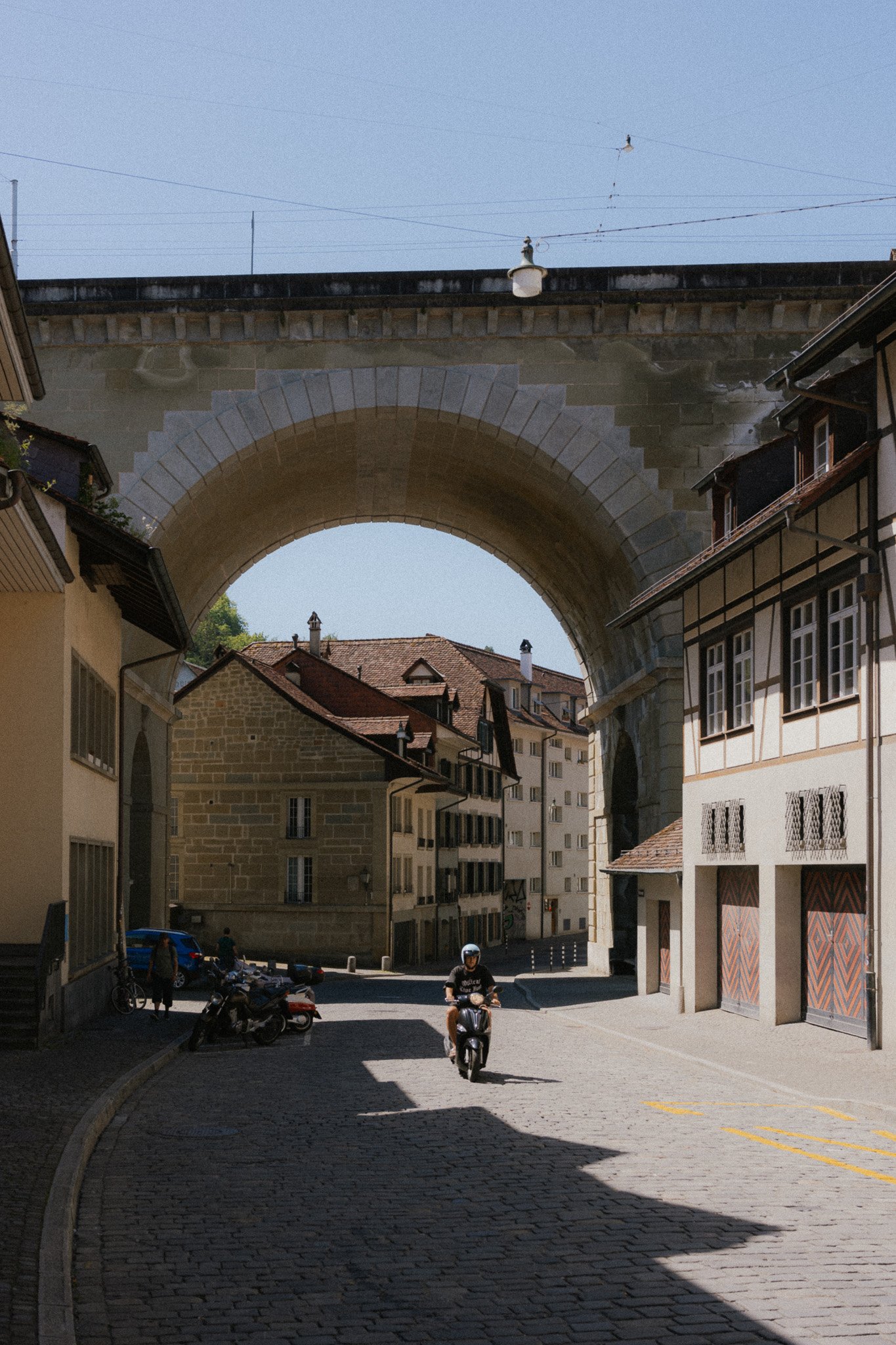
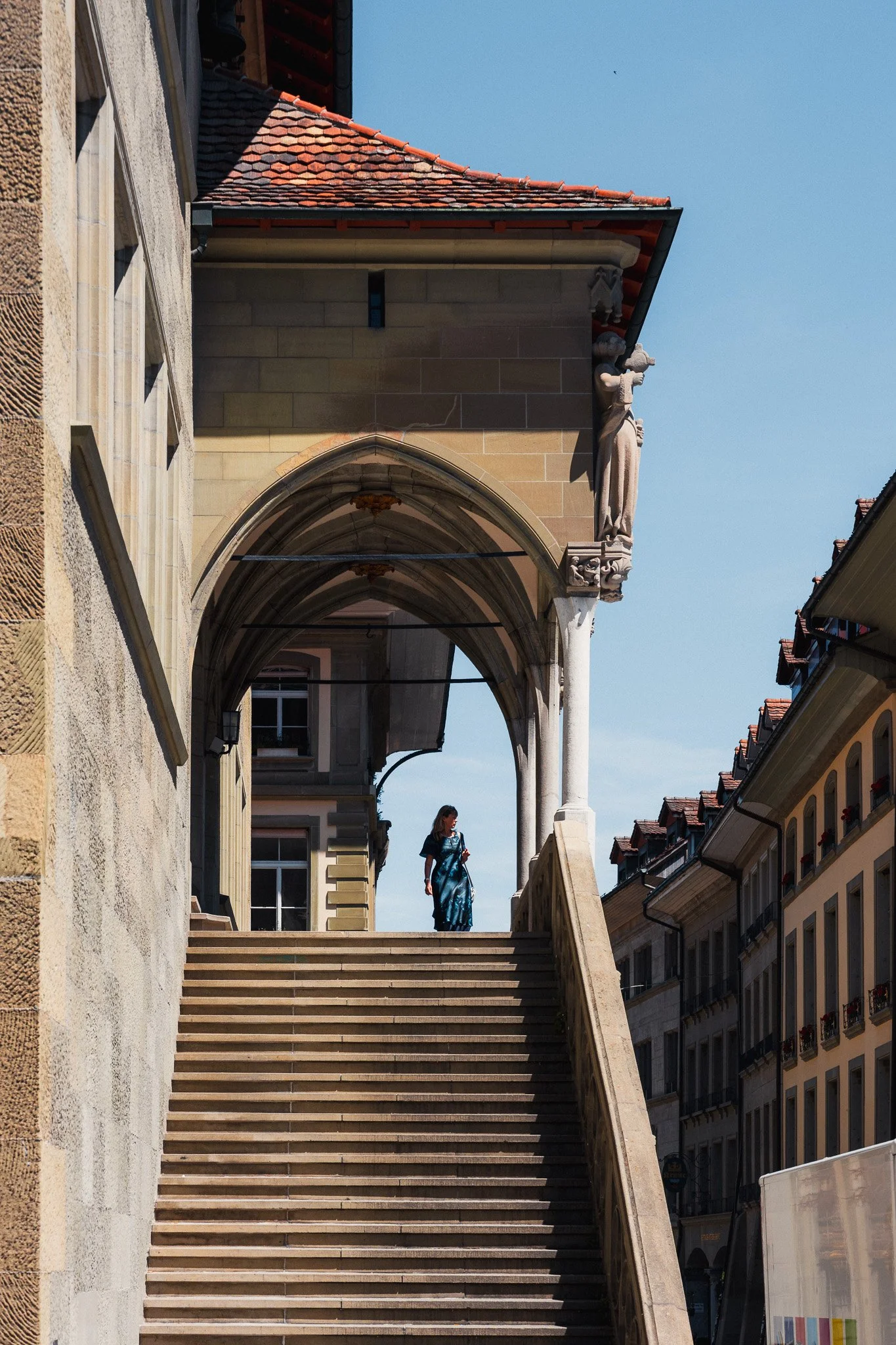
From there we spent some time watching kids jump into the river before heading into the old town for food and to visit Einstein’s House. My favourite part of the city was that you can see the Alps in the distance on a clear day, and to have that backdrop is something else. The rest of the time was spent getting lost in all the small streets the city has to offer.
Day 7 - Rhein Falls & Zurich
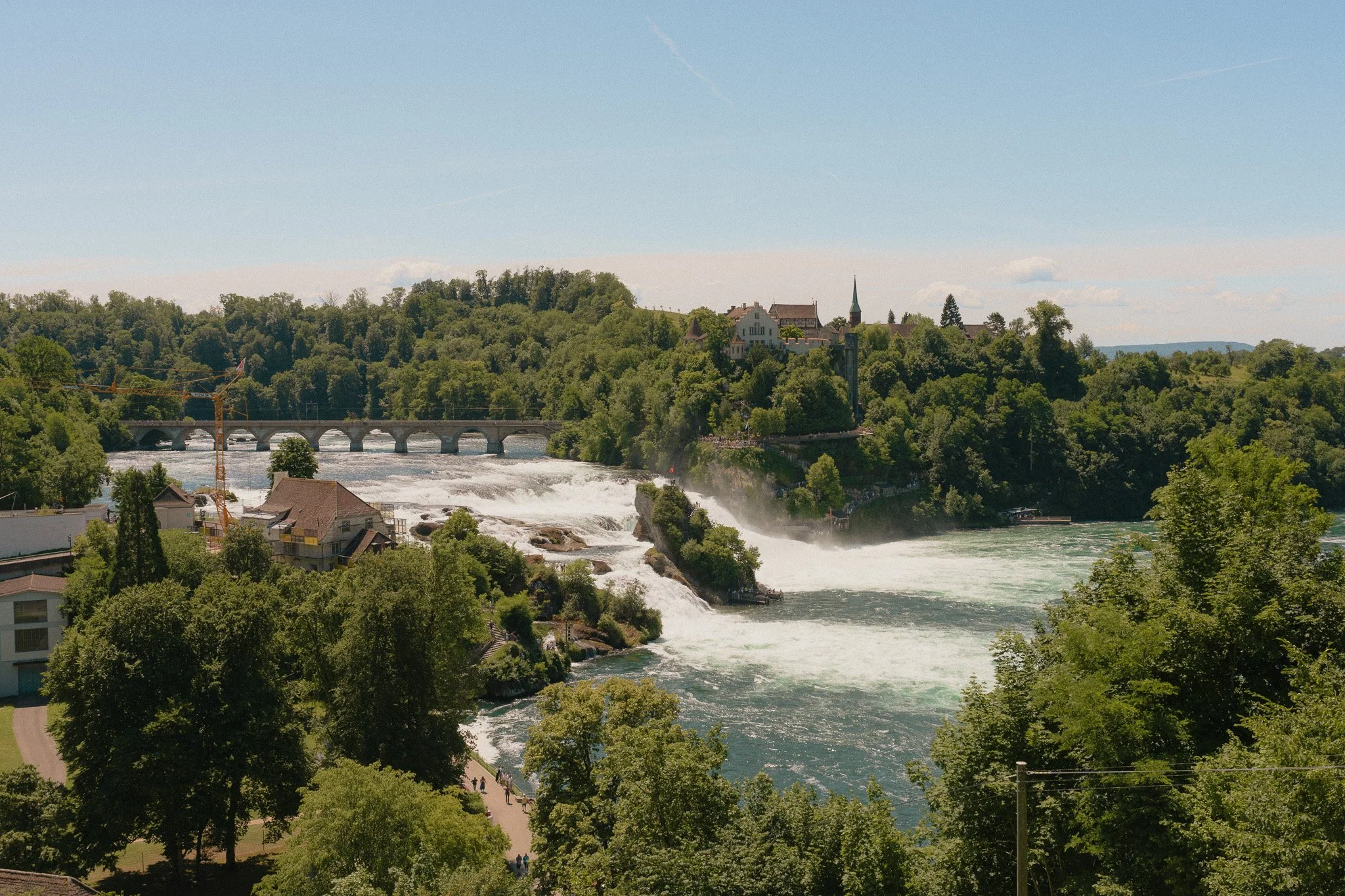
If I’m totally honest, this is the one day which could have been scrapped, or turned into a bit of a free day in Bern. Rhein Falls were OK to see, but even though we arrived early, it was heaving, with shoulder to shoulder crowds at all the viewing spots. They had boats that could take you a little closer to the falls, but they all had incredibly long lines. The waterfalls themselves weren’t bad to see, but the whole area just felt like a theme park rather than something natural.
After 45 minutes at the falls, we decided to leave earlier and explore Zurich for the afternoon, seeing as you have to make a change there anyway. Zurich was OK, but I much prefer Bern and Geneva. We spent a few hours walking around, had some lunch and headed back to Bern.
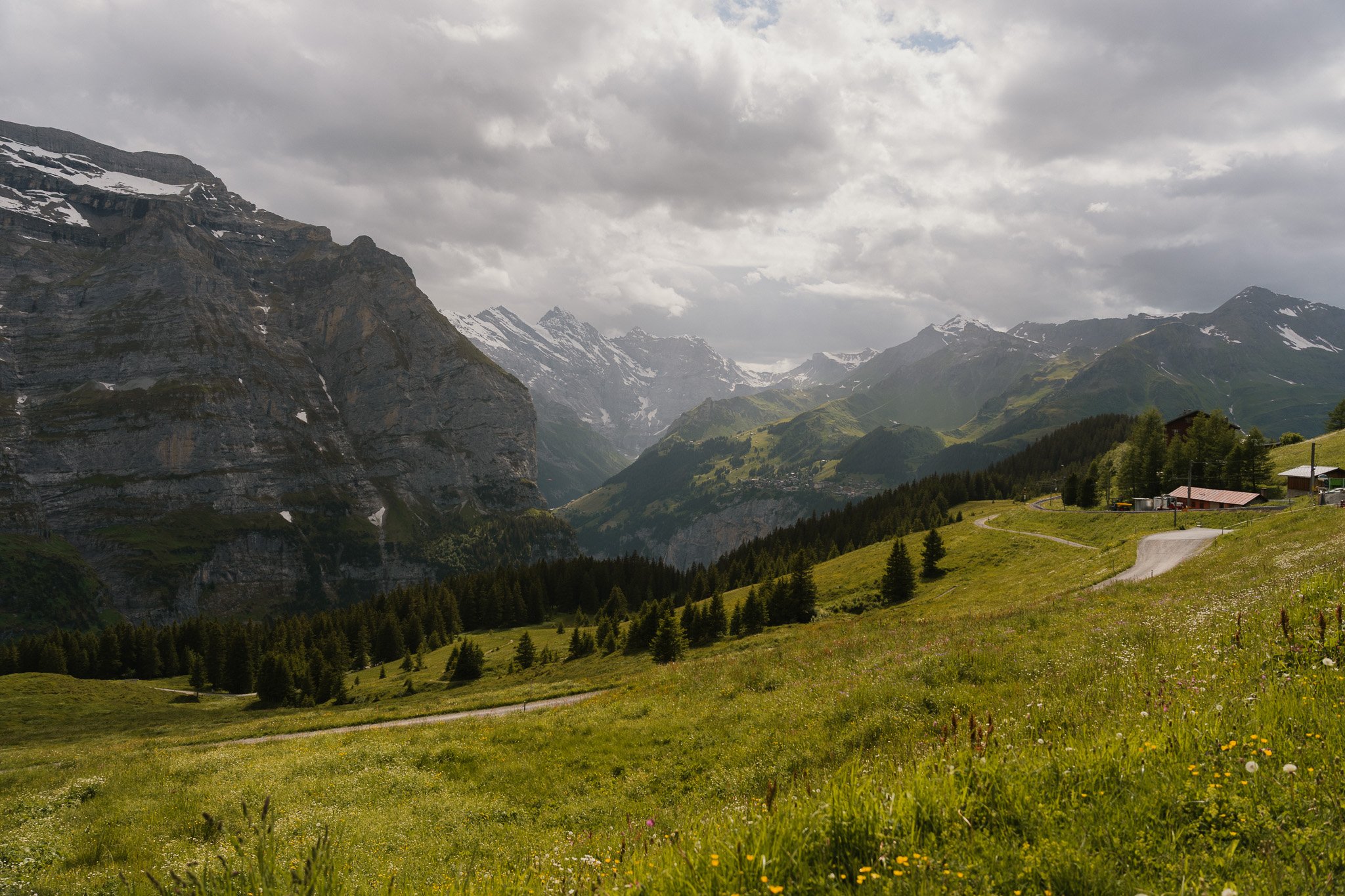
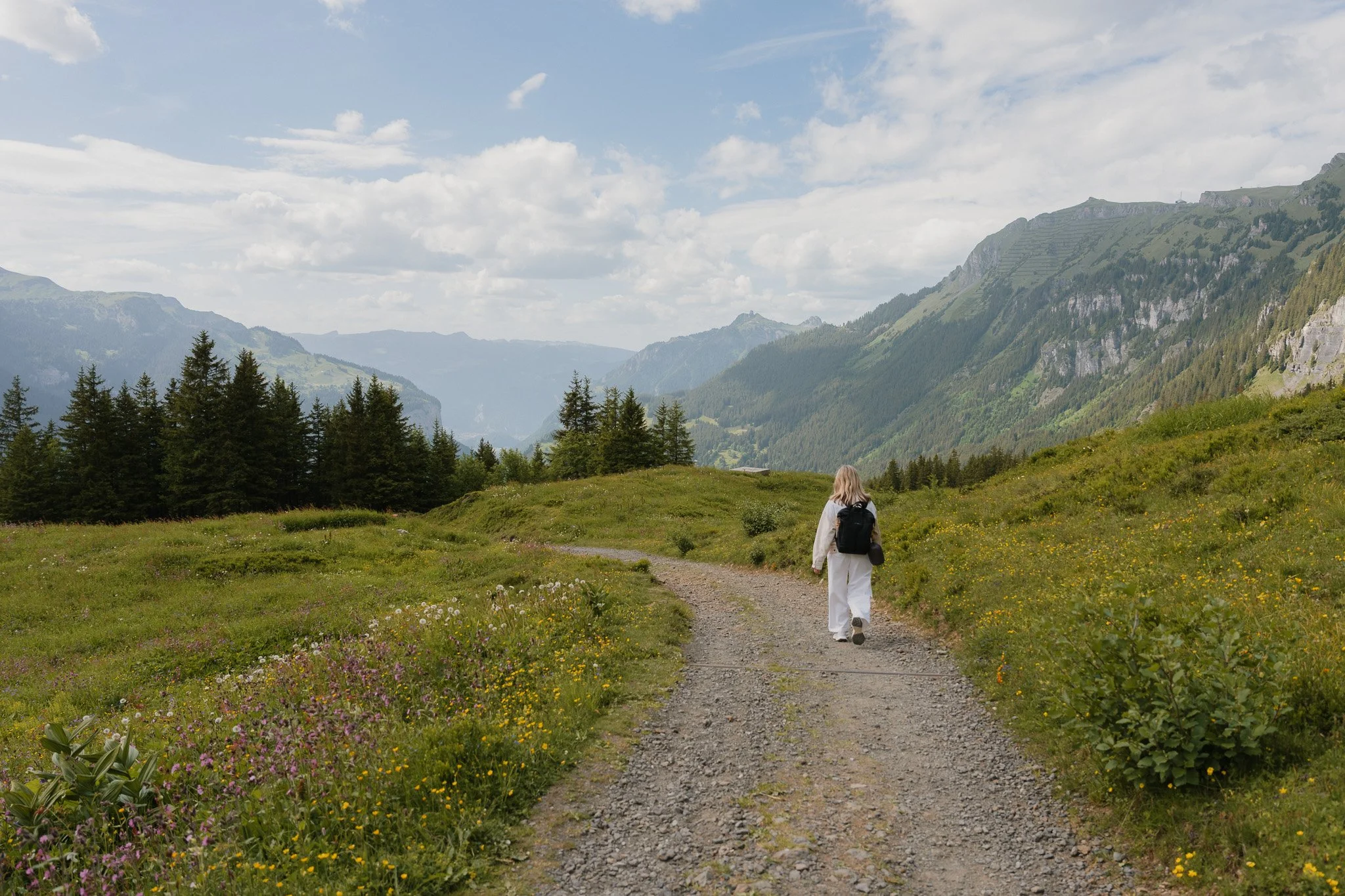
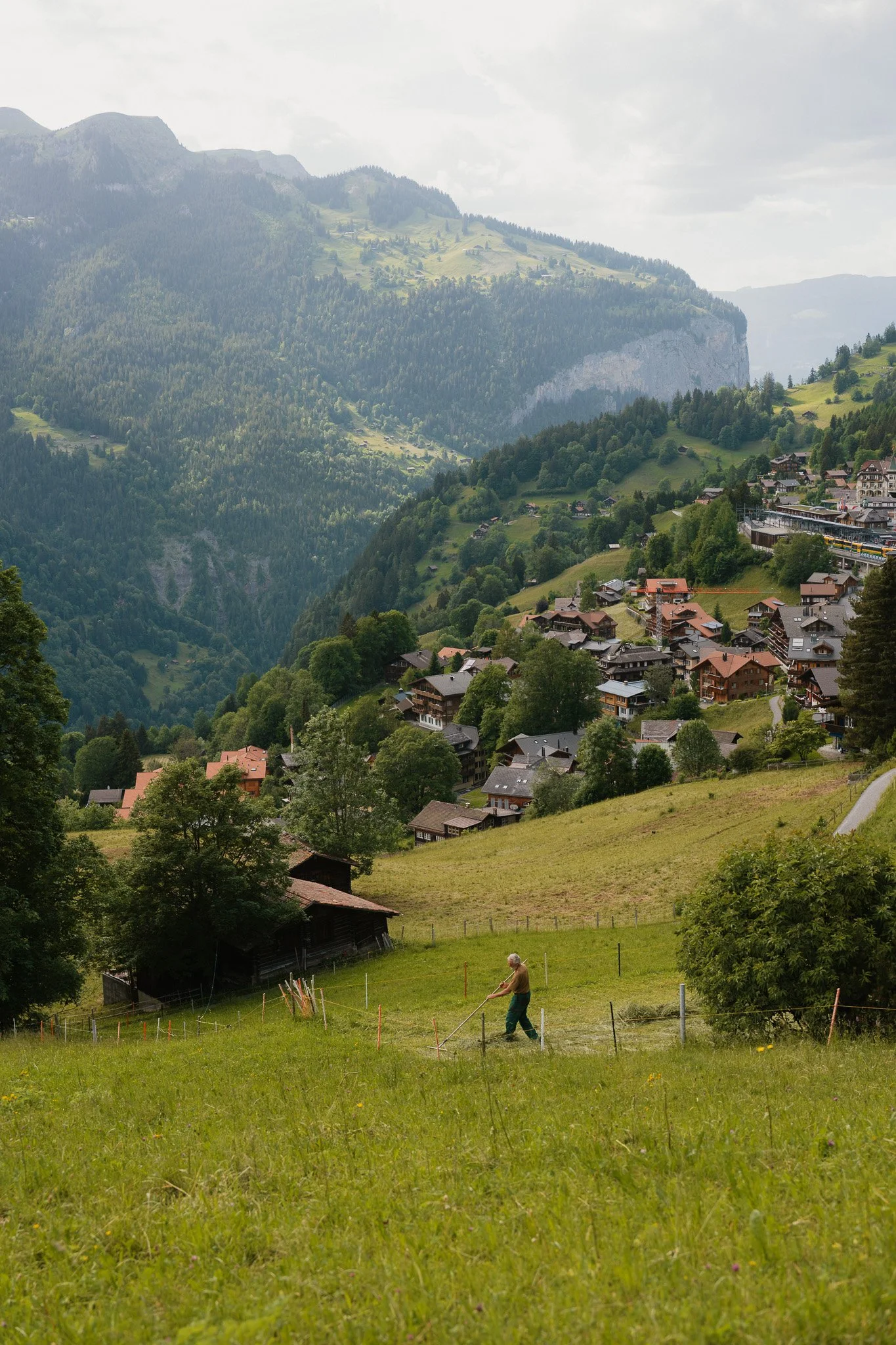
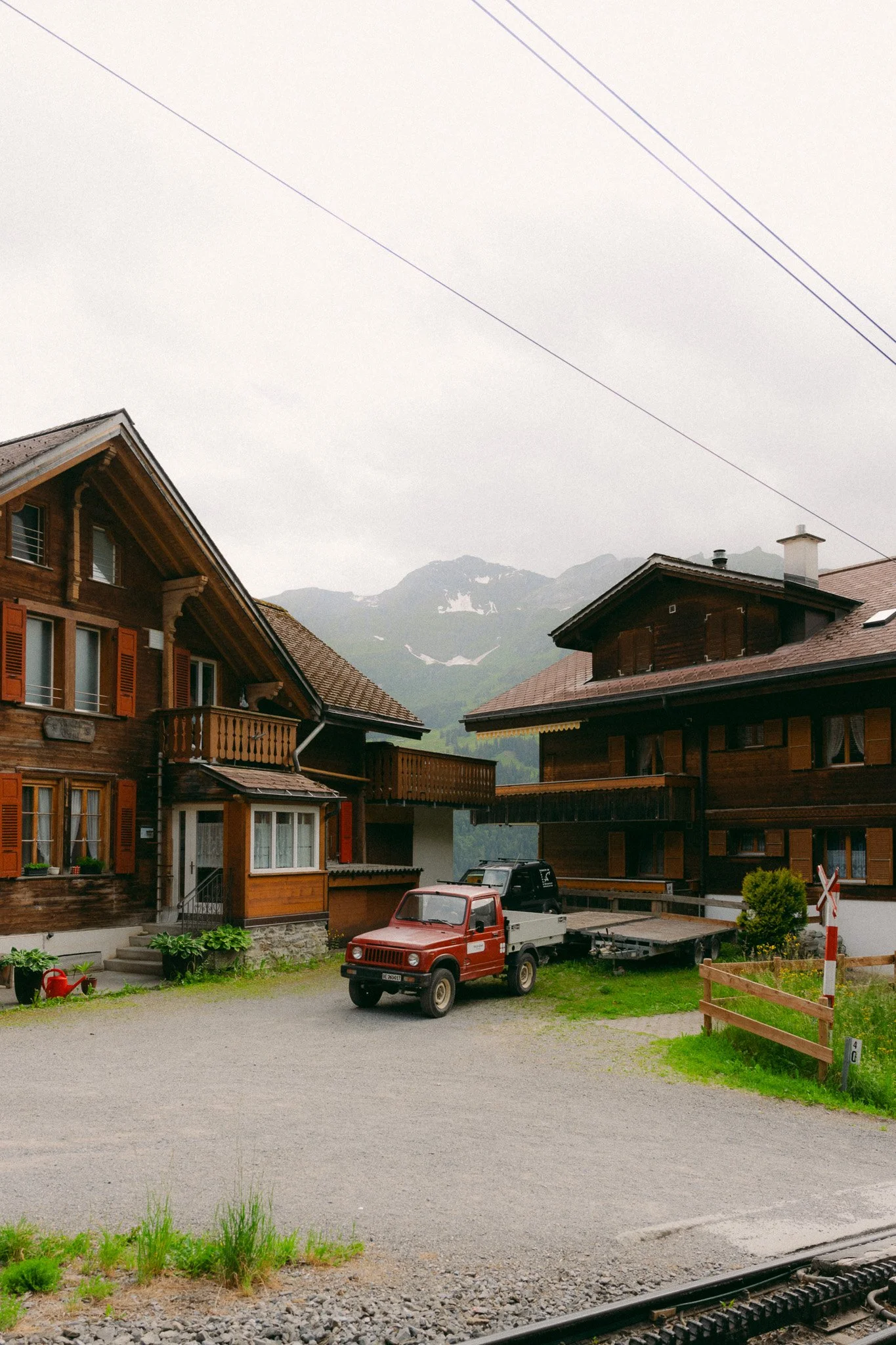
Day 8 - Jungfraujoch
Jungfraujoch is home to the highest railway station in Europe and is located in the Jungfrau region of Switzerland. To get there you first need to go to Lauterbrunnen which is easy and you can use normal trains as part of the Swiss Travel Pass. From there you need to have an additional train booking for the upcoming two trains. The first one takes you from Lauterbrunnen to Kleine Scheidegg, and then another one will take you all the way to the top. I highly recommend booking these well in advance.
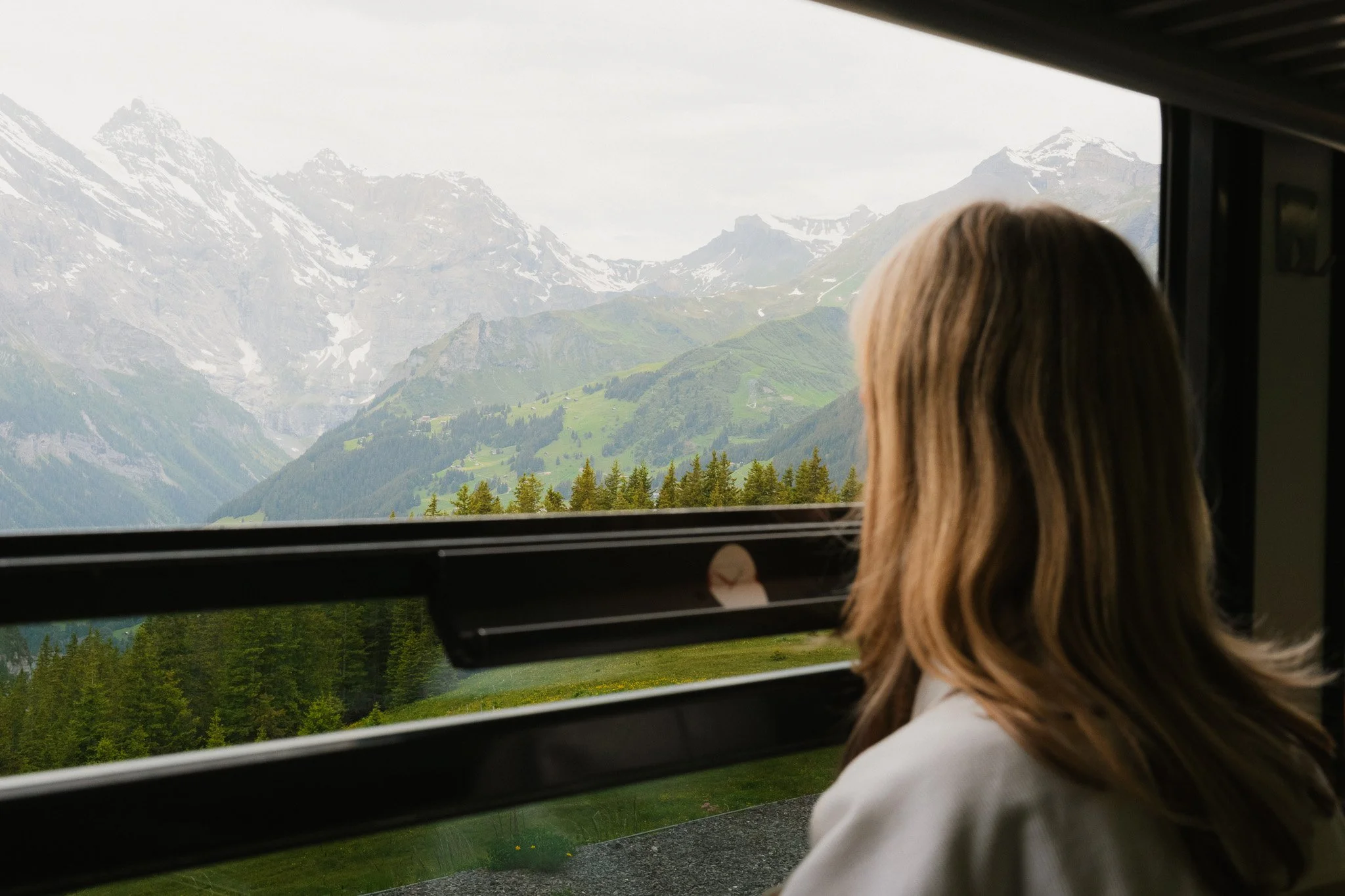
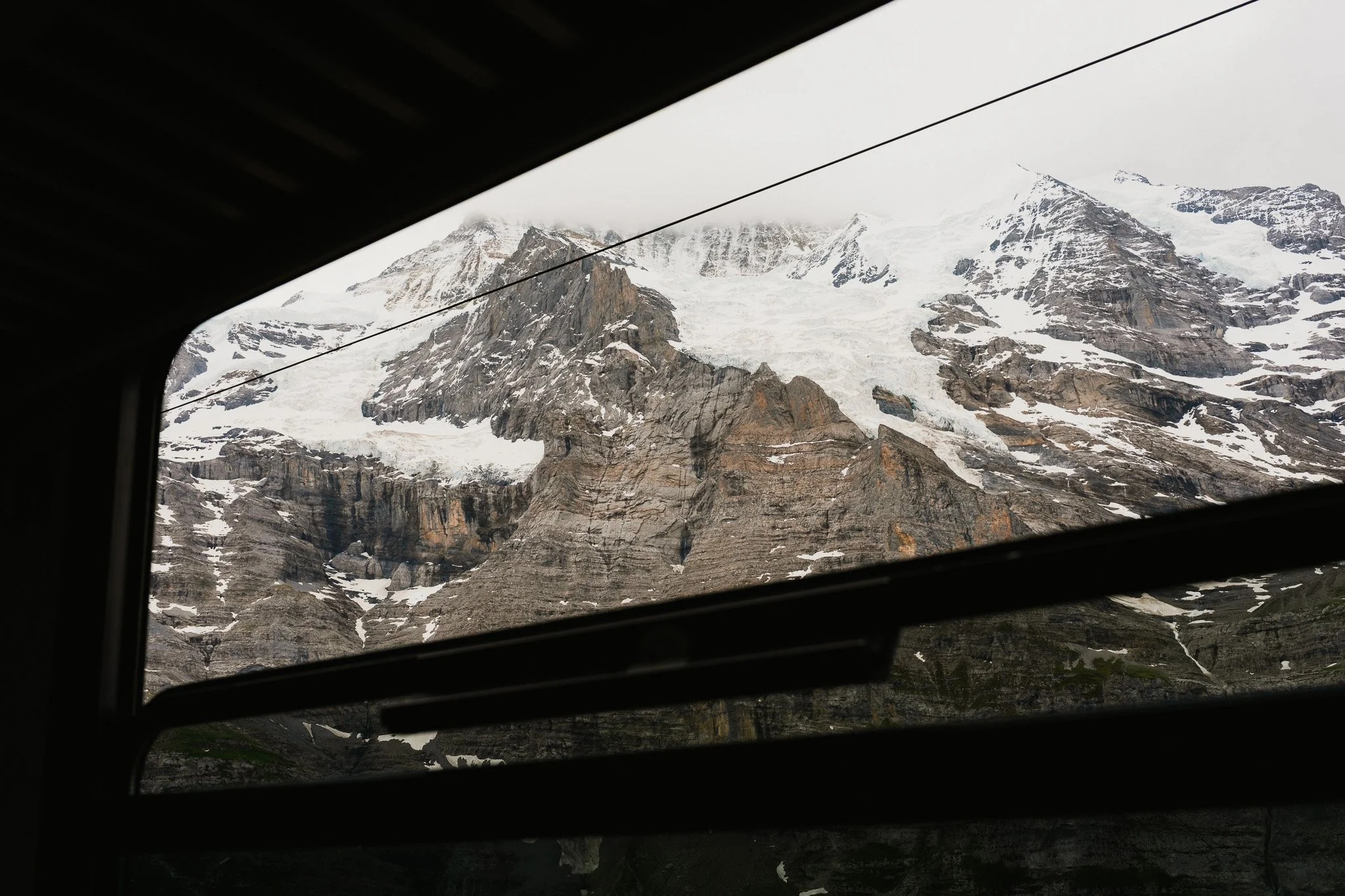
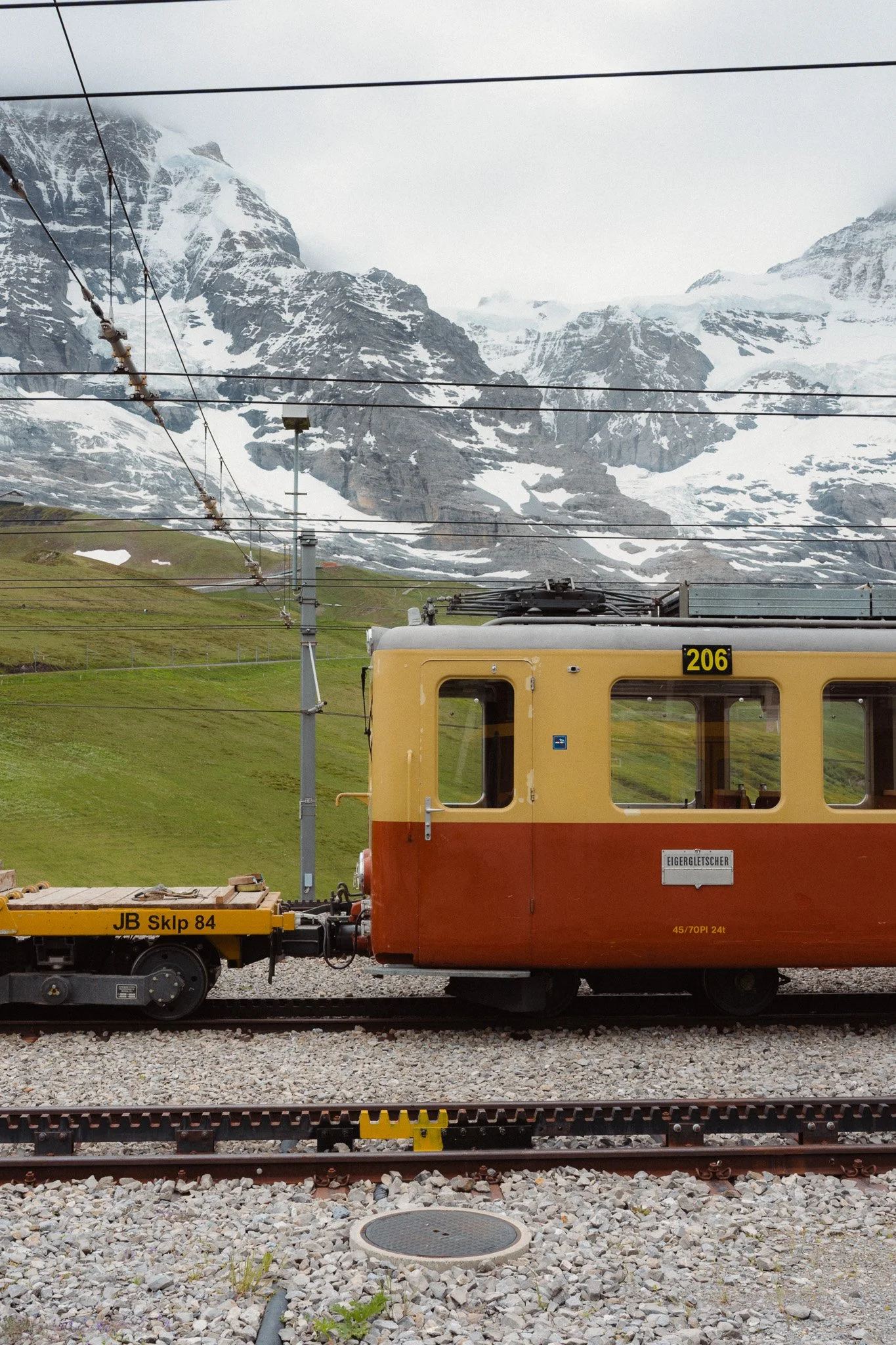
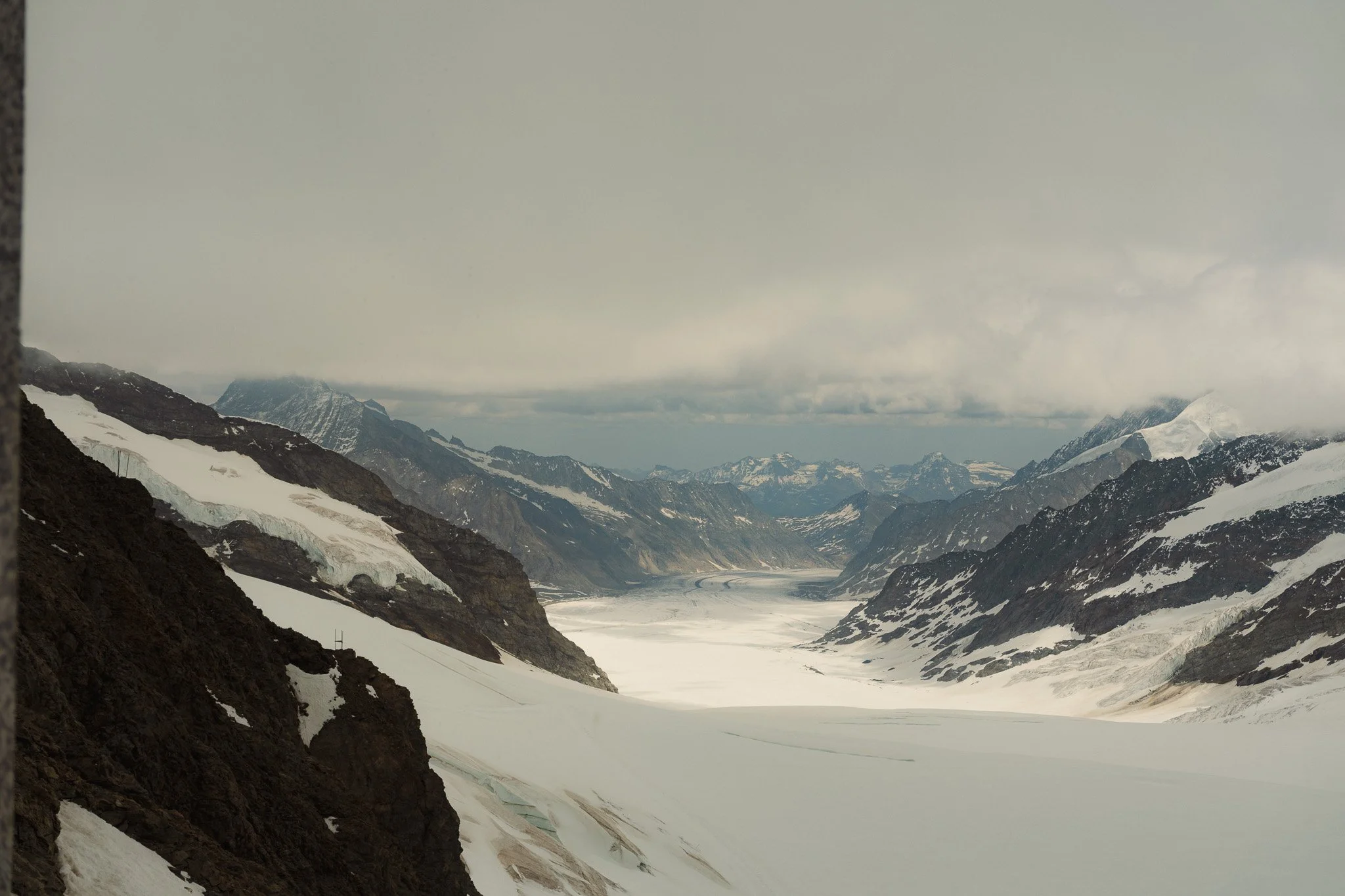
When you get to the top, there are quite a few things you can do. Of course you can brave the freezing conditions and go out to the viewing platform, but you can also go skiing, or even visit an ice sculpture cave. The whole place does feel rather touristy, especially with all the gift shops, but it’s still 100% worth it for the view.
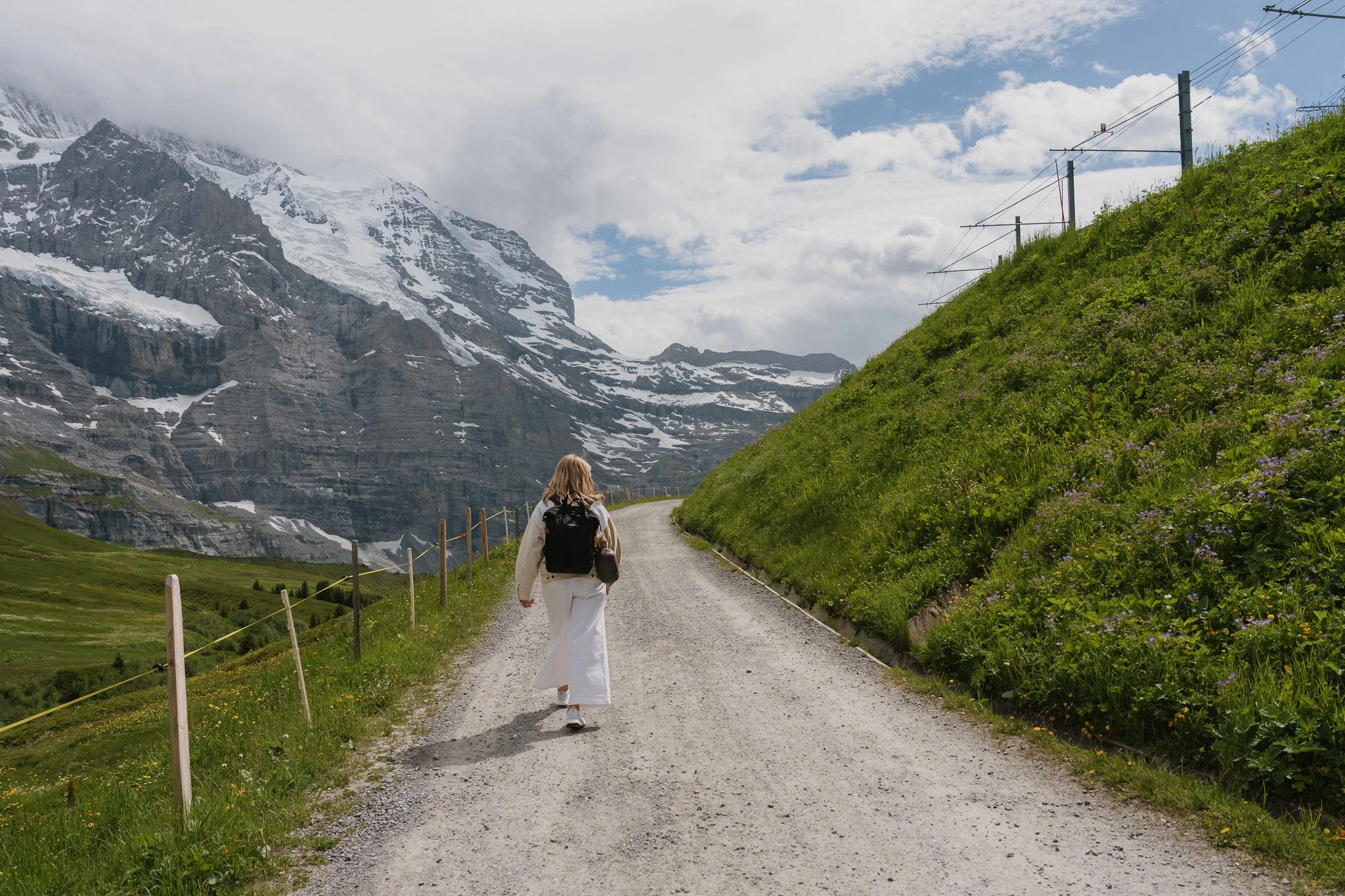
On the way back, I suggest taking the train back down to Kleine Scheidegg but then hiking back down instead of taking the second train. Amazing views, and a very easy downhill walk that should take around 3-4 hours and mostly follows the train tracks. If you want to do this hike, I suggest booking one of the earlier trains to the top, so that you have plenty of time to walk back down.
Day 9 - Mount Pilatus
There are two ways to get to Mount Pilatus, and I suggest using them both. First you need to get to Alpnachstad, which is easy to reach by train from Luzern. From there you will take one of the steepest trains in Europe directly to the observation deck on Mount Pilatus. While the views are good, I suggest heading outside and doing the little hikes around the area. I say hikes, but they are more like walks.
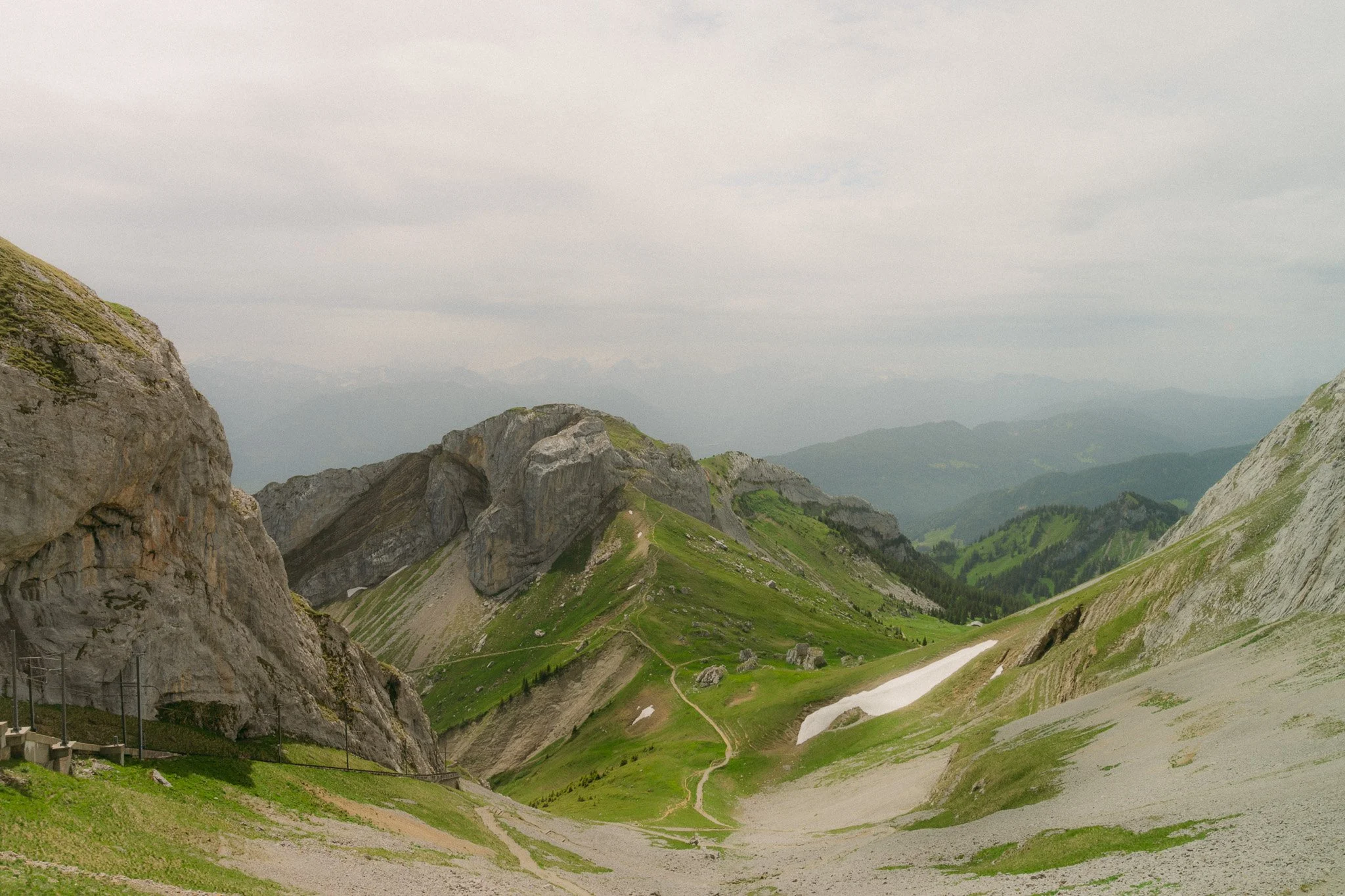
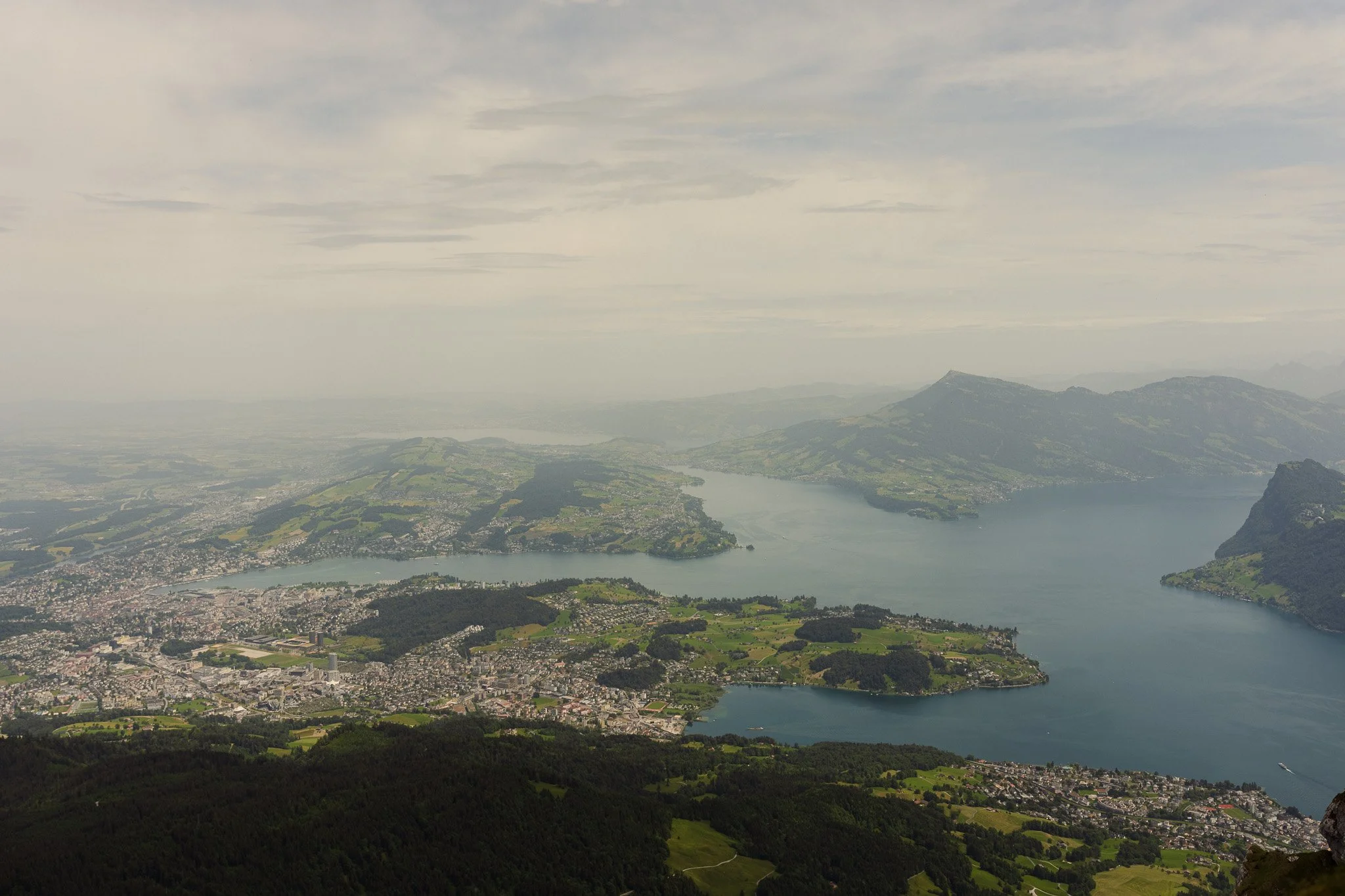
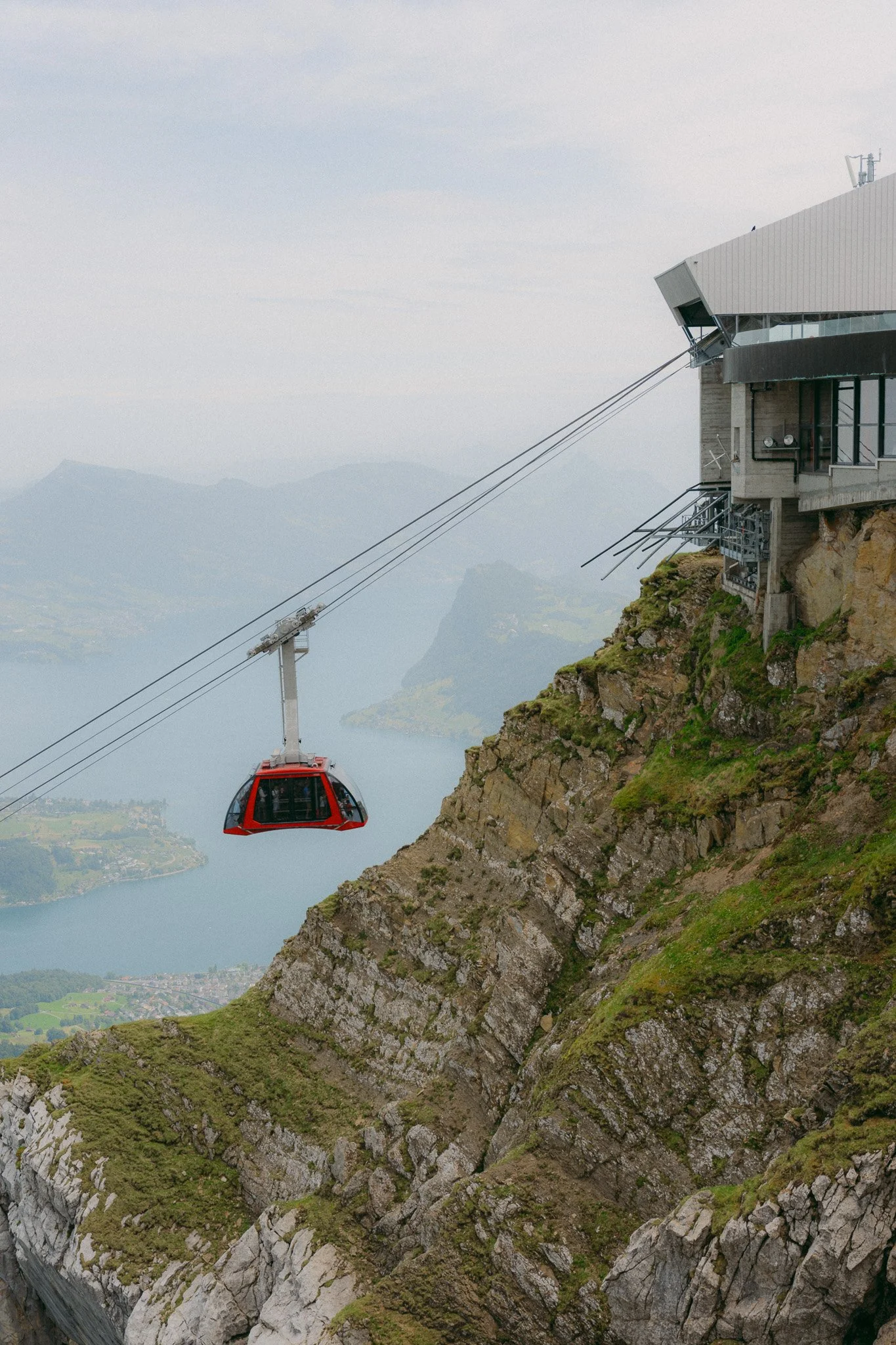
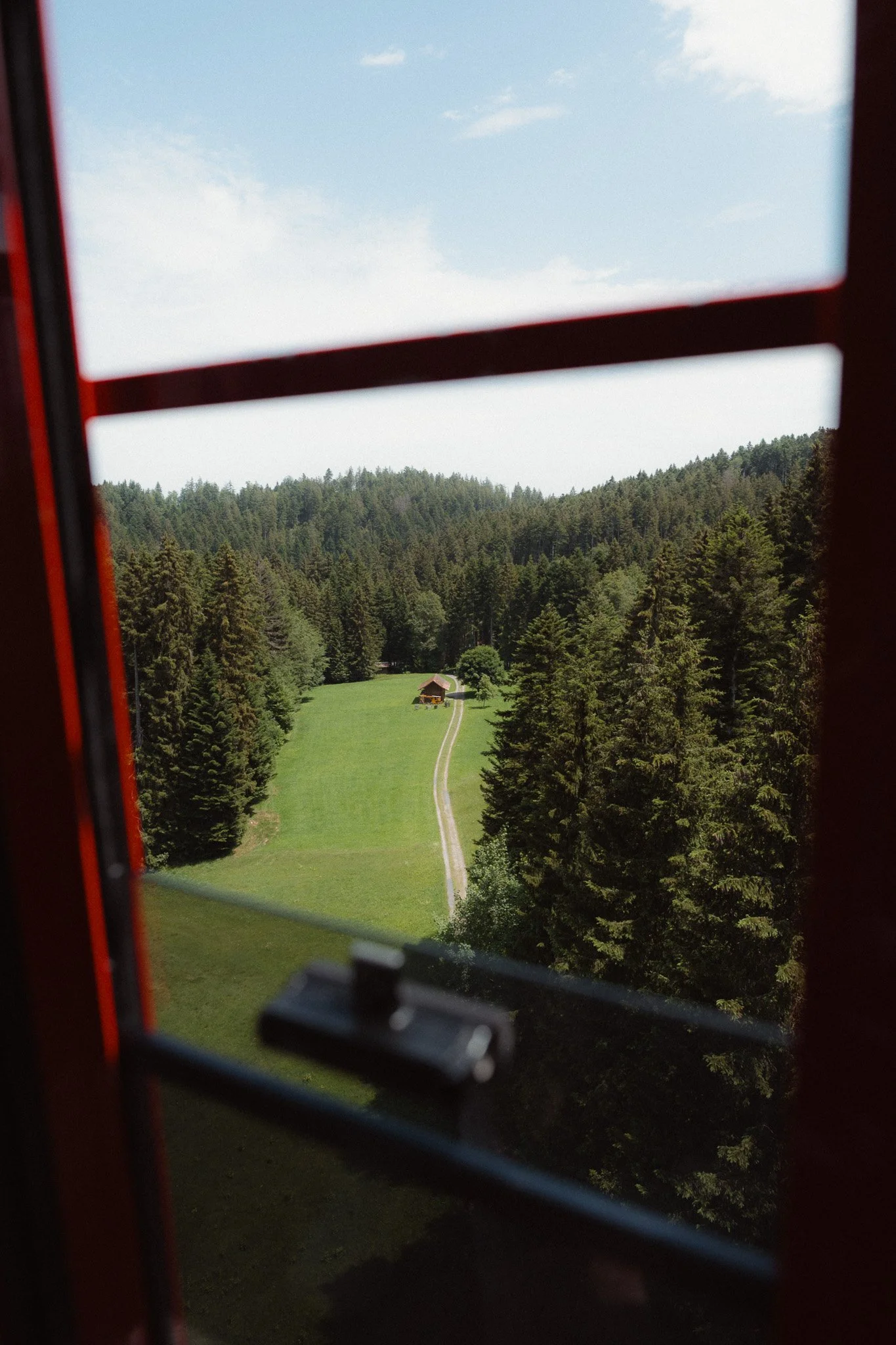
Once you’ve seen the views, there are two ways to get down. You can hike down which will take many hours, or you can take the cable car all the way to the bottom. From there you can walk back to Luzern and even have some time left over to explore the city. Of course there are many activities such as tobogganing that you can do along the way.
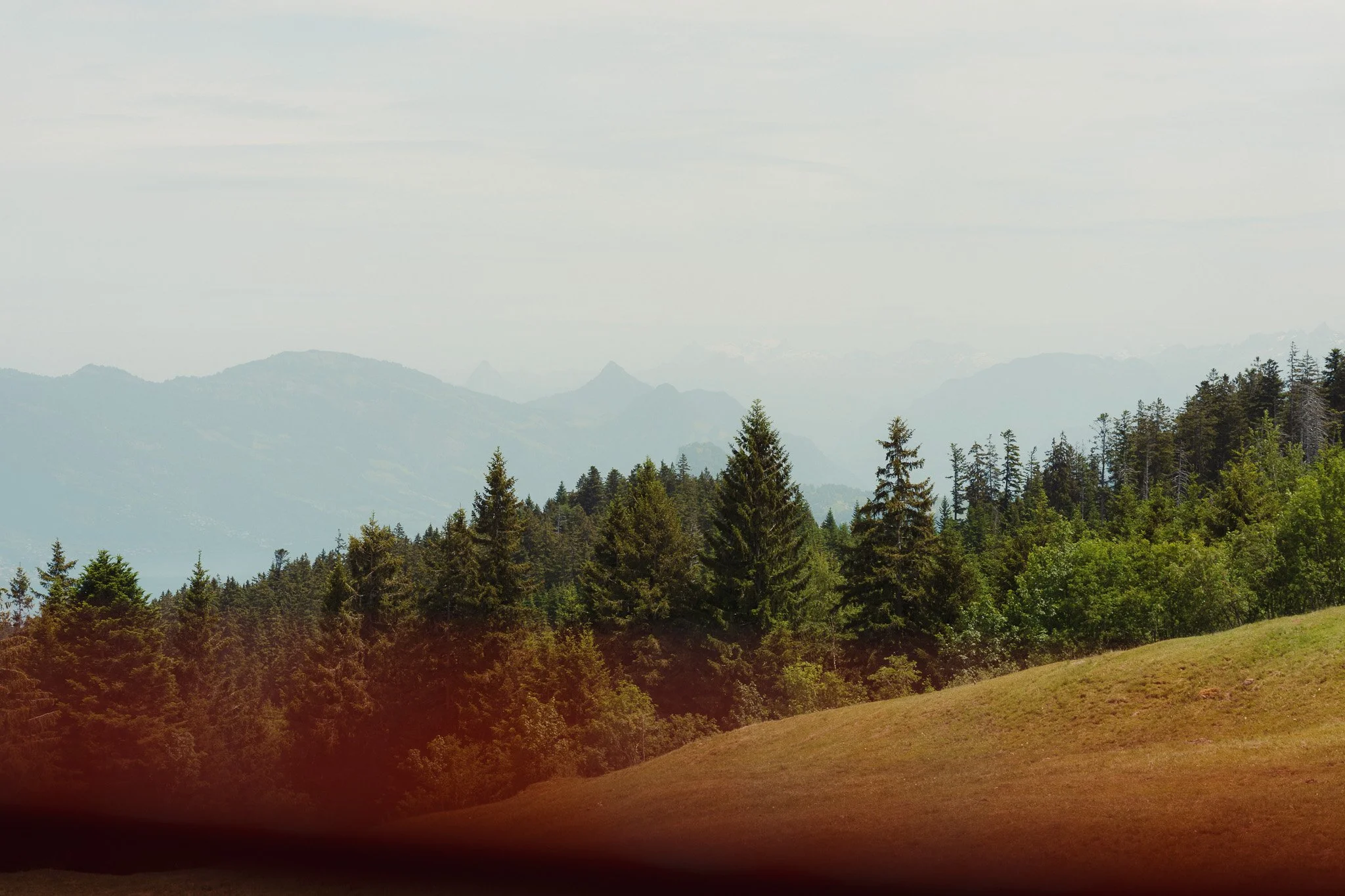
Day 10 - Zermatt
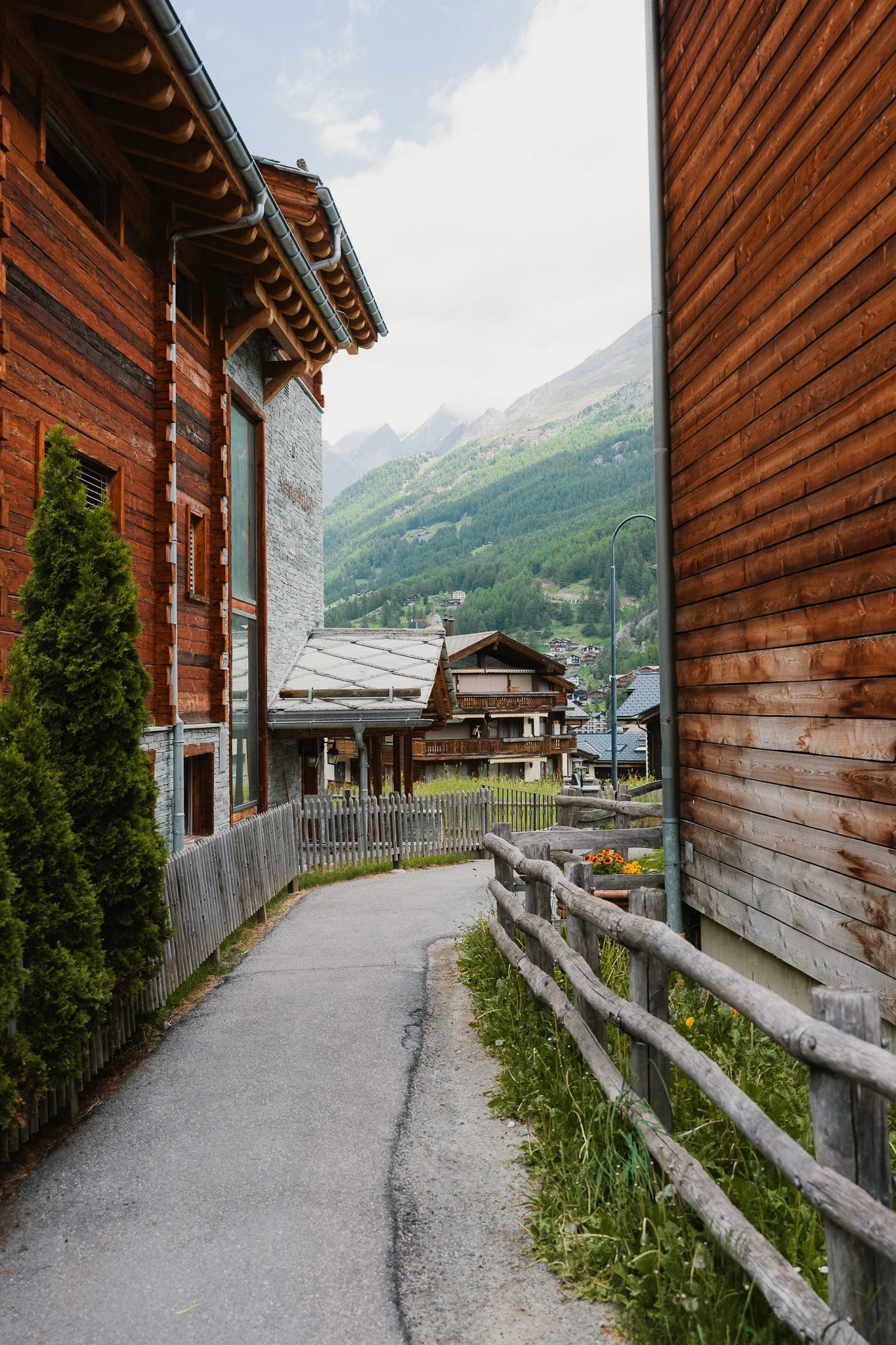
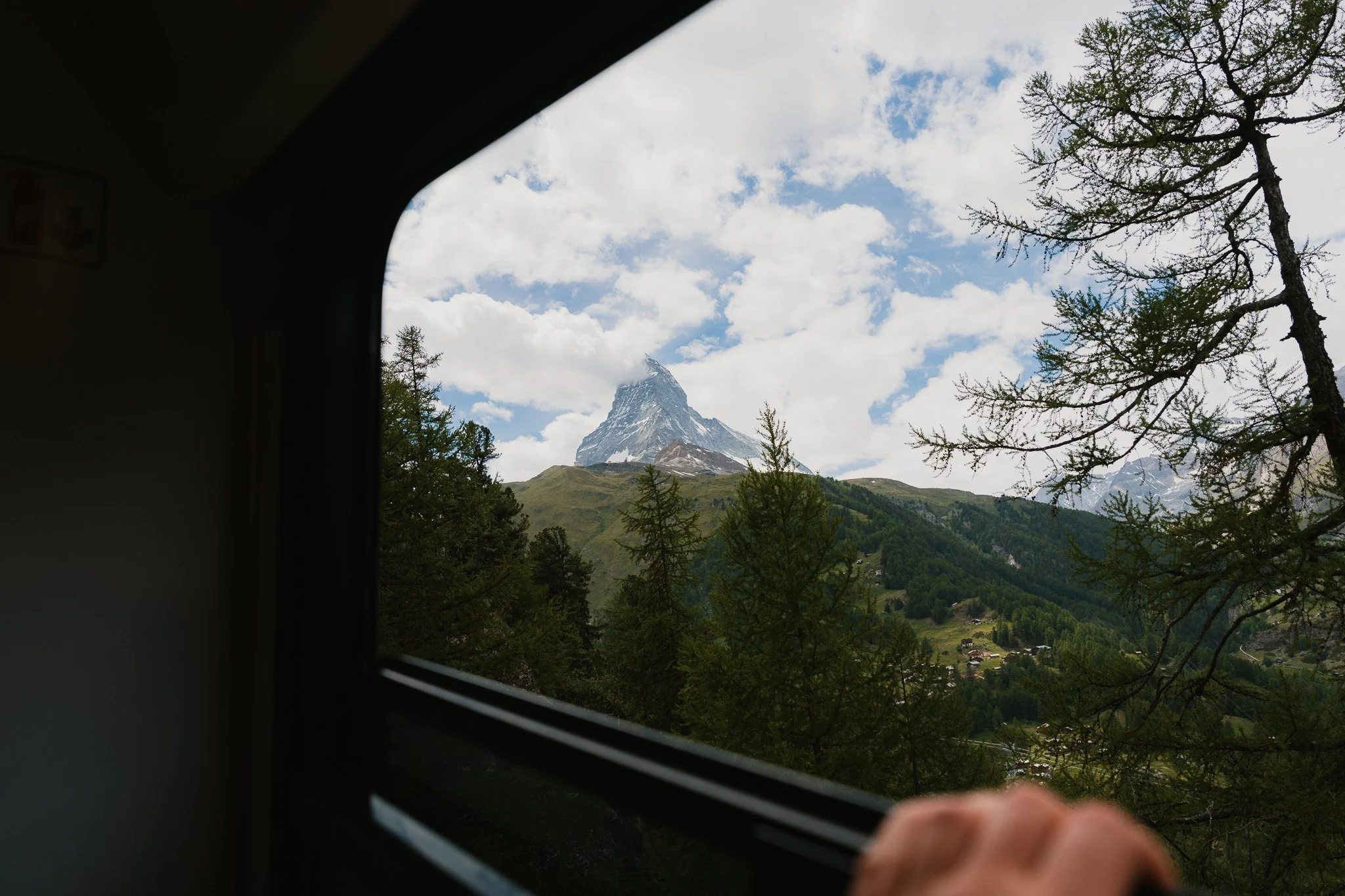
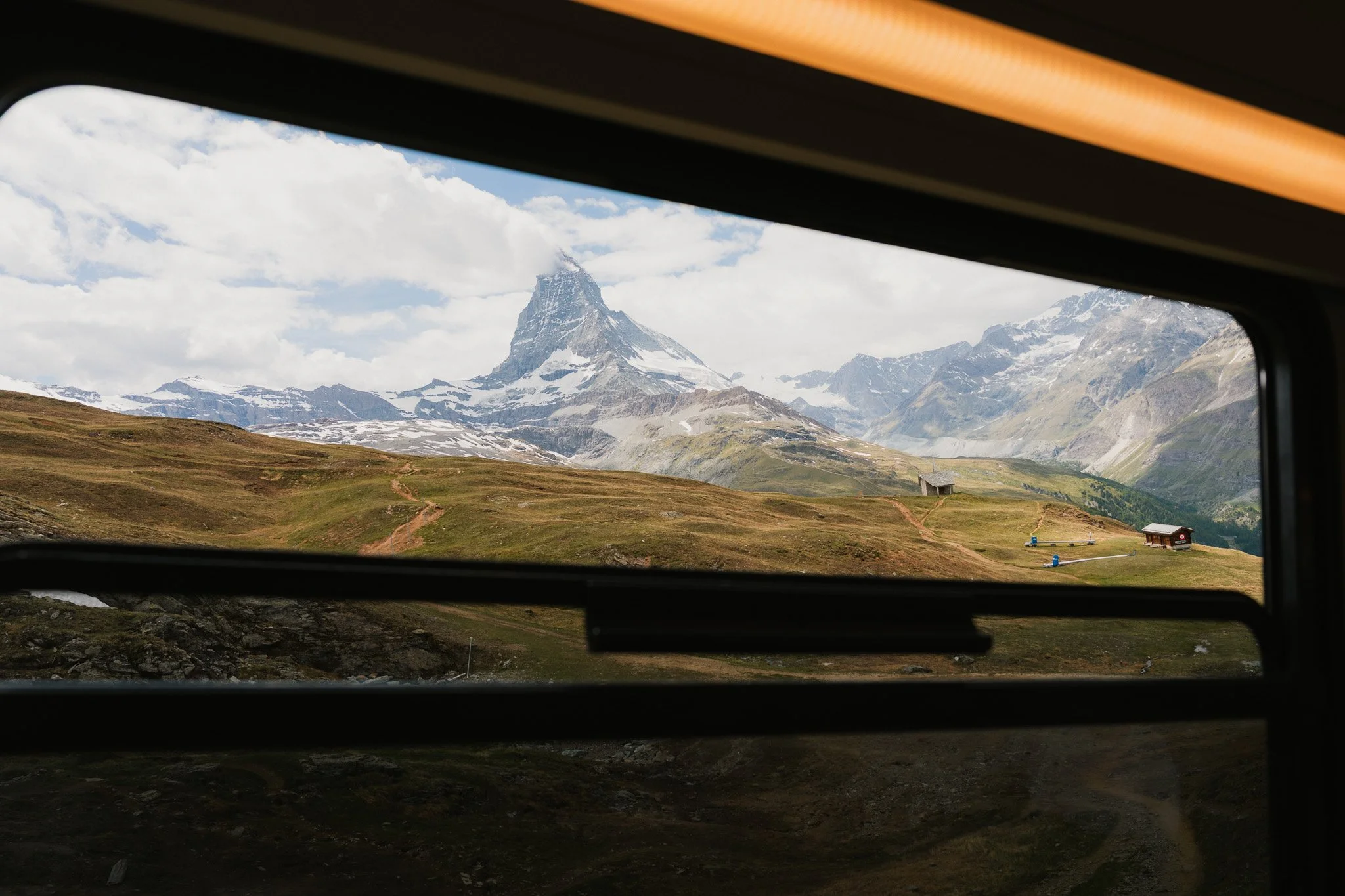
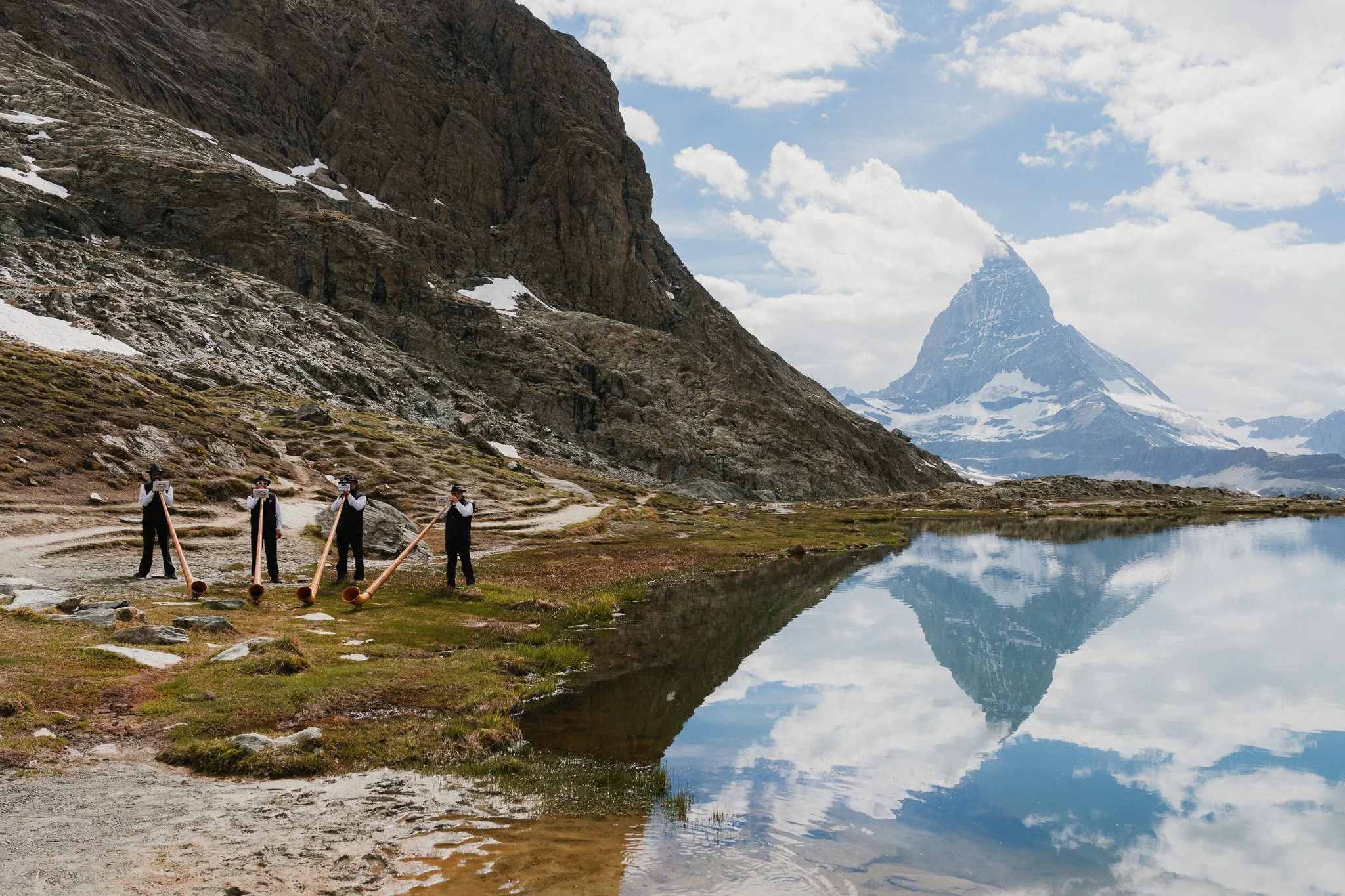
This is the final mountain and we first need to get to Zermatt. I suggest arriving a few hours earlier so you can explore Zermatt, as it’s an incredibly beautiful town. Once you’re done, head over to the Gornergrat Railway terminal located right across the road from the train station. I suggest paying the extra £7 for speedy boarding, especially during peak times. I also recommend sitting on the right.
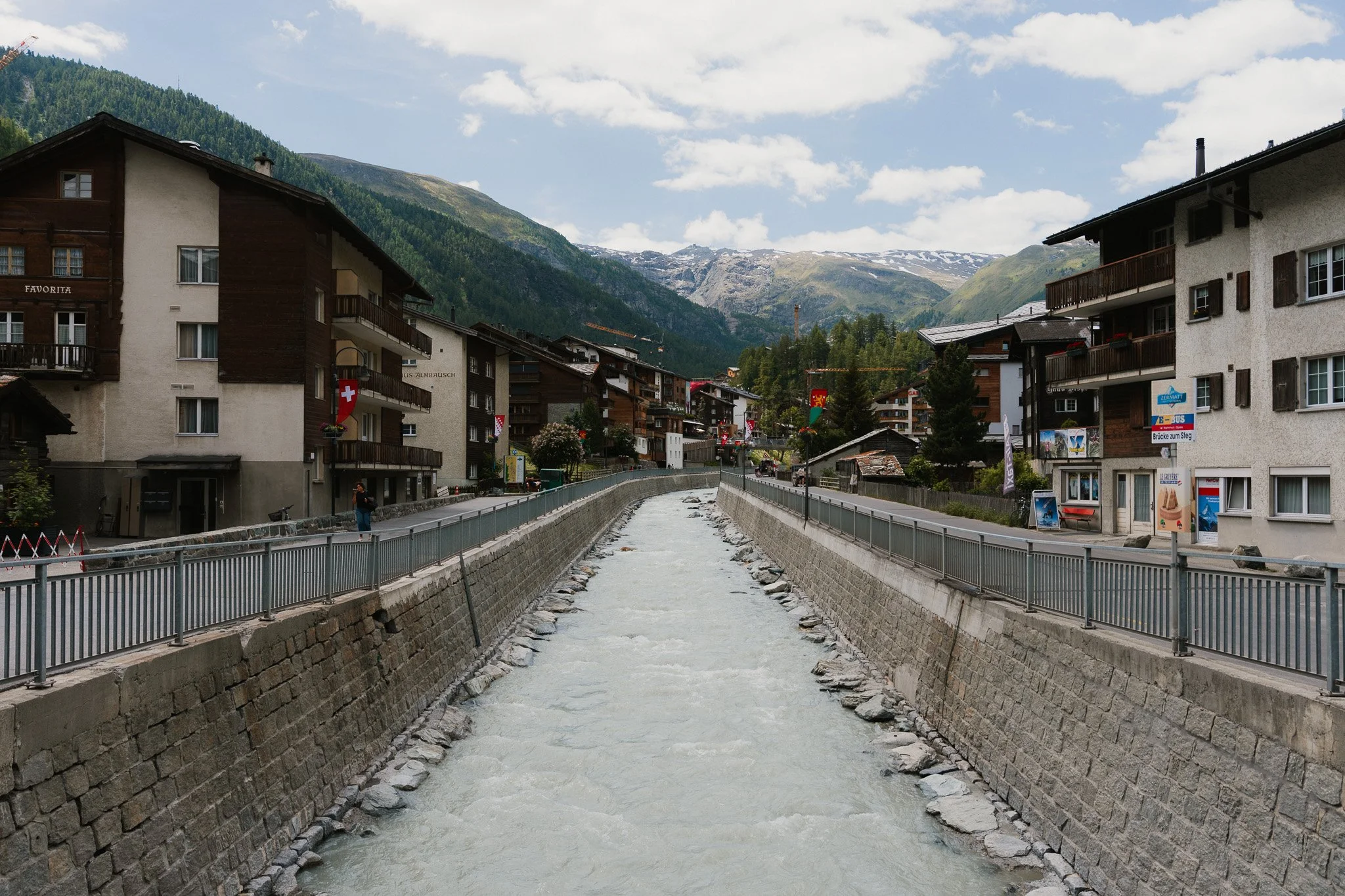
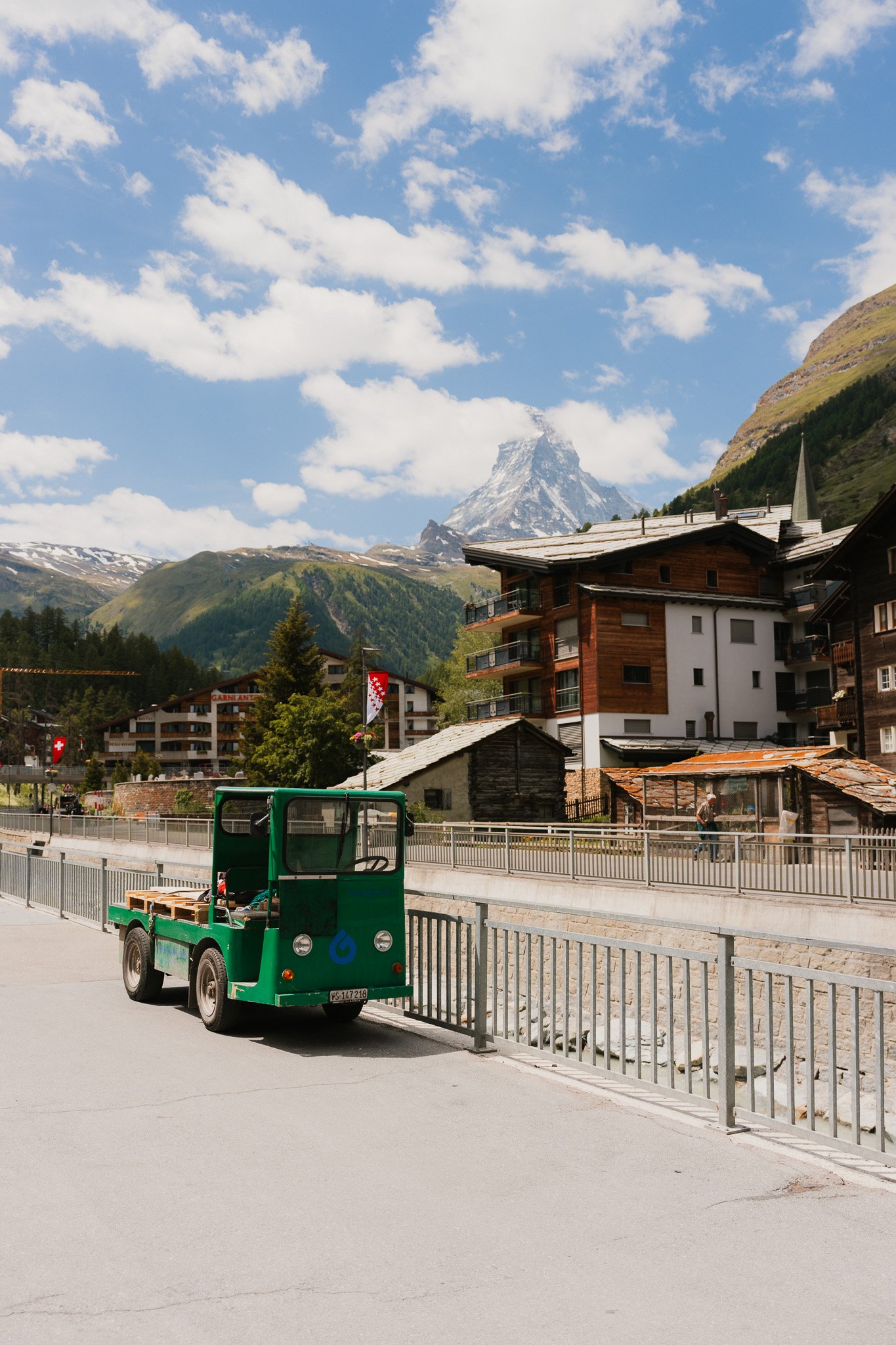
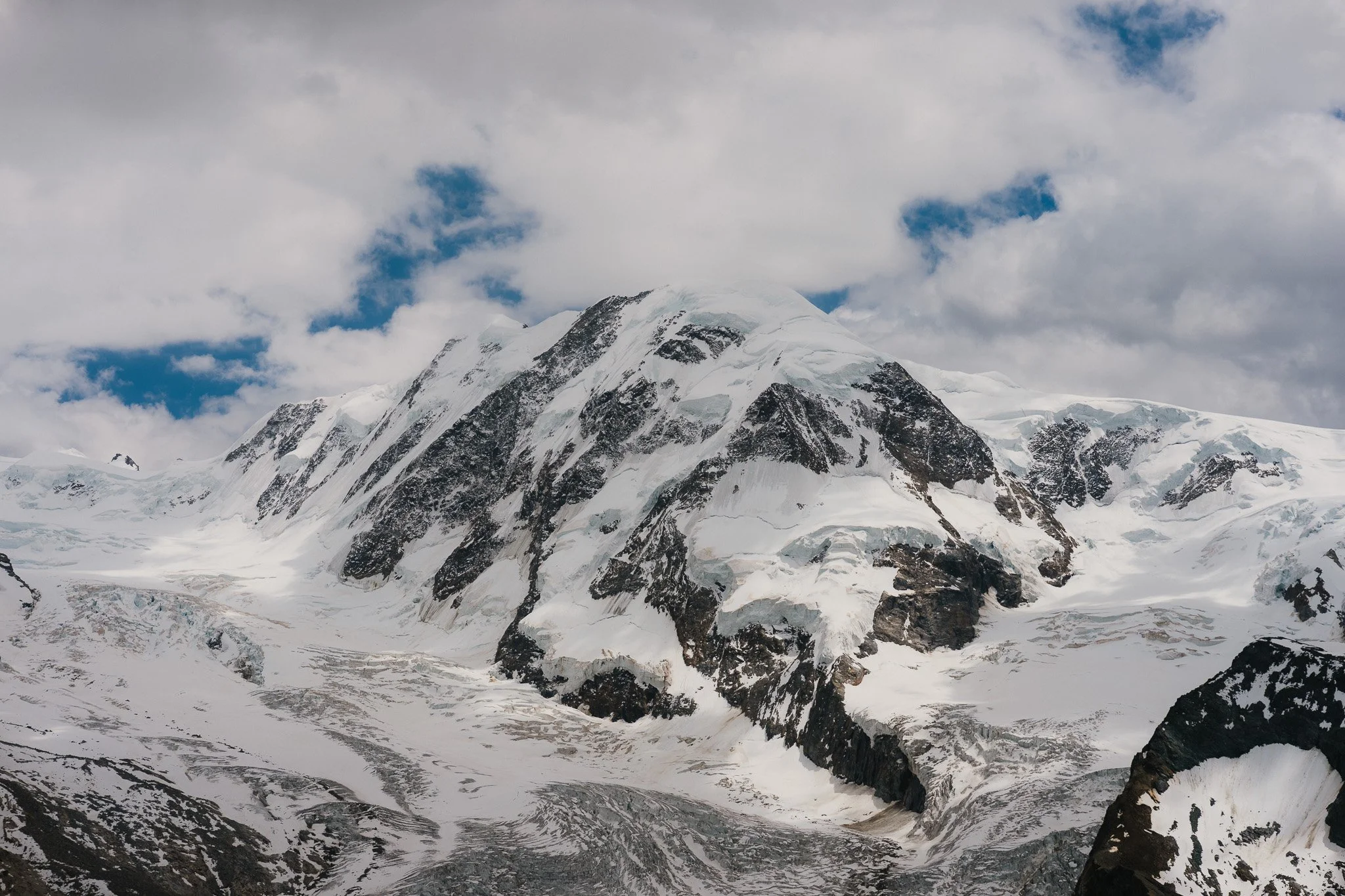
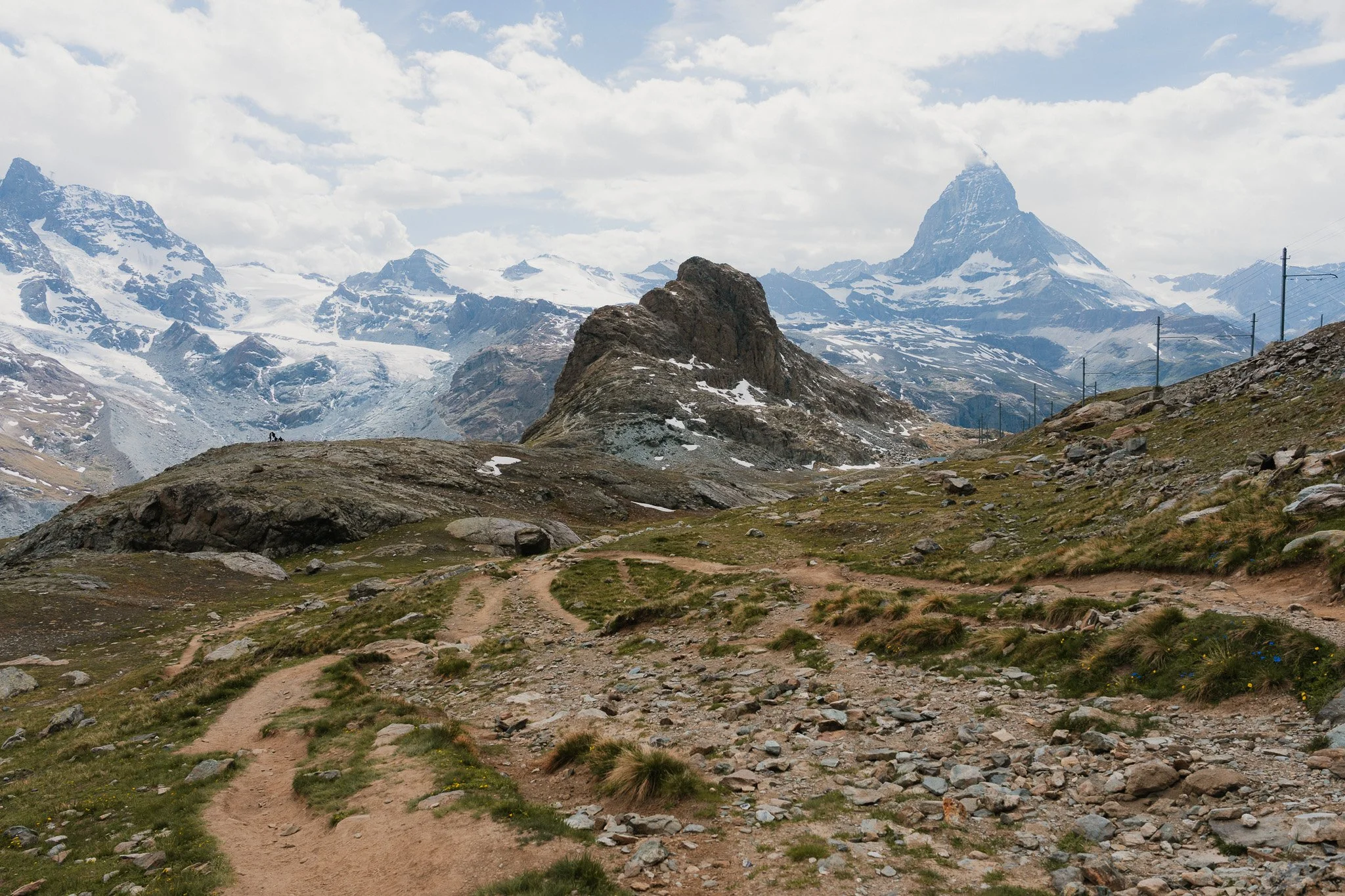
The train will slowly take you all the way to Gornergrat, over 3000m above sea level. From here you can have the best views of the Matterhorn and the surrounding glaciers. While you can take the train down, I suggest hiking down to the lakes. It would take you about an hour, but the path is clearly marked and is fairly straightforward. If there is no wind, you will get some nice reflections of the mountain in the lake. While you can hike further down, we decided to take the train back due to a storm rolling in.
Day 11 - Gotthard Panorama Express to Lugano
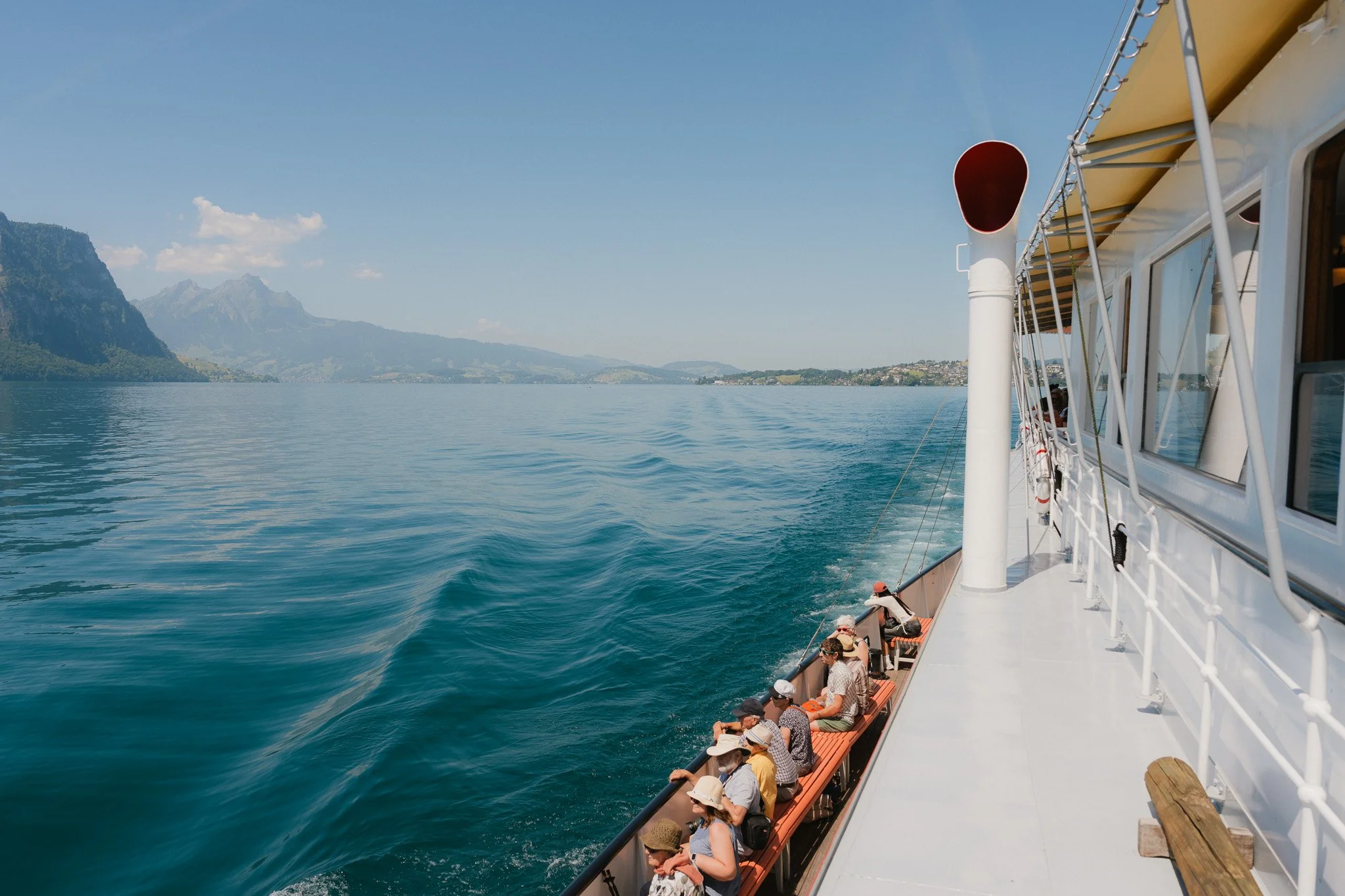
This would be the last scenic journey of the trip and will take us from Luzern all the way to Lugano. The first part of the journey was by boat along the lake and took around 3 hours. There was a full restaurant onboard and amazing views all around. After that we swapped to a train and proceeded through more scenic landscapes all the way to Lugano.
Day 12 - Lugano
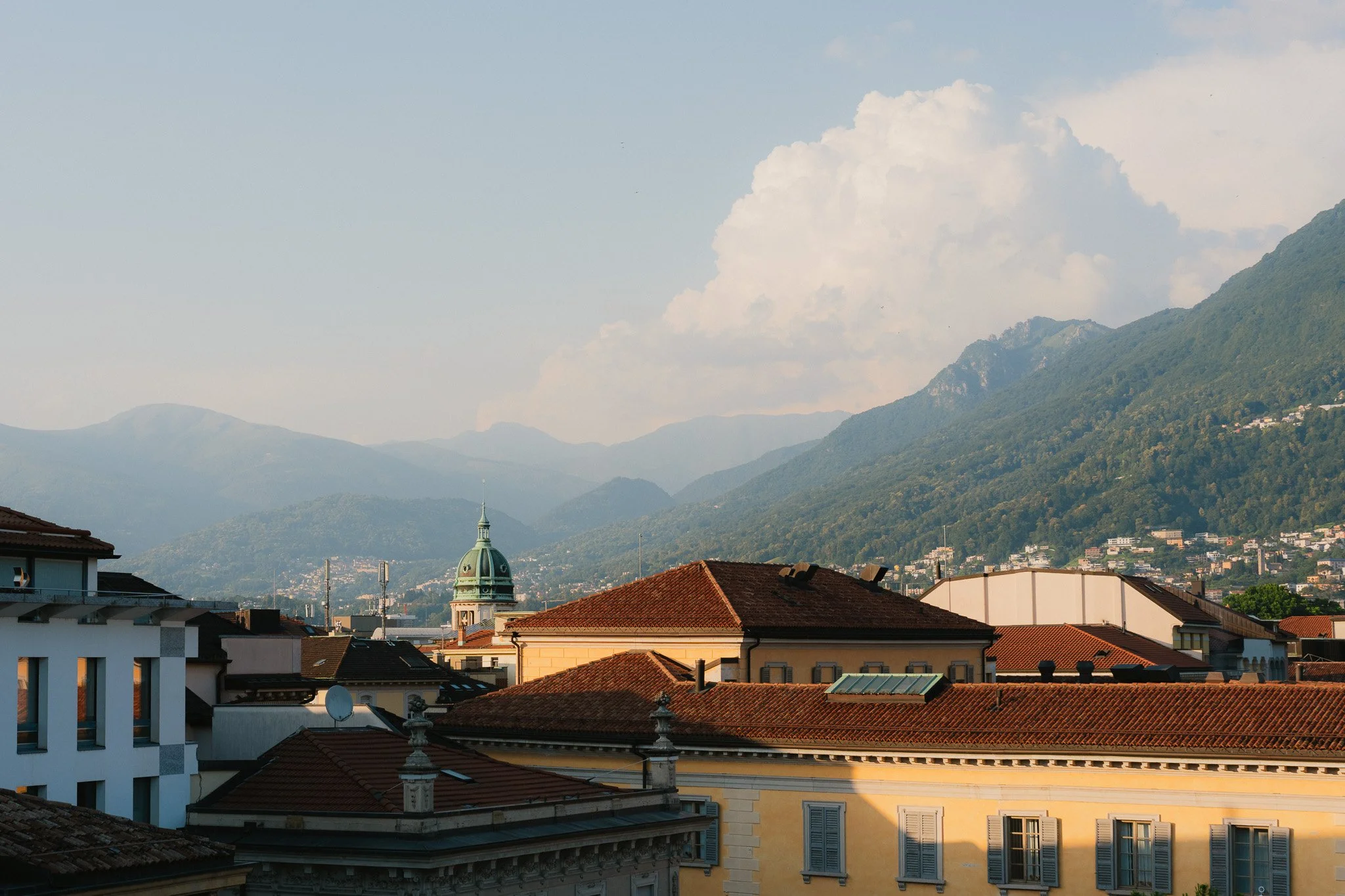
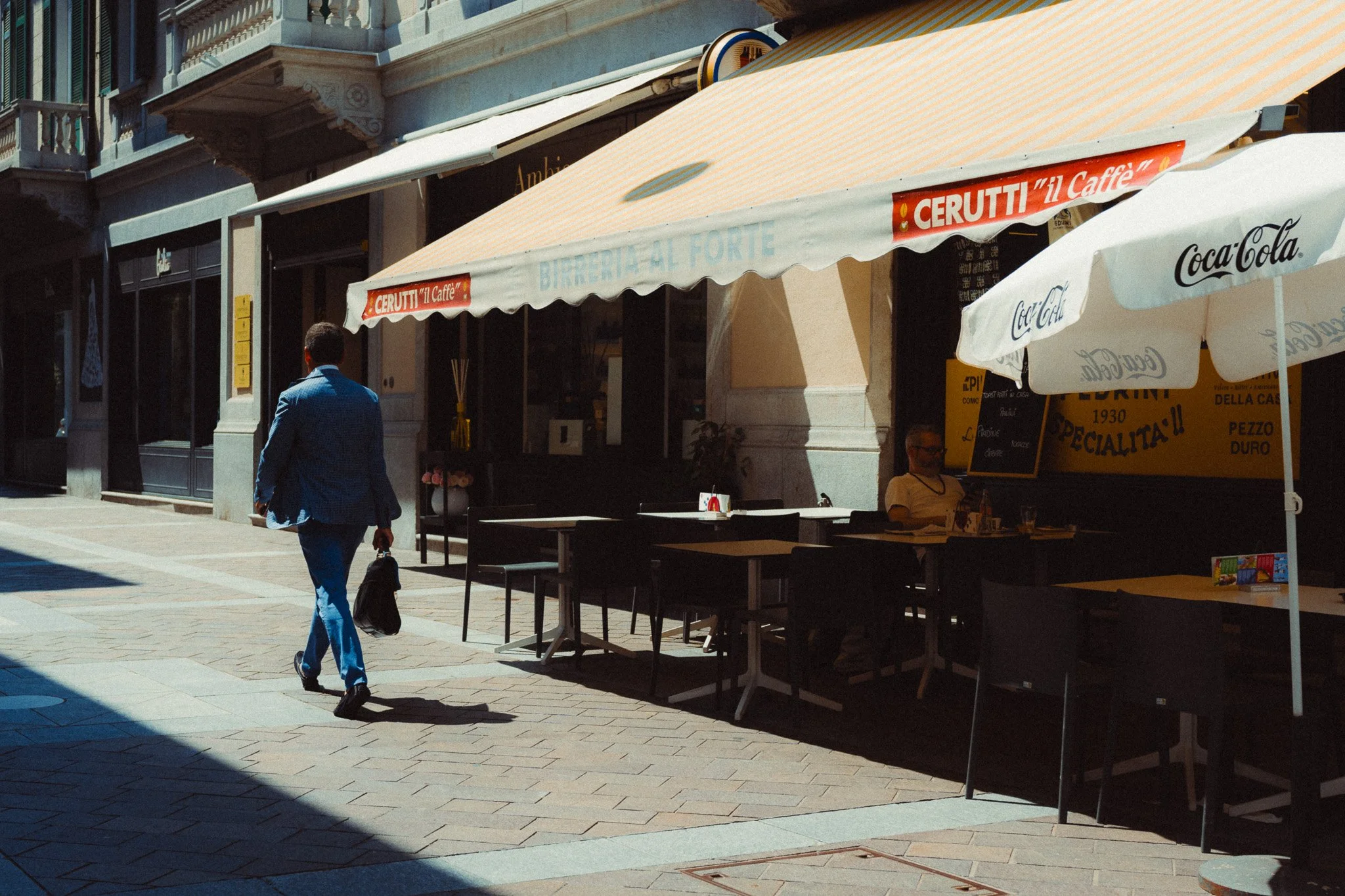
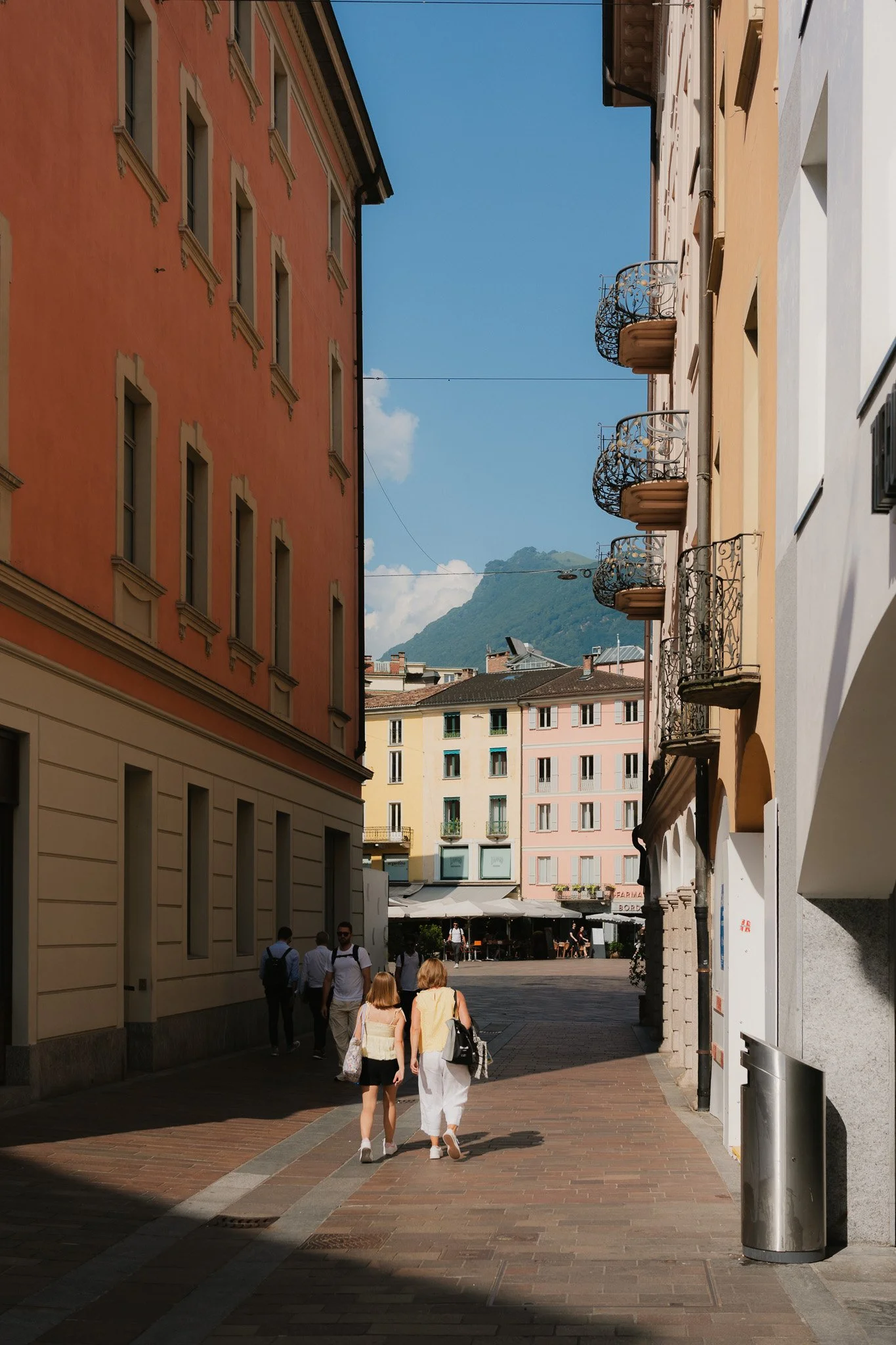
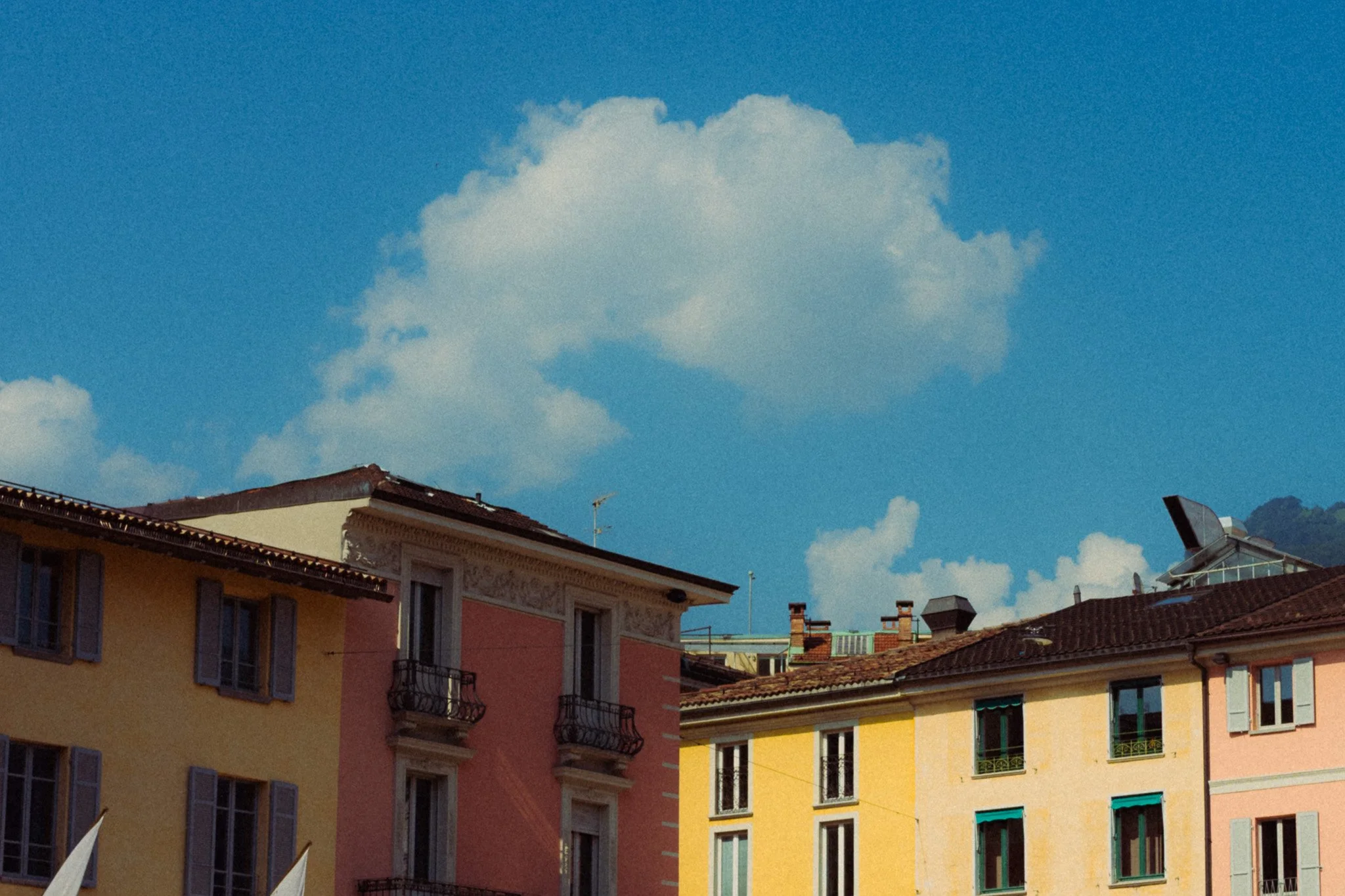
This was a rest day for us, and involved slowly bouncing between cafes, sitting by the lake, exploring the art museum, getting lost in the old town, and watching the world go by. This is a beautiful town and a stark contrast to Bern and Geneva. You really feel like you’re in Italy. While there are many things to do in Lugano, we spent our final day doing nothing.
What I Would Change
If I were to plan this trip again, there would be a few important changes. I would first scrap the scenic trains and just stick with normal trains that are covered by the Swiss Travel Pass. Not only would this save a lot of money, but it would free up two days. I would then use those two days for hiking, especially around the Zermatt area. I would use the money I saved to upgrade the Swiss Travel Pass to first class. Those cabins are always empty and have much more space. As mentioned before, I would also scrap Rhein Falls and spend an extra day in Bern as a rest day.
Instead of telling you how these will change your life, I would rather be practical and answer the most common questions that people tend to have when buying presets.
What are presets?
They are editing settings that are saved in a file and can be applied to any image.
Why do people buy presets?
Sometimes because they like the work of the photographer and want that style for their own photos. Mostly because they would like to see how other people edit and learn by reverse engineering the presets. Other times it’s just to support their favourite photographers, thank you!
What’s the overall style of these presets?
- Filmic
- Warm
- Soft
- Bright
What are these presets suitable for?
Street & Travel Photography
Some Nature (with further editing)
Some Portraits (with extensive editing)
Do I actually use these?
Yes. This is the same pack I use right now for all my editing. This isn’t a pack made just to sell.
Do these presets get updated?
Yes, as my style changes, these presets will also be updated. Any time a new update is available, you will get a free update via email. Of course you also keep all the old presets in case you prefer the older looks. Only presets purchased from 2025 onwards will receive the updates.
What file types are these presets for?
- All RAW files
- JPEGs & TIFFs (not recommended)
What camera brands are these presets for?
These were designed around Fujifilm, Sony, and Leica sensors. With that said, they will work with all camera brands. While there might be differences due to individual camera colour science, the overall feel of the preset will carry over.
Will these work with JPEG files?
Yes, but you will need to reduce the intensity and make further edits. I strongly recommend editing RAW files.
Are these one click edits?
95% No. You would need to do some basic adjustments as each image is different. These adjustments can include exposure, colour balance etc. In 5% of cases you can just apply and leave it alone.
Do I need to know how to edit?
You need to have a basic understanding of adjusting exposure, highlights, shadows, etc. A more comprehensive editing skillset will let you get the most out of them.
How many presets are included?
10 in the main pack and 24 in the extras pack
Why two packs?
The main pack is what I use for 99% of my edits and is kept small to reduce wasted time scrolling through presets. The extras pack is everything I don’t use often.
What software do I need?
These presets will work with any of the following:
- Photoshop (adobe camera raw)
- Lightroom Classic
- Lightroom Desktop
- Lightroom Mobile
Will these presets work with free versions of the above software?
You need to research and double check before buying. These presets were designed for the full paid versions.
Will these presets work with very old versions of the above software?
You need to research and double check before buying. These presets were designed on and for the latest software.
What file type do I get?
XMP
What else do I get?
- Comprehensive PDF guide
Can I modify these and turn them into my own?
Yes! In fact I encourage you to modify them and play around. Use these to help you get your own style.
I have more questions…. What do I do?
Make a cup of tea and drop me an email on hello@snapsbyfox.com
Please note that due to the nature of digital products, refunds are generally not accepted. However, if you experience any issues, feel free to contact me and I’ll review your situation individually. You are welcome to use this product for personal or commercial projects, but you may not copy, distribute, or resell the files in their original or modified form.
Finally I want to say a massive thank you for supporting me. Buying these presets is the most direct way you can support my work.
Thank you!