
How I plan long term travel
Over the last 5 years I’ve averaged 8-10 months of travel per year, with trips ranging from 1 week to 4 months. In most cases these travels would cover different locations, environments, and even climates. I honestly think that everyone should try and do a longer term trip at least once in their life, because there’s nothing more liberating than having all your stuff in a bag while you head off for a few months on the road. This blog is the accumulation of everything I learned over the years, so if you find yourself in a position of embarking on a long term trip, I hope this will help.
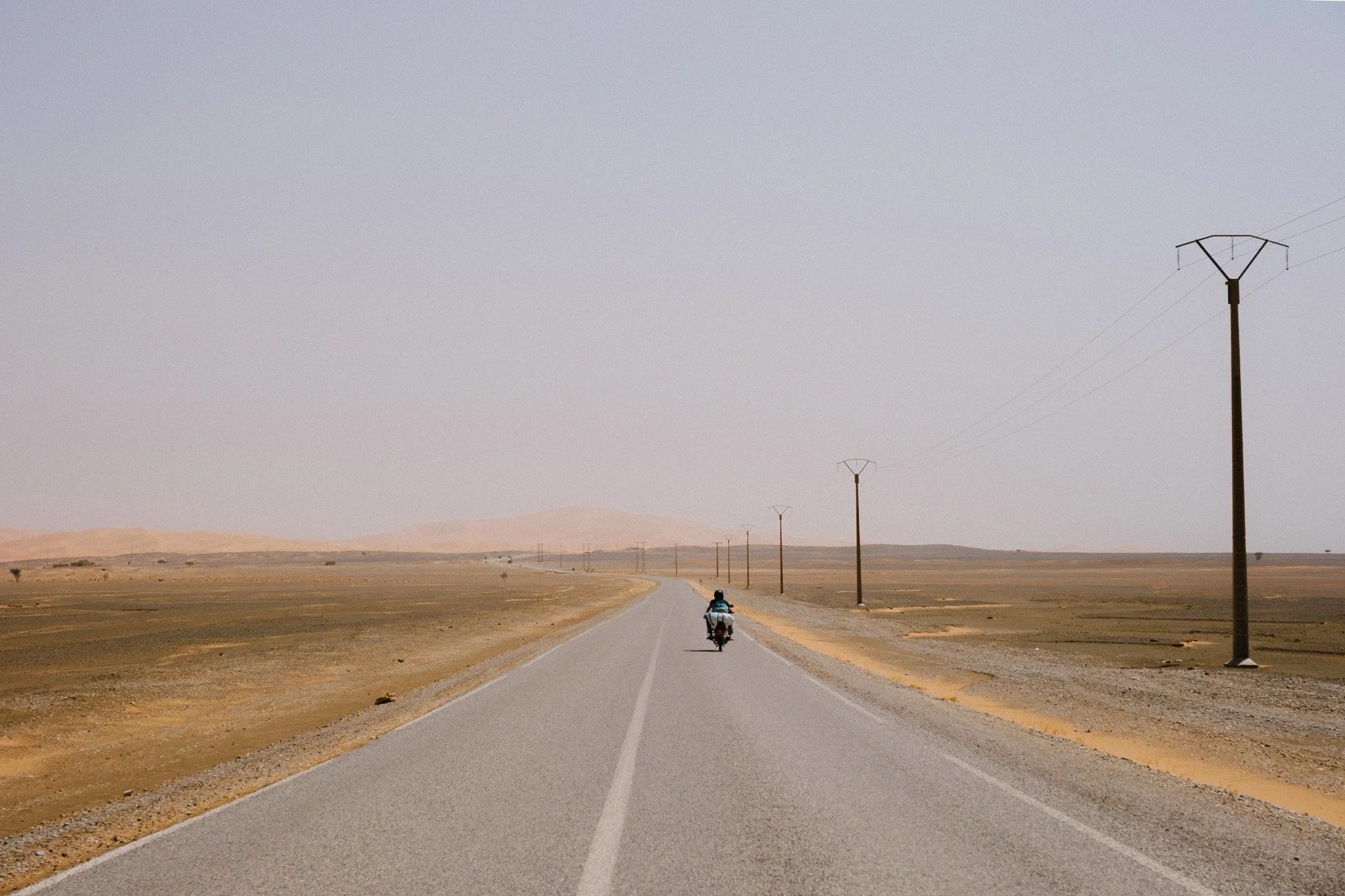
Step 1 - Find a critical date
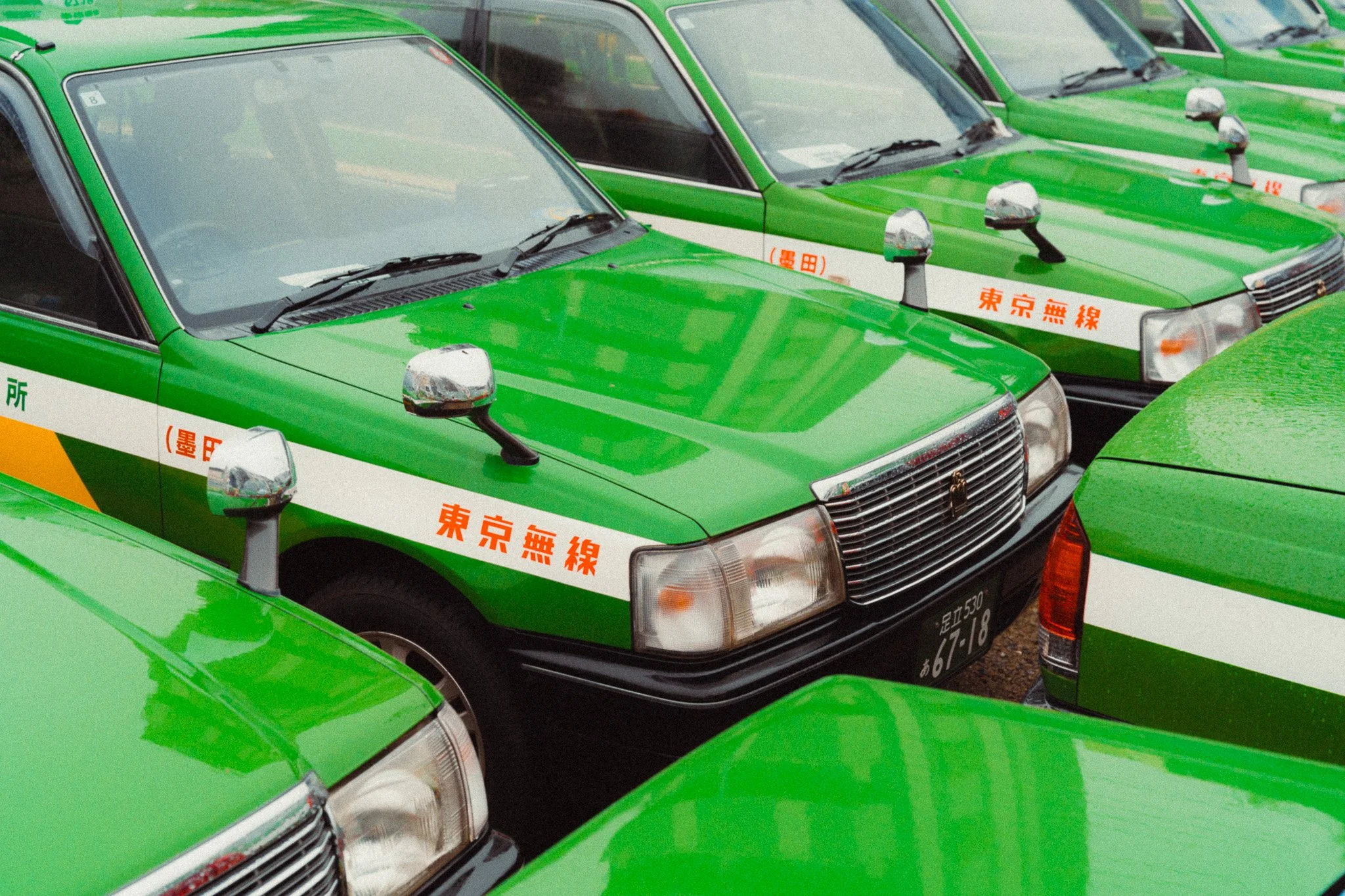
I think that the easiest way to start planning is to have one crucial date that can’t be moved. This might be when you need to be back home, or perhaps a date when you need to be in a specific place. For example, I will soon be planning a big Asia trip in the autumn, and all I know so far is that in the last week of October I need to be in Tokyo because some of my friends will be there at the same time. I also know that in the second week of November I need to be back home. This gives me a rough framework to start with.
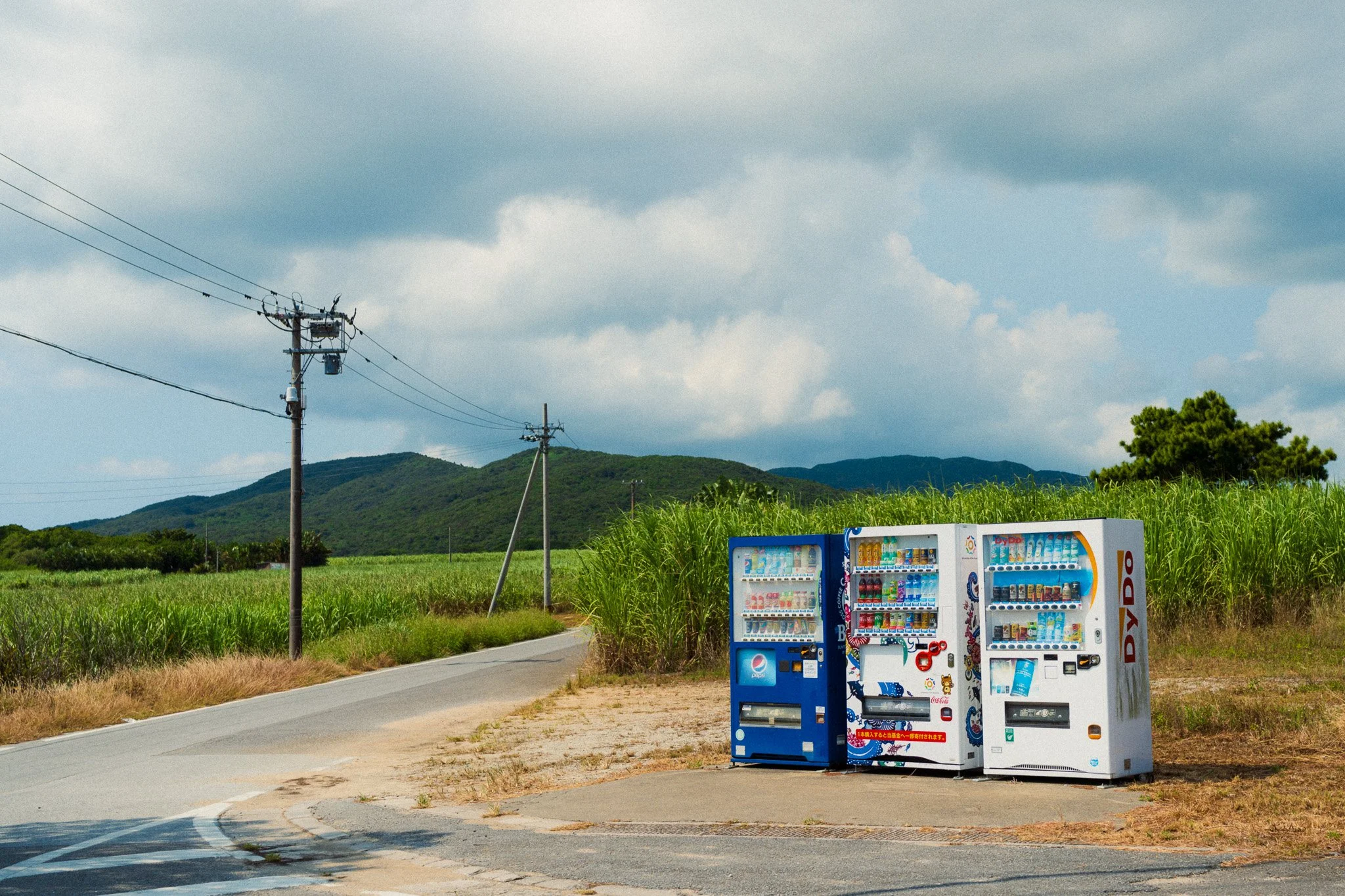
Step 2 - Set your start and end dates
Even if you have an empty calendar and zero responsibilities, creating a firm start date is a must, because without it, nothing will ever happen. As for the end date, I typically last 2-3 months on the road before I have to go home, so for me it’s easy to pick. If you plan on travelling endlessly, at least have a rough end date for that specific segment or period of time. I know that my Asia trip will start around the 1st of September, so now I have the full timeline.
Step 3 - Decide on trip style
There are two ways to do long term travel. The first way is to have one single base for a long time and hop around locally. For example, you can stay in London for 1 month, but then do short weekend trips to other European cities. The second way is to do 1-2 weeks in each spot and keep it moving. Both have their pros and cons, and this blog isn’t for discussing slow vs fast travel, but it’s worth understanding your trip type because it can drastically alter how you plan your travels.
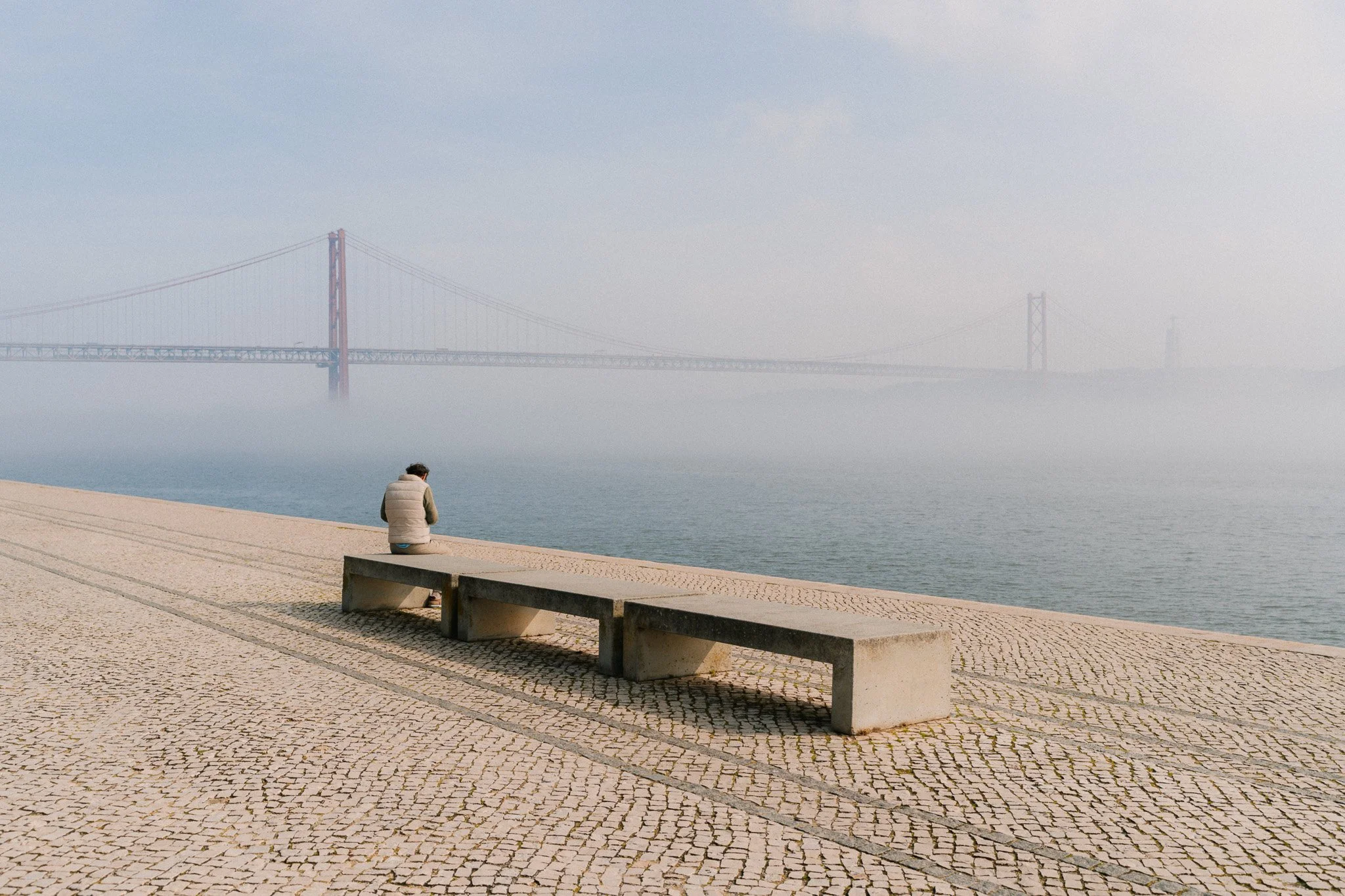
Step 4 - Pick 2-3 major destinations (your base)
I generally like to travel in a way where I have a base, even if it’s just for 2 weeks. For this trip I would pick 2-3 bases that are in the same part of the world. For example, I can stay in Hong Kong, Taipei, and Tokyo. These are 3 bases where you can stay for longer and travel further out locally. Hong Kong can be used as a springboard to Macau and Shenzhen. Taipei gives you quick access to Okinawa. Tokyo has hundreds of options within a 1-2 hour commute. This method allows you to avoid the constant packing and repacking routine, while also providing a degree of stability and a sense of ‘home’.
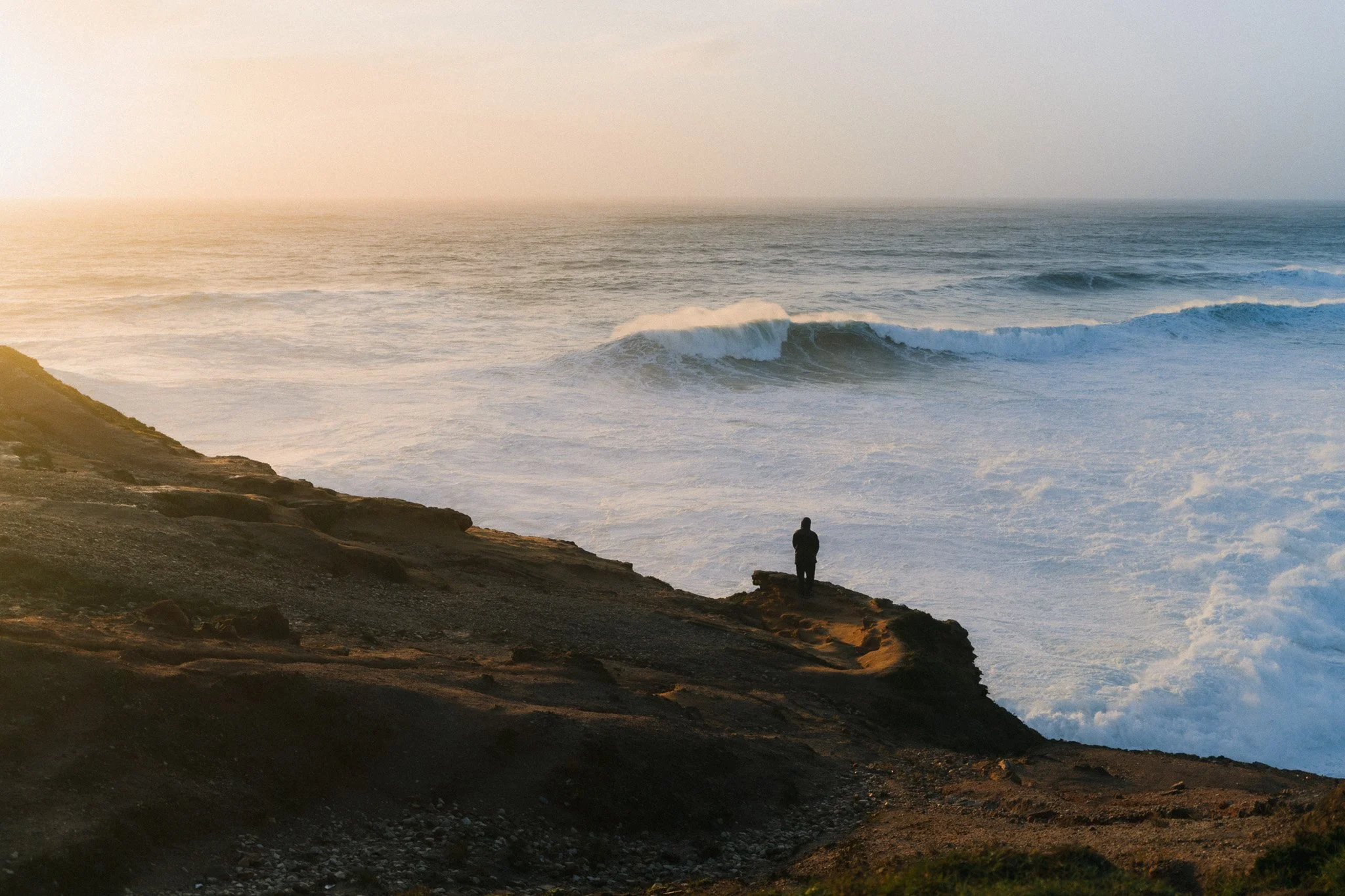
Step 5 - Create a rough route
You now have your rough timeline and your key locations, which means it’s now time to start creating a route. I always try to keep things as simple as possible. So for this specific trip, I would first fly to Hong Kong, then to Taipei, then Tokyo, then home. Of course, you can reverse this order if it works better. The point here is to avoid going back on yourself if you don’t have to.
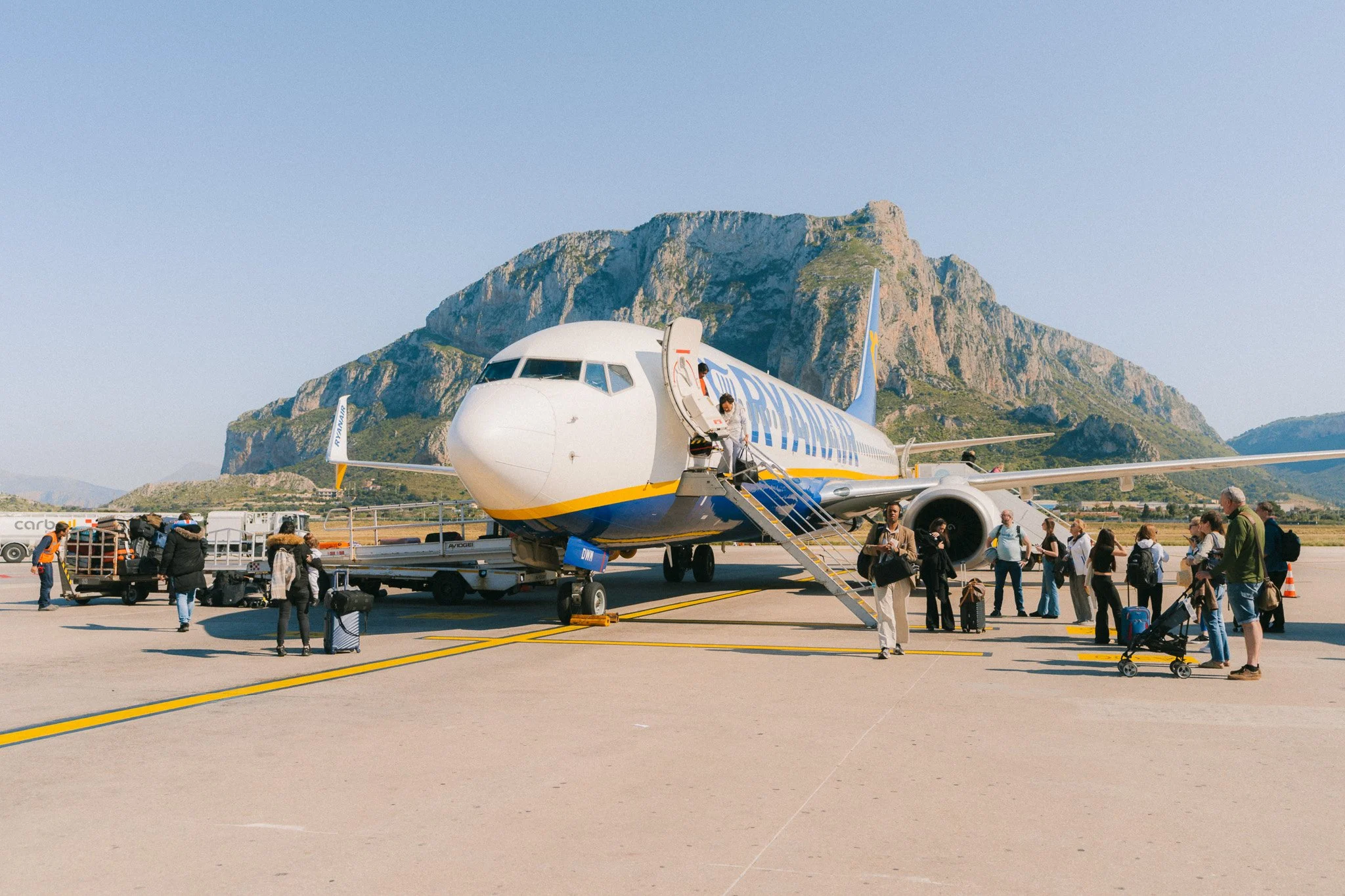
Step 6 - Break up long haul flights
If you have a long flight coming up, see if you can break it up and create a mini trip within a trip. When we were flying to Vietnam, we did a 4 day layover in Qatar that we booked as part of the airline ticket. In the end it worked out about the same as one direct ticket, and we got a free 4 day stay in a new city. This also helps a lot with jet lag.
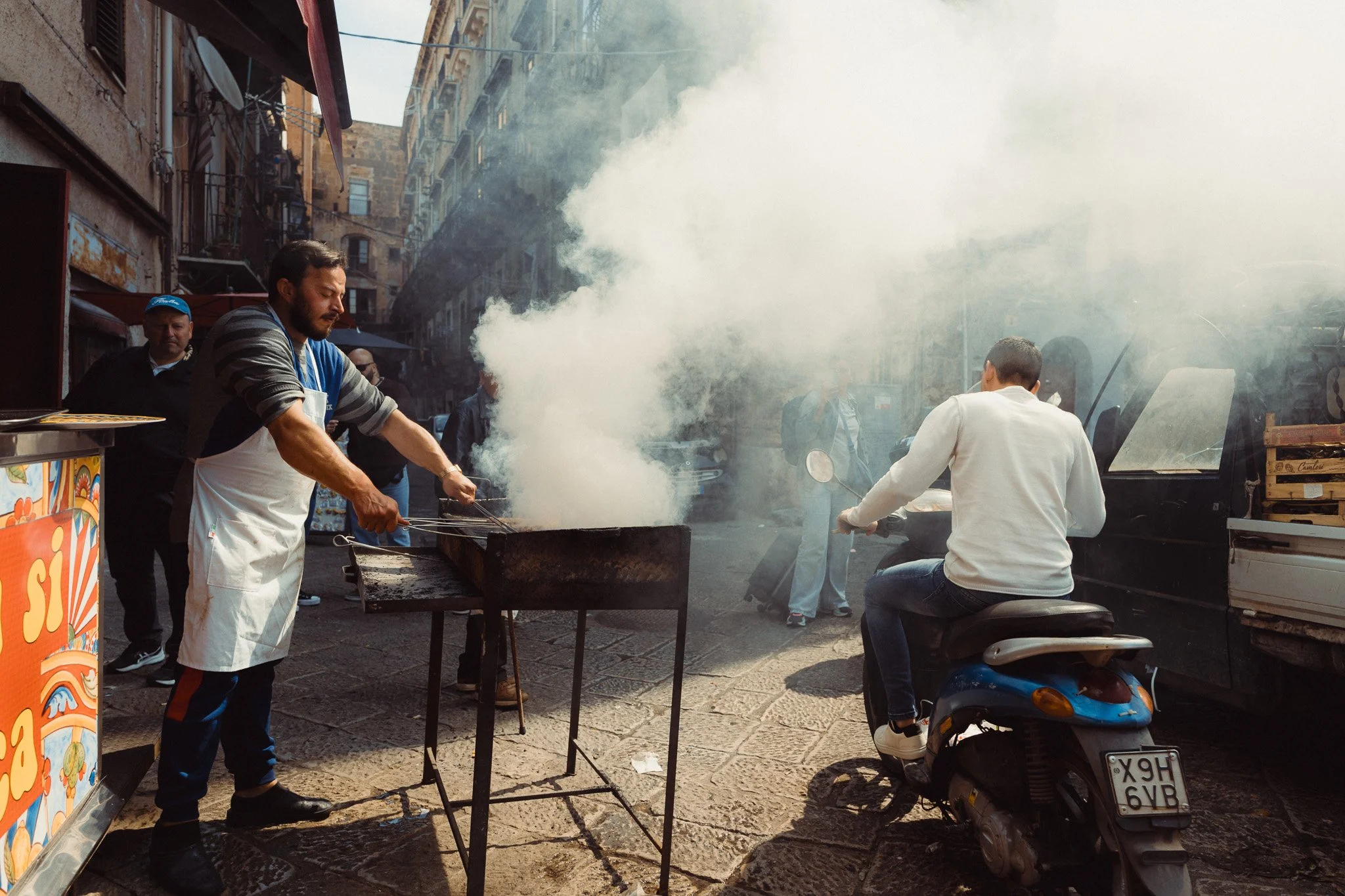
Step 7 - Assign durations
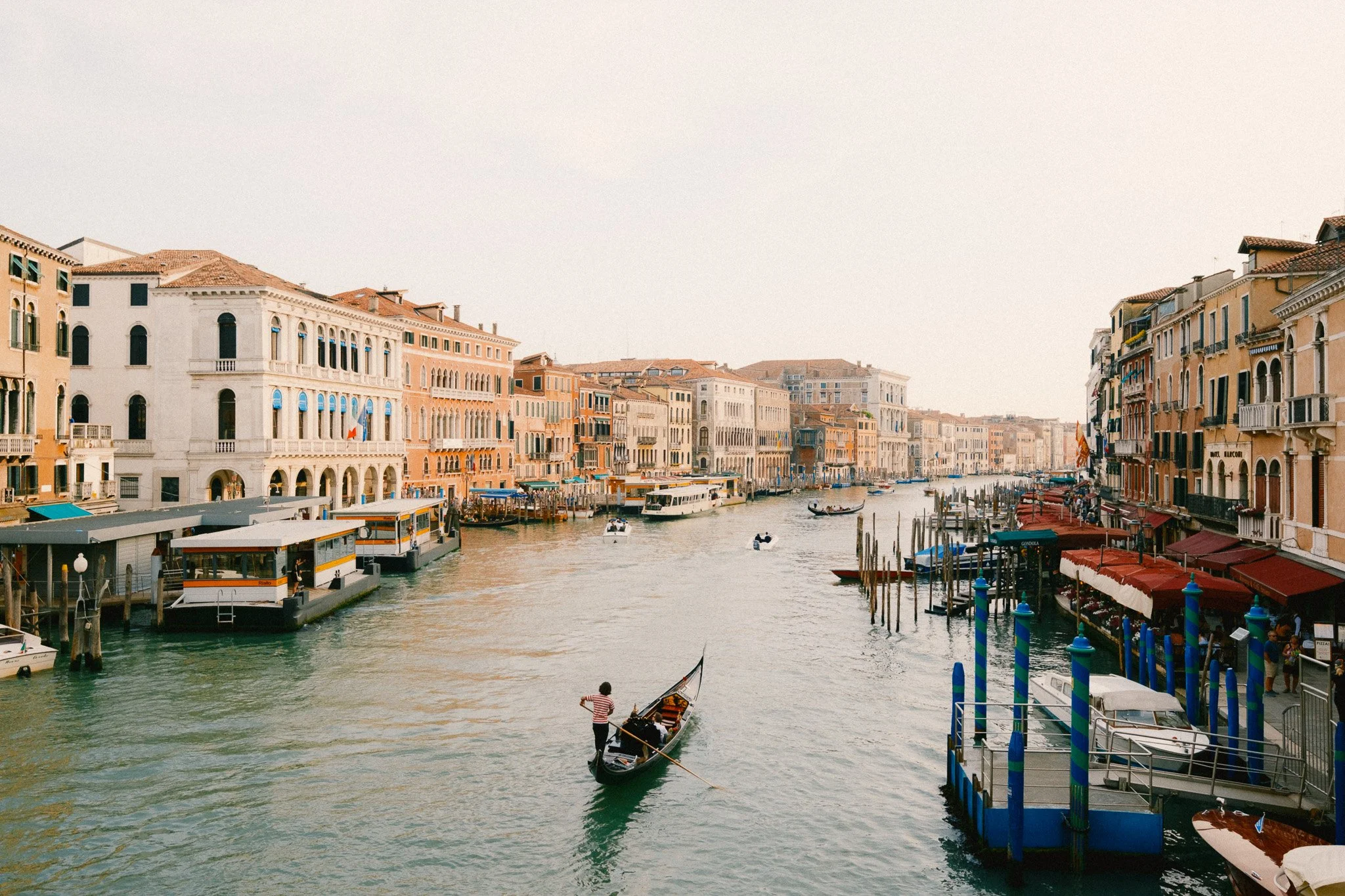
Assigning durations can be daunting because there is no one size fits all model. What’s short for me might be excessive for someone else. I generally find 1 month is enough to get to know a large city such as Tokyo, New York, or London. 2 weeks is my limit for an action packed trip such as backpacking across Vietnam. 1 week is a nice amount for a smaller city such as Venice. I always try to give myself more time than I think I need. I’d much rather be bored for 2 days than wish I had more time because I’m going to miss something.
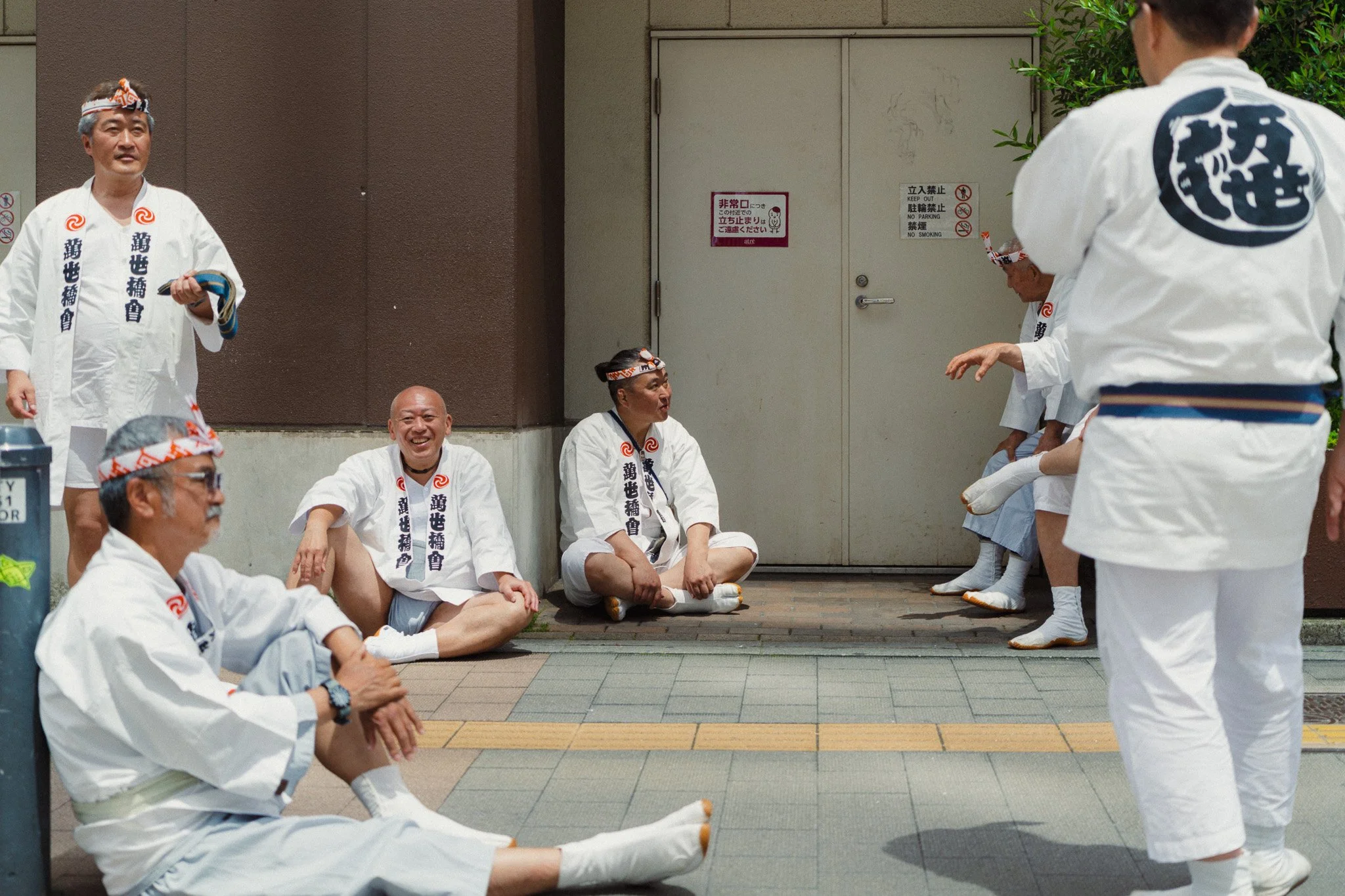
Step 8 - Book hotels
Once the trip is roughly planned, I will then book the major hotels that will be my bases. I don’t mind booking smaller stays last minute, but these big bookings need to be done sooner. When booking them, I am looking for space, light, and location. Having a gym is a bonus, but not essential. The only requirement is that those hotels must have free cancellation, because the trip isn’t set in stone. Some might prefer apartments, however I find hotels have been more reliable over the years.
Step 9 - Sleep on it
The trip is pretty much booked, so the penultimate step is to sleep on it and think everything over for a few days. Sometimes we have made substantial changes after we examined everything with a fresh pair of eyes.

Step 10 - Book flights
The last step is to book the flights. This is basically a no turning back moment for the trip, as in most cases flights are non-refundable.

Plan day trips and weekends away
If you find yourself spending 2+ weeks in a single location, I suggest planning at least one weekend away, or at least a day trip out of town. If you’re in London, head down to the south coast. If you’re in Tokyo, go visit Kamakura. If you’re in Malaga, go spend a day in Cordoba. This is a great way of seeing much more of the area you’re in, without your travel schedule feeling too full.
Try to combine climates
If possible, try to combine climates, or at least avoid having huge variations in temperature or weather. If your trip includes a 45C desert, an Asian city during monsoon season, and a quick trip to the Arctic Circle, you will find it very hard to pack efficiently without taking a huge suitcase with you.
Travel light
Travel as light as possible, ideally carry-on only, and preferably with a backpack over a suitcase. I lost count of how many times I had to make my way across a city with all my stuff due to a number of reasons. A large suitcase full of all your clothes is great if your trip looks like home > airport > taxi > hotel > taxi > airport > home. If this is the trip I’m doing, believe me, I will have a big suitcase with all the luxuries. However, for long term travel, you want to be as minimal as you can possibly be. Less stuff means fewer headaches. Not having a suitcase means free hands, the ability to walk around, and not having to store your bag in the bottom of a bus or the back of a car. My setup includes a 40L backpack and a 10L sling.
Always have some USD
Long term travel will most likely involve different countries and currencies. While I always advocate for having some local cash on you, I think having 100-200 USD in cash at all times is a good backup to get you out of sticky situations. USD is the one currency that has the best chance of being accepted outside its native country.
Be open to change
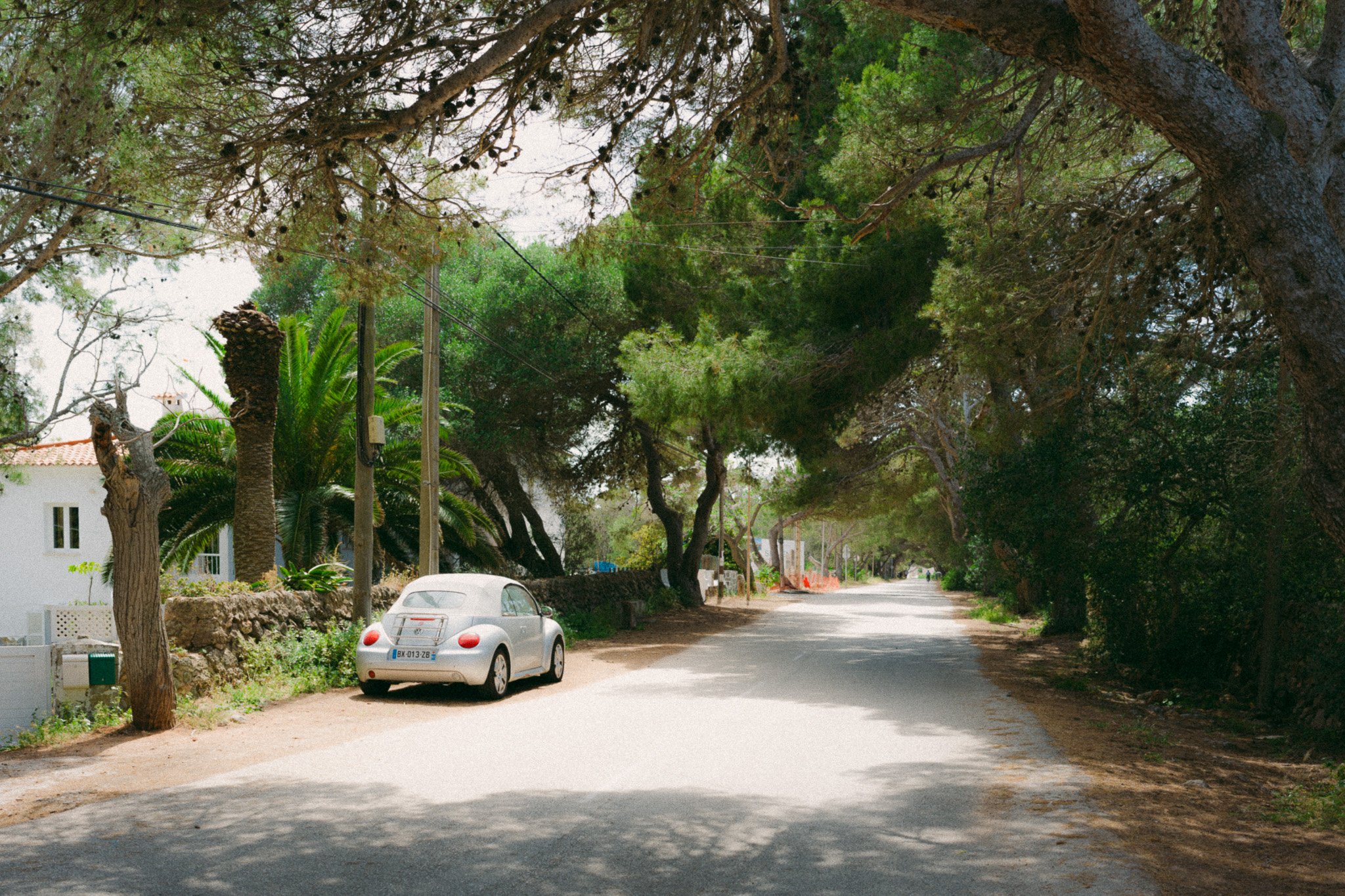
If there is one certainty about travel, it is that there will be change. Flights will get delayed or even cancelled, accommodation might leave a lot to be desired, unexpected illness, crime, a change of heart, and probably another 100 things that can change the trajectory of your trip. Even if you spent months planning this, you need to be very open-minded to change, and go with the flow.

Document everything
I heard a quote somewhere, and I will utterly butcher it, but it was along the lines of: “You don’t know you’re in your golden years until you look back and realise those were the golden years.” I lost count of how many times I said, “I will come back here next year for longer”, only to never come back again. Document everything, make the most of everything, and realise that you will be looking back at this very moment in 10 years while thinking, “Those were the golden years.”
Cloud + SSD
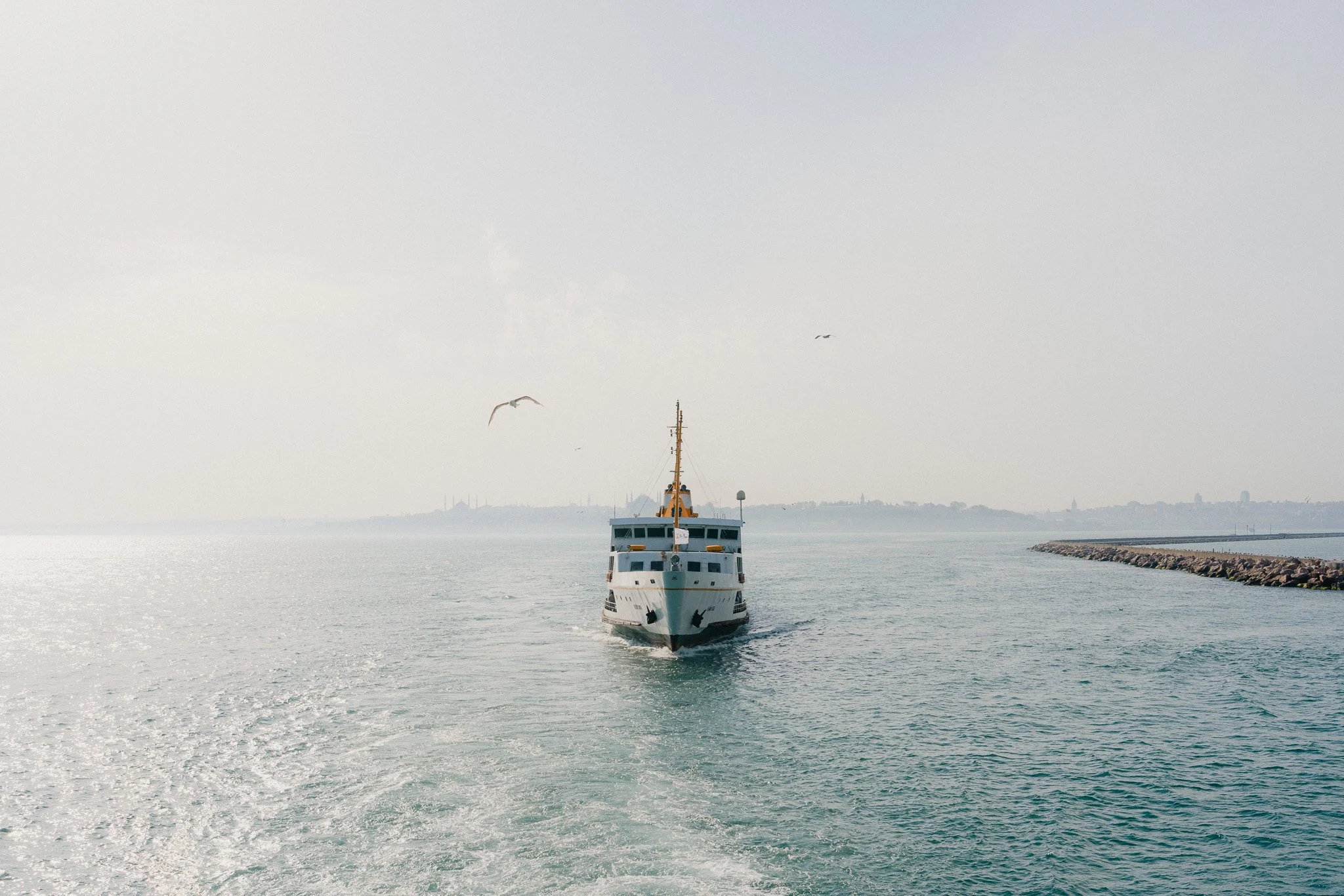
Even if you’re not a keen photographer, you will still end up with thousands of photos and videos. The absolute worst thing you can do is not have some sort of backup solution. On the road I rely on an SSD and cloud storage. I know that SSD prices are extortionate these days, but it’s still worth it for the peace of mind. I pick an SSD because of its small size and lack of moving parts, making it great for travel. As for cloud storage, there are so many options that I wouldn’t know what to recommend. I use Adobe cloud which comes with my Lightroom subscription, or iCloud. Anytime I get good internet, I upload all my photos for peace of mind.

Digital versions of all important documents
This is a simple one. Keep digital scans of your passport, visa, insurance, driving licence, or any other important document.
Be careful with souvenirs
It might be tempting to grab a little coffee cup here or a hat there, but soon enough these purchases will add up, take up valuable space, and get on your nerves. If you will be on the road for a while and you want to pick something up from each place you visit, then going for things like stickers or bracelets might be a better option.
You need to rest
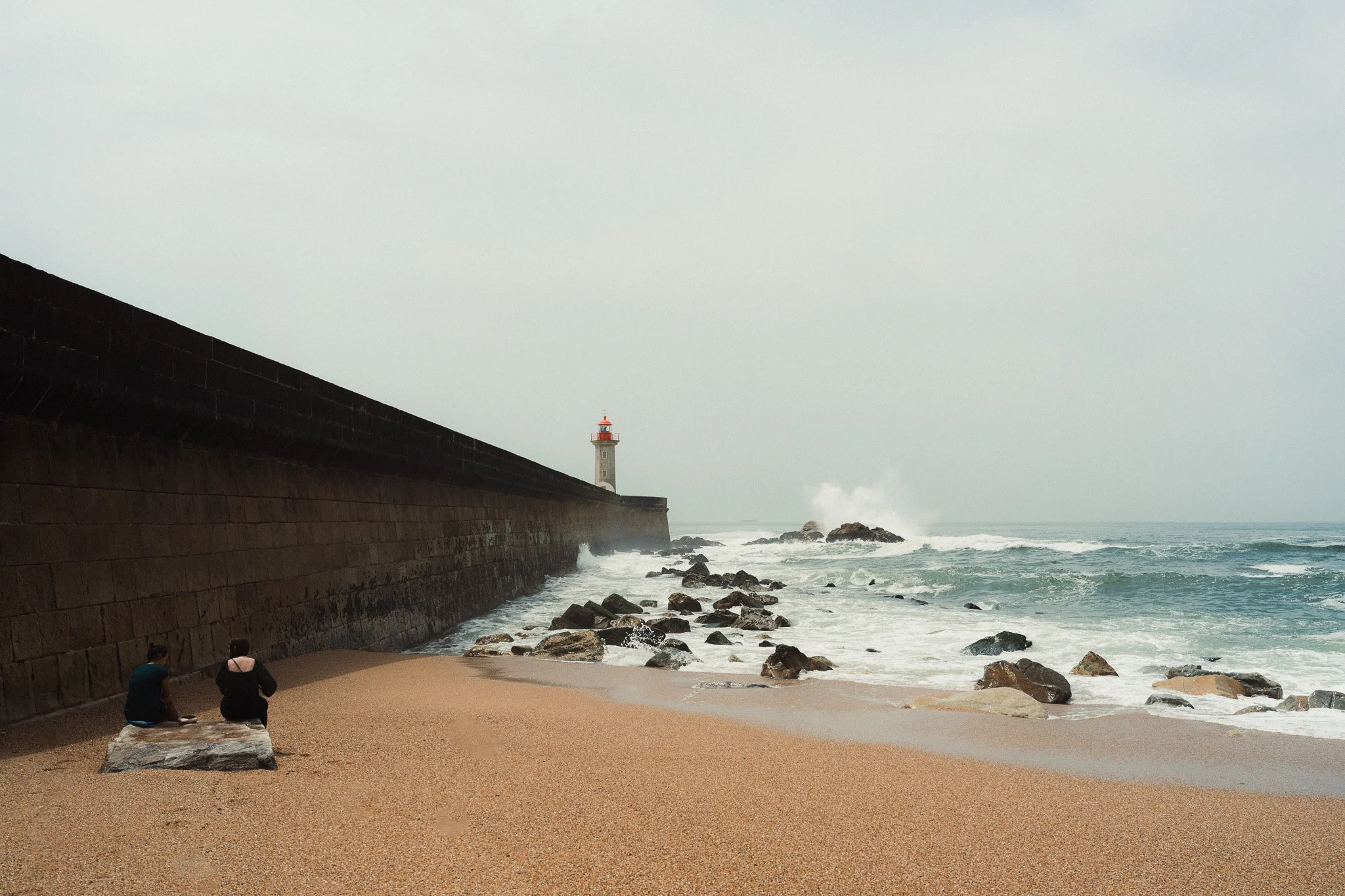
When you’re somewhere new, it’s exciting, and you want to explore every day, but believe me, burnout will come. It’s easy to forget rest days and always be on the go, but after 4-5 days of consecutive exploring, you need a day to chill. I have also found that those slow days are actually great for seeing the city from a different side. No one can tell me that sitting in a local coffee shop and watching the world go by isn’t a fantastic activity.
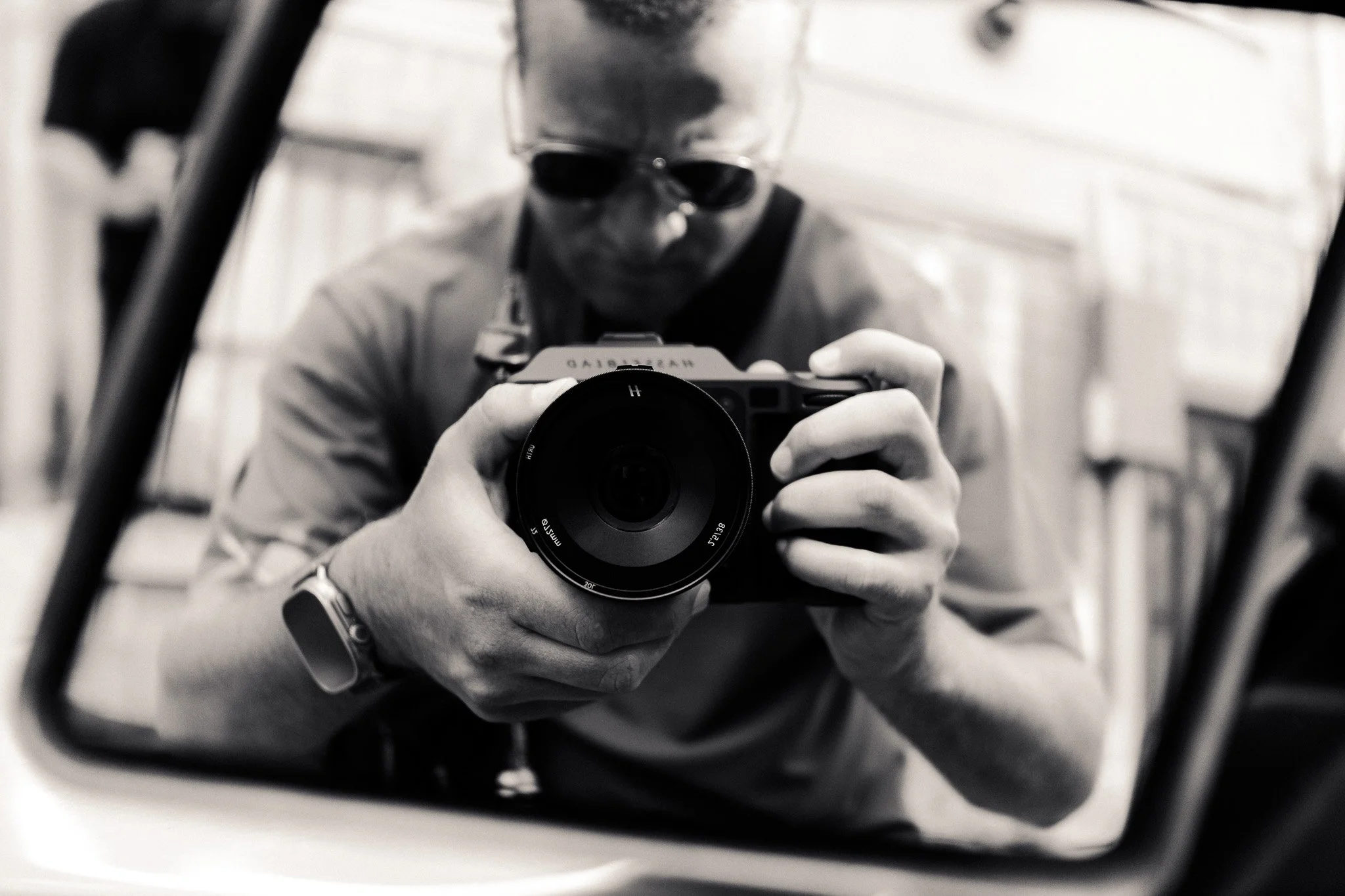


Instead of telling you how these will change your life, I would rather be practical and answer the most common questions that people tend to have when buying presets.
What are presets?
They are editing settings that are saved in a file and can be applied to any image.
Why do people buy presets?
Sometimes because they like the work of the photographer and want that style for their own photos. Mostly because they would like to see how other people edit and learn by reverse engineering the presets. Other times it’s just to support their favourite photographers, thank you!
What’s the overall style of these presets?
- Filmic
- Warm
- Soft
- Bright
What are these presets suitable for?
Street & Travel Photography
Some Nature (with further editing)
Some Portraits (with extensive editing)
Do I actually use these?
Yes. This is the same pack I use right now for all my editing. This isn’t a pack made just to sell.
Do these presets get updated?
Yes, as my style changes, these presets will also be updated. Any time a new update is available, you will get a free update via email. Of course you also keep all the old presets in case you prefer the older looks. Only presets purchased from 2025 onwards will receive the updates.
What file types are these presets for?
- All RAW files
- JPEGs & TIFFs (not recommended)
What camera brands are these presets for?
These were designed around Fujifilm, Sony, and Leica sensors. With that said, they will work with all camera brands. While there might be differences due to individual camera colour science, the overall feel of the preset will carry over.
Will these work with JPEG files?
Yes, but you will need to reduce the intensity and make further edits. I strongly recommend editing RAW files.
Are these one click edits?
95% No. You would need to do some basic adjustments as each image is different. These adjustments can include exposure, colour balance etc. In 5% of cases you can just apply and leave it alone.
Do I need to know how to edit?
You need to have a basic understanding of adjusting exposure, highlights, shadows, etc. A more comprehensive editing skillset will let you get the most out of them.
How many presets are included?
10 in the main pack and 24 in the extras pack
Why two packs?
The main pack is what I use for 99% of my edits and is kept small to reduce wasted time scrolling through presets. The extras pack is everything I don’t use often.
What software do I need?
These presets will work with any of the following:
- Photoshop (adobe camera raw)
- Lightroom Classic
- Lightroom Desktop
- Lightroom Mobile
Will these presets work with free versions of the above software?
You need to research and double check before buying. These presets were designed for the full paid versions.
Will these presets work with very old versions of the above software?
You need to research and double check before buying. These presets were designed on and for the latest software.
What file type do I get?
XMP
What else do I get?
- Comprehensive PDF guide
Can I modify these and turn them into my own?
Yes! In fact I encourage you to modify them and play around. Use these to help you get your own style.
I have more questions…. What do I do?
Make a cup of tea and drop me an email on hello@snapsbyfox.com
Please note that due to the nature of digital products, refunds are generally not accepted. However, if you experience any issues, feel free to contact me and I’ll review your situation individually. You are welcome to use this product for personal or commercial projects, but you may not copy, distribute, or resell the files in their original or modified form.
Finally I want to say a massive thank you for supporting me. Buying these presets is the most direct way you can support my work.
Thank you!