
Fujifilm 56mm f1.2 WR Review
There are two Fuji lenses that seem to have a cult like following. The first is the 35mm f1.4 which you can read about here. The second is the 56 f1.2. This blog will focus on the new WR version of this lens. This review comes following 3 weeks of heavy use in Tokyo, so although this isn’t a long term review, I have used it extensively in mostly low light conditions.

Why Would You Buy This?
The first question is why you would consider this lens and who is it for. In my opinion this is a niche product and is not for everyone. The four main use cases are studio work, portraits, products and low light photography. The last point is with a caveat that you shoot slower and you love shooting at night with most of your photography being in low light conditions. If you only shoot at night now and then, I do not recommend this lens and instead suggest the 50mm f2 from Fujifilm. Equally if most of your work is not portrait, studio or product, then the 50mm is a better choice.

Build & Ergonomics
Overall the build quality is just like any other fuji lens. Feels solid and premium. With that said, I managed to scratch it within the first couple days of ownership and still not sure how it happened. The easy scratching of the body is a common theme on all Fuji lenses. The aperture ring is solid with defined clicks while the focus dial is well damped.

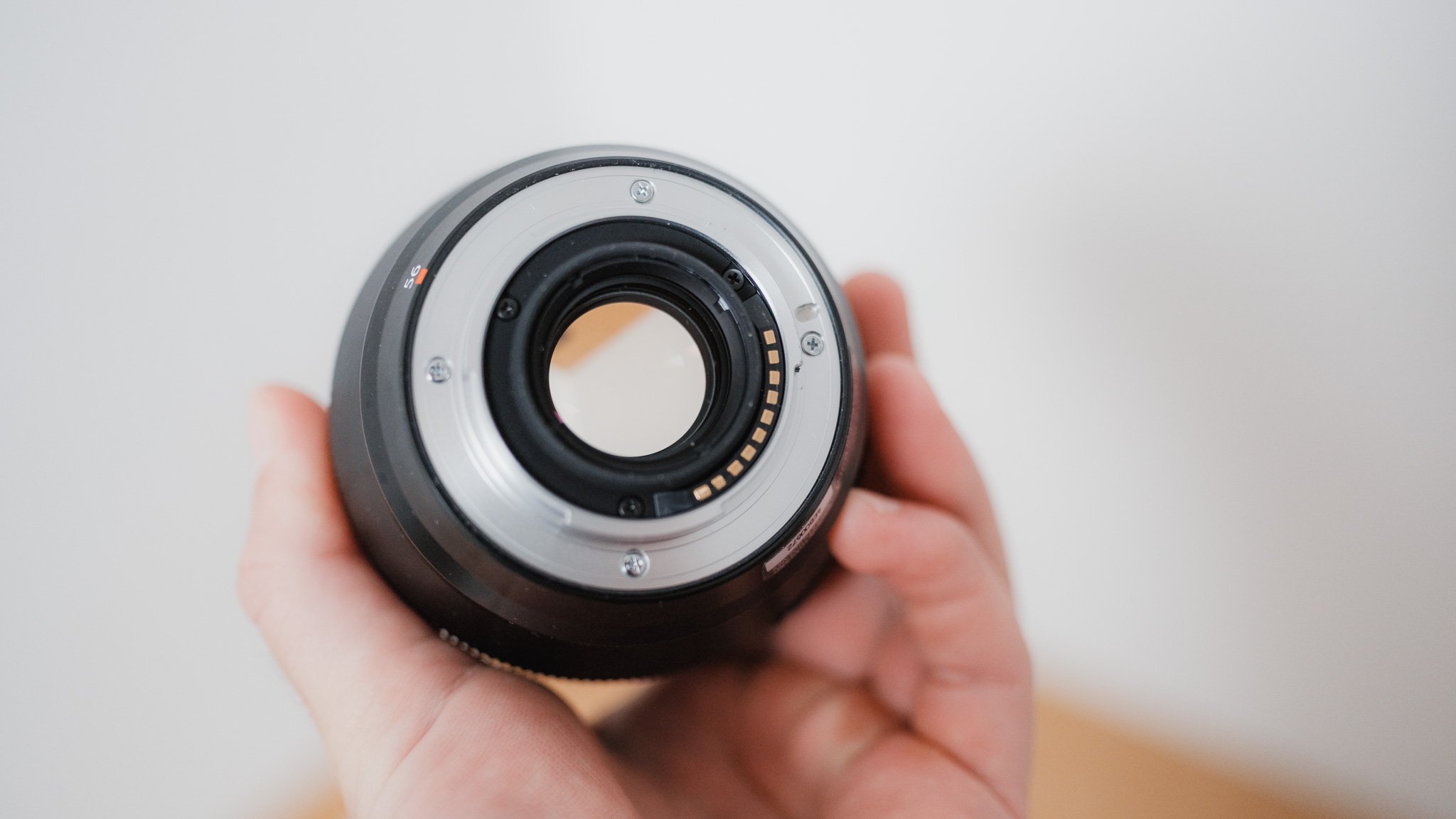

Ergonomically this is where you pay a price for the f1.2 aperture because this lens is huge. It’s big, heavy and cumbersome on any body that’s not an XH in my opinion. On an XT body it feels front heavy and should you use it on something smaller like an XE or XT50 / XT30, your wrist will hurt. On an XH this does feel well balanced given the bigger grip and body. For me this lens is just too big and this is one of the deciding factors regarding whether I will keep it long term or sell up.


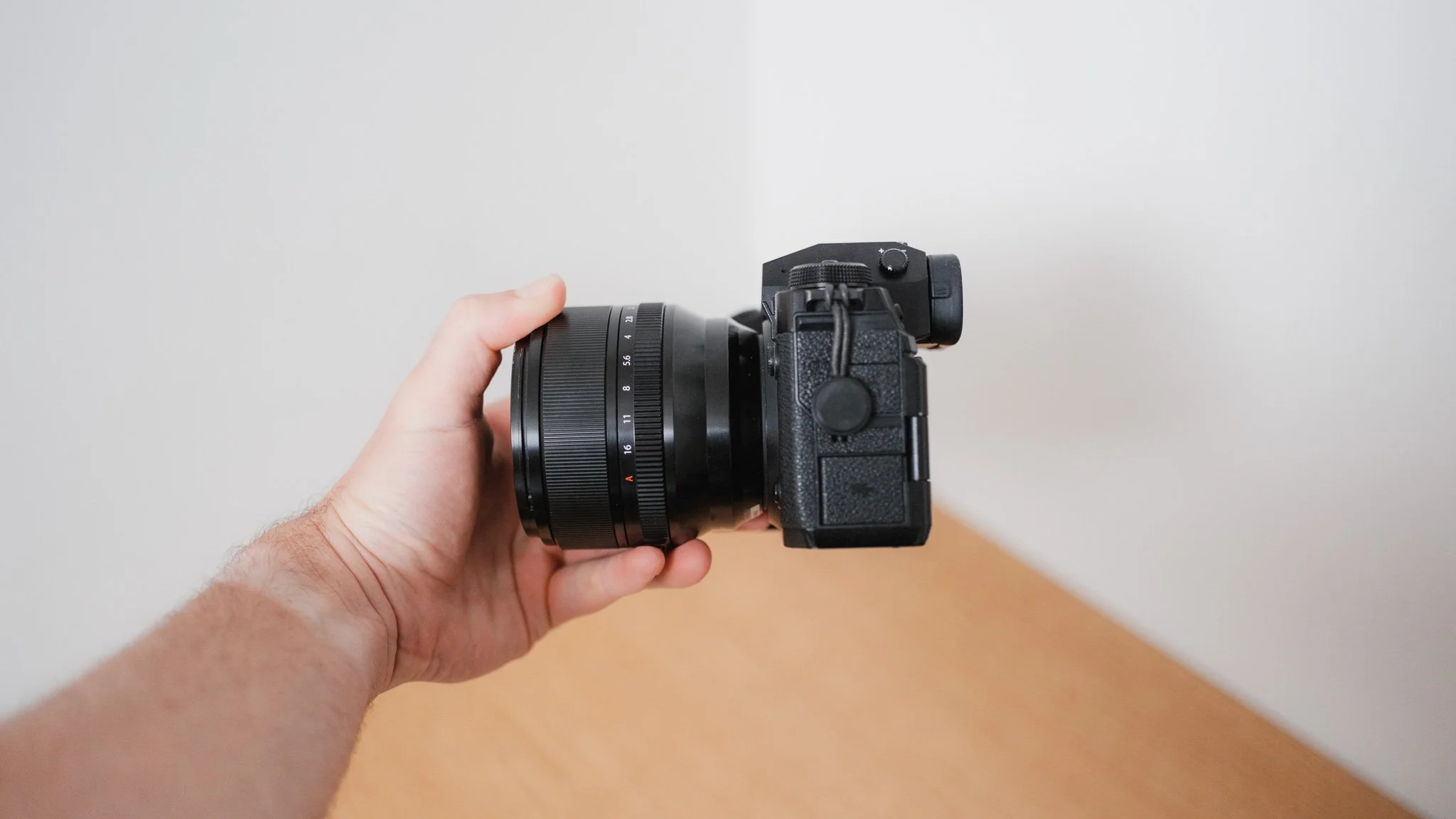
Image Quality
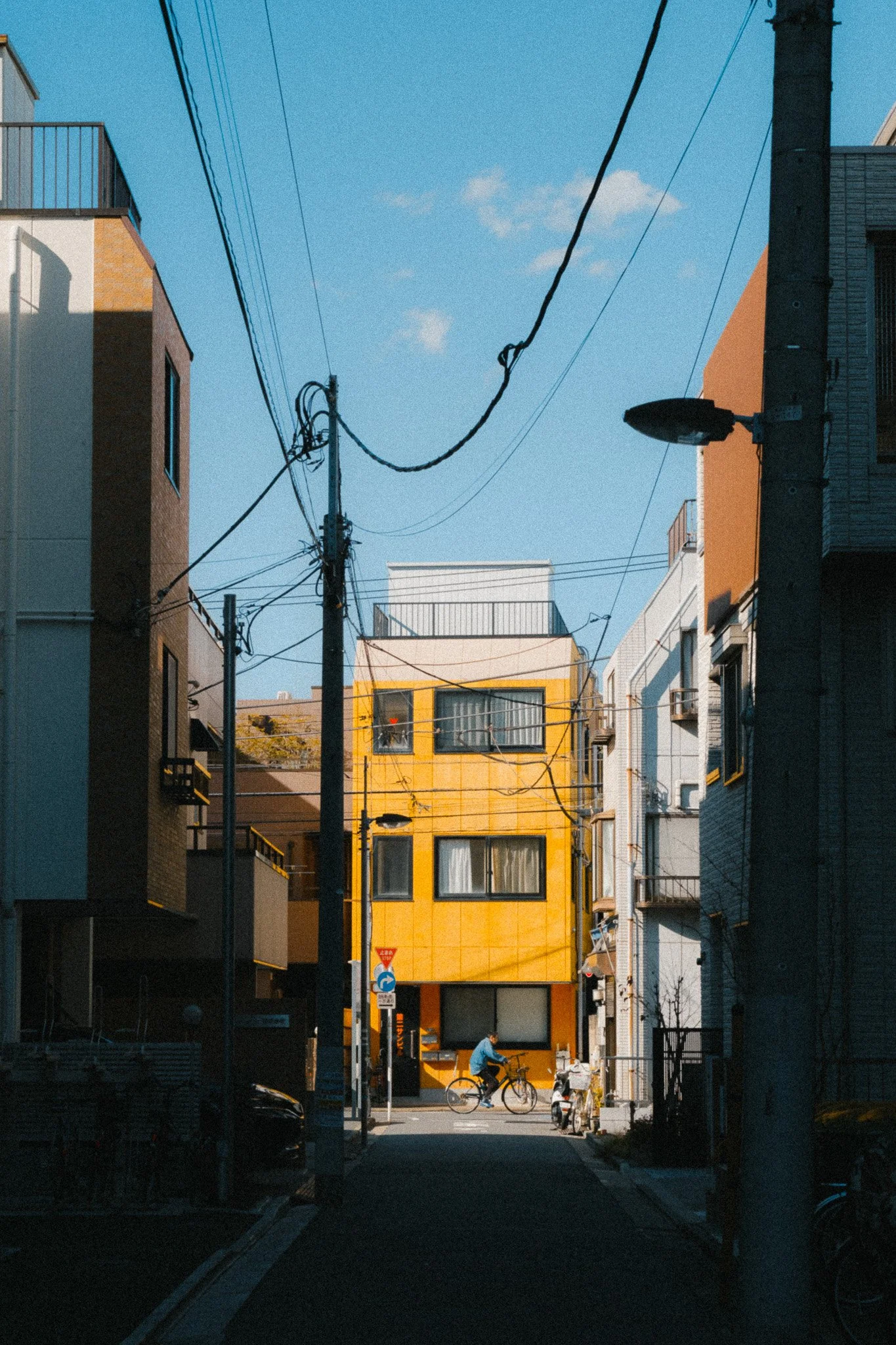
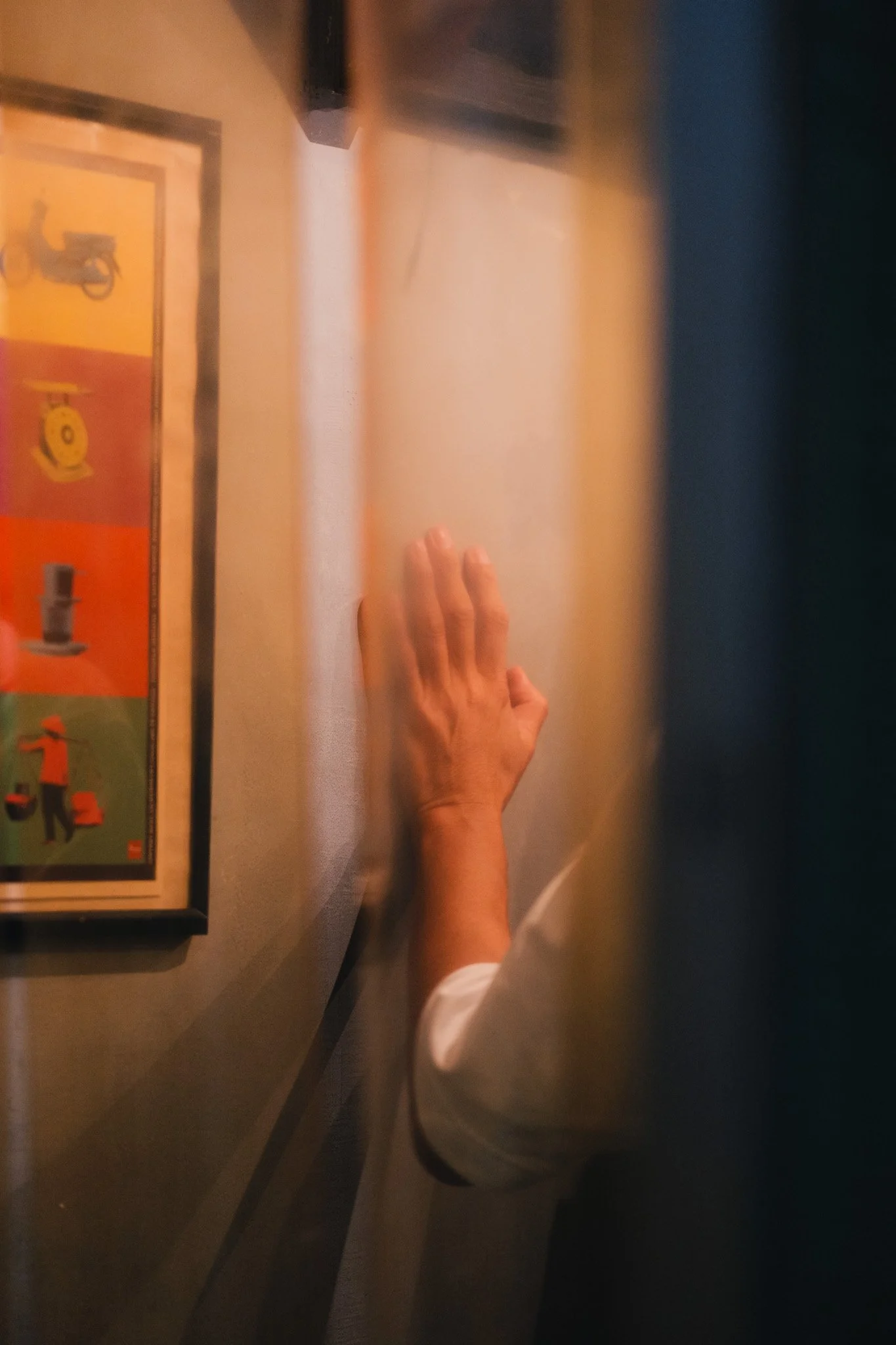
This is where this lens comes into its own and I’m not exaggerating when I say that this is one of the best images out of a Fuji APSC lens. The images are sharp, beautifully rendered with immaculate colours and contrast. Of course when opened to f1.2 the sharpness does fall off a bit however that’s when this lens is at its best in my opinion. If you shoot it at f4-f11 it looks no different to the 50mm f2 from a normal viewing distance. If the size / weight of this lens is making me want to sell it, the image quality is pulling me back and making me want to keep it. You will not find any charts or 400% crops of brick walls here, so instead please see a selection of photos taken on this lens below.






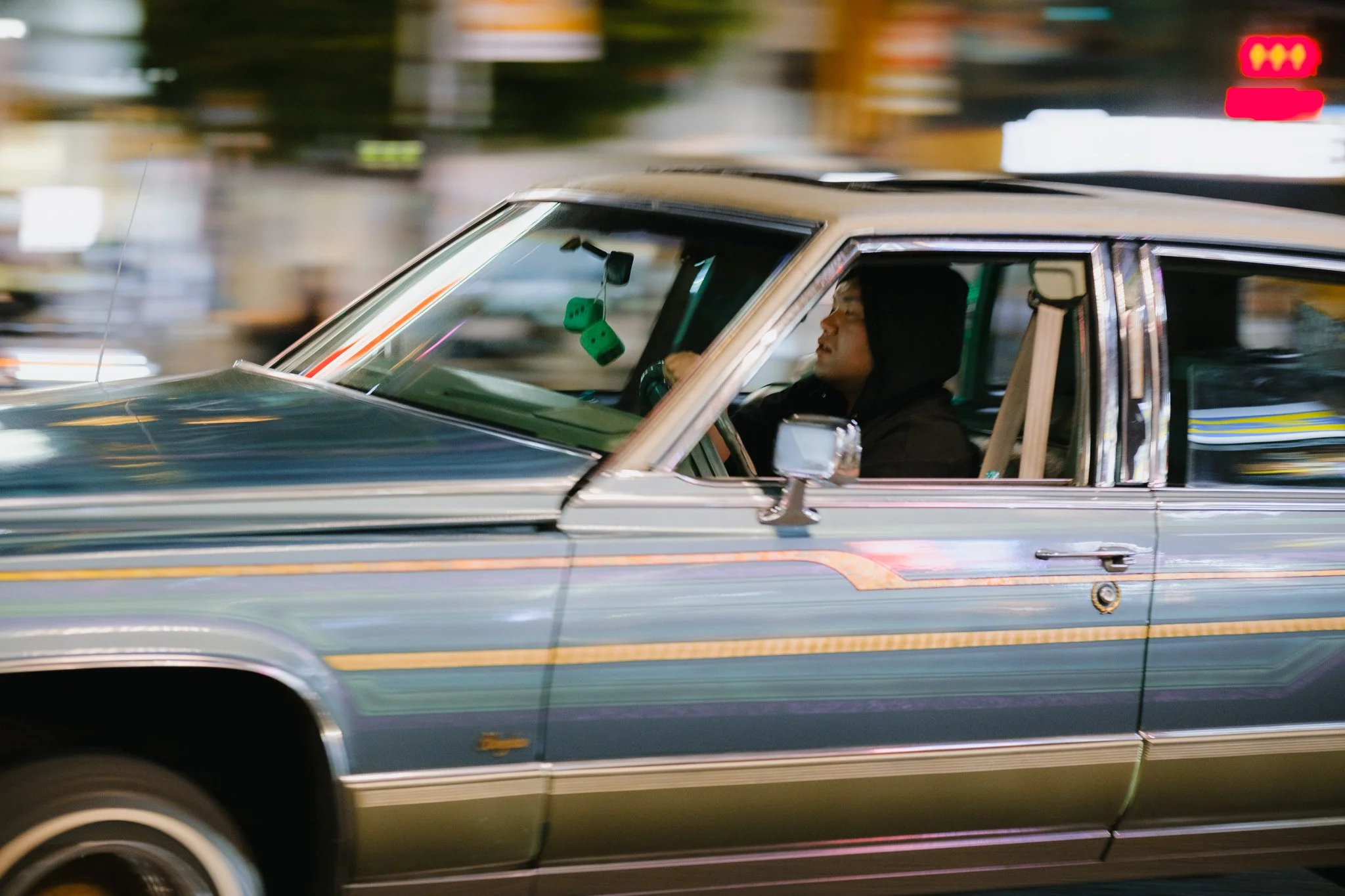

Autofocus
This lens is full of ups and downs because just when I praised the incredible image quality, I can’t say the same for the autofocus. In fact this is the worst Fuji lens I used when it comes to AF performance. It’s slow, lethargic, clunky, loud and feels like 20 year old technology in comparison to the f2 primes let alone the modern lenses with LM motors. Even on an XH2s which has the best autofocus capabilities, this lens is not great. Don’t get me wrong it’s still very usable, however you will need to change your approach and work slower by giving it time to focus especially at f1.2 - f2. There will almost always be a lengthy delay between you pressing the focus button focus being acquired and this is something that will have to be factored in. I have a friend who loves this lens because he mostly shoots at night, however he also said that sometimes he will change into manual focus to work quicker.

Summary
To summarise this lens has a niche use case and if you fall within it, then you will love it. For most people I would honestly recommend the 50mm f2 that I covered here. If you do decide to get this lens, you will be blown away with the image quality however the AF performance could get annoying in some scenarios. As for me I am still not sure whether I will keep it or not. For now I will and then see how often I use it especially at night. If I use it just a handful of times over the coming year, I will sell up.
If you’re considering purchasing this item and use the affiliate links below, it will not cost you any extra however I will get a small % kickback which helps keep this blog ad free for you to enjoy.
Purchase here:



Instead of telling you how these will change your life, I would rather be practical and answer the most common questions that people tend to have when buying presets.
What are presets?
They are editing settings that are saved in a file and can be applied to any image.
Why do people buy presets?
Sometimes because they like the work of the photographer and want that style for their own photos. Mostly because they would like to see how other people edit and learn by reverse engineering the presets. Other times it’s just to support their favourite photographers, thank you!
What’s the overall style of these presets?
- Filmic
- Warm
- Soft
- Bright
What are these presets suitable for?
Street & Travel Photography
Some Nature (with further editing)
Some Portraits (with extensive editing)
Do I actually use these?
Yes. This is the same pack I use right now for all my editing. This isn’t a pack made just to sell.
Do these presets get updated?
Yes, as my style changes, these presets will also be updated. Any time a new update is available, you will get a free update via email. Of course you also keep all the old presets in case you prefer the older looks. Only presets purchased from 2025 onwards will receive the updates.
What file types are these presets for?
- All RAW files
- JPEGs & TIFFs (not recommended)
What camera brands are these presets for?
These were designed around Fujifilm, Sony, and Leica sensors. With that said, they will work with all camera brands. While there might be differences due to individual camera colour science, the overall feel of the preset will carry over.
Will these work with JPEG files?
Yes, but you will need to reduce the intensity and make further edits. I strongly recommend editing RAW files.
Are these one click edits?
95% No. You would need to do some basic adjustments as each image is different. These adjustments can include exposure, colour balance etc. In 5% of cases you can just apply and leave it alone.
Do I need to know how to edit?
You need to have a basic understanding of adjusting exposure, highlights, shadows, etc. A more comprehensive editing skillset will let you get the most out of them.
How many presets are included?
10 in the main pack and 24 in the extras pack
Why two packs?
The main pack is what I use for 99% of my edits and is kept small to reduce wasted time scrolling through presets. The extras pack is everything I don’t use often.
What software do I need?
These presets will work with any of the following:
- Photoshop (adobe camera raw)
- Lightroom Classic
- Lightroom Desktop
- Lightroom Mobile
Will these presets work with free versions of the above software?
You need to research and double check before buying. These presets were designed for the full paid versions.
Will these presets work with very old versions of the above software?
You need to research and double check before buying. These presets were designed on and for the latest software.
What file type do I get?
XMP
What else do I get?
- Comprehensive PDF guide
Can I modify these and turn them into my own?
Yes! In fact I encourage you to modify them and play around. Use these to help you get your own style.
I have more questions…. What do I do?
Make a cup of tea and drop me an email on hello@snapsbyfox.com
Please note that due to the nature of digital products, refunds are generally not accepted. However, if you experience any issues, feel free to contact me and I’ll review your situation individually. You are welcome to use this product for personal or commercial projects, but you may not copy, distribute, or resell the files in their original or modified form.
Finally I want to say a massive thank you for supporting me. Buying these presets is the most direct way you can support my work.
Thank you!