
Camera Gear Buying Tips
In this blog I will share some camera gear buying tips. For context, most of my photography could be classed as street and travel. I don’t shoot commercial projects, weddings, portraits, sports, wildlife or headshots. So all the advice I’m giving is through my specific lens, pun intended.
This blog isn’t sponsored by any brand, and you will not find any affiliate links here. I want this to be a genuine place for information, not an advert disguised as one. If you do find this blog helpful, you can support it by checking out some of my products linked at the end.
Finally, all the advice I’m sharing is based on years of experience, having owned over 20 different cameras from more than five different brands.
Photography Budget
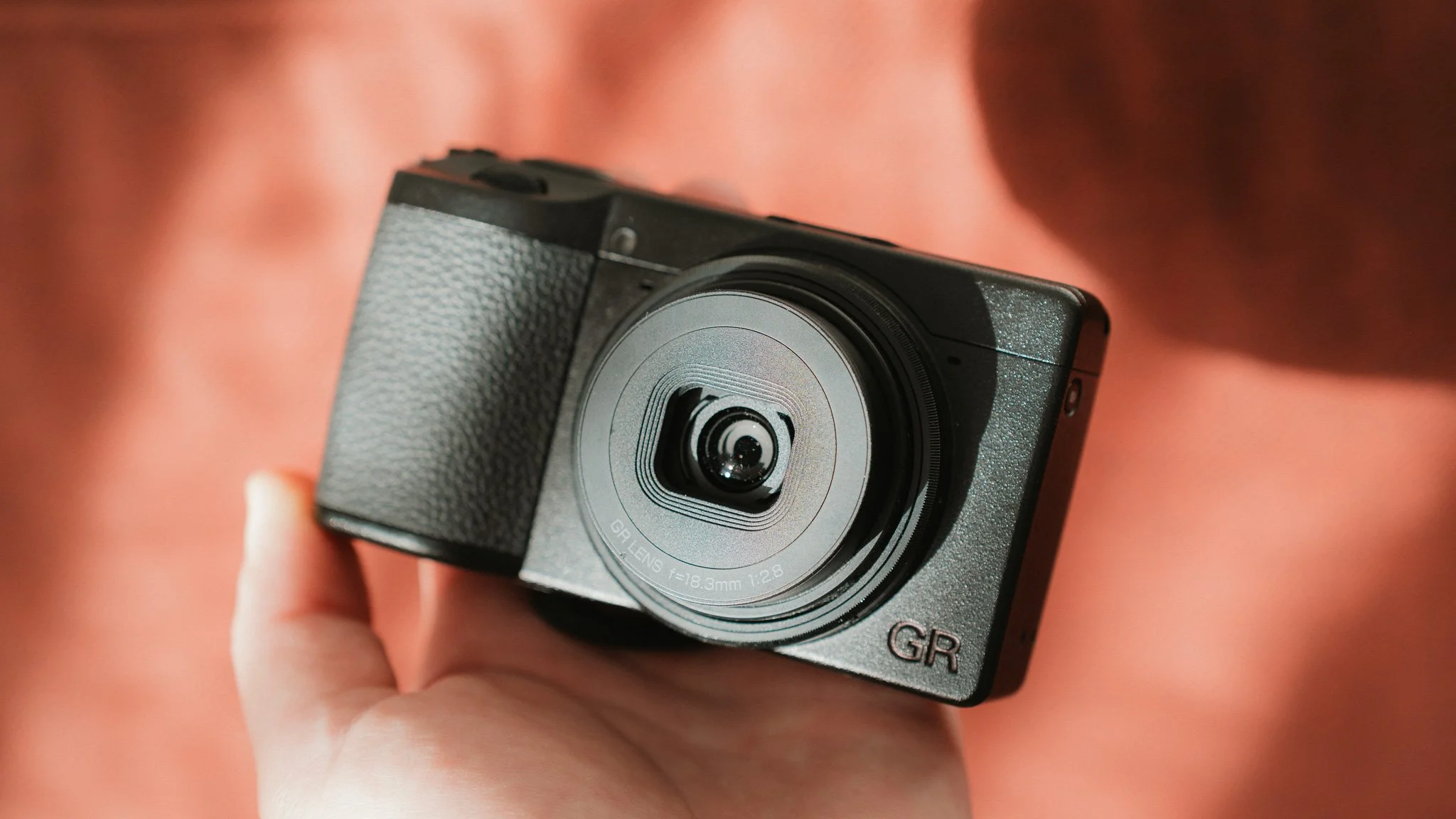
When buying your camera, make sure you have a photography budget. Photography isn’t just the camera. It’s the lenses, train tickets, flights, hotels, coffee, lunches, warm clothes and everything else that goes into getting photos. If your total budget is £5,000 and you spend it all on a Leica, then you have nothing left for actual photography.
Phone vs Camera
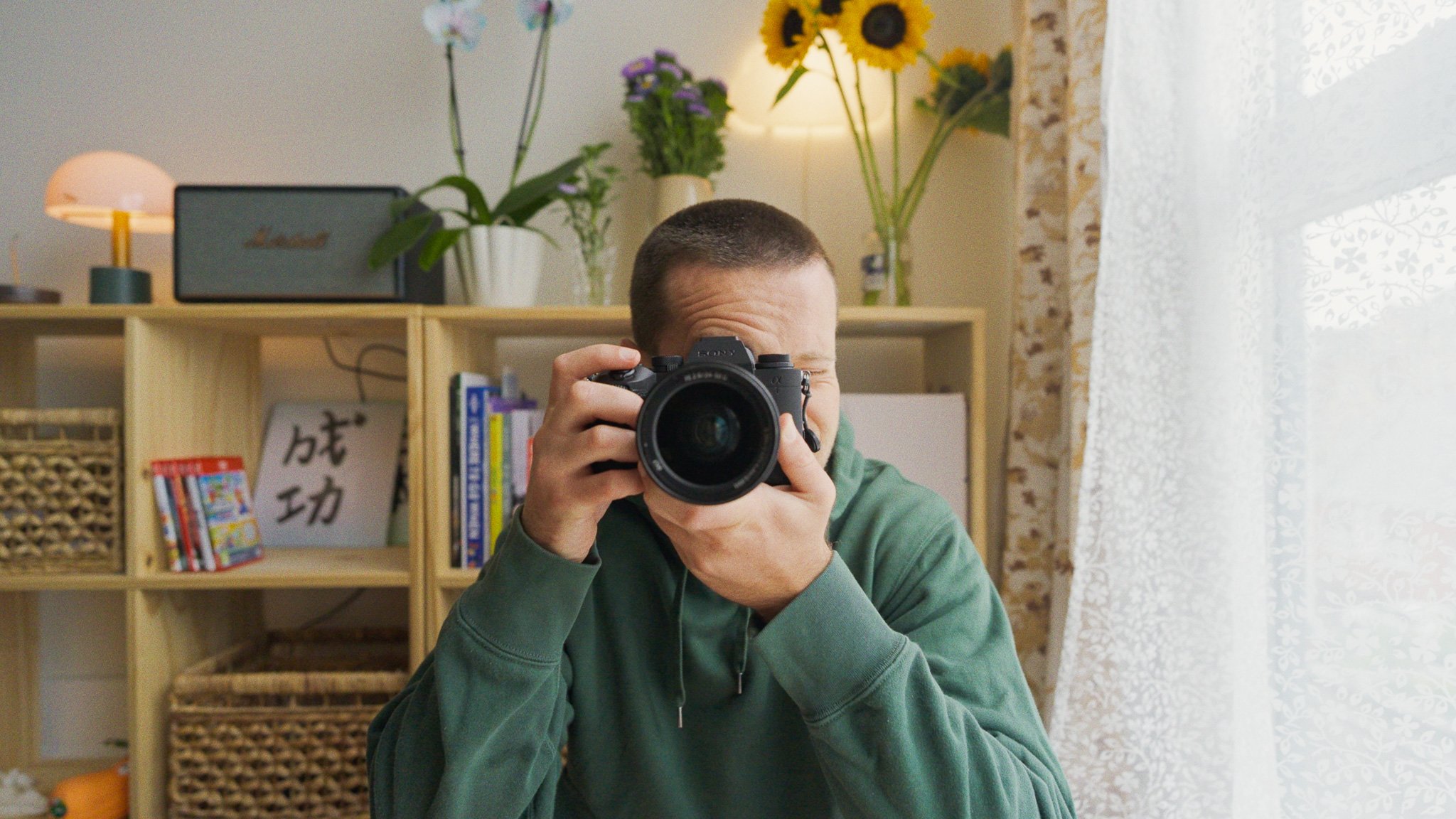
Modern phones are more than good enough to act as your primary camera. There is an angry mob out there who will scream and shout to tell me how wrong I am, but the facts don’t lie. If you can’t take a good photo with a phone, a camera won’t help you.
Starting out with your phone is a great move, and if you find some joy in photography, then grab a camera. Of course, a camera is a much more capable, engaging, rewarding and fun photography tool compared to a phone. There is no debate there, but don’t discard the phone.
I’ve always said that I would much rather travel the world with my iPhone than only shoot my hometown with the best camera, and it’s a hill I will die on.
Sensor Size
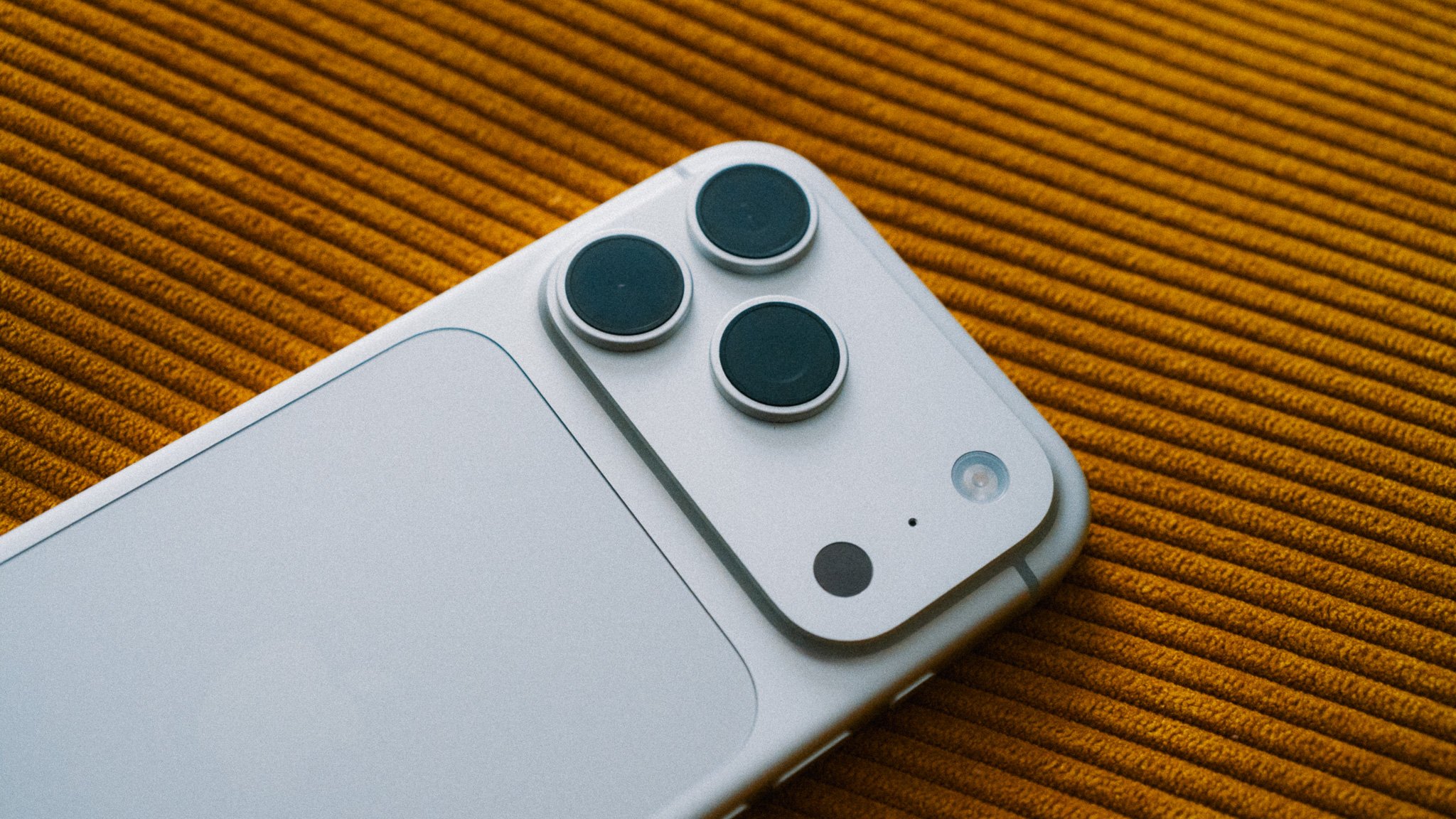
Typically, the bigger the sensor, the more light it can capture. This means that in low light situations, you can end up with cleaner shots. On the other side, bigger sensors generally require bigger lenses and deeper pockets.
For most people, APS-C is the sweet spot. Smaller sensors, such as those found in phones, can start to fall apart when the light levels drop. Larger sensors, like medium format, can be slow and cumbersome.
Five years ago, I would have straight up recommended APS-C. However, these days full frame cameras are getting smaller, lighter and more affordable, while some APS-C cameras seem to be doing the opposite. So my advice would be to invest in a full frame system if you want something you can grow into long term.
Fixed Lens vs Interchangeable
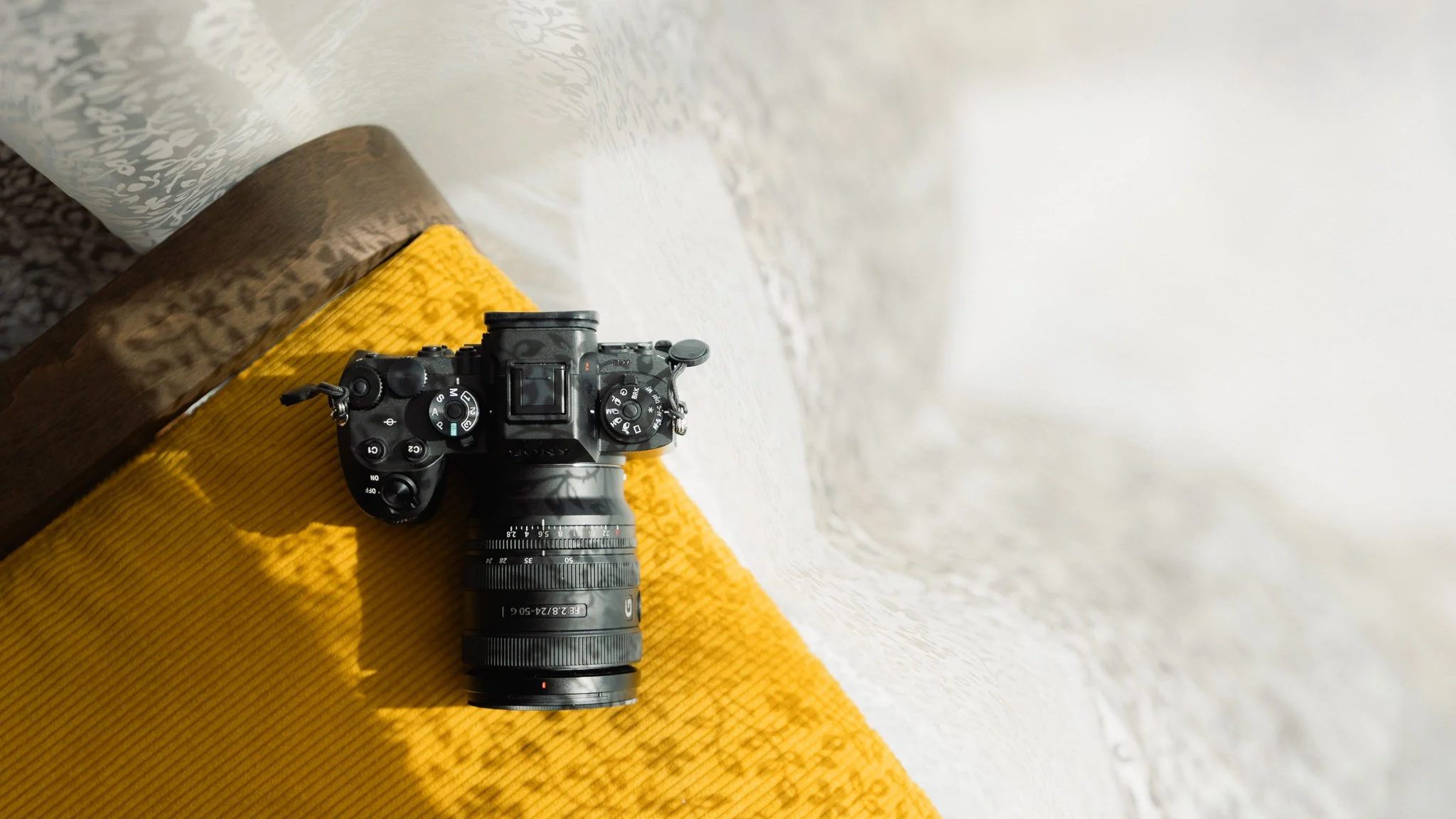
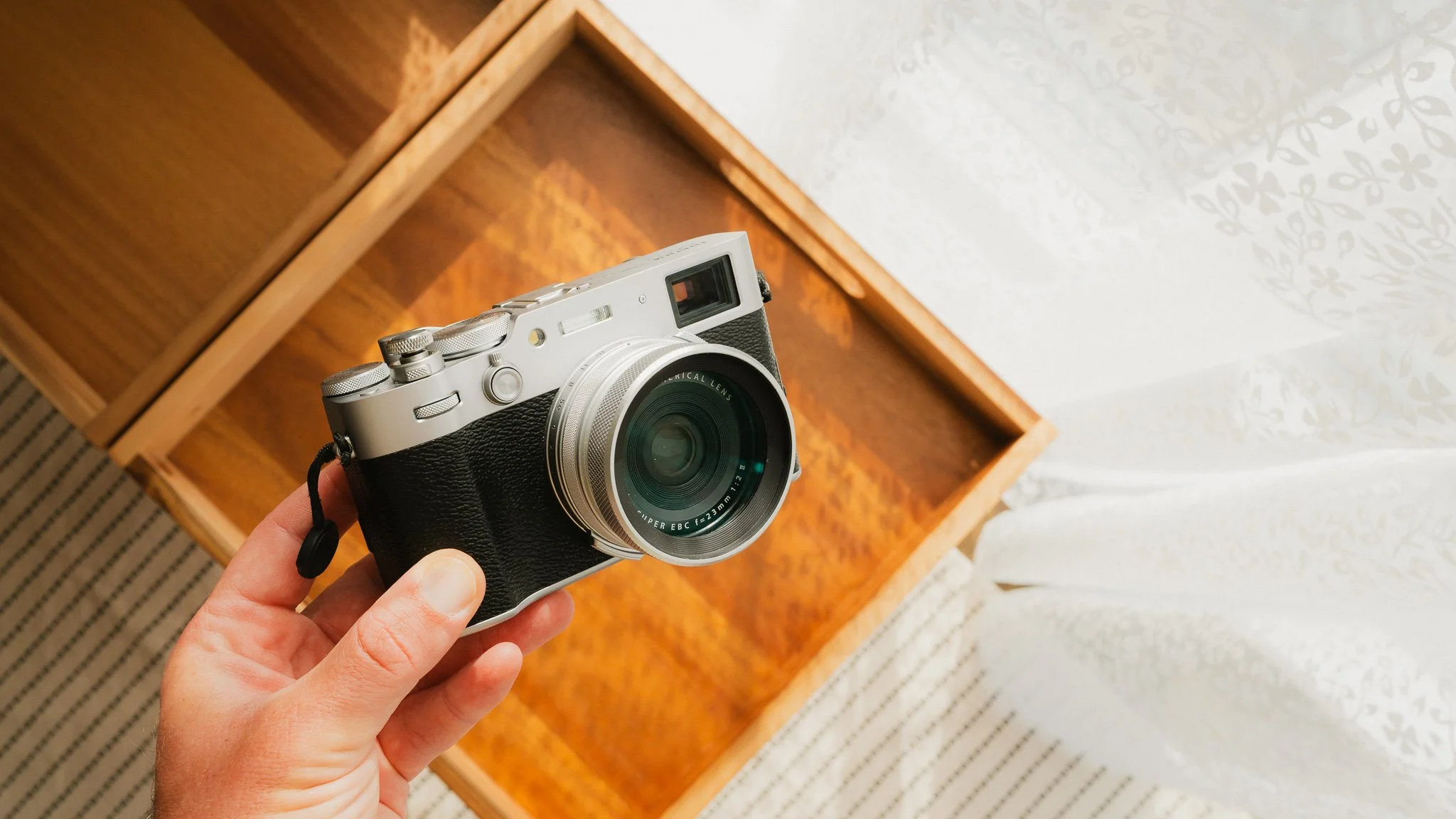
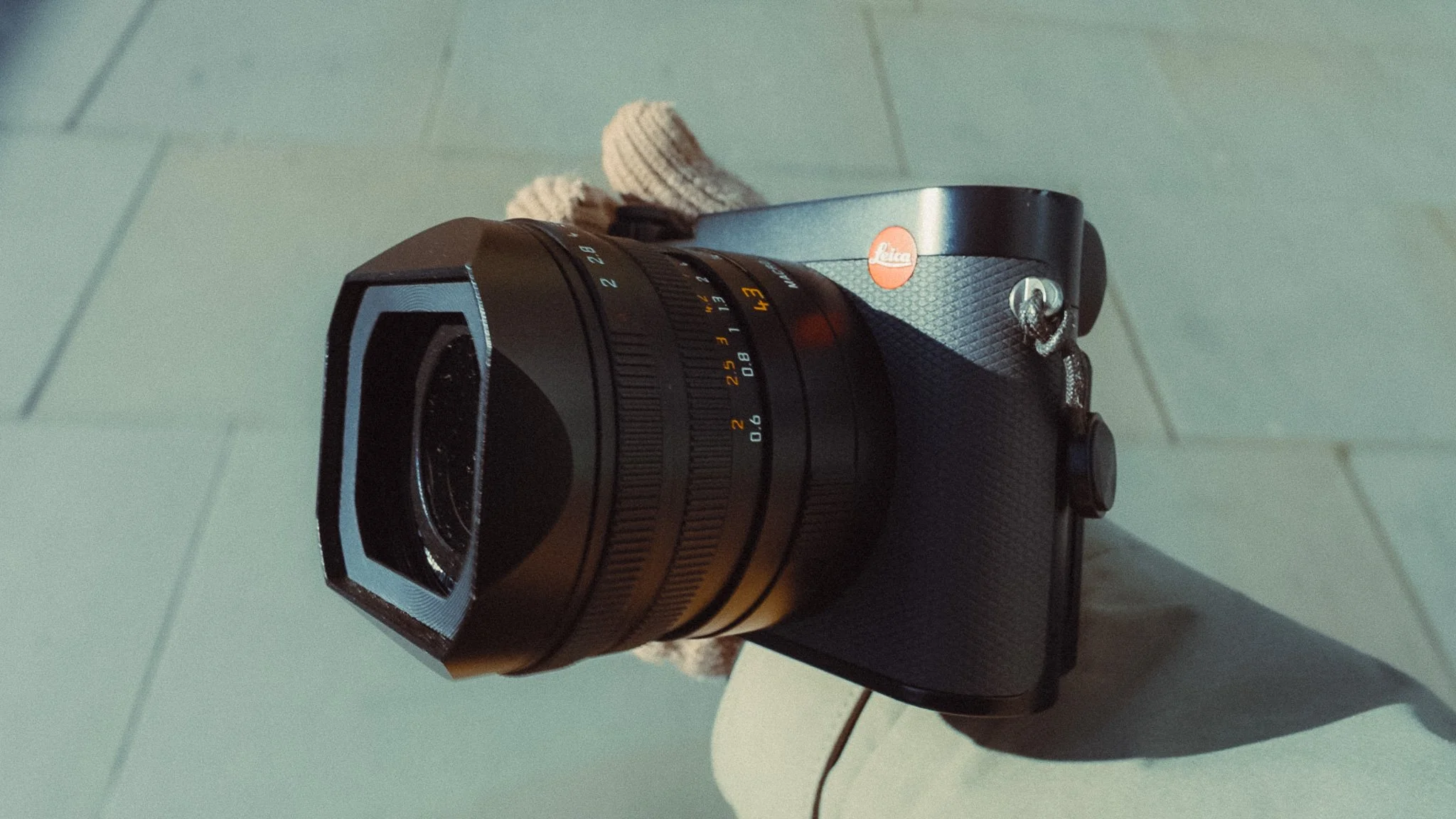
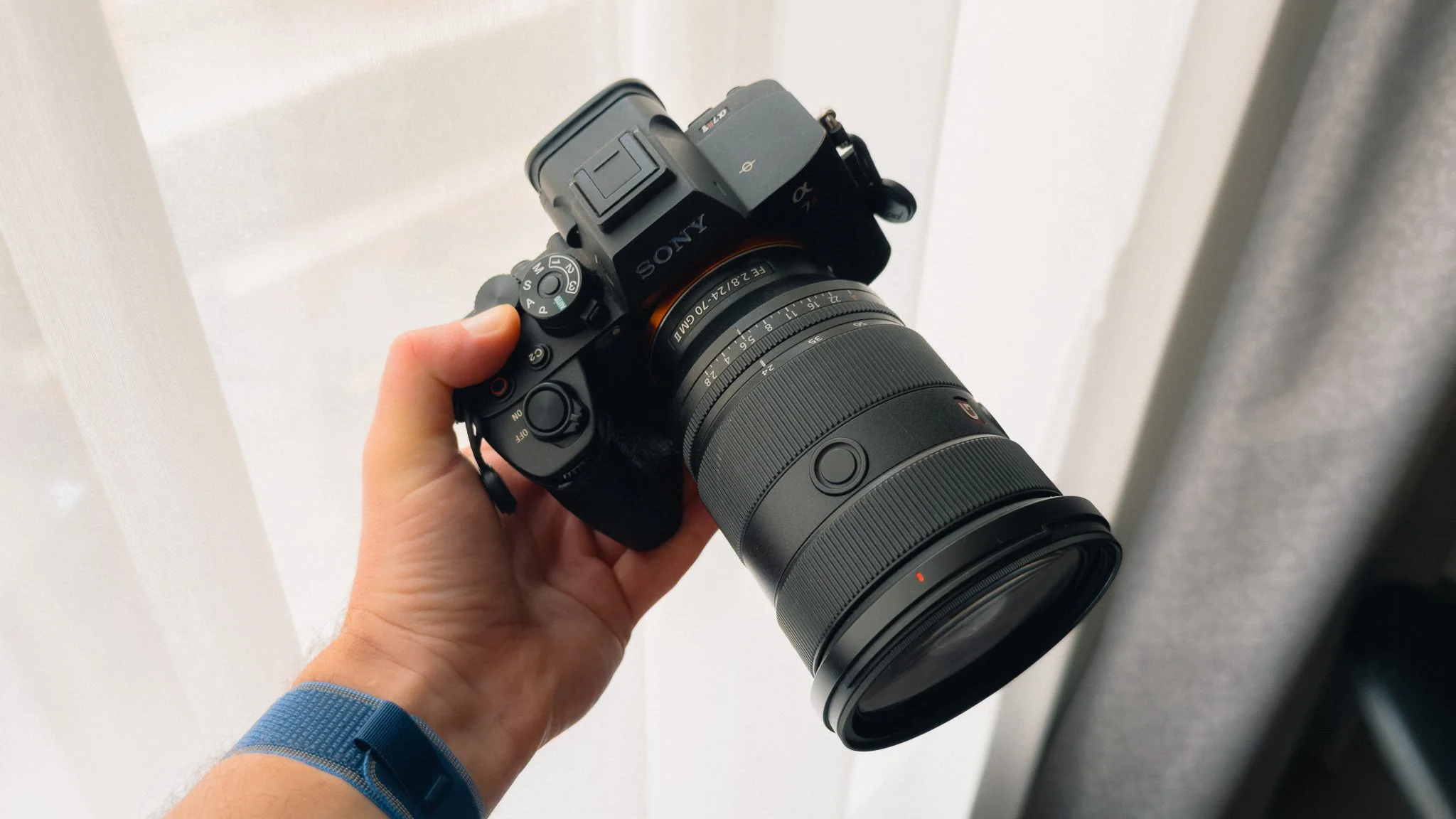
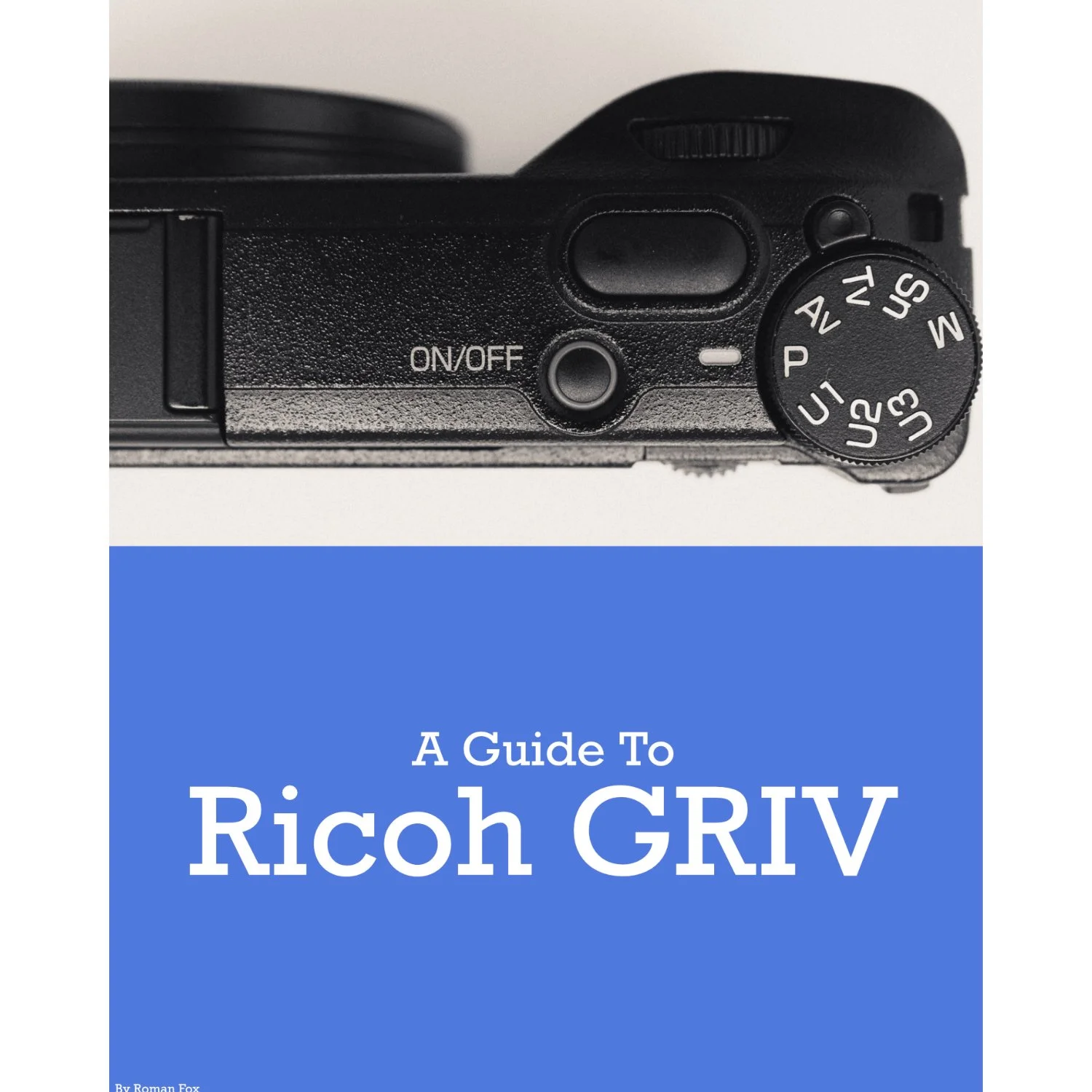
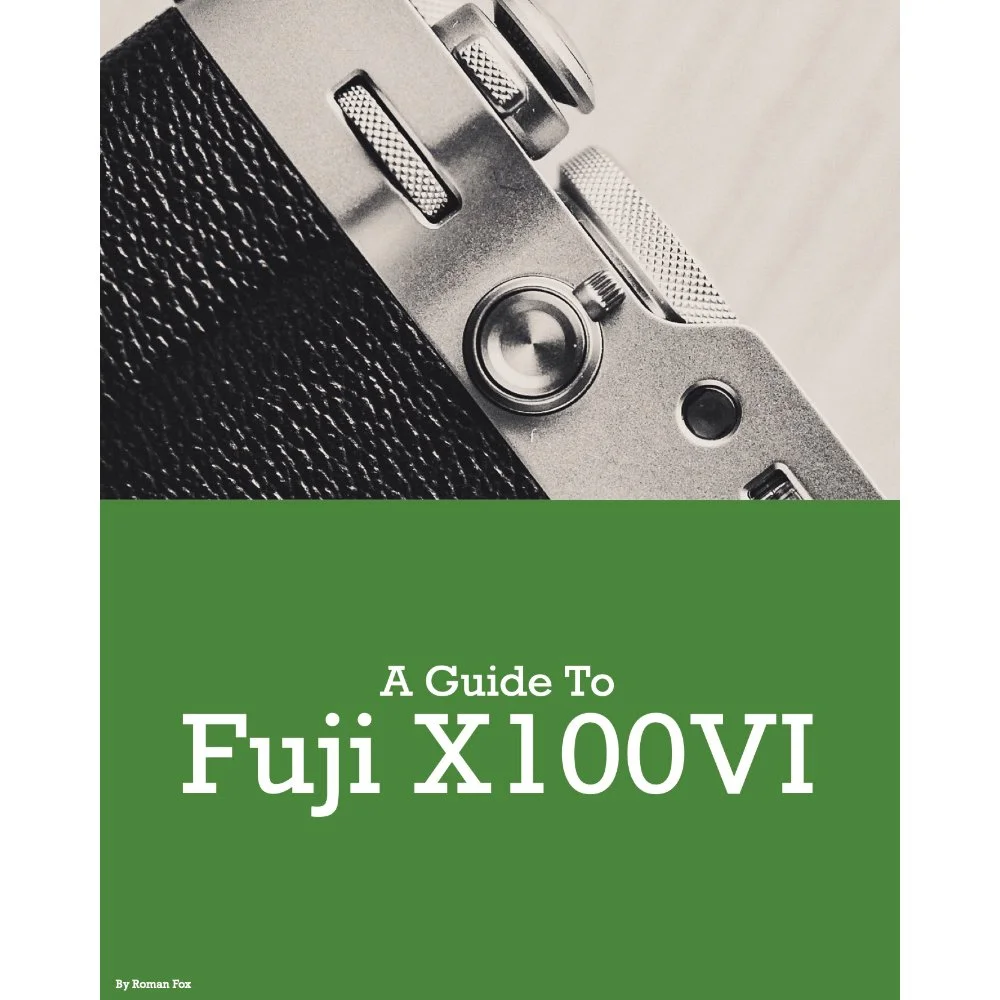
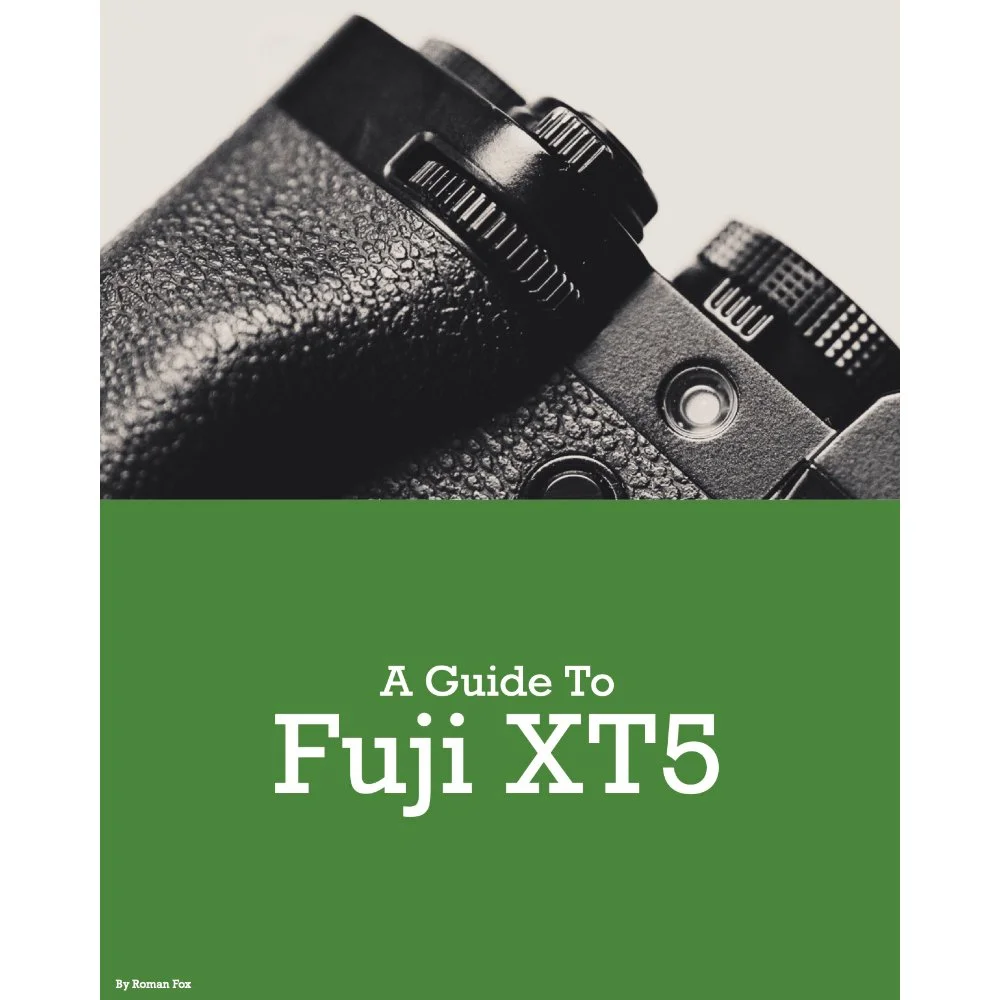
You will be faced with two options: a camera with a fixed lens, such as a Fuji X100, Sony RX or Leica Q, or a camera with interchangeable lenses, such as a Fuji X-T5, Sony A7 or Leica SL.
If you are a die-hard 28mm, 35mm or 43mm shooter and have zero interest in any other focal length, then a fixed lens camera might be for you.
If you’re not 100% set on a fixed lens camera, I would suggest getting one where you can change lenses. This is especially important if you have just started out and want to experiment with different focal lengths.
Which Brand Shall I Get?
I will start this by saying that all mainstream brands these days are good. They all offer outstanding performance and great image quality. The main deciding factor is what you actually want to shoot with the most.
Sony offers a more technical experience with a huge amount of functionality. It’s also widely used professionally, so if you want to work in that space, there are benefits to being in the ecosystem.
Fuji is one of the most approachable options and can require less editing, given how good the film simulations are. It also offers great value.
Leica is the luxury choice, with premium materials, a long history and outstanding lenses.
The uncomfortable reality is that it might take you two or three different brands to find the one that fits you best. My advice is to get whatever you like the idea or look of and go from there.
Fuji is a good starting point. However, I would also look at an entry-level full frame system from Canon, Nikon or Sony. My personal suggestion would be something like the Sony A7C II. It’s tiny, future-proof and extremely capable.
One System
Whatever system you decide to get, stick with it and don’t mix and match. Everyone is different, but having multiple cameras across multiple brands is a sure way to suck a lot of creativity out of photography.
The best photographers I know tend to stick to one or two cameras at most. Staying within one system makes life much easier and cheaper.
Prime vs Zoom
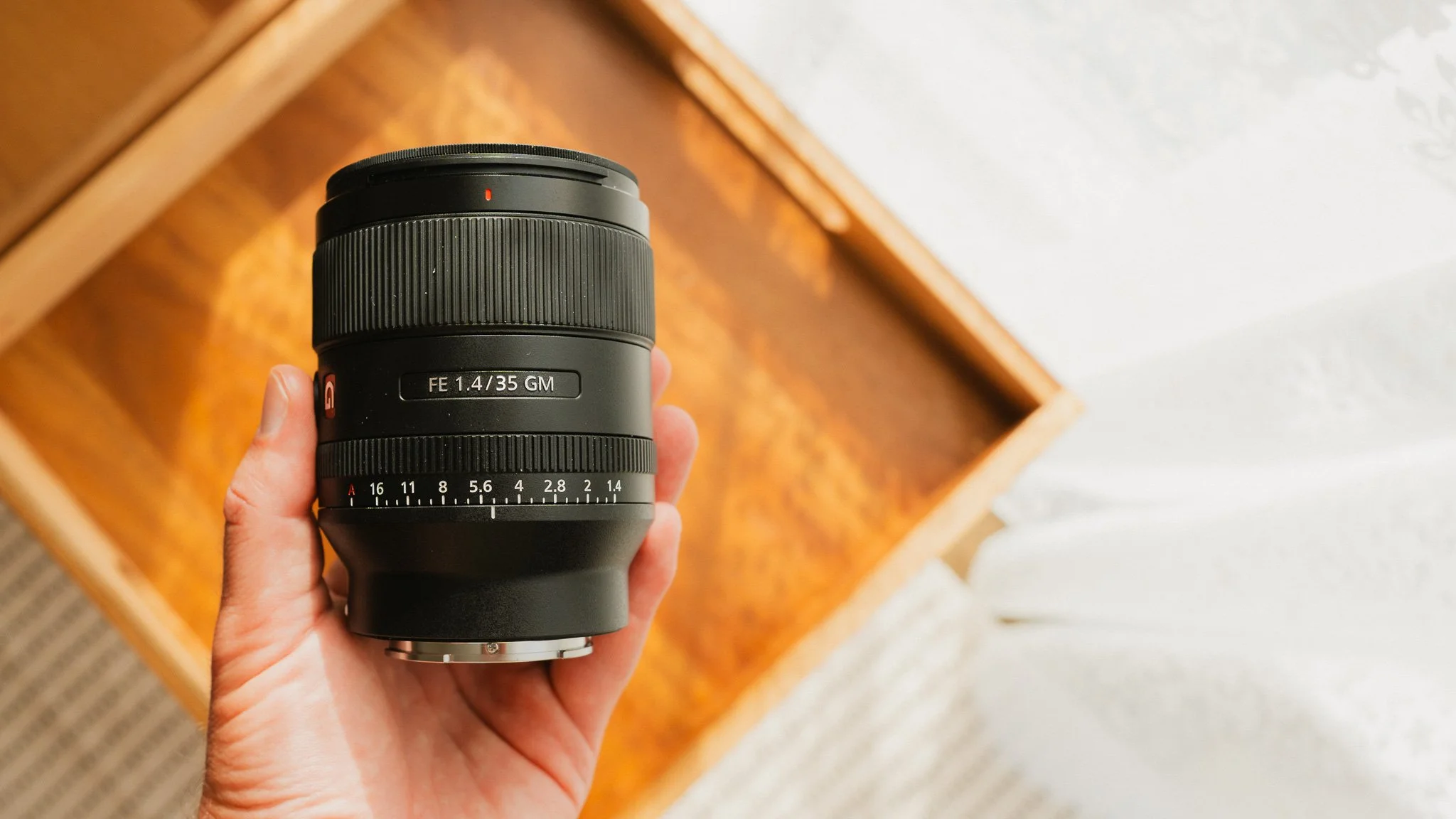
This is another long-running debate, and my take on it is the same as always: it depends. For travel, zoom for sure. For street photography, I prefer a prime. Generally speaking, I think the best approach is one prime and one zoom. Get a general 24-70mm zoom, or around 16-55mm on APS-C, and a 35mm prime, or around 23mm on APS-C. That’s all you need to get going.
Beginner
If you’re just starting out, try using your phone for a bit and see how you feel. If you hate using your phone, pick up an older Micro Four Thirds camera from Panasonic or an older Fuji. These can be cheap and offer a low-cost way to dip your toes into photography.
Casual
This is where I would recommend looking at fixed lens cameras like the Fuji X100VI. It’s not cheap, but for many casual shooters it could be the only camera they ever need. If you have deep pockets, the Leica Q series is another option.
Enthusiast
For this, I would look at an interchangeable lens system such as the Fuji X-T5 or Sony A7C II. This gives you plenty of room to experiment with different lenses and grow into the system.
Aspiring Pro
I would look at full frame options from Canon, Sony or Nikon. All three offer extensive lens ecosystems and plenty of room to move into more specialised or professional bodies later.
Summary
I hope this blog gave you a little insight into my thinking on this topic. Whatever you decide to get, there really are very few bad cameras these days.
While I hope this blog was useful, the only real way to find the right camera for you is through trial and error. Even listening to my opinions here won’t beat experience.

Instead of telling you how these will change your life, I would rather be practical and answer the most common questions that people tend to have when buying presets.
What are presets?
They are editing settings that are saved in a file and can be applied to any image.
Why do people buy presets?
Sometimes because they like the work of the photographer and want that style for their own photos. Mostly because they would like to see how other people edit and learn by reverse engineering the presets. Other times it’s just to support their favourite photographers, thank you!
What’s the overall style of these presets?
- Filmic
- Warm
- Soft
- Bright
What are these presets suitable for?
Street & Travel Photography
Some Nature (with further editing)
Some Portraits (with extensive editing)
Do I actually use these?
Yes. This is the same pack I use right now for all my editing. This isn’t a pack made just to sell.
Do these presets get updated?
Yes, as my style changes, these presets will also be updated. Any time a new update is available, you will get a free update via email. Of course you also keep all the old presets in case you prefer the older looks. Only presets purchased from 2025 onwards will receive the updates.
What file types are these presets for?
- All RAW files
- JPEGs & TIFFs (not recommended)
What camera brands are these presets for?
These were designed around Fujifilm, Sony, and Leica sensors. With that said, they will work with all camera brands. While there might be differences due to individual camera colour science, the overall feel of the preset will carry over.
Will these work with JPEG files?
Yes, but you will need to reduce the intensity and make further edits. I strongly recommend editing RAW files.
Are these one click edits?
95% No. You would need to do some basic adjustments as each image is different. These adjustments can include exposure, colour balance etc. In 5% of cases you can just apply and leave it alone.
Do I need to know how to edit?
You need to have a basic understanding of adjusting exposure, highlights, shadows, etc. A more comprehensive editing skillset will let you get the most out of them.
How many presets are included?
10 in the main pack and 24 in the extras pack
Why two packs?
The main pack is what I use for 99% of my edits and is kept small to reduce wasted time scrolling through presets. The extras pack is everything I don’t use often.
What software do I need?
These presets will work with any of the following:
- Photoshop (adobe camera raw)
- Lightroom Classic
- Lightroom Desktop
- Lightroom Mobile
Will these presets work with free versions of the above software?
You need to research and double check before buying. These presets were designed for the full paid versions.
Will these presets work with very old versions of the above software?
You need to research and double check before buying. These presets were designed on and for the latest software.
What file type do I get?
XMP
What else do I get?
- Comprehensive PDF guide
Can I modify these and turn them into my own?
Yes! In fact I encourage you to modify them and play around. Use these to help you get your own style.
I have more questions…. What do I do?
Make a cup of tea and drop me an email on hello@snapsbyfox.com
Please note that due to the nature of digital products, refunds are generally not accepted. However, if you experience any issues, feel free to contact me and I’ll review your situation individually. You are welcome to use this product for personal or commercial projects, but you may not copy, distribute, or resell the files in their original or modified form.
Finally I want to say a massive thank you for supporting me. Buying these presets is the most direct way you can support my work.
Thank you!