
9 Photography Habits That Stop You Progressing
In this blog, I will discuss nine photography habits that could be holding you back and limiting your progression.
Following Trends
The first photography habit that will hold you back is following trends. Of course, trends aren’t inherently bad—they can be a great way to try something new and boost your reach on social media. However, the problem arises when photographers focus solely on trends and neglect developing their own voice. If most of your photography revolves around trends, what do you have to offer that’s unique? Why would people take an interest in your work specifically?
Even when it comes to building a following, chasing trends can really hinder you. Let’s say there’s a trend of shooting at night and colour grading everything in blue. Those photos are getting all the likes on Instagram, and you follow suit. You spend all your time shooting at night, perhaps even if you don’t enjoy it, and edit your photos to mimic the ones getting all the attention. Your account starts to grow, and before you know it, you’ve gained thousands of followers.
The issue is that these followers are only interested in your cool night photography. What happens when you get bored of it? What happens when you want to shoot what truly excites you? If you love black-and-white street photography, for instance, the moment you start sharing that, you’ll likely lose a significant portion of your followers, along with the engagement you’ve become accustomed to. You may then end up blaming the algorithm.
Focusing on Theory
Photography is a practical art form, but there is a degree of theory involved too. The issue is that many people focus too much on theory because it’s easier, neglecting the practical side, which requires more effort. I know this from experience. Around 2017, as my interest in photography grew, I was binge-watching photography tutorials on YouTube, trying to learn as much as possible. The funny thing is, I rarely went out to shoot—I spent all my time watching tutorials.
One day, my mate who lived with me said, “You’re not going to get any photos by watching others take photos. Stop being lazy and get your arse outside.” He was totally right. You can watch every video on how to drive a car, but all of that goes out the window the moment you’re behind the wheel. Theory is fine, but hands-on experience is priceless.
Forcing a Style
We all aspire to develop a unique photography style. Having a collection of images that are instantly recognisable and cohesive is something many photographers aim for. However, style isn’t something you can create overnight. Developing a style takes years of experience and experimentation. Style is more than just a preset you apply in Lightroom. It’s about where you shoot, what you shoot, and how you shoot it. Style is whether you show faces or silhouettes. It’s the focal length you use and how you present your work. Trying to force a style is like trying to force extra reps at the gym in hopes of having bigger muscles by morning. You’ll only end up hurt, frustrated, and ready to quit. Instead, take your time, stay consistent, and your style will naturally develop.
Setting Expectations
Unless you have full control over every aspect of the universe, setting high expectations will only result in disappointment and frustration. You could spend all day shooting, but you can’t guarantee that everything will align for a great photo. The weather may change at the last minute, or someone may walk in front of your shot, or your grandmother might call to tell you about the new type of cheese she’s found.
Similarly, when you post your favourite photo online, you have no control over how people will react. You can’t predict whether your client will like your work, or if anyone will book you. Of course, there are things you can do to increase your chances, but to declare that today you’ll get your best shot or your photo will get 1,000 likes is setting yourself up for disappointment. Instead of setting expectations around things beyond your control, focus on what you can control—such as how often you go out to shoot and how much effort you put into your photography.
Not Shooting Alone
Shooting with friends can be fun and beneficial, but if all your photography happens in groups, you might be missing out. If you only shoot with others, you may become reliant on their presence to feel comfortable with a camera. You might also subconsciously start copying their style, losing your own voice in the process.
Shooting alone gives you the freedom to take your time and work each scene for as long as needed. You’re not tied to anyone else’s plan or schedule. Most importantly, shooting alone puts you in control of every decision—where to go, what to shoot, and even whether to head out in the first place. While shooting with others is great, make sure you shoot alone from time to time too.
Buying Too Much Gear
Buying new camera gear is fun—anyone who tells you otherwise is either kidding themselves or using it as a coping mechanism. While some photographers love gear more than others, most have a passion for it, even those who claim it doesn’t matter. However, having too much gear early on in your photography journey can be limiting for a few reasons. Firstly, gear is expensive, and if you keep spending on new equipment, you’ll have less money left for photography itself. In many cases, your money is better spent on a photography trip or workshop than on yet another lens you might use once a month.
Additionally, having too much gear leads to decision paralysis. Should you take the 35mm or the 50mm? What about the zoom lens or the wide angle? Stick to a simple setup initially, and as you grow more confident and experienced, you’ll find it easier to make these gear decisions.
Expecting Recognition
Expecting recognition can be detrimental, especially for those with some experience under their belt. You may wonder why your work isn’t getting the attention it deserves or why others are landing opportunities you believe should be yours. I’ve encountered people like this both in real life and on social media: “I’ve been a professional photographer for 20 years—why does no one appreciate my photography?” or “These kids on Instagram are getting all the recognition, but their work sucks. Why isn’t anyone coming to me?”
The hard truth is that no one owes you anything, and life doesn’t operate on a fairness scale. Some people catch a lucky break early in their careers, while others grind for years with little progress. Instead of harbouring bitterness, accept that life isn’t always fair and focus on improving your own work, rather than worrying about others.
Comparison & Jealousy
This ties into the previous point. Unhealthy comparison and jealousy can derail you. Comparing your day’s shoot to someone’s highlight reel on Instagram will only lead to frustration. Comparing your photos from a grey day in a small English seaside town to those taken in Japan, Iceland, or India will make you question your abilities. No matter how great your work is, someone will always be better. No matter how exotic the locations you shoot in, someone else will be in a more stunning place. Comparison is a slippery slope.
Excessive Social Media
This is something I’m guilty of as much as anyone else. How often do you open social media under the pretext of “staying up to date” with photography? Or post a photo and then check every five minutes to see how it’s performing? This behaviour isn’t serving you. Instead of scrolling, you could be doing something more productive, something that will genuinely improve your photography. Out of all the habits mentioned, this one can drain your time, energy, and mental health like no other.


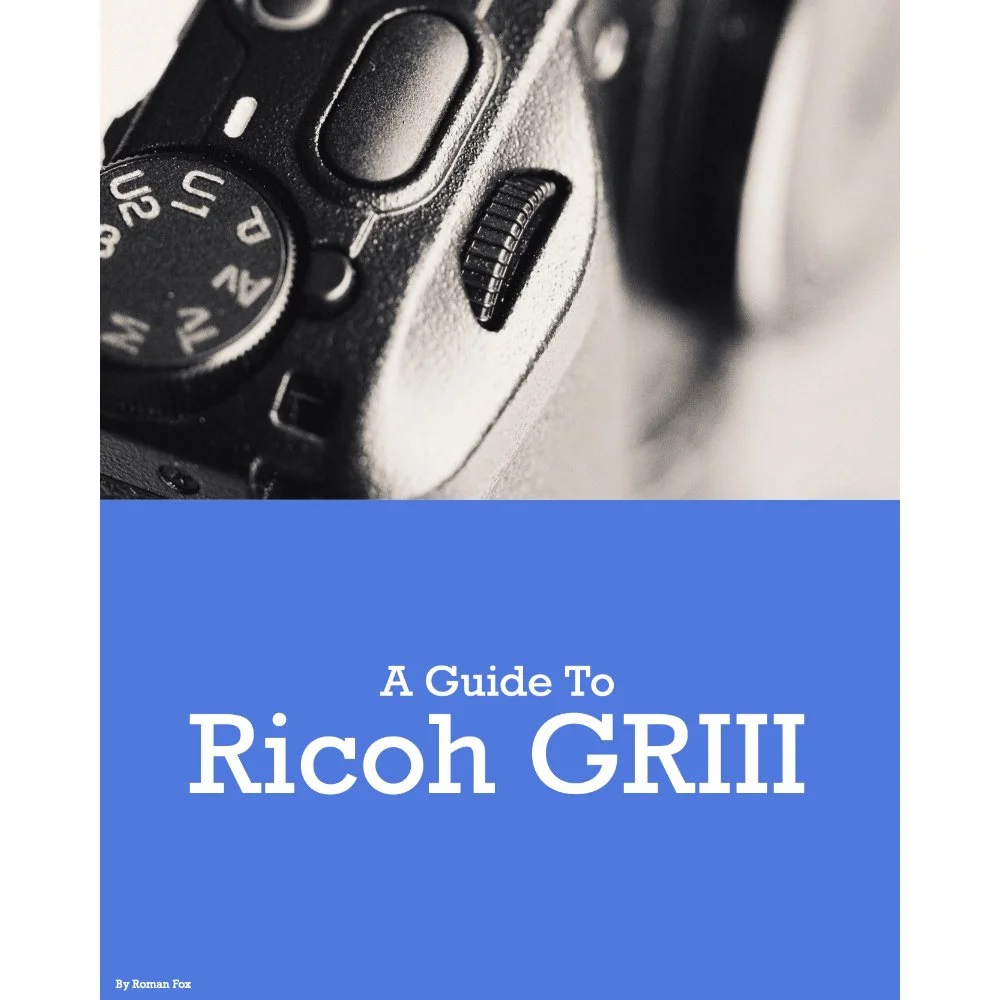
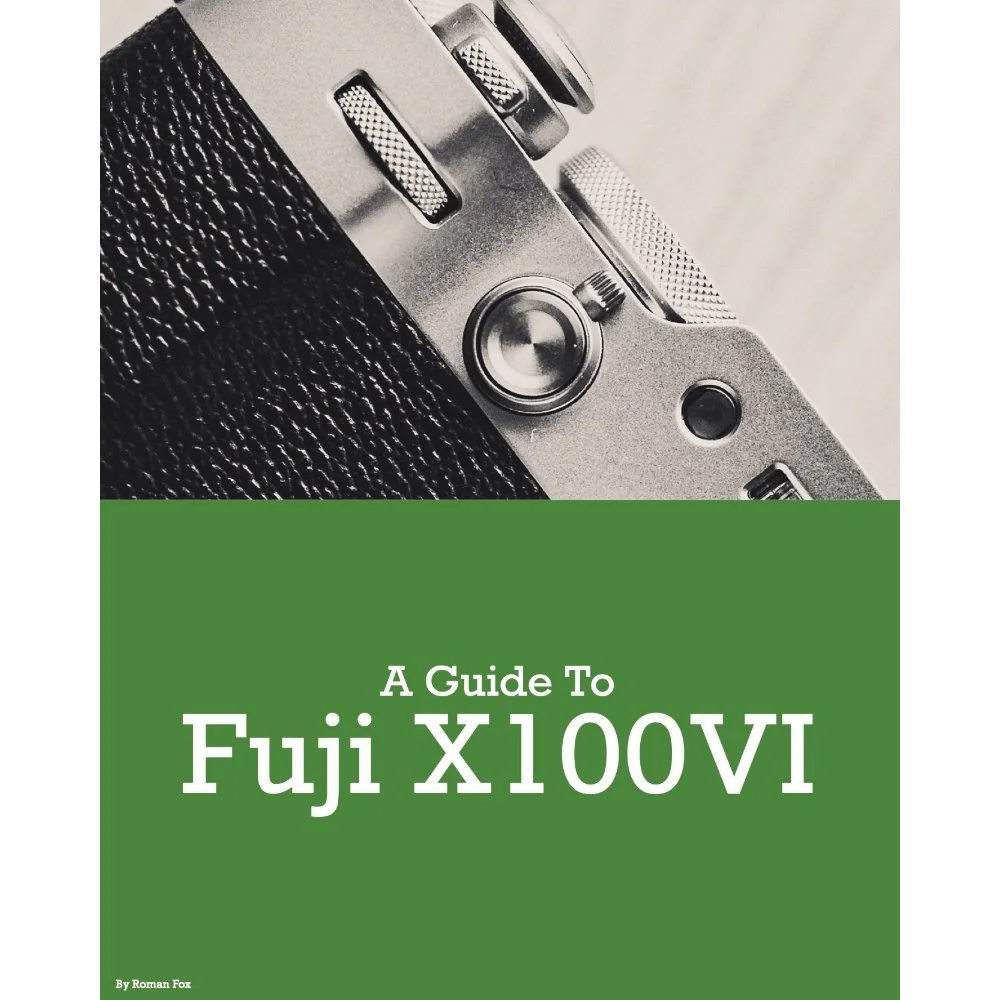
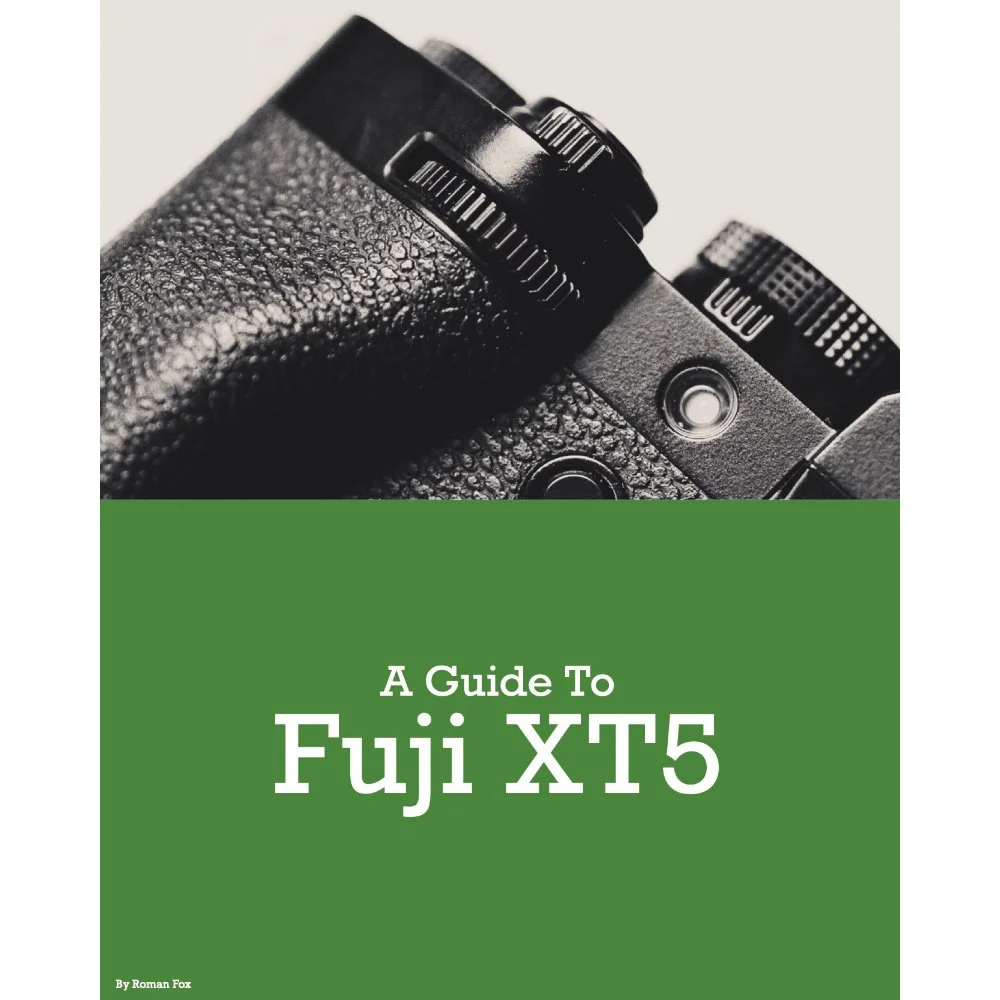
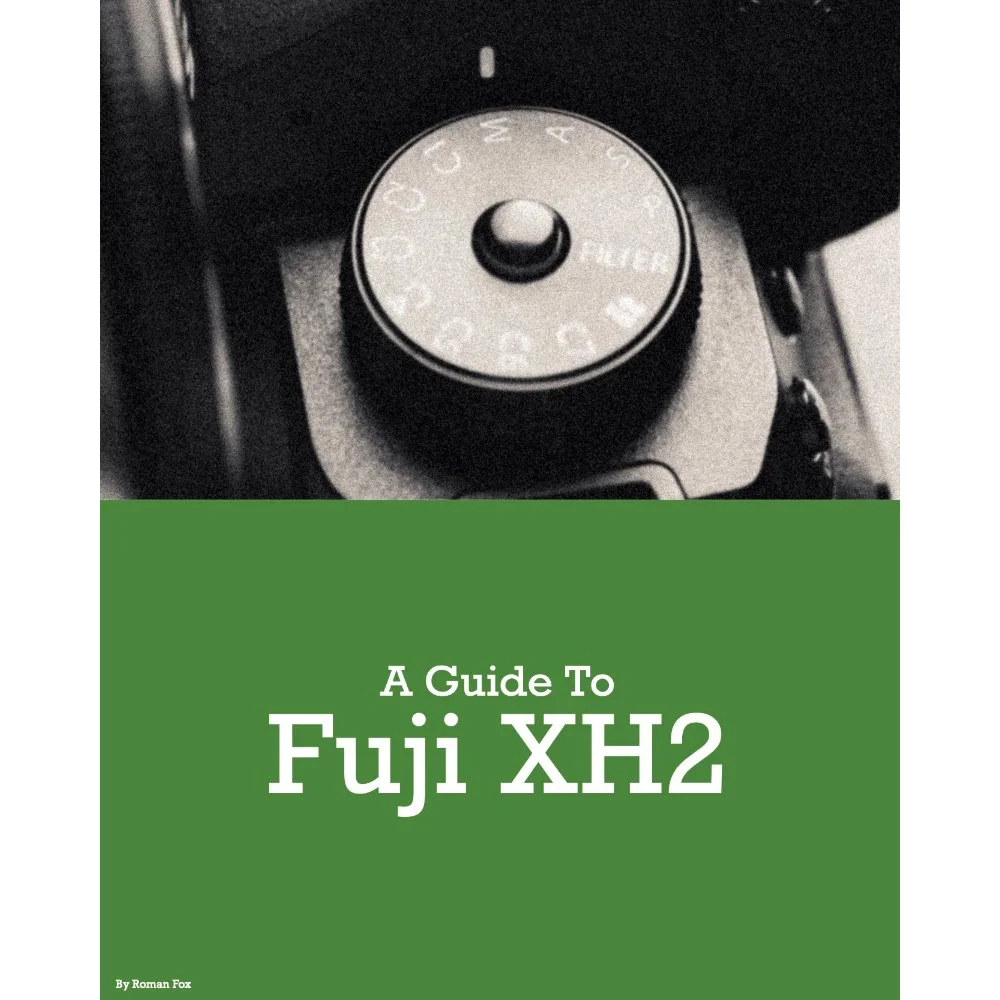
Instead of telling you how these will change your life, I would rather be practical and answer the most common questions that people tend to have when buying presets.
What are presets?
They are editing settings that are saved in a file and can be applied to any image.
Why do people buy presets?
Sometimes because they like the work of the photographer and want that style for their own photos. Mostly because they would like to see how other people edit and learn by reverse engineering the presets. Other times it’s just to support their favourite photographers, thank you!
What’s the overall style of these presets?
- Filmic
- Warm
- Soft
- Bright
What are these presets suitable for?
Street & Travel Photography
Some Nature (with further editing)
Some Portraits (with extensive editing)
Do I actually use these?
Yes. This is the same pack I use right now for all my editing. This isn’t a pack made just to sell.
Do these presets get updated?
Yes, as my style changes, these presets will also be updated. Any time a new update is available, you will get a free update via email. Of course you also keep all the old presets in case you prefer the older looks. Only presets purchased from 2025 onwards will receive the updates.
What file types are these presets for?
- All RAW files
- JPEGs & TIFFs (not recommended)
What camera brands are these presets for?
These were designed around Fujifilm, Sony, and Leica sensors. With that said, they will work with all camera brands. While there might be differences due to individual camera colour science, the overall feel of the preset will carry over.
Will these work with JPEG files?
Yes, but you will need to reduce the intensity and make further edits. I strongly recommend editing RAW files.
Are these one click edits?
95% No. You would need to do some basic adjustments as each image is different. These adjustments can include exposure, colour balance etc. In 5% of cases you can just apply and leave it alone.
Do I need to know how to edit?
You need to have a basic understanding of adjusting exposure, highlights, shadows, etc. A more comprehensive editing skillset will let you get the most out of them.
How many presets are included?
10 in the main pack and 24 in the extras pack
Why two packs?
The main pack is what I use for 99% of my edits and is kept small to reduce wasted time scrolling through presets. The extras pack is everything I don’t use often.
What software do I need?
These presets will work with any of the following:
- Photoshop (adobe camera raw)
- Lightroom Classic
- Lightroom Desktop
- Lightroom Mobile
Will these presets work with free versions of the above software?
You need to research and double check before buying. These presets were designed for the full paid versions.
Will these presets work with very old versions of the above software?
You need to research and double check before buying. These presets were designed on and for the latest software.
What file type do I get?
XMP
What else do I get?
- Comprehensive PDF guide
Can I modify these and turn them into my own?
Yes! In fact I encourage you to modify them and play around. Use these to help you get your own style.
I have more questions…. What do I do?
Make a cup of tea and drop me an email on hello@snapsbyfox.com
Please note that due to the nature of digital products, refunds are generally not accepted. However, if you experience any issues, feel free to contact me and I’ll review your situation individually. You are welcome to use this product for personal or commercial projects, but you may not copy, distribute, or resell the files in their original or modified form.
Finally I want to say a massive thank you for supporting me. Buying these presets is the most direct way you can support my work.
Thank you!